Boston in Winter: What to Expect and Why It's Worth Visiting
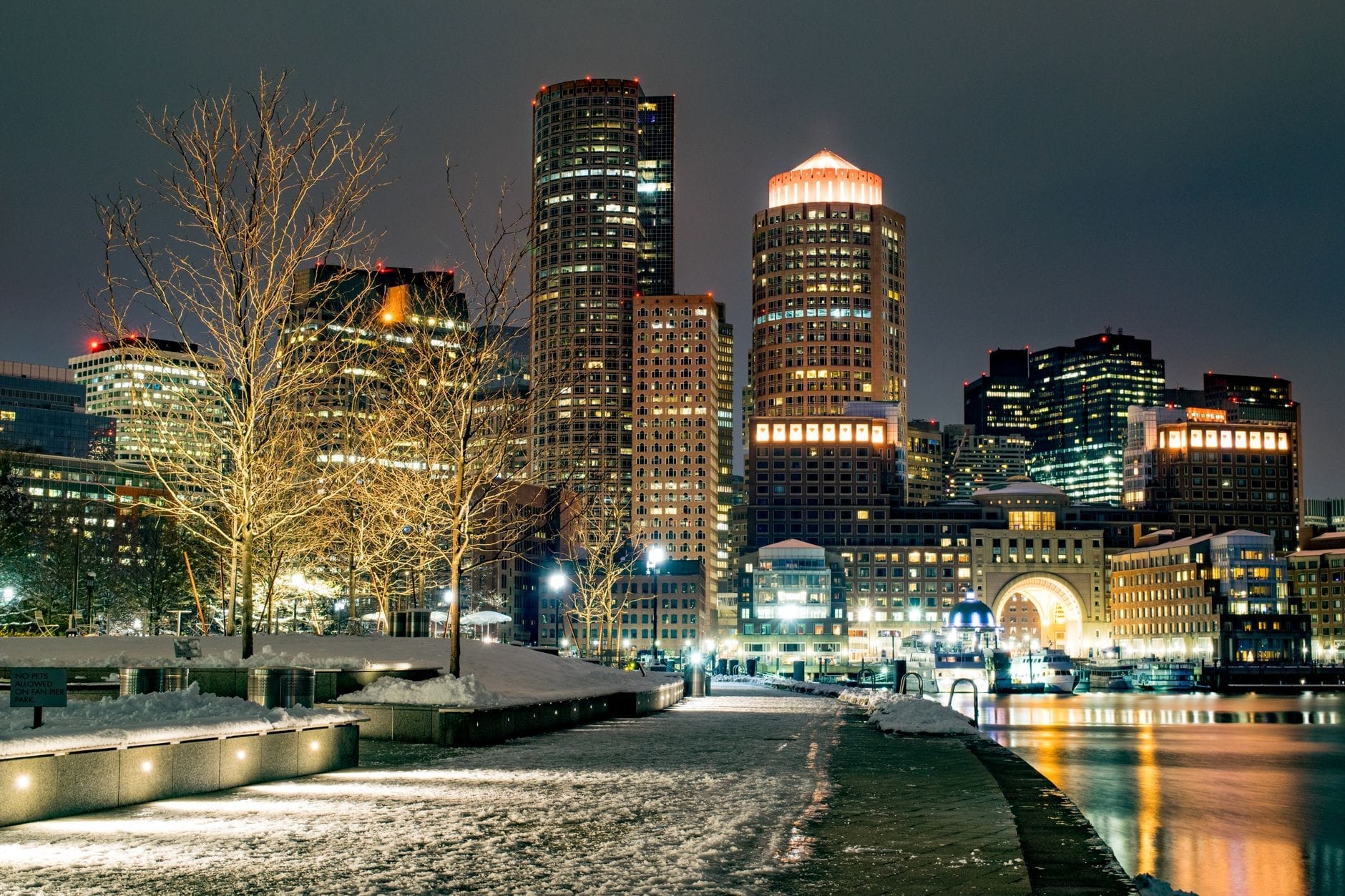
Boston in winter is colder and snowier than most visitors expect, but that's exactly what makes it compelling. Shorter queues, lower hotel rates, festive neighborhoods, and some of the city's best indoor experiences await those willing to bundle up. This guide covers everything you need to know before you go.
Plan and book this trip
Tools from our partner Travelpayouts help you compare flights and hotels. If you book through them, we may earn a commission at no extra cost to you.
Flights
Hotels map
TL;DR
- Winter in Boston runs December through mid-March; January is the coldest month, with average highs around 36°F (2°C) and lows in the low 20s°F (-5°C).
- Snowfall averages around 49 inches per season, but conditions vary wildly: some weeks bring blizzards, others just cold rain and slush.
- Crowds at major attractions like the Freedom Trail and Museum of Fine Arts thin out dramatically, and hotel rates drop significantly compared to summer and fall.
- The MBTA subway (the T) is your best friend in winter: walkable distances that feel fine in October become brutal in January wind chill.
- For full seasonal planning, see our guide on the best time to visit Boston.
Boston Winter Weather: What to Actually Expect
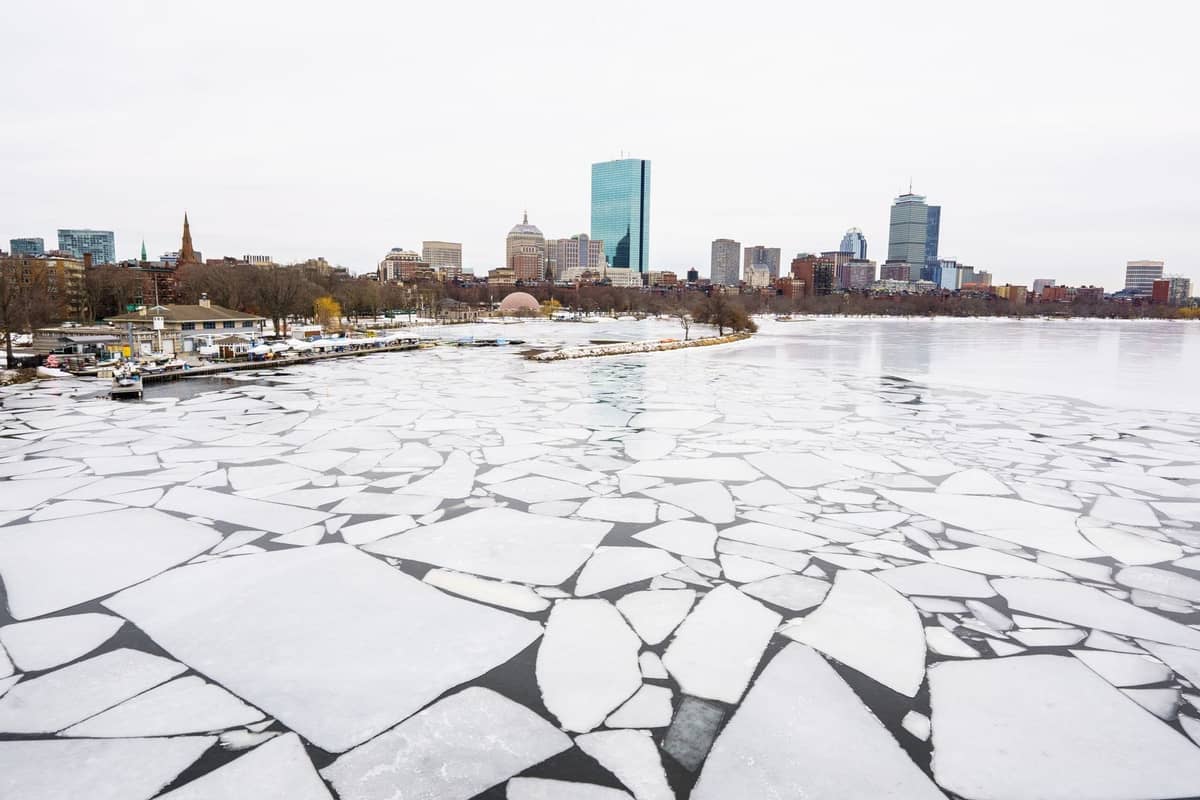
Boston sits in a humid continental climate zone, which means winters here are cold, not just a mild chill you can brush off with a light jacket. Based on NOAA 1991-2020 climatological normals recorded at Logan International Airport, January is the coldest month: average highs hover around 36°F (2°C), with overnight lows dropping to around 22°F (-6°C). Wind chill can make those numbers feel much colder on exposed streets like the waterfront or the top of Beacon Hill.
Snowfall is the other variable you need to plan around. Average seasonal snowfall is approximately 49 inches (125 cm), concentrated between December and March. But Boston snow is not evenly distributed: the city can go two weeks with nothing, then get hammered by a nor'easter that drops a foot or more overnight. In one extraordinary 30-day stretch, Boston recorded 73.6 inches of cumulative snowfall. The practical upshot is that you should assume snow is possible on any given day in January or February and dress accordingly, without assuming it will actually happen.
⚠️ What to skip
Icy sidewalks are a real hazard in Boston, particularly on Beacon Hill's brick streets and anywhere near the waterfront. Waterproof boots with a grippy sole are not optional — they're the single most important gear decision for a winter visit. Sneakers or leather-soled shoes will result in a miserable, slippery trip.
Winter weather in Boston can shift quickly. A morning snowstorm can give way to afternoon slush and then overnight ice. Rain mixed with cold temperatures creates arguably worse walking conditions than pure snow. The National Weather Service Boston/Norton office (weather.gov/box) publishes forecasts and winter weather advisories; checking it the night before any planned outdoor activity is worth the 30 seconds it takes.
Getting Around Boston in Winter
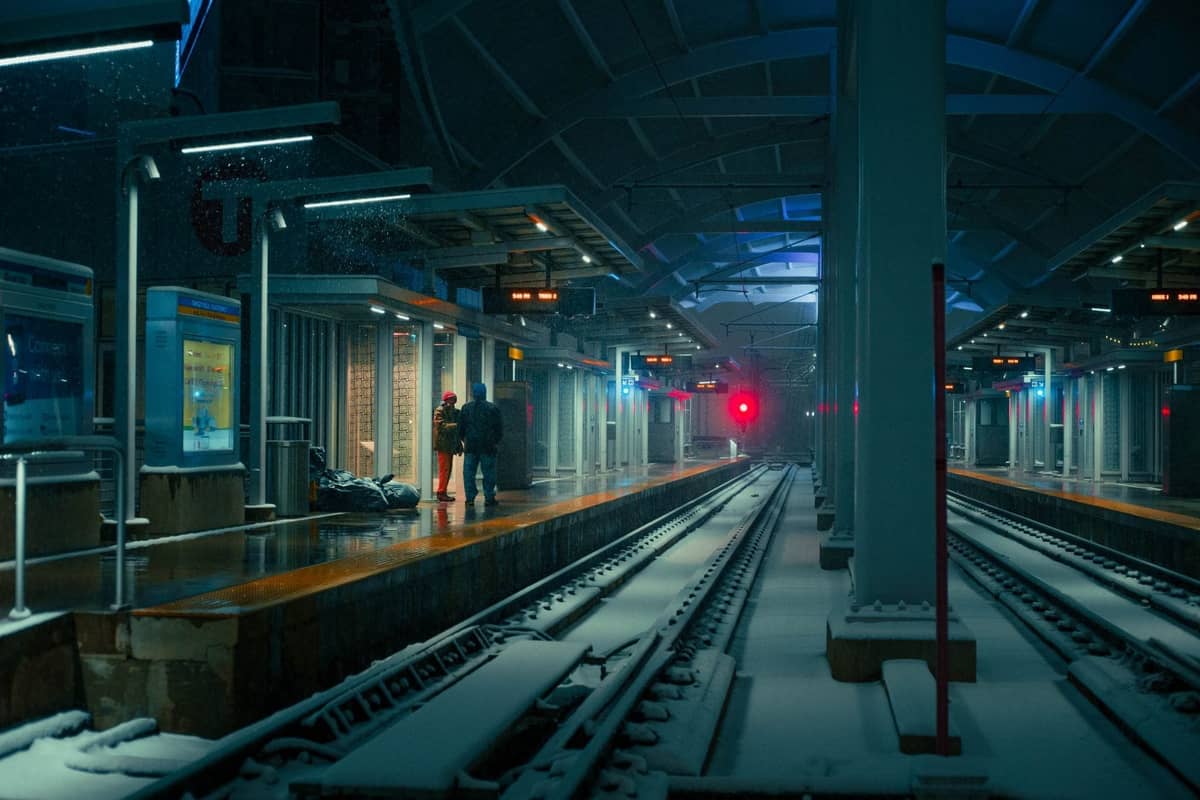
The MBTA subway, locally called the T, is the backbone of winter transport in Boston. The four color-coded lines (Red, Orange, Blue, Green) cover the core neighborhoods most visitors care about. During major snowstorms, the MBTA can experience delays and reduced service, so checking the MBTA website or app for real-time alerts before heading out is essential. For a full breakdown of routes and transit options, see our guide to getting around Boston.
If you're arriving at Logan International Airport, the MBTA Silver Line SL1 connects all terminals to South Station for free (from the airport side). Alternatively, the Blue Line runs from Airport Station to downtown in about 10 minutes for a standard fare. Taxis and rideshare to downtown typically run $25-40 depending on traffic, which is considerably worse during rush hour snowstorms. Water taxis and ferries are available in milder winter conditions but check with operators for winter schedule reductions.
💡 Local tip
Load a CharlieCard (the MBTA's reloadable transit card) at any station. It's cheaper per ride than paper tickets and faster at turnstiles. You can also use contactless bank cards at most subway gates, which is convenient if you're visiting for just a few days.
What to Do in Boston in Winter
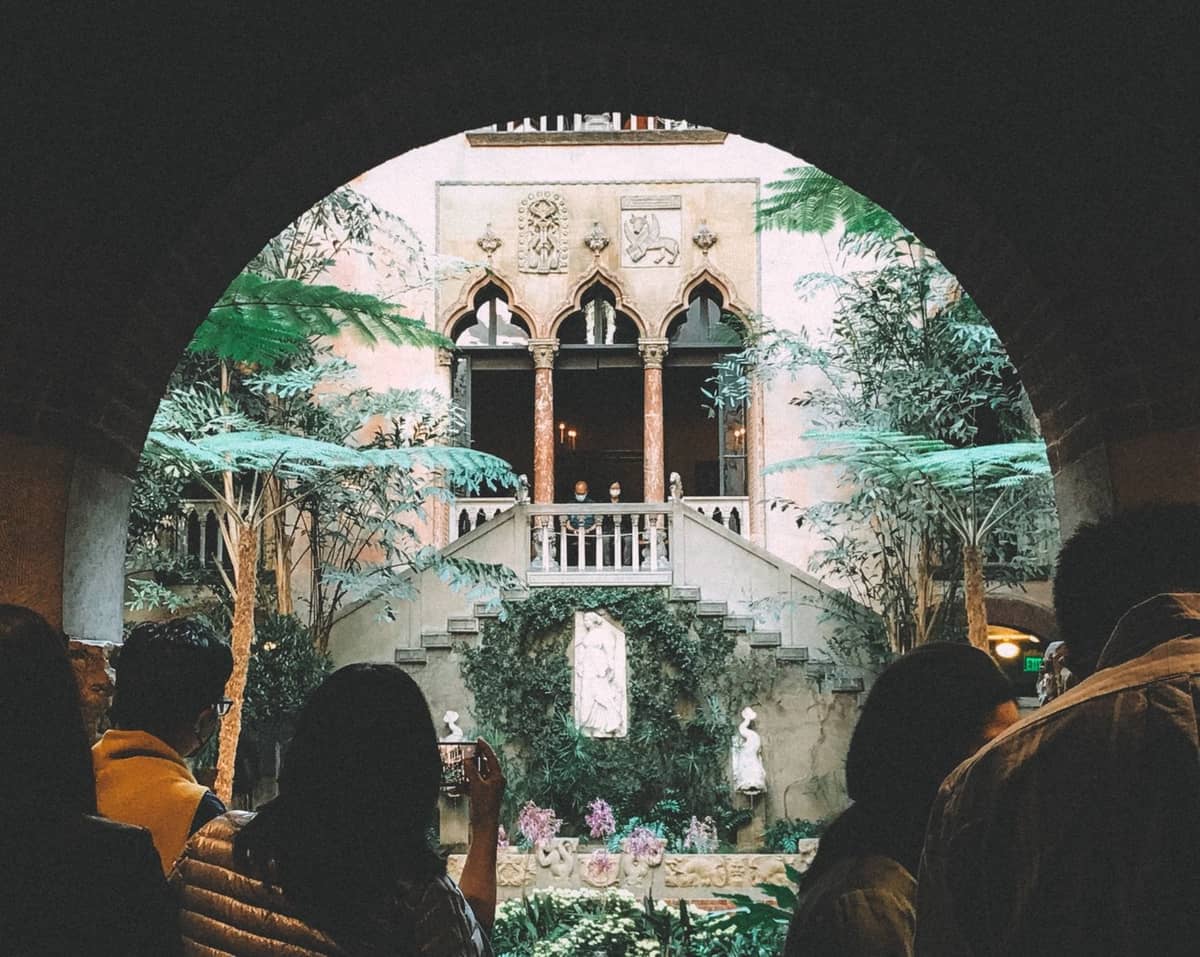
The strongest argument for a winter visit is access to Boston's world-class indoor institutions without the queues. The Museum of Fine Arts Boston houses one of the largest collections in the Americas, and in winter you'll have galleries to yourself that would be shoulder-to-shoulder in July. The same applies to the Isabella Stewart Gardner Museum, one of the most distinctive museum experiences in the country: a Venetian-style palazzo built around a courtyard garden that still blooms with seasonal plantings even in January.
For history, the Boston Tea Party Ships and Museum and the Old State House are excellent winter options: fully indoor, deeply interesting, and significantly less crowded than in summer. The Museum of Science Boston is ideal if you're traveling with children, offering a full day of indoor activities regardless of what's happening outside.
- Top Winter Indoor Experiences Museum of Fine Arts, Isabella Stewart Gardner Museum, Museum of Science, Boston Tea Party Ships and Museum, Old State House, New England Aquarium
- Outdoor Winter Worth Doing Walking Beacon Hill after fresh snow, the Frog Pond ice rink on Boston Common (open December through mid-March), the Harborwalk on clear cold days
- What to Skip in Winter Harbor Islands ferries (limited seasonal service), Duck Tours (runs April through November), outdoor patios and beer gardens
Ice skating on the Frog Pond at Boston Common is one of winter's genuine highlights. The rink opens in late November and typically runs through mid-March, with skate rentals available on-site. Admission is free for children under 58 inches; adults pay a modest skating fee (around $7 in recent seasons, though confirm current pricing before visiting). On weekday afternoons, it's quiet and atmospheric; on weekend evenings, expect lines.
The North End is Boston's most rewarding winter neighborhood. The Italian-American pastry shops, trattorias, and coffee bars that get mobbed in summer become cozy in February. Mike's Pastry and Modern Pastry are the two rival cannoli institutions; both are warm, fragrant, and worth the short wait. The neighborhood's narrow streets also look legitimately beautiful after a snow dusting.
Crowds, Costs, and the Case for Off-Peak Travel
Peak leisure travel in Boston falls in summer (June-August) and early fall (September-October), driven largely by university move-in season, the Freedom Trail crowds, and foliage tourism. Winter is off-peak for most visitor categories, which translates directly into better hotel rates, faster restaurant seating, and a qualitatively different experience at major sites.
Hotel rates in Back Bay and downtown can drop significantly compared to October peak. If budget matters, winter is the season to book a hotel you couldn't otherwise justify. For ideas across price categories, see our guide to where to stay in Boston. One caveat: the week between Christmas and New Year sees a temporary spike in family travel and hotel prices, so if flexibility allows, late January through February offers the best combination of low prices and manageable weather.
Restaurants are another beneficiary of winter timing. Boston has a strong dining scene, particularly in the South End and Back Bay, and winter is when chefs focus on cooking rather than managing tourist throughput. Reservations that would require two weeks' notice in October often open up on short notice in January. Restaurant Week Boston, which typically runs in March, offers prix-fixe menus at many of the city's better restaurants at reduced prices.
✨ Pro tip
Boston's Celtics and Bruins seasons run through winter, and TD Garden is active. Attending an NHL or NBA game is a legitimate winter activity that locals actually do — and it's a very different experience from being a tourist on the Freedom Trail. Check team schedules when planning your trip dates.
What to Pack and How to Dress
Dressing for a Boston winter is about layering, not just wearing one very heavy coat. The standard local approach is a base layer (thermal or moisture-wicking), a mid layer (fleece or wool sweater), and a proper insulated and waterproof outer layer. Temperatures from December through February regularly require this full system, and the wind coming off Boston Harbor or across the Esplanade intensifies the cold significantly.
- Waterproof insulated boots with grip soles: the single most important item
- Thermal base layers: merino wool or synthetic, not cotton
- Insulated, waterproof outer jacket: down or synthetic fill
- Hat covering ears and warm gloves: wind chill makes these non-negotiable
- Wool or thermal socks: wet feet are cold feet
- A small backpack to carry layers as you move between heated interiors and outdoors
Most Boston attractions, the MBTA, and restaurants are well-heated, so you'll be peeling off layers constantly. Wearing too much and overheating indoors is as uncomfortable as being underdressed outside. The compact geography of neighborhoods like Beacon Hill and Back Bay means you're rarely more than 5-10 minutes of walking from a warm interior, which makes winter exploration manageable in a way that a more sprawling city wouldn't be.
Practical Logistics for a Winter Visit
Boston operates on Eastern Standard Time (UTC-5) in winter, shifting to Eastern Daylight Time (UTC-4) in mid-March. The city uses USD, and tap water is safe to drink. The emergency number is 911. Tipping at restaurants is expected at 18-20% of the pre-tax bill; this is not optional social currency in Boston, it's how service industry workers are compensated.
If you're planning a longer stay or want to stretch your budget, our Boston on a budget guide covers free and low-cost options year-round. Many of them, including the Boston Public Library in Copley Square, are winter-appropriate and especially good. The BPL's McKim Building is an architectural landmark and completely free to enter.
FAQ
How cold does Boston get in winter?
January is the coldest month, with average highs around 36°F (2°C) and overnight lows around 22°F (-6°C). Wind chill frequently makes it feel colder, particularly near the waterfront or on elevated streets. February is nearly as cold. December and March are transitional, with more variable temperatures.
Does it snow a lot in Boston in winter?
Boston averages around 49 inches (125 cm) of snow per season, concentrated between December and March. However, snowfall is highly variable year to year and week to week. Some winters bring frequent moderate storms; others deliver one or two major nor'easters separated by long rain-and-cold stretches. You should always pack for snow between December and February.
Is Boston worth visiting in winter?
Yes, with realistic expectations. The cold is genuine and the occasional blizzard is disruptive. But hotel rates drop significantly, major museums are uncrowded, the North End and Beacon Hill are atmospheric, and the Frog Pond ice rink on Boston Common is a genuine highlight. Visitors who come prepared for the cold tend to have a much better experience than those who don't.
What are the best things to do in Boston in winter?
Top winter activities include the Museum of Fine Arts, the Isabella Stewart Gardner Museum, ice skating at the Frog Pond on Boston Common, exploring the North End for Italian food and pastry, attending a Celtics or Bruins game at TD Garden, and visiting the Boston Tea Party Ships and Museum. Most of Boston's best experiences are indoor-capable, which makes it a viable winter destination.
How do I get around Boston in winter?
The MBTA subway (the T) is the most reliable option during winter weather. Four color-coded lines cover the main visitor areas. During major snowstorms, check the MBTA website for service alerts before traveling. Rideshare (Uber, Lyft) and taxis are available but can be slow in bad weather. The Silver Line SL1 connects Logan Airport to South Station for free from the airport side, and the Blue Line serves Airport Station.