Where to Stay in Boston: A Neighborhood-by-Neighborhood Breakdown
Choosing where to stay in Boston shapes your entire trip. This guide breaks down every major neighborhood by location, transit access, price range, and who it suits best, so you can book with confidence instead of guessing.
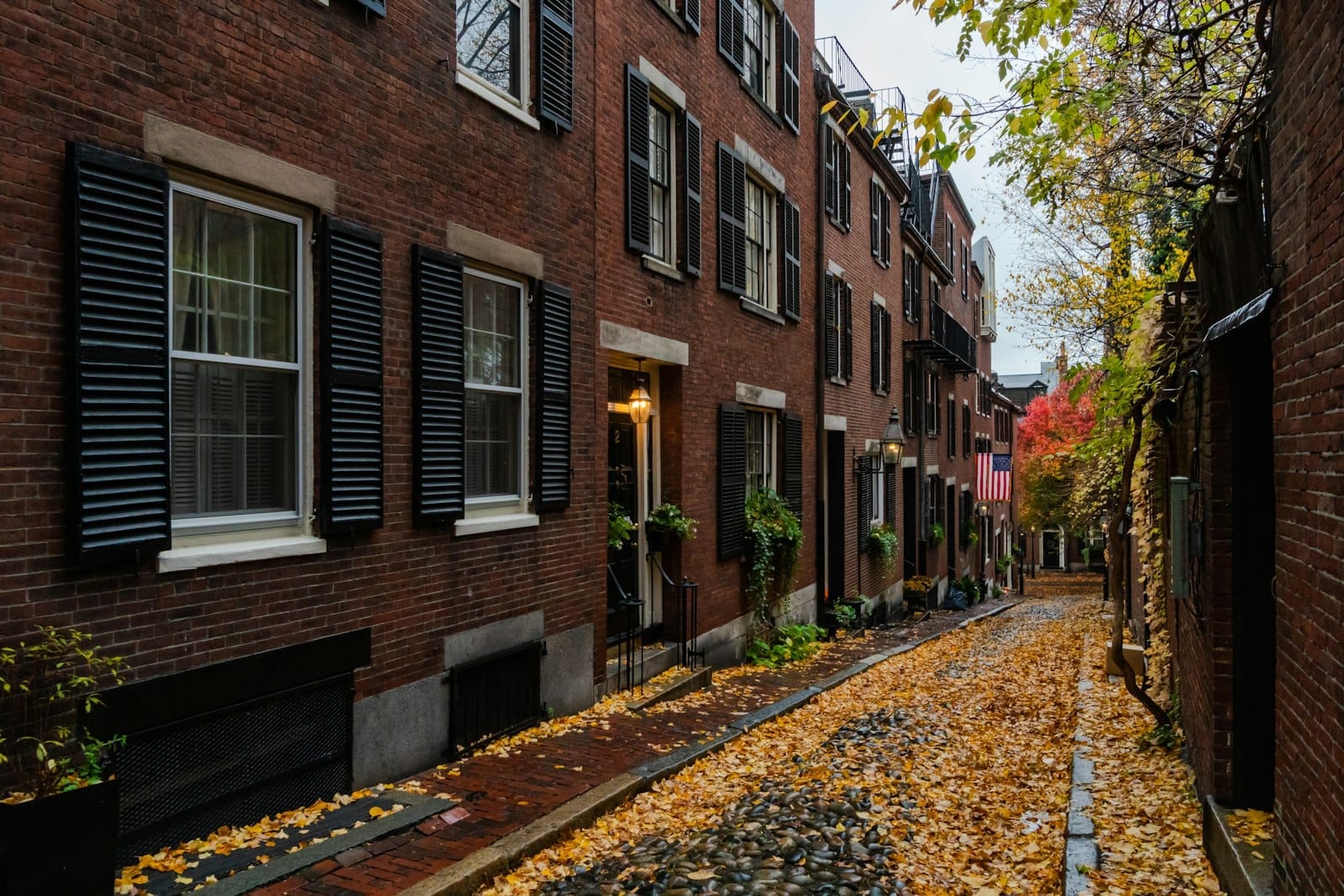
Plan and book this trip
Tools from our partner Travelpayouts help you compare flights and hotels. If you book through them, we may earn a commission at no extra cost to you.
Flights
Hotels map
TL;DR
- Back Bay is the most well-rounded base: central, walkable, and well-connected via the MBTA Green and Orange Lines, near Newbury Street and Copley Square.
- Skip renting a car. Boston's historic core is compact and walkable, and parking costs downtown can exceed $40–50 per day.
- Expect to pay $160–$250+ per night at mid-range hotels in central neighborhoods; budget hostels start around $50–80 for dorm beds.
- Book early for summer, university graduation weekends (April–May), the Boston Marathon (April), and any Red Sox home series.
- The Seaport is modern and polished but not historic Boston. If the Freedom Trail and colonial sites matter to you, stay in Downtown, Beacon Hill, or the North End instead. See our full Boston travel guide for context.
How to Think About Boston's Neighborhoods Before Booking
Boston is a geographically small city, about 48–49 square miles, but its neighborhoods have distinct personalities, price points, and transit situations. The wrong choice can mean expensive cab rides or long walks after dinner. The right choice can mean stepping out of your hotel and onto the Freedom Trail, or being two blocks from Fenway Park on game night.
The MBTA subway system, locally called "the T", connects most visitor-friendly neighborhoods reliably. The four main lines (Red, Orange, Blue, and Green) cover Back Bay, Downtown, Beacon Hill, the North End, Charlestown, Cambridge, and Fenway. If your hotel is within a five-minute walk of a T stop, you can get essentially anywhere in the city without a car. Read more in our guide to getting around Boston for specifics on fares, passes, and routes.
⚠️ What to skip
Do not rent a car for a Boston city stay unless you are planning day trips. Downtown parking garages routinely charge $30–50 per day, street parking is extremely limited, and traffic in the Back Bay, downtown core, and Seaport is consistently congested. A car is more of a liability than an asset.
Back Bay: The Best All-Around Choice for Most Visitors
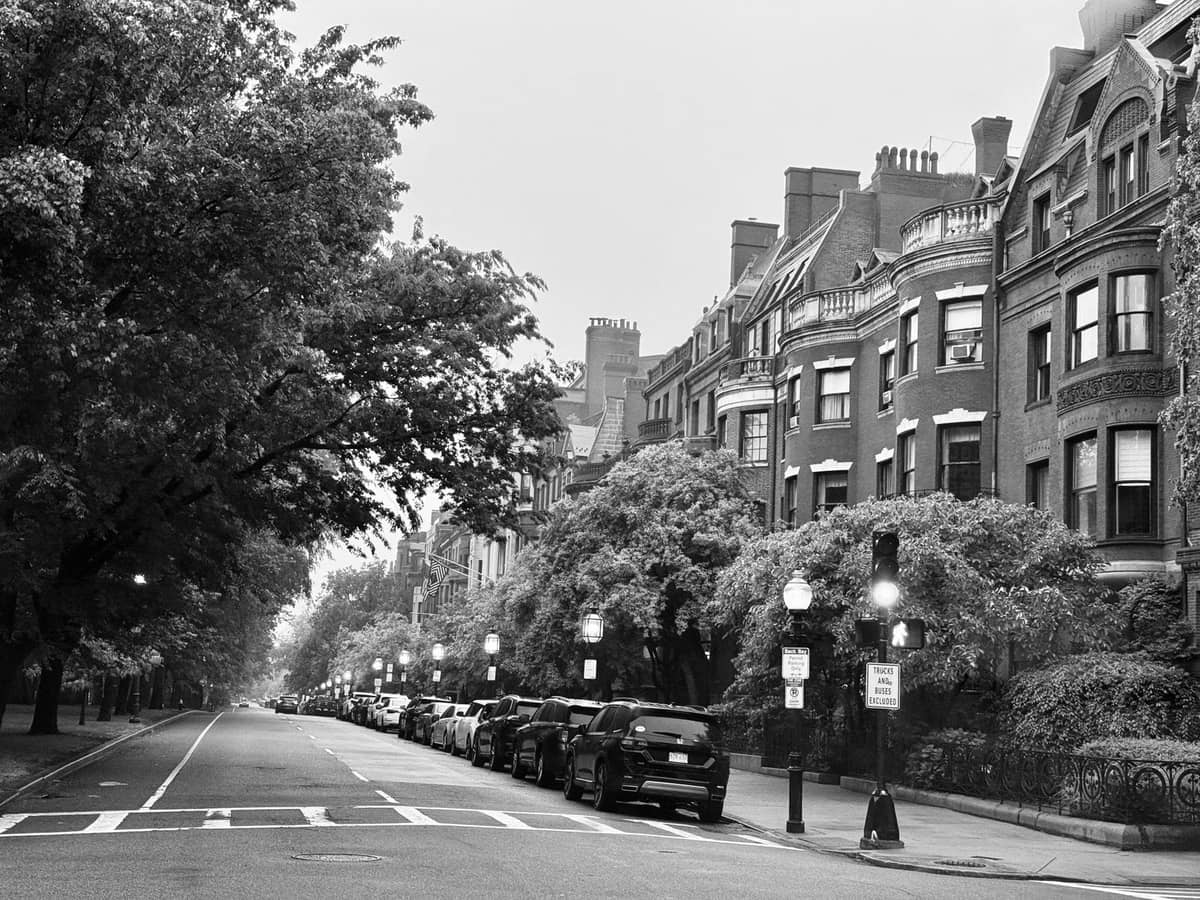
Back Bay is the neighborhood that consistently makes sense for first-time visitors and repeat travelers alike. It was developed in the 19th century on filled land, and the result is a rare grid-street layout in an otherwise tangled city. That means it is easy to navigate on foot, even without a map. Boylston Street and Newbury Street are the main commercial corridors; Newbury in particular runs eight blocks from the Public Garden to Massachusetts Avenue, shifting from high-end boutiques and galleries near Arlington Street to more casual shops and cafes near Mass Ave.
The Boston Public Garden is at the western edge of Back Bay, and the Boston Public Library anchors Copley Square at the neighborhood's center. The Green Line (B, C, D branches) and Orange Line (Back Bay Station) both serve the area, meaning you can reach Cambridge, Fenway, or Downtown in about 10–20 minutes.
- Who it suits First-time visitors, couples, business travelers, anyone who wants walkability and central access to sights.
- Price range Mid-range to upscale. Expect $180–$350+ per night at established hotels. The Eliot Hotel is a boutique option; the Hilton Boston Park Plaza is a larger, recognizable choice.
- Transit access Excellent. Multiple Green Line stops (Arlington, Copley, Hynes) plus Back Bay Station on the Orange Line and commuter rail.
- Walking distance to Newbury Street, Copley Square, the Public Garden, Boylston Street dining, and the start of the South End.
- Drawback Hotel rates here are among the highest in the city. During peak season or major events, rooms fill fast and prices spike sharply.
Downtown and Beacon Hill: Historic Boston, Right Outside Your Door
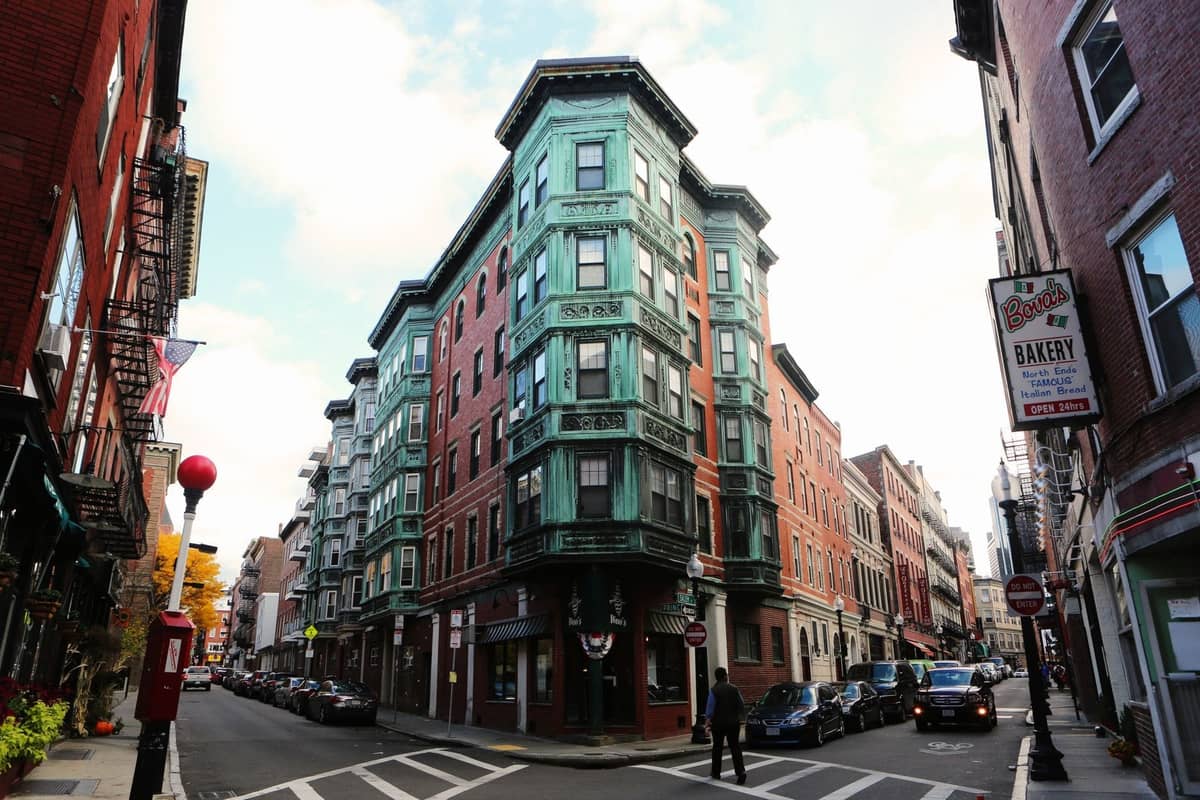
Staying in Downtown Boston or on the edge of Beacon Hill puts you within walking distance of the Freedom Trail, Faneuil Hall, and the Massachusetts State House. This is the densest cluster of colonial-era history in the city, and for travelers whose primary goal is absorbing that history, it is the most logical base.
Downtown Boston, sometimes called Downtown Crossing, is more commercial than residential. It functions primarily as an office and retail district, which has a practical upside: hotels here are often slightly cheaper than Back Bay equivalents, and the area is walkable to the waterfront, North End, and Government Center. Beacon Hill itself has very few hotels because it is an almost exclusively residential neighborhood, but properties on the edge, near Park Street or Charles Street, effectively give you the same access.
💡 Local tip
If you are booking near Beacon Hill or Downtown, confirm the exact address and nearest T stop before reserving. Some hotels marketed as "Beacon Hill" or "Downtown" are actually closer to the Theater District or Chinatown, which changes the walkability picture considerably.
North End and Charlestown: Character Over Convenience
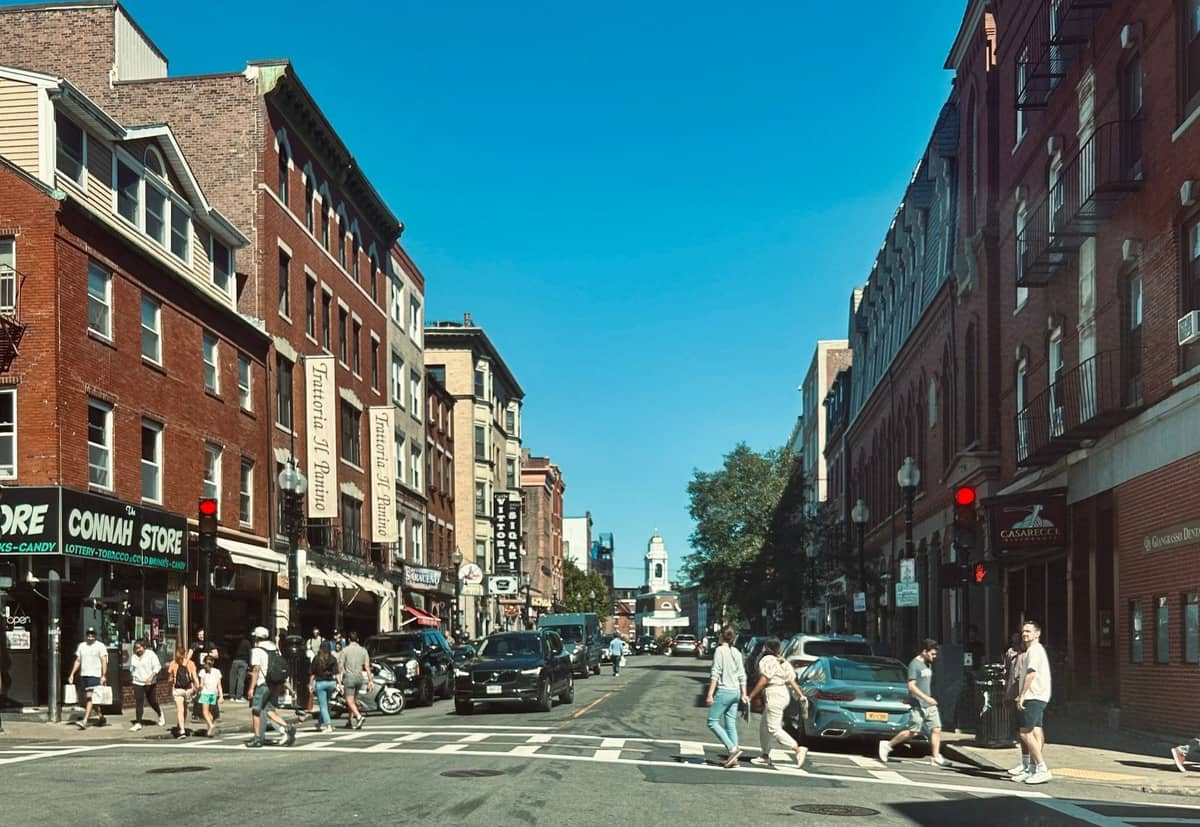
The North End is Boston's oldest neighborhood and its most atmospheric. The narrow streets around Hanover Street are packed with Italian bakeries, trattorias, and historic sites including the Paul Revere House and the Old North Church. It is a pleasant place to be based, but hotel options are limited and fill quickly. Expect to pay a premium for the ambiance.
Across the Charlestown Bridge, Charlestown offers a quieter alternative with ferry access to Downtown via the MBTA. The USS Constitution and the Bunker Hill Monument are both walkable from here. Charlestown has fewer accommodation options than other neighborhoods, but it suits travelers who want a calmer base and do not mind the short ferry or bus commute into the heart of the city.
Seaport District: Modern Comfort, but Not the Boston You Came to See
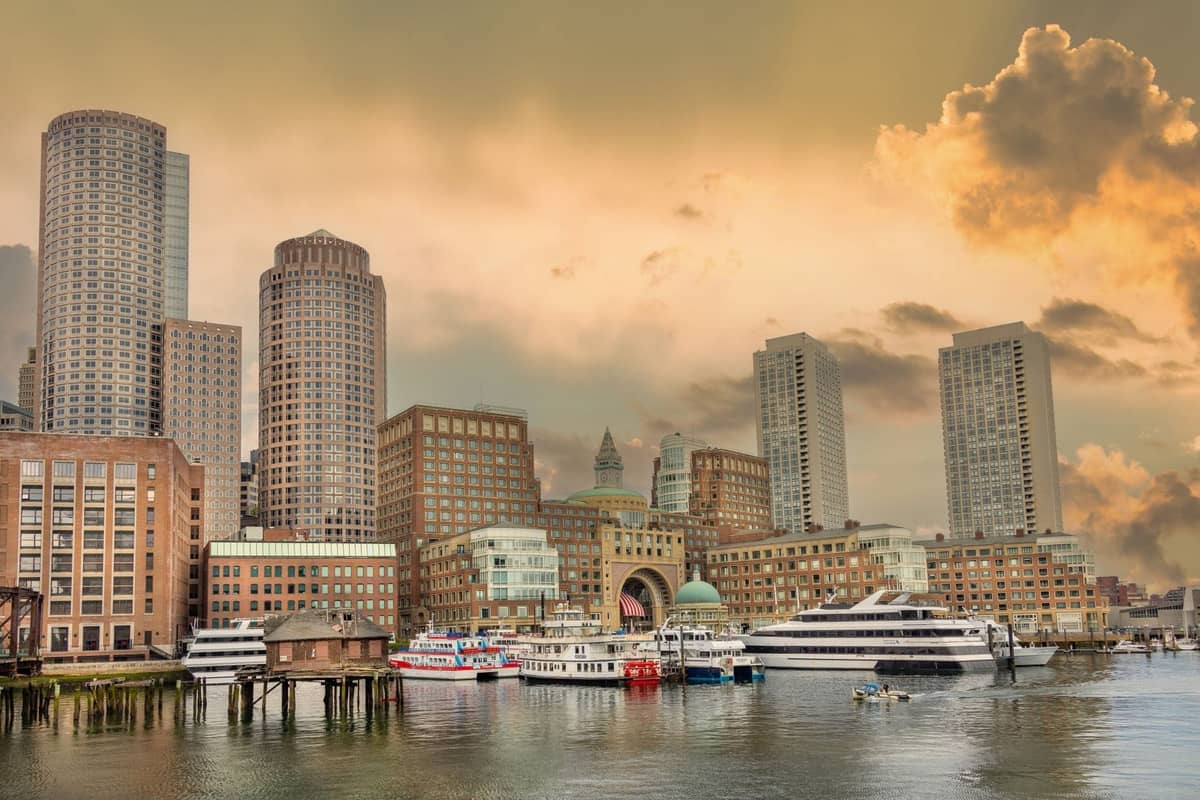
The Seaport District is the newest major hospitality cluster in Boston. The Omni Boston Hotel at the Seaport, the Westin Boston Seaport District, and the Seaport Hotel itself are all large, well-appointed properties with harbor views and direct access to the convention center. If you are attending a conference at the Boston Convention and Exhibition Center, or you simply want a polished hotel experience with waterfront dining nearby, the Seaport delivers.
The main drawback: the Seaport is not where Boston's history happened. It sits across Fort Point Channel from Downtown, and while the Silver Line provides a transit connection, walking to Faneuil Hall or the North End from here takes 20–30 minutes. The neighborhood itself is essentially a 21st-century development zone: modern architecture, upscale restaurants, and the Institute of Contemporary Art nearby, but minimal colonial-era character. Travelers who care more about a comfortable room and waterfront atmosphere than walkability to historic sites often rate it highly. Travelers expecting to feel immersed in old Boston are regularly disappointed.
ℹ️ Good to know
The Seaport is well connected to Logan Airport via the Silver Line SL1, which runs free from the airport terminals to South Station. From South Station, the Seaport is a short walk or quick ride. This makes it one of the most convenient neighborhoods for arriving or departing travelers on tight schedules.
Fenway-Kenmore, Cambridge, and Budget Options
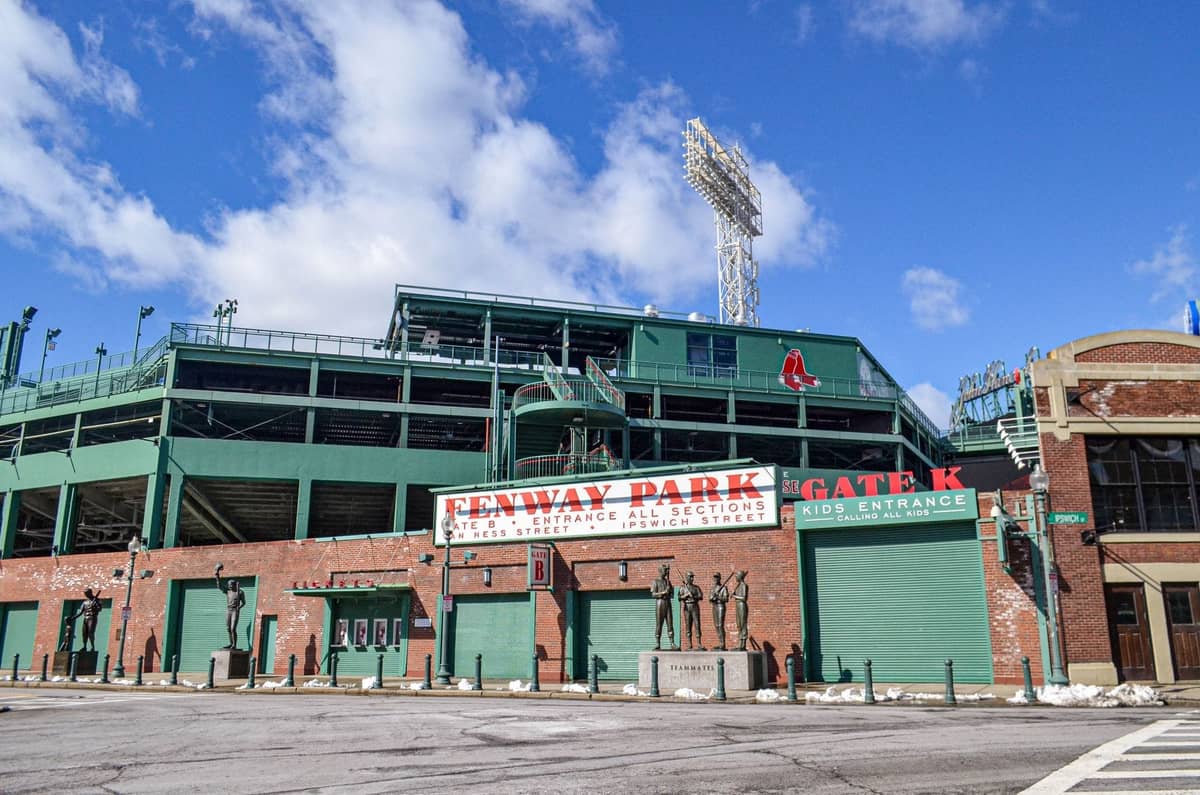
The Fenway-Kenmore neighborhood is the right base if your trip revolves around Fenway Park or the cultural corridor along the Fenway itself: the Museum of Fine Arts and the Isabella Stewart Gardner Museum are both within walking distance. The Verb Hotel, a boutique property with a rock-and-roll aesthetic centered on the music history of the area, is the most distinctive accommodation choice in the neighborhood. Rates here can be slightly lower than Back Bay equivalents outside of Red Sox season.
Cambridge is technically a separate city from Boston, but it functions as an extension of the visitor zone and is well connected via the Red Line. Staying near Harvard Square or Kendall Square (near MIT) suits travelers focused on the university campuses or the Cambridge dining and bar scene. Prices are often comparable to Back Bay, but there are more independent hotels and boutique options relative to the large-chain dominance of downtown Boston.
For budget travelers, the clearest option in central Boston is HI Boston Hostel near the Theater District, which offers both dorm beds (around $50–80 per night depending on season) and private rooms. It is reliably well-reviewed for cleanliness and location. Beyond hostels, the most effective budget strategy in Boston is staying slightly outside the core, in neighborhoods like Jamaica Plain or East Boston, where Airbnb and smaller guesthouses bring prices down, and then commuting in via the T.
- Back Bay Best all-around. Walkable, central, excellent transit. Budget from ~$180/night.
- Downtown / Beacon Hill Best for history-focused travelers. Close to the Freedom Trail and Faneuil Hall. Budget from ~$160/night.
- Seaport Best for conventions, harbor views, and modern hotels. Less walkable to historic sites. Budget from ~$200/night.
- Fenway-Kenmore Best for sports fans and museum-goers. Slightly lower rates outside baseball season.
- North End Best for atmosphere and food. Limited hotel supply, so book early.
- Cambridge Best for university visits and a less touristy base. Well connected via Red Line.
- Budget pick HI Boston Hostel (Theater District) for dorms from ~$50-80; East Boston and Jamaica Plain for affordable Airbnb options.
When to Book and What Affects Boston Hotel Prices
Boston hotel pricing follows a predictable pattern once you understand the demand calendar. The two periods of reliably lower rates are winter (January through early March, excluding holiday weekends and major conventions) and late fall (November, excluding Thanksgiving weekend). If your travel dates are flexible, these windows offer genuine savings, sometimes 30–40% below peak rates at the same properties.
The price spikes that catch travelers off guard are usually tied to specific events rather than just seasons. University graduation weekends in May from Harvard, MIT, Boston University, Northeastern, and others create simultaneous demand across the city. The Boston Marathon in April fills Back Bay and Downtown completely. Major Red Sox home series, particularly against the Yankees, push Fenway-area rates significantly. If you are traveling during any of these windows, booking three to six months in advance is not excessive; it is necessary.
✨ Pro tip
Check the Red Sox home schedule, Boston Marathon date, and major university graduation dates before assuming a spring or early summer trip will be affordable. A weekend that looks like a quiet May Saturday can be the most expensive hotel night of the year if it overlaps with two or three of these events simultaneously.
For seasonal context on what to expect when you visit, the guide to the best time to visit Boston covers crowd patterns, weather, and event calendars in detail. If you are planning around a specific occasion like the Fourth of July, the Boston Fourth of July guide explains where to stay to maximize your access to the Esplanade concert and fireworks.
FAQ
What is the best neighborhood to stay in Boston for first-time visitors?
Back Bay is the strongest default choice. It is centrally located, walkable, served by multiple MBTA lines, and puts you within easy reach of the Public Garden, Copley Square, Newbury Street, and the start of the Freedom Trail. It is also where the city's hotel infrastructure is most developed, meaning more options across a range of price points.
Is it worth staying in the Seaport District?
It depends on your priorities. The Seaport has some of Boston's newest and best-appointed hotels, and the waterfront setting is pleasant. But it is not within walking distance of most colonial-era sights, and the neighborhood itself has limited historic character. It makes strong sense for convention attendees, travelers who prioritize modern hotel amenities, or those arriving from or departing to Logan Airport.
How far is Logan Airport from Boston hotels?
Logan International Airport is approximately 3–4 miles from Downtown Boston. The Silver Line SL1 bus connects all terminals to South Station for free (from the airport side). The Blue Line subway connects Airport Station to Downtown in about 15–20 minutes for the standard MBTA fare. Taxis typically run $25–40 to downtown depending on traffic; Uber and Lyft are comparable.
Do I need a car if I'm staying in central Boston?
No. For the vast majority of visitors staying in Back Bay, Downtown, Beacon Hill, the North End, or the Seaport, a car is unnecessary and actively inconvenient. Downtown parking exceeds $40–50 per day at many garages, and traffic is consistently difficult. The MBTA subway connects the main visitor neighborhoods, and the walkable scale of central Boston means most sights are reachable on foot.
When are Boston hotel prices lowest?
January through early March is reliably the lowest-demand period, with the exception of major convention weekends. Late November (after Thanksgiving) and early December also offer lower rates before the holiday travel surge. Avoid booking without checking the Red Sox home schedule, university graduation dates, and the Boston Marathon weekend in April, all of which drive significant price increases.