Beacon Hill is a compact, National Historic Landmark District in central Boston, defined by gas-lit cobblestone streets, brick rowhouses, and some of the city's most significant landmarks. It sits directly above Boston Common and anchors the western edge of downtown, making it both a residential retreat and one of the most walkable areas in the city.
Beacon Hill is where Boston looks most like Boston. The narrow streets rise sharply from Charles Street up to the gold-domed Massachusetts State House, lined with Federal-style rowhouses, antique gas lamps, and brick sidewalks that have survived largely intact since the early 19th century. It is a living neighborhood first and a sightseeing destination second, which is exactly what makes it worth your time.
Orientation
Beacon Hill occupies less than one-half square mile on a drumlin hill at the geographic center of Boston. Its boundaries are Beacon Street to the south, Cambridge Street to the north, Bowdoin Street to the east, and Storrow Drive along the Charles River Embankment to the west. Despite its small footprint, it connects directly to several of Boston's most important spaces.
To the south, Beacon Street runs along the top edge of Boston Common, the city's central park, which in turn borders the Boston Public Garden. Cross Beacon Street and you are immediately in the Public Garden. Walk east along Beacon Street and within ten minutes you reach Downtown Boston. Head north across Cambridge Street and you enter the West End, with Massachusetts General Hospital on your left and TD Garden a few blocks further.
To the west, Charles Street runs the length of the neighborhood at river level and connects south to Back Bay and north toward Cambridge Street. Storrow Drive separates the neighborhood from the Charles River Esplanade, accessible via pedestrian underpasses. The hill itself rises sharply from Charles Street eastward, with the steepest streets topping out near the Massachusetts State House on the crest. Understanding that Beacon Hill is, literally, a hill helps you plan your walking: go uphill in the morning when your legs are fresh.
ℹ️ Good to know
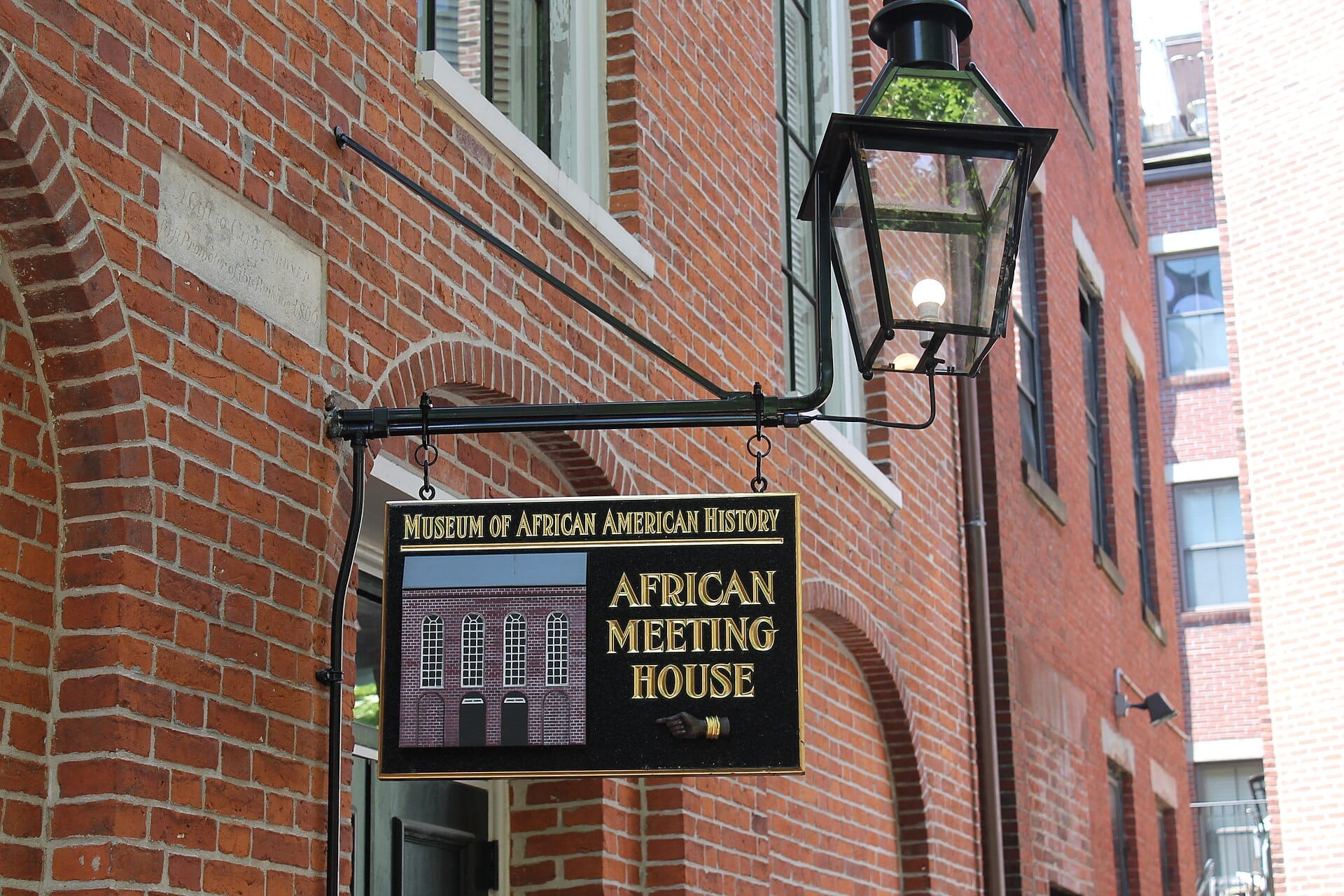
Beacon Hill is divided informally into two sections. The south slope, facing the Common, is the wealthier, more photographed side, home to Acorn Street and Louisburg Square. The north slope, descending toward Cambridge Street, has a more mixed history and was historically home to Boston's free Black community, anchored by the African Meeting House on Joy Street.
Character and Atmosphere
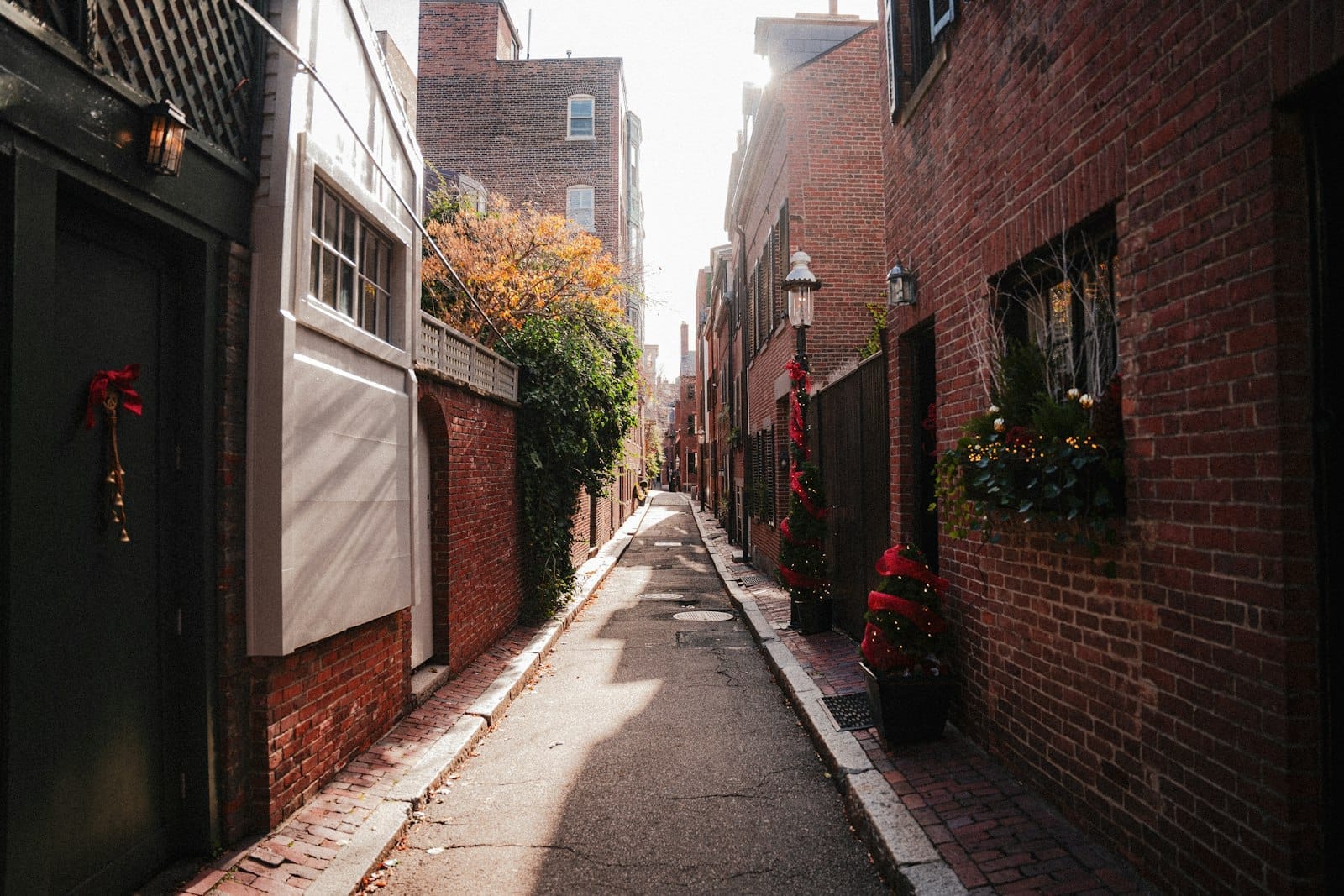
Early morning on Beacon Hill is quiet in a way that few central Boston neighborhoods manage. The brick sidewalks on streets like Pinckney, Mt. Vernon, and Chestnut trap the low morning light and give the facades a warm amber tone. Dog walkers and commuters heading down to Charles Street station are the dominant presence before 8am. The gas lamps, which still burn on many of these streets, add a soft glow that feels slightly anachronistic even in full daylight.
By mid-morning, Charles Street fills with a mix of residents running errands and visitors who have migrated up from the Common. The street has a functioning local commercial strip: independent bookshops, antique dealers, cafes, and a handful of boutiques. It does not feel curated for tourists in the way that some historic neighborhoods do. The real estate here is among the most expensive in Boston, which means the neighborhood is well-maintained but also fairly homogeneous in terms of who actually lives here.
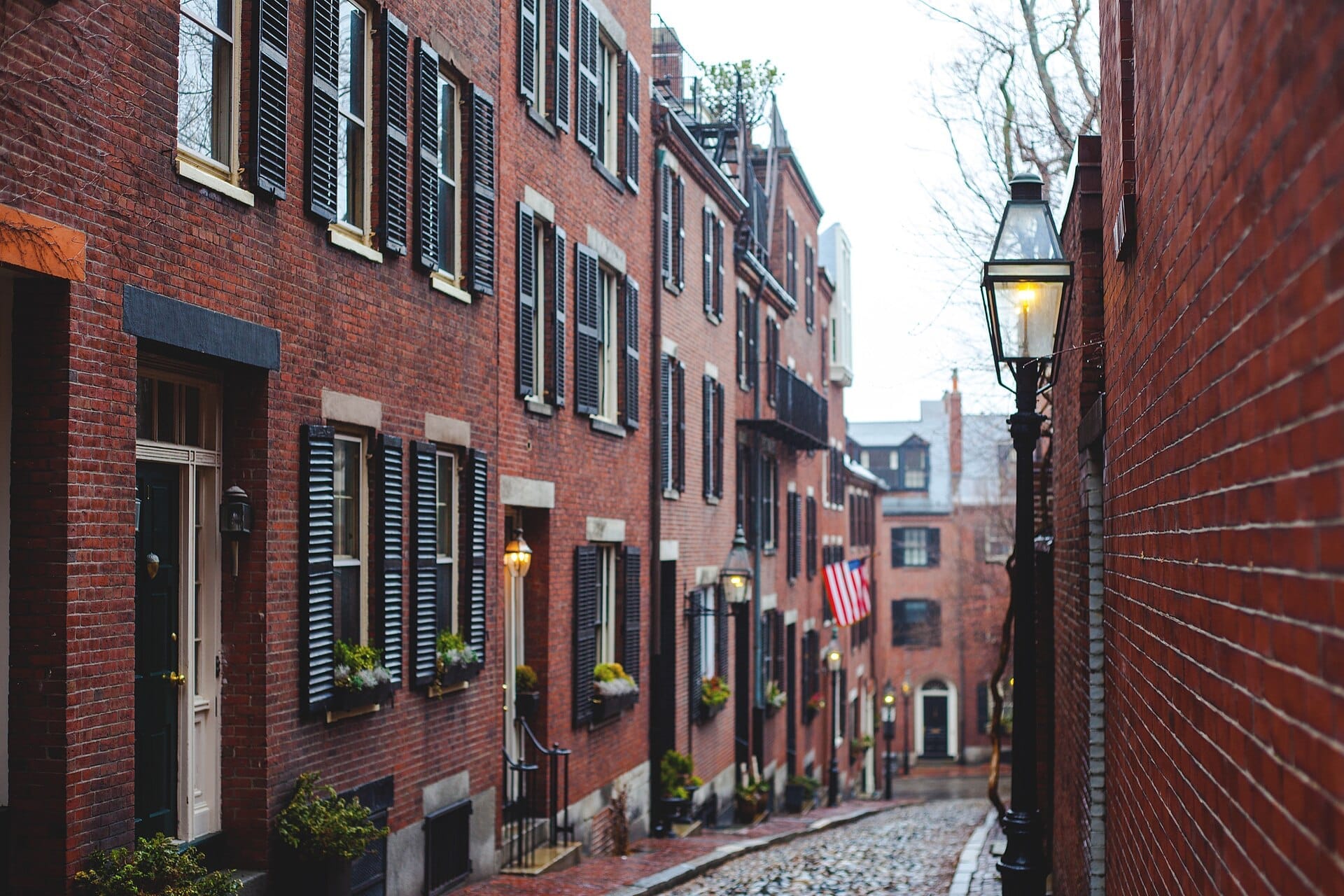
The afternoon light on the south slope is particularly striking in autumn and spring, when it hits the red brick at a low angle. Acorn StreetAcorn Street, arguably the most photographed street in Boston, becomes difficult to navigate in the middle of the day due to foot traffic from visitors with cameras. If you want to experience it without the crowds, walk it before 8am or after 6pm.
After dark, Beacon Hill is calm and residential. The restaurants and bars on Charles Street draw a crowd on weekends, but there is no nightlife strip in any serious sense. The gas lamps make the side streets feel atmospheric rather than threatening, and the neighborhood has a well-established reputation for safety. That said, the steep, uneven cobblestones on streets like Acorn are treacherous after rain or in winter when ice forms in the crevices. Wear shoes with grip.
What to See and Do
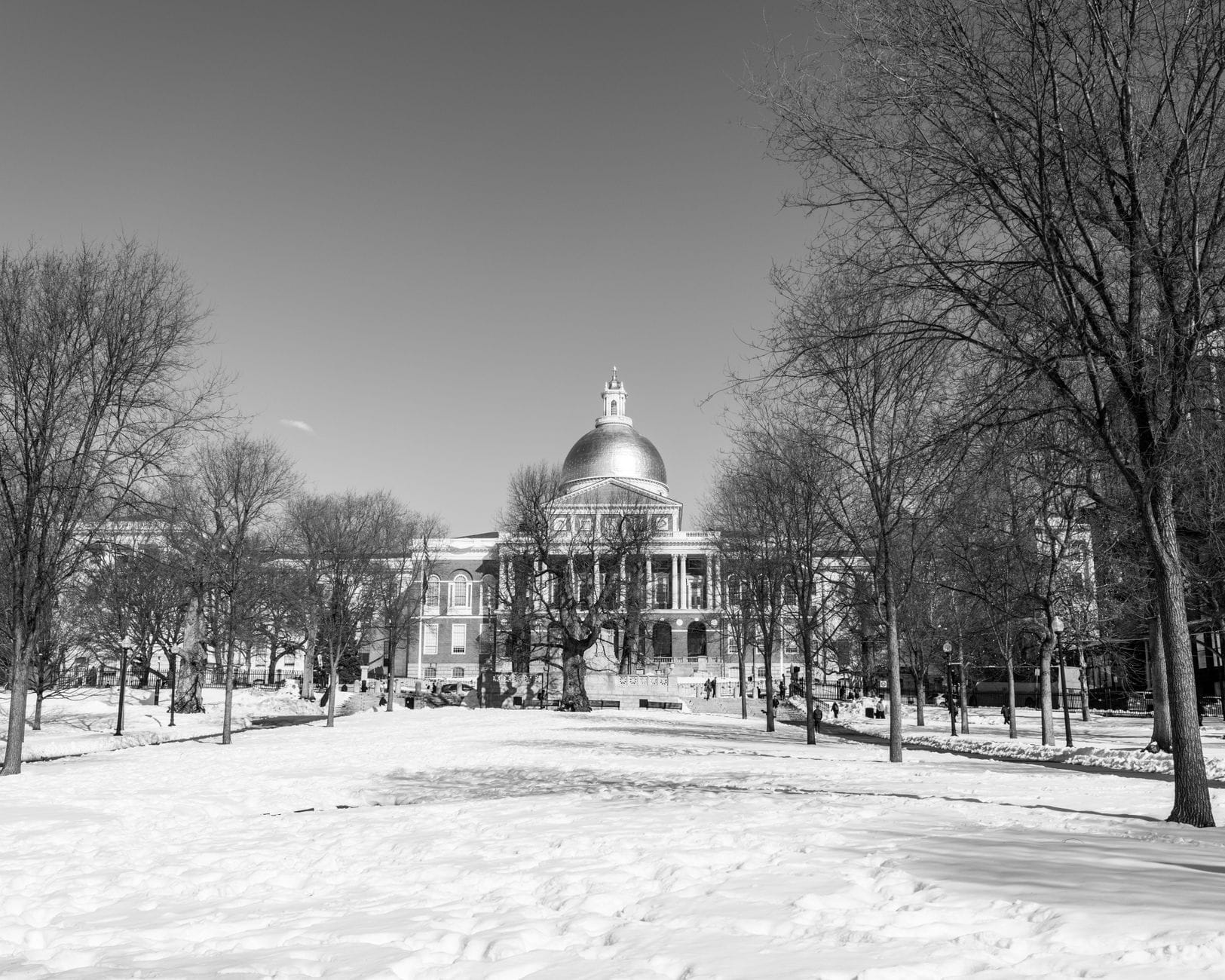
The most significant institutional landmark in the neighborhood is the Massachusetts State House, which sits at the top of Beacon Street at Park Street. Completed in 1798 and designed by Charles Bulfinch, its copper-clad dome (later gilded) is visible from much of central Boston. Free tours of the interior are available on weekdays when the legislature is in session and are more informative than most visitors expect. The building is still the working seat of state government.
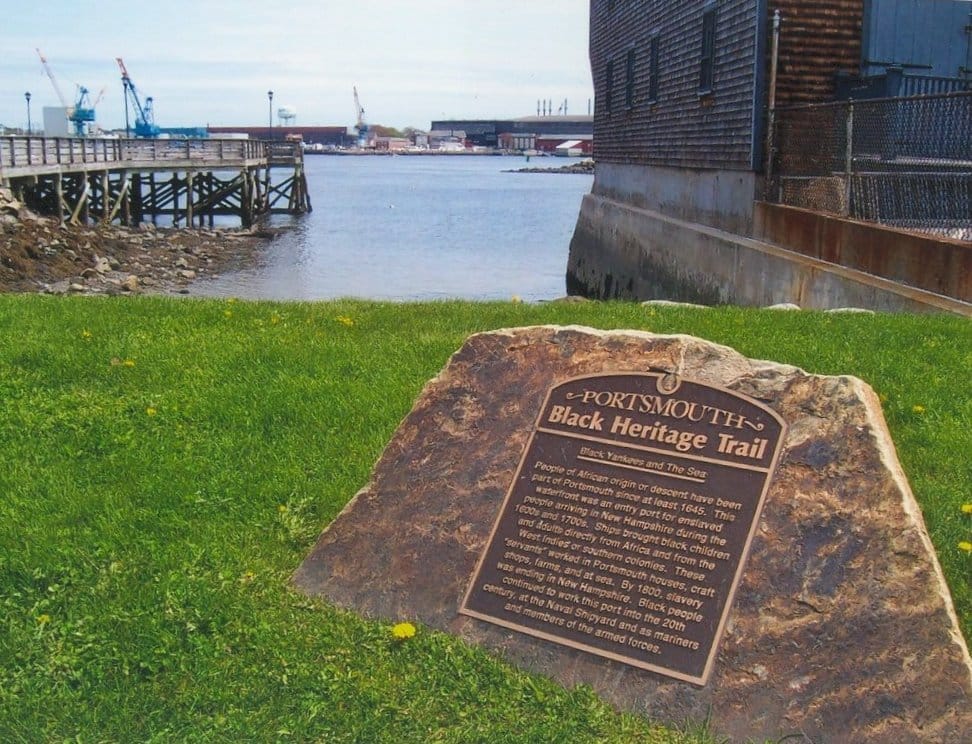
On the north slope, the Museum of African American History anchors the Black Heritage Trail, a 1.6-mile walking route that connects 14 sites related to Boston's free Black community in the 19th century. The trail starts at the Robert Gould Shaw Memorial on Beacon Street, across from the State House, and winds through the north slope to the African Meeting House on Joy Street, the oldest surviving Black church building in the United States. This is one of the most substantive and undervisited historic routes in the city.
The Freedom Trail passes through the eastern edge of Beacon Hill, connecting the State House to Downtown and eventually the North End. The trail's red-brick line on the pavement is a reliable orientation tool even if you are not following the full route.
Acorn Street: the cobblestone lane off West Cedar Street, best visited early morning
Louisburg Square: a private residential square that epitomizes the neighborhood's Federal architecture, particularly at Christmas when residents decorate with traditional wreaths
Charles Street: the main commercial corridor, good for independent shops and antique dealers
Myrtle Street Park: a small neighborhood park on the north slope, quieter than the Common
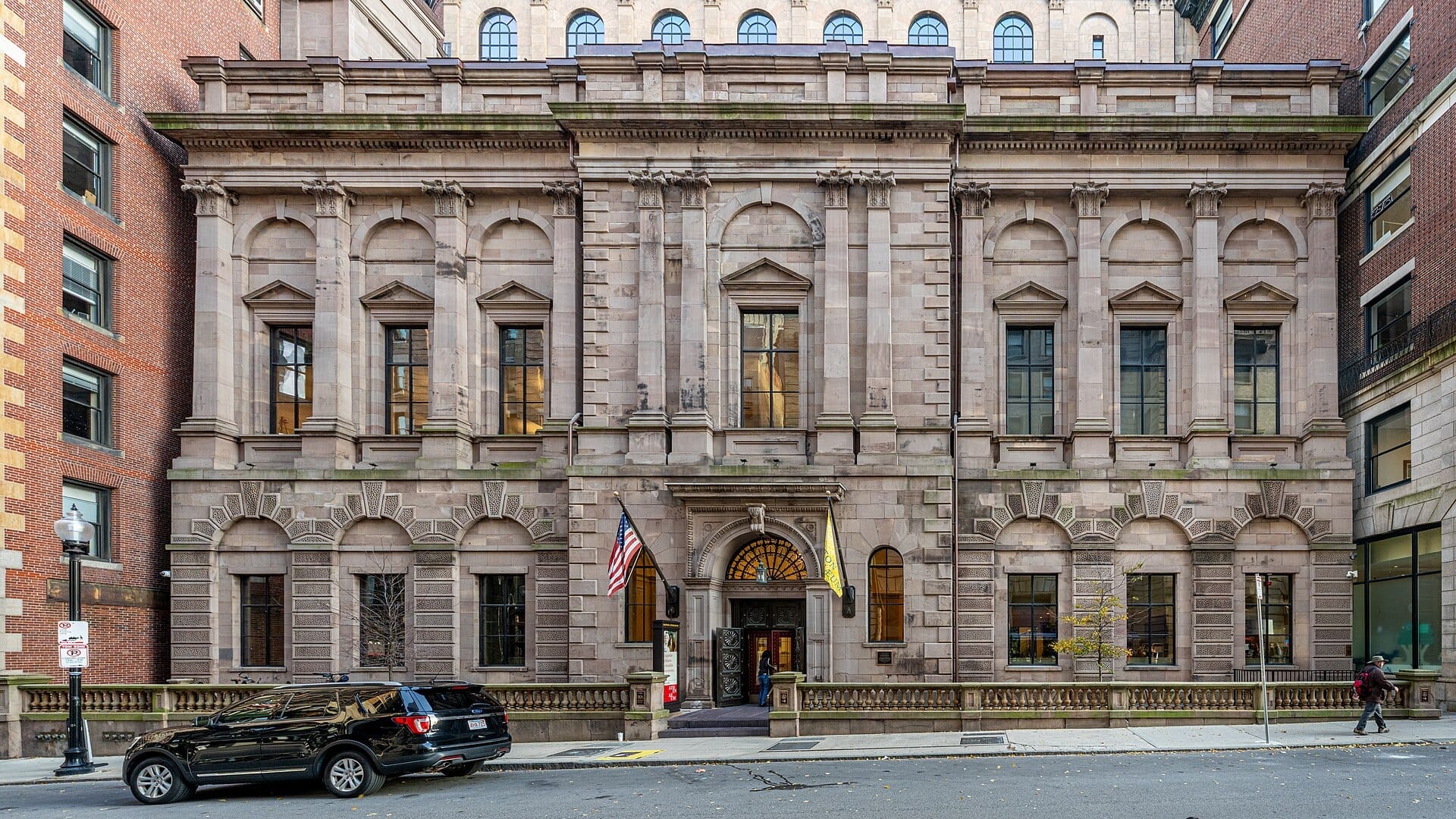
Boston Athenæum: a membership library and gallery on Beacon Street, open to visitors on a limited basis and worth seeing for the interior alone
Beacon Hill is also the natural gateway to both Boston Common and the Boston Public Garden. Both are immediately south of Beacon Street and together form a continuous green space that stretches west to Arlington Street. The Public Garden's swan boats operate seasonally and are worth the short wait.
💡 Local tip
If you are combining Beacon Hill with a broader historical walk, start at the State House, follow the Freedom Trail east to Downtown, then return along Beacon Street and descend Charles Street toward the Public Garden. The loop covers the neighborhood's highlights in about two hours without retracing your steps.
Eating and Drinking
Charles Street is the center of eating and drinking in Beacon Hill, with a concentration of cafes, casual restaurants, and a few more formal dining options. The street has a neighborhood-first character: you will not find chain restaurants dominating here, and the quality level is generally solid rather than destination-dining territory.
In the morning, several cafes along Charles Street serve quality coffee and pastries to commuters and dog walkers. The crowd is local and fast-moving before 9am. Weekend brunch on Charles Street can mean a wait at the more popular spots, particularly in the warmer months when outdoor seating opens up.
For lunch and dinner, the neighborhood covers a reasonable range: Italian, American bistro, upscale pub food, and a handful of more eclectic options. Price points trend toward the mid-to-upper range given the demographics of the neighborhood; a sit-down dinner for two with drinks will typically run $80-120 before tip. There are cheaper options, including takeout, but Beacon Hill is not where you go for budget dining.
Drinking options are similarly restrained. There are good wine bars and a few well-run neighborhood bars on Charles Street and the cross streets. The vibe on weekday evenings is quiet professionals; weekends bring more foot traffic from visitors. The neighborhood does not have late-night bars in any real sense, and things largely wind down by midnight.
💡 Local tip
If you are looking for a wider range of eating options, the Back Bay neighborhood is a short walk south along Charles Street, and Downtown Boston is equally close heading east. Both offer significantly more choice and a broader price range.
Getting There and Around
Beacon Hill is one of the most transit-accessible neighborhoods in Boston, surrounded by MBTA stops on multiple lines. The most central is Charles/MGH on the Red Line, located at the foot of Charles Street on the river side of the neighborhood. From here you can reach Downtown Crossing in two stops, South Station in three, and Cambridge (Kendall/MIT, Central, Harvard) directly on the Red Line without changing.
On the eastern side of the hill, Park Street station sits at the corner of Tremont and Park Streets, at the edge of Boston Common. This is one of the most important interchange stations in the system, serving both the Red Line and the Green Line. From Park Street, the Green Line reaches Back Bay (Copley, Arlington stations) to the west and Kenmore and Fenway further out. The Bowdoin stop on the Blue Line is at the northeastern corner of the neighborhood on Cambridge Street, though it is closed on weekends and holidays.
Beacon Hill is exceptionally walkable in terms of its connections to central Boston. Boston Common and the Public Garden are immediately adjacent. The North End is about a 20-minute walk through Downtown. Back BayBack Bay is about 15 minutes south and west along Beacon Street. CharlestownCharlestown and the Bunker Hill Monument are reachable in about 30 minutes on foot via the Freedom Trail, or in one short bus ride.
Within the neighborhood itself, the streets are narrow and in many places cobblestoned, which makes them poor candidates for cycling. Driving and parking are both difficult and generally not recommended. The neighborhood is best experienced entirely on foot, and its compact size means you can cover it thoroughly in a few hours of walking. Be aware that the slope is steep on the south and west faces: some side streets between Charles Street and the crest rise at a grade that will challenge anyone not used to hilly terrain.
⚠️ What to skip
Cobblestone streets like Acorn Street and parts of Mt. Vernon Street are uneven and can be slippery when wet. Wear flat, rubber-soled shoes rather than heels or smooth-soled dress shoes, particularly in wet weather or winter.
Where to Stay
Beacon Hill has a small but well-regarded accommodation scene, skewing toward boutique hotels and inn-style properties rather than large chain hotels. Staying here puts you within walking distance of both Downtown and the Public Garden, with excellent transit access via Charles/MGH and Park Street stations.
The neighborhood suits travelers who prioritize location and atmosphere over amenities and scale. If you want a full-service hotel with a pool, gym, and multiple restaurants, Back Bay is a better fit. But for a central base that feels like a real Boston neighborhood rather than a hotel corridor, Beacon Hill is hard to match. Prices reflect the real estate market: expect to pay a premium compared with equivalent accommodation in other neighborhoods.
For a broader overview of accommodation options across Boston, the where to stay in Boston guide breaks down each neighborhood by traveler type and budget, which is useful if you are still deciding between Beacon Hill, Back Bay, and Downtown.
Practical Notes and Verdict
Beacon Hill is one of the most historic urban neighborhoods in the United States, and it has retained that character because of strict preservation rules, high property values, and an engaged local civic association. That combination means the streets look extraordinary and the neighborhood is extremely well-maintained. It also means it is expensive, not very diverse, and not especially lively after 9pm.
Visitors who come expecting a neighborhood with a wide range of food options, street-level energy, or late-night activity will be disappointed. Those things exist nearby, in Downtown Boston and Back Bay, but not on Beacon Hill itself. What the neighborhood does offer is architectural coherence, walkability, proximity to the city's best green spaces, and a street grid that rewards slow, aimless exploration. That is a specific kind of pleasure, and it is worth planning a half-day or full day around even if you are not staying here.
If your visit to Boston is focused on history, Beacon Hill pairs naturally with the Freedom Trail and with a visit to the broader story of Boston's history. The Black Heritage Trail in particular is one of the city's most significant and underappreciated routes, and it is entirely contained within the neighborhood.
TL;DR
Best for: history enthusiasts, architecture lovers, travelers who want a calm, walkable base close to Downtown and the Public Garden
Not ideal for: budget travelers, visitors looking for nightlife or a wide food scene, anyone who struggles with steep or uneven terrain
Unmissable: Acorn Street (go early), the Black Heritage Trail, Massachusetts State House, and the streets of the south slope between Beacon and Pinckney
Transit: Charles/MGH (Red Line) and Park Street (Red/Green Lines) are the key stations; both are within easy walking distance of the neighborhood
Safety: Beacon Hill is one of Boston's safest central neighborhoods; normal urban awareness applies, particularly after dark on quieter side streets
Three days is enough time to cover Boston's historic core, world-class museums, and distinct neighborhoods without feeling rushed. This itinerary groups sights by geography, saves you backtracking, and flags what to skip based on the season.
Boston is one of the great museum cities in America, with world-class collections spread across every neighborhood. Whether you have one afternoon or a full week, this guide covers the best museums in Boston — from encyclopedic art institutions to immersive history experiences — with practical tips on saving money along the way.
Boston rewards visitors year-round, but the timing of your trip shapes everything from hotel rates to what you can actually do outside. This guide breaks down each season honestly, flags the crowd spikes most travelers miss, and helps you match your travel style to the right window.
Boston Logan International Airport is one of the most conveniently located major airports in the United States, sitting just 3 miles from downtown. This guide covers every terminal, every transport option, seasonal travel patterns, and the practical details that make the difference between a smooth arrival and a stressful one.
Boston sits on Massachusetts Bay, and the beaches that surround it range from easy MBTA rides to rewarding day trips up the North Shore. This guide covers every option worth knowing, from historic Revere Beach to the pristine dunes at Crane Beach.
Harvard and MIT sit just across the Charles River from Boston, connected by the MBTA Red Line and packed with free things to see. This guide covers how to get there, what to book in advance, the best spots on each campus, and what most visitors get wrong.
Boston throws one of the most celebrated Fourth of July events in the United States, anchored by the free Boston Pops Fireworks Spectacular on the Charles River Esplanade. This guide covers the fireworks schedule, best viewing spots, Harborfest events, weather expectations, and practical logistics to help you plan every detail.
Boston rewards those who look beyond the Freedom Trail. This guide uncovers the city's overlooked museums, quiet green spaces, architectural surprises, and neighborhood experiences that locals return to again and again.
Boston is where the American Revolution was born. This guide covers every major colonial and Revolutionary War site in the city, from the Freedom Trail's 16 landmarks to day trips to Lexington and Concord, with practical advice on pricing, crowds, and what's actually worth your time.
Fall is widely considered the best season to visit Boston. Temperatures drop to comfortable levels, the city's parks and tree-lined streets turn brilliant shades of red and gold, and a packed events calendar keeps things interesting well into November. This guide covers when to go, where to see color, what to do, and how to plan it all without overpaying.
Summer transforms Boston into one of the most active cities on the East Coast, with outdoor concerts, harbor cruises, Red Sox baseball, and a packed events calendar. This guide covers the best things to do in June, July, and August, plus practical advice on heat, crowds, and booking ahead.
Boston in winter is colder and snowier than most visitors expect, but that's exactly what makes it compelling. Shorter queues, lower hotel rates, festive neighborhoods, and some of the city's best indoor experiences await those willing to bundle up. This guide covers everything you need to know before you go.
Boston's luxury scene is more layered than most visitors expect. From the only Forbes Five-Star waterfront hotel in New England to Michelin-caliber dining in Back Bay, this guide covers where to stay, what to eat, and how to spend your time at the upper end of the city's offerings.
Boston's after-dark scene is denser and more diverse than its early-closing reputation suggests. This guide breaks down the best bars, live music venues, and clubs by neighborhood, with practical advice on cover charges, crowd patterns, and where to go based on what you actually want to do.
Boston has a reputation for being expensive, but the reality is more nuanced. The city's most iconic experiences, from the Freedom Trail to the Public Garden, cost nothing. This guide breaks down exactly where to spend, where to save, and how to see the best of Boston without the financial hangover.
Boston packs nearly 300 parks, 7 miles of linked greenway, a harbor with 34 islands, and a paddleable river into a city of under 50 square miles. This guide covers the best outdoor activities in Boston across every season, from free trail walks to whale-watching excursions and Harbor Islands camping.
Boston's shopping scene is more diverse and spread out than most visitors expect. This guide breaks down every major retail district, indoor mall, and open-air market, with straightforward notes on what's worth your time and money across every budget level.
Boston is one of the most solo-friendly cities in the United States: compact, walkable, transit-connected, and loaded with free and low-cost experiences. This guide covers everything from neighborhood safety and budget planning to the best solo activities and seasonal timing.
On the night of December 16, 1773, a group of colonists boarded three ships in Boston Harbor and dumped 342 chests of British tea into the water. It was one of the most consequential acts of political protest in American history. This guide covers what actually happened, what gets the story wrong, and the best ways to experience it when you visit Boston.
Two days in Boston is enough to walk the Freedom Trail, eat your way through the North End, stand in the shadow of Fenway Park, and still catch a harbor sunset. This guide breaks down exactly how to spend your time, what it will cost, and what the tourist traps are worth skipping.
Boston is one of the most rewarding cities in the U.S. for families. Compact enough to walk, rich in hands-on science and history, and generous with free outdoor spaces, it rewards kids of nearly every age. This guide cuts through the hype with real prices, seasonal advice, and straightforward notes on what's worth your time.
Boston sits at the center of one of New England's richest regions for day tripping. Within two hours, you can walk Revolutionary War battlefields, swim on pristine barrier beaches, explore world-class museums, or wander a storybook fishing village. This guide covers the best day trips from Boston, with practical advice on how to get there.
Boston rewards budget travelers more than almost any other major American city. From the 2.5-mile Freedom Trail to free museum days, public parks, and historic naval vessels, here are free experiences that capture the best of Boston.
Boston is compact enough to walk between many of its most famous neighborhoods, but knowing how to use the MBTA subway, buses, ferries, and ride-hailing services will save you time and money. This guide covers every way to move around the city, from Logan Airport transfers to day-to-day transit passes.
Boston rewards couples with a surprisingly diverse mix of romantic experiences: peaceful garden strolls, candlelit Italian dinners in the North End, sunset cruises on the harbor, and world-class art museums. This guide covers the best options by season, with real prices and practical advice to help you plan a memorable trip.
Salem is one of the most rewarding day trips from Boston, but it rewards those who go in prepared. This guide covers exactly how to get there, what to see beyond the witch trial sites, and how to avoid the October chaos that catches most visitors off guard.
Boston packs Revolutionary history, world-class museums, a legendary baseball stadium, and a working waterfront into one of America's most walkable cities. This guide covers the best things to do in Boston across every neighborhood, season, and budget — with practical details on pricing, timing, and how to get around.
Boston is one of America's great walking cities, compact enough to cover on foot yet dense with 400 years of history around every corner. This guide covers the best self-guided routes, iconic landmarks, and neighborhood walks across the city.
Boston's food identity runs deep: centuries of seafood tradition, immigrant-shaped neighborhoods, and a handful of dishes that define New England eating. This guide covers what to order, where to find it, what it should cost, and what to skip.
Choosing where to stay in Boston shapes your entire trip. This guide breaks down every major neighborhood by location, transit access, price range, and who it suits best, so you can book with confidence instead of guessing.