3 Days in Boston: The Perfect Itinerary
Three days is enough time to cover Boston's historic core, world-class museums, and distinct neighborhoods without feeling rushed. This itinerary groups sights by geography, saves you backtracking, and flags what to skip based on the season.
Plan and book this trip
Tools from our partner Travelpayouts help you compare flights and hotels. If you book through them, we may earn a commission at no extra cost to you.
Flights
Hotels map
TL;DR
- Day 1 focuses on the Freedom Trail, Boston Common, and Beacon Hill — all walkable from each other and the most efficient way to open a Boston trip.
- Day 2 covers Back Bay and the Fenway museum corridor, including the Museum of Fine Arts and Isabella Stewart Gardner Museum — plan 3-4 hours minimum for each.
- Day 3 is best spent in the North End and on the waterfront, with an optional afternoon in Cambridge if you want to see Harvard Square.
- The Freedom Trail takes 2-4 hours, not a full day — plan other sights around it, not instead of them.
- Summer and winter itineraries differ significantly: see the best time to visit Boston guide before you lock in dates.
How to Approach 3 Days in Boston
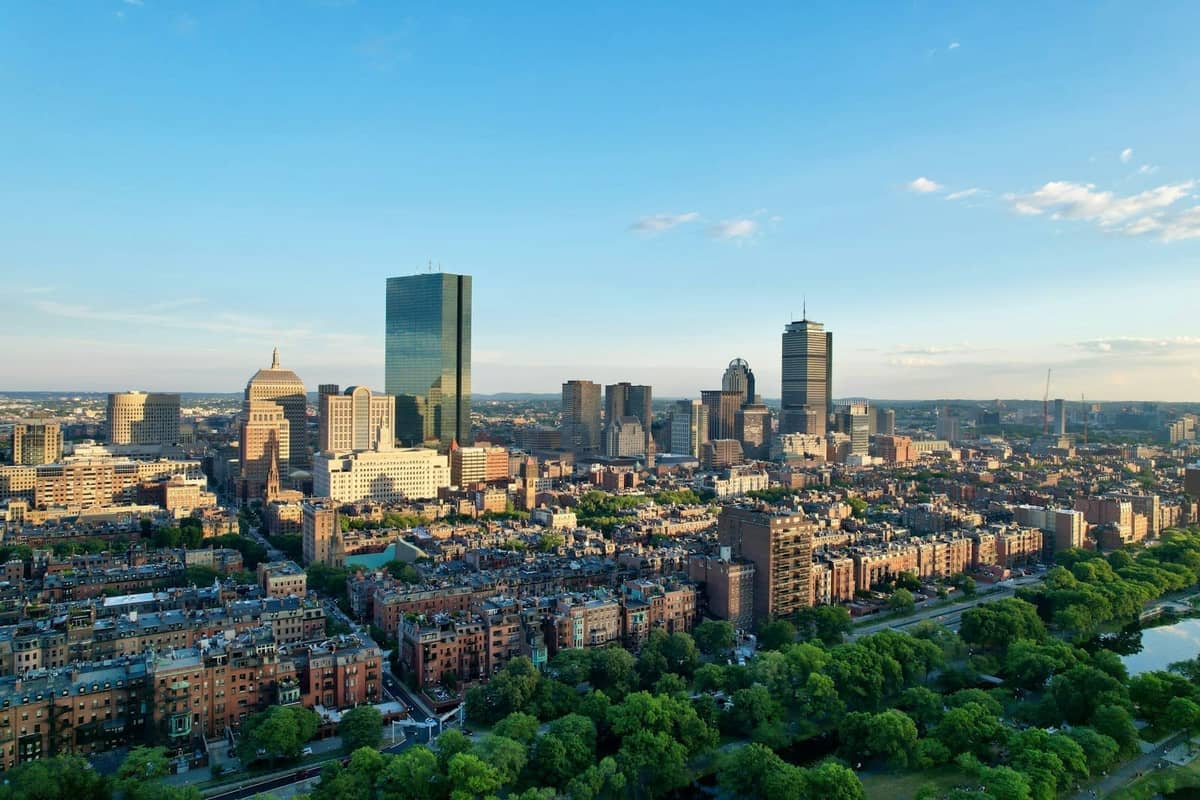
Boston rewards visitors who think in neighborhoods rather than landmark lists. The city has 23 official neighborhoods spread across roughly 48.4 square miles, and jumping randomly between them wastes hours on the MBTA. The itinerary below clusters sights geographically so each day feels cohesive. For a deeper look at how the neighborhoods stack up, the complete Boston things-to-do guide covers every major option with context.
Three days is the sweet spot for first-time visitors. It's long enough to walk the Freedom Trail, spend meaningful time in two major museums, eat your way through the North End, and still have a relaxed afternoon somewhere unexpected. It's short enough that you won't burn out trying to cover everything. Accept upfront that you will not see everything, and the trip becomes much better.
💡 Local tip
Buy a CharlieCard (reusable MBTA transit card) at most subway stations on arrival. It's cheaper per ride than single-ride tickets and works on the subway, Silver Line, and buses. Current subway fare is $2.40 with a CharlieCard — verify current pricing at mbta.com before travel.
Day 1: The Freedom Trail, Boston Common, and Beacon Hill
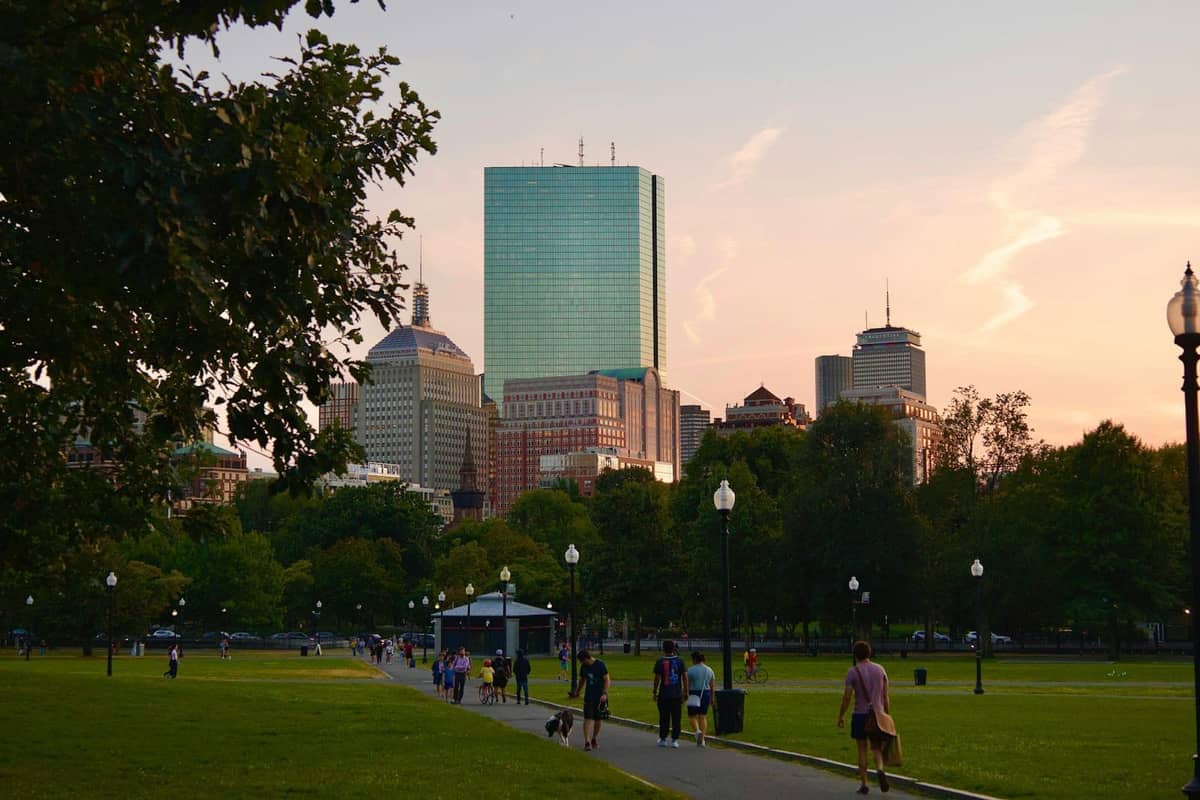
Start at Boston Common, the logical entry point for the Freedom Trail and the geographic heart of the city. The Common itself is worth 20-30 minutes: it's the oldest public park in the United States, dating to 1634, and on a clear morning the light across the Frog Pond is especially striking. The Visitor Information Center near the Park Street T stop is where you can pick up a free trail map.
The Freedom Trail is a 2.5-mile route linking 16 officially designated historic sites, marked by a red line (painted or brick) through the pavement. Walk it at a steady pace and you'll finish in about 2 hours without stops. Add entry to a few sites — the Old State House ($15 adults), the Paul Revere House ($6-8), or Old South Meeting House ($8) — and budget 4 hours total. Skip the guided tour unless you want narration; the trail is extremely well-marked and self-explanatory.
- Massachusetts State House Free entry; the gold dome and Senate Chamber are worth 30 minutes if you arrive before noon on a weekday.
- Granary Burying Ground Free, 5-10 minutes. Paul Revere, Samuel Adams, and the victims of the Boston Massacre are buried here.
- Old State House Best interior stop on the trail; the building dates to 1713 and the museum inside explains the Boston Massacre clearly.
- Faneuil Hall Marketplace Walk through but don't linger for food — it's tourist-priced and not representative of how Boston actually eats.
- Paul Revere House Smallest surviving colonial structure in downtown Boston; old and worth the modest entrance fee.
After the trail, walk uphill into Beacon Hill. This is one of the most visually intact 19th-century residential neighborhoods in America: narrow gas-lit streets, brick sidewalks, Federal-style rowhouses. Acorn Street is the most photographed block in Boston and worth a look, though it's no more than a 60-second stop. Charles Street at the base of the hill has good coffee shops and independent boutiques for an afternoon wander. End the day at the Boston Public Garden next door — the swan boats operate April through September if you're traveling with kids.
⚠️ What to skip
Faneuil Hall Marketplace is frequently listed as a top Boston attraction but functions primarily as a food court and chain-retail complex. The historic hall itself is free and worth 15 minutes. Eating a full meal there is overpriced relative to quality — save your appetite for the North End on Day 3.
Day 2: Back Bay and the Museum Corridor
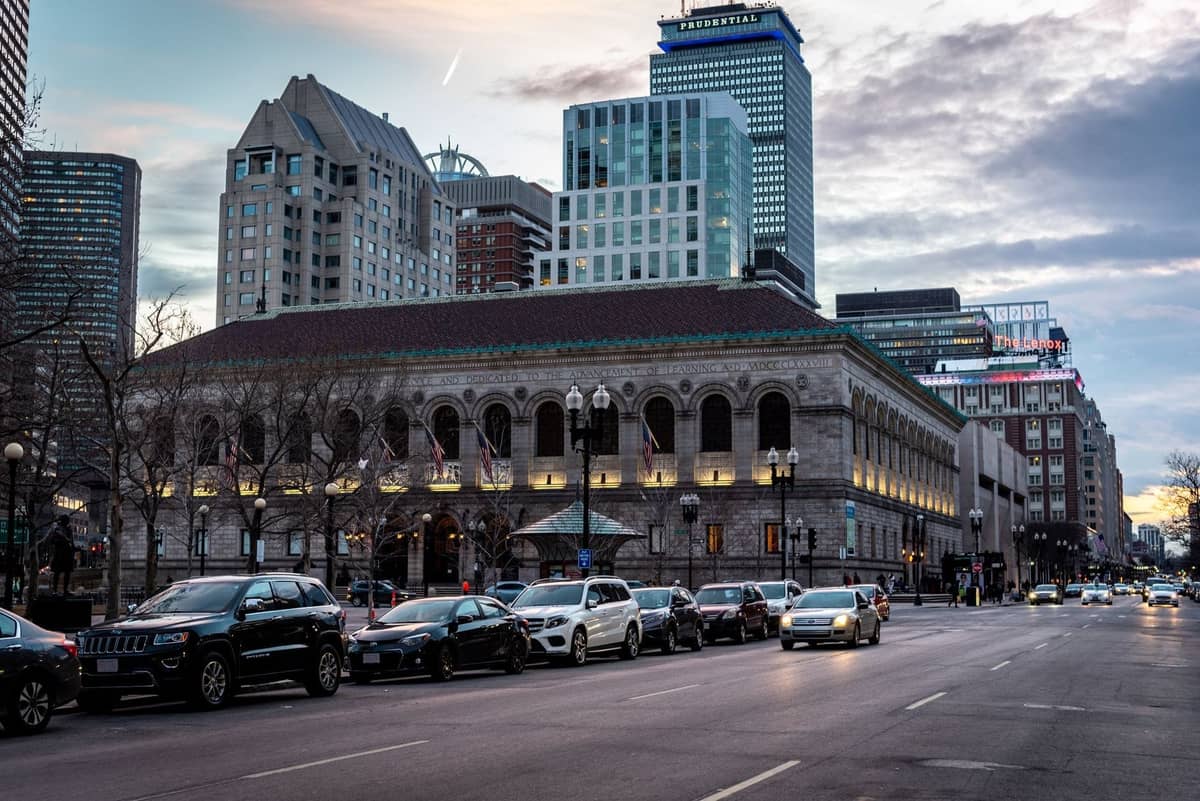
Back Bay is Boston's best-planned neighborhood, a 19th-century landfill project that produced a logical grid of streets in a city otherwise notorious for its confusing layout. Start the morning on Newbury Street, which runs eight blocks from the Public Garden to Massachusetts Avenue. The street shifts from high-end galleries and design boutiques near the Garden end to more casual cafes and independent shops near Mass Ave. Grab breakfast here before heading to Copley Square, where Trinity Church and the Boston Public Library face each other across one of the best urban plazas in New England.
The Boston Public Library is free to enter and the interior is spectacular: murals by John Singer Sargent, a Renaissance-style courtyard, and one of the largest public library collections in the United States. Budget 30-45 minutes here. From Copley, take the Green Line E branch outbound to the Museum of Fine Arts stop. This is a critical detail — the E train stops at the MFA. Taking the D or other branches will leave you short.
The Museum of Fine Arts Boston is one of the largest art museums in the United States, with a collection strong in American art, ancient Egyptian artifacts, and Impressionism. Adult admission runs around $30. Plan 2-3 hours minimum; trying to rush the MFA is counterproductive. A 10-minute walk from the MFA brings you to the Isabella Stewart Gardner Museum, which houses one of the most eccentric and personal art collections in the country inside a purpose-built Venetian palazzo. The Gardner is worth 1.5-2 hours. Admission is around $22 for adults; if your first name is Isabella, entry is free — a quirk that has been policy since the museum's founding.
✨ Pro tip
If your trip falls on a Thursday, the Gardner Museum has extended evening hours until 9 p.m. — a much quieter experience than weekend afternoons.
Day 3: The North End, Waterfront, and Optional Cambridge
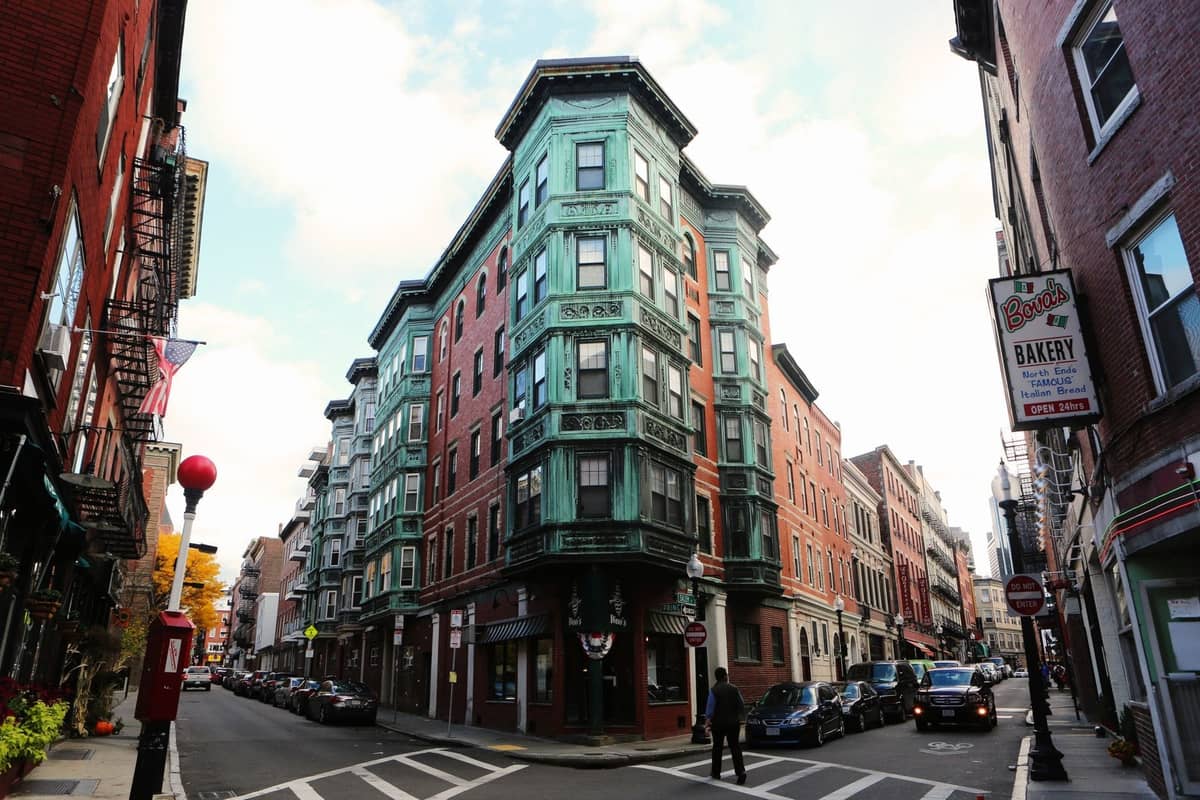
The North End is Boston's oldest residential neighborhood and its densest concentration of Italian-American restaurants, bakeries, and cafes. Start the morning with a coffee and pastry at one of the neighborhood's bakeries — Mike's Pastry and Modern Pastry are the two major competing cannoli institutions, a debate taken seriously by locals. Both are on Hanover Street, a block apart.
The Paul Revere House (if you skipped it on the Freedom Trail) and the Old North Church are both in this neighborhood. The church is free to visit and remains an active Episcopal congregation — it's the site of the 'one if by land, two if by sea' signal in 1775. From the North End, it's a short walk across the Rose Kennedy Greenway to the New England Aquarium on the waterfront, which is the most practical family option in this part of the city. Tickets run about $30 for adults.
In summer (roughly May through October), the waterfront justifies more time: the Boston Harborwalk is a publicly accessible pedestrian route along the water, and harbor cruises and whale-watching departures run from Long Wharf. In winter, the waterfront is considerably less compelling and you're better off spending your afternoon in Cambridge. Take the Red Line from Downtown Crossing or Park Street to Harvard to reach Harvard Square, where you can walk through the Harvard University campus, browse the bookshops around Harvard Square, and eat dinner at one of the many restaurants in Inman Square a short walk away.
Seasonal Adjustments: Summer vs. Winter in Boston
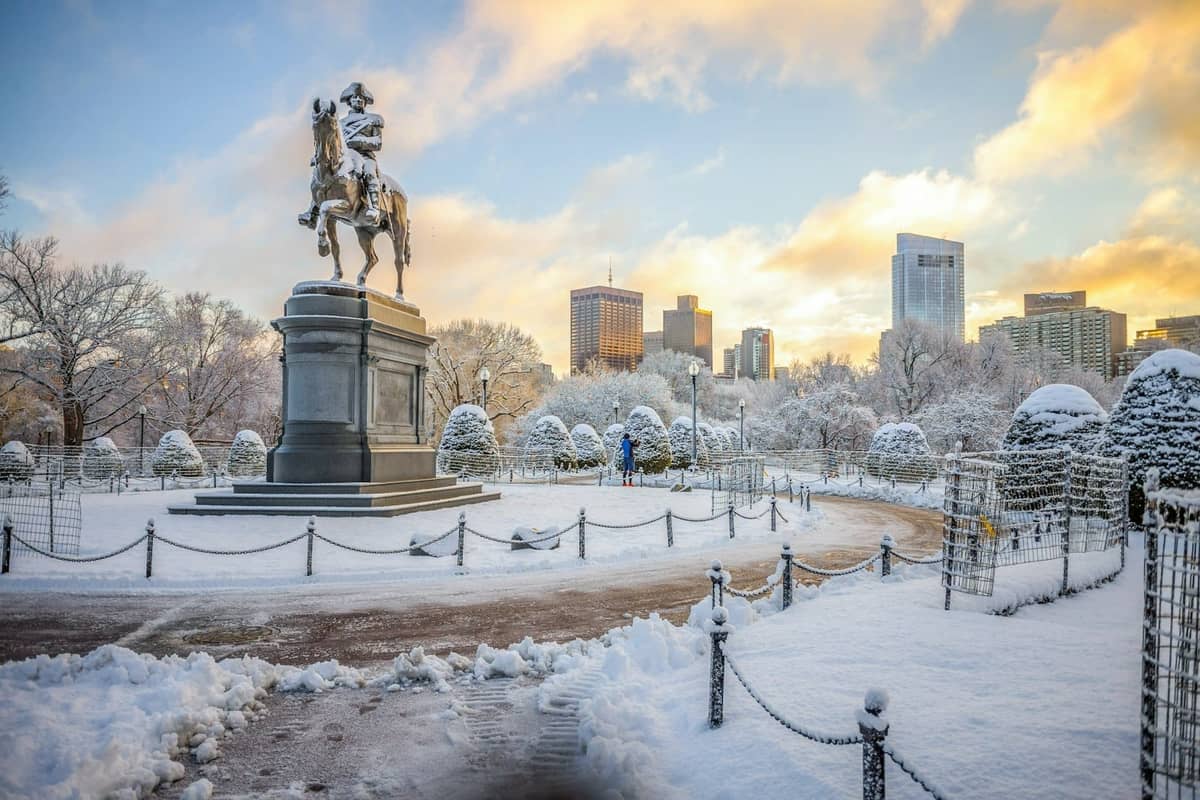
Boston's climate shapes itinerary decisions more than most American cities. Winters are cold — January averages a high of around 36°F (2°C) with significant snowfall. Summers are warm and humid, with July highs around 82°F (28°C). These are not interchangeable travel conditions.
- Summer (June-August) Add waterfront time: harbor cruises, whale watching from Long Wharf, Castle Island in South Boston, and the Charles River Esplanade. The Hatch Shell hosts free concerts. Crowds peak July-August; book museum tickets in advance.
- Fall (September-October) The best months for comfortable outdoor walking. Foliage peaks mid-October in the Arnold Arboretum and the Emerald Necklace parks. Crowds are manageable and weather is mild — 50s to 65°F most days.
- Winter (November-March) Lean into indoor experiences: museums, the Boston Public Library, the Boston Athenæum (a private library open to visitors), independent bookstores in Harvard Square, and the city's strong restaurant scene. The Common and Public Garden are attractive in snow. Dress in proper layers.
- Spring (April-May) Variable weather but generally pleasant by May. The Boston Marathon runs on Patriots' Day in April — spectacular to watch but it disrupts transit and fills hotels. Book accommodation months in advance if your dates overlap.
Practical Logistics for a 3-Day Boston Visit
Logan International Airport (IATA: BOS) sits about 3 miles northeast of downtown across Boston Harbor. The fastest and cheapest route into the city is the Silver Line SL1 bus, which runs directly from all terminals to South Station in downtown Boston and is free from Logan to downtown. Alternatively, the free Massport shuttle connects terminals to Airport Station on the Blue Line, from which you can reach downtown in under 15 minutes. Taxis run $25-40 to most downtown hotels depending on traffic. See the full Boston airport transportation guide for detailed options.
For getting around during your stay, the MBTA subway ('the T') covers all the neighborhoods in this itinerary: Red, Orange, Blue, and Green Lines. Day passes are available and worth it if you're making several rides per day. Walking is viable for the historic core: Boston Common to the North End is under 2 miles. Getting around Boston breaks down all transit options including ferry routes, which are particularly useful for reaching Charlestown.
- Restaurant tipping: 18-20% of the pre-tax bill is standard in Boston. 15% reads as below average service feedback.
- US electrical standard: 120V, Type A/B plugs. International visitors from Europe, Asia, or Australia will need an adapter.
- Tap water is safe to drink throughout Boston — the BWSC meets or exceeds all federal standards.
- Emergency number: 911 for police, fire, and medical. Country code: +1, Boston area codes 617 and 857.
- Visa entry is governed by US federal law. Check ESTA eligibility under the Visa Waiver Program before travel if you're not a US citizen.
For where to stay, the most practical neighborhoods for a 3-day itinerary are Back Bay (walkable to the Public Garden, Newbury Street, and the Copley Square museums) and Downtown/Beacon Hill (closest to the Freedom Trail). The complete guide to where to stay in Boston covers specific hotel districts with practical notes on pricing and trade-offs.
FAQ
Is 3 days enough for Boston?
Yes, three days is enough to cover the major highlights: the Freedom Trail, Beacon Hill, Back Bay, two major museums, the North End, and the waterfront. You won't see everything — Cambridge alone deserves its own day — but you'll get a genuine sense of the city without rushing.
How do I get from Logan Airport to downtown Boston?
The Silver Line SL1 bus runs free from all terminals to South Station in downtown Boston — it's the fastest and cheapest option. Alternatively, take the free Massport shuttle to Airport Station and ride the Blue Line to downtown. Taxis cost $25-40 depending on traffic and destination. Verify current MBTA fares at mbta.com before travel.
What is the best neighborhood to stay in for a 3-day Boston trip?
Back Bay is the most practical base for first-time visitors: it's walkable to the Public Garden, Newbury Street, Copley Square, and has direct Green Line access to the museum corridor. Downtown and Beacon Hill are also excellent if you prioritize proximity to the Freedom Trail.
How long does it take to walk the Freedom Trail?
The Freedom Trail is 2.5 miles with 16 stops. Walking the full route without entering any sites takes about 90 minutes to 2 hours. Add entry to 3-4 sites and budget a half-day (4 hours). It does not fill an entire day, so plan other sights around it.
What should I do in Boston in winter?
Winter in Boston means cold temperatures (often below 36°F / 2°C in January) and significant snow. Lean toward indoor itineraries: the Museum of Fine Arts, the Isabella Stewart Gardner Museum, the Boston Public Library, the Boston Athenæum, and the North End for eating. The Freedom Trail is walkable year-round but dress appropriately. The Boston Common and Public Garden are attractive after snowfall.