Boston Logan Airport (BOS): The Complete Traveler's Guide
Boston Logan International Airport is one of the most conveniently located major airports in the United States, sitting just 3 miles from downtown. This guide covers every terminal, every transport option, seasonal travel patterns, and the practical details that make the difference between a smooth arrival and a stressful one.
Plan and book this trip
Tools from our partner Travelpayouts help you compare flights and hotels. If you book through them, we may earn a commission at no extra cost to you.
Flights
Hotels map
TL;DR
- Boston Logan International Airport (BOS) is approximately 3 miles from downtown Boston, making it unusually close for a major U.S. airport.
- Four terminals (A, B, C, E) handle all passenger traffic; Terminal E handles international arrivals.
- The cheapest way into the city is the MBTA Silver Line SL1 to South Station, which is free from the airport, or the Blue Line via free Massport shuttle to Airport Station. See our guide to getting around Boston for full transit details.
- Taxi fares to downtown typically run $25–$40; Uber and Lyft are available at designated pick-up areas at each terminal.
- Winter nor'easters and summer peak periods cause the worst delays. Build in buffer time from November through March and during holiday weekends.
Airport Overview: Key Facts About BOS
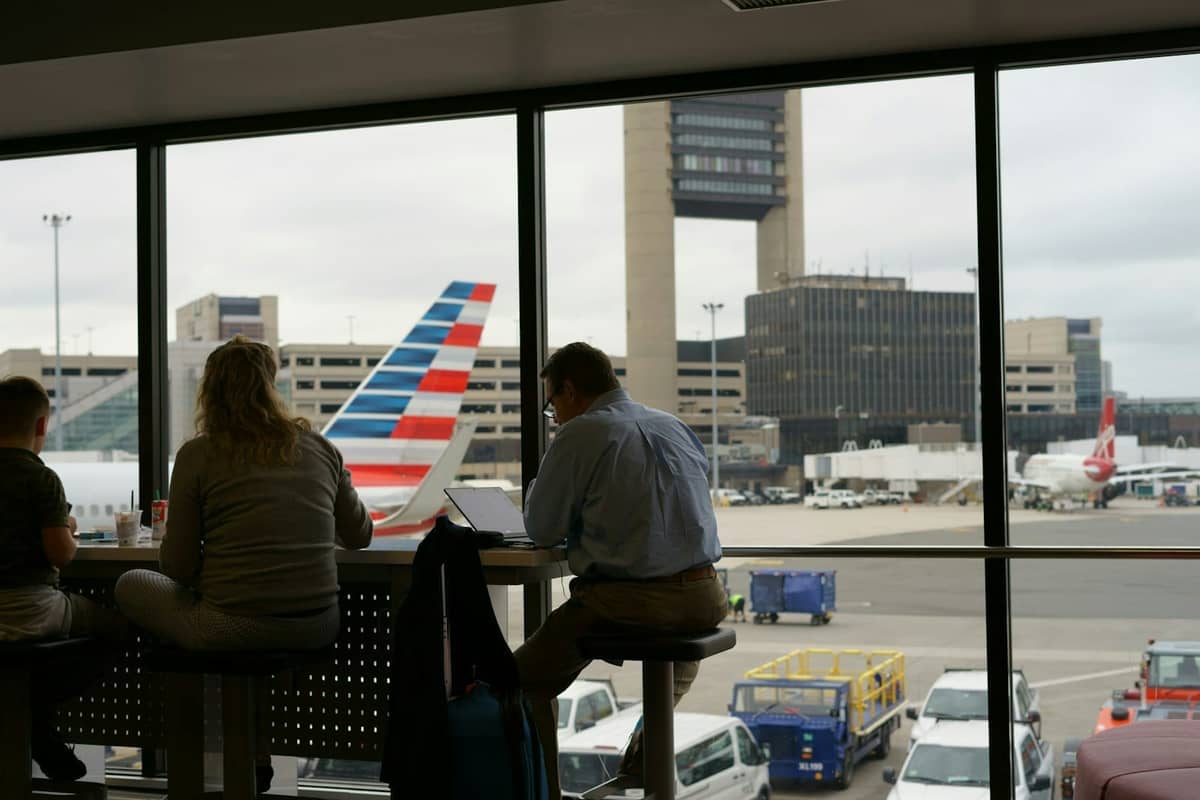
Boston Logan International Airport carries the official name General Edward Lawrence Logan International Airport, though nobody outside an official document calls it that. Its IATA code is BOS and ICAO code is KBOS. Massport, the Massachusetts Port Authority, operates the airport. In 2024, Logan handled 43.5 million passengers, its busiest year on record, which puts it firmly in the top tier of U.S. airports by traffic volume.
The airport sits in East Boston and partially in Winthrop, separated from downtown by Boston Harbor. That separation sounds more significant than it is: the straight-line distance to the city center is roughly 3 miles. In practice, the Blue Line can get you to Government Center in under 15 minutes on a good day. More than 40 airlines serve Logan with nonstop routes to over 100 domestic and international destinations. JetBlue holds the largest market share at around 27%, followed by Delta, American, and United. The airport has 6 runways spread across approximately 2,384 acres.
ℹ️ Good to know
Logan is one of the few major U.S. airports where you can realistically reach the city center by subway in under 20 minutes and pay under $3 to do it. The proximity and transit access are genuine advantages compared to airports serving other major cities.
Terminal Guide: Which Terminal Is Yours?
Logan has four passenger terminals: A, B, C, and E. There is no Terminal D. Each terminal has its own ticketing counters, baggage claim, and ground transportation access. Understanding which terminal you need before you arrive saves real time, particularly if you are connecting between flights or meeting someone.
- Terminal A Primarily serves American Airlines and regional partners. Renovated in recent years and generally less congested than Terminal C during peak hours.
- Terminal B Hosts Southwest, Spirit, and several other carriers. Split into two connected sections (B1 and B2). Larger security checkpoint queues during peak morning and evening banks.
- Terminal C JetBlue's primary base at Logan, handling a significant share of total traffic. Expect longer security lines during JetBlue's morning and afternoon peak departures.
- Terminal E International terminal. Handles Aer Lingus, Lufthansa, British Airways, Air Canada, and other international carriers, as well as some Delta international flights. All international arrivals clear customs and immigration here. If arriving from outside the U.S., this is where you land regardless of which airline you fly.
Free inter-terminal shuttles run landside (outside security) connecting all four terminals. If you need to change terminals after clearing security, you will need to exit and re-enter. Factor this in if you have a tight domestic-to-international connection or vice versa. The Massport website publishes a current Boston airport map showing terminal layout and shuttle routes, which is worth checking before travel if you have an unusual connection.
Getting to and from Logan: Every Option Compared
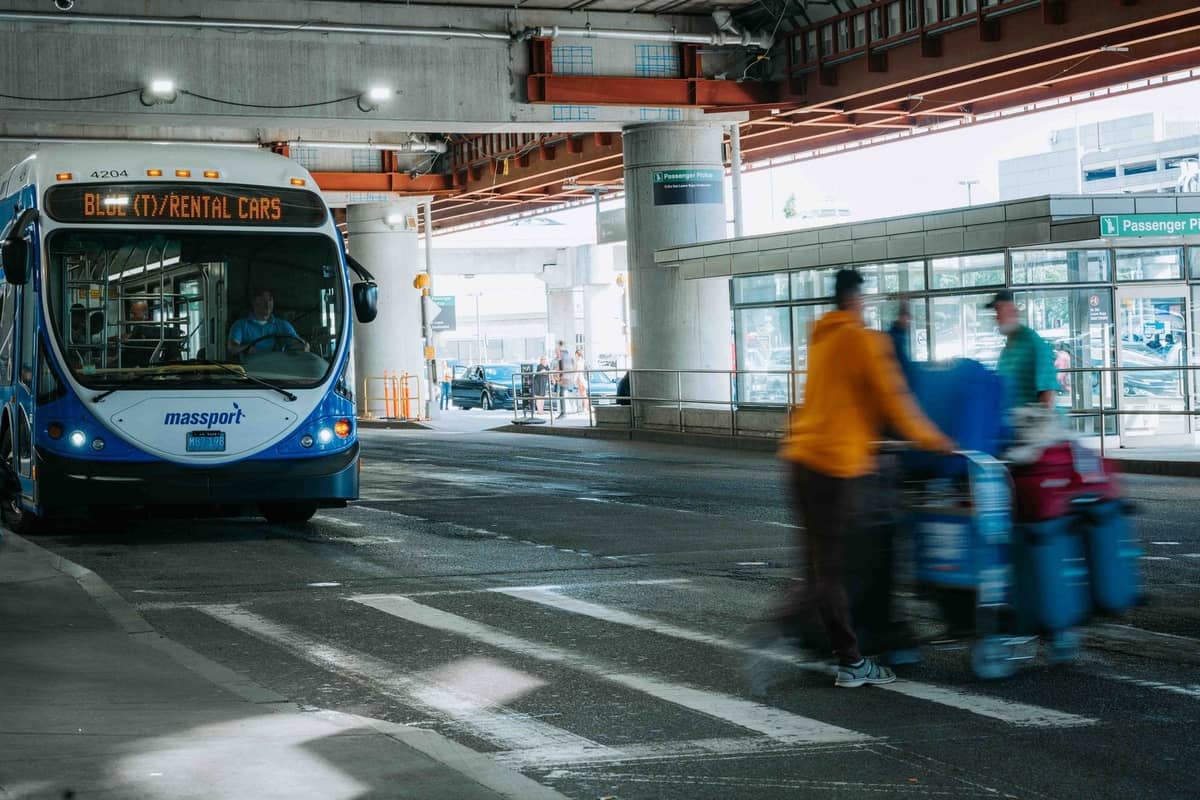
Logan's transport options are quite good by U.S. airport standards. You have four realistic choices: the MBTA subway via Silver Line or Blue Line, taxi, ride-hail (Uber or Lyft), or water taxi. Each has a clear use case, and the right choice depends on your destination, luggage load, and time of day.
- MBTA Silver Line SL1 (Free from airport) The fastest and cheapest option for most travelers. Free from any Logan terminal to South Station in downtown Boston. At South Station you can connect to the Red Line subway, commuter rail, and Amtrak. Journey time is roughly 20-25 minutes depending on traffic. From outside the airport, the standard MBTA fare applies.
- MBTA Blue Line (via free Massport shuttle) Take Massport shuttle routes 22, 28, or 33 from your terminal to Airport Station, then board the Blue Line toward downtown. Trains run to State Street and Government Center in about 10-12 minutes from Airport Station. Total journey is around 25-30 minutes. Standard subway fare applies: currently around $2.40 with a CharlieCard. Verify current fares at mbta.com.
- Taxi Metered taxis depart from designated stands at each terminal. Typical fare to downtown Boston runs $25–$40, not including tip, depending on destination and traffic. The Ted Williams Tunnel toll adds to the base meter. Taxis are reliable but can take 30-60 minutes to downtown during peak commute hours.
- Uber / Lyft Both operate at Logan with designated pick-up zones at each terminal. Fares fluctuate with surge pricing, but off-peak rides to downtown are often comparable to taxis. During morning arrivals and evening departures, surge pricing can push costs significantly above taxi rates.
- Water Taxi / Harbor Ferry A scenic and often overlooked option. Take the free Massport shuttle to the Logan ferry dock, then board a water taxi or ferry to downtown wharves including Long Wharf (near the New England Aquarium) and Rowes Wharf. Journey time across the harbor is roughly 7 minutes. Fares vary by operator. Check Massport's water transportation page for current operators and pricing.
- Logan Express Direct express buses connect Logan to suburban park-and-ride terminals in Braintree, Framingham, Peabody, and Woburn. Ideal if you are heading to or arriving from suburban Massachusetts rather than downtown. Fares and schedules are listed on the Massport Logan Express page.
✨ Pro tip
The water taxi to Long Wharf is often overlooked. During heavy traffic periods, it can beat a taxi or ride-hail by 20+ minutes and deposits you steps from Faneuil Hall and the North End. It costs more than the subway but far less than a cab during rush hour surges.
Once you are in the city, the MBTA connects to virtually every major attraction. The Blue Line from Airport Station puts you at Downtown Boston in minutes, and transfers to other lines open up Back Bay, Beacon Hill, and beyond without the need for a car.
Parking at Logan: What It Costs and What to Expect
Logan offers on-site parking at multiple garages attached to each terminal, plus economy lots for longer stays. Short-term parking is available directly adjacent to terminals for quick pickups and drop-offs. Daily rates for garage parking have historically been in the $30–$45 range per day; economy lots run cheaper. Massport publishes current rates on its website, and they do change, so verify before your trip.
For trips of three or more days, off-airport parking facilities in East Boston and nearby neighborhoods often offer lower daily rates with shuttle service. Boston's compact geography means these off-site lots are usually within a 5–10 minute shuttle ride. Reserve in advance for holiday travel periods, particularly Thanksgiving week, July 4th weekend, and the week between Christmas and New Year's, when both on-site and off-site parking fills quickly.
⚠️ What to skip
The cell phone lot at Logan fills rapidly during peak afternoon arrival waves. If you are picking someone up, track their flight status before leaving home. Arriving early and waiting in the lot is fine for short waits, but the lot closes to overflow during the busiest arrival banks.
Seasonal Travel Patterns: When Logan Gets Difficult
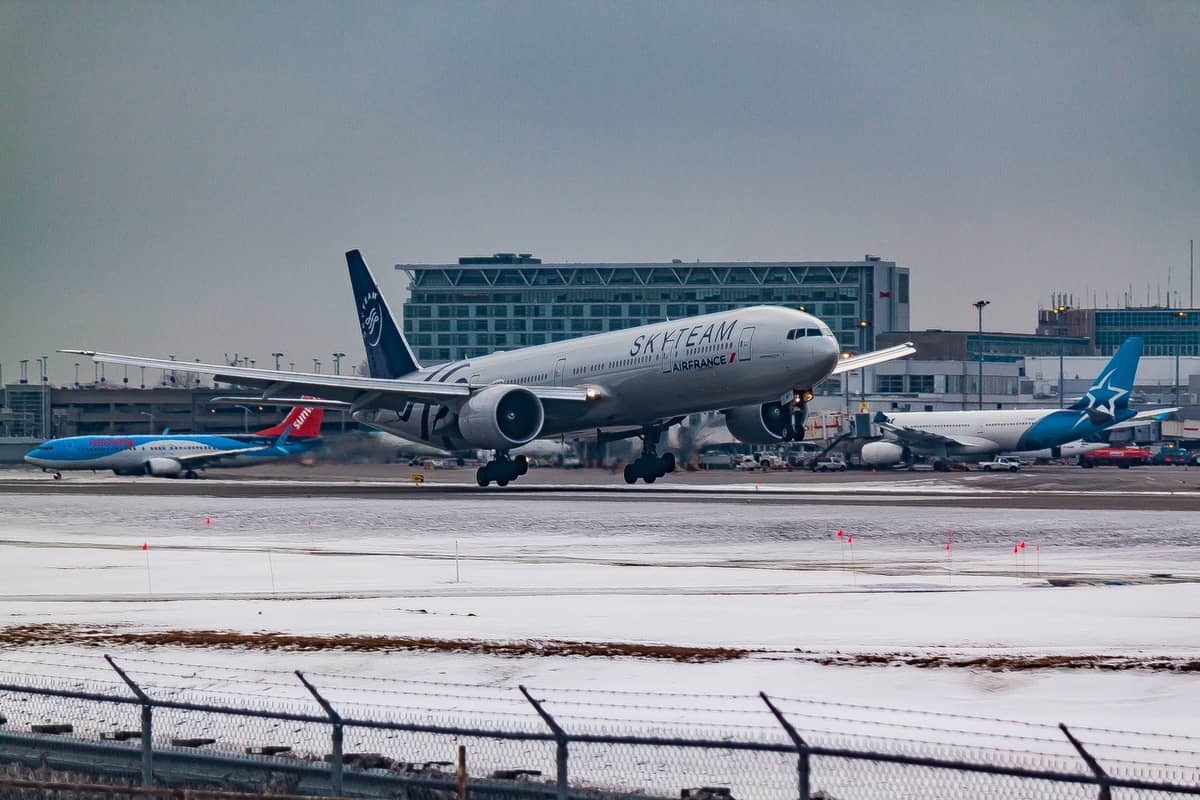
Boston's climate directly affects Logan operations in ways that don't apply to airports in Atlanta or Miami. New England winters bring nor'easters that can shut down the airport entirely or cause cascading delays across the entire East Coast network. December through March is the riskiest window for weather disruptions. If you are traveling during this period, monitor your flight status closely and consider travel insurance. Our Boston in winter guide covers what to expect from the city during this season.
Summer is Logan's peak passenger season. June through August brings the largest crowds, particularly on Friday afternoons and Sunday evenings when leisure travelers create bottlenecks at security, baggage claim, and ground transportation. The Fourth of July weekend is among the single busiest periods of the year, coinciding with one of Boston's most celebrated events. Arrive at Logan at least two hours before domestic departures and three hours before international flights during peak summer weekends.
Fall is often the smoothest time to fly through Logan. September and October bring milder weather, lower crowd volumes than summer, and typically stable flight operations. This aligns well with Boston's fall foliage season, which draws visitors from across the country but without the same airport congestion as summer peak.
Practical Information: What You Need Before You Arrive
Logan uses U.S. standard 120V, 60Hz electricity with Type A and B plugs. International travelers from Europe, Asia, or Australia will need plug adapters and possibly voltage converters for older devices. Charging stations are available in all terminals, particularly in gate areas, but they fill up quickly during delays. Bring your own portable charger as backup.
Currency exchange is available at Logan, but rates are consistently worse than withdrawing from an ATM or using a no-foreign-transaction-fee credit card. Multiple ATMs are located in each terminal. Boston's emergency number is 911. The country dialing code for the U.S. is +1, and Boston area codes are 617 and 857. Tap water at Logan and throughout Boston is safe to drink and meets federal and state standards.
For visa requirements, entry to Boston is governed entirely by U.S. federal immigration law. Eligible nationals can use the Visa Waiver Program (VWP) with an approved ESTA for stays under 90 days. Others require a B-1/B-2 visitor visa. VWP country lists change, so verify current eligibility at travel.state.gov before booking. Once you clear customs at Terminal E, you are in Boston. The city itself requires no additional permits or documentation. From there, the city's Freedom Trail, Faneuil Hall Marketplace, and the rest of Boston's historic core are less than 15 minutes away.
- Tipping: 18–20% is standard at restaurants; tip taxi and ride-hail drivers $2–5 on short trips
- Emergency number: 911
- Currency: USD only; ATMs widely available in all terminals
- Plug type: Type A/B (120V, 60Hz); adapters needed for most non-U.S. devices
- Tap water: Safe to drink throughout the airport and city
- Wi-Fi: Free Logan Wi-Fi available in all terminals
- TSA PreCheck and Global Entry: Dedicated lanes available; worthwhile for frequent travelers through BOS
FAQ
How far is Boston Logan Airport from downtown Boston?
Logan International Airport is approximately 3 miles northeast of downtown Boston, located in the East Boston neighborhood across the harbor. It is one of the closest major airports to a U.S. city center. By MBTA Blue Line or Silver Line, downtown is reachable in 15–25 minutes.
What is the cheapest way to get from Logan Airport to downtown Boston?
The MBTA Silver Line SL1 is free from Logan to South Station in downtown Boston, making it the cheapest option. Alternatively, the Blue Line via free Massport shuttle to Airport Station costs around $2.40 with a CharlieCard. Both options require no taxi or ride-hail fare.
How do I read the Boston airport map and find my terminal?
Logan has four terminals: A, B, C, and E arranged in a rough horseshoe around the central parking structure. There is no Terminal D. Terminal E is the international terminal. The Massport website publishes an up-to-date airport map. Free inter-terminal shuttles connect all terminals landside. Inside security, terminals are not connected.
Does Boston Logan Airport have good public transportation connections?
Yes. Logan is one of the best-connected U.S. airports for public transit. The free MBTA Silver Line SL1 runs directly to South Station from every terminal. Free Massport shuttles connect terminals to Airport Station on the Blue Line. Both options reach central Boston for under $3 or free depending on direction.
What are the worst times to fly through Logan?
Winter nor'easters from December through March are the primary cause of major disruptions and can cancel flights entirely. Summer peak season (June–August), particularly Friday afternoons and Sunday evenings, creates the worst passenger congestion at security and ground transportation. The Fourth of July weekend and Thanksgiving week are the single busiest periods for passenger volume.