Things to Do in Boston: A Complete Guide
Boston packs Revolutionary history, world-class museums, a legendary baseball stadium, and a working waterfront into one of America's most walkable cities. This guide covers the best things to do in Boston across every neighborhood, season, and budget — with practical details on pricing, timing, and how to get around.
Plan and book this trip
Tools from our partner Travelpayouts help you compare flights and hotels. If you book through them, we may earn a commission at no extra cost to you.
Flights
Hotels map
TL;DR
- Walk the Freedom Trail for free — the self-guided 2.5-mile route hits 16 historic sites and takes 2-3 hours at a relaxed pace.
- Boston is one of the most walkable cities in the U.S.; a CharlieCard on the MBTA subway (around $2.40/ride) gets you everywhere else.
- Late May through June and September through October offer the best weather — see the full breakdown in our best time to visit Boston guide.
- The city goes well beyond historic sites: the Museum of Fine Arts, Boston Harbor Islands, and the Seaport District give you a completely different side of Boston.
- Crowds peak in summer and during Red Sox home games — plan indoor attractions for weekday mornings to avoid the worst of it.
Historic Boston: The Freedom Trail and Revolutionary Sites
No guide to things to do in Boston can start anywhere but the Freedom Trail. The red-brick line (marked in brick or red paint on the sidewalk) runs 2.5 miles from Boston Common to the Bunker Hill Monument in Charlestown, connecting 16 nationally significant sites. The self-guided walk is free. Individual sites charge their own admission — expect $5-15 for guided house museums. Budget two to three hours for the full route, longer if you stop at every site.
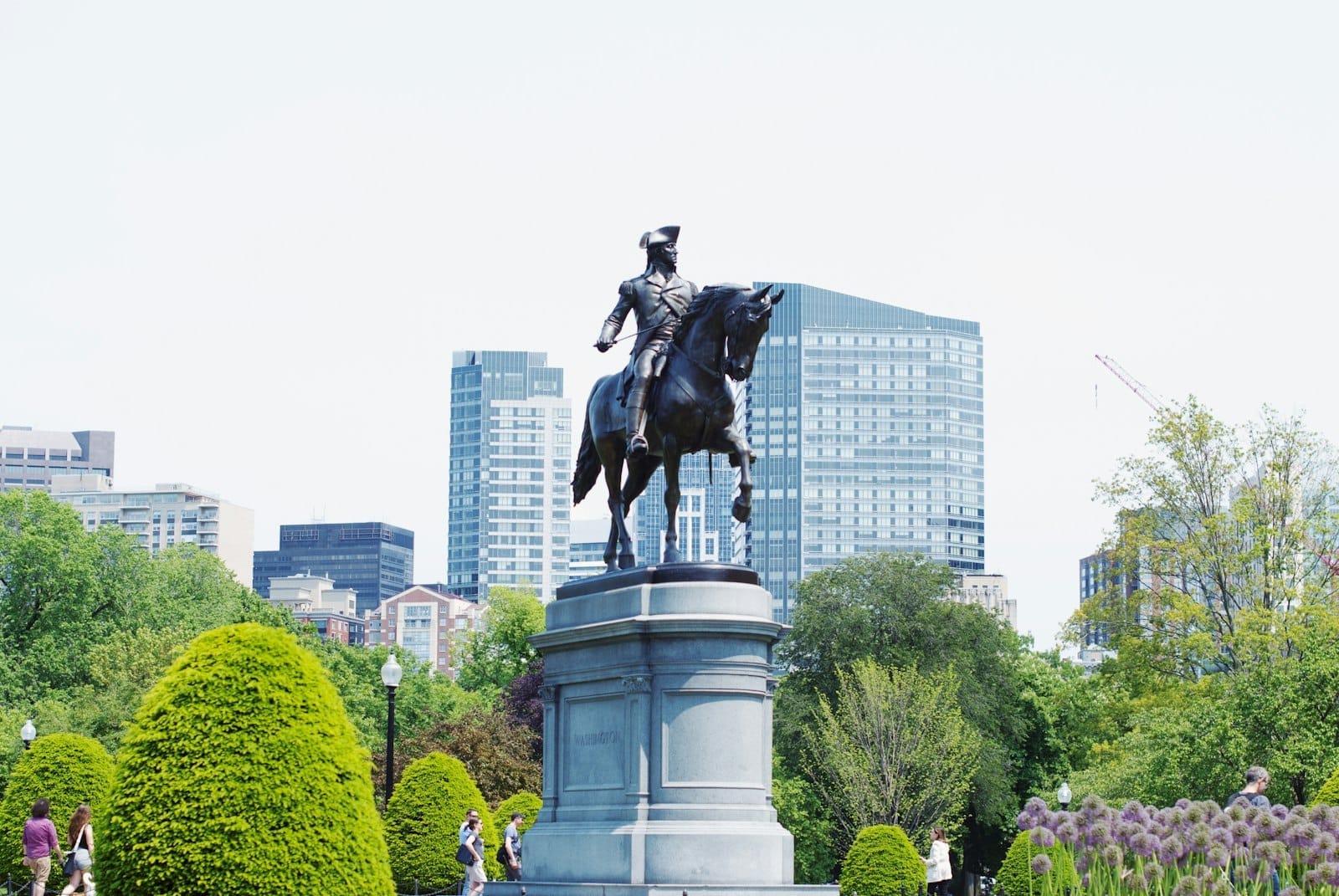
Start at Boston Common, the oldest public park in the United States (established 1634), then work north through the Granary Burying Ground — where Paul Revere, Samuel Adams, and John Hancock are buried — and on to Faneuil Hall Marketplace. The trail finishes at the Bunker Hill Monument in Charlestown, where 294 steps lead to a panoramic view of the harbor and downtown skyline.
💡 Local tip
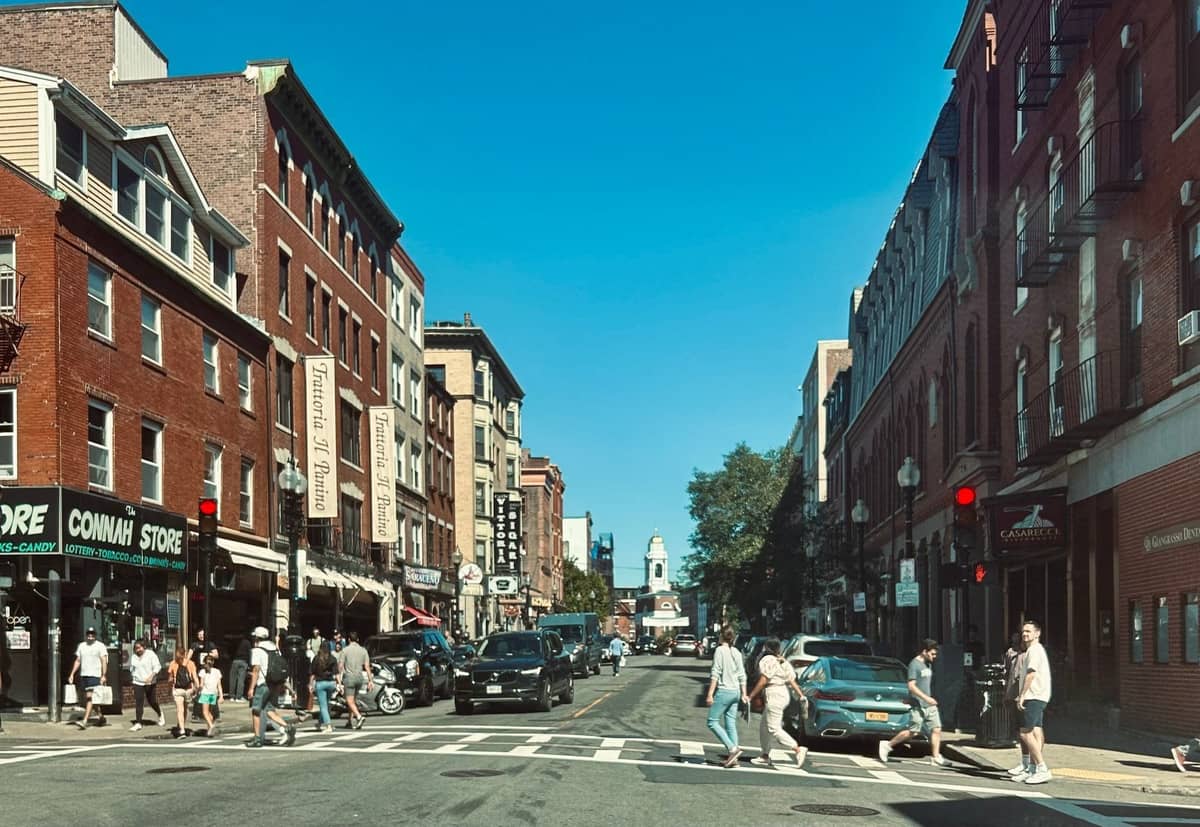
If you only have half a day, prioritize the North End section of the trail: the Paul Revere House, Old North Church, and a cannoli from Mike's Pastry or Modern Pastry cover history and food in the same walk. The North End is Boston's oldest neighborhood and still operates as a working Italian-American community — not a museum piece.
The Boston Tea Party Ships and Museum sits just off the trail on Congress Street Bridge. It's interactive, well-produced, and runs about 90 minutes. Adult tickets are around $35 — it's not cheap, but the re-enactment format makes it more engaging than most history museums, especially if you're visiting with kids or want more than plaques and portraits.
Museums Worth Your Time (and a Few You Can Skip)
Boston's museum scene is anchored by the Museum of Fine Arts Boston in the Fenway-Kenmore neighborhood. One of the largest art museums in the country, the MFA holds over 500,000 objects spanning ancient Egyptian artifacts to contemporary American painting. Adult admission is $30. The MFA offers $5 minimum pay-what-you-wish admission on the third Thursday of each month after 5 p.m. — one of the better budget deals in Boston if you time it right.
A ten-minute walk from the MFA, the Isabella Stewart Gardner Museum is a different kind of experience: an eccentric Venetian-style palazzo built around a central courtyard garden, with a permanent collection arranged exactly as Gardner intended. It's smaller and quieter than the MFA, and admission includes access to a newer Renzo Piano-designed wing. Adult tickets are $22. People named Isabella get in free — worth knowing if that applies to anyone in your group.
- Museum of Science Boston Best for families and kids; covers natural history, technology, and live animal exhibits. Located on the Charles River dam. Budget 3-4 hours. Adult tickets around $29-35.
- New England Aquarium Central Wharf, 10 minutes from Faneuil Hall. The four-story Giant Ocean Tank is the centerpiece. Crowds are heaviest on weekends and school holidays. Tickets around $35-40 for adults.
- Institute of Contemporary Art Boston In the Seaport District with dramatic harbor views. Strong rotating exhibitions and a permanent collection focused on post-1945 work. Free for visitors under 18. Adult tickets around $20-25.
- Harvard Art Museums Three collections (Fogg, Busch-Reisinger, Arthur M. Sackler) under one roof in Cambridge. Surprisingly uncrowded for the quality of the collection. Free admission for all visitors.
⚠️ What to skip
The Museum of Science and New England Aquarium get extremely crowded on rainy summer weekends — every family in greater Boston has the same idea. Visit on a sunny day when outdoor attractions pull crowds away, or arrive right at opening time (9-10am depending on the venue).
Outdoor Activities: Parks, Harbor, and the Waterfront
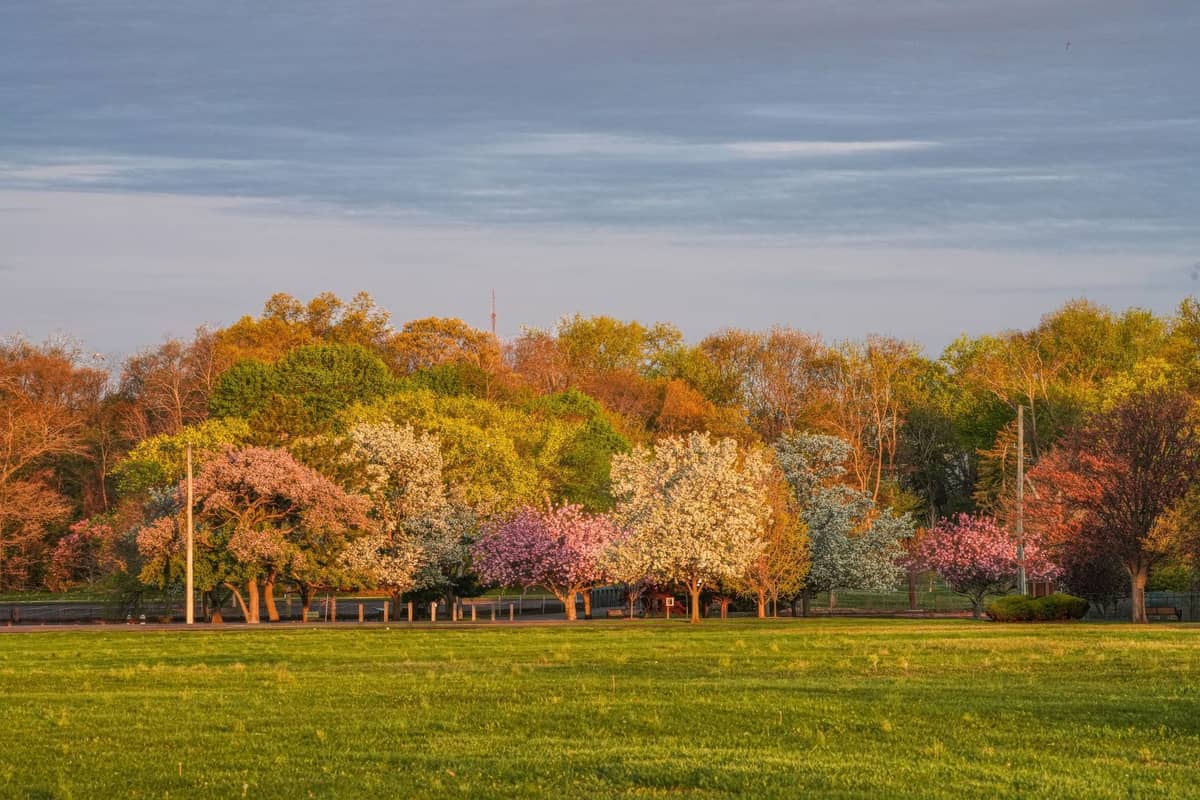
Boston's green spaces form a connected system called the Emerald Necklace, designed by Frederick Law Olmsted in the 1880s. It runs roughly 7 miles from the Boston Public Garden through the Fens, Jamaica Pond, and the Arnold Arboretum out to Franklin Park. You don't have to walk the whole thing — any segment works as a standalone.
The Boston Harbor Islands are often overlooked by visitors who assume they're too far. Seasonal ferries depart from Long Wharf (near the Aquarium) and reach Georges Island in about 40 minutes. From there, free inter-island ferries connect to Spectacle Island, which has a beach, cafe, and views of the downtown skyline that you won't find anywhere else. The ferry season typically runs late May through mid-October; round-trip fares run around $25-30 for adults.
Along the river, the Charles River Esplanade offers a flat, paved path popular with runners and cyclists from spring through fall. Kayak and paddleboard rentals are available seasonally from Community Boating and Paddle Boston. In summer, the Hatch Memorial Shell hosts free outdoor concerts, including the Boston Pops Fourth of July concert — one of the largest annual events in New England.
✨ Pro tip
Castle Island in South Boston is one of Boston's most popular local spots and almost no visitor guidebook covers it adequately. It's a free, car-accessible peninsula with a 19th-century coastal fort, a paved loop walk with harbor views, and Sullivan's — a seasonal seafood counter that's been serving clam chowder and fried clams since 1951. Go on a weekday afternoon in late spring or early fall.
Sports and Entertainment: Fenway, the Garden, and More
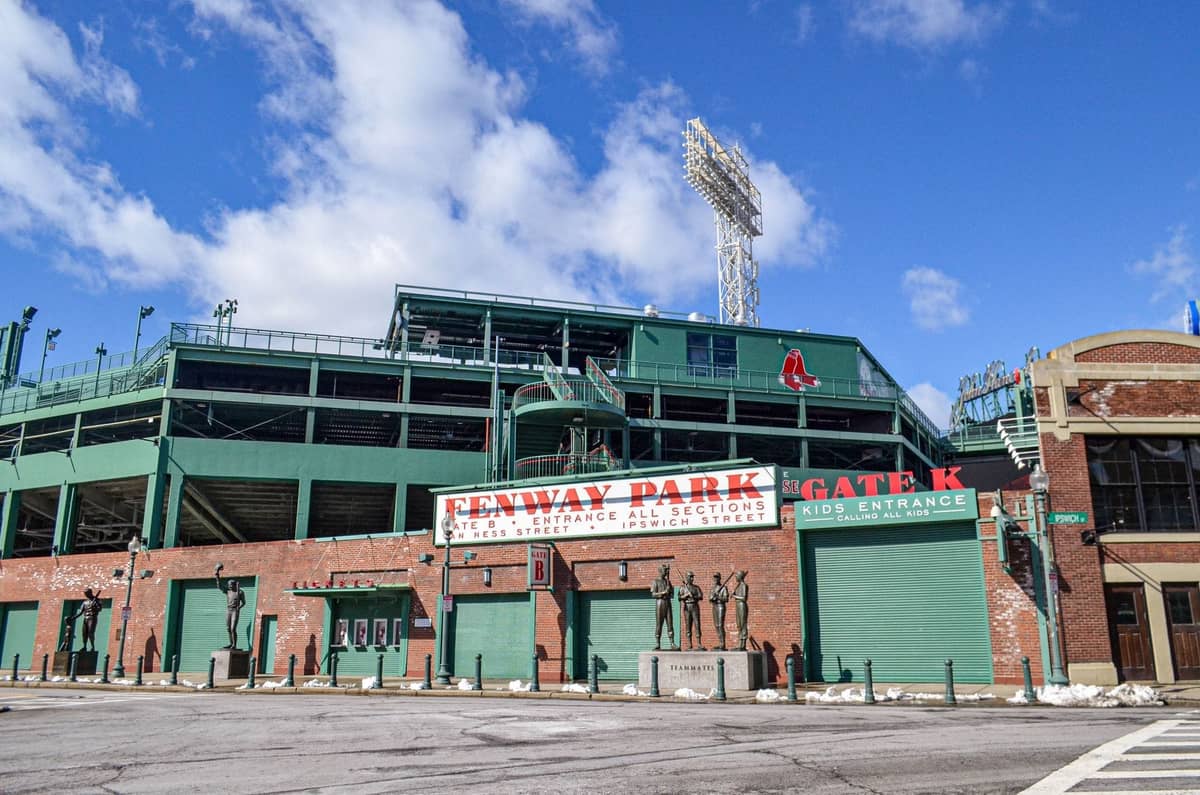
Catching a game at Fenway Park is one of the most specific Boston experiences available. Opened in 1912, it's the oldest active ballpark in Major League Baseball. The Green Monster — the 37-foot left-field wall — is as striking in person as it looks on screen. Regular season Red Sox home games run late March or early April through late September, with some games in early October; tickets range from around $30 for bleachers to $200+ for premium seats. Non-game-day stadium tours run most days year-round and cost around $25 for adults.
For NBA and NHL games, TD Garden hosts both the Boston Celtics and Boston Bruins. The arena is right above North Station and easy to reach by MBTA Green or Orange Line directly to North Station, or by taking the Red Line to Park Street and transferring to the Green or Orange Line. Ticket prices vary widely by opponent and time of season — check the team websites directly for current availability. TD Garden also hosts major concerts and events throughout the year.
Neighborhoods to Explore on Foot
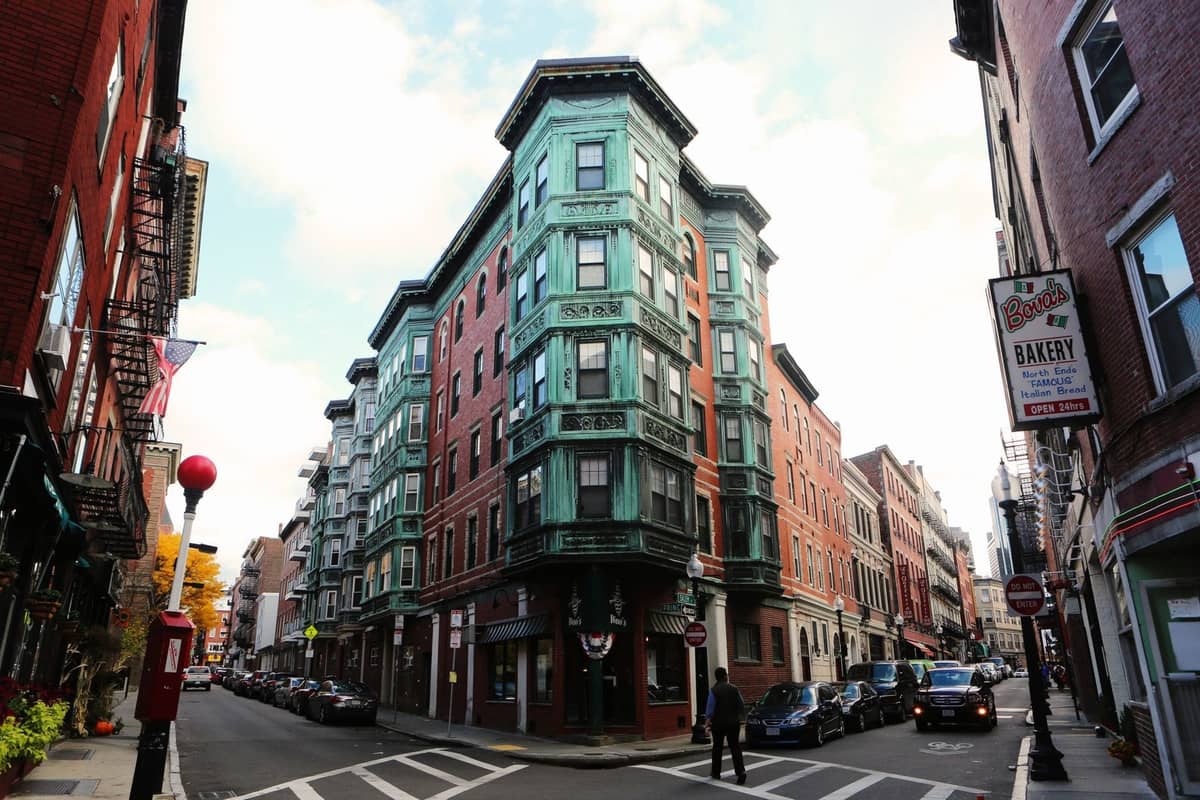
Boston's neighborhoods are distinct enough that walking between them feels like moving between different cities. Beacon Hill — the compact grid of gas-lit brick streets near the State House — is the most visually coherent historic neighborhood in Boston. Acorn Street is the most photographed cobblestone block, though you'll rarely have it to yourself on a weekend.
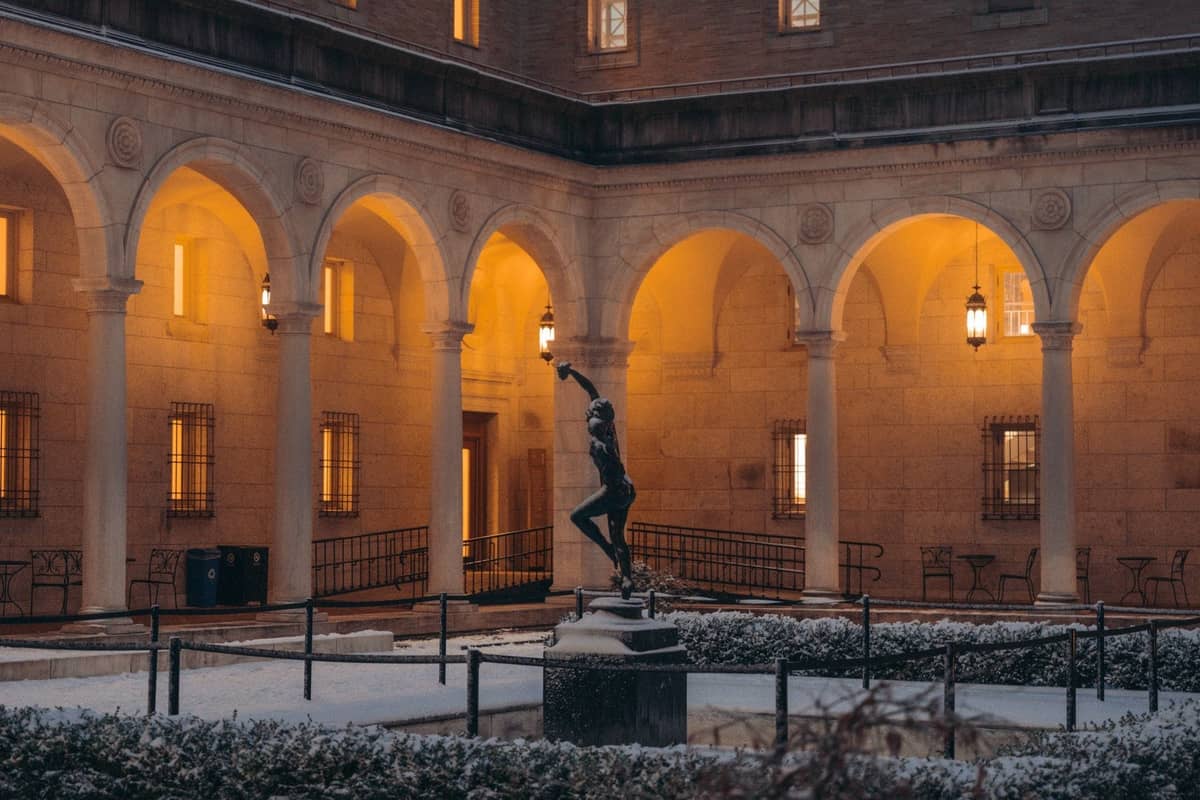
Back Bay runs on a proper grid — unusual for Boston — with Newbury Street as the main retail and dining corridor. The eight blocks between Arlington and Mass Ave shift from high-end boutiques and galleries near the Public Garden end to independent shops and casual restaurants near the Fenway end. The Boston Public Library on Copley Square is worth entering for the architecture alone — the McKim building's interior courtyard is free to enter and especially striking.
Across the river in Cambridge, Harvard Square is a short Red Line ride from downtown and works well as a half-day add-on. The square itself is commercial and busy, but the residential streets behind it and the Harvard University campus are worth exploring. Cambridge has a different energy from Boston — more academic, slightly less rushed.
- North End Boston's oldest neighborhood and the center of its Italian-American community. Go for the pastry shops, small-plate restaurants, and the Paul Revere House. Busiest on summer weekends; quieter on weekday mornings.
- Seaport District The most recently developed waterfront area, with the ICA, high-end restaurants, and a harborwalk. It's polished and expensive. Not the most characterful neighborhood, but the waterfront views and ICA make it worth a few hours.
- South End Victorian brownstones, the SoWa art and design district, and some of Boston's best independent restaurants. The SoWa Open Market runs Sundays from May through October — a genuine local event, not a tourist market.
Practical Tips: Getting Around, Costs, and Timing
Boston is 48 square miles and surprisingly compact. The core of the city — from the Seaport to Fenway, from the North End to the South End — is walkable in the sense that most distances are under 2 miles. The MBTA subway (called 'the T') covers everything else. A CharlieCard (reloadable plastic card) costs nothing to obtain and gives a slight fare discount over paper tickets. Keep one on your phone's digital wallet or pick up a physical card at any major station.
Getting from Logan International Airport to downtown is straightforward and cheap. The Silver Line SL1 bus runs directly from any terminal to South Station — the ride is free when boarding at Logan. Alternatively, the Blue Line subway reaches downtown from Airport Station via a free Massport shuttle from the terminals. Either option costs under $3 and typically takes about 20-30 minutes. Taxis run around $25-40 to downtown depending on traffic; Uber and Lyft are available with designated pickup zones at each terminal. For full airport logistics, see our Boston airport guide.
On costs: Boston is an expensive city by U.S. standards. Budget travelers can absolutely have a full day for under $30 — the Freedom Trail is free, Boston Common and the Public Garden are free, and the free things to do in Boston list is longer than most visitors expect. Museum days will run $50-80 per person once you factor in two or three admissions. A Red Sox game, dinner in the North End, and a museum adds up to $150-200 per person without much effort.
On timing: the Freedom Trail gets quite crowded from 11am to 3pm in July and August. Start before 9am or after 4pm in peak summer. The same logic applies to Faneuil Hall Marketplace, which is best avoided at lunchtime on weekends. For a more structured approach to fitting everything in, the 3 days in Boston itinerary breaks down a logical sequence.
FAQ
What are the best free things to do in Boston?
The Freedom Trail (self-guided), Boston Common, the Boston Public Garden, the Rose Kennedy Greenway, the Charles River Esplanade, and the exterior of Faneuil Hall are all free. The Boston Public Library's McKim Building is free to enter. The MFA offers $5 minimum admission on third Thursdays after 5 p.m., and free entry for Massachusetts residents on select open-house dates. Castle Island in South Boston is free and one of the best waterfront walks in the city.
How many days do you need in Boston?
Two to three days covers the major historic sites, one or two museums, and a neighborhood walk or waterfront activity. Four to five days lets you add Cambridge, the Harbor Islands (seasonal), a Red Sox game, and more time in neighborhoods like the South End or Fenway-Kenmore. A weekend (two full days) is enough for a solid first visit if you're efficient with mornings.
Is Boston easy to get around without a car?
Yes — Boston is one of the most walkable cities in the United States. The core tourist areas cluster within a 2-mile radius, and the MBTA subway connects downtown to Fenway, Cambridge, Charlestown, and the Seaport. You do not need a car in Boston; in fact, driving and parking in the city center is expensive and stressful. A CharlieCard loaded with a day's worth of T fares is the practical choice.
What are the best things to do in Boston in winter?
Winter in Boston (December through February) averages around 29-36°F and gets significant snowfall. The MFA, Isabella Stewart Gardner Museum, Museum of Science, and New England Aquarium are all fully open and less crowded than in summer. The Freedom Trail is walkable on most winter days but dress in layers. Ice skating on Frog Pond in Boston Common typically runs from late November through early March, weather permitting. For more seasonal guidance, see our Boston in winter guide.
What are the best things to do in the Seaport District?
The Institute of Contemporary Art is the main cultural draw in the Seaport, with strong exhibitions and harbor views from the building itself. The Harborwalk traces the waterfront and connects to the Fort Point Channel area. The Seaport also has a dense concentration of restaurants — it's a good dinner destination if you're staying in that part of the city. The Boston Children's Museum is at the edge of the Seaport on Congress Street, and is one of the better children's museums in the country.