Boston on a Budget: How to Visit Without Breaking the Bank
Boston has a reputation for being expensive, but the reality is more nuanced. The city's most iconic experiences, from the Freedom Trail to the Public Garden, cost nothing. This guide breaks down exactly where to spend, where to save, and how to see the best of Boston without the financial hangover.
Plan and book this trip
Tools from our partner Travelpayouts help you compare flights and hotels. If you book through them, we may earn a commission at no extra cost to you.
Flights
Hotels map
TL;DR
- The Freedom Trail, Boston Common, the Public Garden, and the Harborwalk are all free and cover a full day of sightseeing.
- Several museums offer free or heavily discounted admission on specific days, including the Harvard Art Museums (always free) and the Isabella Stewart Gardner Museum (free first Thursday of each month after 3 pm).
- The MBTA subway ("the T") is the most cost-effective way to get around; most key neighborhoods are also walkable, making a car unnecessary and expensive.
- Eating cheaply is easy: supermarket meals, food halls, and bakeries in the North End all deliver quality food under $12.
- Shoulder seasons (May-June and September-October) offer better hotel prices than peak summer; timing your visit well is one of the biggest budget levers.
Free and Low-Cost Sightseeing: The Core of Any Budget Trip
Boston on a budget starts with the Freedom Trail, a 2.5-mile (4 km) walking route connecting 16 historic sites across downtown. You can walk the entire route for free, following the red-brick line embedded in the sidewalk. The outdoor stops, including the Granary Burying Ground and Bunker Hill Monument grounds, charge no admission. A few indoor sites do charge entry fees (around $6-10 per adult), but skipping those and experiencing the rest of the trail still makes for a especially rewarding half-day.
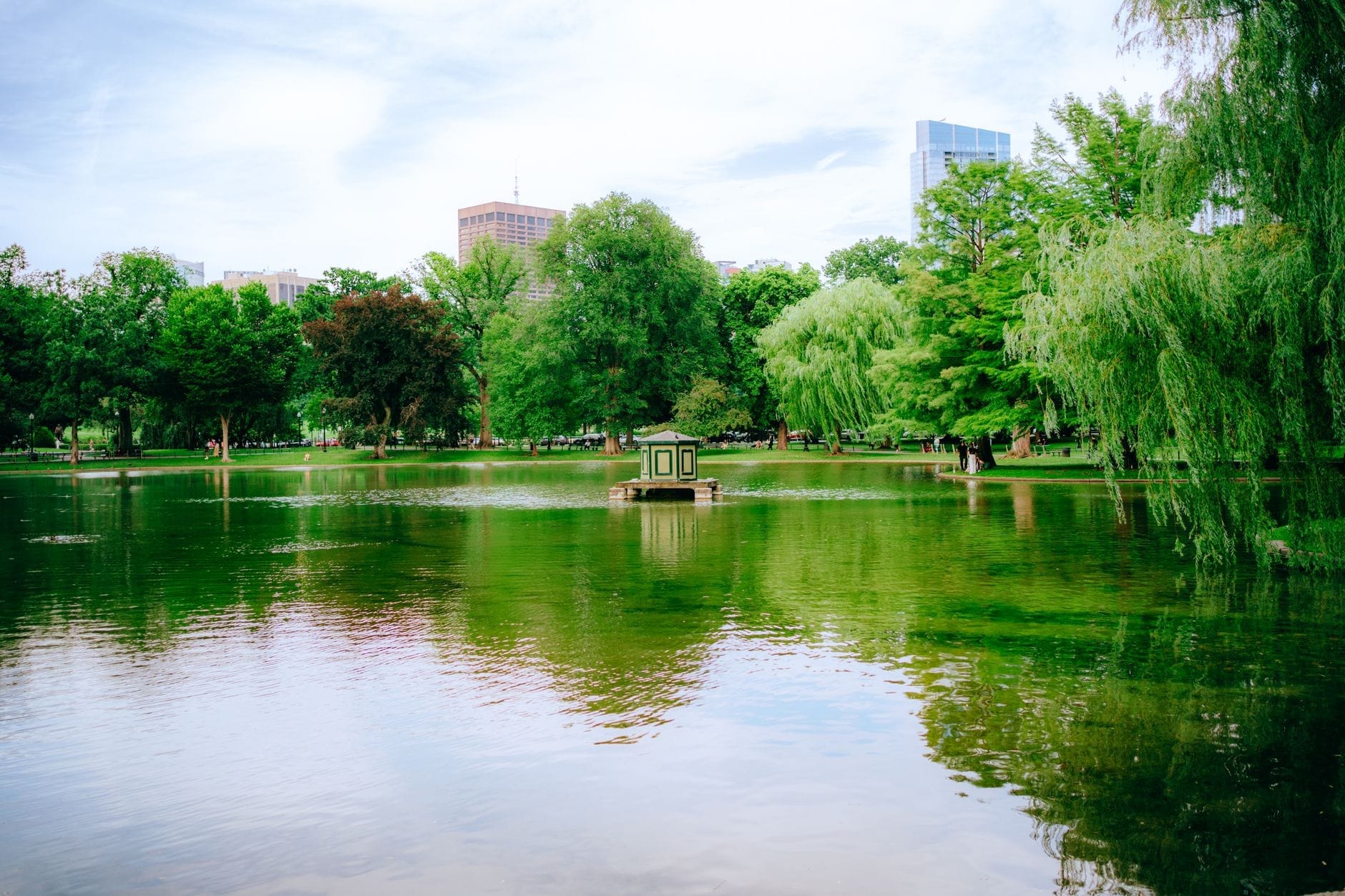
At the start of the trail, Boston Common and the adjacent Boston Public Garden are completely free to enter and sit right at the center of the city. The Public Garden is particularly worth a slow walk in spring when the flowering trees and swan boats are out. In summer, the Common hosts free concerts and events. These two parks alone can fill a couple of hours with zero cost.
- Boston Harborwalk A free, publicly accessible waterfront path stretching several miles along Boston Harbor, with skyline views, public art installations, and access to the Seaport District and North End.
- Harvard Yard (Cambridge) A 25-acre historic quadrangle open to visitors at no charge; combine it with a wander through Harvard Square for architecture, bookshops, and street performers.
- Boston Public Library (Copley) Free daily tours of the Central Library in Copley Square, which holds murals by John Singer Sargent and a stunning interior courtyard. One of the most underused free experiences in the city.
- Massachusetts State House Free guided and self-guided tours of the gold-domed seat of state government, available on weekdays. Book through the State House website in advance.
- Rose Kennedy Greenway A linear park running through downtown with rotating public art, a carousel (small fee), and free events throughout the warmer months.
💡 Local tip
Pick up a printed Freedom Trail map at the Boston Common Visitor Center (Tremont St) rather than paying for a guided tour. The self-guided route is clearly marked and the free map has enough context for most visitors. Paid tours are worthwhile if you want deep historical narrative, but not necessary for the full experience.
Museum Deals Worth Knowing About
Boston's museum scene is strong but can get expensive fast. The New England Aquarium runs around $39 per adult, and the Museum of Science is in the same range. These are worth it for families or genuine enthusiasts, but for budget-conscious visitors, there are smarter options. Several institutions offer free or significantly discounted admission on specific days, and a handful are free all the time.
- Harvard Art Museums (always free) Three museums in one building in Cambridge covering everything from ancient art to modern works. Free every day, no reservation needed. This is one of the best free cultural experiences in New England.
- MassArt Art Museum (always free) Located in the Fenway neighborhood, this contemporary art museum at the Massachusetts College of Art and Design charges no admission and rotates exhibitions regularly.
- Bunker Hill Museum (always free) Run by the National Park Service, this museum at the base of the Bunker Hill Monument provides solid context for the 1775 battle. Climbing the 294-step monument is also free.
- Isabella Stewart Gardner Museum (monthly free night) Free admission the first Thursday of every month after 3 pm. Anyone named Isabella also gets in free any day. Paid admission otherwise runs $22 for adults.
- Boston Children's Museum ($1 Sundays) Every Sunday from 1-4 pm, admission drops to $1 per person with required online reservations. One of the better family budget hacks in the city.
- Museum of Fine Arts Boston (free on certain days) Check the MFA website for community free hours and discount programs. Standard adult admission is $30; youths ages 7–17 pay $14 and children 6 and under are free.
⚠️ What to skip
Museum pricing and free-day schedules change. The details above reflect commonly published information, but always verify directly on each museum's official website before visiting. A wasted trip because a free-day policy changed is an avoidable frustration.
Getting Around Without Breaking the Bank
The single best thing about visiting Boston on a budget is that you almost certainly do not need a car. The historic neighborhoods, from Beacon Hill to the North End to Back Bay, are compact and walkable. Parking in Boston regularly runs $30-50 per day in garages near major attractions, and street parking is limited and confusing. Save that money.
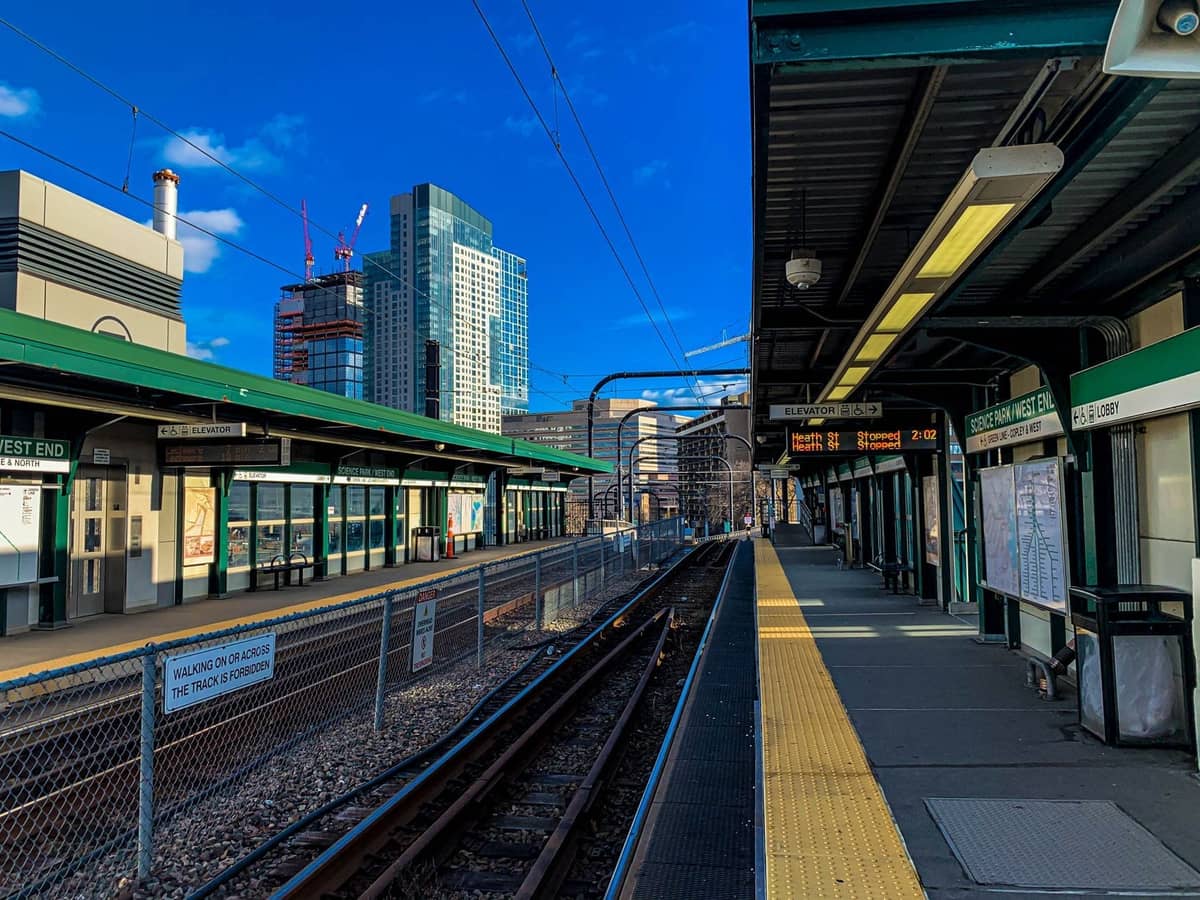
The MBTA subway system, known locally as "the T," covers the city efficiently. The Blue, Red, Orange, and Green Lines connect all the neighborhoods most visitors care about. The standard subway fare is $2.40 with a CharlieCard (a reloadable transit card) versus a higher one-time ticket fare, so picking up a CharlieCard at the airport or any major station on arrival immediately saves money. Verify current fares on the MBTA website before traveling, as pricing adjusts periodically.
From Logan International Airport, the cheapest option into downtown is the MBTA Silver Line SL1 bus, which runs directly from all terminals to South Station with free outbound fares from the airport. From South Station, you can transfer to the Red Line for virtually anywhere in central Boston. The entire trip costs around $2.40 and takes 20-30 minutes depending on traffic. A taxi or rideshare to the same destination runs $25-45 or more with surge pricing.
✨ Pro tip
If you're staying for 3+ days and plan to use the T daily, check whether the MBTA's weekly LinkPass offers savings over paying per ride. For shorter trips, loading $10-15 onto a CharlieCard is sufficient for most central-neighborhood itineraries since so much of Boston is walkable.
Eating Well Without Overspending
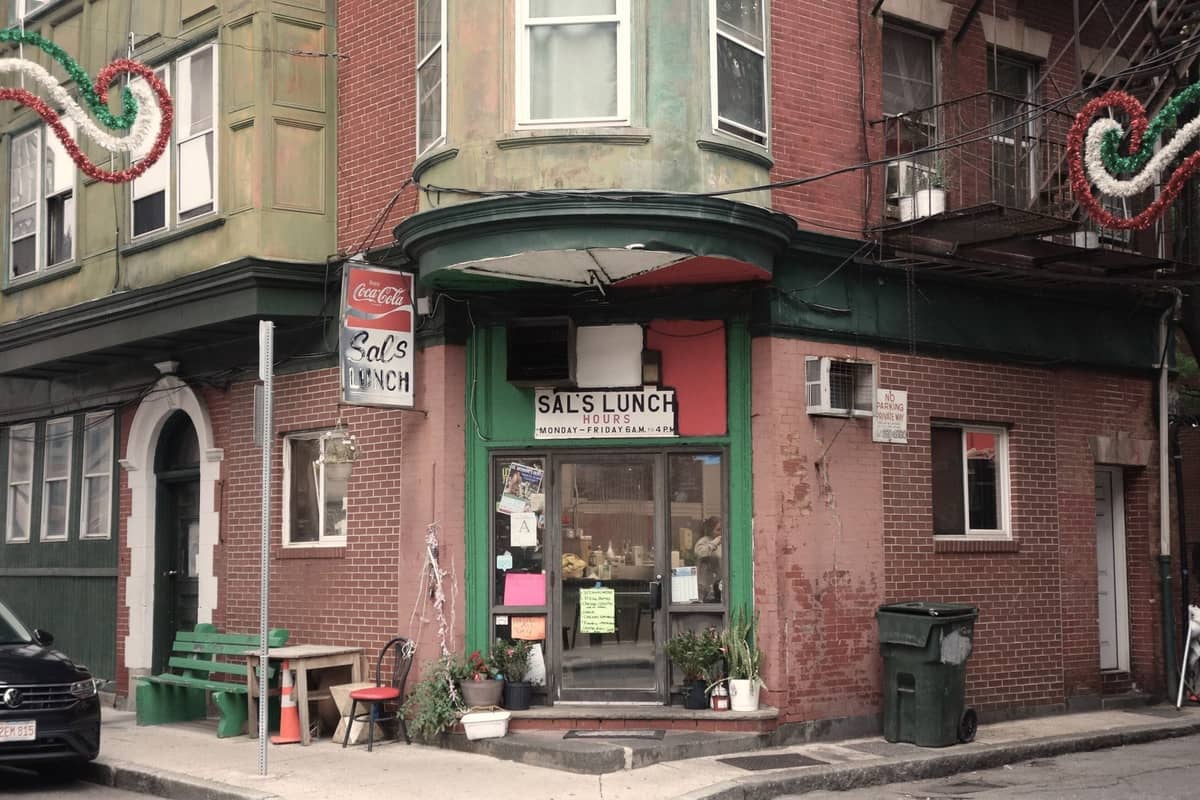
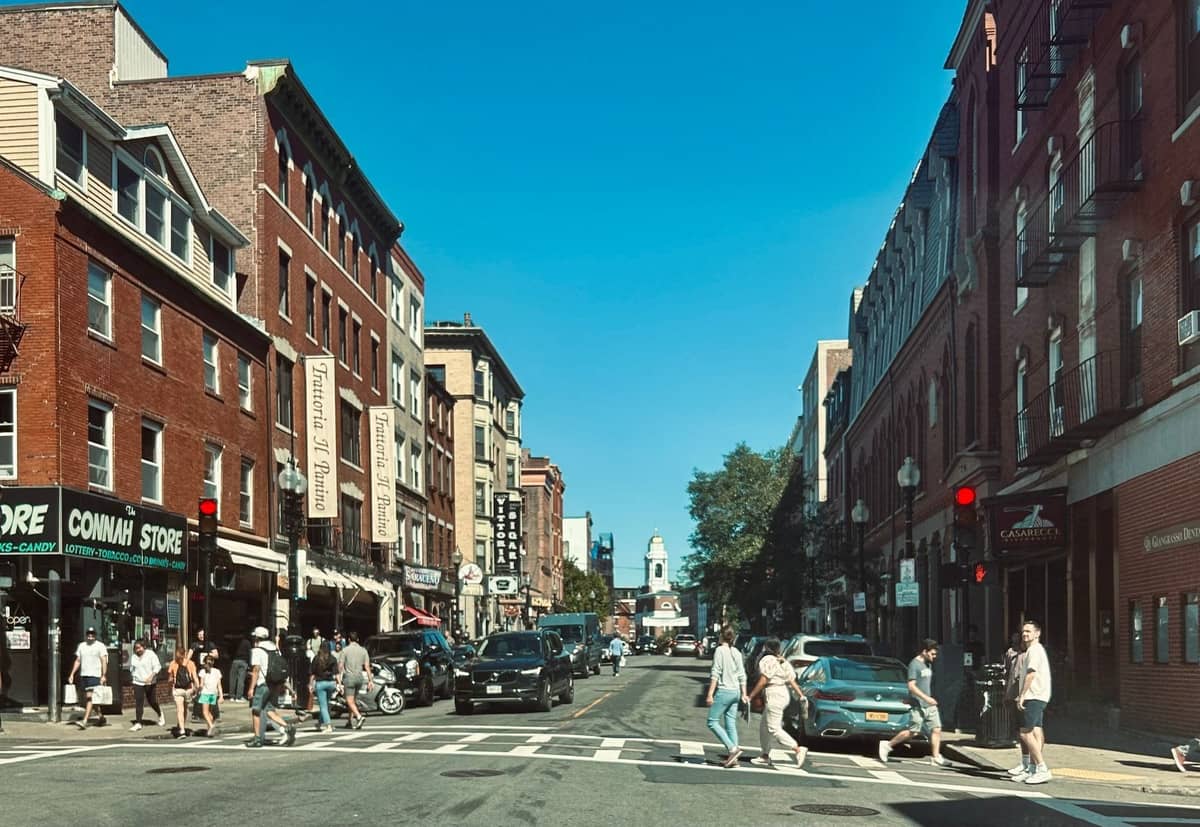
Food in Boston can range from $6 to $60 depending on where you sit down. The North End, Boston's Italian neighborhood, is one of the better spots for affordable eating: bakeries like Modern Pastry and Mike's Pastry sell cannoli and pastries for a few dollars each, and there are sandwich and pizza spots that won't require a reservation or a $20-plus entree. Pick up a coffee and a pastry and you have a legitimate morning for under $7.
For a sit-down meal under $15, food halls and markets are reliable. Quincy Market inside Faneuil Hall Marketplace has multiple counters where a meal often runs around $10-12 on average, with options ranging from chowder to sandwiches to pasta. It's touristy but convenient and not overpriced for what you get. The Boston Public Market near Haymarket Square is a better option for quality local produce, prepared foods, and snacks at reasonable prices.
- Supermarkets for prepared meals: Trader Joe's and Whole Foods locations in Back Bay and downtown sell grab-and-go meals from around $5-8, including soups, sandwiches, and salads. This is one of the most cost-effective strategies for breakfast and lunch.
- Chinatown is consistently among the cheapest neighborhoods for restaurant meals in central Boston. Lunch specials at many restaurants run $8-12 and portions are substantial.
- Coffee runs $3-5 at most independent cafes and chains. Bottled water at convenience stores is around $2, though tap water is safe to drink throughout Boston.
- Happy hour (where alcohol specials apply) runs at many bars in the Seaport District, Back Bay, and Cambridge from around 4-6 pm on weekdays, cutting the cost of a drink significantly.
- Avoid: Restaurants immediately adjacent to major tourist sites like the Old State House and Faneuil Hall tend to mark up prices noticeably. Walk one or two blocks in any direction for better value.
Seasonal Strategy: When to Go to Save the Most
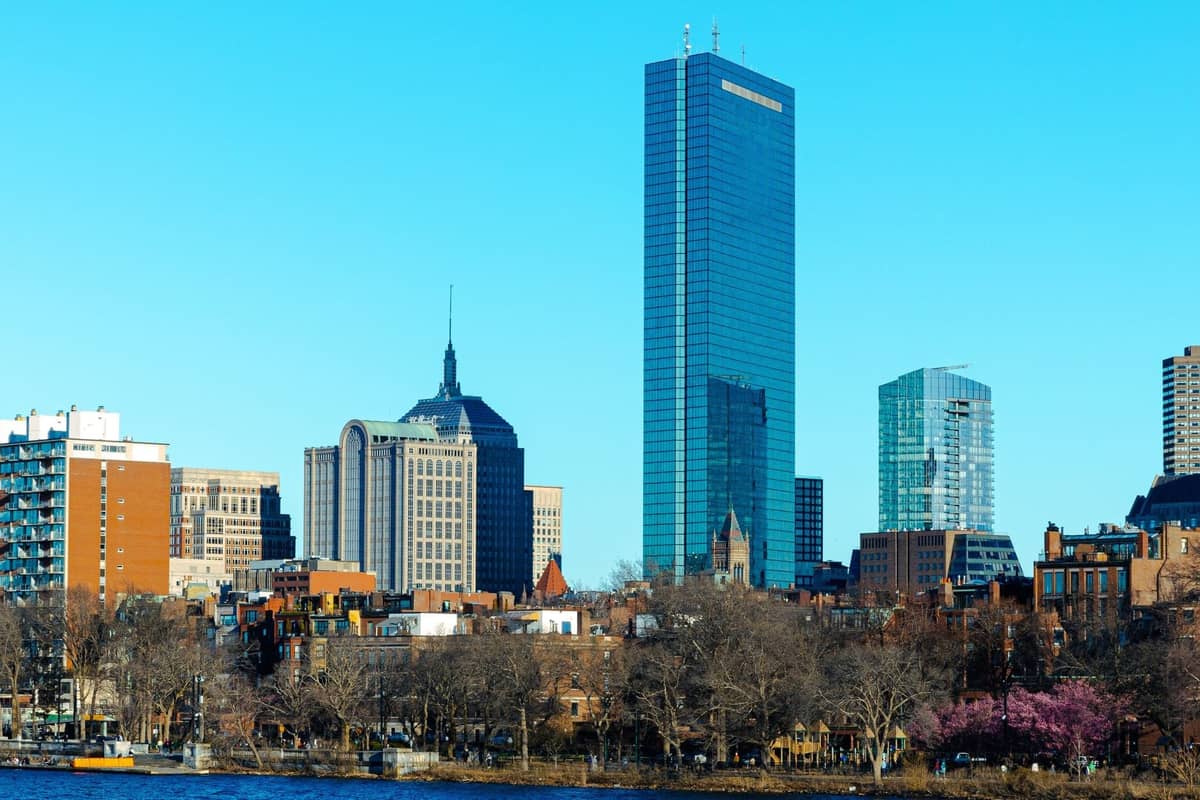
Timing matters more for the accommodation budget than almost anything else. Peak summer (July and August) drives hotel rates up significantly across the city, particularly in neighborhoods like Back Bay and near the waterfront. If you have flexibility, late May through early June and mid-September through October offer milder temperatures, excellent fall foliage from September onward, and meaningfully lower accommodation rates than the summer peak.
Winter is cold in Boston, with January averages around 36°F (2°C) during the day and often below freezing at night. However, visiting Boston in winter has real advantages for budget travelers: hotel rates outside of major event weekends drop substantially, indoor attractions are less crowded, and the city offers a different character than in summer. The holiday season in December brings festive programming to neighborhoods like Beacon Hill, which is worth experiencing.
Summer does bring genuine value through free outdoor programming. The Hatch Memorial Shell on the Charles River Esplanade hosts free concerts throughout the season, including the famous Boston Fourth of July celebration with the Boston Pops. The Seaport District runs free outdoor events through summer, and neighborhoods like the North End hold street festivals, including St. Anthony's Feast in August, which is free to attend with food available for purchase.
Practical Budget Tips: What Actually Makes a Difference
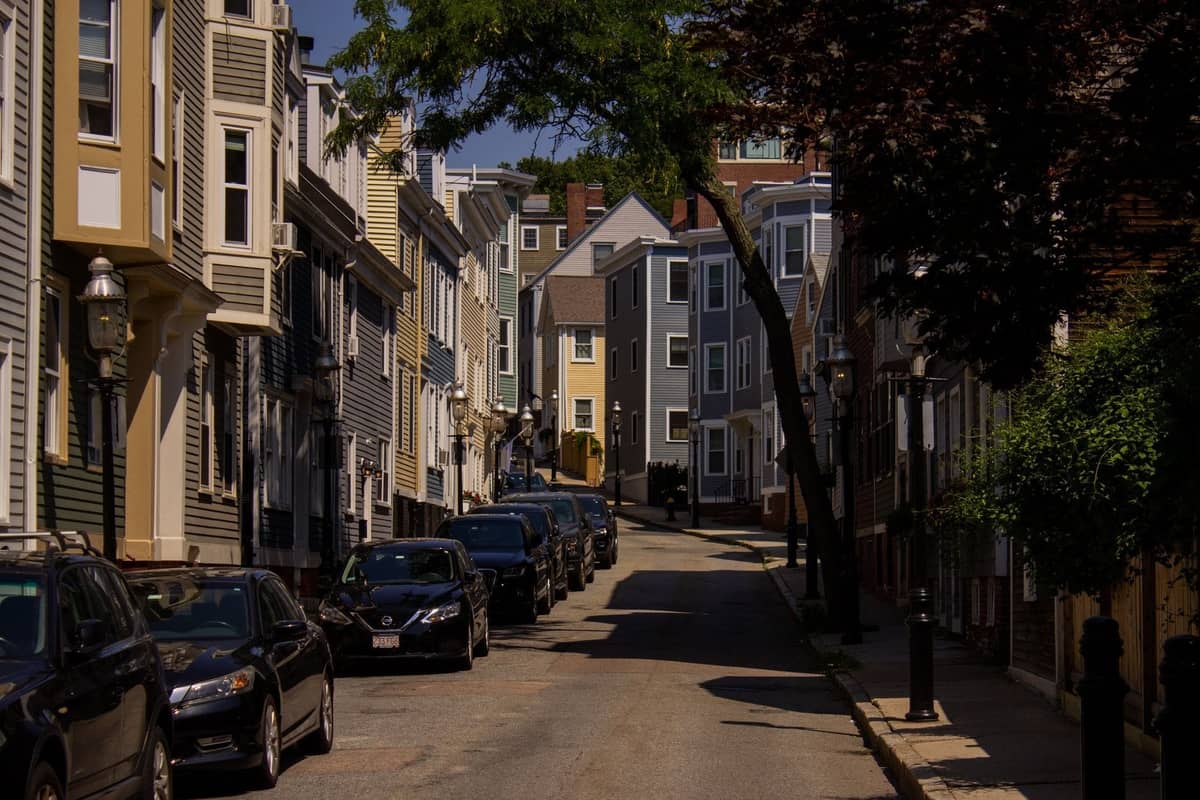
Accommodation is usually the largest single expense. The most affordable central options tend to be in areas slightly removed from the tourist core: neighborhoods like Fenway-Kenmore typically offer lower hotel rates than Back Bay while still being on the T and walkable to major attractions. Hostels exist in Boston (Hostelling International Boston in Back Bay being the most established), and vacation rental platforms can offer better per-person rates for groups of two or more. Check rates across multiple platforms before booking, as Boston hotel pricing fluctuates significantly by day of week and season.
For a full picture of free things to do in Boston, the list is longer than most visitors expect. Beyond the Freedom Trail and parks, the Black Heritage Trail is a free self-guided walk through Beacon Hill covering 14 sites related to Boston's 19th-century African American community. The Arnold Arboretum in Jamaica Plain, a 281-acre public park managed by Harvard, charges no admission and is particularly spectacular during the lilac bloom in May.
- Use the MBTA SL1 Silver Line from Logan Airport instead of a taxi; saves $20-40 per person on arrival.
- Pick up a CharlieCard for the T on arrival rather than buying single-ride tickets each time.
- Visit major paid attractions mid-week; lines are shorter and some offer discounted pricing mid-week or in the afternoon.
- The Boston CityPASS bundles several major attractions (New England Aquarium, Museum of Science, and others) at a discount worth considering if you plan to hit multiple paid venues in a single trip.
- Walk between Beacon Hill, the North End, Downtown Crossing, and Faneuil Hall; this triangle is extremely compact and a taxi between any two points is an unnecessary expense.
- Check the Meet Boston official site (meetboston.com) and Boston.gov for current free event listings before arriving.
FAQ
Is Boston actually expensive to visit?
It depends on how you approach it. Accommodation and some major attractions are pricey, comparable to other major U.S. cities. But a significant portion of Boston's best experiences cost nothing: the Freedom Trail, Boston Common, the Public Garden, the Harborwalk, Harvard Yard, and several museums are all free. A budget-conscious visitor who walks between neighborhoods, uses the T, eats at markets and bakeries, and focuses on free attractions can have a full, satisfying trip spending relatively little per day on activities.
What is the cheapest way to get from Logan Airport to downtown Boston?
The MBTA Silver Line SL1 bus is the cheapest option. It runs from all Logan terminals to South Station downtown at no charge for passengers boarding at the airport. From South Station, you can transfer to the Red Line or walk to many central neighborhoods. The trip takes around 20-30 minutes. By comparison, a taxi or rideshare costs $25-45 or more depending on traffic and demand.
Which Boston museums are free?
The Harvard Art Museums in Cambridge are free every day with no reservation required. The MassArt Art Museum (MAAM) in the Fenway neighborhood is also always free. The Bunker Hill Museum near Charlestown, run by the National Park Service, charges no admission. The Isabella Stewart Gardner Museum offers free admission on the first Thursday of each month after 3 pm. The Boston Children's Museum has $1 admission every Sunday from 1-4 pm with online reservations. Always verify current policies on each museum's official website before visiting.
Is it worth getting a Boston CityPASS?
The CityPASS bundles several paid attractions including the New England Aquarium and Museum of Science at a combined discount versus buying tickets individually. It makes financial sense if you plan to visit three or more of the included venues during your trip. If your itinerary leans heavily on free attractions, the math doesn't work in your favor. Compare the bundled price against individual admission for the specific attractions you actually want to see before purchasing.
What time of year is cheapest to visit Boston?
Late fall (November) and winter (January through early March, excluding holidays) typically offer the lowest hotel rates and fewer crowds at major attractions. Shoulder seasons in late May and September-October offer a good balance of reasonable prices and comfortable weather. Peak summer (July-August) and major event weekends like the Boston Marathon in April drive prices up considerably.