Fenway–Kenmore is Boston's most culturally dense neighborhood, packing a legendary ballpark, two major art museums, Symphony Hall, and a dozen universities into a compact area west of Back Bay. It runs on two distinct rhythms: the roar of Red Sox crowds on game nights and the quieter cadence of students, medical workers, and museum-goers on every other day.
Fenway–Kenmore is where Boston's sports identity, high culture, and academic energy converge in a single neighborhood. Anchored by Fenway Park to the north and the Museum of Fine Arts to the south, with the Back Bay Fens threading through the middle, it is one of the most layered and walkable districts in the city.
Orientation
Fenway–Kenmore sits roughly two miles west of downtown Boston, occupying a long corridor that stretches from the Charles River in the north to Huntington Avenue and the Southwest Corridor in the south. Its eastern edge brushes Massachusetts Avenue, where it begins to merge with the Back Bay. To the west, St. Mary's Street and the Boston University Bridge mark the boundary before the neighborhood transitions into Brookline.
The neighborhood divides naturally into three sub-areas. Kenmore Square, at the intersection of Commonwealth Avenue and Beacon Street near the Green Line station, functions as the northern commercial hub. Walk south from Kenmore along Brookline Avenue and you reach Fenway Park and the dense entertainment strip around Lansdowne Street. Continue south past the Back Bay Fens and you enter East and West Fenway, where quieter residential streets sit alongside the Museum of Fine Arts and the Isabella Stewart Gardner Museum. The Longwood Medical and Academic Area edges the southern boundary, though it is technically a separate planning district.
Fenway–Kenmore is immediately adjacent to Back Bay, and the two neighborhoods share a porous border along Massachusetts Avenue. Travelers staying in Back Bay can walk into Kenmore Square in about fifteen minutes along Commonwealth Avenue or Boylston Street. The neighborhood also connects southward toward Jamaica Plain via the Emerald Necklace park system.
Character & Atmosphere
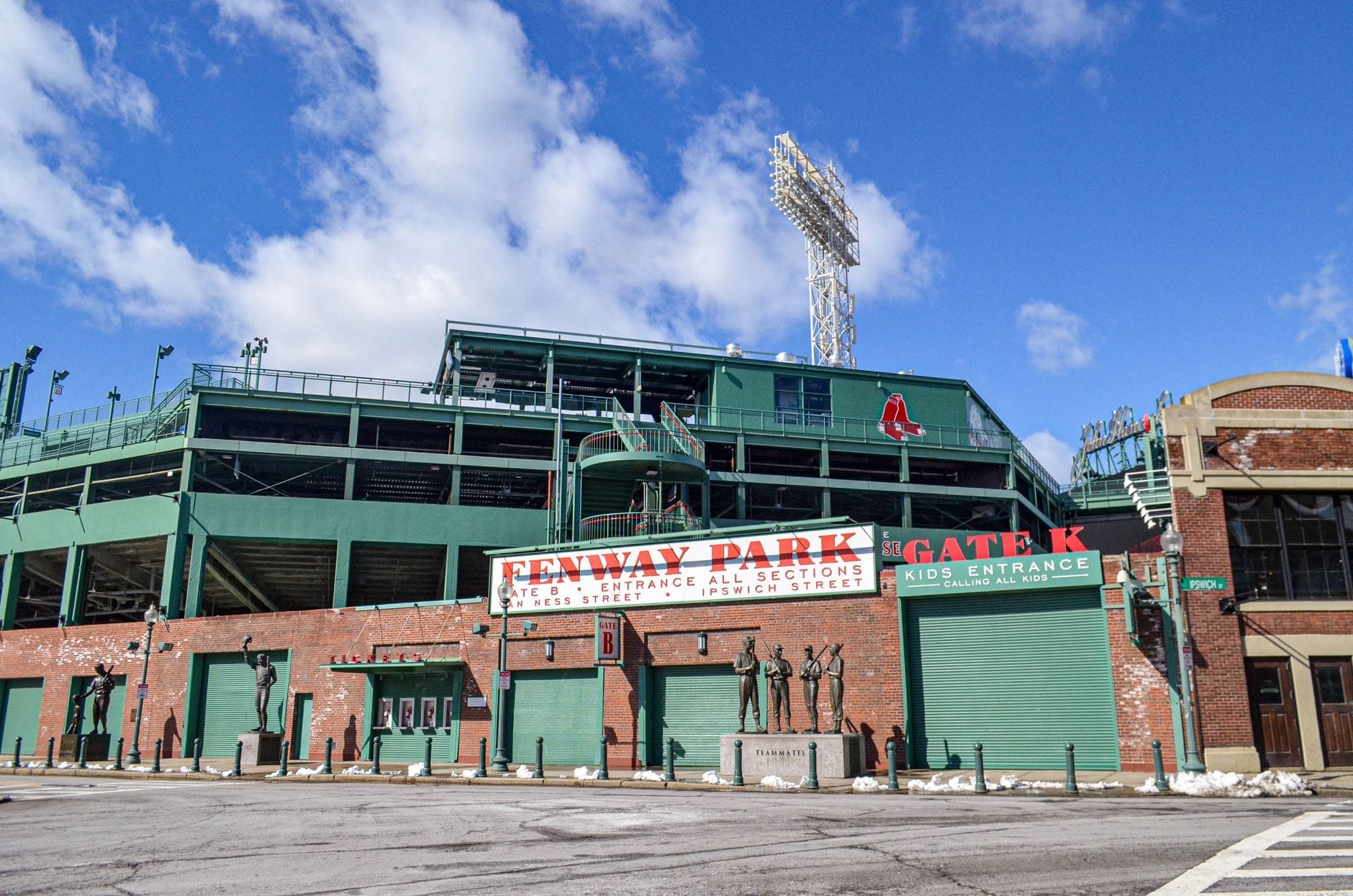
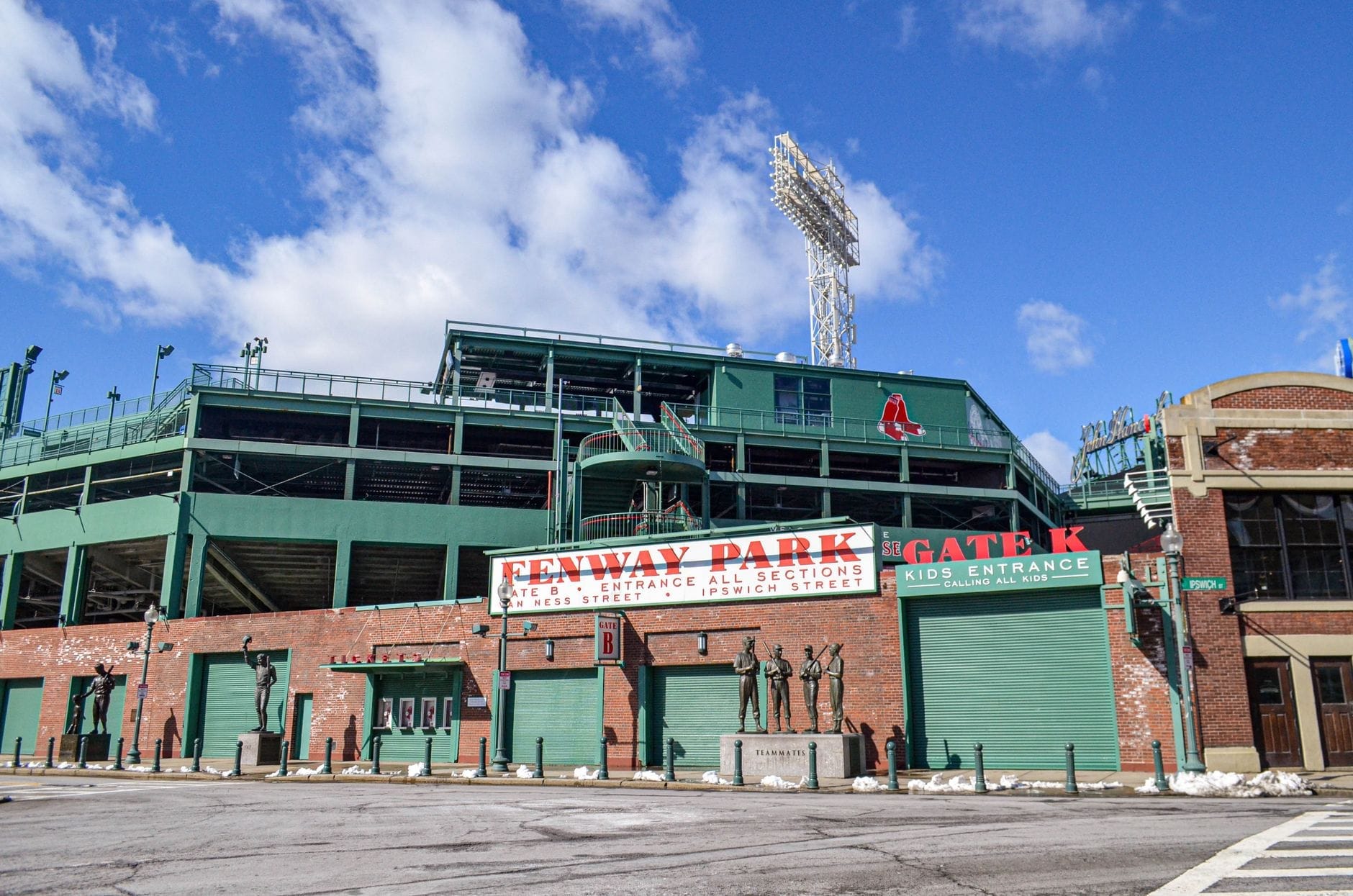
The rhythm of Fenway–Kenmore changes more dramatically depending on the day than almost any other Boston neighborhood. On a Tuesday morning in May, the streets around the Back Bay Fens are especially peaceful: joggers loop the park paths, students cut across the grass with coffee cups, and the grandstands of Fenway Park sit empty and photogenic in the early light. The neighborhood feels residential and walkable, its brick apartment buildings and tree-lined streets giving it a lived-in quality that surprises first-time visitors expecting pure tourist infrastructure.
On a Red Sox game night, everything shifts. The blocks around Fenway Park fill with the smell of grilled sausages from the street carts on Yawkey Way (now officially renamed Jersey Street), vendors move fast, and the crowd noise from inside the park carries for several blocks. Lansdowne Street, which runs directly behind the Green Monster, becomes the loudest street in the neighborhood, packed with bars before and after first pitch. The energy is infectious but the congestion is real: expect slow-moving crowds, limited parking, and packed Green Line trains.
The student population, drawn from nearby Boston University, Northeastern University, the Berklee College of Music, and several other institutions, shapes the neighborhood's everyday character significantly. Berklee's presence in particular gives the streets around Massachusetts Avenue a musical texture: practice rooms audible from the street, students carrying instrument cases, and small live music venues catering to a younger crowd. In the evenings, Kenmore Square draws a mix of students, medical professionals from the Longwood area, and visitors heading to concerts at the House of Blues or games at the park.
⚠️ What to skip
On Red Sox home game days, the Green Line between Kenmore and Park Street runs slow and crowded before and after games. If you are heading elsewhere in the city, budget extra time or consider walking east along Commonwealth Avenue to a less-congested station.
What to See & Do
The obvious starting point is Fenway Park, which opened in 1912 and remains the oldest active Major League Baseball ballpark in the United States. Even if you do not catch a game, the stadium tours that run most mornings are worth the time. The tour takes you into the press box, along the warning track, and up to the seats behind the famous Green Monster, the 37-foot left-field wall that has defined the park's identity for over a century.
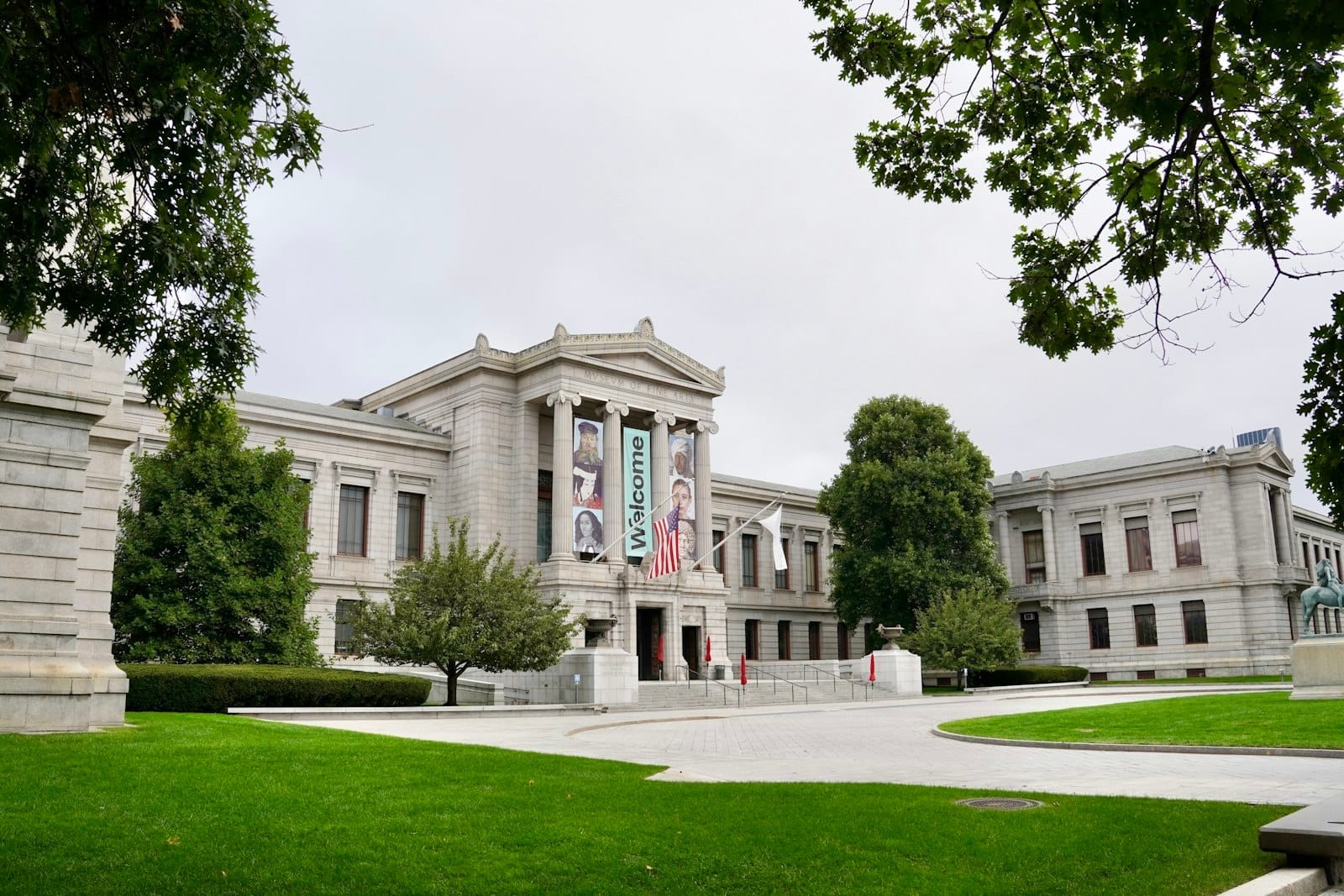
A ten-minute walk south from the park along the Fens brings you to the Museum of Fine Arts Boston, one of the largest art museums in the United States. Its collection runs from ancient Egyptian artifacts to contemporary American painting, and its new wing adds natural light and space that makes even a few hours here feel unhurried. Admission is not cheap, but the MFA runs free community nights on select evenings. Check current schedules before visiting.
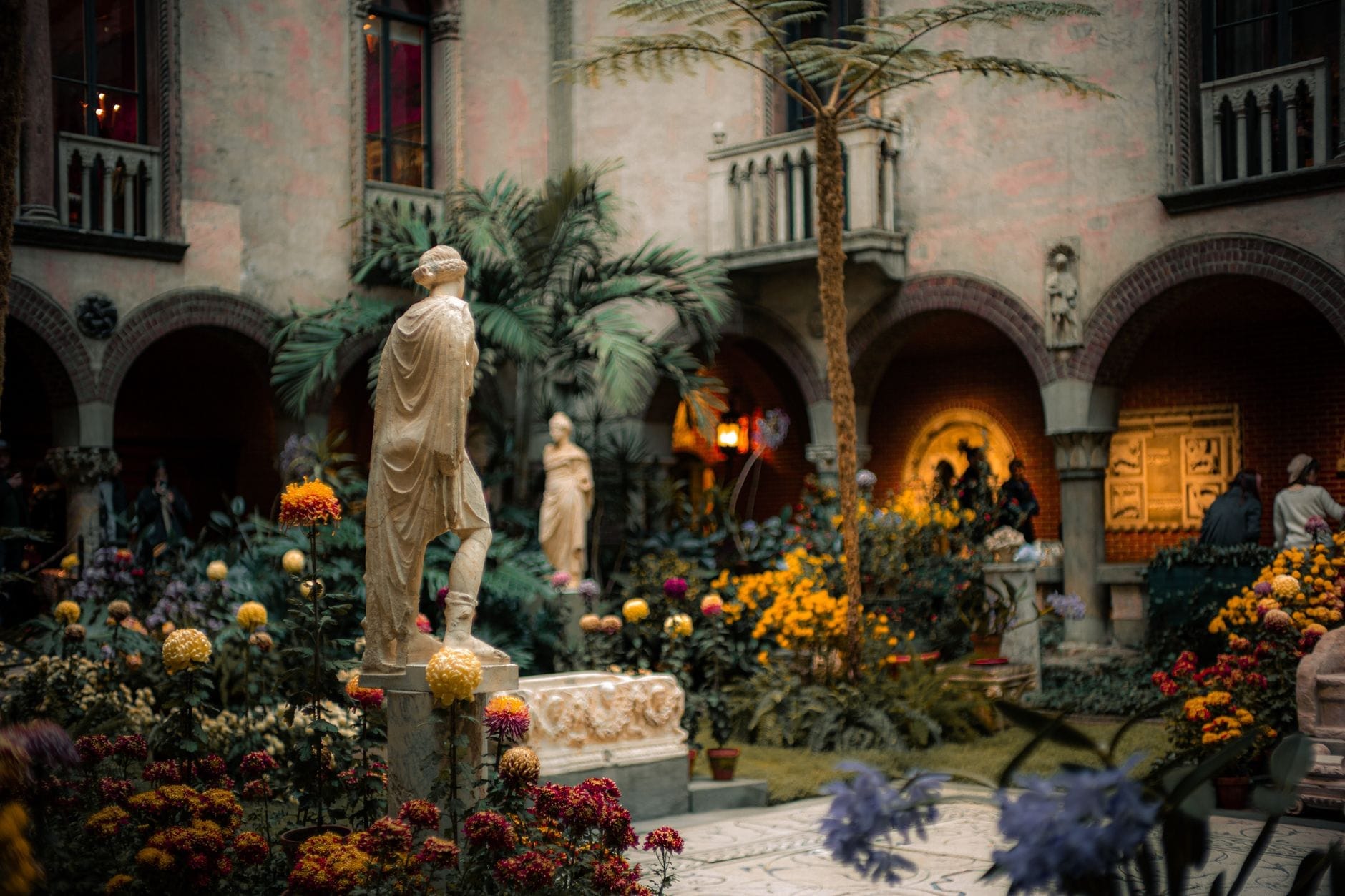
Just across the Fens from the MFA sits the Isabella Stewart Gardner Museum, a personal collection housed in a Venetian-style palazzo that Gardner built to her own specifications in the early 1900s. The art is hung exactly as she directed in her will, meaning nothing can be moved or added. The 1990 theft of thirteen works, including Vermeer's 'The Concert,' left empty frames still hanging on the walls as a permanent reminder. The museum is smaller and less crowded than the MFA, and the interior courtyard alone justifies the visit.
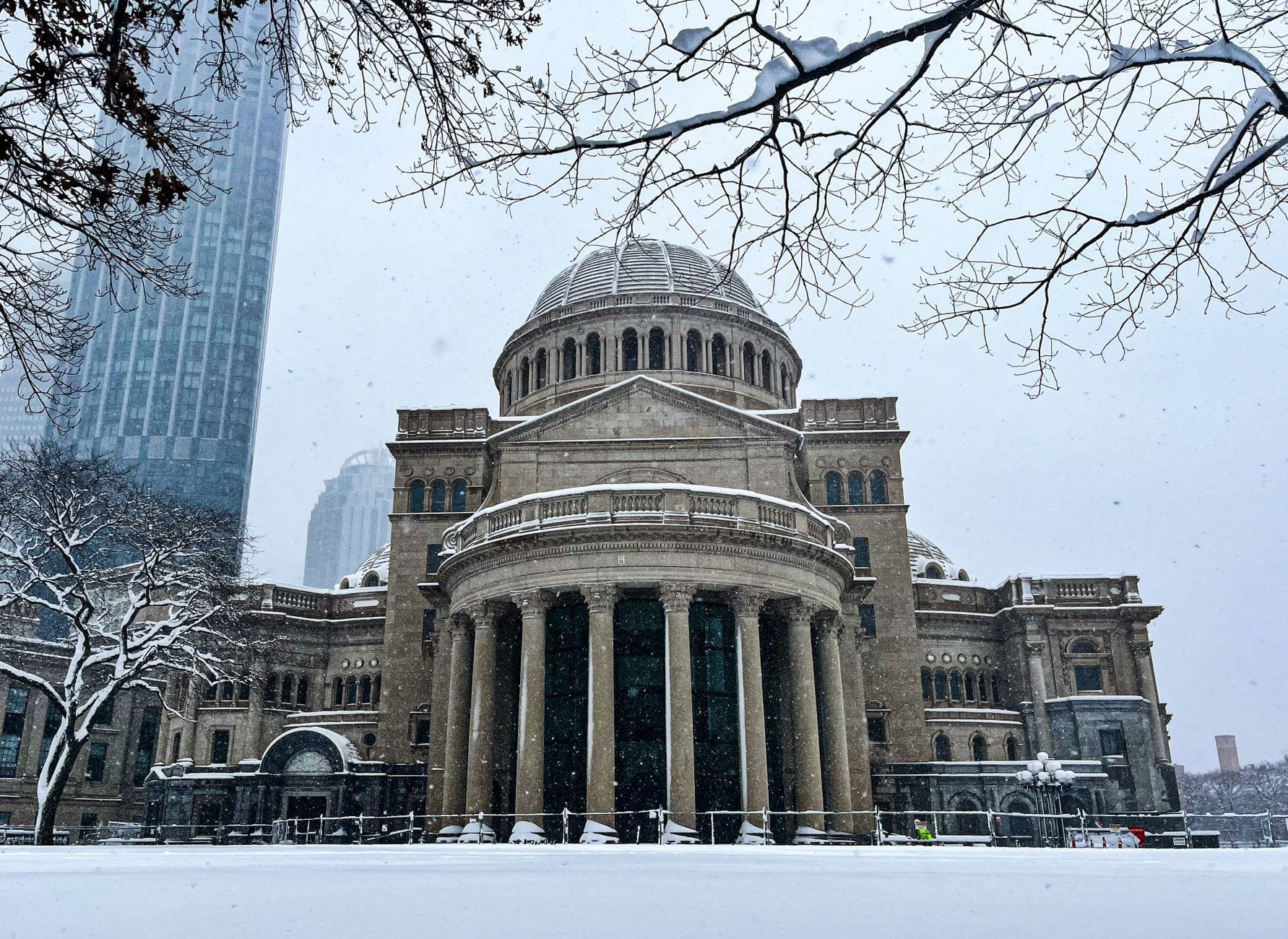
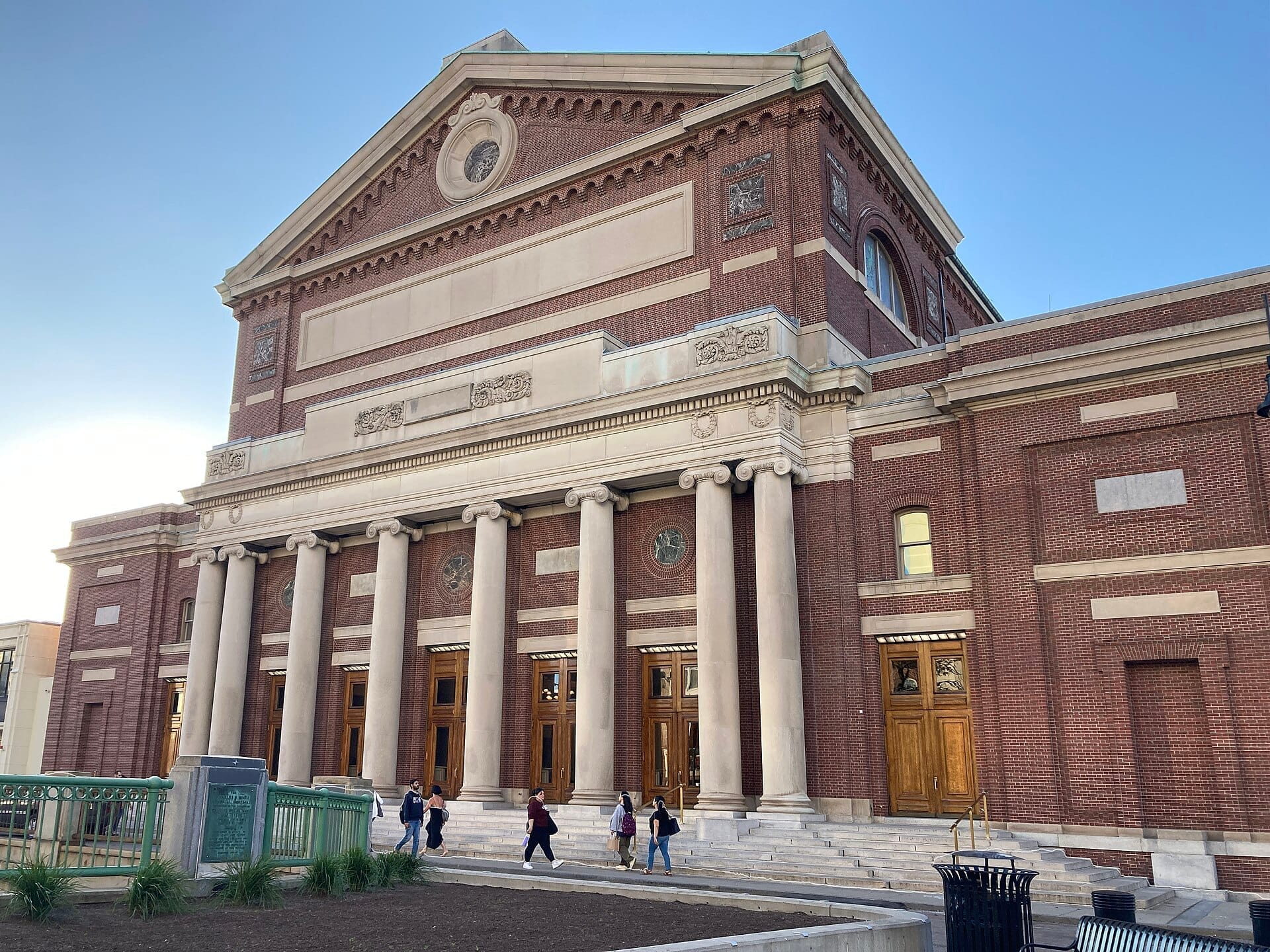
For music, Symphony Hall on Massachusetts Avenue is one of the finest acoustically engineered concert halls in the world. It has been the home of the Boston Symphony Orchestra since 1900. Evening performances sell out frequently, but rush tickets are often available at the box office on the day of the show.
The Emerald Necklace park system runs through the heart of the neighborhood. The Back Bay Fens, the section closest to Fenway Park, includes community gardens, a rose garden that peaks in June and September, and several ponds. It connects south toward the Arnold Arboretum and north toward the Charles River Esplanade, making it possible to walk a significant stretch of green space without crossing a major road.
Fenway Park stadium tours: run most mornings, year-round except event days
Museum of Fine Arts: full-day destination, especially strong in American and Egyptian collections
Isabella Stewart Gardner Museum: best visited midweek when crowds are thin
Symphony Hall: evening BSO performances September through April, summer Pops series
Back Bay Fens rose garden: free, best from late May through October
House of Blues Boston: mid-sized music venue with consistent national touring acts
Kenmore Square bookstores and record shops along Commonwealth Avenue
Eating & Drinking
The food landscape in Fenway–Kenmore is split between the game-day strip and the rest of the neighborhood, and the difference is considerable. The blocks immediately surrounding Fenway Park on Brookline Avenue and Jersey Street are oriented toward fast, high-volume eating: pizza by the slice, sausage carts, sports bars with wide-screen TVs and pub menus. Most of it is functional rather than notable, priced at a slight premium given the captive audience.
Move a few blocks south toward the Fens or west toward Kenmore Square and the quality improves. The stretch of Peterborough Street and the side streets off Park Drive have a range of neighborhood restaurants serving the academic and medical community: Vietnamese, Japanese, and Middle Eastern spots that are reliably good and significantly less expensive than the game-day zone. Students keep prices competitive in this part of the neighborhood.
Kenmore Square itself has a concentration of bars and late-night spots that cater to the college crowd, particularly along Commonwealth Avenue near the Green Line station. The quality varies, but several places hold up: look for independent spots rather than chains. For coffee, the stretch around Brookline Avenue has multiple independent cafes used heavily by Berklee and Northeastern students, with the kind of quite good espresso that a student-dense neighborhood tends to sustain.
The area around Symphony Hall and the MFA draws a slightly older dining crowd, and you will find more sit-down options with proper wine lists in that corridor along Massachusetts Avenue and Huntington Avenue. Pre-concert dining near Symphony Hall books up on performance nights, so reserve ahead if you are attending an evening show.
💡 Local tip
If you are visiting the MFA or the Gardner Museum, avoid eating at the museums themselves for anything beyond coffee. The side streets off Huntington Avenue have better food at lower prices, and most are within a five-minute walk of both institutions.
Getting There & Around
The MBTA Green Line is the primary transit artery through Fenway–Kenmore. Kenmore Station sits at the center of the neighborhood and is served by the B, C, and D branches of the Green Line, making it one of the busier stops on the light rail system. From downtown Boston, take any Green Line train heading outbound from Copley or Boylston and you will reach Kenmore in under ten minutes. The Hynes Convention Center station, one stop east of Kenmore, is useful if you are coming from the Back Bay or the Prudential Center area.
For the southern part of the neighborhood near the MFA and Symphony Hall, the Green Line E branch stops at Museum of Fine Arts station on Huntington Avenue, which deposits you directly in front of the MFA entrance. The Symphony station, also on the E branch, serves Symphony Hall. These are separate stops from Kenmore, so plan your route depending on your destination within the neighborhood.
Walking from Back Bay is straightforward and often faster than waiting for a train. From the Copley Square area, it is about a 20-minute walk west along Boylston Street to Fenway Park, passing through a pleasant stretch of brownstones and small shops. From Newbury Street, cut south at Massachusetts Avenue and you reach Symphony Hall in about eight minutes.
Cycling is practical here. The Emerald Necklace path system provides a nearly car-free route through the neighborhood, and Bluebikes, Boston's bike-share system, has docking stations near Kenmore Square, the MFA, and along the Fens. Driving into Fenway on game days is strongly inadvisable: parking is limited, expensive, and the post-game gridlock can add an hour to any journey out of the neighborhood.
ℹ️ Good to know
The Green Line E branch that serves the MFA and Symphony stations runs less frequently than the B, C, and D branches through Kenmore. Check the MBTA app for real-time departures, especially in the evenings, to avoid a long wait.
Where to Stay
Fenway–Kenmore has a reasonable range of accommodation options, mostly concentrated near Kenmore Square and along Brookline Avenue toward the park. Hotels in this zone position themselves heavily around Red Sox season, so rates spike significantly on home game dates and during events at nearby venues. If you are visiting specifically for a game or a concert at the House of Blues, staying in the neighborhood makes obvious logistical sense. If baseball is not your purpose, you may find better value a short Green Line ride away in Back Bay.
The neighborhood suits travelers who are visiting the MFA or the Gardner Museum over multiple days, attending BSO performances, or exploring the wider Longwood cultural district. It is also a practical base for anyone visiting Boston University or the medical institutions in the Longwood area. The streets between Kenmore Square and the Back Bay Fens are safe and relatively quiet at night outside of game days, making it a comfortable base for a longer stay.
For a broader look at where to base yourself across the city, the where to stay in Boston guide covers the trade-offs between Fenway–Kenmore, Back Bay, Beacon Hill, and other neighborhoods in detail.
Practical Notes
Fenway–Kenmore is one of the better neighborhoods in Boston for combining a museum-focused itinerary with evening entertainment. The MFA and the Gardner are among the best in the world institutions that warrant more than a quick look; budget at least two hours each. If you are working through a three-day Boston itinerary, dedicating one full day to this neighborhood, including a Fenway Park tour in the morning and an afternoon at one of the museums, is a natural fit.
The neighborhood comes into its own during the fall, when the Red Sox playoff push (in competitive years) coincides with comfortable walking temperatures and the trees around the Fens turning color. For a broader look at seasonal timing, the Boston in fall guide covers what to expect across the city from September through November.
On the neighborhood's limitations: outside of game days and major performances, parts of Fenway–Kenmore can feel slightly sparse in the evenings, particularly the streets between the MFA and the Longwood area. The neighborhood is not a destination for nightlife in the broader sense, and travelers looking for a dense restaurant and bar scene will find Back Bay or the South End more satisfying for that purpose.
TL;DR
Best for: sports fans visiting Fenway Park, museum-goers focused on the MFA and Gardner, classical music audiences at Symphony Hall, and visitors to Boston's universities and medical institutions.
Green Line access is excellent: Kenmore Station connects multiple branches to downtown in under ten minutes, with separate stops at MFA and Symphony for the southern part of the neighborhood.
Game days transform the neighborhood: expect crowds, higher prices, and slower transit around Fenway Park on Red Sox home dates.
The Back Bay Fens and the Emerald Necklace give the neighborhood genuine green space that most Boston districts lack, making it pleasant for walking even without a specific destination.
Not ideal for travelers prioritizing nightlife or a wide restaurant scene; Back Bay next door covers those needs more comprehensively.
Three days is enough time to cover Boston's historic core, world-class museums, and distinct neighborhoods without feeling rushed. This itinerary groups sights by geography, saves you backtracking, and flags what to skip based on the season.
Boston is one of the great museum cities in America, with world-class collections spread across every neighborhood. Whether you have one afternoon or a full week, this guide covers the best museums in Boston — from encyclopedic art institutions to immersive history experiences — with practical tips on saving money along the way.
Boston rewards visitors year-round, but the timing of your trip shapes everything from hotel rates to what you can actually do outside. This guide breaks down each season honestly, flags the crowd spikes most travelers miss, and helps you match your travel style to the right window.
Boston Logan International Airport is one of the most conveniently located major airports in the United States, sitting just 3 miles from downtown. This guide covers every terminal, every transport option, seasonal travel patterns, and the practical details that make the difference between a smooth arrival and a stressful one.
Boston sits on Massachusetts Bay, and the beaches that surround it range from easy MBTA rides to rewarding day trips up the North Shore. This guide covers every option worth knowing, from historic Revere Beach to the pristine dunes at Crane Beach.
Harvard and MIT sit just across the Charles River from Boston, connected by the MBTA Red Line and packed with free things to see. This guide covers how to get there, what to book in advance, the best spots on each campus, and what most visitors get wrong.
Boston throws one of the most celebrated Fourth of July events in the United States, anchored by the free Boston Pops Fireworks Spectacular on the Charles River Esplanade. This guide covers the fireworks schedule, best viewing spots, Harborfest events, weather expectations, and practical logistics to help you plan every detail.
Boston rewards those who look beyond the Freedom Trail. This guide uncovers the city's overlooked museums, quiet green spaces, architectural surprises, and neighborhood experiences that locals return to again and again.
Boston is where the American Revolution was born. This guide covers every major colonial and Revolutionary War site in the city, from the Freedom Trail's 16 landmarks to day trips to Lexington and Concord, with practical advice on pricing, crowds, and what's actually worth your time.
Fall is widely considered the best season to visit Boston. Temperatures drop to comfortable levels, the city's parks and tree-lined streets turn brilliant shades of red and gold, and a packed events calendar keeps things interesting well into November. This guide covers when to go, where to see color, what to do, and how to plan it all without overpaying.
Summer transforms Boston into one of the most active cities on the East Coast, with outdoor concerts, harbor cruises, Red Sox baseball, and a packed events calendar. This guide covers the best things to do in June, July, and August, plus practical advice on heat, crowds, and booking ahead.
Boston in winter is colder and snowier than most visitors expect, but that's exactly what makes it compelling. Shorter queues, lower hotel rates, festive neighborhoods, and some of the city's best indoor experiences await those willing to bundle up. This guide covers everything you need to know before you go.
Boston's luxury scene is more layered than most visitors expect. From the only Forbes Five-Star waterfront hotel in New England to Michelin-caliber dining in Back Bay, this guide covers where to stay, what to eat, and how to spend your time at the upper end of the city's offerings.
Boston's after-dark scene is denser and more diverse than its early-closing reputation suggests. This guide breaks down the best bars, live music venues, and clubs by neighborhood, with practical advice on cover charges, crowd patterns, and where to go based on what you actually want to do.
Boston has a reputation for being expensive, but the reality is more nuanced. The city's most iconic experiences, from the Freedom Trail to the Public Garden, cost nothing. This guide breaks down exactly where to spend, where to save, and how to see the best of Boston without the financial hangover.
Boston packs nearly 300 parks, 7 miles of linked greenway, a harbor with 34 islands, and a paddleable river into a city of under 50 square miles. This guide covers the best outdoor activities in Boston across every season, from free trail walks to whale-watching excursions and Harbor Islands camping.
Boston's shopping scene is more diverse and spread out than most visitors expect. This guide breaks down every major retail district, indoor mall, and open-air market, with straightforward notes on what's worth your time and money across every budget level.
Boston is one of the most solo-friendly cities in the United States: compact, walkable, transit-connected, and loaded with free and low-cost experiences. This guide covers everything from neighborhood safety and budget planning to the best solo activities and seasonal timing.
On the night of December 16, 1773, a group of colonists boarded three ships in Boston Harbor and dumped 342 chests of British tea into the water. It was one of the most consequential acts of political protest in American history. This guide covers what actually happened, what gets the story wrong, and the best ways to experience it when you visit Boston.
Two days in Boston is enough to walk the Freedom Trail, eat your way through the North End, stand in the shadow of Fenway Park, and still catch a harbor sunset. This guide breaks down exactly how to spend your time, what it will cost, and what the tourist traps are worth skipping.
Boston is one of the most rewarding cities in the U.S. for families. Compact enough to walk, rich in hands-on science and history, and generous with free outdoor spaces, it rewards kids of nearly every age. This guide cuts through the hype with real prices, seasonal advice, and straightforward notes on what's worth your time.
Boston sits at the center of one of New England's richest regions for day tripping. Within two hours, you can walk Revolutionary War battlefields, swim on pristine barrier beaches, explore world-class museums, or wander a storybook fishing village. This guide covers the best day trips from Boston, with practical advice on how to get there.
Boston rewards budget travelers more than almost any other major American city. From the 2.5-mile Freedom Trail to free museum days, public parks, and historic naval vessels, here are free experiences that capture the best of Boston.
Boston is compact enough to walk between many of its most famous neighborhoods, but knowing how to use the MBTA subway, buses, ferries, and ride-hailing services will save you time and money. This guide covers every way to move around the city, from Logan Airport transfers to day-to-day transit passes.
Boston rewards couples with a surprisingly diverse mix of romantic experiences: peaceful garden strolls, candlelit Italian dinners in the North End, sunset cruises on the harbor, and world-class art museums. This guide covers the best options by season, with real prices and practical advice to help you plan a memorable trip.
Salem is one of the most rewarding day trips from Boston, but it rewards those who go in prepared. This guide covers exactly how to get there, what to see beyond the witch trial sites, and how to avoid the October chaos that catches most visitors off guard.
Boston packs Revolutionary history, world-class museums, a legendary baseball stadium, and a working waterfront into one of America's most walkable cities. This guide covers the best things to do in Boston across every neighborhood, season, and budget — with practical details on pricing, timing, and how to get around.
Boston is one of America's great walking cities, compact enough to cover on foot yet dense with 400 years of history around every corner. This guide covers the best self-guided routes, iconic landmarks, and neighborhood walks across the city.
Boston's food identity runs deep: centuries of seafood tradition, immigrant-shaped neighborhoods, and a handful of dishes that define New England eating. This guide covers what to order, where to find it, what it should cost, and what to skip.
Choosing where to stay in Boston shapes your entire trip. This guide breaks down every major neighborhood by location, transit access, price range, and who it suits best, so you can book with confidence instead of guessing.