Boston with Kids: The Ultimate Family Travel Guide
Boston is one of the most rewarding cities in the U.S. for families. Compact enough to walk, rich in hands-on science and history, and generous with free outdoor spaces, it rewards kids of nearly every age. This guide cuts through the hype with real prices, seasonal advice, and straightforward notes on what's worth your time.

Plan and book this trip
Tools from our partner Travelpayouts help you compare flights and hotels. If you book through them, we may earn a commission at no extra cost to you.
Flights
Hotels map
TL;DR
- Boston's core family attractions cluster in downtown, the waterfront, and Back Bay — most are within a 20-minute walk or a single T stop of each other.
- Big-ticket spots like the New England Aquarium, Museum of Science, and Boston Duck Tours cost $25–$58 per person; budget carefully or use a bundled pass like Go City. See our Boston on a budget guide for cost-cutting strategies.
- Children 11 and under ride free on all MBTA services (up to two kids per paying adult) — a genuine money-saver for families.
- Summer brings splash pads and Swan Boats; winter pushes you indoors to world-class museums. Both seasons work well with proper planning.
- The Freedom Trail is free and walkable, but pace it carefully with young kids — covering all 2.5 miles at once is too much for under-7s. Check walking tours in Boston for manageable route options.
Why Boston Works So Well for Families
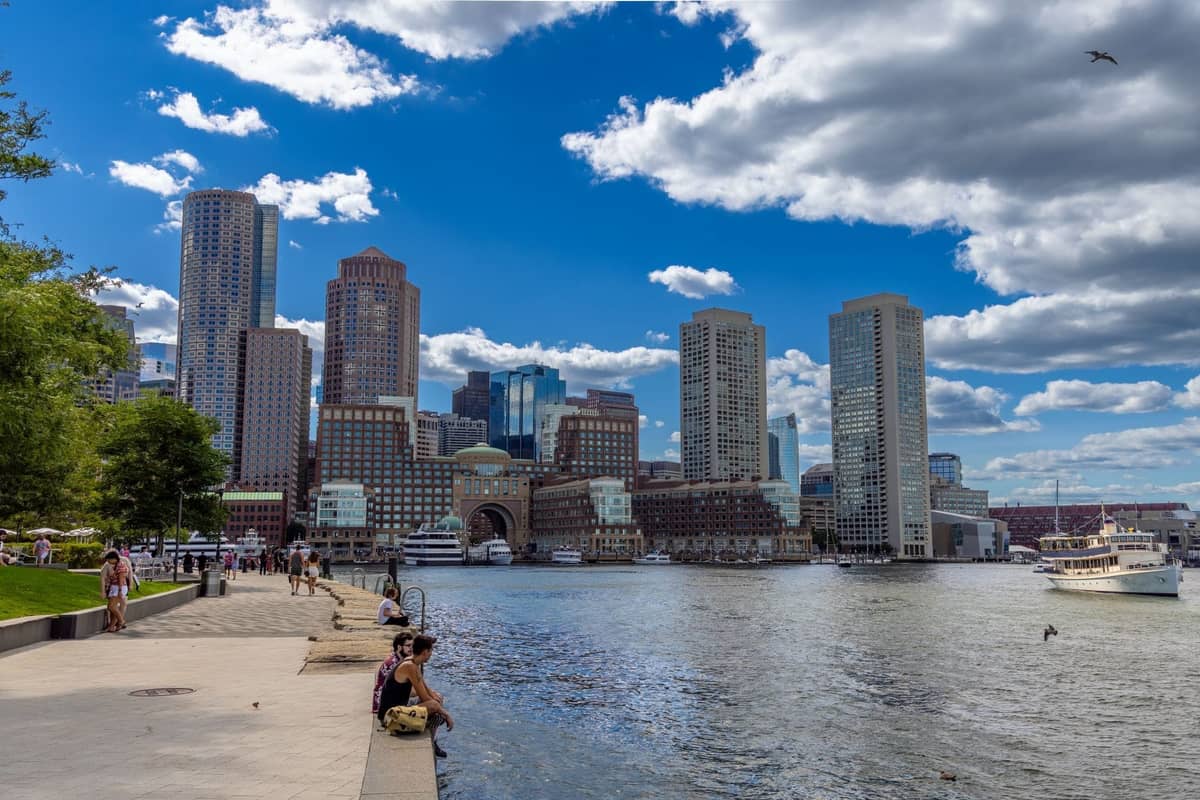
Boston is a compact city — just 48.4 square miles total, with most visitor attractions concentrated in an even smaller core. That density is a practical advantage when you're traveling with kids who have unpredictable stamina. You can pivot from the Aquarium to the Greenway fountains to Faneuil Hall without a car or a lengthy transit ride. The MBTA subway (locals call it 'the T') fills in the gaps, and its kids-ride-free policy removes one of the usual friction points of urban family travel.
The city also stacks history and hands-on learning in unusual proximity. You can walk the Freedom Trail in the morning, visit the Boston Children's Museum in the afternoon, and watch the sun set over the harbor — all in a single day. That variety keeps different ages engaged rather than forcing everyone onto the same track.
ℹ️ Good to know
Boston tap water is safe to drink and meets all federal EPA standards, which means you can refill water bottles throughout the day and skip the cost of bottled water at attraction gift shops.
Top Kid-Friendly Attractions: What to Prioritize
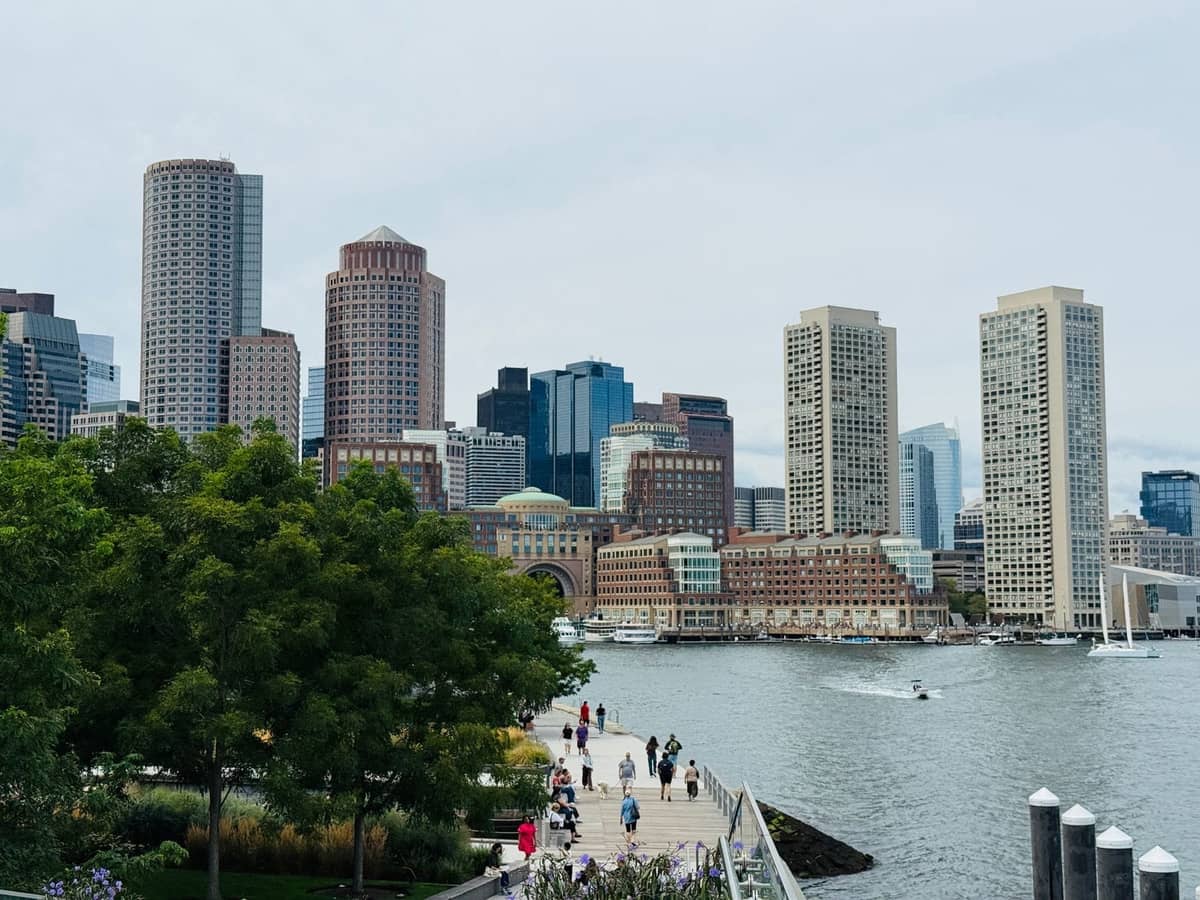
Not every famous Boston attraction translates well for families with young children. Below are the ones that deliver, with real pricing so you can plan your budget before you arrive. All prices reflect 2026 figures and should be verified before booking, as admission rates change seasonally.
- New England Aquarium The four-story Giant Ocean Tank, penguin exhibit, and touch tanks make this the single most universally popular stop for families. Timed tickets: adults $39, children 3–11 $30, under 3 free. Open daily, typically 9:00–17:00 with extended summer hours. Book online in advance — walk-up lines can be long in July and August.
- Museum of Science, Boston Interactive engineering and science exhibits that hold up for kids aged 4 through 14. Exhibit Hall tickets: adults $29, children 3–11 $24, under 3 free. The separate planetarium and butterfly garden cost extra. Budget a full half-day — there is more here than most families finish in one visit.
- Boston Children's Museum Best suited for ages 2–10. General admission is $24 for visitors ages 1–15 and adults; children under 12 months are free. Open Wednesday through Monday, generally 9:00–16:00. The building itself sits on Fort Point Channel with a nice outdoor waterfront area right outside.
- Boston Duck Tours Amphibious vehicles that tour the city streets and then splash into the Charles River. Tours run approximately 80 minutes. Standard 2026 rates: adults $57.99, children 3–11 $43.99, under 3 $17.99 (plus taxes and fees). Tours run April through November. This is the most expensive item on most family itineraries — worth it for kids 5 and up, less compelling for toddlers.
- Boston Public Garden Swan Boats A gentler (and much cheaper) water option: 12–15 minute lagoon rides on human-powered paddleboats. Adults $4.75, children 2–15 $3.25, under 2 free. Operate mid-April through Labor Day, roughly 10:00–16:00. The surrounding garden is free and beautiful — great for a picnic before or after.
- Fenway Park Tours Year-round guided tours of one of baseball's most storied ballparks. Adults from $25, kids 3–12 from $18. If your family follows the Red Sox, going to an actual game is the better experience — but tours work well even for non-fans curious about the history.
⚠️ What to skip
Costs add up fast. A family of four hitting the Aquarium, Museum of Science, and Duck Tours in a single trip could spend $350–$400 in admission alone before food and transport. Look seriously at bundled passes like Go City Boston, which can cut that total significantly if you plan to visit three or more paid attractions.
Free and Low-Cost Options That Actually Impress Kids

Boston's outdoor spaces are especially good and completely free. The Boston Common has a Frog Pond that becomes a splash pad in summer and an ice skating rink in winter (small skating fee applies). The Rose Kennedy Greenway has interactive fountain jets that run in warm months — kids routinely get completely soaked, so pack a spare change of clothes. Both are free, central, and require zero planning.
The Freedom Trail itself is free to walk — the 2.5-mile red line (marked by red bricks or paint) connects 16 historic sites from Boston Common to the Bunker Hill Monument in Charlestown. Individual sites like the Paul Revere House charge a small admission (typically $7–$8 for adults, $1–$4 for children), but you can follow much of the trail and visit the exteriors without paying anything.
- Boston Public Garden: free entry, beautiful year-round, duck feeding at the lagoon
- Charlestown Navy Yard: free outdoor access and free entry to USS Constitution (the museum next door suggests a donation); great for kids fascinated by naval history
- Arnold Arboretum: 281 acres of trees and walking paths, free admission, excellent for energetic kids who need to run
- Boston Harborwalk: roughly 43-mile public waterfront path, free, with views and occasional summer events
- Faneuil Hall Marketplace: free to walk through, with street performers most days in summer — quality varies but kids enjoy it
Getting Around Boston with Kids
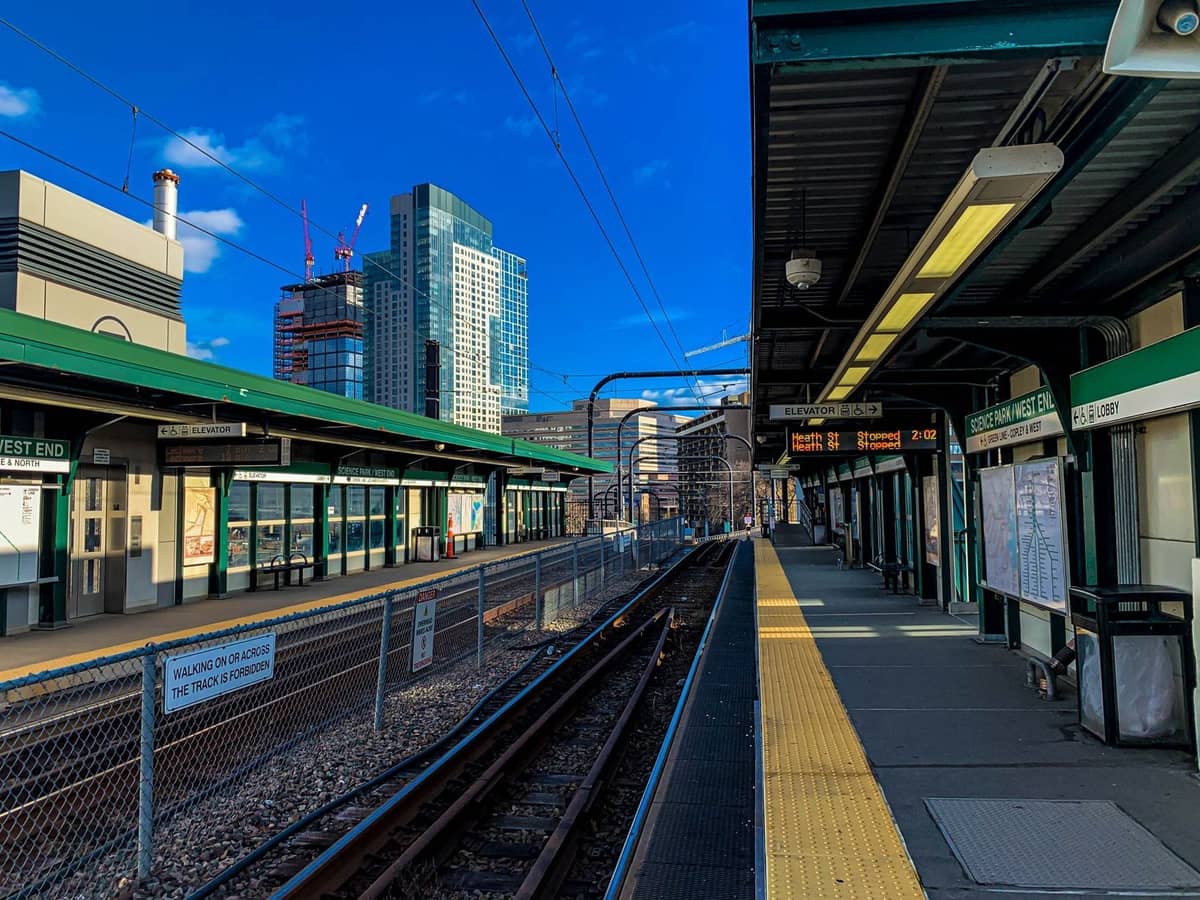
The single most useful transit fact for families: children 11 and under ride free on all MBTA services when accompanied by a fare-paying adult (up to two children per paying adult). With a standard adult subway fare around $2.40–$3.00 (exact fares change — verify with MBTA before your trip), a family of two adults and two kids pays for just the two adults. That's a meaningful saving over the course of several days.
The core family attractions are well covered by the Blue, Green, and Orange Lines. The Aquarium and Faneuil Hall are a short walk from Aquarium Station (Blue Line). The Museum of Science is closest to Science Park/West End (Green Line). Back Bay attractions like the Public Garden are near Arlington (Green Line). Strollers are allowed on the T, though older Green Line cars have steps that make boarding awkward — ask at the platform for accessible boarding areas.
For families arriving via Logan International Airport, the Silver Line SL1 offers free service from all airport terminals to South Station in downtown Boston. From South Station, you're a short ride or walk from the waterfront. Logan is about 3 miles northeast of downtown, making it one of the more convenient major city airports in the U.S. More detail on all transport options is in the getting around Boston guide.
✨ Pro tip
If you're renting a car, don't drive it daily in central Boston. Parking is expensive ($30–$50/day in garages near major attractions), traffic is notoriously confusing, and you can reach everything by foot or T. Park at your hotel or a cheaper peripheral garage and use the car only for day trips.
Planning by Season: What Changes Throughout the Year

Boston has a humid continental climate with real seasonal variation. Summer (June–August) is the peak family travel season — warm high temperatures often in the low-to-mid 80s°F (around 28°C), long daylight hours, and outdoor events like the Hatch Shell concerts along the Charles River Esplanade. The downside is crowds: the Aquarium and Duck Tours can be fully booked days ahead in July.
Fall (September–October) is the local favorite for a reason. Temperatures drop into the 60s–70s°F (15–22°C), crowds thin out after Labor Day, and the foliage in spots like the Arnold Arboretum and along the Esplanade is especially striking. It's also when a Salem day trip becomes especially compelling — the town is about 30 minutes north by commuter rail and goes all-out for Halloween season in ways kids aged 8 and up tend to love. See our Salem day trip guide for logistics.
Winter (December–March) is the hardest season for families with very young children. January average highs are around 36°F (2°C), and measurable snow is common through March. That said, Boston's indoor attractions are excellent bad-weather fallbacks. The Museum of Science, Children's Museum, and Aquarium all run normally year-round. Boston Common's Frog Pond ice rink is a genuine highlight for families visiting in December and January.
Spring (May–June) offers mild temperatures and the return of outdoor attractions like the Swan Boats (mid-April) with fewer summer crowds. Late May through mid-June is arguably the sweet spot for families: school groups have largely finished their trips, peak summer tourism hasn't arrived, and the Boston Public Garden is at its best with spring blooms. For a full seasonal breakdown, see our best time to visit Boston guide.
Neighborhood Logistics: Where to Base Yourself

Where you stay shapes how exhausting the trip feels. For families focused on the main attractions, Back Bay and downtown are the most practical bases. Back Bay puts you steps from the Public Garden, a short walk from Copley Square, and on the Green Line for quick T access. Downtown/Financial District puts you closest to the Aquarium, Faneuil Hall, and the North End — useful if your kids are old enough to appreciate the Freedom Trail.
The Seaport District has newer hotels with slightly more space (helpful with kids), and it's an easy walk to the Children's Museum and the Harborwalk. The downside is fewer walkable dining options compared to downtown or Back Bay, and you'll rely more on the T or rideshare for non-waterfront activities. For a comprehensive breakdown of accommodation options by budget and neighborhood, the where to stay in Boston guide covers the tradeoffs in detail.
Practical Tips Most Family Travel Guides Skip
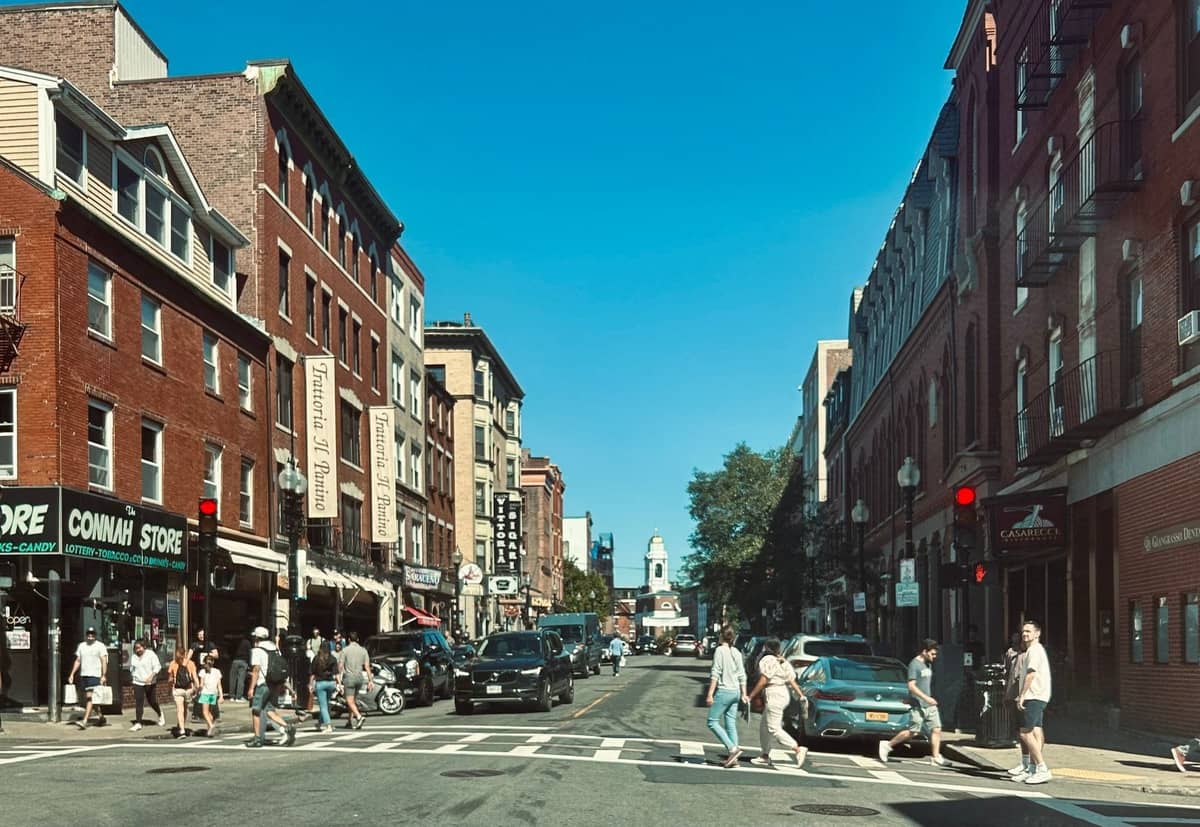
Boston restaurants generally welcome children, but the North End (Boston's Italian neighborhood) is a notable exception at dinner: many of the smaller trattorias are cramped, loud, and reservation-heavy in the evenings, making them stressful with young kids. Go for lunch instead, when it's more relaxed and you'll have your pick of tables. Hanover Street is the main drag — worth it for the cannolis alone.
Faneuil Hall Marketplace has a reputation as a tourist trap — and the food stalls inside Quincy Market are overpriced. But the outdoor plaza is useful as a meeting point, the street performers are often good, and it's centrally located. Use it as a navigation anchor, not a dining destination.
- Book timed-entry tickets for the Aquarium and Museum of Science in advance, especially for summer visits — same-day tickets frequently sell out
- The CharlieCard (reloadable MBTA card) is faster at turnstiles than CharlieTickets; pick one up at any major T station service center
- Pack layers even in summer — harbor breezes near the Aquarium and Children's Museum can make evenings feel significantly cooler than forecast
- The Boston Public Library on Copley Square (free entry) has a beautiful courtyard and children's reading room — a good quiet stop on a rainy afternoon
- Restrooms near major attractions can have lines; the Quincy Market building at Faneuil Hall has reliable, accessible facilities in the basement
💡 Local tip
The Go City Boston Explorer Pass lets you choose a set number of attractions from a list that includes the Aquarium, Museum of Science, Duck Tours, and more. If you're visiting three or more paid attractions, run the numbers — it can save on the order of $40–$80 for a family of four versus buying tickets individually, depending on your exact attraction choices and dates.
FAQ
How many days do you need in Boston with kids?
Three to four days covers the core family attractions comfortably — Aquarium, Museum of Science, Children's Museum, Freedom Trail highlights, and Public Garden — without feeling rushed. A weekend works if you're selective, but you'll need to skip some things. Five or more days allows day trips to Salem or the Harbor Islands.
Is Boston affordable for families?
It depends heavily on how you approach it. The major paid attractions are not cheap — a family of four can spend $150+ in a single afternoon at the Aquarium and Duck Tours. However, kids 11 and under ride the T free, outdoor spaces like Boston Common and the Greenway are free, and the Freedom Trail costs nothing to walk. With a bundled pass and a mix of free and paid activities, the city is manageable on a moderate family budget.
What age is Boston best for kids?
Boston works well across a wide age range but peaks for different reasons. Toddlers and young children (2–7) love the Children's Museum, Aquarium touch tanks, and Swan Boats. Older kids (8–12) tend to engage more with the Freedom Trail history, Fenway Park, and the Museum of Science engineering exhibits. Teenagers often enjoy the Duck Tours, harbor whale watching, and the energy of neighborhoods like the North End and Harvard Square.
Is Boston easy to navigate with a stroller?
Mostly yes. The waterfront, Back Bay, and most of downtown have good sidewalks. The Freedom Trail gets tricky in spots — Beacon Hill's cobblestone streets (including the famous Acorn Street) are quite difficult to navigate with a stroller. The older Green Line streetcars have stairs at some stops; look for accessible boarding signs or ask MBTA staff. Most major attractions have elevator access.
What are the best day trips from Boston for families?
Salem (30 minutes by commuter rail from North Station) is excellent in fall and offers kid-friendly history year-round. The Boston Harbor Islands — particularly Georges Island and Spectacle Island — are accessible by ferry from Long Wharf and make for an excellent summer half-day. Plymouth (about an hour south) has Plimoth Patuxet Museums with living history demonstrations that engage school-age kids well. See our full day trips from Boston guide for logistics on all of these.