The Seaport District is Boston's most dramatically transformed neighborhood, a former industrial port that now holds some of the city's best restaurants, the Institute of Contemporary Art, and miles of harborfront walkway. It sits just across Fort Point Channel from downtown, close enough to walk to South Station, yet distinctly modern in feel compared to Boston's older quarters.
The Seaport District is Boston's most dramatically transformed neighborhood: a former working port of warehouses and fish piers that has become a grid of glass towers, waterfront restaurants, and contemporary art. It is younger, shinier, and more planned than almost anywhere else in the city, which is both its appeal and its defining tension.
Orientation
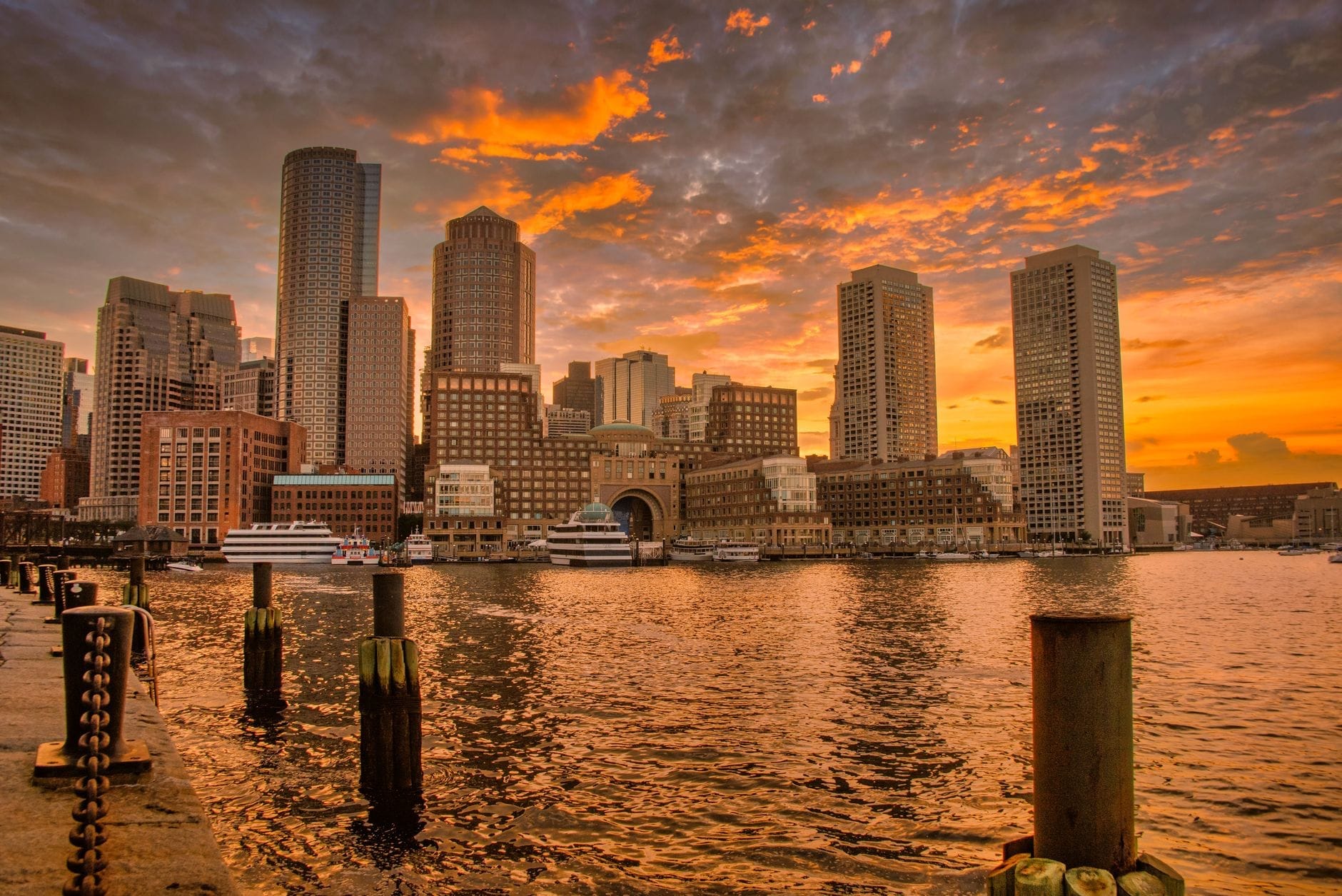
The Seaport District occupies the South Boston Waterfront, a peninsula of land that juts into Boston Harbor directly south of downtown. Its western edge is Fort Point Channel, the narrow waterway separating it from South Station and the Leather District. To the north and east, Boston Harbor opens toward Logan Airport and the harbor islands. To the south, the district transitions into the residential streets of South Boston proper, a neighborhood with a very different character.
The internal geography is straightforward. Seaport Boulevard runs east-west as the main spine, carrying traffic from the Moakley Bridge past the World Trade Center and toward the fish pier. Summer Street parallels it one block south and is the commercial and convention corridor, home to the Boston Convention and Exhibition Center. Fan Pier Boulevard curves along the northern waterfront, passing the Moakley Courthouse and leading to the ICA and the harborwalk. The whole district is compact enough to walk end-to-end in under twenty minutes.
The Seaport sits about a ten-minute walk from the heart of downtown Boston via the Congress Street Bridge or the Moakley Bridge. South Station, the city's main intercity rail hub, is right at the western boundary. That proximity makes the Seaport feel connected to the rest of Boston while remaining visually and atmospherically distinct.
Character & Atmosphere
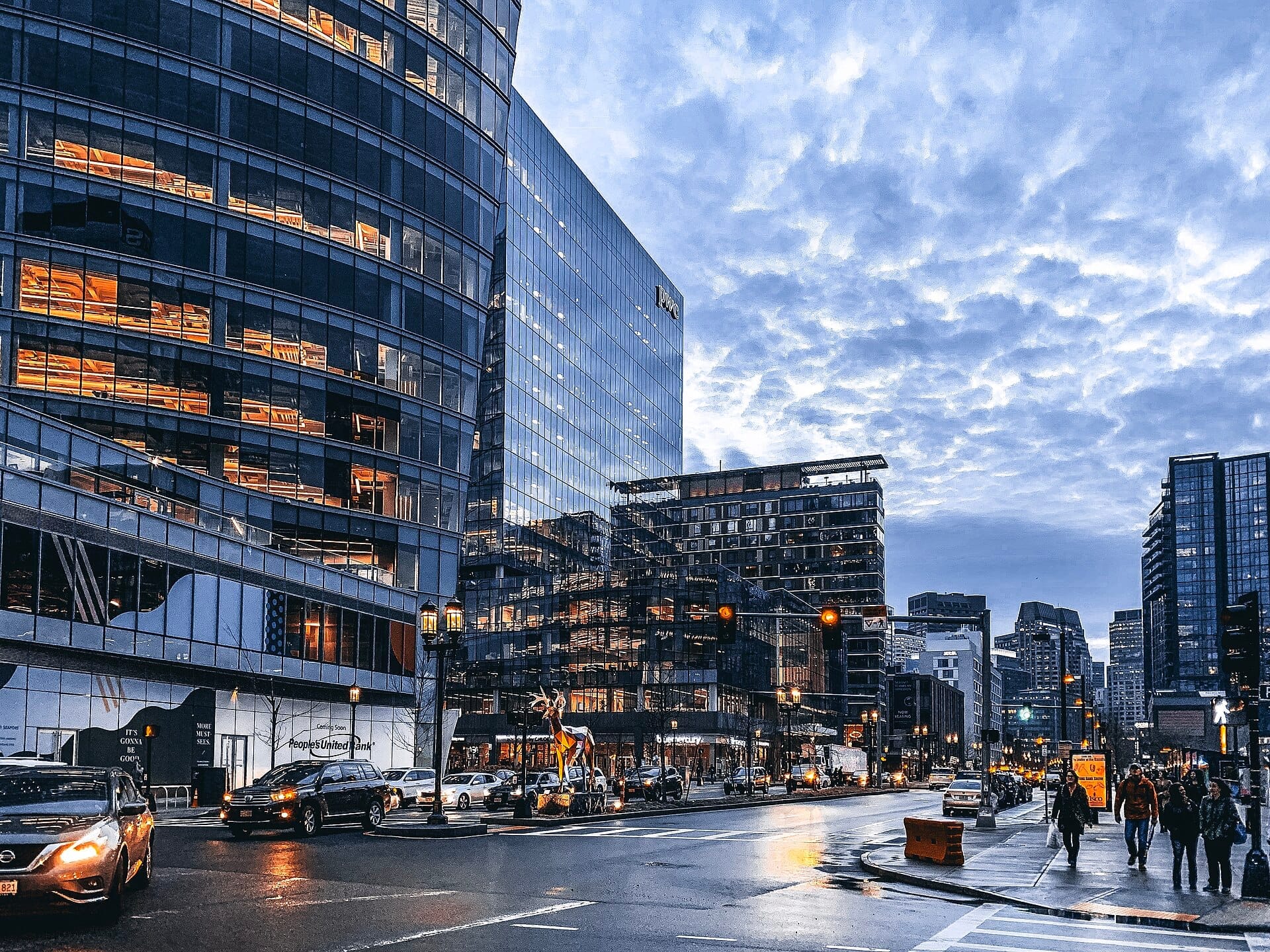
The Seaport is the newest major neighborhood in Boston, and it looks the part. Unlike Beacon Hill or the North End, where centuries of incremental development layered character onto the streets, the Seaport was largely built in a single generation. The result is wide, clean sidewalks, architecturally ambitious glass towers, and a sense of planned openness that can feel either refreshing or sterile depending on your preferences.
On a weekday morning, the dominant crowd is professional. The neighborhood holds a significant concentration of tech and life-sciences offices, and Seaport Boulevard fills with coffee-cup commuters heading to their desks by 8:30 a.m. The water is visible from almost every corner, and on clear mornings the harbor light hits the glass facades in a way that makes the whole district feel unusually bright for a city neighborhood. The seagulls are loud. The construction noise, where new towers continue to rise, can be too.
By midday the restaurant scene opens up, and the outdoor terraces along the waterfront fill with a mix of office workers and visitors. Weekend afternoons have a more leisurely pace, with people walking the harborwalk, families around the Children's Museum, and a gallery crowd filtering through the ICA. After dark, especially on weekends, the restaurant and bar scene on Seaport Boulevard and around Fan Pier draws large groups, and the noise level and foot traffic pick up considerably around the higher-end venues.
One caveat: the Seaport has been criticized, with some justice, for lacking the layered street life of older Boston neighborhoods. The street-level retail was designed rather than evolved, and outside of the core restaurant corridor, parts of the district can feel quiet to the point of emptiness on weekday evenings. If you are looking for the kind of improvisational city energy found in the South End or the North End, you may need to temper your expectations.
ℹ️ Good to know
The Seaport is sometimes called the 'Innovation District,' a label the city used during its initial development push to attract tech and biotech firms. The name has faded from common use but still appears in some tourism materials.
What to See & Do
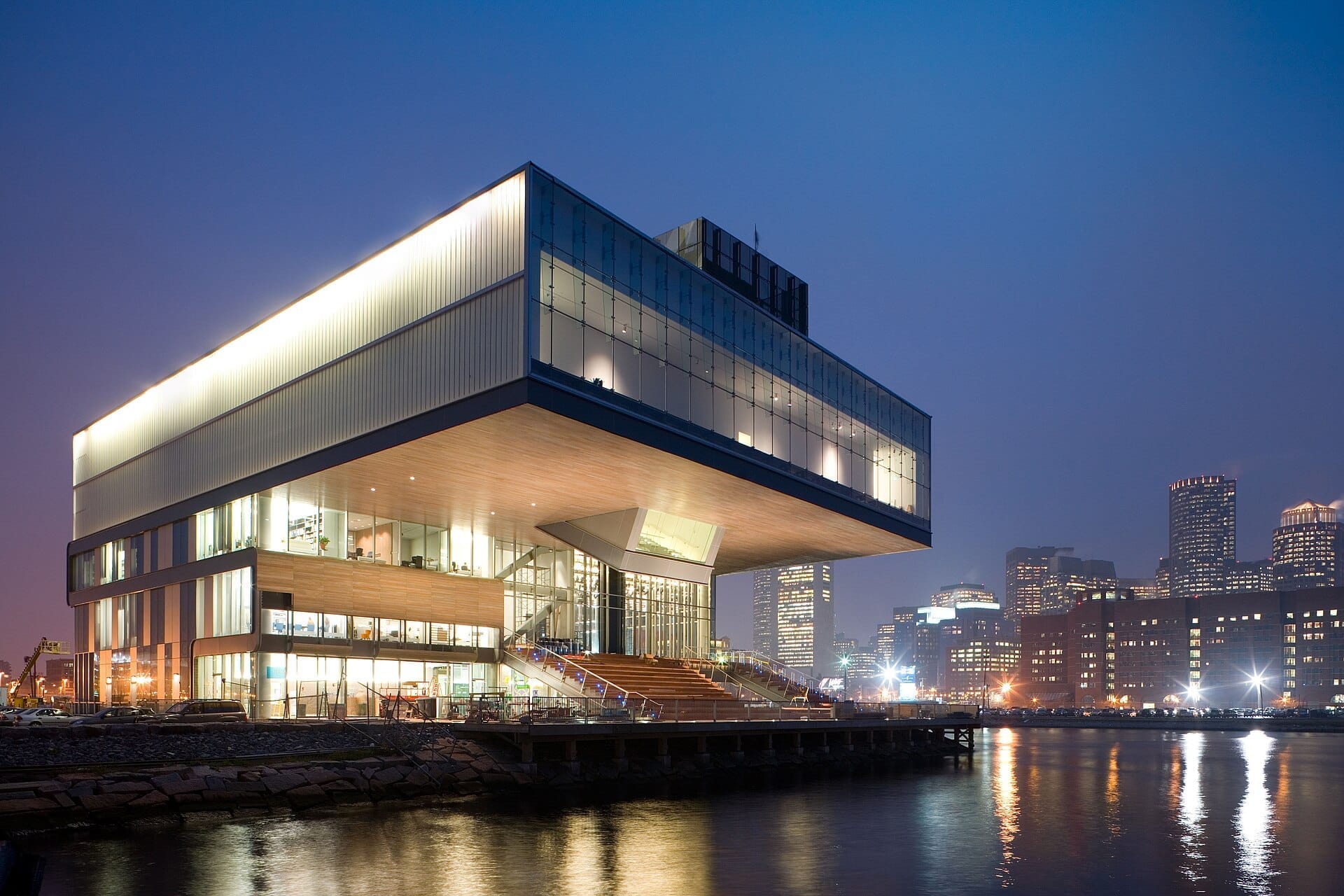
The Institute of Contemporary Art Boston is the cultural anchor of the Seaport and one of the most architecturally distinctive museums in New England. The building cantilevers dramatically over the harbor at 25 Harbor Shore Drive, and the water views from the upper galleries are as striking as the exhibitions themselves. The ICA focuses on art from the 1970s to the present, and its program of temporary exhibitions is consistently strong. Plan at least two hours.
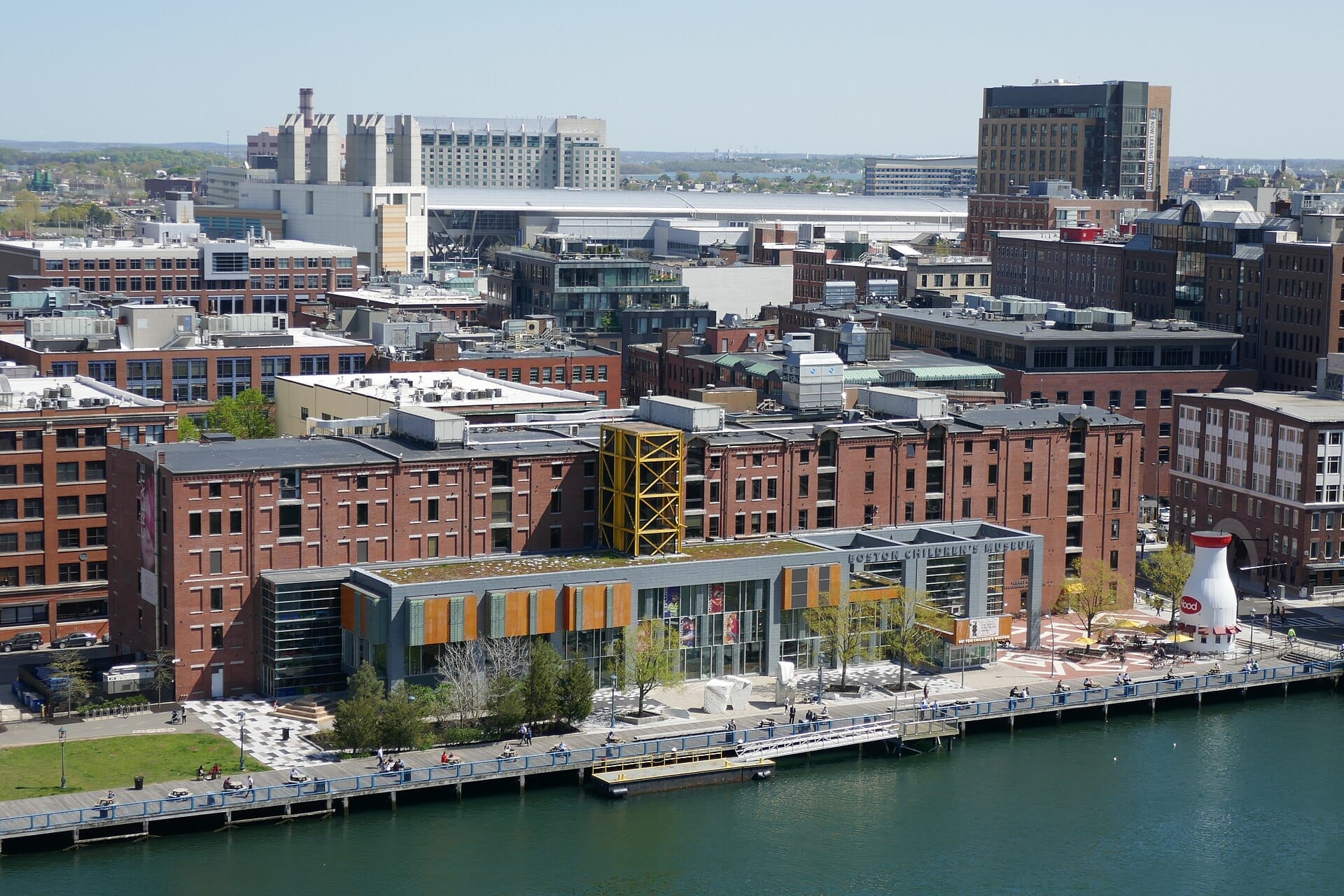
The Boston Harborwalk runs the length of the Seaport's northern waterfront and is one of the most pleasant flat walks in the city. It connects west toward the Boston Children's Museum on Fort Point Channel, a hands-on museum that is well-suited for visitors with young children, and east toward Fan Pier and the fish pier. The walk is accessible year-round, though winter wind off the harbor can be severe.
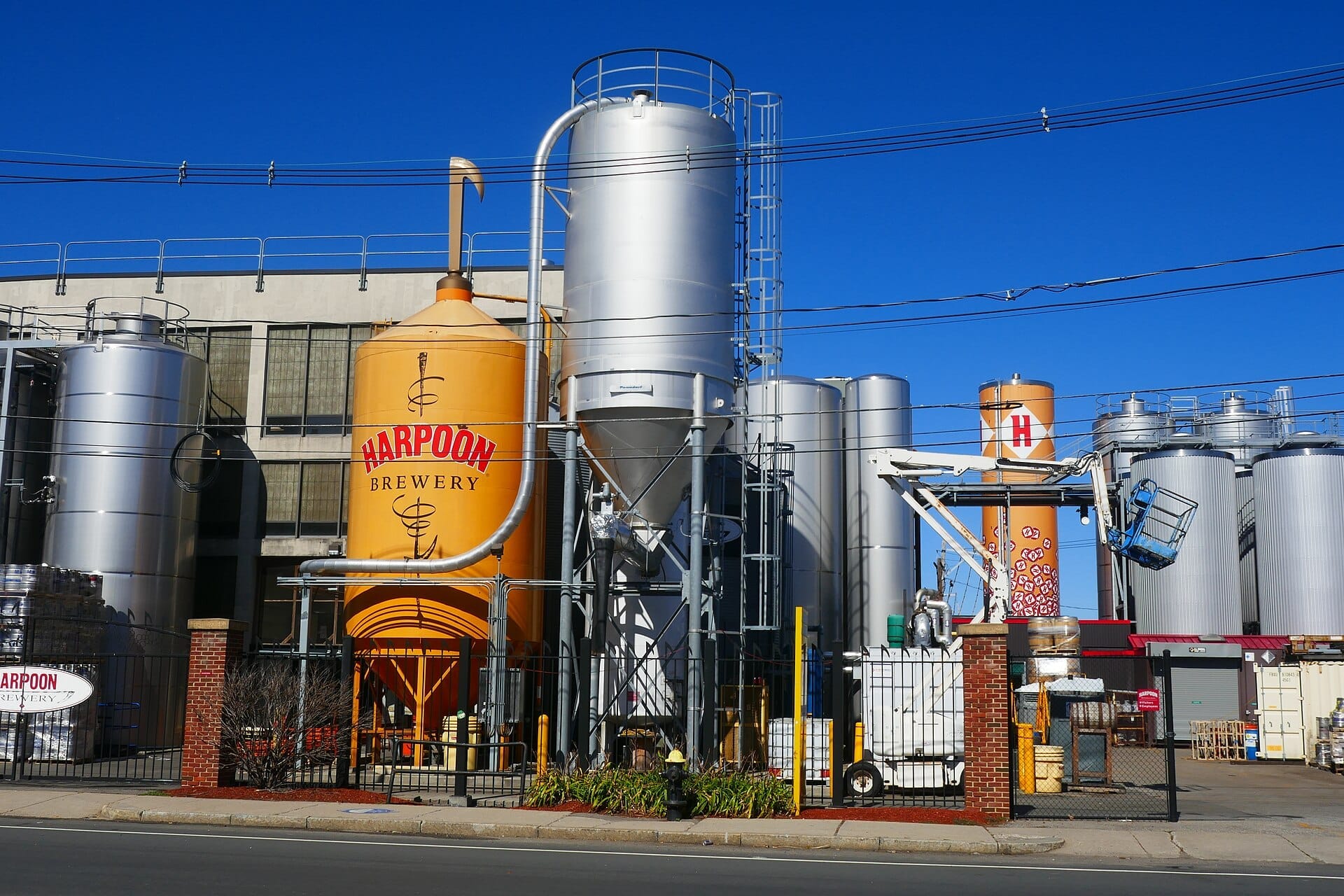
The Harpoon Brewery operates a large beer hall on Northern Avenue that draws both locals and visitors, particularly on weekend afternoons. Tours of the brewery are available and include tastings. It is informal and popular with groups. The Lawn on D, an outdoor event space run by the BCEC on D Street, hosts rotating public programming including giant outdoor games, concerts, and seasonal events. Check the schedule before visiting as it operates on a programmed-event model rather than as a constant public park.
The Boston Harborwalk continues beyond the Seaport into neighboring districts, and from the waterfront you can access ferries to the Boston Harbor Islands, a chain of state park islands accessible by ferry from Long Wharf and Fan Pier between May and October. Georges Island and Spectacle Island are the most visited, with beaches, picnic areas, and sweeping views of the Boston skyline.
Institute of Contemporary Art: world-class contemporary art in a harbor-view building on Fan Pier
Boston Harborwalk: flat, walkable waterfront path running the district's northern edge
Boston Children's Museum: interactive museum on Fort Point Channel, excellent for families with kids under 12
Harpoon Brewery Beer Hall: casual brewery taproom with tours and tastings on Northern Avenue
The Lawn on D: outdoor programmed event space adjacent to the convention center
Boston Harbor Islands ferry: seasonal departures from Fan Pier to island beaches and historic forts
Eating & Drinking
The Seaport has one of the densest concentrations of restaurants in Boston, ranging from casual waterfront lunch spots to some of the city's most expensive dining rooms. The caveat is that the neighborhood skews toward upscale and mid-range, with fewer budget options than older parts of the city. If you are watching costs, lunch at a more casual spot is a better bet than dinner at the waterfront venues, where prices reflect the views as much as the food.
Seafood is the obvious specialty given the location. The historic James Hook and Co. lobster shack on the edge of Fort Point Channel is a local institution for lobster rolls at a wooden picnic table, unpretentious and excellent. The broader restaurant scene on Seaport Boulevard and Fan Pier covers New American, Japanese, Italian, and modern seafood at a range of price points. Weekend evenings can mean long waits at popular spots without a reservation, particularly from June through September.
The bar scene in the Seaport runs from hotel rooftop bars with skyline views to the large, social environment at the Harpoon Beer Hall and a number of wine bars and cocktail lounges along Seaport Boulevard. The rooftop at the Envoy Hotel is one of the better-known spots for harbor views, particularly at sunset. It does get busy on weekends. The neighborhood is less suited to slow, neighborhood-bar drinking than to event-driven socializing, which reflects its demographic: younger professionals and convention visitors are the main evening crowd.
💡 Local tip
Reserve restaurant tables in advance for Friday and Saturday dinner, especially during convention season at the BCEC. The area around the convention center can see thousands of additional visitors on event days, which strains restaurant capacity across the district.
Getting There & Around
The MBTA Silver Line is the primary rapid transit connection to the Seaport. The SL1 and SL3 routes both stop at World Trade Center and Courthouse stations on Seaport Boulevard, while the SL2 serves World Trade Center but not Courthouse, running through a tunnel that connects directly to South Station on the Red Line. The SL1 continues to Logan Airport, making the Seaport one of the most airport-accessible neighborhoods in Boston. From World Trade Center station to South Station takes about six to eight minutes in typical conditions. From Logan to World Trade Center takes about fifteen minutes on the SL1, with no fare charged when boarding at the airport.
South Station, at the western boundary of the Seaport, is the city's main transit interchange: it connects the Red Line subway, the Silver Line, MBTA commuter rail serving suburban destinations south and west of Boston, and Amtrak intercity trains. If you are arriving from Back Bay or Fenway-Kenmore, the most practical approach is to take the Green Line to Boylston or the Orange Line to Downtown Crossing, then walk to South Station and cross via Summer Street or Congress Street.
On foot, much of the Seaport is about a ten-minute walk from South Station, crossing the Congress Street Bridge or the Fort Point Channel footbridge near the Children's Museum. From Faneuil Hall Marketplace in downtown, allow roughly fifteen to twenty minutes on foot via the Seaport Boulevard pedestrian path along the waterfront. Walking is pleasant in good weather and gives a better sense of the transition from old Boston to new.
Rideshare and taxi drop-offs work well in the Seaport given its wide streets and accessible loading zones. Driving and parking is possible but expensive and congested during peak hours and convention days. The MBTA bus network serves the Summer Street and D Street corridors with several routes. Cycling is practical along the harborwalk and Seaport Boulevard, and there are Bluebikes bike-share stations throughout the district.
⚠️ What to skip
When major conventions are running at the BCEC, the entire Summer Street corridor and surrounding roads can become heavily congested in the morning and evening. If you are visiting the Seaport on a convention day, budget extra time for any surface transit or rideshare pickup, and consider using the Silver Line instead.
Where to Stay
The Seaport has a strong concentration of business and convention hotels, most of which operate at upper-midrange to luxury price points. The area around the BCEC and World Trade Center station has the highest density of hotel rooms in the district. These hotels are well-suited to convention attendees and business travelers, and they offer convenient Silver Line access to Logan Airport.
For leisure travelers, the main appeal of staying in the Seaport is harbor views, walkable restaurant access, and proximity to the ICA and harborwalk. The tradeoff is that rates trend higher here than in Back Bay or downtown, and the neighborhood has less of the walkable, exploratory quality that makes staying in older parts of Boston rewarding for first-time visitors. If you are splitting a trip between Boston's historic core and the waterfront, a Seaport base works well. If you want to be in the middle of Boston's older neighborhoods and the Freedom Trail, staying elsewhere and visiting the Seaport on a day trip makes more sense.
For a broader overview of accommodation options across the city, the where to stay in Boston guide covers the tradeoffs between each neighborhood in detail, with recommendations across budget levels.
Seaport in Context: How It Fits Boston's Wider Map
The Seaport sits at an interesting junction in the city's geography. Walk west across Fort Point Channel and you are in the SoWa Art and Design District and the South End, one of Boston's most architecturally rich residential neighborhoods. Walk north across the Moakley Bridge and you reach the edge of downtown, with Faneuil Hall and the waterfront hotels within easy reach. Take the ferry from Fan Pier and you are on the harbor islands or heading toward Charlestown.
The Seaport is also a natural complement to a visit to the North End on the opposite side of downtown. Both are waterfront neighborhoods, but they represent opposite ends of Boston's developmental history: the North End is the city's oldest residential district, while the Seaport is its newest. Seeing both in the same day, connected by the Rose Kennedy Greenway running between them, gives a vivid sense of how much Boston has changed and how much it has stayed the same.
For travelers trying to fit the Seaport into a multi-day Boston itinerary, the 3 days in Boston guide suggests how to sequence the Seaport with the city's historical and cultural core without doubling back unnecessarily.
TL;DR
The Seaport District is Boston's most modern neighborhood: a former industrial waterfront now defined by glass towers, high-end restaurants, and the Institute of Contemporary Art.
Best suited for: travelers interested in contemporary art and architecture, families visiting the Children's Museum, food and bar-focused visitors, and business travelers near the BCEC.
Key practical note: the Silver Line SL1 connects the Seaport directly to both Logan Airport and South Station, making it one of the most transit-convenient neighborhoods in the city.
Main drawback: the district can feel corporate and quiet outside of the restaurant corridor, especially on weekday evenings, and prices across hotels and restaurants are among the highest in Boston.
Best combined with: a visit to the North End or downtown for historical contrast, or a harbor islands ferry trip departing from Fan Pier in summer.
Three days is enough time to cover Boston's historic core, world-class museums, and distinct neighborhoods without feeling rushed. This itinerary groups sights by geography, saves you backtracking, and flags what to skip based on the season.
Boston is one of the great museum cities in America, with world-class collections spread across every neighborhood. Whether you have one afternoon or a full week, this guide covers the best museums in Boston — from encyclopedic art institutions to immersive history experiences — with practical tips on saving money along the way.
Boston rewards visitors year-round, but the timing of your trip shapes everything from hotel rates to what you can actually do outside. This guide breaks down each season honestly, flags the crowd spikes most travelers miss, and helps you match your travel style to the right window.
Boston Logan International Airport is one of the most conveniently located major airports in the United States, sitting just 3 miles from downtown. This guide covers every terminal, every transport option, seasonal travel patterns, and the practical details that make the difference between a smooth arrival and a stressful one.
Boston sits on Massachusetts Bay, and the beaches that surround it range from easy MBTA rides to rewarding day trips up the North Shore. This guide covers every option worth knowing, from historic Revere Beach to the pristine dunes at Crane Beach.
Harvard and MIT sit just across the Charles River from Boston, connected by the MBTA Red Line and packed with free things to see. This guide covers how to get there, what to book in advance, the best spots on each campus, and what most visitors get wrong.
Boston throws one of the most celebrated Fourth of July events in the United States, anchored by the free Boston Pops Fireworks Spectacular on the Charles River Esplanade. This guide covers the fireworks schedule, best viewing spots, Harborfest events, weather expectations, and practical logistics to help you plan every detail.
Boston rewards those who look beyond the Freedom Trail. This guide uncovers the city's overlooked museums, quiet green spaces, architectural surprises, and neighborhood experiences that locals return to again and again.
Boston is where the American Revolution was born. This guide covers every major colonial and Revolutionary War site in the city, from the Freedom Trail's 16 landmarks to day trips to Lexington and Concord, with practical advice on pricing, crowds, and what's actually worth your time.
Fall is widely considered the best season to visit Boston. Temperatures drop to comfortable levels, the city's parks and tree-lined streets turn brilliant shades of red and gold, and a packed events calendar keeps things interesting well into November. This guide covers when to go, where to see color, what to do, and how to plan it all without overpaying.
Summer transforms Boston into one of the most active cities on the East Coast, with outdoor concerts, harbor cruises, Red Sox baseball, and a packed events calendar. This guide covers the best things to do in June, July, and August, plus practical advice on heat, crowds, and booking ahead.
Boston in winter is colder and snowier than most visitors expect, but that's exactly what makes it compelling. Shorter queues, lower hotel rates, festive neighborhoods, and some of the city's best indoor experiences await those willing to bundle up. This guide covers everything you need to know before you go.
Boston's luxury scene is more layered than most visitors expect. From the only Forbes Five-Star waterfront hotel in New England to Michelin-caliber dining in Back Bay, this guide covers where to stay, what to eat, and how to spend your time at the upper end of the city's offerings.
Boston's after-dark scene is denser and more diverse than its early-closing reputation suggests. This guide breaks down the best bars, live music venues, and clubs by neighborhood, with practical advice on cover charges, crowd patterns, and where to go based on what you actually want to do.
Boston has a reputation for being expensive, but the reality is more nuanced. The city's most iconic experiences, from the Freedom Trail to the Public Garden, cost nothing. This guide breaks down exactly where to spend, where to save, and how to see the best of Boston without the financial hangover.
Boston packs nearly 300 parks, 7 miles of linked greenway, a harbor with 34 islands, and a paddleable river into a city of under 50 square miles. This guide covers the best outdoor activities in Boston across every season, from free trail walks to whale-watching excursions and Harbor Islands camping.
Boston's shopping scene is more diverse and spread out than most visitors expect. This guide breaks down every major retail district, indoor mall, and open-air market, with straightforward notes on what's worth your time and money across every budget level.
Boston is one of the most solo-friendly cities in the United States: compact, walkable, transit-connected, and loaded with free and low-cost experiences. This guide covers everything from neighborhood safety and budget planning to the best solo activities and seasonal timing.
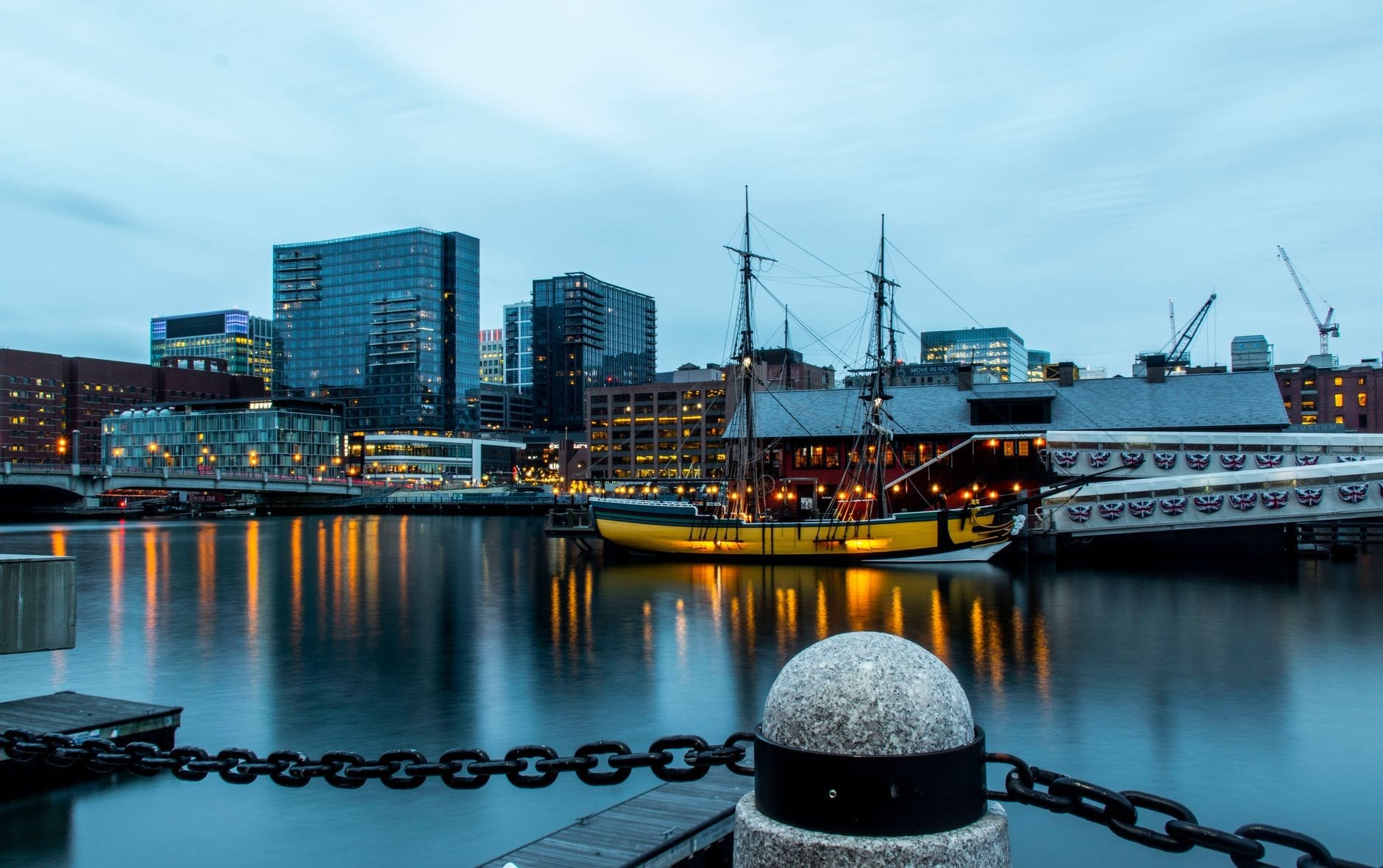
On the night of December 16, 1773, a group of colonists boarded three ships in Boston Harbor and dumped 342 chests of British tea into the water. It was one of the most consequential acts of political protest in American history. This guide covers what actually happened, what gets the story wrong, and the best ways to experience it when you visit Boston.
Two days in Boston is enough to walk the Freedom Trail, eat your way through the North End, stand in the shadow of Fenway Park, and still catch a harbor sunset. This guide breaks down exactly how to spend your time, what it will cost, and what the tourist traps are worth skipping.
Boston is one of the most rewarding cities in the U.S. for families. Compact enough to walk, rich in hands-on science and history, and generous with free outdoor spaces, it rewards kids of nearly every age. This guide cuts through the hype with real prices, seasonal advice, and straightforward notes on what's worth your time.
Boston sits at the center of one of New England's richest regions for day tripping. Within two hours, you can walk Revolutionary War battlefields, swim on pristine barrier beaches, explore world-class museums, or wander a storybook fishing village. This guide covers the best day trips from Boston, with practical advice on how to get there.
Boston rewards budget travelers more than almost any other major American city. From the 2.5-mile Freedom Trail to free museum days, public parks, and historic naval vessels, here are free experiences that capture the best of Boston.
Boston is compact enough to walk between many of its most famous neighborhoods, but knowing how to use the MBTA subway, buses, ferries, and ride-hailing services will save you time and money. This guide covers every way to move around the city, from Logan Airport transfers to day-to-day transit passes.
Boston rewards couples with a surprisingly diverse mix of romantic experiences: peaceful garden strolls, candlelit Italian dinners in the North End, sunset cruises on the harbor, and world-class art museums. This guide covers the best options by season, with real prices and practical advice to help you plan a memorable trip.
Salem is one of the most rewarding day trips from Boston, but it rewards those who go in prepared. This guide covers exactly how to get there, what to see beyond the witch trial sites, and how to avoid the October chaos that catches most visitors off guard.
Boston packs Revolutionary history, world-class museums, a legendary baseball stadium, and a working waterfront into one of America's most walkable cities. This guide covers the best things to do in Boston across every neighborhood, season, and budget — with practical details on pricing, timing, and how to get around.
Boston is one of America's great walking cities, compact enough to cover on foot yet dense with 400 years of history around every corner. This guide covers the best self-guided routes, iconic landmarks, and neighborhood walks across the city.
Boston's food identity runs deep: centuries of seafood tradition, immigrant-shaped neighborhoods, and a handful of dishes that define New England eating. This guide covers what to order, where to find it, what it should cost, and what to skip.
Choosing where to stay in Boston shapes your entire trip. This guide breaks down every major neighborhood by location, transit access, price range, and who it suits best, so you can book with confidence instead of guessing.