Boston Weekend Getaway: How to Make the Most of 2 Days in the City
Two days in Boston is enough to walk the Freedom Trail, eat your way through the North End, stand in the shadow of Fenway Park, and still catch a harbor sunset. This guide breaks down exactly how to spend your time, what it will cost, and what the tourist traps are worth skipping.
Plan and book this trip
Tools from our partner Travelpayouts help you compare flights and hotels. If you book through them, we may earn a commission at no extra cost to you.
Flights
Hotels map
TL;DR
- Boston is compact and walkable: most major sights are within 2-3 miles of each other, and a car is unnecessary.
- The MBTA 'T' subway connects Logan Airport to downtown in under 30 minutes via the free Massport Shuttle plus Blue Line, or the Silver Line SL1 (free from the airport terminals to South Station). See the full Boston airport transport guide for current fare details.
- Day 1 covers the historic core: Freedom Trail, North End, and the waterfront. Day 2 shifts to culture and neighborhoods: Back Bay, Fenway, and the Museum of Fine Arts.
- Book museum tickets online in advance, especially for the Boston Tea Party Ships and Museum and Isabella Stewart Gardner Museum, as timed-entry slots fill up on weekends.
- Fall (September-October) and late spring (May-June) offer the best weather for a walking-heavy Boston weekend. Summer works but brings peak hotel prices and North End crowds.
Getting There and Getting Around
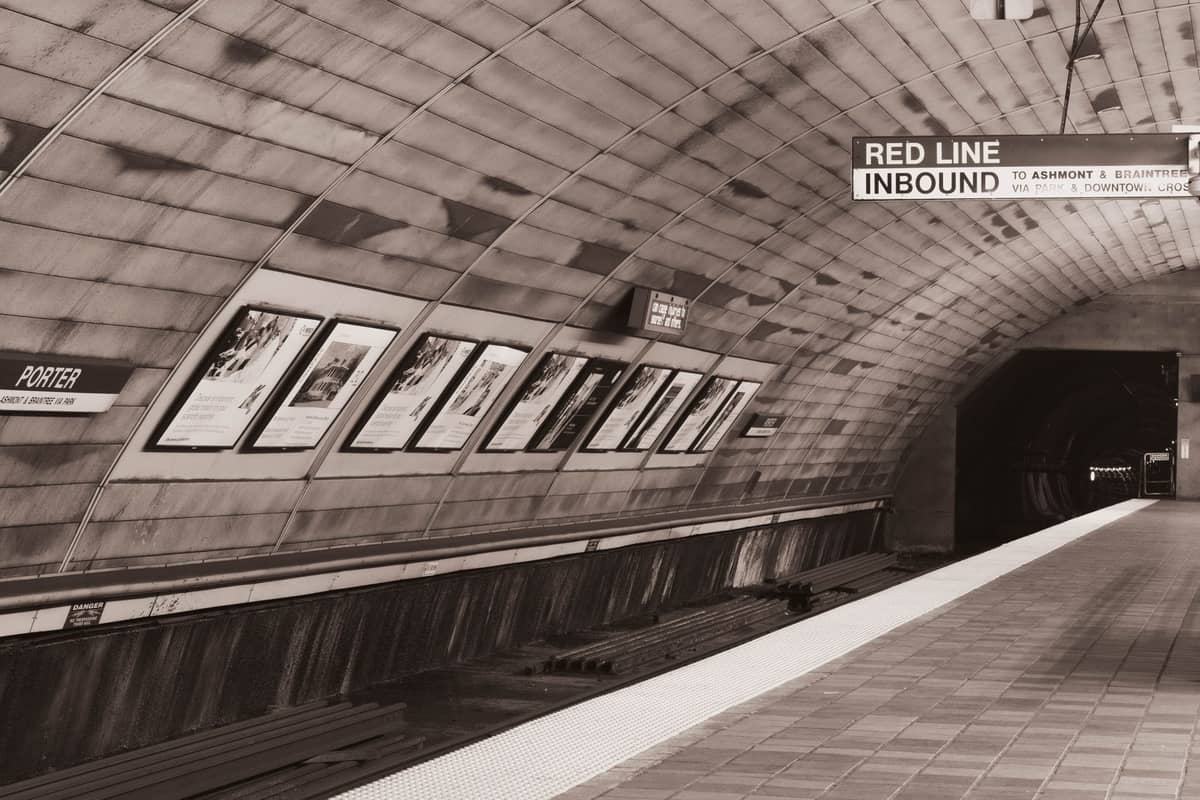
Logan International Airport (BOS) sits about 3 miles northeast of downtown Boston, across the harbor. On paper, that sounds close. In practice, traffic on the Sumner and Callahan Tunnels can stretch a 10-minute ride into 45 minutes during Friday afternoon rush hour. The smarter move for a weekend arrival is public transit. The Silver Line SL1 bus runs directly from all Logan terminals to South Station in downtown Boston, and the fare from the airport is currently free. Alternatively, the free Massport Shuttle buses take you to Airport Station on the MBTA Blue Line, which connects to Government Center and downtown in about 10-15 minutes.
Once you're in the city, the MBTA subway does the heavy lifting. A 1-day LinkPass costs around $11.00 and covers unlimited subway and local bus rides. For a 2-day trip, two single passes usually make more sense than a 7-day pass unless you're moving constantly. Most of central Boston, including Beacon Hill, the North End, and Back Bay, is walkable between neighborhoods anyway. Save the T for longer jumps, like getting out to Fenway or Cambridge.
⚠️ What to skip
Do not rent a car for a Boston weekend. Parking garages in the city center charge $35-50 per day, street parking is nearly impossible in most neighborhoods, and driving between the Freedom Trail, Back Bay, and the North End adds zero convenience. Boston's street layout, much of it pre-car and pre-grid, will test your patience.
Day 1: The Historic Core (Freedom Trail, North End, Waterfront)
Start at Boston Common, the logical entry point for the Freedom Trail. The trail itself is a 2.5-mile red-brick path linking 16 historic sites, from Boston Common all the way to Bunker Hill Monument in Charlestown. Here is the key fact most visitors miss: the Freedom Trail is free to walk on your own. You do not need a paid guided tour. Printed maps are available at the Boston Common Visitor Center, and the route is marked clearly by the brick path and painted red line on the sidewalk.
A self-guided walk of the full trail takes roughly 2-3 hours if you don't stop at every site in depth. The highlights worth slowing down for: the Granary Burying Ground (where Paul Revere, Samuel Adams, and John Hancock are buried), the Old South Meeting House where the Boston Tea Party was organized, and the Old State House, which dates to 1713 and is one of the oldest surviving public buildings in the United States. Admission to the Old State House runs around $15 for adults. The Paul Revere House in the North End charges a small entry fee (around $6 for adults) and is well worth the 20-minute stop.
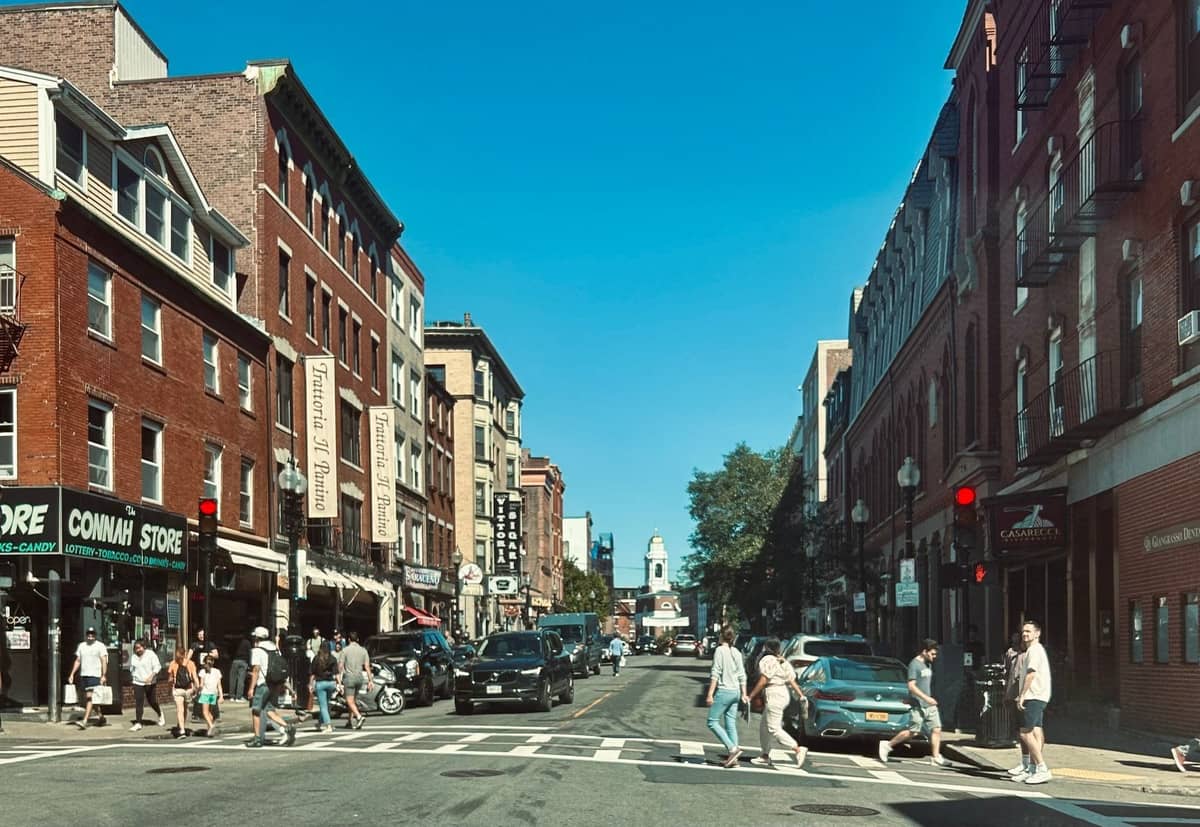
By early afternoon, you'll be deep in the North End, which is Boston's oldest neighborhood and its Italian-American culinary heart. Hanover Street is the main corridor: grab a cannoli from Mike's Pastry or Modern Pastry (the rivalry between the two is real and loudly contested by locals; Modern Pastry tends to have a shorter line). For lunch, the neighborhood's trattorias and delis serve some of the most reliable Italian-American food in New England. Expect to pay $15-25 per person for a sit-down meal.
After lunch, walk toward the waterfront. The Boston Harborwalk runs along the water from the North End past the New England Aquarium and into the Seaport District. The walk is free, open year-round, and gives you a view of the harbor islands and the city skyline from the water side. If the weather cooperates and you want to extend into the evening, this is where to do it.
💡 Local tip
If you're visiting between April and November and want a dramatic end to Day 1, book a whale watch from Long Wharf. The trips run about 3-4 hours and adult tickets start from $75. Humpback and finback whales are common in Stellwagen Bank from spring through fall. Book online at least a day in advance on weekends.
Day 2: Culture, Parks, and Neighborhoods
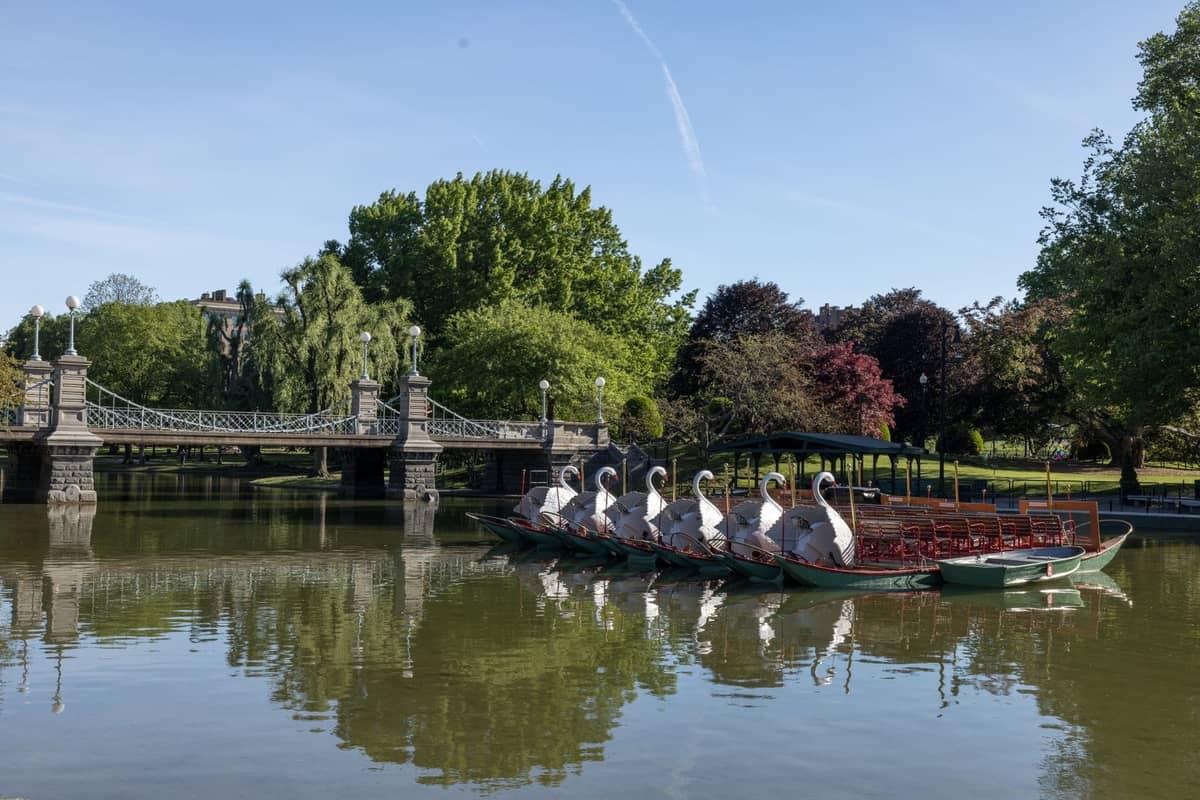
Start the second morning at the Boston Public Garden, which sits directly adjacent to Boston Common and opens early. In spring, the garden's formal flower beds and willow trees are at their best. In summer, the famous Swan Boats operate on the lagoon (tickets are inexpensive, around $4.75 for adults, and the 10-15 minute ride is more charming than it sounds). The garden flows naturally into Back Bay, where Newbury Street runs eight blocks of shops, cafes, and galleries.
By mid-morning, head to one of Boston's world-class museums. The choice depends on your interests, but here is a frank breakdown of the three main options for a weekend visit:
- Museum of Fine Arts (MFA) The largest art museum in New England, with strong collections in American, European, and ancient art. Adult general admission is $30. Closed on major holidays. Spend 2-3 hours here minimum if you're serious about art.
- Isabella Stewart Gardner Museum A unusual place: a Venetian palazzo built around a central courtyard garden, with art displayed exactly as the eccentric founder intended. Adult tickets $22; closed Tuesdays. Free for anyone named Isabella, on any day. More intimate than the MFA and well worth 1.5-2 hours.
- Boston Tea Party Ships and Museum More experiential than scholarly, with costumed actors and replica ships. Adult admission runs $34-39 and includes the full interactive experience. Best for visitors who want engagement over quiet contemplation, and good for families.
After the museum, take the Green Line or walk up to Fenway-Kenmore for the afternoon. Even if you don't have Red Sox tickets, Fenway Park ballpark tours run daily when games or private events allow, at around $25-30 for adults. The park is the oldest in Major League Baseball, opened in 1912, and the tour covers the Green Monster, the press box, and the warning track. It's a 60-90 minute experience and one of the few things in Boston that lives up to the hype.
✨ Pro tip
If you have a Red Sox game on your itinerary, buy tickets early. Weekend home games at Fenway sell out or spike dramatically in price on secondary markets. The best value seats are often in the bleachers or grandstand sections, which give a legitimate view without the premium pricing of lower-bowl seats near home plate.
Where to Stay: Neighborhood Breakdown
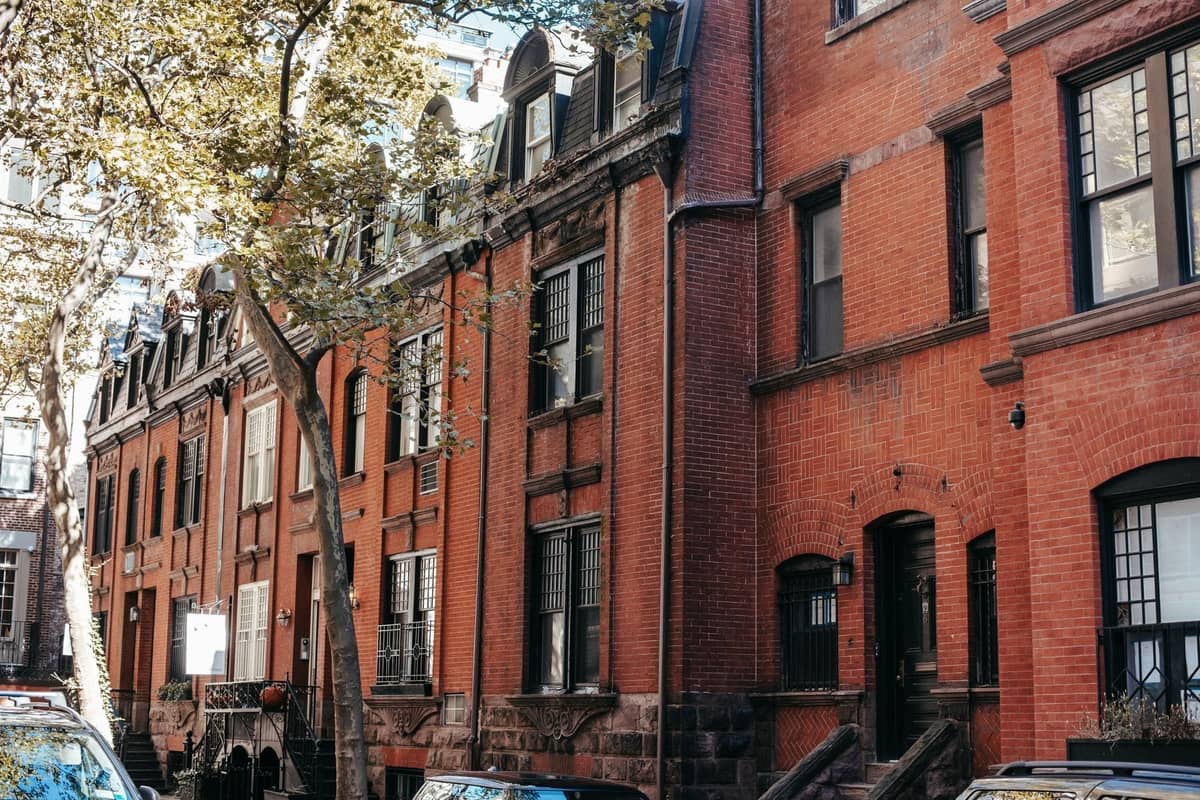
Where you stay shapes how you experience Boston's weekend. The city's walkable layout means proximity to your priority sights matters more than it would in a city you'd navigate primarily by car. See the full where to stay in Boston guide for detailed hotel picks, but here is the practical summary by neighborhood:
- Back Bay The most convenient base for a first-time weekend visitor. Central location, close to Copley Square, Newbury Street, and the Green Line. Hotels range from mid-range ($200-350/night) to luxury. The Copley Square area is ideal.
- Downtown / Beacon Hill Walking distance to the Freedom Trail, Boston Common, and the North End. Good for visitors prioritizing the historic core. Slightly fewer dining options than Back Bay late at night.
- Seaport District Modern hotels, good for waterfront access and the ICA, but feels disconnected from the historic neighborhoods. Best for visitors who want a quieter, newer hotel scene and don't mind a short T or rideshare hop into the historic core.
- Cambridge Across the Charles River, 15-20 minutes from downtown by T. More neighborhood feel, good for visitors who want to experience Harvard Square or MIT. Not ideal if your priority is the Freedom Trail and North End.
Eating and Drinking: What Boston Actually Does Well
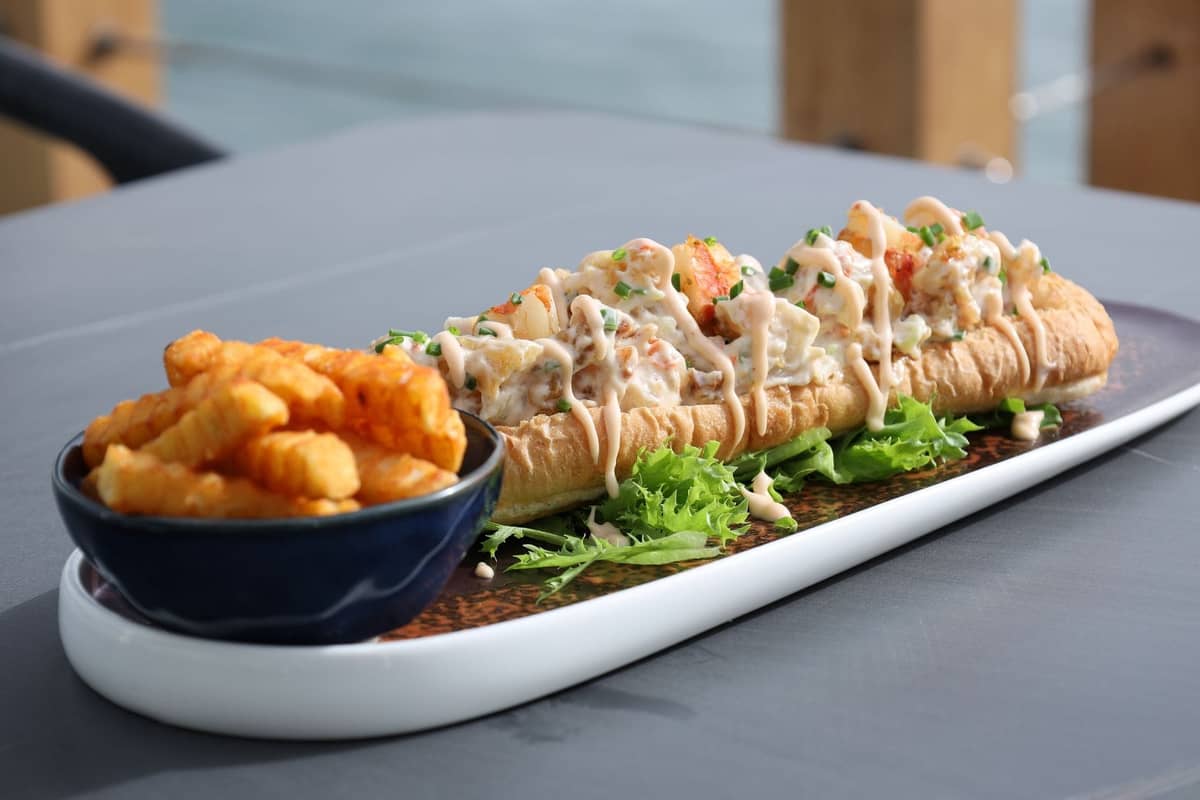
Boston's food reputation is anchored in seafood, and for good reason. The city sits on a working harbor, and the quality of the raw material at the best spots shows. New England clam chowder, lobster rolls, and oysters are well worth seeking out here. The tourist trap to avoid: restaurants in the Faneuil Hall Marketplace area, which charge premium prices for mediocre versions of these dishes.
For a proper lobster roll or cup of chowder, the North End and the waterfront near the New England Aquarium are better bets. For a sit-down experience with history attached, Union Oyster House Union Oyster House on Union Street has been operating since 1826, making it the oldest continuously operating restaurant in the U.S. The raw oyster bar is the best reason to visit; the rest of the menu is decent but not exceptional. Expect a wait on weekend evenings.
For something beyond seafood, the South End has Boston's most interesting restaurant scene: a long stretch of Victorian brick row houses now filled with independent restaurants, wine bars, and bakeries. The SoWa Open Market runs on Sundays from May through October and combines food vendors, local art, and a farmers market in the same footprint, making it a strong Sunday morning option before a museum visit.
Seasonal Timing: When to Go and What Changes
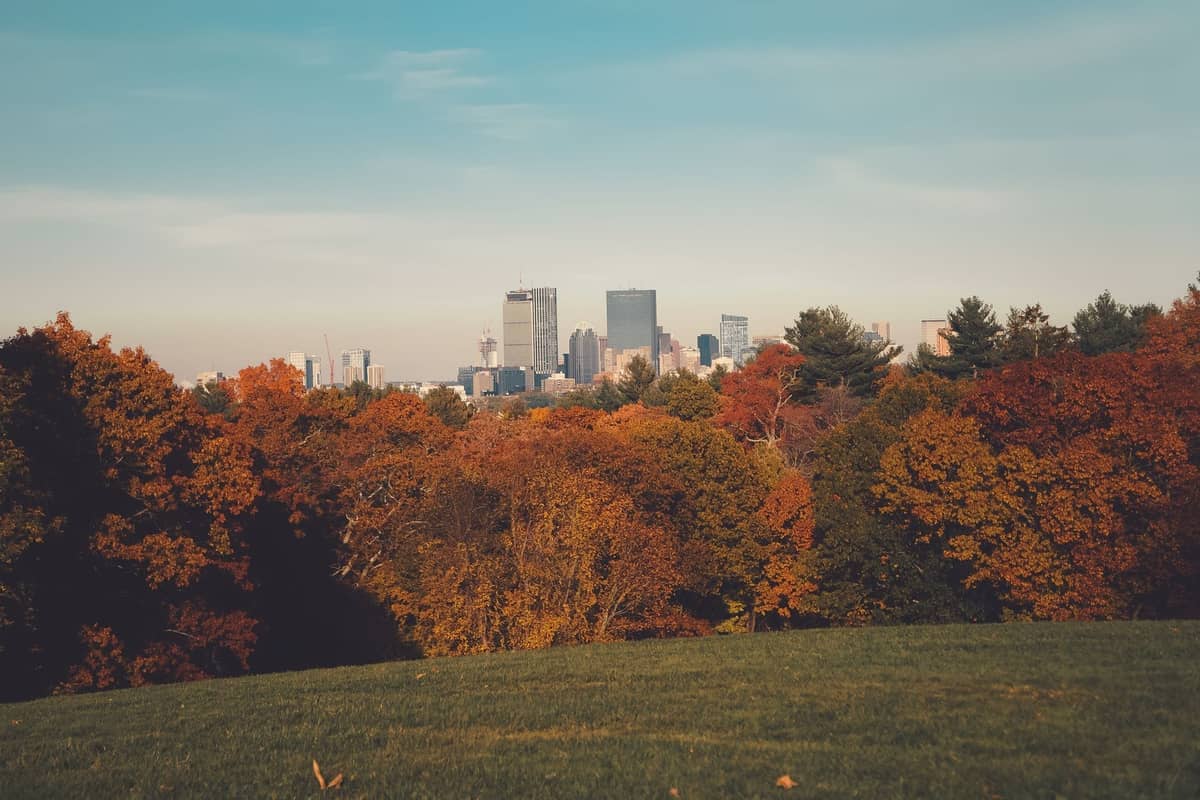
Boston's climate is highly variable. Winters are cold and snowy, with January average highs around 36°F (2°C). Summers are warm but not extreme, with July averaging around 82°F (28°C). The city gets roughly 44-47 inches of precipitation spread fairly evenly across the year, so there is no reliably dry season. Rain gear is worth packing any time of year.
For a weekend trip focused on walking, late spring (May-June) and early fall (September-October) are the strongest choices. May brings the Public Garden tulips and mild temperatures. October means foliage, and the city is particularly photogenic in the Back Bay and Beacon Hill. Summer is peak season: hotel rates climb, the North End gets extremely crowded on weekends, and whale-watching and harbor cruises are fully operational. For a detailed look at what each season offers, see the guides on Boston in fall and Boston in summer.
ℹ️ Good to know
If your weekend happens to fall around a major event, like a Red Sox home series, the Boston Marathon (Patriots' Day weekend in April), or a large convention at the Seaport, expect hotel prices to spike by 30-60% and book at least 4-6 weeks in advance. The same applies to fall foliage weekends in late October.
Winter trips are underrated for visitors who can tolerate the cold. Hotel prices drop significantly from December through February (outside of holidays), the major museums are less crowded, and the city's winter character is genuine rather than performed. Some harbor activities and the Swan Boats shut down, but the Freedom Trail, the MFA, the Gardner, and the indoor food scene are fully operational.
Practical Logistics: What to Know Before You Go
- Electricity: Standard US 120V, 60Hz. Plug types A and B (two flat parallel pins, with or without grounding pin). International visitors will need an adapter.
- Tap water is safe and good quality. Boston Water and Sewer Commission tests exceed federal standards. Skip the bottled water.
- Tipping: 18-20% is standard at sit-down restaurants in Boston. Tip at coffee counters at your discretion (tip jars are common). Taxi and rideshare drivers: 15-20%.
- Emergency number: 911 for police, fire, and medical. Boston area codes are 617 and 857. US country code is +1.
- Currency: USD. ATMs are widely available. Credit cards are accepted almost everywhere, including most food trucks and market vendors.
- Visa: Entry is governed by US federal immigration law. Nationals of Visa Waiver Program countries can apply for ESTA before travel. Check the US Department of State website for current requirements before booking.
FAQ
Is 2 days enough to see Boston?
Two days is enough to cover the essential highlights: the Freedom Trail, one or two major museums, a neighborhood like the North End or Back Bay, and the waterfront. You will not see everything, including outer neighborhoods, Cambridge, or multiple museums. Think of a 2-day trip as a strong introduction that will likely make you want to return.
What's happening in Boston this weekend?
Boston events change weekly. For current Boston weekend events, the most reliable sources are Meet Boston (meetboston.com), which lists festivals, concerts, and seasonal programming, and the event calendars at major venues like Fenway Park, TD Garden, and the Hatch Memorial Shell. The city's arts scene runs year-round, with major events concentrated in summer and fall.
Do I need to book Boston attractions in advance?
For a weekend visit, yes, especially in summer and fall. The Boston Tea Party Ships and Museum, the Isabella Stewart Gardner Museum, and Fenway Park tours all use timed-entry or limited-capacity ticketing. The MFA and Museum of Science are more flexible, but pre-booking still saves time at the door. Buy directly through official websites to avoid third-party markup.
What is the best neighborhood to stay in for a Boston weekend trip?
Back Bay is the most practical base for a first-time visitor: central location, easy T access, walkable to the Public Garden and Newbury Street, and well-supplied with hotels across price ranges. If you want to be closest to the Freedom Trail and historic sites, Downtown or Beacon Hill work well. The Seaport is comfortable but requires a short commute to the historic core.
How do I get from Logan Airport to downtown Boston?
The two best options are the Silver Line SL1 bus (free from airport terminals to South Station, inbound only) and the free Massport Shuttle to Airport Station, then the MBTA Blue Line to downtown. Both take around 25-40 minutes. A taxi to downtown typically runs $25-40 depending on traffic; rideshare fares are similar. A water taxi is available from the Logan dock to Long Wharf and is a scenic alternative, though fares and schedules vary by operator.