Boston in Summer: The Complete Guide to June, July & August
Summer transforms Boston into one of the most active cities on the East Coast, with outdoor concerts, harbor cruises, Red Sox baseball, and a packed events calendar. This guide covers the best things to do in June, July, and August, plus practical advice on heat, crowds, and booking ahead.
Plan and book this trip
Tools from our partner Travelpayouts help you compare flights and hotels. If you book through them, we may earn a commission at no extra cost to you.
Flights
Hotels map
TL;DR
- Boston summers run warm to hot (average highs 77–83°F/25–28°C) with humidity and afternoon thunderstorms — pack sunscreen and a light rain layer.
- 2026 is a major year: Boston hosts 7 FIFA World Cup matches at Gillette Stadium (June 13–July 9), so book hotels and tours well in advance. See our best time to visit Boston guide for seasonal comparisons.
- Top summer priorities: Freedom Trail, Fenway Park, Boston Harbor Islands, Charles River kayaking, and outdoor concerts at the Hatch Shell.
- Children 11 and under ride the MBTA free with a paying adult (up to 2 per adult) — a real budget advantage for families.
- Summer is peak tourist season: weekend crowds at Faneuil Hall Marketplace and the North End can be intense — plan popular sites for weekday mornings.
What Boston Summer Weather Actually Feels Like
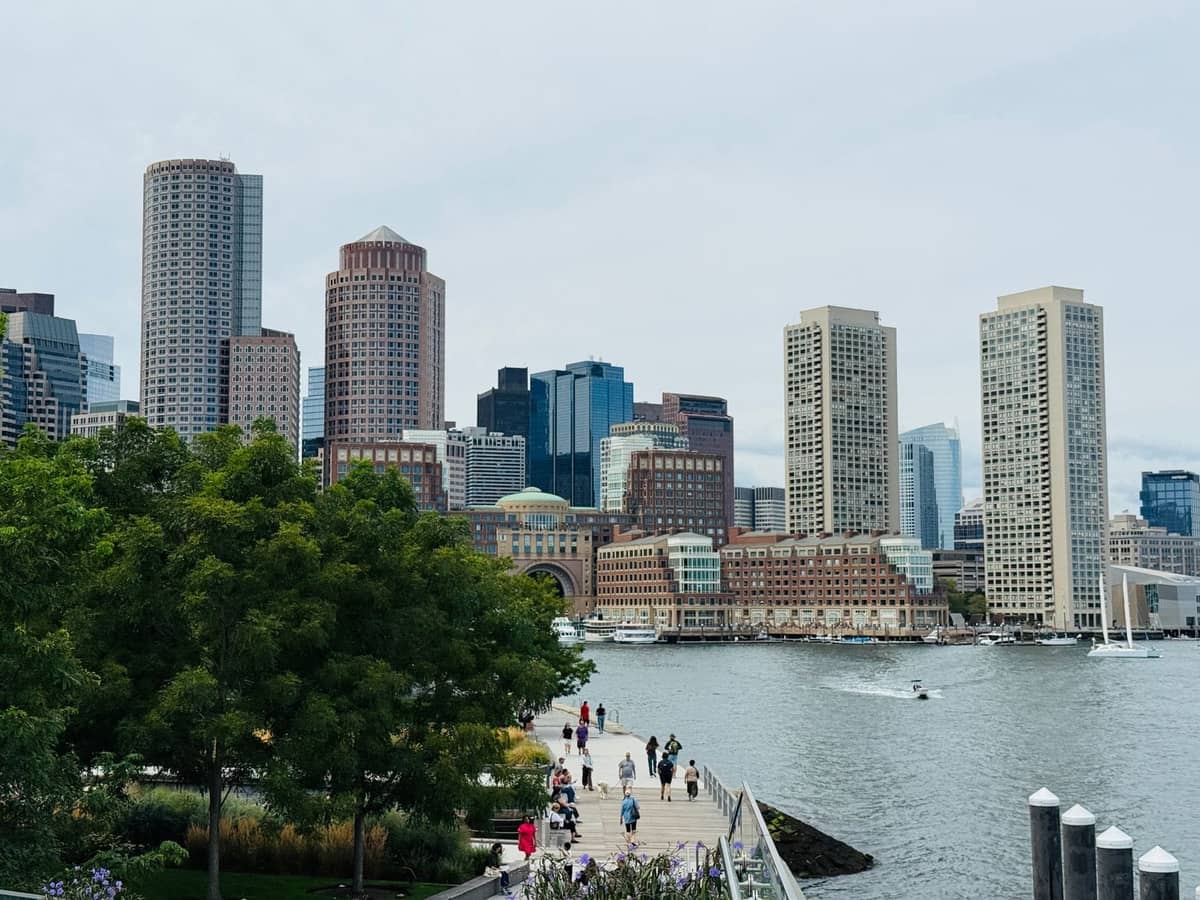
Boston has a humid continental climate, which means summers are consistently warm and often muggy rather than the breezy coastal escape some visitors expect. July is the hottest month, with average highs around 82°F (28°C) and lows around 67°F (19°C). Heat waves pushing into the low-to-mid 90s°F (32–35°C) happen several times each summer, and the harbor humidity makes it feel hotter than the thermometer suggests. June is the most pleasant of the three months, with temperatures in the upper 70s°F and lower humidity. August stays hot and adds more frequent afternoon thunderstorms.
Rainfall is spread fairly evenly through the year with no true dry season — monthly averages run around 3–4 inches even in summer. The practical implication: afternoon showers can materialize quickly, especially in July and August. If you are spending a full day outdoors on the Freedom Trail or the Harbor Islands, bring a packable rain jacket. Morning hours are almost always cleaner weather than afternoons, so front-load outdoor walking on hot or unstable days.
⚠️ What to skip
Heat waves into the 90s°F (32–35°C) are common in July and August. If you are doing extended walks like the full Freedom Trail (2.5 miles) or the Emerald Necklace, start before 10am, carry water, and identify shaded rest stops in advance. Boston Common has limited shade in its central areas.
The Best Outdoor Activities in Summer
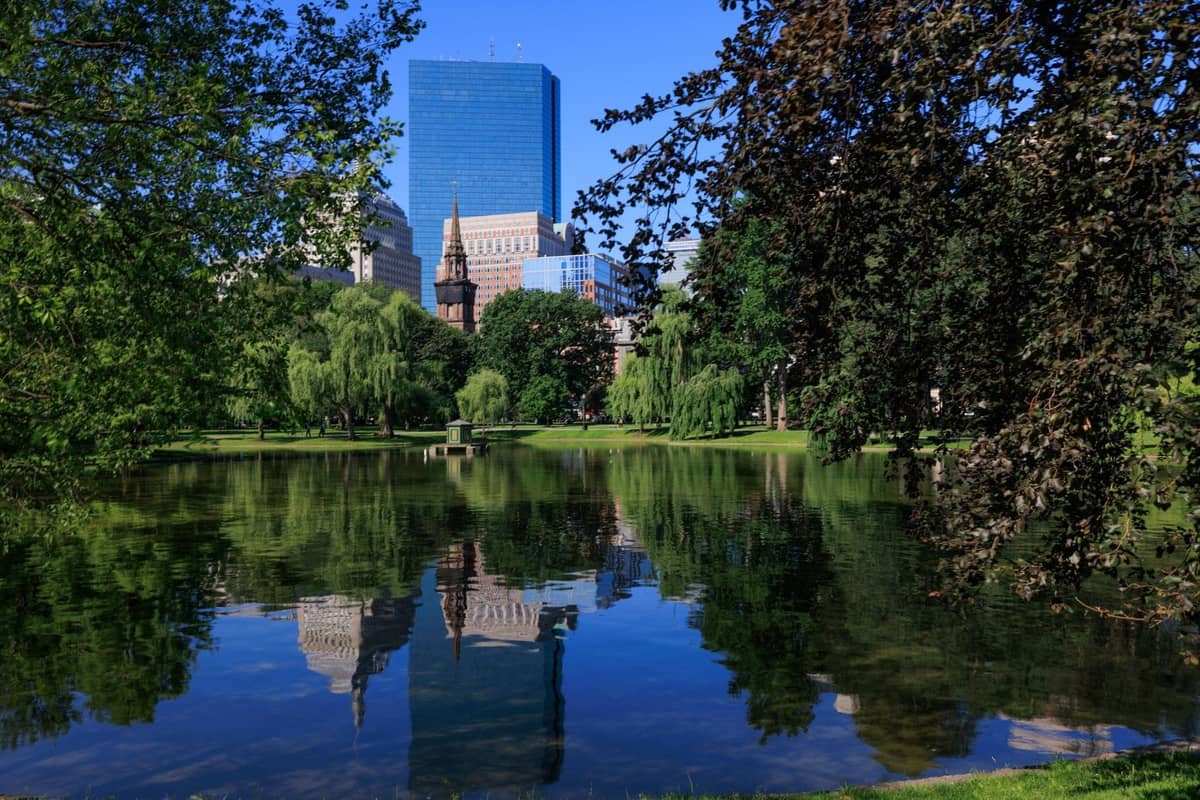
The Freedom Trail is Boston's signature walking route: a 2.5-mile red-brick path connecting 16 historic sites from Boston Common to the Bunker Hill Monument in Charlestown. In summer, most sites extend their hours and the Freedom Trail Foundation runs guided tours with costumed interpreters. The full trail takes 2.5–3 hours at a steady pace, but most visitors do it in segments over two days, especially in heat. Start at the Boston Common visitor center and pick up a free map before you head out.
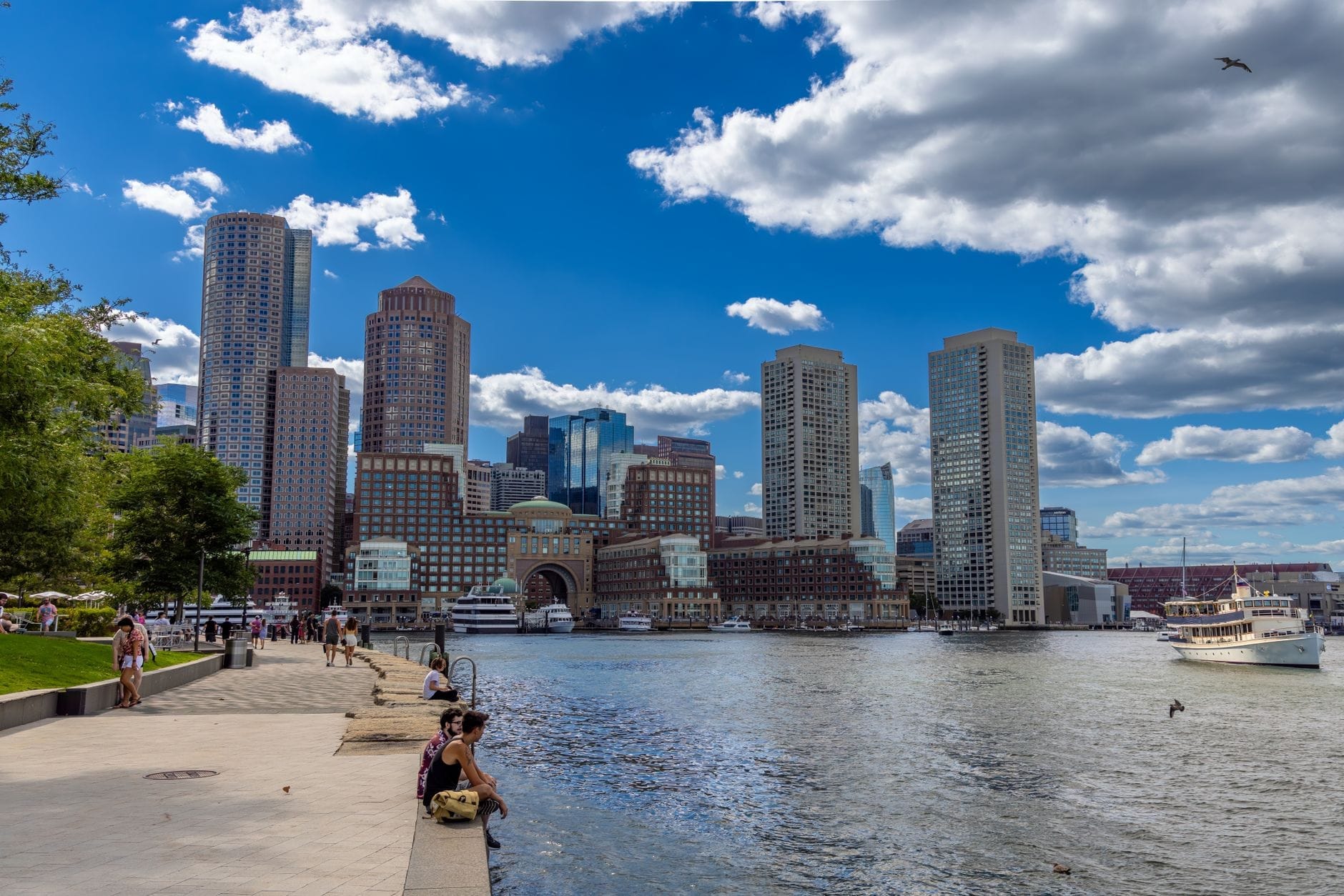
On the water, the Boston Harbor Islands are one of summer's best-kept practical advantages. Seasonal ferries depart from Long Wharf and connect to Georges Island, Spectacle Island, and others. Spectacle Island has a swimming beach, a café, and views back toward the downtown skyline that are especially striking. Ferry schedules run from late spring through Columbus Day weekend, and tickets sell out on summer weekends, so book through the official Harbor Islands site in advance. The ferry ride itself takes about 30–40 minutes and counts as a harbor cruise.
For something more active, kayak and canoe rentals on the Charles River Esplanade are widely available through outfitters like Paddle Boston, which operates out of multiple locations including the Esplanade and Kendall Square. A single kayak rental runs around $20–25 per hour. The stretch of river between the Longfellow Bridge and the BU Bridge is calm, scenic, and enjoyable even for first-timers. Early morning paddling before 9am keeps you ahead of the heat and the boat traffic.
- Swan Boats, Public Garden Pedal-boat rides on the lagoon run mid-April through Labor Day, with each ride lasting about 10–15 minutes. Tickets are sold onsite at the dock. Worth doing once, especially with children, but lines get long on weekend afternoons.
- Hatch Memorial Shell Concerts The Esplanade hosts free outdoor concerts throughout summer, including the iconic Boston Pops Fourth of July concert. Arrive hours early for July 4th — crowds routinely exceed 500,000. Weeknight concerts are far more relaxed.
- Arnold Arboretum Part of the Emerald Necklace park system in Jamaica Plain, the Arboretum is free to enter year-round and offers 281 acres of trees and walking paths. Summer mornings here are cooler than downtown and far less crowded.
- Castle Island, South Boston A free park on a peninsula in South Boston with a historic fort (Fort Independence), a fishing pier, and a beloved snack bar (Sullivan's). Local families come here on hot weekdays specifically because it catches harbor breezes.
- Revere Beach America's first public beach is about 20 minutes from downtown on the MBTA Blue Line. Water temperatures reach the low-to-mid 60s°F in summer — refreshing rather than warm. The annual International Sand Sculpting Festival in late July draws large crowds.
Major Summer Events Worth Planning Around
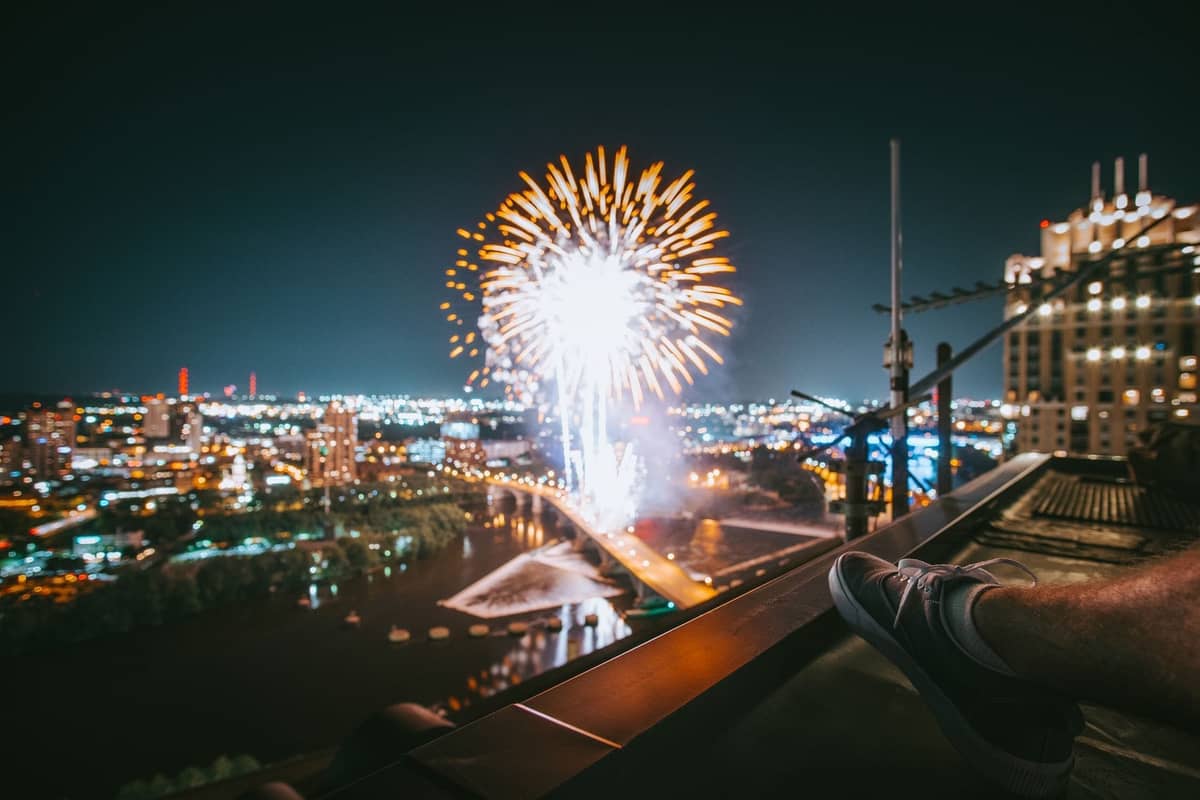
The Fourth of July is Boston's signature summer event, anchored by the Boston Pops concert and fireworks at the Hatch Memorial Shell on the Esplanade. The fireworks display over the Charles River is broadcast nationally on public television and attended by massive crowds along both the Boston and Cambridge riverbanks. If you are in the city that week, the full Boston Fourth of July guide covers viewing spots, crowd logistics, and what to realistically expect.
The North End's Italian street festivals run on weekends throughout July and August, honoring various saints with outdoor processions, food vendors, and live music. The Feast of St. Anthony (late August) and the Feast of the Madonna della Cava are among the largest. These feasts are distinctly local, lively events, not tourist productions — show up, eat a cannoli, and watch the neighborhood operate. Parking in the North End during feasts is essentially impossible; take the T or walk from the waterfront.
In 2026, Boston serves as a FIFA World Cup host city, with 7 matches scheduled at Gillette Stadium in Foxborough (about 30 miles south of Boston, reachable by commuter rail from South Station) between June 13 and July 9. This is not a minor footnote. Hotel rates across Greater Boston during match days and surrounding weekends will be elevated significantly, and popular attractions will be busier than usual. If your travel dates overlap with World Cup match days, book accommodation at least several months in advance and confirm transportation options early.
ℹ️ Good to know
North End Italian feasts run most summer weekends from mid-July through late August. Check Meet Boston's events calendar (meetboston.com) to find specific feast dates for your travel week — they shift slightly year to year.
Red Sox, Fenway Park, and Summer Sports
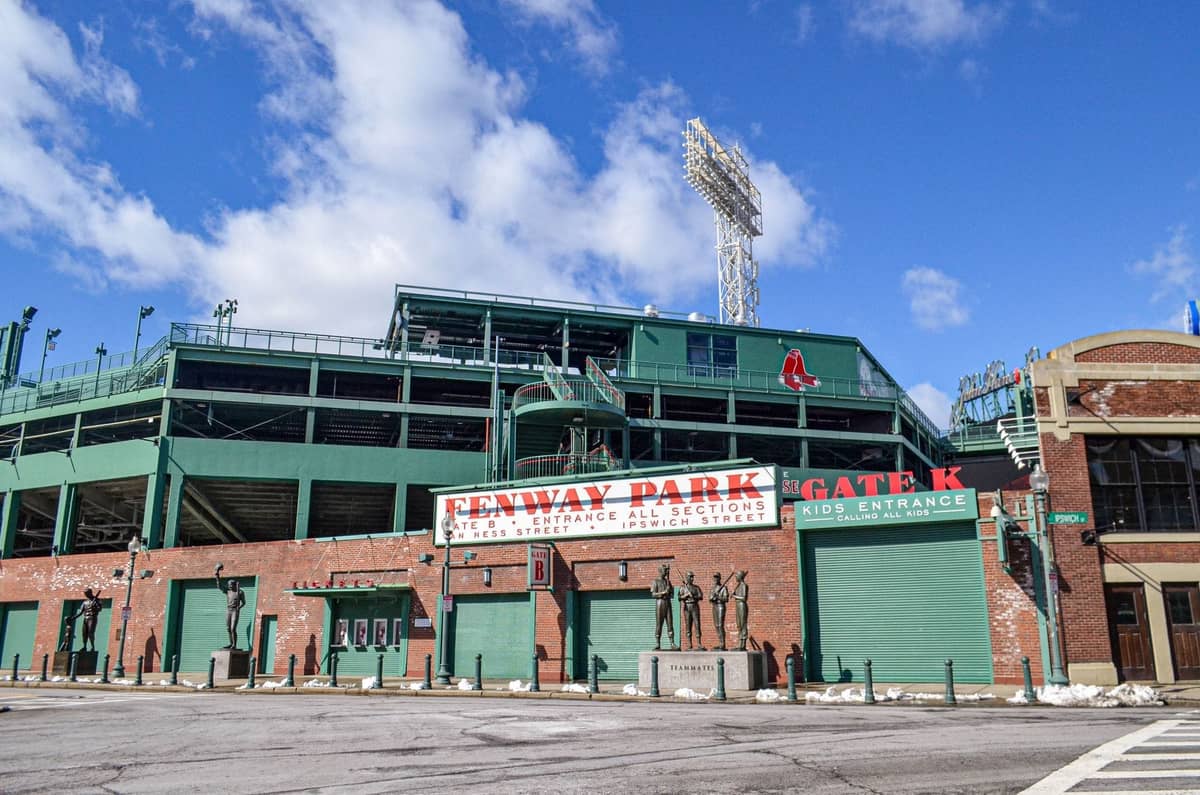
Summer in Boston is inseparable from baseball. The Red Sox MLB regular season runs April through September, with home games at Fenway Park in the Fenway-Kenmore neighborhood. Fenway is the oldest ballpark in Major League Baseball (opened 1912) and a atmospheric place to watch a game, regardless of your interest in baseball. Tickets are sold through the official Red Sox site; premium games against the Yankees and playoff-contention late-season games sell out quickly. Bleacher seats start around $30–40 for weekday games; field-level seats against marquee opponents can exceed $150.
Ballpark tours run daily in the mornings and are an excellent option if game tickets are unavailable or too expensive — you get access to the press box, the warning track, and the iconic Green Monster without paying full ticket prices. Tours run around $25 for adults. The Fenway neighborhood itself rewards a few extra hours: Lansdowne Street has bars and restaurants, and the area around Boylston Street and the Fens is walkable and interesting before or after a game.
✨ Pro tip
For the best Fenway value, target weekday afternoon games against non-division opponents in June. These often have the most available seats, lower prices, and smaller crowds — ideal for first-timers who want to absorb the atmosphere without fighting post-game subway congestion.
Museums, Culture, and Indoor Alternatives
When the heat or a thunderstorm pushes you indoors, Boston's museum concentration is among the strongest of any American city. The Museum of Fine Arts Boston is one of the largest encyclopedic art museums in the country, with a permanent collection spanning Egyptian antiquities to American modernism. General admission is $30 for adults; the museum offers $5 minimum pay-what-you-wish admission on the third Thursday of each month after 5 p.m. Plan two to three hours minimum for a serious visit.
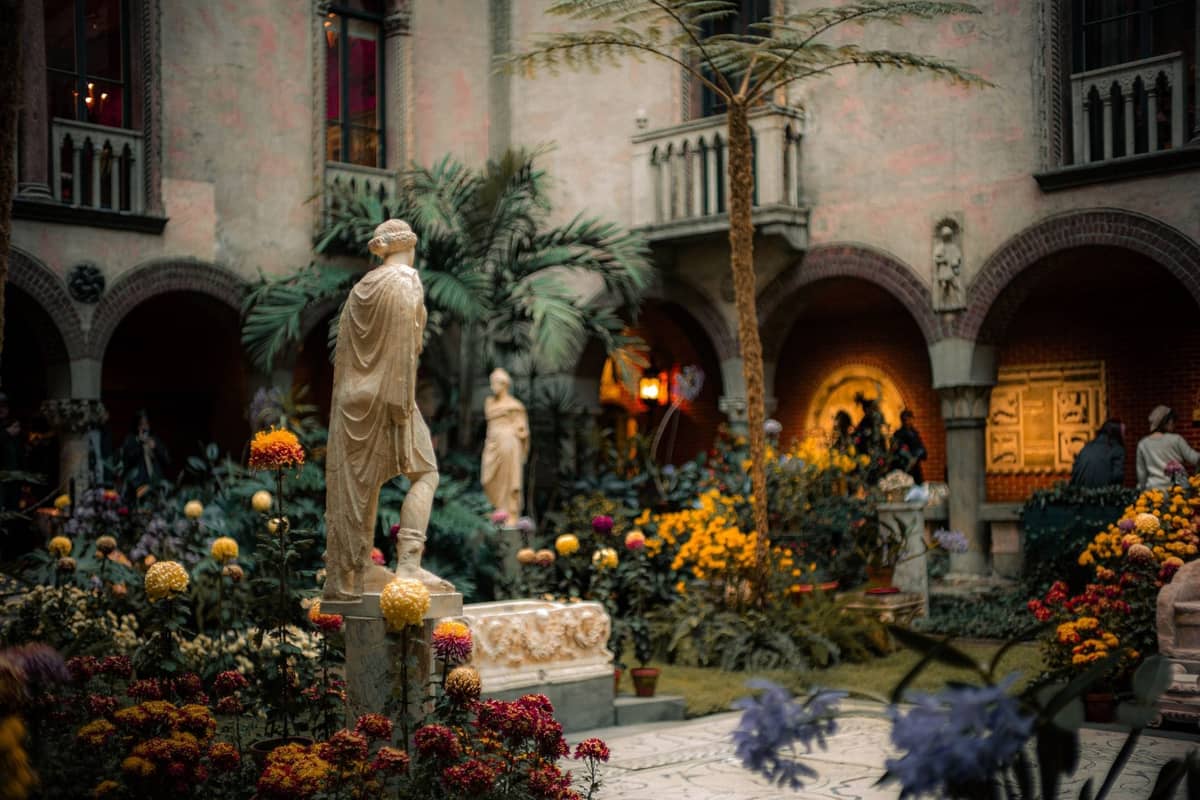
For something more unusual, the Isabella Stewart Gardner Museum in the Fenway neighborhood is a deeply idiosyncratic Venetian-style palazzo built around a central courtyard garden. The courtyard flowers in summer, making this one of the most atmospheric indoor spaces in the city. The collection includes Rembrandt, Vermeer, Titian, and Sargent. Admission is $22 for adults; visitors named Isabella get in free (a standing policy the museum has maintained for years). The Museum of Science Boston near the Charles River dam is excellent for families and has air conditioning that is particularly welcome on 90-degree days.
- New England Aquarium Located on the Central Wharf with a four-story ocean tank as its centerpiece. Also the departure point for whale watching cruises with the Aquarium's partner operator — humpbacks are regularly spotted in Stellwagen Bank, about 30 miles offshore. Whale watches take approximately 3–3.5 hours total.
- Boston Public Library, Copley Square One of the finest public library buildings in the country, with a McKim building dating to 1895 and free access to its courtyard and reading rooms. The murals and architecture alone justify a 30-minute visit. Free to enter.
- Institute of Contemporary Art Located on the Seaport waterfront with harbor views from its cantilevered glass building. Strong rotating exhibitions and a permanent collection focused on work from 1996 onward. Closed Mondays; check current exhibition schedule.
- Boston Tea Party Ships and Museum An interactive experience on the Congress Street Bridge with replica ships and actors playing colonists. It runs about 90 minutes and is solidly educational, though admission is on the higher end (around $35 for adults). Best for those with a specific interest in colonial history rather than casual visitors.
Getting Around Boston in Summer: Practical Logistics
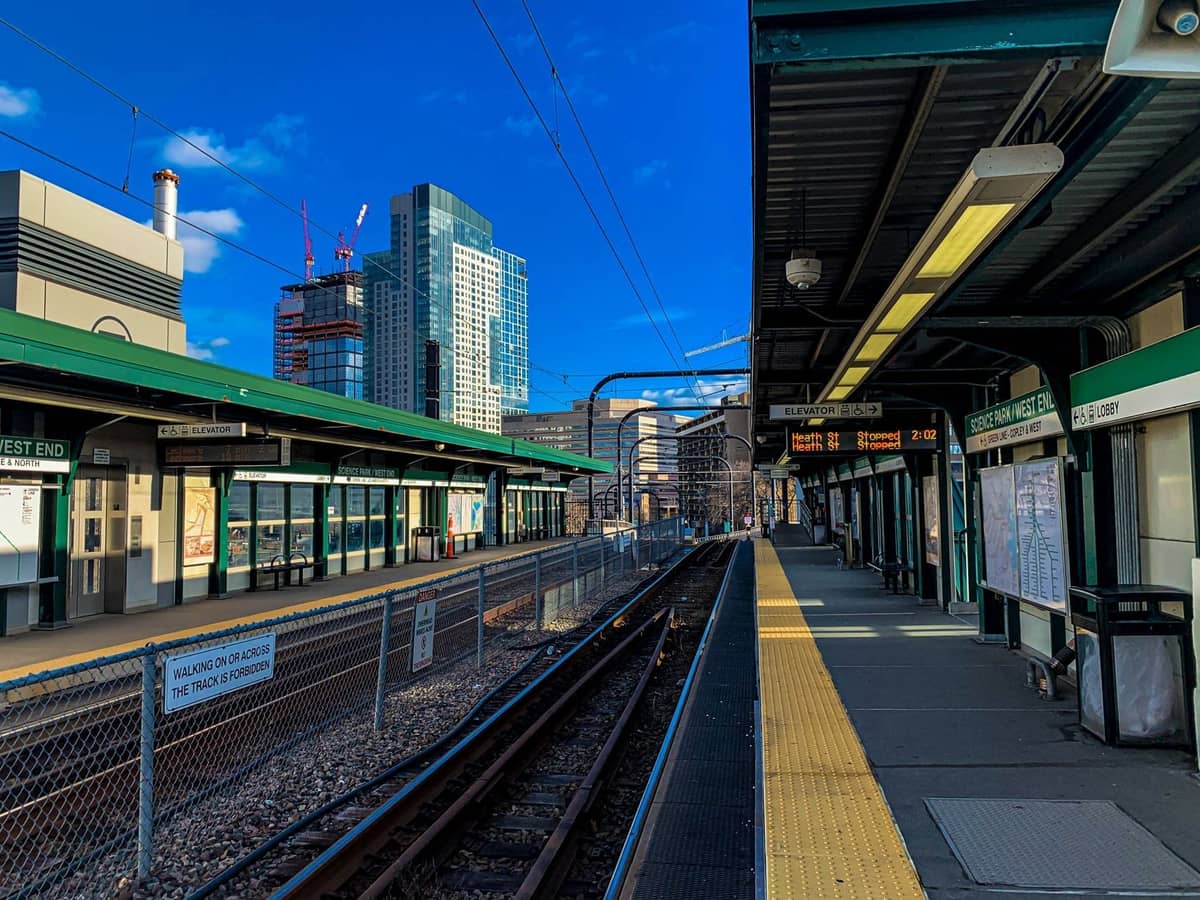
Boston is compact and walkable: the distance from Boston Common to the North End is under a mile, and most of the historic core can be covered on foot. The MBTA subway ("the T") covers everything the legs don't, with four color-coded lines serving nearly every visitor-relevant neighborhood. The Blue Line connects the airport to downtown in about 15 minutes; the Green Line serves Back Bay, Fenway, and the museum district. For a full breakdown of routes and neighborhoods, the getting around Boston guide covers fares, CharlieCard setup, and which neighborhoods are walkable versus T-dependent.
Children 11 and under ride the T free with a paying adult (up to 2 children per adult), which meaningfully reduces transit costs for families. Rideshare apps (Uber and Lyft) operate city-wide and are useful for late-night returns or trips to neighborhoods like Jamaica Plain that require transfers on the T. Driving and parking in Boston in summer is actively discouraged: garage rates in downtown, Back Bay, and the Seaport routinely exceed $40–50 per day, and traffic on summer weekends near Fenway or the Esplanade can be severe.
Flying in through Logan International Airport (BOS), located about 3 miles from downtown in East Boston? The Silver Line SL1 bus rapid transit runs directly from all terminals to South Station with no fare required when boarding at the airport. Alternatively, free Massport shuttle buses connect terminals to Airport Station on the Blue Line. For more detail on options and typical costs, see the Boston airport transportation guide.
Planning Your Summer Trip: Booking and Budget Advice
Summer is Boston's peak tourist season, and prices reflect it. Mid-range hotel rooms in Back Bay or downtown often average $250–$400 per night in July; budget options and Airbnb alternatives in neighborhoods like Cambridge or Somerville can run $150–$220. The where to stay in Boston guide breaks down neighborhoods by price point and proximity to major sights.
For visitors watching their budget, Boston has a surprising amount of free content in summer: the Freedom Trail itself is free to walk, the Boston Common and Boston Public Garden cost nothing, Hatch Shell concerts are free, and Castle Island is free. The free things to do in Boston guide compiles the full list. The Boston CityPASS and Go City passes can offer savings if your itinerary includes multiple paid attractions like the Aquarium, the MFA, and the Museum of Science — run the math against your specific plans before buying.
💡 Local tip
Book Harbor Islands ferry tickets, whale watching trips, and popular guided Freedom Trail tours at least 1–2 weeks in advance for summer weekends. These sell out regularly, and same-day walk-up availability is not guaranteed. For 2026 FIFA World Cup weeks (June 13–July 9), extend that lead time significantly for all accommodation and tours.
FAQ
How hot does Boston get in summer?
July averages a high of about 82°F (28°C), but heat waves pushing into the low-to-mid 90s°F (32–35°C) occur several times each summer. Humidity compounds the heat, making long outdoor days more taxing than the temperature alone suggests. Early mornings are reliably cooler; plan strenuous outdoor activities before 10am.
Is summer a good time to visit Boston?
Yes, with realistic expectations. Summer offers the most outdoor activities, the full Red Sox season, harbor islands access, and a packed events calendar. The trade-offs are peak prices, larger crowds at major sites, and genuine heat. Late May and early September offer similar activity options with fewer crowds and lower hotel rates. In 2026, FIFA World Cup match weeks (June 13–July 9) will add significant pressure on accommodation.
What is the Fourth of July like in Boston?
The Boston Pops Fourth of July concert and fireworks on the Esplanade is one of the largest Independence Day celebrations in the United States, drawing crowds exceeding 500,000 along the Charles River. The fireworks are spectacular but the logistics require planning: arrive 3–4 hours early to secure a good viewing position, expect T delays post-event, and note that much of the waterfront is closed to vehicle traffic. Hotels in the city sell out weeks or months in advance for July 4th weekend.
What should I do if it rains in Boston in summer?
Boston's indoor options are strong. The Museum of Fine Arts, the Isabella Stewart Gardner Museum, the Museum of Science, and the New England Aquarium are all full-day destinations. Faneuil Hall Marketplace has substantial covered space. The Boston Public Library's McKim Building is free and architecturally worth visiting on its own. Most summer rain comes as afternoon thunderstorms that pass within an hour, so flexibility rather than cancellation is usually the right approach.
How do I get to the Boston Harbor Islands?
Seasonal ferries depart from Long Wharf (near the New England Aquarium) and from several other points. They run from late spring through Columbus Day weekend. Spectacle Island and Georges Island are the most popular destinations. Tickets are sold through the Boston Harbor Islands official partnership site and do sell out on summer weekends — book in advance. The ferry ride from Long Wharf takes approximately 30–40 minutes to Spectacle Island.