Boston Harbor Islands: Ferries, Forts, and Open Water Just Minutes from the City
Boston Harbor Islands National and State Park puts 34 islands and peninsulas within easy ferry reach of downtown Boston. From Civil War earthworks on Georges Island to the oldest lighthouse station in the United States on Little Brewster, the park rewards visitors who are willing to trade the city's brick sidewalks for salt air and open water.
Quick Facts
- Location
- Boston Harbor, MA — ferries depart from Long Wharf, downtown Boston
- Getting There
- Aquarium Station (MBTA Blue Line), then a short walk to Long Wharf ferry terminal
- Time Needed
- Half-day minimum for one island; full day or overnight for two or more
- Cost
- Island access is free; ferry tickets required (prices vary by route — verify before visiting). Camping from $8/night (MA residents) to $140/night (large yurt, non-residents)
- Best for
- Outdoor explorers, history enthusiasts, families, photographers, campers
- Official website
- www.bostonharborislands.org
What Is Boston Harbor Islands National and State Park?
Boston Harbor Islands National and State Park is a federally and state-designated park encompassing 34 islands and peninsulas spread across Boston Harbor, covering roughly 1,482 acres. Congress formally established the Boston Harbor Islands National Recreation Area on November 12, 1996, recognizing a collection of landmasses that had been used for everything from Native American fishing to military fortification to sewage treatment before a major harbor cleanup transformed public access in the late twentieth century.
Most visitors never realize how close these islands are to the financial district skyline they can see from the ferry deck. The crossing from Long Wharf to Spectacle Island takes roughly 30 minutes; to Georges Island, closer to 45. Within that span, the density and noise of downtown Boston give way to wind, shorebirds, and the particular quiet of open water.
ℹ️ Good to know
The park is a partnership between the National Park Service, Massachusetts Department of Conservation and Recreation, and the Boston Harbor Islands Partnership. The main public ferry terminal is at Long Wharf, downtown Boston, a short walk from Aquarium Station on the MBTA Blue Line. Confirm current ferry schedules and fares at bostonharborislands.org before you go — routes and seasonal timetables change each year.
The Islands Worth Your Time
Spectacle Island: The Gateway Island
Spectacle Island is the most visitor-ready of the public islands and the logical first stop for anyone new to the park. The ferry drops you at a modern visitor center with restrooms, a seasonal café, and kayak rentals. From the dock, the two drumlins that give the island its distinctive profile are immediately obvious. A network of trails climbs the higher of the two hills (about 157 feet above sea level at its peak), offering the best unobstructed views of the Boston skyline in the harbor, framed by open water on all sides.
In the morning, particularly on weekdays in late May or September, the island can feel almost private. By midday on a summer weekend, the beach fills quickly and the picnic tables near the visitor center are claimed early. The swimming beach is lifeguarded during peak season, and a beach wheelchair is available for visitors with mobility needs, making Spectacle the most accessible island in the park. The trails are well-maintained gravel paths, though the hill ascent involves a modest climb that can be slippery after rain.
The island's history is less picturesque than its current state suggests. For decades it was a city dump and then a landfill for debris from Boston's Big Dig highway project. The capping and landscaping of that landfill into a park is one of the more dramatic environmental reversals in the region's recent history. The clay-rich soil and the disturbed ground mean wildflowers colonize quickly; in summer, the slopes above the beach are dense with goldenrod and wild rose.
Georges Island and Fort Warren: Civil War History in the Harbor
Georges Island is the hub for inter-island ferry connections, which makes it a practical stop even if you plan to continue elsewhere. The island is dominated by Fort Warren, a pentagonal granite fortification begun in 1833 and used as a Union prison during the Civil War. The fort held Confederate officers and, famously, the sons of several Virginia secessionists. The stonework is in remarkable condition for its age, and the vaulted casemates create a cool, damp atmosphere even on hot summer days.
Walking the fort's perimeter takes about 30 to 40 minutes at a relaxed pace. The interior corridors are dark enough that a flashlight is useful, not just a novelty. Bring one. The grassy parade ground at the center of the pentagon is a good spot for lunch, sheltered from harbor wind by the ramparts on all sides. Ranger programs run periodically through the summer season; check the NPS schedule in advance if a guided tour is important to your visit.
Little Brewster Island: Boston Light
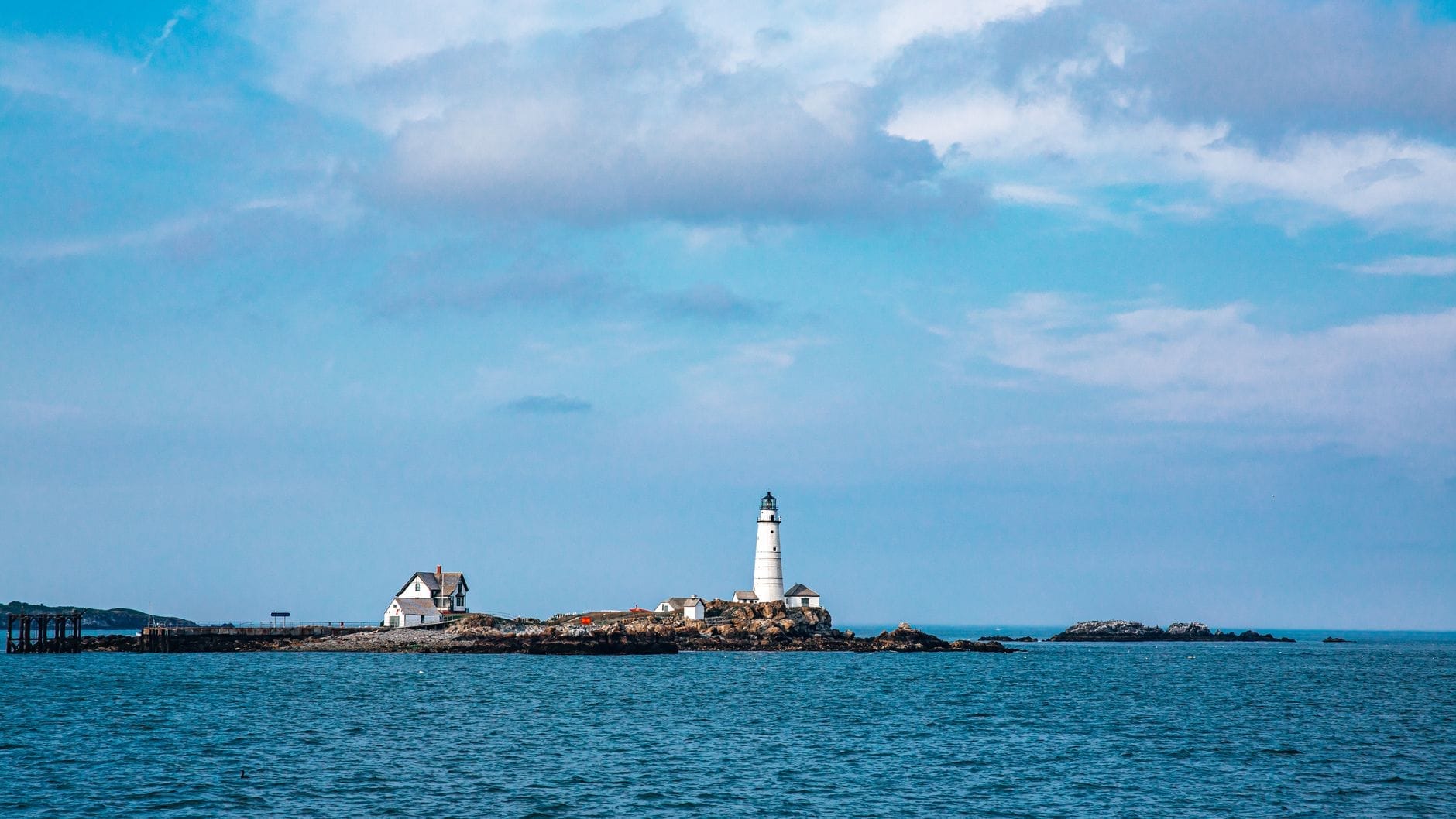
Little Brewster Island is not accessible via the standard public ferry. It requires a separate, ranger-led boat tour that operates on a limited schedule from late June through early October and must be booked in advance through the NPS. The draw is Boston Light, established in 1716 and recognized as the oldest lighthouse station in the United States. The current tower, rebuilt after British forces destroyed the original in 1776, dates to 1783. Visitors who make the trip can climb the 76-step spiral staircase to the lantern room, a narrow and rewarding ascent. Demand for these tours consistently exceeds availability; book early.
Peddocks Island: The Wilder Option
Peddocks is the largest of the park's public islands at roughly 188 acres, and it has a different character from Spectacle or Georges. Fort Andrews, a Spanish-American War-era military post, occupies much of the eastern headland; the crumbling concrete barracks and battery emplacements have a post-industrial atmosphere that draws photographers and urban exploration enthusiasts. The fort structures are in varying states of decay and not all areas are open to the public, so pay attention to posted boundaries.
Peddocks is also the primary camping island. Sites range from standard tent pitches to large yurts, and the island has portable toilets and a seasonal water supply, though amenities are basic. The campground sits in a wooded area above the beach on the western side, and waking up to the sounds of harbor seabirds with no city noise is the closest thing to a wilderness experience accessible by public transit in Greater Boston.
Tickets & tours
Hand-picked options from our booking partner. Prices are indicative; availability and final rates are confirmed when you complete your booking.
Boston Harbor Historic Sightseeing Cruise
From 38 €Instant confirmationHarborwalk and tea party self-guided audio tour in Boston
From 7 €Instant confirmationFree cancellationDay Trip to Martha's Vineyard from Boston with optional Island tour
From 106 €Instant confirmationFree cancellationGuided tour of Boston revolutionary sites with harbour cruise
From 144 €Instant confirmationFree cancellation
How to Get There
Take the MBTA Blue Line to Aquarium Station and walk approximately five minutes north along the waterfront to Long Wharf. The Boston Harbor Islands Welcome Center at Long Wharf is typically open daily from 9:00 to 17:00 during the peak operating season, though hours can vary and should be confirmed in advance. Ferries run to Spectacle and Georges islands from Long Wharf; inter-island ferries connect Georges Island to Peddocks, Lovells, Bumpkin, and Grape islands. If you want to explore Spectacle Island and then continue to Georges in the same day, check the inter-island schedule carefully before departure, as boats do not run continuously.
Thompson Island is reached via a separate ferry from the EDIC Pier in South Boston, operated by Thompson Island Outward Bound Education Center. Private boats can access several additional islands not served by the public ferry system, including Grape, Bumpkin, and Lovells. There is no parking on any island; mainland parking is available near Long Wharf at commercial garages, though arriving by transit is straightforward and eliminates that cost.
⚠️ What to skip
Ferry schedules are seasonal and change each year. The public ferry typically operates from May through October. Outside this window, most islands are effectively inaccessible to visitors without a private boat. Verify current schedules and book ferry tickets in advance during peak summer weekends, when boats sell out.
When to Visit: Seasons and Conditions
Late May and early June offer the park at something close to its best: the crowds are lighter than midsummer, the harbor is glassy on calm days, and the island vegetation is at its greenest before the summer heat dries out the hillsides. September is equally compelling for the same reasons, with the added advantage of warmer water temperatures for swimming. July and August bring reliable ferry service and longer days but also the largest crowds, especially on Spectacle Island's beach.
Weather in Boston Harbor is highly variable. A bright morning can turn overcast and cool within an hour once a sea breeze picks up. Afternoon thunderstorms are a real possibility in summer. Bring a layer regardless of how warm it is onshore, and check the marine forecast before departure. On rough days, ferries may be delayed or canceled; the crossing is generally calm in protected harbor conditions but uncomfortable when winds exceed 20 knots.
For a broader look at how Boston's seasonal calendar affects outdoor activities, the Boston outdoor activities guide covers the harbor islands alongside parks, beaches, and trails across the city.
Photography, Wildlife, and What to Bring
The park is one of the better spots in the Boston area for skyline photography precisely because you can get distance from the city. The view from Spectacle Island's upper trail, looking northwest toward downtown, captures the full skyline reflected in harbor water in the early morning, when the light is coming from the east behind you. In the golden hour before sunset, the same view has warm light on the buildings but requires you to plan your return ferry carefully.
Shorebirds are abundant throughout the season. Great blue herons are commonly spotted in the shallows near Peddocks. The harbor supports harbor seals, most visible on rocky ledges near the outer islands in early spring before peak season begins. Bring binoculars if wildlife is a priority. The water clarity around Spectacle has improved dramatically since the harbor cleanup, and snorkeling is possible, though currents near the ferry docks warrant caution.
- Wear layers: harbor wind can drop the apparent temperature 10 degrees below what it feels onshore
- Bring sunscreen: there is limited shade on most islands outside forested areas on Peddocks
- Carry cash or load your ferry tickets in advance — Long Wharf can get backed up on summer weekend mornings
- Pack food and water for a full day: island cafes and snack stands operate seasonally and may sell out by early afternoon
- Wear closed-toe shoes for fort exploration; flip-flops are fine for the beach but poor for trail walking or casemate corridors
Camping and Overnight Options
Camping is available on selected Boston Harbor Islands, including Peddocks Island; verify current availability directly with Massachusetts DCR, as campsite operations have changed over recent seasons. Sites range from basic tent pitches to large yurts that sleep multiple people. Sample rates from 2023 listed standard tent campsites at $8 per night for Massachusetts residents and $20 for non-residents, with large yurts at $55 (residents) and $140 (non-residents) per night. Resident status is determined by vehicle license plate. Book well in advance: Peddocks camping fills quickly in summer.
Camping on the harbor islands is a distinctly different experience from mainland campgrounds, but go in with clear expectations. Facilities are primitive: composting toilets, limited potable water, no electricity. The last ferry back to Boston departs in the late afternoon, so once you are there overnight, you are there until morning. For families considering the experience, the Boston with kids guide includes additional family-friendly outdoor options across the city.
How Boston Harbor Islands Fits Into a Boston Trip
The islands work best as a dedicated half-day or full-day excursion rather than a quick add-on to a city walk. If you are spending multiple days in Boston and want to see the harbor from water level rather than from a hotel window, this is the most substantive option available. For a broader perspective on Boston's waterfront, the Boston Harborwalk connects many of the city's waterfront neighborhoods and includes direct views of the islands from shore.
Visitors interested in the harbor's history may also want to pair the islands with a visit to the Boston Tea Party Ships and Museum, which tells the story of how Boston Harbor became the symbolic center of American colonial resistance. The harbor's contemporary renaissance — from industrial waste site to federal recreation area — is one of the more striking environmental turnarounds in U.S. urban history, and understanding that context adds considerably to the experience of standing on Spectacle Island's restored hillsides.
💡 Local tip
In practice: the islands are not a polished experience. Facilities are basic, inter-island ferry timing requires planning, and some islands are in rough condition. If you want a comfortable, well-interpreted attraction, the New England Aquarium or a harbor cruise may suit you better. The islands reward visitors who come prepared, flexible, and willing to spend real time rather than rushing through a checklist.
Insider Tips
- Book the Boston Light ranger tour to Little Brewster Island as far in advance as possible — it runs on a limited schedule between late June and early October and sells out quickly. This is one of the most historically significant lighthouse sites in the country, and the guided access makes it worth the planning effort.
- On summer weekend mornings, the Long Wharf ferry line forms before the ticket window opens. Arrive at least 30 minutes before your intended departure, or buy tickets online in advance. The first boat of the day is usually the least crowded.
- Pack a flashlight for Fort Warren on Georges Island. The casemate corridors are authentically dark, and a phone torch creates awkward light for photography while a small LED flashlight makes the space far more navigable and enjoyable.
- If the weather is borderline, go anyway. Overcast days with low cloud reduce glare on the water, which is better for photography, and the crowds drop significantly on partly cloudy days even when conditions are perfectly fine for a harbor crossing.
- For inter-island hopping, study the inter-island ferry schedule before you leave the mainland, not on the boat. Connections are not guaranteed and gaps between boats can mean waiting 90 minutes or more on a smaller island with limited shade and facilities.
Who Is Boston Harbor Islands For?
- Outdoor explorers who want a genuine change of scenery from Boston's urban core without leaving the metro area
- History enthusiasts with interest in Civil War fortifications, colonial maritime history, or lighthouse preservation
- Families looking for a beach day with a ferry ride built in, particularly suited to kids aged 6 and up who can manage trails
- Photographers seeking unobstructed Boston skyline views from water level, especially in early morning or late afternoon light
- Campers and overnight travelers who want a primitive but accessible harbor camping experience reachable by public transit
Nearby Attractions
Combine your visit with:
- Arnold Arboretum
Founded in 1872, the Arnold Arboretum is the oldest public arboretum in North America — a free, 281-acre landscape in Jamaica Plain managed by Harvard University. With over 15,000 accessioned plants and sweeping hillside views, it draws botanists, dog walkers, and curious visitors in equal measure across all four seasons.
- Blue Hills Reservation
Ten miles south of downtown Boston, Blue Hills Reservation spreads across more than 7,000 acres of forested hills, rocky ridgelines, and glacial wetlands. Free to enter and open year-round from dawn to dusk, it offers 125 miles of trails ranging from easy pond-side loops to a genuine summit climb at 635-foot Great Blue Hill.
- Boston Duck Tours
Boston Duck Tours puts you aboard a replica World War II DUKW amphibious vehicle for an 80-minute circuit of the city's most historic landmarks, finishing with a splash into the Charles River. Running seasonally from late March through late November, it's one of the few tours in Boston that covers both street-level sights and a Charles River perspective in a single trip.
- Castle Island
Castle Island is a 22-acre state park in South Boston where a granite fort built between 1834 and 1851 anchors one of the city's most satisfying free outings. The park sits along Pleasure Bay, connected to the mainland by walkways, and offers harbor views, a loop walk popular with locals, and seasonal guided tours of Fort Independence.