Solo Travel in Boston: The Complete Guide to Tips, Safety & Best Experiences
Boston is one of the most solo-friendly cities in the United States: compact, walkable, transit-connected, and loaded with free and low-cost experiences. This guide covers everything from neighborhood safety and budget planning to the best solo activities and seasonal timing.
Plan and book this trip
Tools from our partner Travelpayouts help you compare flights and hotels. If you book through them, we may earn a commission at no extra cost to you.
Flights
Hotels map
TL;DR
- Boston is compact enough to walk most major sights — no car needed, and the MBTA subway covers the rest.
- Solo travelers can do 3 days in Boston for around $170 by staying in a hostel, eating at markets, and focusing on free attractions like the Freedom Trail and Boston Public Garden.
- Central neighborhoods — Back Bay, Beacon Hill, North End, Downtown, and the Waterfront — are consistently safe for solo visitors, including at night.
- September and October are the most atmospheric months but also the priciest; May and June offer a better balance of weather and value.
- Boston rewards independent exploration: self-guided history walks, solo dining at bars and food halls, and easy day trips by ferry or commuter rail.
Why Boston Works So Well for Solo Travelers
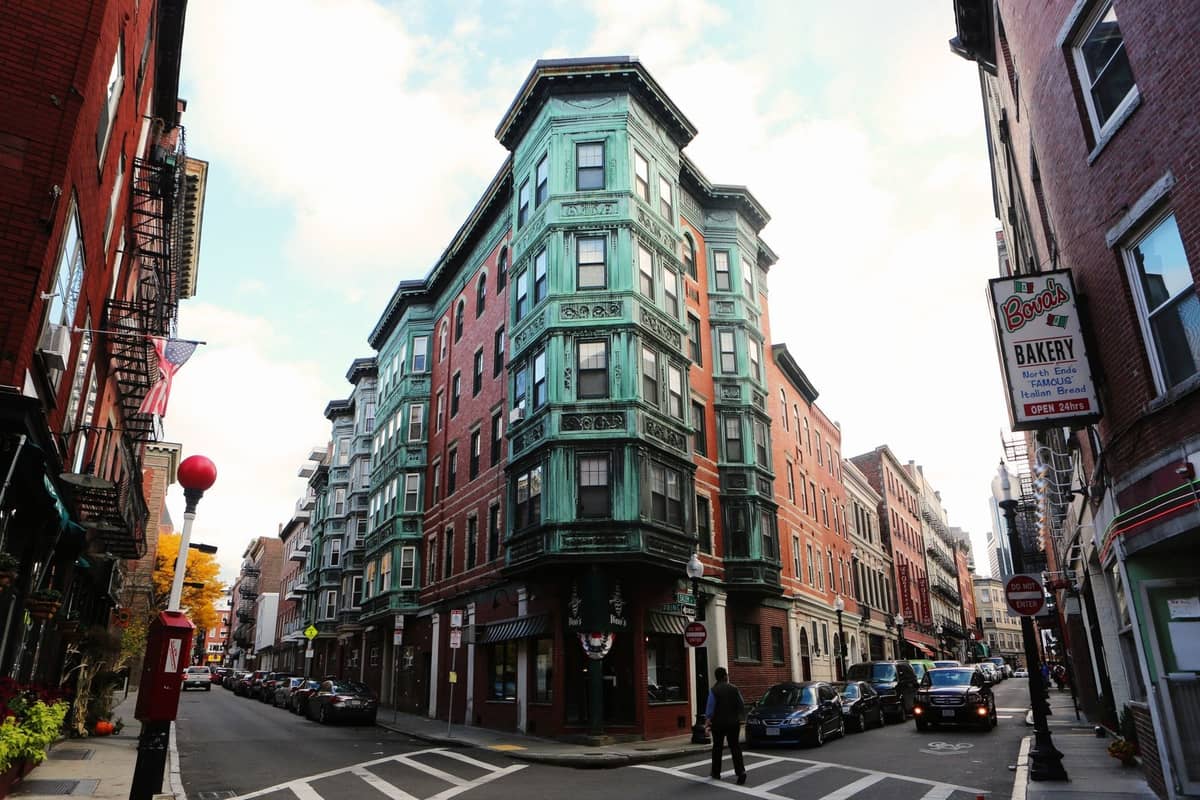
Solo travel in Boston benefits from one structural advantage above everything else: the city is small. At just about 48 square miles, Boston is one of the most walkable major cities in the United States. The distance from Beacon Hill to the North End is under a mile on foot. You can cover a lot of ground in a day without a car, a tour group, or a rigid schedule.
The city also has a cultural density that suits solo pacing. Boston has more universities per square mile than almost anywhere else in the country, which means a constant churn of independent cafes, bookshops, cheap eats, and street life that doesn't require a companion to enjoy. You won't feel conspicuous eating alone here. The bar culture is lively, food halls are everywhere, and the general vibe is intellectual and low-key rather than showy.
For first-time solo visitors, the MBTA transit network removes the logistical anxiety that affects solo travel in larger, more spread-out American cities. Four color-coded subway lines (Red, Orange, Blue, Green), more than 150 bus routes, and harbor ferries mean you can reach any major sight without worrying about parking or surge-priced rides.
💡 Local tip
Get a CharlieCard (the reloadable MBTA transit card) from a kiosk at any major station. It gives a lower per-ride fare than paying cash or using a CharlieTicket. Tap-and-go also saves time during peak hours.
Solo Safety in Boston: Neighborhood-by-Neighborhood Breakdown
Boston has a reputation as a relatively safe city by U.S. standards, and for visitors sticking to tourist corridors, that reputation holds up in practice. That said, 'Boston is safe' is too broad a statement to be useful. Here's what solo travelers actually need to know by area.
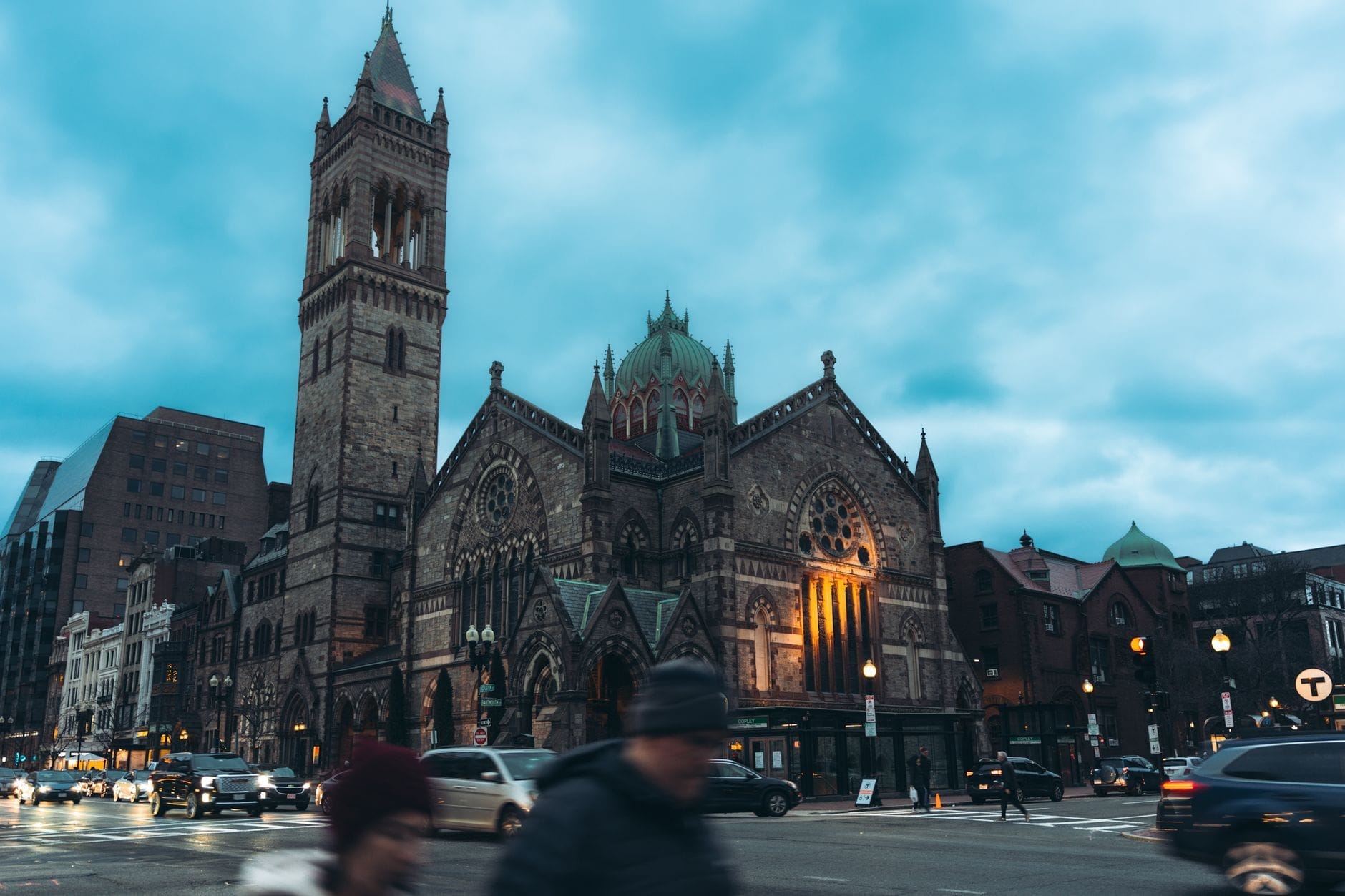
- Back Bay & Copley Square Consistently safe at all hours. Well-lit, heavily foot-trafficked, and close to major hotels. The best base for first-time solo visitors.
- Beacon Hill Quiet and residential but very safe. Gas-lit streets feel atmospheric rather than isolated. Stick to the main streets after midnight.
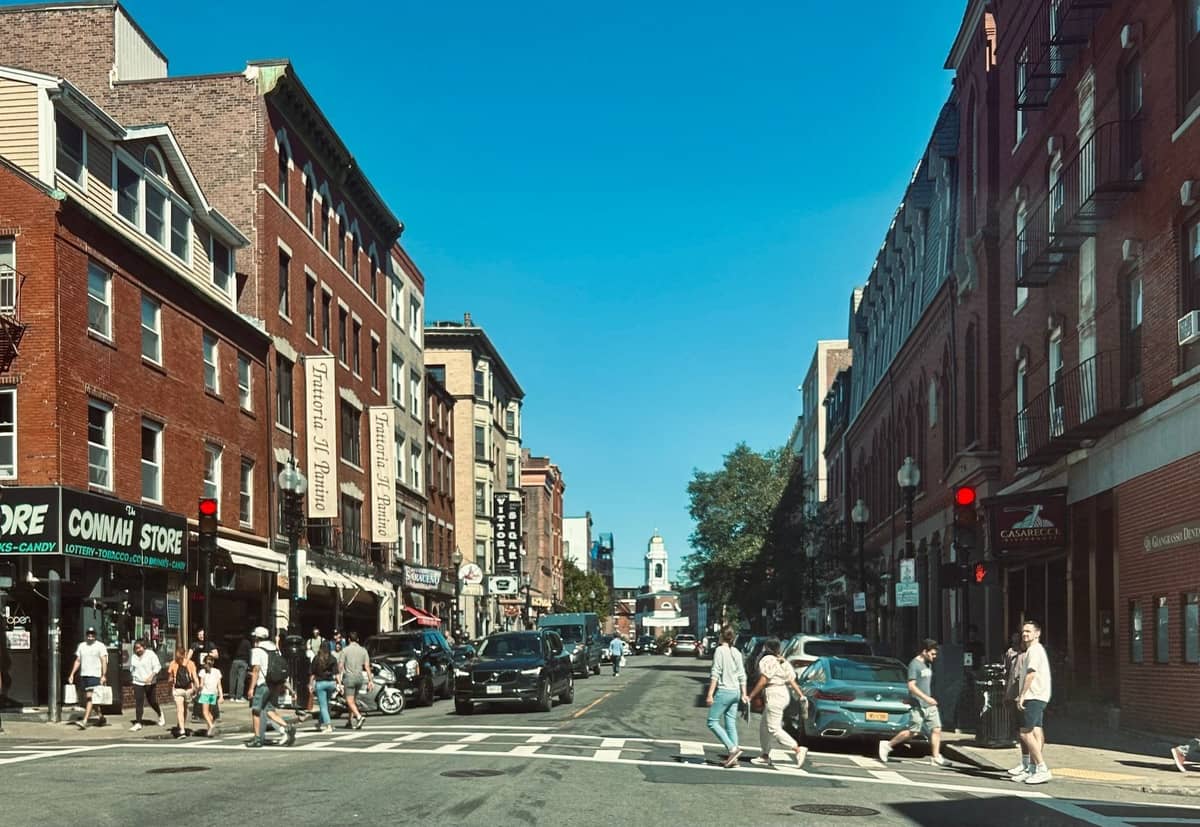
- North End One of the safest neighborhoods in the city. Dense with restaurants and street activity until late. Great for solo dinner at the bar.
- Downtown & Financial District Active during business hours, quieter at night. Perfectly safe but loses energy after 8pm on weekdays.
- Seaport District Modern, well-lit, and busy on weekends. Can feel empty on weeknights, but not unsafe.
- South End & SoWa Generally safe with an arts-forward crowd. Worth visiting for the Sunday market and gallery scene.
- Green Line (MBTA) The one transit caution consistently flagged by residents: the Green Line, particularly above-ground sections, sees more opportunistic petty theft than other lines. Keep bags in front of you during peak hours.
⚠️ What to skip
Roxbury, Dorchester, and Mattapan are primarily residential neighborhoods with their own communities and commercial life — but as a solo visitor unfamiliar with the city, wandering these areas alone late at night without a specific destination is not advised. Stick to well-trafficked areas after dark.
The Best Solo Activities in Boston
The single best solo activity in Boston is walking the Freedom Trail, a 2.5-mile self-guided route connecting 16 historic sites with a painted red line on the pavement. You set the pace, skip what bores you, and linger at what doesn't. The full route runs from Boston Common through Downtown and the North End all the way to Charlestown. Budget 2-4 hours depending on how many sites you enter.
Food tours are solo-friendly in Boston. The North End's Italian bakeries and restaurants are compact enough to design your own informal crawl, or you can book a small-group food tour through operators listed on GetYourGuide or Bites of Boston. The Boston Public Market near Haymarket Square is another strong solo stop: local vendors, indoor seating, and no pressure to order more than you want.
For solo museum time, the Museum of Fine Arts Boston is one of the largest art museums in the U.S. and easy to spend half a day in alone. The Isabella Stewart Gardner Museum is smaller, stranger, and arguably more interesting — the building itself is the exhibit. Both are in the Fenway-Kenmore area and are walkable from each other.
- Walk the Freedom Trail (free, self-guided, 2.5 miles, 16 sites)
- Rent a Bluebikes bicycle and ride the Charles River Esplanade
- Catch a Red Sox game at Fenway Park — single tickets often available on game day via StubHub
- Take the ferry to Georges Island or Spectacle Island for a half-day solo escape (seasonal)
- Explore the Harvard Square area in Cambridge — independent bookshops, cafes, and street performers
- Visit the Boston Public Library's McKim building in Copley Square (free, stunning architecture)
- Take a whale watching cruise from the Waterfront — solo traveler-friendly boats with commentary
- Do a self-guided Beacon Hill walk, including a pass through Acorn Street
Solo Travel Budget: What Boston Actually Costs
The persistent myth that Boston is prohibitively expensive for solo travelers doesn't survive contact with the numbers. One documented solo trip covered 3 days for approximately $170, broken down as roughly $80 for a hostel, $55 for food, $30 for incidentals, $5 for paid attractions, and $10 for transport. That's an extreme budget scenario, but it proves the floor is real.
A more comfortable solo trip, with a private room at a mid-range hotel or guesthouse, regular restaurant meals rather than supermarket food, and a few paid attractions, runs closer to $150-200 per day in Boston. For a luxury solo experience, expect $300+ per day. The city has hostel dorm beds, boutique hotels, and everything in between. Check the best areas to stay in Boston for neighborhood-by-neighborhood accommodation options.
- Free attractions Freedom Trail walk, Boston Common, Public Garden, Beacon Hill streets, Harborwalk, Christopher Columbus Park, Rose Kennedy Greenway, MIT campus walk
- Low-cost attractions (under $25) Boston Public Library (free), Samuel Adams Brewery tour, Harvard campus self-guided walk, Arnold Arboretum
- Mid-range paid attractions ($25-35) Museum of Fine Arts, New England Aquarium, Isabella Stewart Gardner Museum, Boston Tea Party Ships and Museum
- Solo dining tips Eat at the bar counter in North End restaurants — it's socially normal here and you often get better service. Quincy Market at Faneuil Hall has food stalls for cheap solo meals.
✨ Pro tip
The Museum of Fine Arts offers $5 minimum admission on third Thursdays after 5 p.m. and free entry for Massachusetts residents on select open-house dates — check mfa.org before you go. Many Boston museums also offer free or discounted entry on specific days.
Getting Around Boston Alone: Transit, Logistics & Arriving at Logan
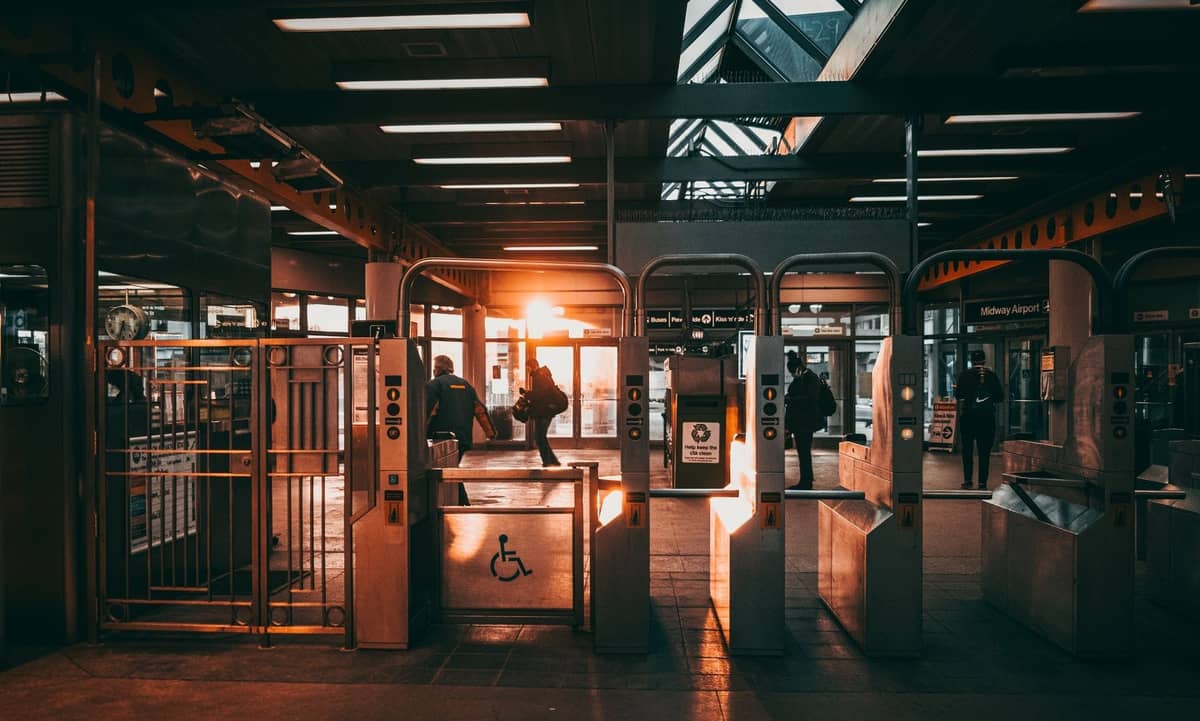
Logan International Airport (BOS) sits just 3 miles northeast of downtown Boston across the harbor — close enough that getting into the city is fast and cheap. The easiest solo arrival route is the free Massport shuttle bus from any terminal to Airport Station, then two stops on the Blue Line to Aquarium Station, putting you right at the waterfront. Standard MBTA subway fares run around $2-3 with a CharlieCard. Alternatively, the Silver Line SL1 bus runs from all terminals directly to South Station with no fare for outbound airport riders, though verify current policy before travel.
Taxis from Logan to downtown typically run $25-40 depending on traffic and destination. Uber and Lyft are available from designated pickup zones at each terminal and generally price comparably to taxis or slightly below outside peak hours. A water taxi from the Logan dock (reached via free Massport shuttle) to Long Wharf is a scenic and often quick option in good weather, though prices vary by operator.
Once in the city, the MBTA subway handles most solo movement efficiently. For deeper context on routes, passes, and the Boston neighborhood map, see the full guide to getting around Boston. One practical note: Boston's streets in the old colonial core (Beacon Hill, Downtown, North End) are notoriously irregular and confusing for first-time visitors. Download an offline map before you arrive.
When to Visit Boston as a Solo Traveler
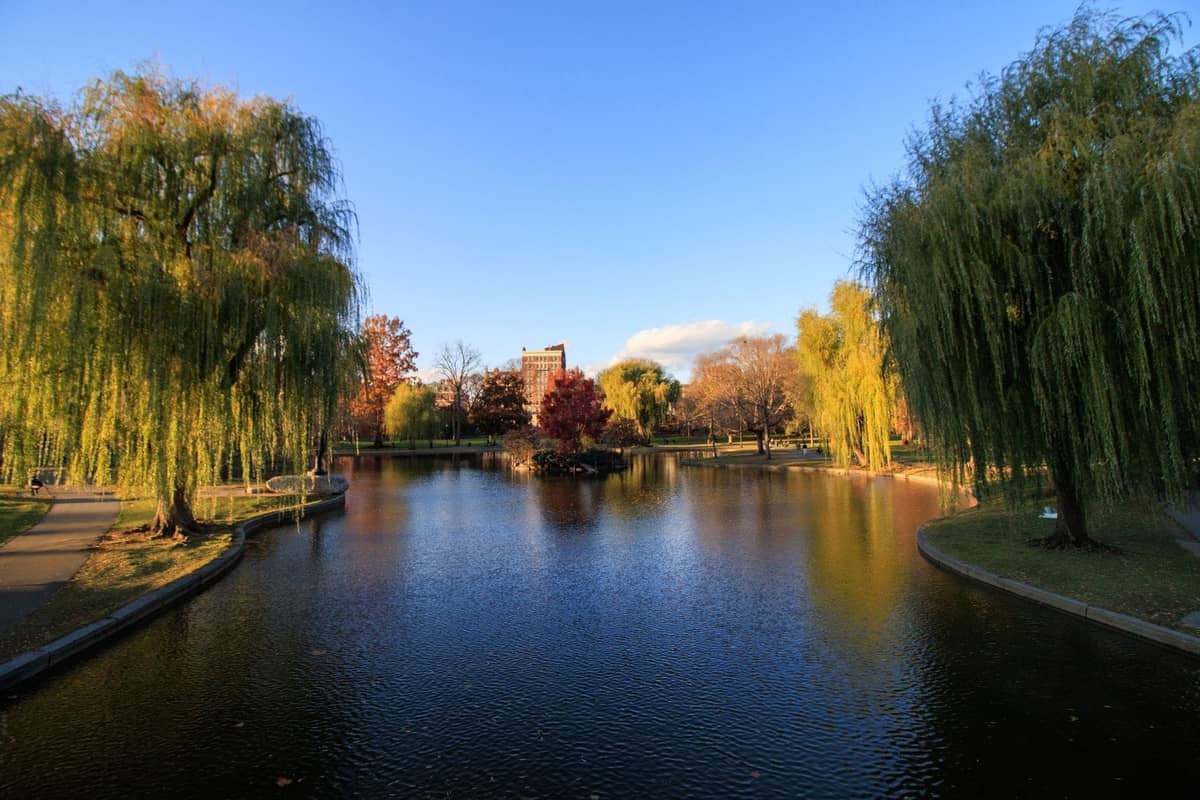
Timing matters more for budget than for experience in Boston. Late spring (May to early June) and early fall (September to mid-October) offer the best combination of mild temperatures, manageable crowds, and atmospheric conditions. Boston in fall is special — the foliage in the Public Garden and along Commonwealth Avenue peaks in mid-October. But it's also peak demand season, so hotel prices and flight costs climb noticeably, particularly during college move-in in early September.
Summer (June through August) is the busiest period for tourism, with July averaging highs around 82°F (28°C). It works well for solo travelers who want outdoor activities, harbor islands, and evening events. Boston summers also bring free outdoor concerts at the Hatch Memorial Shell and neighborhood street festivals almost every weekend. Winter is cold (January lows around 22°F/-6°C with significant snowfall), but it's the cheapest season, and the city runs normally — Boston is very accustomed to its own winters.
ℹ️ Good to know
Boston's seasons are distinct. Pack for layering in spring and fall — temperatures can swing 20-30°F within a single day. In winter, waterproof boots are more useful than a heavier coat. In summer, the humidity can make 80°F feel significantly hotter than it reads.
FAQ
Is Boston safe for solo female travelers?
Boston is generally considered safe for solo female travelers, particularly in the central neighborhoods: Back Bay, Beacon Hill, North End, Downtown, and the Seaport. These areas have consistent foot traffic well into the evening. Standard precautions apply at night: stay on well-lit streets, be aware of your surroundings on public transit, and avoid isolated areas. The Green Line subway has had reports of petty theft — keep bags in front of you during peak hours.
How many days do you need in Boston as a solo traveler?
Three days covers the major highlights comfortably: the Freedom Trail, key museums, a neighborhood walk or two, and at least one evening in the North End or South End. Five days allows for a day trip to Cambridge, the harbor islands, or Salem, plus more flexible pacing. One week is ideal if you want to explore beyond the tourist core into neighborhoods like Jamaica Plain, Charlestown, or the SoWa arts district.
Do I need a car to explore Boston solo?
No. Boston is one of the few American cities where not having a car is actively an advantage. Parking is expensive ($30-50/day in garages), the street grid in older neighborhoods is confusing, and most major attractions cluster in walkable areas connected by the MBTA. Rent a car only if you plan a day trip to somewhere the commuter rail doesn't reach.
What is the cheapest way to get from Logan Airport to downtown Boston?
The cheapest option is the free Massport shuttle from any terminal to Airport Station, then the Blue Line subway to downtown for around $2-3 with a CharlieCard. The Silver Line SL1 bus to South Station is also free for outbound airport riders (verify current policy at mbta.com before travel). Both options take roughly 20-30 minutes depending on connections.
What are the best solo-friendly restaurants and bars in Boston?
The North End is the best neighborhood for solo dining: Italian restaurants with bar seating, small tables for one, and a culture where solo diners are unremarkable. Enoteca Bacco and Trattoria Il Panino both have bar-counter seating. For drinks, bars in Back Bay and around Harvard Square in Cambridge tend to be relaxed about solo visitors. Quincy Market at Faneuil Hall works well for cheap solo lunches with no table commitment required.