Boston Shopping Guide: Best Streets, Malls & Markets
Boston's shopping scene is more diverse and spread out than most visitors expect. This guide breaks down every major retail district, indoor mall, and open-air market, with straightforward notes on what's worth your time and money across every budget level.
Plan and book this trip
Tools from our partner Travelpayouts help you compare flights and hotels. If you book through them, we may earn a commission at no extra cost to you.
Flights
Hotels map
TL;DR
- Newbury Street in Back Bay is Boston's most iconic shopping strip, mixing luxury labels with accessible chains and local independents across about a mile of walkable storefront.
- Prudential Center and Copley Place are connected by an enclosed skybridge and function as a linked indoor mall complex ideal for rainy days or winter shopping, ranging from Saks Fifth Avenue to Eataly.
- Boston Public Market at Haymarket Station is open year-round daily with 30+ local vendors. The adjacent Haymarket outdoor produce market runs Fridays and Saturdays and is one of the best budget options in Boston.
- Assembly Row in Somerville offers outlet-style shopping on the MBTA Orange Line, a good option if you want big-brand deals outside the city core.
- Shopping is spread across multiple neighborhoods, not concentrated in one downtown hub. Plan by neighborhood rather than expecting a single commercial center.
Newbury Street: Boston's Most Varied Shopping Mile
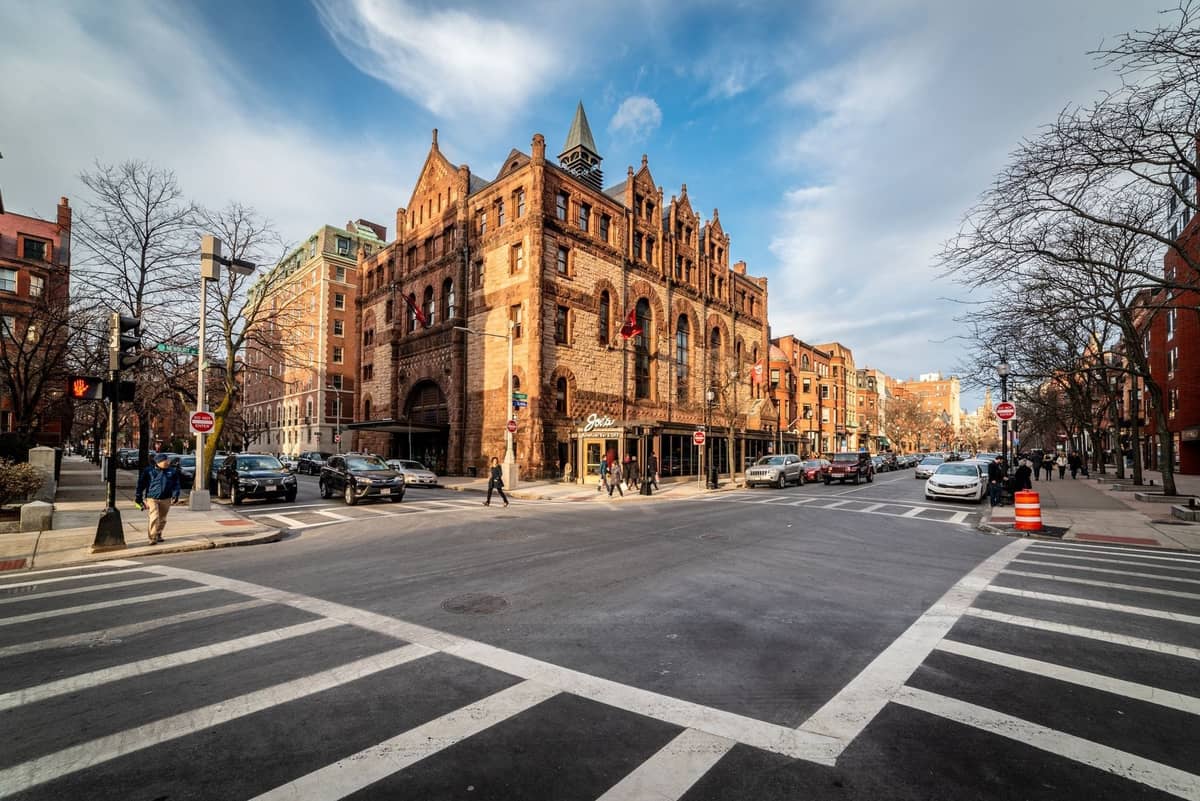
Newbury Street runs about one mile through Back Bay, from Arlington Street at the Public Garden end down to Massachusetts Avenue. The street has a clear personality shift as you walk west: the blocks closest to the Public Garden skew toward luxury and designer labels, while the stretch toward Mass Ave picks up streetwear, vintage shops, tattoo parlors, and independent cafes.
On the upper (eastern) blocks, you'll find Chanel, Cartier, and similar flagship stores occupying the ground floors of brownstone buildings. Moving west, the density of mid-range chains increases: Nike, Zara, Uniqlo, and Sephora all have storefronts here. Several locally owned boutiques hold their ground throughout, though retail turnover is high, so specific shop names can shift year to year.
💡 Local tip
Newbury Street is most enjoyable between May and October. The sidewalks are narrow, and winter wind off the Charles River makes outdoor strolling quite uncomfortable. If you're visiting in January or February, the Prudential Center connection two blocks south is a warmer alternative for much of the same retail.
One common misconception: Newbury Street is not exclusively luxury. That reputation applies mainly to the first two blocks east of Arlington. The remaining six blocks are thoroughly mixed, and you won't feel out of place browsing in a modest budget. Parking is metered and competitive; taking the Green Line to Arlington or Copley stations is easier.
Charles Street and Beacon Hill: Independent Boutiques at a Slower Pace
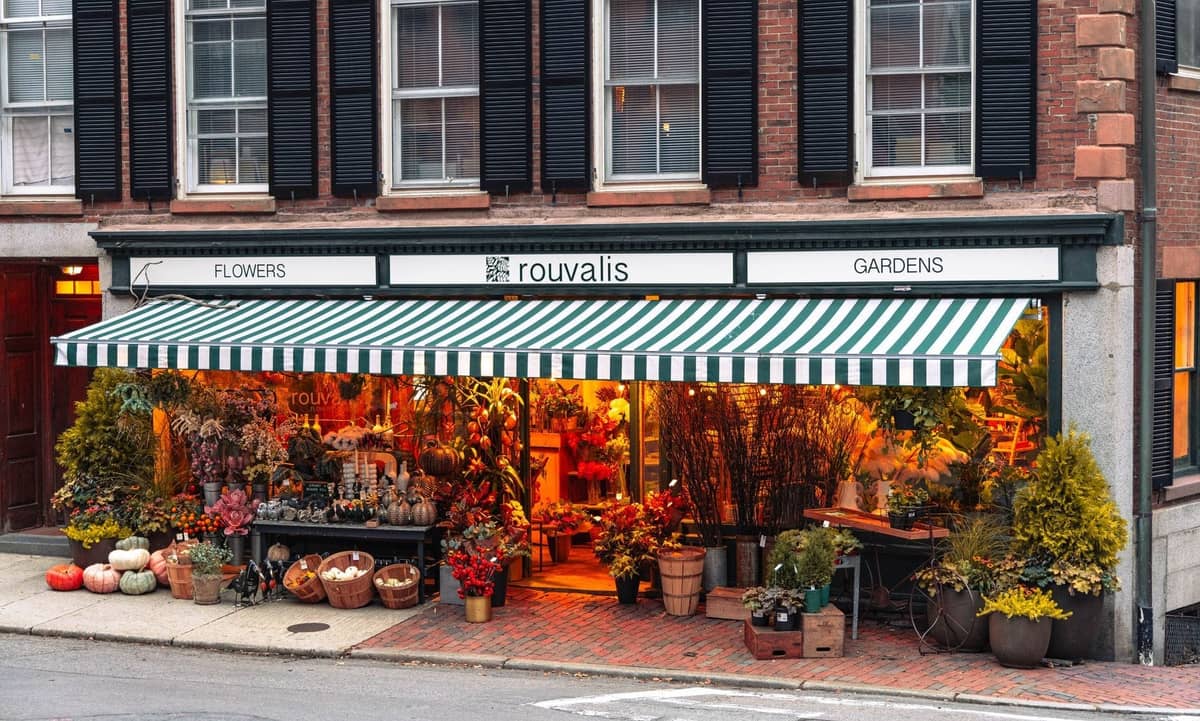
Charles Street runs through the base of Beacon HillBeacon Hill and has a fundamentally different character from Newbury Street. There are no major chains here. Instead, the strip is occupied by antique dealers, specialty gift shops, independent clothing boutiques, and a handful of quality chocolatiers and cheese shops.
The street is short, about a quarter mile, and easily combined with a walk along the nearby Boston Common or Public Garden. This is the right destination if you're looking for a thoughtful gift, a piece of vintage furniture, or something distinctly local rather than a brand you could find in any American city. Prices reflect the neighborhood, which is one of Boston's wealthiest residential areas, so budget shoppers should temper expectations.
Downtown Crossing and Faneuil Hall: High Foot Traffic, Practical Retail
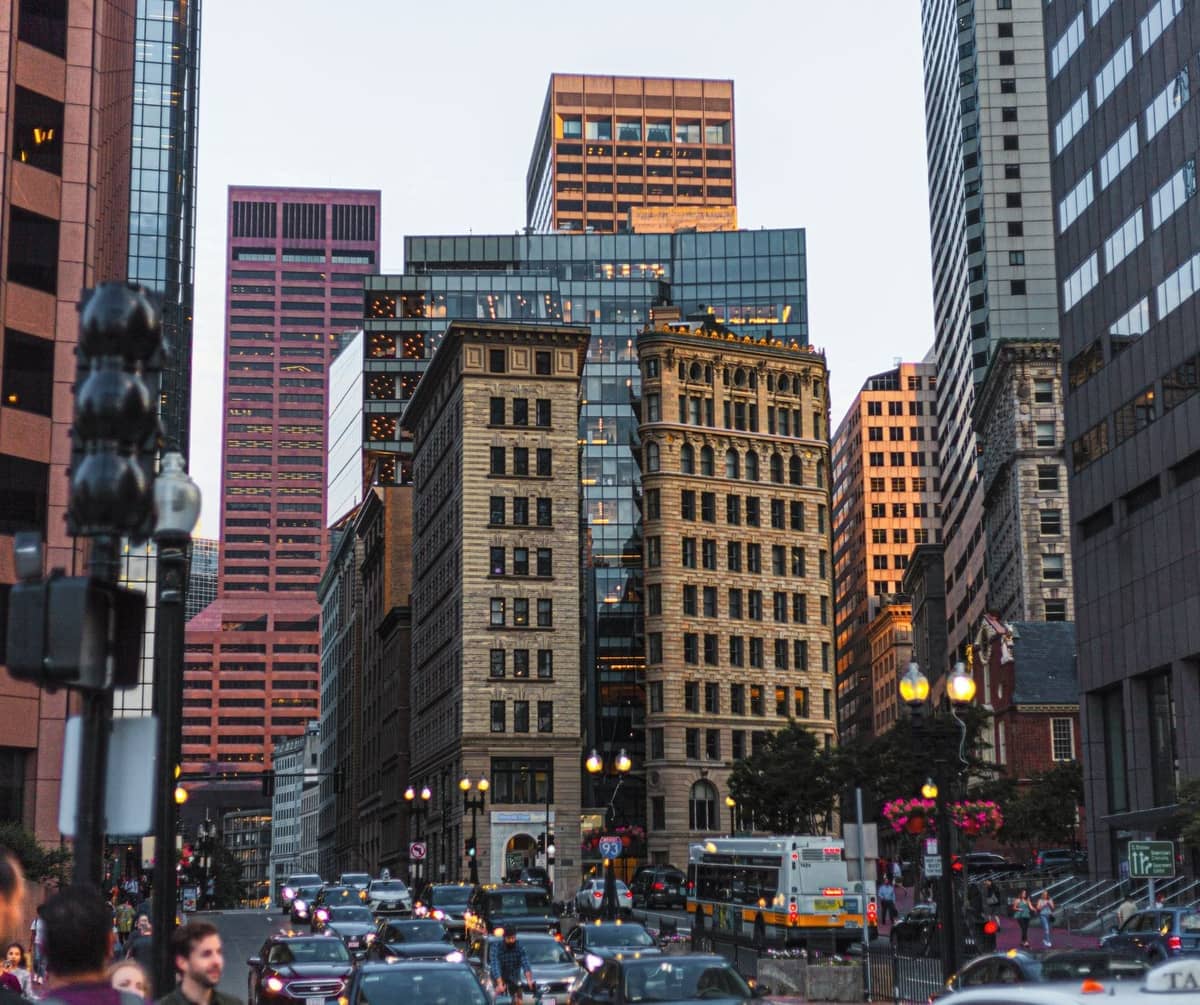
Downtown Crossing is the commercial heart of Downtown Bostondowntown Boston, a pedestrian-priority zone anchored by Macy's, Primark, TJ Maxx, and Uniqlo. If you need basics, drugstore items, or discounted clothing, this is the most practical stop in the city center. Roche Bros. grocery is also in the area for food provisions.
Faneuil Hall MarketplaceFaneuil Hall Marketplace sits a short walk northeast of Downtown Crossing and draws enormous tourist crowds, particularly in summer. The shopping here leans heavily toward souvenirs, national chains, and food stalls in Quincy Market. It's worth visiting for the architecture and atmosphere, but set realistic expectations: the retail is generic, and prices on Boston-branded merchandise are pitched at tourists.
⚠️ What to skip
Faneuil Hall is one of Boston's most visited spots, but the shopping itself is largely interchangeable with any American tourist market. If you're after authentic local products, the Boston Public Market two blocks away is a far better use of your time and money.
- Best for budget basics Downtown Crossing: Primark, TJ Maxx, and Uniqlo cover clothing at competitive prices in a central location.
- Best for souvenirs Faneuil Hall Marketplace: the obvious choice, though prices are tourist-market standard. Browse but compare before buying.
- Best for local food and gifts Boston Public Market: 30+ New England vendors selling produce, cheese, seafood, baked goods, and handmade items. Open daily year-round.
- Best for luxury in a mall setting Copley Place: Dior, Tiffany & Co., Neiman Marcus, and comparable brands in an enclosed space connected to the Prudential Center.
- Best for outlet deals outside the city Assembly Row (Somerville): Reached by MBTA Orange Line to Assembly station. Mix of outlet stores, restaurants, and a cinema.
Prudential Center and Copley Place: Indoor Shopping Done Well
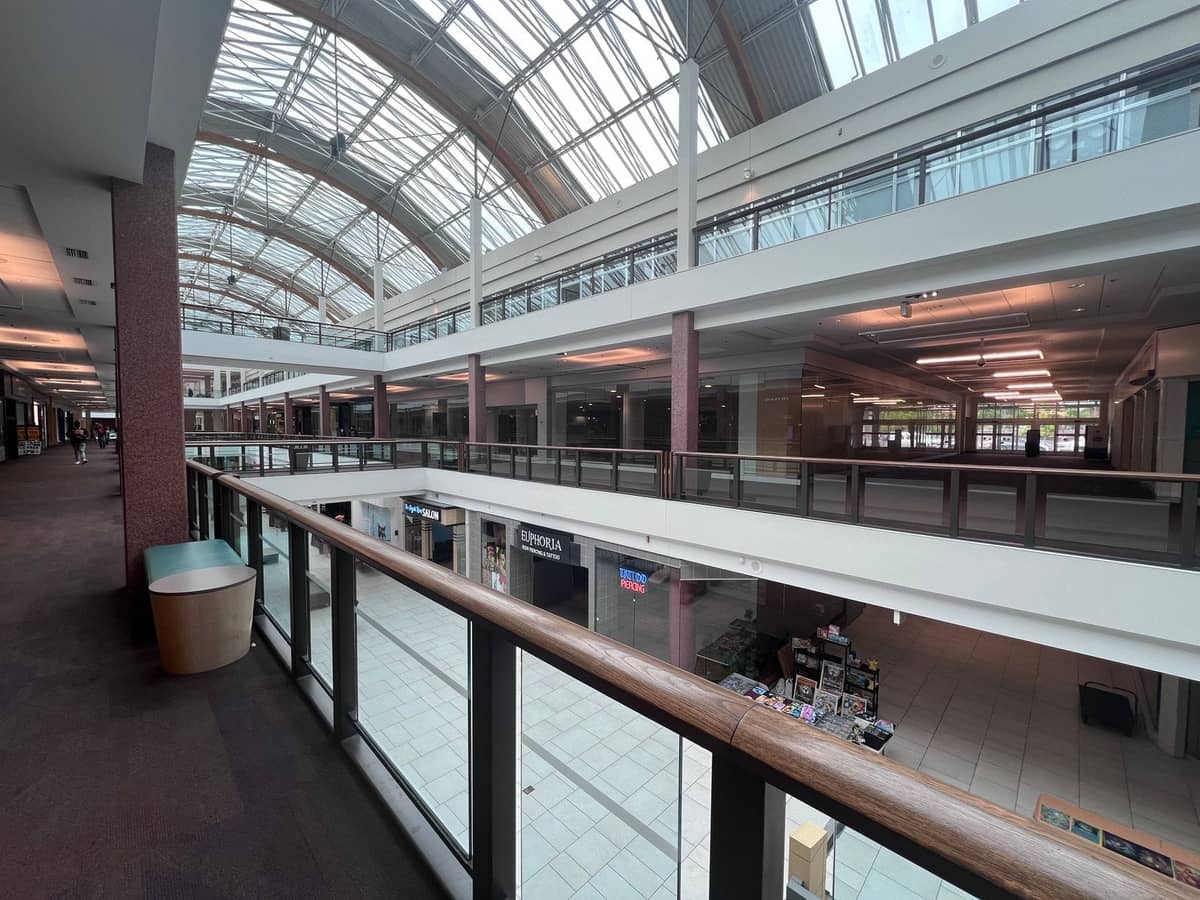
The Prudential Center and Copley Place are physically connected by an enclosed skybridge, making them function as one extended indoor retail complex spanning two city blocks. Together they offer more than 60 shops across a broad range of price points: Aritzia, Canada Goose, and Saks Fifth Avenue sit alongside mid-range chains and a full Eataly food hall. Copley Place skews higher with Dior, Tiffany, Neiman Marcus, and similar luxury anchors.
The complex is directly above and adjacent to Copley Station on the Green Line, which is also a stop for the Boston Public Library and Trinity Church at Copley Square. This makes it easy to combine shopping with sightseeing in the same afternoon.
In winter, this complex is often the best option in the city for shopping comfort. The skybridge system also connects to several hotels, which is useful if you're carrying bags. Hours are typically standard mall hours, roughly 10 am to 8 pm on weekdays and slightly shorter on Sundays, but verify directly as anchor store hours vary.
Markets: Boston Public Market, Haymarket, and SoWa
The Boston Public Market at 100 Hanover Street is the city's best single-stop for locally sourced food and New England-made goods. Positioned directly above Haymarket MBTA Station (Green and Orange Lines), it houses more than 30 vendors selling everything from Massachusetts cheeses and fresh seafood to local honey, artisan bread, and handmade ceramics. Typical hours are 8 am to 6 pm daily, though checking the official site before visiting is always advisable.
The outdoor Haymarket produce market operates on Fridays and Saturdays in the streets adjacent to the Public Market, generally from around 6 am until early evening. Pricing here is among the lowest in the city for fresh fruit and vegetables, but quality and selection vary significantly by season. Summer and early fall offer the best produce; winter Saturdays can be sparse and cold. Bring cash, as card acceptance is inconsistent among vendors.
For a more design-oriented market experience, the SoWa Art and Design District in the South End hosts a seasonal outdoor market on Sundays from May through October. The SoWa Open Market combines local food trucks with artisan vendors, vintage dealers, and local makers. It draws a notably local crowd and is one of the better places to find original Boston-made art, jewelry, and clothing without the tourist markup.
✨ Pro tip
At Haymarket, prices are typically quoted per bag or per unit rather than by weight. Arrive Saturday morning for the best selection. By midday the best stalls have sold out, and by late afternoon vendors are clearing inventory at steep discounts but quality is inconsistent.
Shopping Beyond the City: Assembly Row, CambridgeSide, and Harvard Square
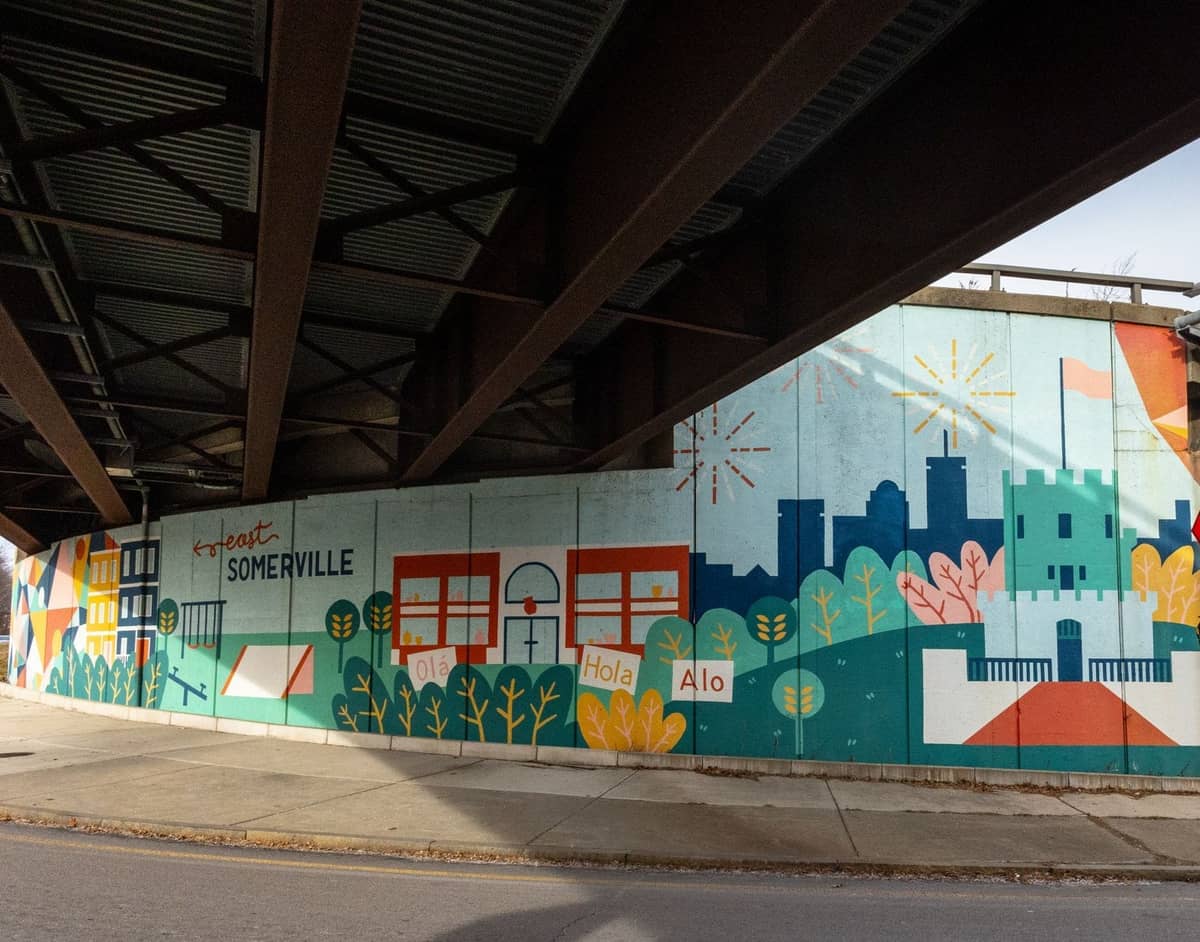
Assembly Row in Somerville sits on the MBTA Orange Line at Assembly Station, about a 10-minute ride from downtown Boston. The development is outlet-adjacent in character, with a mix of brand-name stores at discounted prices, casual restaurant chains, a cinema, and open plazas. It's a practical option if you're looking for outlet pricing on brands like Nike, Gap, or Crate and Barrel without driving to a suburban mall. Parking is available for those arriving by car.
CambridgeSide is an enclosed mall near the Lechmere stop on the Green Line in Cambridge, with a standard mix of chain retailers. It's convenient if you're already in East Cambridge, but there's little reason to make a special trip. More rewarding is Harvard Square, which has a concentration of independent bookstores (including the Coop and Harvard Book Store), record shops, specialty clothing, and gift stores within a compact walkable area. The character is distinctly academic and independent, with significantly less chain retail than Boston proper.
Practical Shopping Tips: Timing, Tax, and Getting Around
Massachusetts charges a 6.25% sales tax on most retail purchases. Clothing items under $175 per item are exempt from this tax, which is worth knowing if you're buying higher-end clothing: a $160 shirt is tax-free, while a $200 jacket is not. Groceries are also generally tax-exempt. This clothing exemption makes Boston marginally more appealing for apparel shopping than neighboring states that tax clothing fully.
For getting between shopping districts, the MBTA is the most practical option. The Green Line connects Copley and Arlington (Newbury Street and Back Bay malls) with Government Center (Faneuil Hall), while the Orange Line reaches Assembly Row and downtown. Getting around Boston by public transit is straightforward once you understand the color-coded line system. Parking near Newbury Street and Faneuil Hall is expensive and limited; driving is generally the worst option for shopping in central Boston.
- Sales tax is 6.25% on most goods, but clothing items under $175 per piece are tax-exempt.
- Bring cash to Haymarket. Most vendors don't accept cards and ATMs in the area charge fees.
- Weekday mornings are the least crowded time at Newbury Street and Downtown Crossing.
- The Prudential Center and Copley Place are connected indoors, ideal for cold or wet weather.
- Boston Public Market is open year-round daily, making it reliable even in winter when outdoor markets are closed.
- Assembly Row has free parking if you're combining a shopping trip with a restaurant visit, making it better suited to car travelers.
ℹ️ Good to know
Boston does not have a single dominant shopping district the way some cities do. Shopping here is spread across across neighborhoods, each with its own personality. First-time visitors expecting a central mall hub are often surprised. Plan your shopping by neighborhood, ideally combining it with other sightseeing in the same area.
If shopping is part of a broader itinerary, see the full guide to things to do in Boston for how to pair retail districts with nearby attractions. Newbury Street, for example, is a short walk from the Boston Public Garden and the Commonwealth Avenue Mall, making it a natural part of a Back Bay afternoon.
FAQ
What is the best shopping street in Boston?
Newbury Street in Back Bay is the most well-rounded shopping street in the city, with about a mile of storefronts covering luxury brands, mainstream chains, and independent boutiques. Charles Street in Beacon Hill is the better choice if you're specifically looking for antiques and one-of-a-kind local shops.
Is there a sales tax on clothing in Boston?
Massachusetts exempts clothing items priced under $175 per piece from the 6.25% state sales tax. Items above that threshold are taxed on the full amount. Groceries are also generally tax-exempt, but most other retail purchases are taxed at 6.25%.
What is the Boston Public Market and when is it open?
The Boston Public Market is an indoor, year-round market at 100 Hanover Street (directly above Haymarket MBTA Station) featuring more than 30 vendors selling locally sourced New England food, beverages, and handmade goods. Typical hours are 8 am to 6 pm daily, but check the official bostonpublicmarket.org site for current hours before visiting.
How does Haymarket differ from the Boston Public Market?
Haymarket is an outdoor produce and food market that runs on Fridays and Saturdays in the streets adjacent to the Boston Public Market. It's weather-dependent, primarily cash-based, and offers some of the lowest produce prices in the city. The Boston Public Market next door is indoors, open every day of the year, and focuses on curated New England vendors across food and craft categories.
Is Faneuil Hall worth visiting for shopping?
Faneuil Hall Marketplace is worth visiting for its historic setting and food stalls in Quincy Market, but the shopping itself is generic: national chains and souvenir merchandise at tourist-market prices. If you're specifically looking for local products, the Boston Public Market a few blocks away offers a far more authentic and reasonably priced alternative.