Boston History Guide: Revolutionary War, Colonial Sites & Beyond
Boston is where the American Revolution was born. This guide covers every major colonial and Revolutionary War site in the city, from the Freedom Trail's 16 landmarks to day trips to Lexington and Concord, with practical advice on pricing, crowds, and what's actually worth your time.
Plan and book this trip
Tools from our partner Travelpayouts help you compare flights and hotels. If you book through them, we may earn a commission at no extra cost to you.
Flights
Hotels map
TL;DR
- The Freedom Trail is a 2.5-mile self-guided walk connecting 16 colonial and Revolutionary sites — free to walk, guided tours cost around $15-20 per adult.
- Key indoor sites like the Boston Tea Party Ships & Museum and Paul Revere House charge admission; outdoor sites like the Granary Burying Ground and Faneuil Hall exterior are free.
- Lexington and Concord — where the first shots of the Revolution were fired — are about 30 minutes from Boston and accessible via MBTA commuter rail. See Minute Man National Historical Park for ranger-led programs running Memorial Day through October.
- September through October is the best window for historical sightseeing: cooler temperatures, thinner crowds, and active programming at most sites.
- The Battle of Bunker Hill was actually fought mostly on Breed's Hill — one of several facts that trips up even repeat visitors.
Why Boston Is America's Most Important Revolutionary City
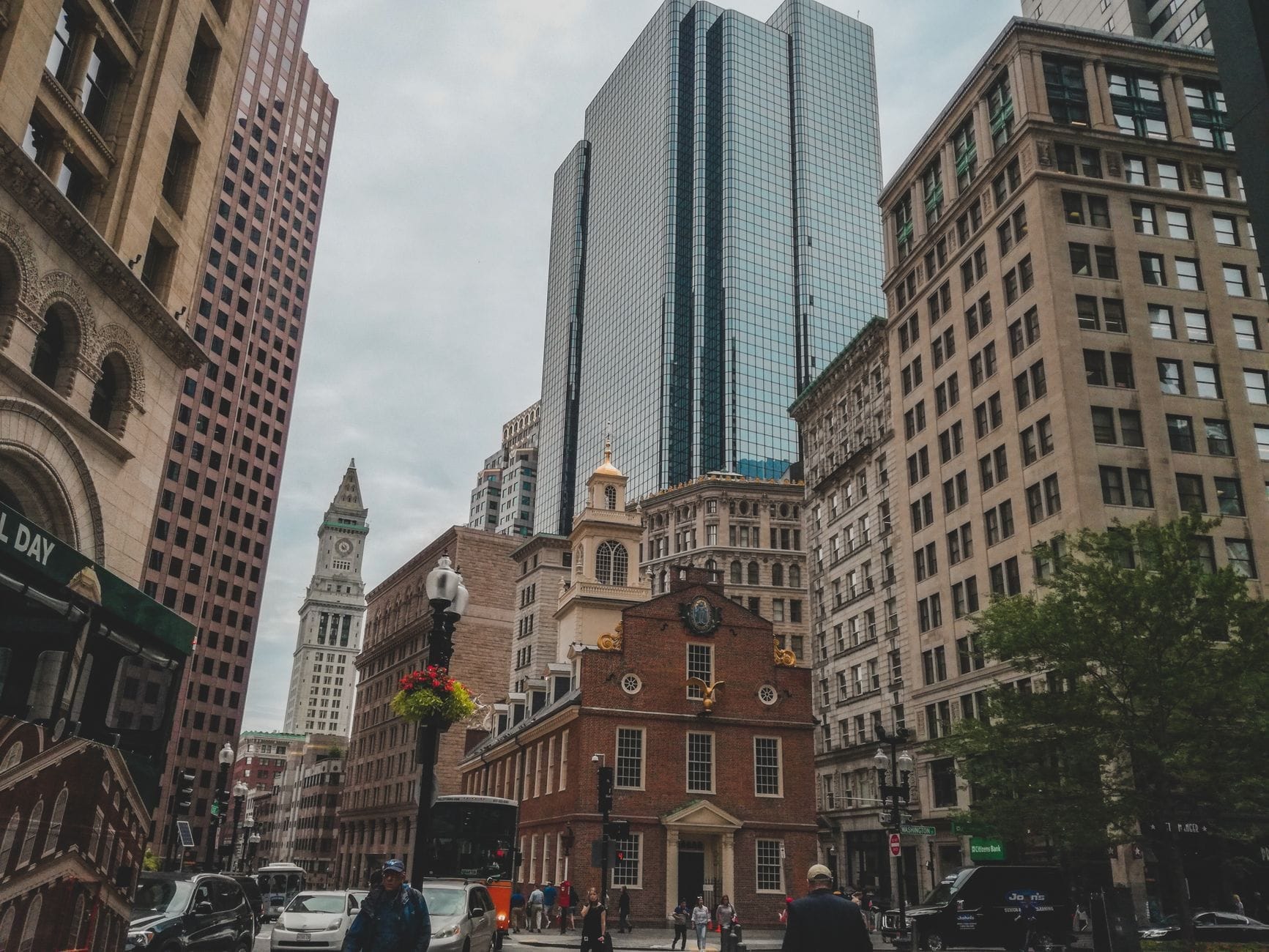
No American city packs more Revolutionary War history into a walkable area than Boston. Between 1765 and 1776, this was the epicenter of colonial resistance: the site of the Boston Massacre (1770), the Boston Tea Party (1773), and the Siege of Boston (1775-76). The protests that began here in taverns, meeting houses, and harbor wharves directly triggered the military campaigns that became the American Revolution. What makes Boston unusual is that so much of this history is still physically present. The Old State House — where the Massacre occurred outside its east wall — still stands surrounded by modern office towers. The Old South Meeting House, where thousands of colonists rallied before the Tea Party, is still an active historic site. You can walk between all of it in an afternoon.
Boston's historical footprint extends well beyond the city limits. The towns of Lexington and Concord, roughly 15–20 miles northwest, are where the war actually began on April 19, 1775. And across the Charles River in Charlestown, the Bunker Hill Monument marks one of the Revolution's first major engagements. Understanding these sites as a connected system — rather than isolated stops — is the key to getting the most from a Boston history visit.
The Freedom Trail: What It Is and How to Do It Right

The Freedom Trail is a 2.5-mile route marked by a red-brick (or painted red) line on the sidewalk, connecting 16 historic sites from Boston Common to Charlestown. The trail is managed by the Freedom Trail Foundation, which offers ticketed guided tours (typically around $15-20 per adult — verify current pricing on their website). Walking it independently is completely free, and the NPS provides rangers at several sites along the way.
- Boston Common Starting point of the trail. The 50-acre park served as a British military encampment during the Siege of Boston. Free to visit anytime.
- Massachusetts State House Completed in 1798, the gold-domed statehouse sits atop Beacon Hill. Free tours of the interior are available on weekdays.
- Granary Burying Ground Final resting place of Paul Revere, Samuel Adams, and the five victims of the Boston Massacre. Free, open daily during daylight hours.
- King's Chapel Boston's first Anglican church (1688), later converted to Unitarianism. Small admission fee for interior access.
- Old South Meeting House The rally point for the December 16, 1773 protest that became the Boston Tea Party. Museum admission typically around $7-13; verify current pricing.
- Old State House Built in 1713, this was the seat of royal government. The Boston Massacre occurred on the street just outside. Museum admission around $10-15.
- Faneuil Hall Known as the 'Cradle of Liberty' for its role as a meeting place for Revolutionary debates. The hall itself is free; the adjacent Marketplace is commercial.
- Paul Revere House The oldest remaining structure in downtown Boston (c. 1680). Admission around $6-10; this is where Revere began his April 18, 1775 midnight ride.
- Old North Church Where two lanterns were hung in the steeple on April 18, 1775, signaling that British troops were moving by sea. Admission varies by tour type.
- Bunker Hill Monument A 221-foot granite obelisk in Charlestown. Free to visit; 294 steps to the top with no elevator. Rangers staffed daily in season.
💡 Local tip
Start the Freedom Trail by 9 AM if you want to walk the full route without fighting tour groups. The stretch from the Paul Revere House through the North End gets particularly crowded between 11 AM and 3 PM, especially on summer weekends. Midweek mornings in September and October are the ideal combination of good weather and manageable crowds.
The full trail takes between 2.5 and 4 hours to walk depending on how many sites you enter. Most visitors underestimate this. If you only have half a day, prioritize the Old State House, Old South Meeting House, and Granary Burying Ground as a cluster, then decide whether to extend to the North End or Charlestown based on your remaining energy. The Charlestown segment — covering the Bunker Hill Monument and the USS Constitution — is worth a separate half-day visit rather than tacking onto an already-long Freedom Trail walk.
The Tea Party, the Massacre, and the Sites That Tell the Full Story
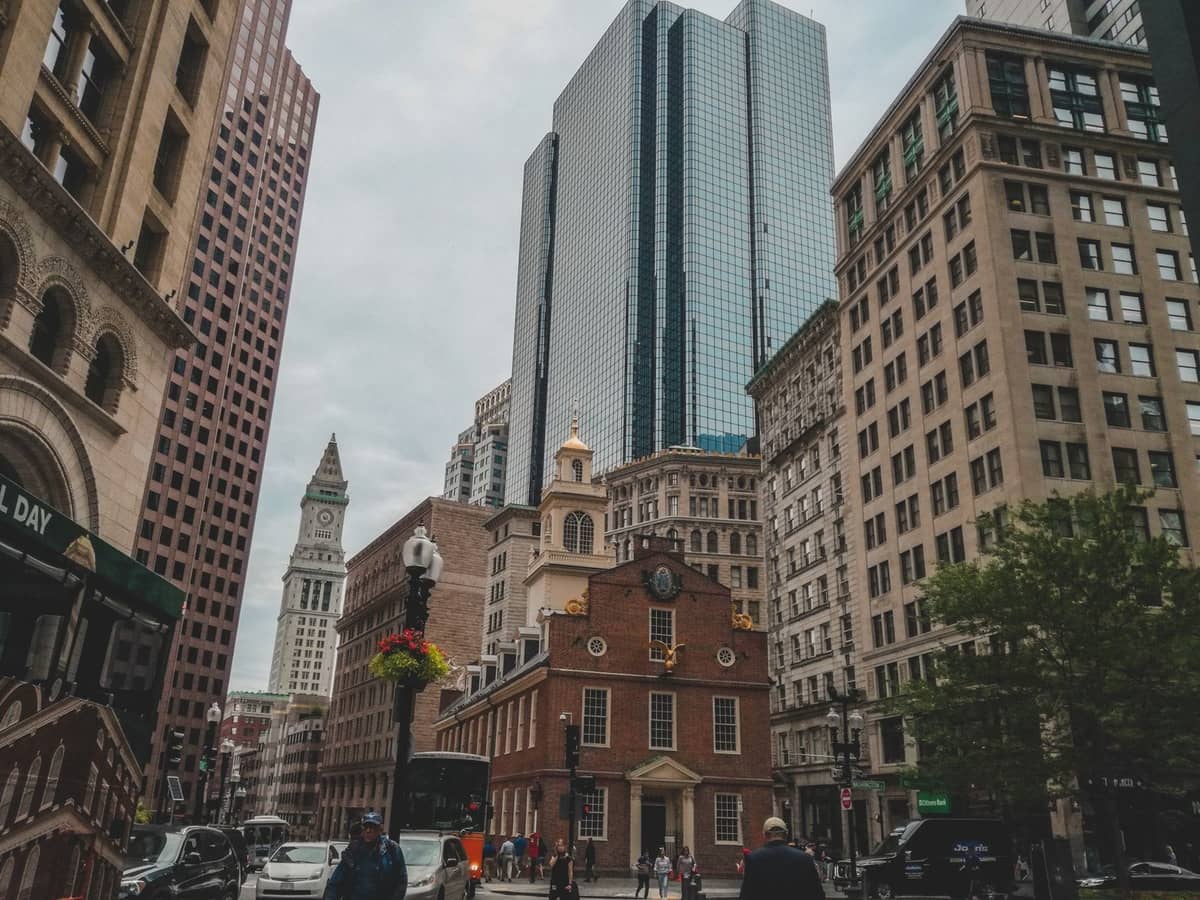
Two events more than any others define Boston's role in triggering the Revolution: the Boston Massacre of March 5, 1770, and the Boston Tea Party of December 16, 1773. The Massacre site is marked by a cobblestone circle on State Street, just outside the Old State House. The Old State House itself houses a museum where you can see context about the five men killed by British soldiers that night. It is one of the most underrated stops on the entire Freedom Trail.
The Boston Tea Party Ships and Museum on the Congress Street Bridge is the most theatrical history experience in Boston. Actors play colonial protesters, you board replica tea ships, and you can throw 'tea' overboard. It is unabashedly immersive rather than academic. Admission is typically in the $30-35 range for adults, making it one of the pricier history attractions in the city — but families and first-time visitors generally find it worthwhile. For deeper context on the political economy behind the protest, the Boston Tea Party history guide covers the backstory in detail.
⚠️ What to skip
The Boston Tea Party Ships & Museum closes for private events periodically and occasionally for maintenance. Always check their website before visiting, especially if you're traveling with a group or on a tight schedule. The museum is not affiliated with the National Park Service — it is a private, for-profit attraction.
For visitors interested in the African American dimension of Revolutionary-era Boston, the Black Heritage Trail on Beacon Hill is essential. The 1.6-mile self-guided route covers 14 sites related to Boston's 19th-century Black community, including the African Meeting House (the oldest surviving Black church building in America) and the home of Lewis Hayden, a formerly enslaved man who became a key figure in the Underground Railroad. It represents a part of Boston's history that the Freedom Trail largely glosses over.
Charlestown: Bunker Hill and the USS Constitution
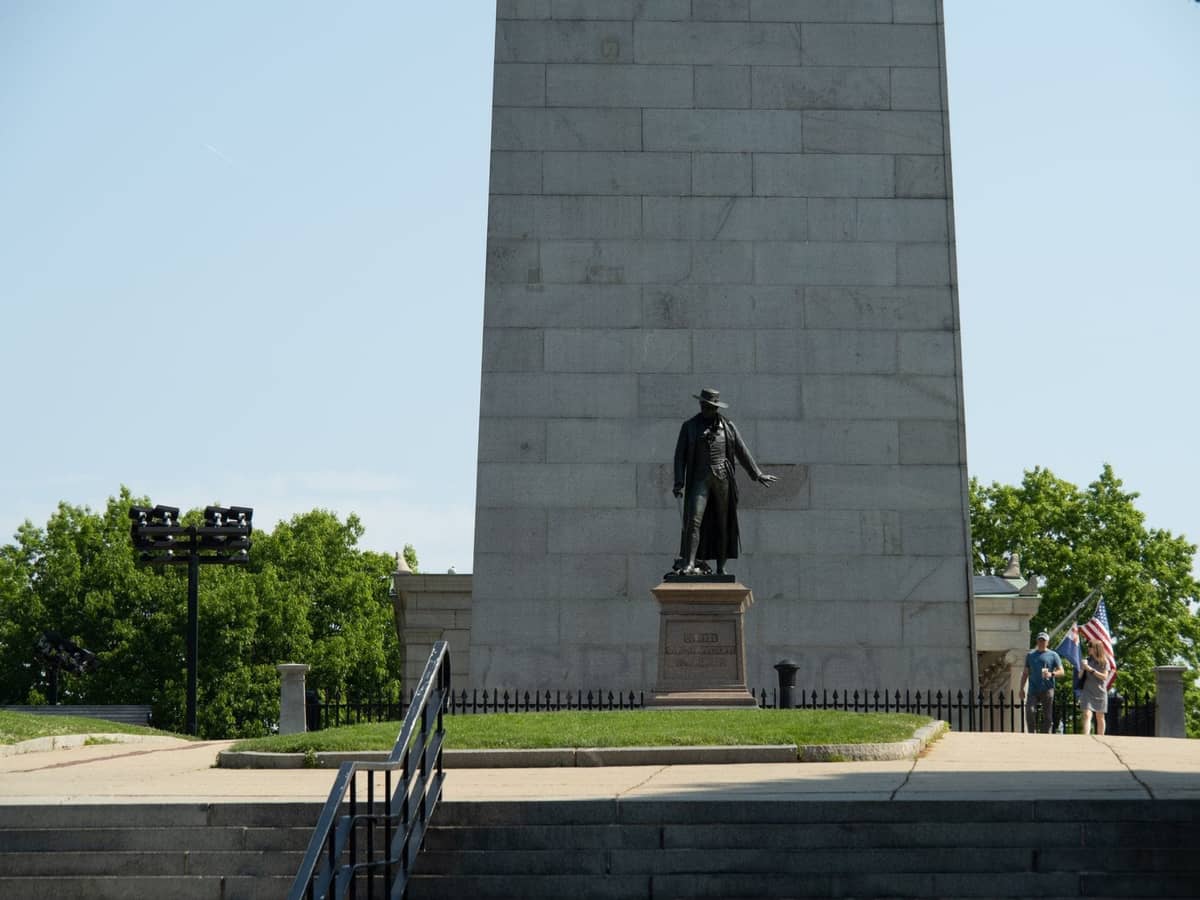
Charlestown sits just across the Charles River from downtown and contains two of the most significant Revolutionary and early Federal-period sites in the country. The Bunker Hill Monument commemorates the June 17, 1775 battle — the first major engagement of the Revolution after Lexington and Concord. The monument is free to climb (294 steps, no elevator), and the Bunker Hill Museum at the base provides solid context about the battle's significance. Here is the key misconception to correct: the battle was fought almost entirely on Breed's Hill, not Bunker Hill. The name stuck anyway.
A short walk from the monument, the USS Constitution at the Charlestown Navy Yard is the world's oldest commissioned naval warship still afloat. Launched in 1797, she fought in the War of 1812 and earned the nickname 'Old Ironsides.' Free tours are offered daily by active-duty U.S. Navy sailors, though access to the ship's interior depends on operational schedules. The adjacent USS Constitution Museum (free, donations encouraged) offers the most family-friendly history experience in Charlestown.
✨ Pro tip
Take the MBTA ferry from Long Wharf to Charlestown Navy Yard instead of walking the Freedom Trail bridge crossing. The ferry runs regularly, costs the same as a subway fare (around $2-3 with a CharlieCard), and gives you a view of the harbor and city skyline that most visitors miss entirely. It also means you approach the USS Constitution from the waterfront side, which is the most dramatic angle.
Day Trips: Lexington, Concord, and the Battlefields Beyond Boston
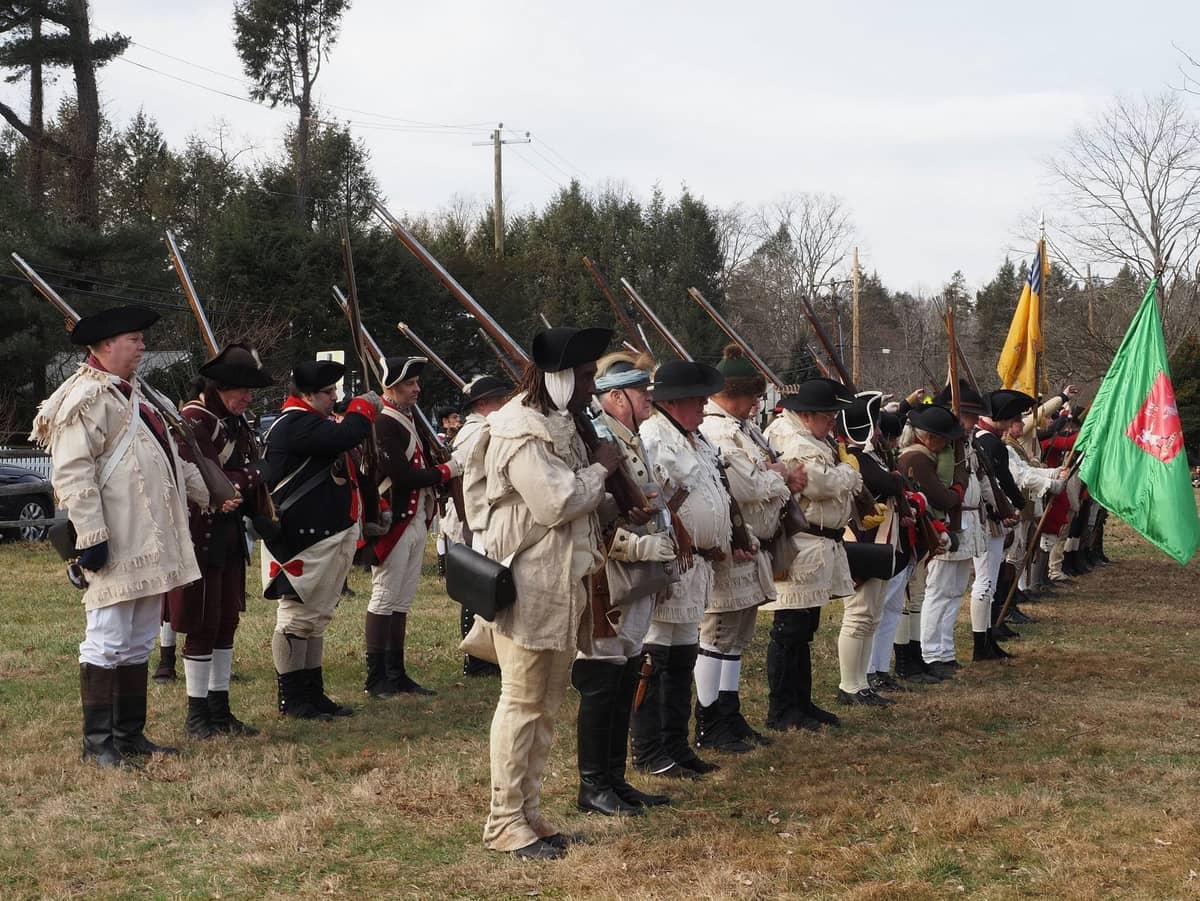
The Revolutionary War did not start in Boston. It started on the Lexington Green and along the road to Concord on the morning of April 19, 1775, when 700 British regulars marched out of Boston to seize colonial weapons and were met by armed minutemen. The Minute Man National Historical Park preserves the five-mile Battle Road between Lexington and Concord and is one of the most atmospheric historic landscapes in New England. Admission to the park itself is free; there is a visitor center at the eastern end of Battle Road with ranger programs typically running from Memorial Day through October.
Getting there without a car is feasible but requires planning. The MBTA Fitchburg Line commuter rail from North Station reaches Concord in about 40-50 minutes (check current schedules and fares at mbta.com). From Concord station it is about a mile walk or bike ride to the North Bridge, where the 'shot heard round the world' was fired. Lexington is less directly served by rail — it is more practical by commuter bus from Alewife station (Red Line). If you are driving, the two towns are about 30 minutes from downtown Boston via Route 2.
- Lexington Green: free, open at all times. The Parker Boulder and the line of minuteman statues mark where Captain John Parker's 77 militiamen faced the British column at dawn.
- Buckman Tavern (Lexington): the gathering point for minutemen before the battle. Small admission fee; check Lexington Historical Society for current hours.
- North Bridge (Concord): free, open daily. The replica bridge and Daniel Chester French's Minuteman statue are among the most photographed Revolutionary sites in America.
- Orchard House (Concord): the home of Louisa May Alcott — not Revolutionary, but a compelling literary history stop if you are already in Concord.
- Minute Man Visitor Center: free ranger films and exhibits. The 22-minute film on the April 19 events is worth watching before walking Battle Road.
For a fuller picture of the day trip options beyond Revolutionary history, the day trips from Boston guide covers Lexington, Concord, Salem, Plymouth, and other destinations with transport logistics for each.
Planning Your Visit: Seasons, Logistics, and What to Skip
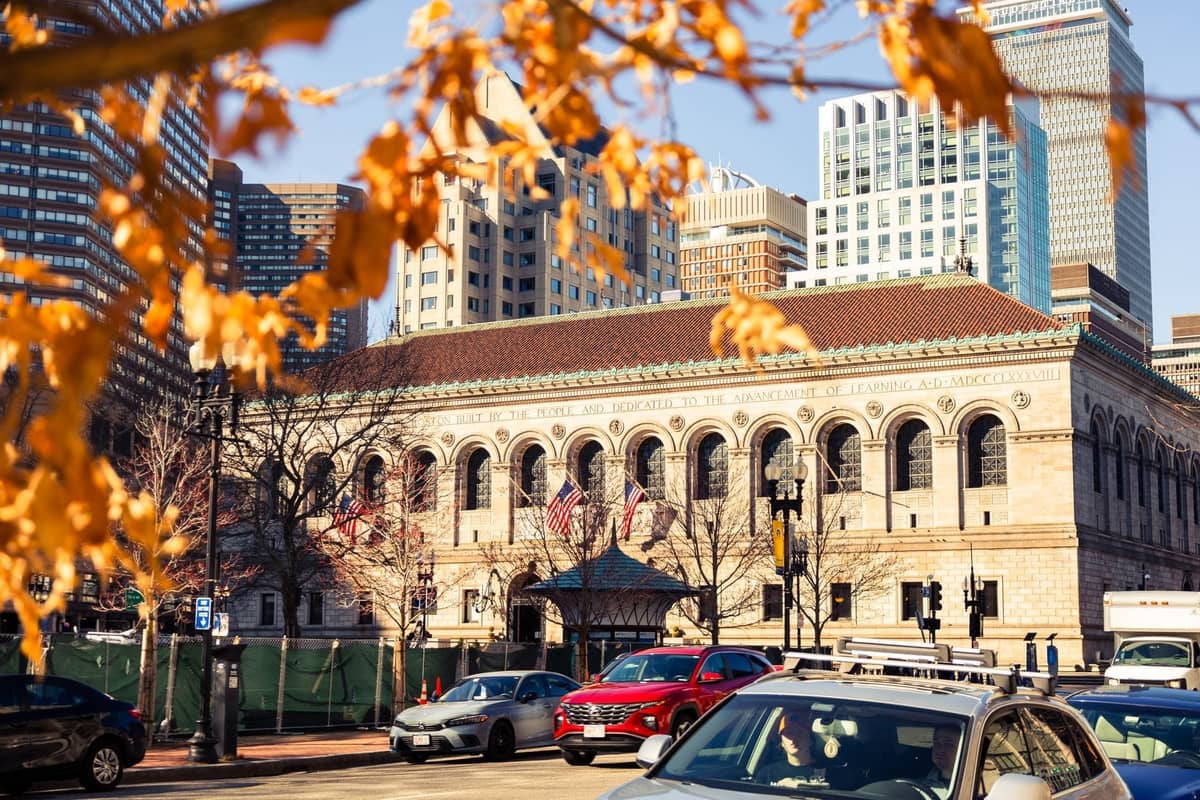
September through early November is the best time for serious historical sightseeing in Boston. Temperatures are comfortable for extended walking (typically 50-65°F / 10-18°C), summer crowds have thinned, and most sites maintain full programming and hours through Columbus Day weekend. The foliage in October adds an atmospheric backdrop to outdoor sites like Lexington Green and Concord's North Bridge.
Summer (June through August) brings peak visitor numbers to the Freedom Trail. The stretch through the North End and around Faneuil Hall can feel claustrophobic on weekend afternoons in July. Early mornings (before 9 AM) and late afternoons (after 4 PM) are significantly less crowded. Most indoor sites along the trail are air-conditioned, which matters during Boston's humid July and August heat.
Winter is underestimated as a history-travel season. The Freedom Trail stays open year-round — Boston was a working colonial city in winter, and there is something appropriately austere about visiting the Granary Burying Ground in February. Fewer tourists means unhurried access to most indoor sites. The main drawback is that some ranger-led programs at Minute Man NHP are suspended from November through late May.
Worth noting on the tourist experience: Faneuil Hall Marketplace deserves a mention, but not for the reasons it is usually promoted. The hall itself — where Samuel Adams and James Otis delivered fiery pre-Revolutionary speeches — is historically significant and free to visit. The commercial marketplace surrounding it has no real connection to that history. If your time is limited, step inside Faneuil Hall proper, read the context panels, and move on rather than lingering in the adjacent food court. For a more authentic picture of what Boston actually offers beyond the main circuit, the Faneuil Hall Marketplace page covers what is worth your time there.
Practical Information for History Visitors
Most Freedom Trail sites are in or near Downtown Boston and the North End. All are reachable by MBTA subway: the Green and Blue Lines serve Government Center and State Street (nearest stops for the core Freedom Trail sites), while the Orange Line reaches Haymarket for the North End. The MBTA fare is around $2.40 per subway ride with a CharlieCard.
- Wear comfortable, flat-soled shoes. The Freedom Trail involves cobblestones throughout the North End and Charlestown segments.
- Carry water, especially in summer. Drinking fountains are available at Boston Common and the Public Garden but are sparse along the North End section.
- The NPS Boston National Historical Park is free and operates ranger programs at Faneuil Hall, Old South Meeting House, Old State House, the Charlestown Navy Yard, and Dorchester Heights. Check nps.gov/bost for current schedules.
- Photography is generally permitted at outdoor sites and most museum interiors, though flash and tripods may be restricted inside churches.
- Children under 5 are typically free at most paid sites. Many sites offer family-friendly programming; the Boston Tea Party Ships & Museum and USS Constitution Museum are particularly good for kids.
For a structured itinerary that sequences these sites efficiently across two or three days, the 3 days in Boston itinerary includes a dedicated history day with timing and logistics built in. If you are combining history with broader sightseeing, the things to do in Boston guide provides a complete overview of the city's major attractions across all categories.
FAQ
How long does it take to walk the entire Freedom Trail?
Walking the full 2.5-mile route without entering any sites takes about 45-60 minutes at a comfortable pace. With stops at 3-4 indoor sites, plan for 3-4 hours. Doing the entire trail including all 16 sites typically requires a full day (5-7 hours). Most visitors split it across two half-days, saving the Charlestown segment (Bunker Hill and USS Constitution) for a separate visit.
Is the Freedom Trail free?
Walking the trail itself is completely free. Most outdoor sites (Boston Common, Granary Burying Ground, Faneuil Hall exterior, the Old North Church exterior, Bunker Hill Monument) are also free. Indoor museums along the route charge admission, typically ranging from around $6 for the Paul Revere House to $30-35 for the Boston Tea Party Ships & Museum. Guided tours through the Freedom Trail Foundation cost around $15-20 per adult.
What is the best time of year to visit Boston's historic sites?
September and October offer the best combination of comfortable walking temperatures, manageable crowds, and active programming at most sites. Spring (late April to early June) is also good, particularly for Lexington and Concord where Patriots' Day (the Monday closest to April 19) features major reenactments. Summer is viable but crowded; winter works well for indoor sites and those who prefer solitude, though some outdoor programs are suspended.
Can I visit Lexington and Concord without a car?
Yes, though it requires planning. MBTA Commuter Rail (Fitchburg Line) from North Station reaches Concord in about 40-50 minutes. From Concord station, the North Bridge is roughly a mile walk. Lexington is better reached by commuter bus from Alewife (Red Line terminus). If you want to cover both towns and walk sections of Battle Road, a rental car or guided tour makes logistics significantly easier. Check current MBTA schedules at mbta.com before traveling.
What is the difference between the Freedom Trail and the Black Heritage Trail?
The Freedom Trail focuses on Colonial and Revolutionary War history, covering events from the 1630s through the 1780s. The Black Heritage Trail is a 1.6-mile route on Beacon Hill covering 14 sites related to Boston's 19th-century free Black community, including the African Meeting House, the Lewis and Harriet Hayden House, and the Robert Gould Shaw Memorial. The two trails complement each other and together give a fuller picture of Boston's history than either does alone. Both can be walked in the same day if you start early.