Luxury Boston: Best High-End Hotels, Restaurants & Experiences
Boston's luxury scene is more layered than most visitors expect. From the only Forbes Five-Star waterfront hotel in New England to Michelin-caliber dining in Back Bay, this guide covers where to stay, what to eat, and how to spend your time at the upper end of the city's offerings.
Plan and book this trip
Tools from our partner Travelpayouts help you compare flights and hotels. If you book through them, we may earn a commission at no extra cost to you.
Flights
Hotels map
TL;DR
- Boston's top luxury hotels cluster around Back Bay, the Public Garden, and the historic waterfront, not just the Seaport.
- Peak-season nightly rates at five-star properties run $700–$1,200+; book early around graduation weekends (May) and fall foliage season. See our best time to visit Boston guide for timing details.
- The Boston Harbor Hotel is Boston’s only Forbes Five-Star waterfront hotel and holds an AAA Five Diamond designation.
- High-end dining is concentrated in Back Bay and Downtown; reserve Thursday through Saturday tables at least two weeks in advance.
- Luxury experiences extend well beyond hotel rooms: think private harbor charters, swan boats in the Boston Public Garden, and world-class museum collections.
Where the Luxury Market Actually Lives in Boston
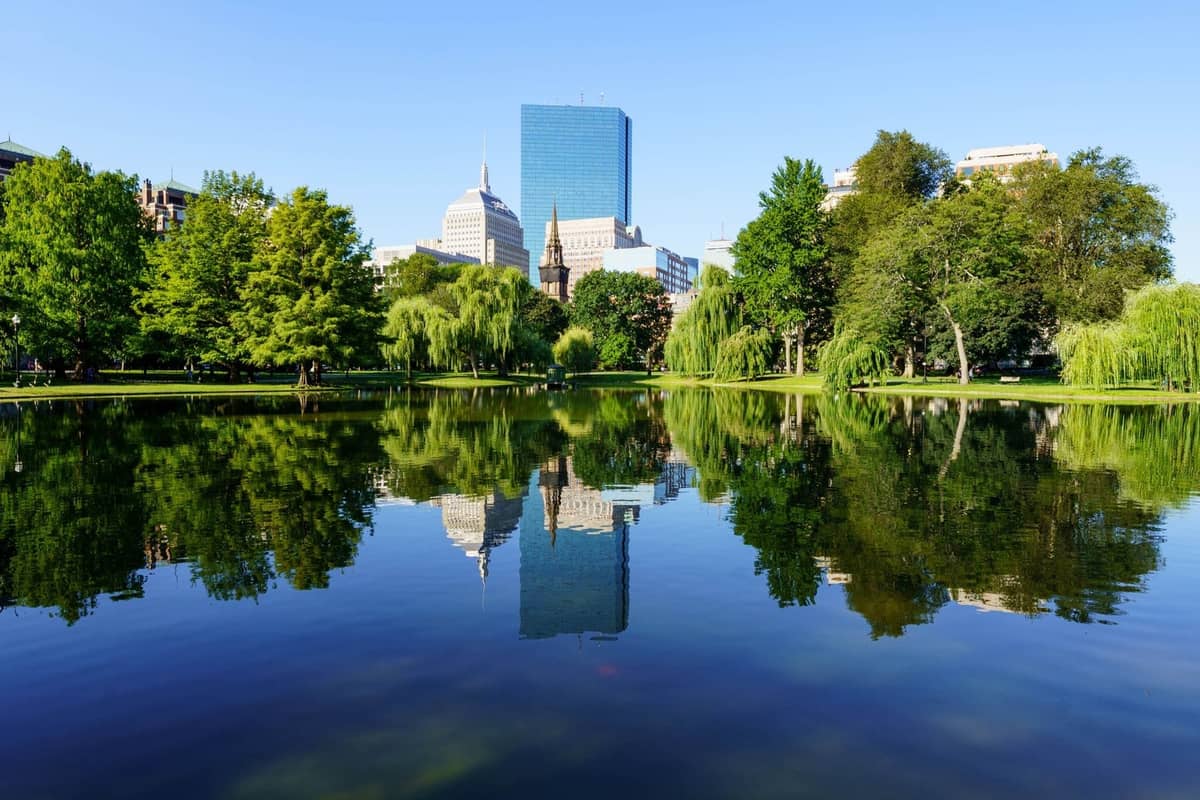
Boston's high-end hospitality is not spread evenly across the city. The real concentration sits in three zones: Back Bay and the Public Garden, the historic Downtown waterfront, and, to a lesser extent, the newer Seaport District. Visitors who assume luxury means Seaport will miss the properties that have anchored Boston's five-star reputation for decades.
Back Bay is the city's most refined residential and commercial corridor. Its 19th-century brownstone grid, the shopping on Newbury Street, and proximity to Copley Square give it a density of high-end options that no other neighborhood matches. The Public Garden sits at its western edge, and the Four Seasons and The Newbury Boston both front it directly. Downtown's waterfront, anchored by Rowes Wharf, is where you find the Boston Harbor Hotel and the best access to private yacht charters and harbor dining.
ℹ️ Good to know
The Seaport District has added several upscale hotels in recent years, but the long-established luxury market, as reflected in Forbes Travel Guide ratings, remains centered on Back Bay and the historic waterfront. Factor this into your neighborhood choice when booking.
The Top Luxury Hotels: Rankings and What Sets Each Apart
Boston has four properties that consistently appear at the top of serious luxury rankings. Each has a distinct character, and which one suits you depends more on priorities than price.
- Boston Harbor Hotel The only Forbes Five-Star and AAA Five Diamond waterfront hotel in Boston. Its Rowes Wharf address puts you steps from harbor cruises and private charters. High-season rates typically start around $800–$1,200+ per night. The Meritage restaurant downstairs is one of the better hotel dining rooms in the city. Best for: anyone who wants water views and direct access to harbor experiences.
- Four Seasons Hotel Boston Overlooking the Public Garden on Boylston Street, this is the city's most consistently rated luxury address. Standard rooms in peak season run roughly $900–$1,200+. The spa and pool are standouts. Best for: families, couples, and guests who want the quieter side of luxury, away from the waterfront crowds.
- The Newbury Boston Occupying the landmark former Ritz-Carlton building at the corner of Arlington and Newbury, this property blends historic architecture with a more contemporary feel. Entry rooms commonly run $700–$1,000+ per night. The rooftop bar draws a local crowd, not just hotel guests. Best for: guests who want to be embedded in Back Bay's street life and walkable to Newbury Street's galleries and boutiques.
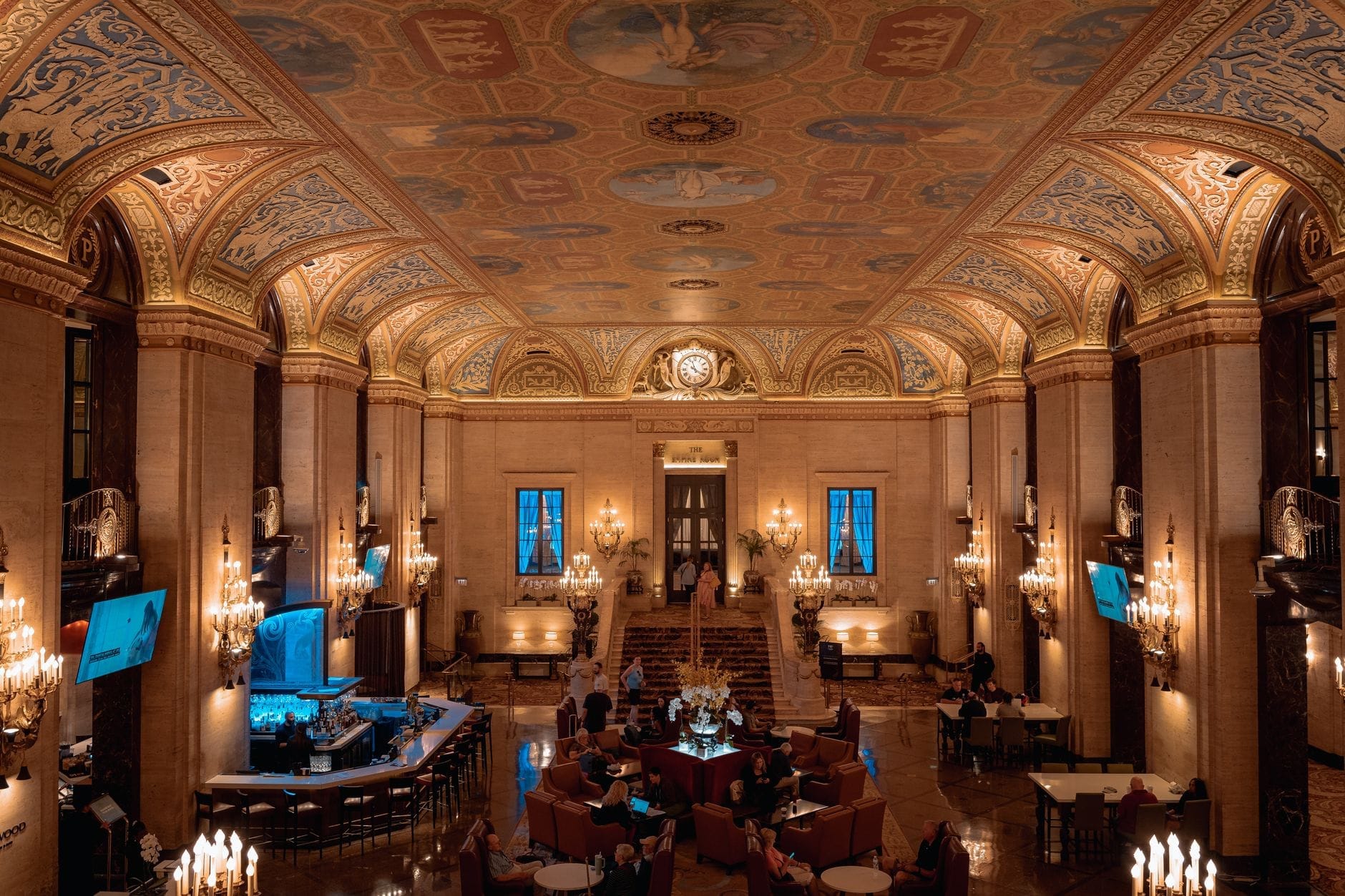
- The Langham, Boston Housed in the former Federal Reserve Bank building in the Financial District, The Langham offers one of the more architecturally striking lobbies in New England. Rates often run $600–$900+ in busy months, making it the most accessible of the four. Best for: guests visiting for business or who want a Downtown location with easy T access.
⚠️ What to skip
All hotel rates listed are indicative and dynamic. Prices spike significantly during Boston Marathon weekend (third Monday of April), university graduation weekends in May, and major conventions. Always verify current rates directly with the property or through a major booking platform before making plans.
High-End Dining in Boston: Where to Actually Go
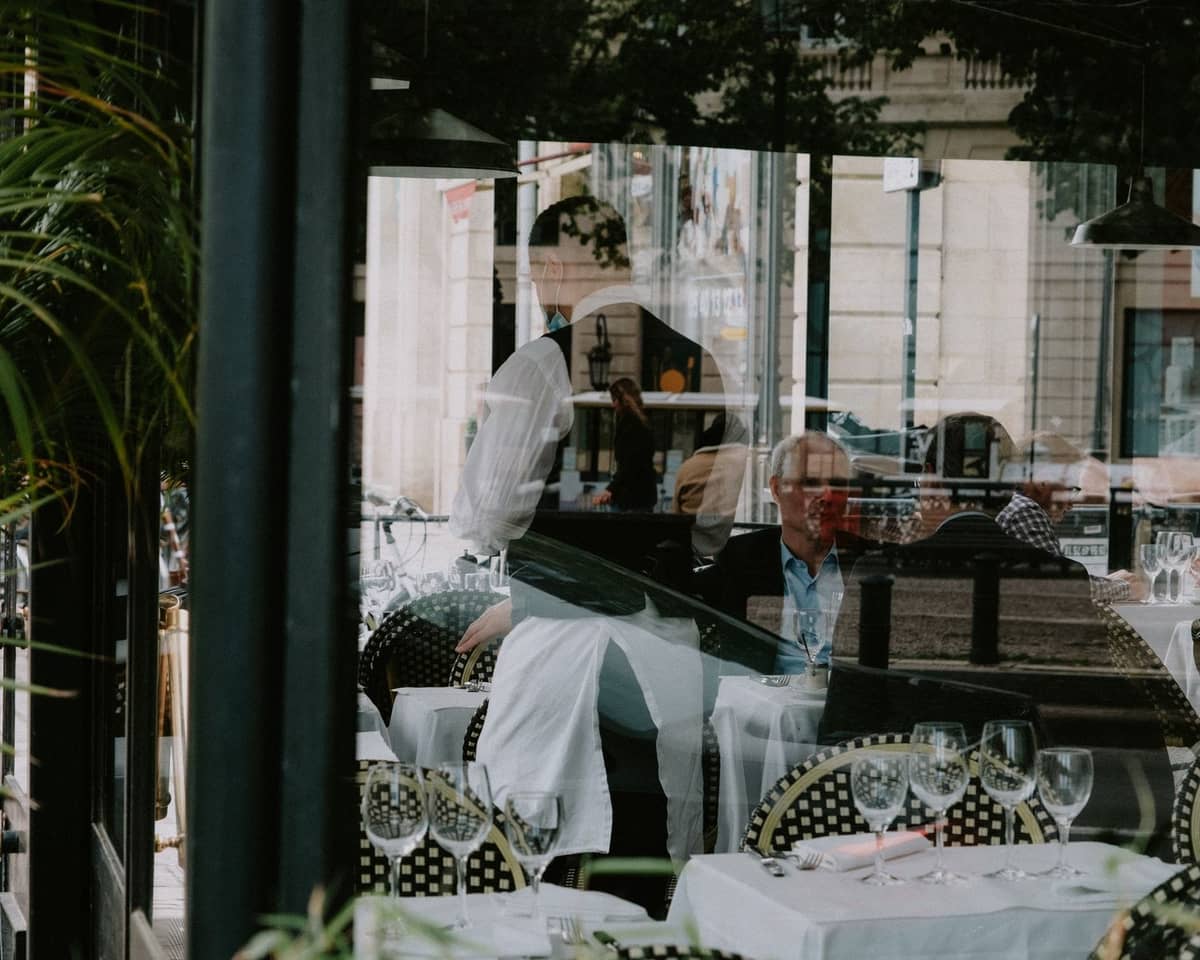
Boston's fine dining scene has matured considerably over the past decade. The best options sit in Back Bay and the adjacent South End, with a secondary cluster Downtown near the waterfront. If you want a deeper look at the full food landscape, the what to eat in Boston guide covers everything from high-end to everyday.
Deuxave on Massachusetts Avenue is the most recognized name in contemporary French-influenced fine dining in the city, with a Forbes Travel Guide endorsement to back it up. The menu changes seasonally, portion sizes are restrained, and the wine list is serious. Expect to spend $120–$180 per person with wine. Reservations two to three weeks out are standard for weekend evenings.
The flagship hotel restaurants are worth considering, not just as convenient options but as genuine dining destinations. Boston Harbor Hotel's Meritage focuses on wine pairing, with each dish designed around a wine category rather than the reverse. The Newbury's rooftop dining has strong views over the Public Garden and a more casual approach that works well for cocktails before elsewhere. Four Seasons Boston's inner dining room is quieter and better suited to business dinners or celebrations where conversation matters more than scene.
- Book Thursday through Saturday reservations at least two weeks in advance for top-tier restaurants.
- Many high-end Boston restaurants close Sundays and Mondays; confirm before planning your schedule around them.
- The South End, particularly around Tremont Street, has several chef-driven restaurants that match Back Bay in quality but feel less formal.
- Dress codes in Boston fine dining skew smart-casual to business casual; very few restaurants enforce strict jacket requirements.
- Tipping norms in Boston follow standard U.S. practice: 18–20% of the pre-tax bill is considered standard, with 22–25% for exceptional service.
Luxury Experiences Beyond the Hotel Room
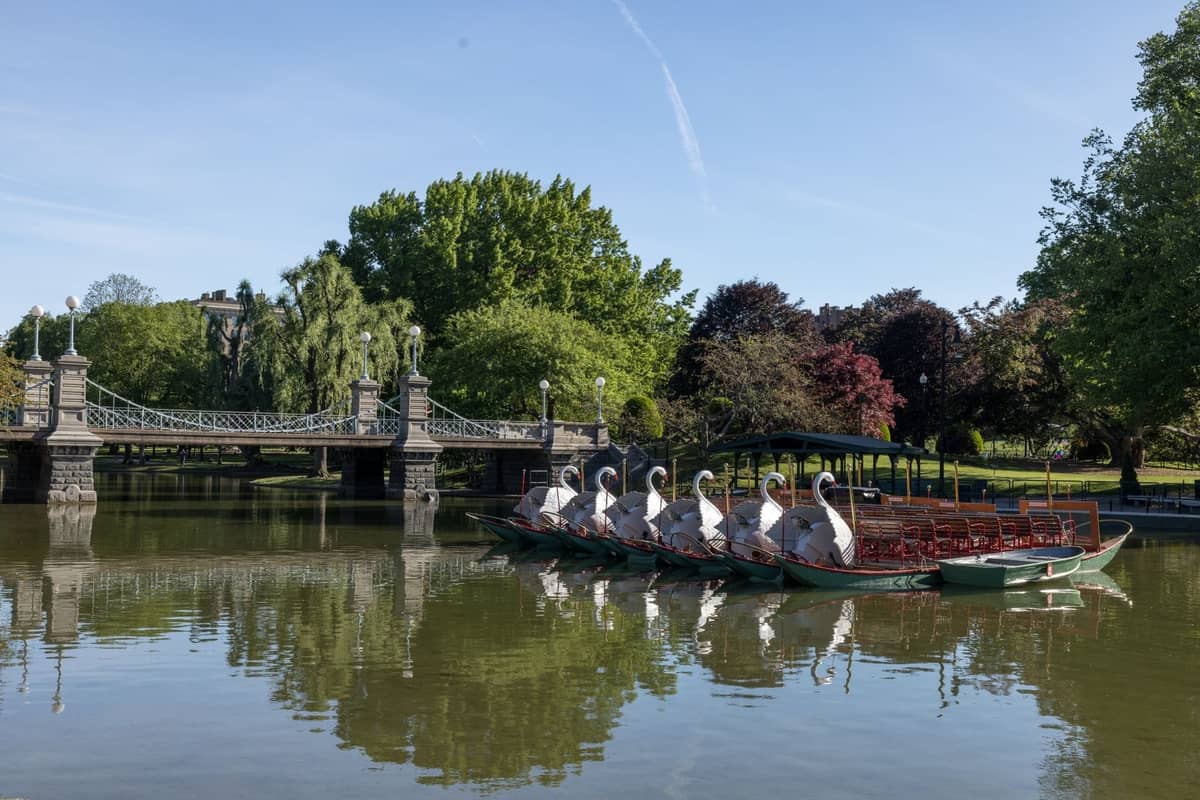
The most memorable luxury experiences in Boston happen outside hotel lobbies. The Boston Public Garden is one of the most underrated high-end leisure spaces in any American city. The swan boats operate roughly mid-April through mid-September (weather-dependent, tickets sold at the lagoon), and the garden itself is worth an unhurried hour regardless of season.
Private harbor charters and luxury yacht experiences operate seasonally from Rowes Wharf and nearby marinas, running from roughly May through October. These range from two-hour sunset cruises to full-day private charters around the Boston Harbor Islands. Booking directly through the marina or the Boston Harbor Hotel concierge typically gets you better availability than third-party platforms.
For culture at the upper end, the Isabella Stewart Gardner Museum in the Fenway offers one of the most extraordinary private collection experiences in America. The building itself is a 15th-century Venetian-style palazzo, and the collection is legally frozen in the arrangement Gardner specified at her death. The Museum of Fine Arts Boston next door is more comprehensive, but the Gardner is the more singular experience for discerning visitors.
Newbury Street between Arlington and Massachusetts Avenue is Boston's most concentrated luxury shopping corridor. Galleries, international fashion houses, and independent boutiques share the same blocks as solid mid-range options. For a broader picture of the shopping landscape, the Boston shopping guide covers the full range of neighborhoods and options.
✨ Pro tip
If you're visiting in summer, the Boston Symphony Orchestra performs at the Hatch Memorial Shell on the Esplanade during the Pops season. Pairing an evening concert on the Charles River Esplanade with dinner in Back Bay beforehand is one of the city's best luxury-adjacent experiences, and the concert itself is free.
Seasonal Timing: When Luxury Boston Works Best (and When to Avoid)
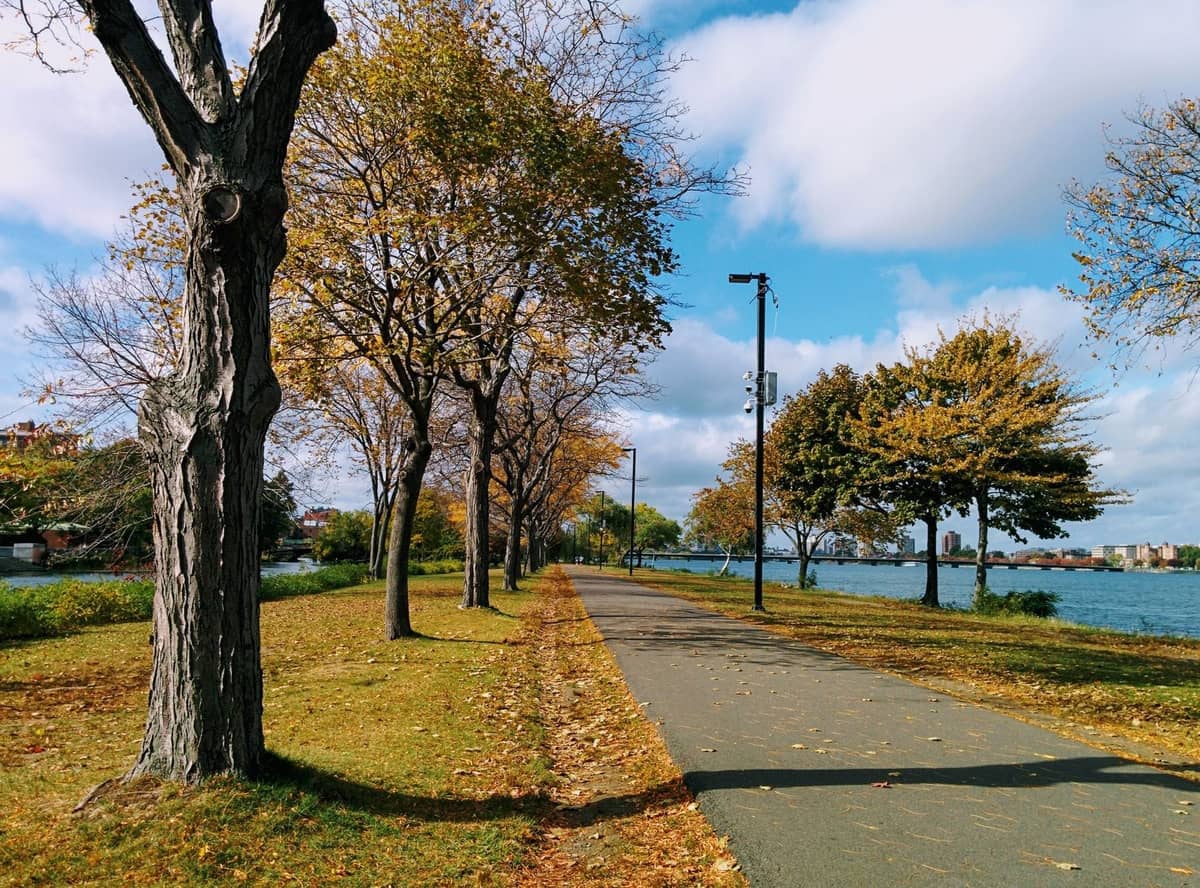
Boston's luxury season peaks twice: late spring (May to June) and early fall (September to October). Both windows offer mild weather and the city's most significant cultural and social calendar. The fall in Boston is particularly well-suited to luxury travel, with foliage in full effect from mid-October, hotel rates slightly below summer peaks, and most outdoor experiences still fully operational.
Summer is technically peak season, but it comes with trade-offs. July and August see the highest hotel rates, the most congested harbor areas, and heat that makes extended outdoor activities less comfortable. July averages a high of around 82°F (28°C), which is manageable, but humidity adds to the feel. If your priority is exclusive access and lowest prices, January through March offers genuine value at the luxury properties listed above, with winter rates often 30–40% below summer peaks.
The absolute worst time to book luxury accommodations is Boston Marathon weekend (third Monday in April) and the cluster of university graduation weekends in mid-May. Rooms that normally run $800 per night reach $1,400–$1,800+ during these windows, and availability disappears months in advance. If your dates are flexible, shifting one week in either direction saves a significant amount.
Practical Logistics for Luxury Travelers
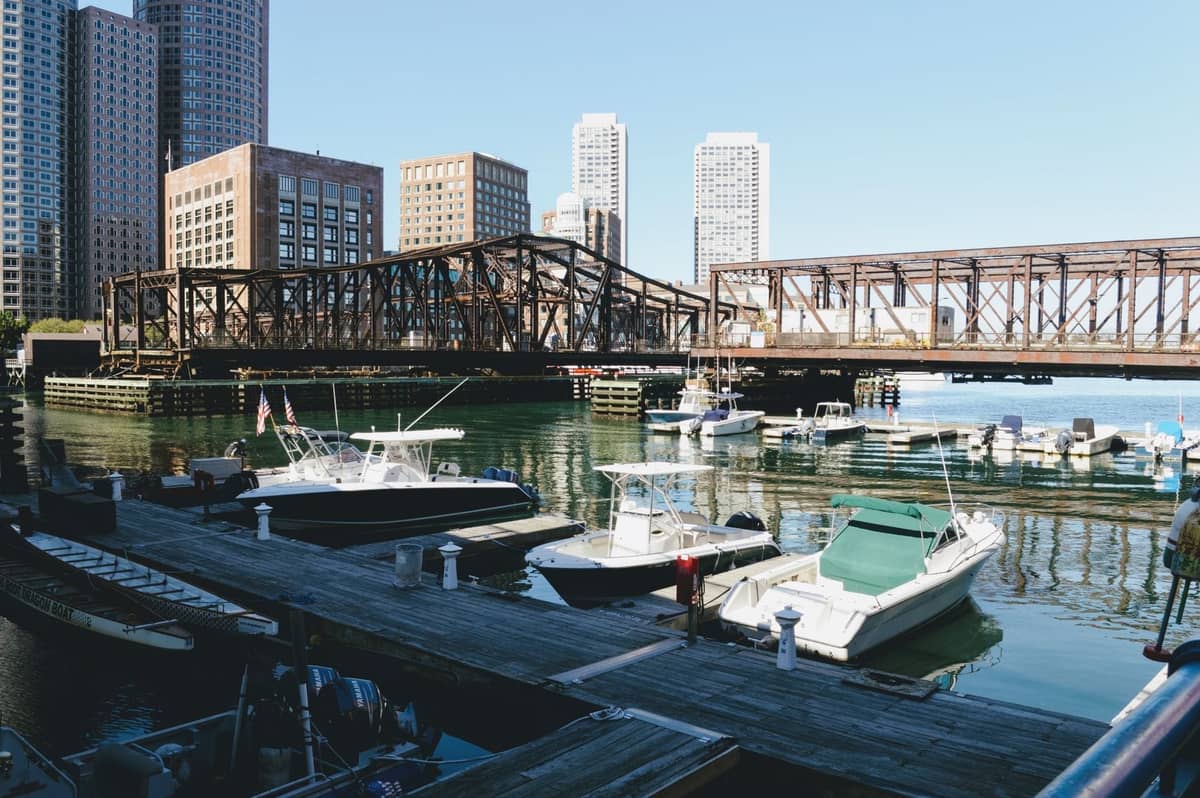
Logan International Airport (IATA: BOS) sits approximately 3 miles from downtown, making it one of the most convenient major-city airports in the country. For luxury travelers, the private water taxi from the Logan dock to Rowes Wharf is the most elegant airport transfer option, arriving directly at the Boston Harbor Hotel's waterfront entrance. Access the dock via free Massport shuttle from any terminal. Check current operator schedules at the Massport site before travel. The Boston airport guide covers all transfer options in detail.
Getting around Boston at the luxury level rarely requires a car. The city is compact at 48 square miles, and the four flagship hotels are all within walkable distance of Back Bay, Downtown, and the waterfront. Uber and Lyft both operate in Boston, and the MBTA Blue Line from Airport Station to Downtown takes under 15 minutes. Parking at luxury hotels is valet-only and typically runs $50–$65 per night; renting a car in Boston is generally not worth it unless you plan day trips.
- Tipping in Boston follows standard U.S. norms: $1–2 per bag for bellhops, $5–10 per night for housekeeping, 18–20% at restaurants.
- Boston tap water is safe, well-treated, and tested regularly by the Boston Water and Sewer Commission. No need to purchase bottled water.
- U.S. standard electrical supply is 120V/60Hz with Type A and B plugs. International travelers will need a voltage converter for most European or Asian appliances.
- The country code for the U.S. is +1; Boston area codes are 617 and 857.
- Emergency services: dial 911 for police, fire, or medical anywhere in Boston.
FAQ
What is the most luxurious hotel in Boston?
The Boston Harbor Hotel is Boston’s only Forbes Five-Star waterfront hotel and also holds an AAA Five Diamond designation, making it the most formally rated luxury property in the city. The Four Seasons Boston is a close rival for overall consistency and service quality, particularly for non-waterfront stays.
How much does a luxury hotel in Boston cost per night?
Rates at Boston's top five-star hotels typically run $700–$1,200+ per night during peak season (May through October). Winter rates can drop 30–40% below these figures. Expect significant surcharges during Boston Marathon weekend and university graduation weekends in May.
What are the best luxury experiences in Boston beyond hotels?
Private harbor charters from Rowes Wharf (May–October), the Isabella Stewart Gardner Museum, Newbury Street galleries and boutiques, fine dining at Deuxave or the flagship hotel restaurants, and swan boats in the Boston Public Garden are the most distinctive high-end experiences the city offers.
When is the best time to visit Boston for luxury travel?
Early fall (September to mid-October) offers the best combination of mild weather, full availability of outdoor experiences, strong cultural programming, and slightly lower hotel rates than peak summer. Late spring (May to early June) is excellent but pricier due to graduation season demand.
Is the Seaport District the best area for luxury hotels in Boston?
Not necessarily. While the Seaport has newer upscale properties, Boston's most established and highly rated luxury hotels are concentrated in Back Bay, around the Public Garden, and on the historic waterfront near Rowes Wharf. Forbes Travel Guide's Boston luxury rankings reflect this, with Back Bay and Downtown properties dominating.