What to Eat in Boston: The Essential New England Food Guide
Boston's food identity runs deep: centuries of seafood tradition, immigrant-shaped neighborhoods, and a handful of dishes that define New England eating. This guide covers what to order, where to find it, what it should cost, and what to skip.
Plan and book this trip
Tools from our partner Travelpayouts help you compare flights and hotels. If you book through them, we may earn a commission at no extra cost to you.
Flights
Hotels map
TL;DR
- Boston's essential dishes are New England clam chowder, lobster rolls, Boston cream pie, baked beans, and North End cannoli.
- Budget around $15+ for casual meals and $40+ per person at sit-down restaurants — see our Boston on a budget guide for ways to eat well without overspending.
- Lobster rolls are a summer staple; chowder is worth eating year-round but especially warming in fall and winter.
- The North End is Boston's Italian-American food hub — the best cannoli and espresso in the city are found within a few blocks of each other.
- Boston cream pie is not a pie. It's a layered cake, and it was invented at the Parker House Hotel. Don't let anyone tell you otherwise. For broader trip planning, check the complete Boston travel guide.
The Dishes Boston Is Actually Known For
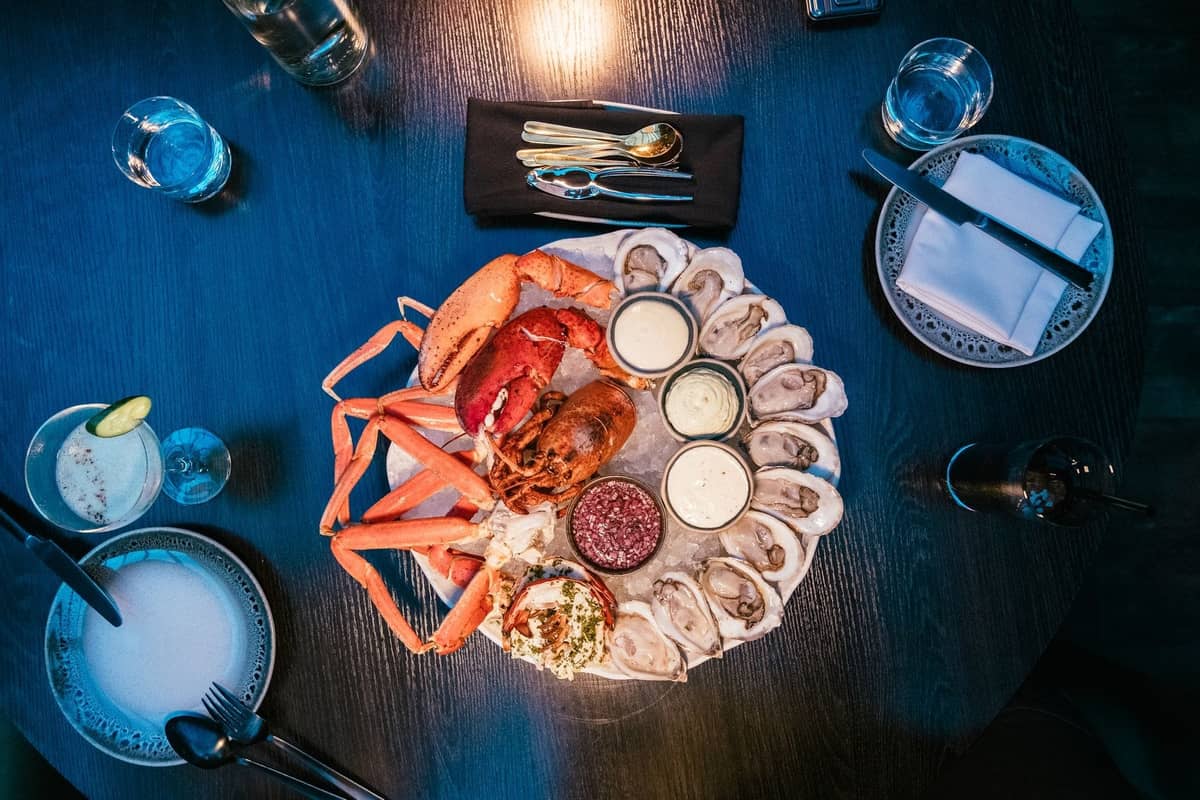
Boston's food reputation is built on seafood, colonial-era recipes, and the contributions of immigrant communities who settled here over centuries. The result is a regional cuisine that's specific, unpretentious, and worth taking seriously. These aren't just tourist talking points — locals eat this food too, and knowing the difference between a great version and a mediocre one makes the trip significantly better.
- New England Clam Chowder The cream- or milk-based style, thick with potatoes and chopped clams. Not red (that's Manhattan chowder, and ordering it here will earn you a look). The best versions have depth from clam broth and don't rely on flour to fake thickness.
- Lobster Roll Boston-style means chilled lobster meat tossed with mayo, served in a split-top hot dog bun. The Connecticut style (warm, with butter) also appears on menus here. Both are valid; just know what you're ordering. Peak season is June through August when prices drop slightly and the meat is freshest.
- Boston Cream Pie Two layers of sponge cake filled with vanilla pastry cream, topped with chocolate glaze. Created at the Parker House Hotel in Boston in the 19th century, it became the official Massachusetts state dessert in 1996. You'll find it on menus across the city, but quality varies dramatically.
- Boston Baked Beans Slow-cooked navy beans with molasses, salt pork or bacon, and mustard. The molasses connection is historical — Boston was a major port in the colonial molasses trade. The dish is more of a brunch or side item today than a restaurant centerpiece, but it's worth seeking out at traditional spots.
- North End Cannoli Crisp fried pastry shells filled with sweetened ricotta, often with chocolate chips or pistachios. The North End's Italian-American bakeries have been making these for generations, and the best ones are filled to order so the shell stays crisp.
ℹ️ Good to know
Boston cream pie is one of the most misunderstood foods in American culinary history. It is definitively a cake, not a pie. The name comes from the 19th-century American habit of baking cakes and pies in the same round tins — the terminology stuck long after the distinction became clear. The Parker House Hotel (now the Omni Parker House) still serves it.
Neighborhood by Neighborhood: Where to Eat What
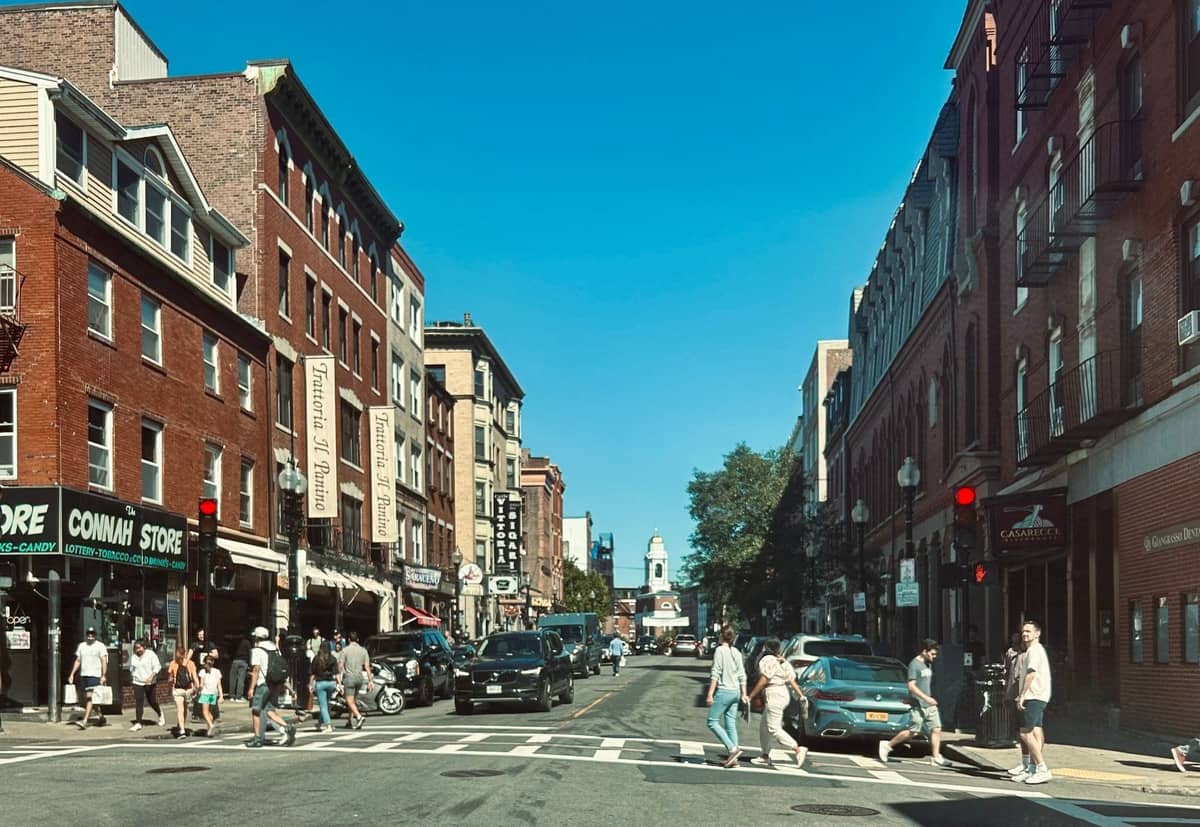
Boston's food scene is geographic. What you eat depends heavily on where you are in the city. The North End is the obvious starting point for Italian food and seafood, but neighborhoods like the South End, Fenway, and Chinatown each have distinct culinary identities worth exploring.
- North End Boston's oldest neighborhood and its Italian-American food hub. Hanover Street and the surrounding blocks are packed with bakeries, espresso bars, and red-sauce restaurants. Go to Mike's Pastry or Modern Pastry for cannoli — locals debate which is better, and both are worth trying. Arrive before 10am on weekends to avoid lines.
- Seaport District The newer, glossier side of Boston's food scene. Good for oysters, contemporary seafood, and upscale dining. Expect $50-100+ per person at the top-end restaurants here. Less character than older neighborhoods, but the water views and fresh catches are real.
- Back Bay Newbury Street and Boylston Street offer everything from quick lunch spots to upscale New American dining. Legal Sea Foods has a location here — a reliable, mid-range option for chowder and lobster rolls without being a tourist trap. Expect $25-50 per person for a proper seafood meal.
- Chinatown Compact but dense with Cantonese, Vietnamese, and pan-Asian restaurants. Some of the best late-night eating in Boston happens here — many spots stay open past midnight. Dim sum on weekend mornings is particularly good value at around $15-25 per person.
- Fenway-Kenmore Practical dining for pre- or post-game eating near Fenway Park. Nothing refined, but plenty of bars and casual spots doing decent chowder, clam strips, and seafood sandwiches.
- South End Boston's most restaurant-dense neighborhood per capita, with a strong concentration of chef-driven New American and global cuisine. More creative and contemporary than the North End or Seaport. Budget $40-70 per person for a full dinner at the better spots.
The historic Faneuil Hall Marketplace area gets heavy tourist traffic and the food quality reflects that — it's convenient but not where locals eat. For a more authentic market experience, the Boston Public Market on Hanover Street near Government Center is a year-round indoor market with local vendors selling regional produce, seafood, cheese, and prepared food.
Clam Chowder: What Separates Good from Great
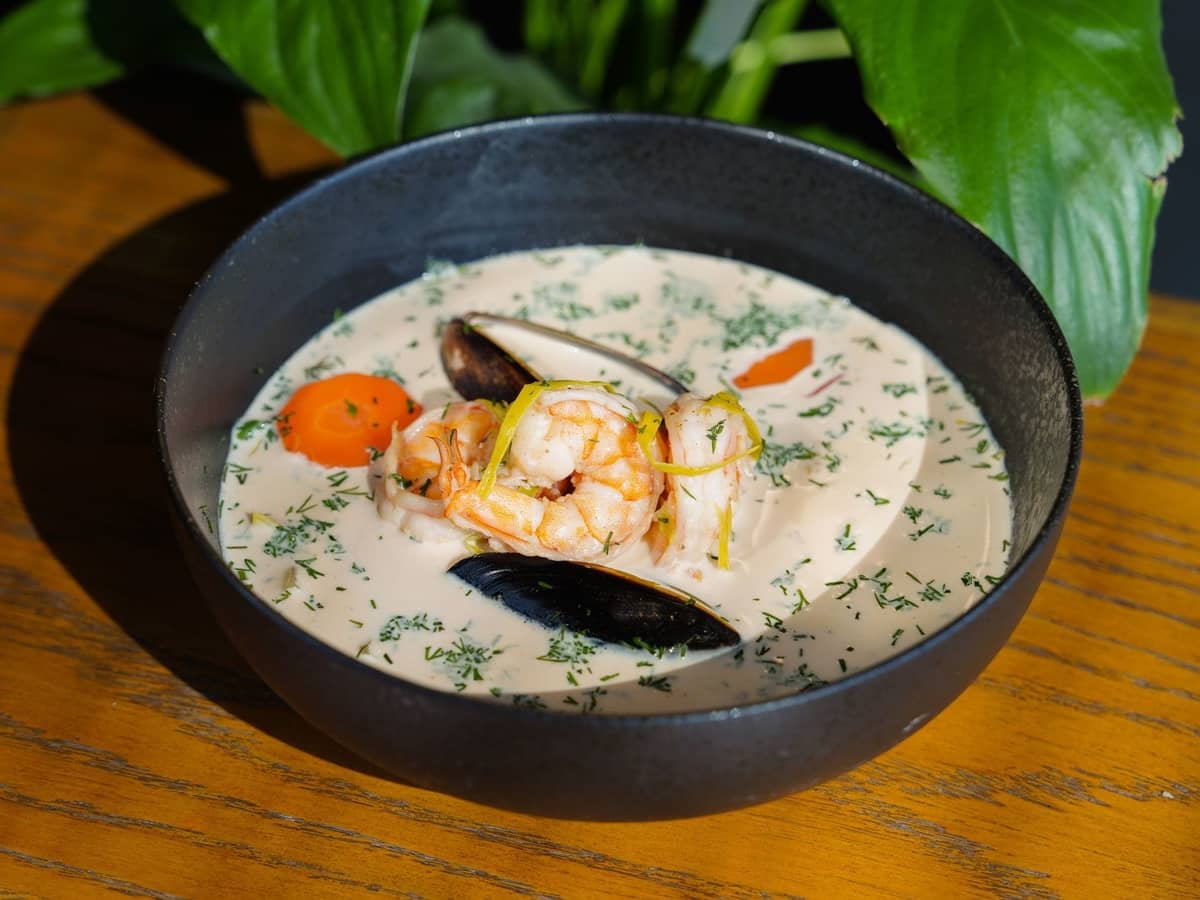
New England clam chowder is everywhere in Boston, which means there's a wide range of quality. The bad versions are thick, gluey, and underseasoned, relying on cream and flour rather than actual clam flavor. A great bowl has a broth base that's been built from clam liquor, with enough cream for richness but not so much that it becomes heavy. The clams should be tender, not rubbery. Potatoes should hold their shape.
The Union Oyster House, with roots dating to 1826 near Faneuil Hall, is one of the oldest continuously operating restaurants in the United States and serves a classic chowder that's worth ordering for context, if not necessarily as the definitive modern version. It's a tourist destination, so expect waits and premium pricing — around $12-18 for a bowl. For something more neighborhood-oriented, look toward the waterfront restaurants in the Seaport or the Union Oyster House if historic atmosphere matters to you.
⚠️ What to skip
Avoid ordering clam chowder from generic tourist spots around Faneuil Hall Marketplace or Quincy Market food stalls. The chowder sold in souvenir bread bowls at high-traffic tourist locations is often mass-produced and uninspiring. Walk two blocks in any direction and the quality improves considerably.
Lobster Rolls: Pricing, Seasonality, and What to Expect
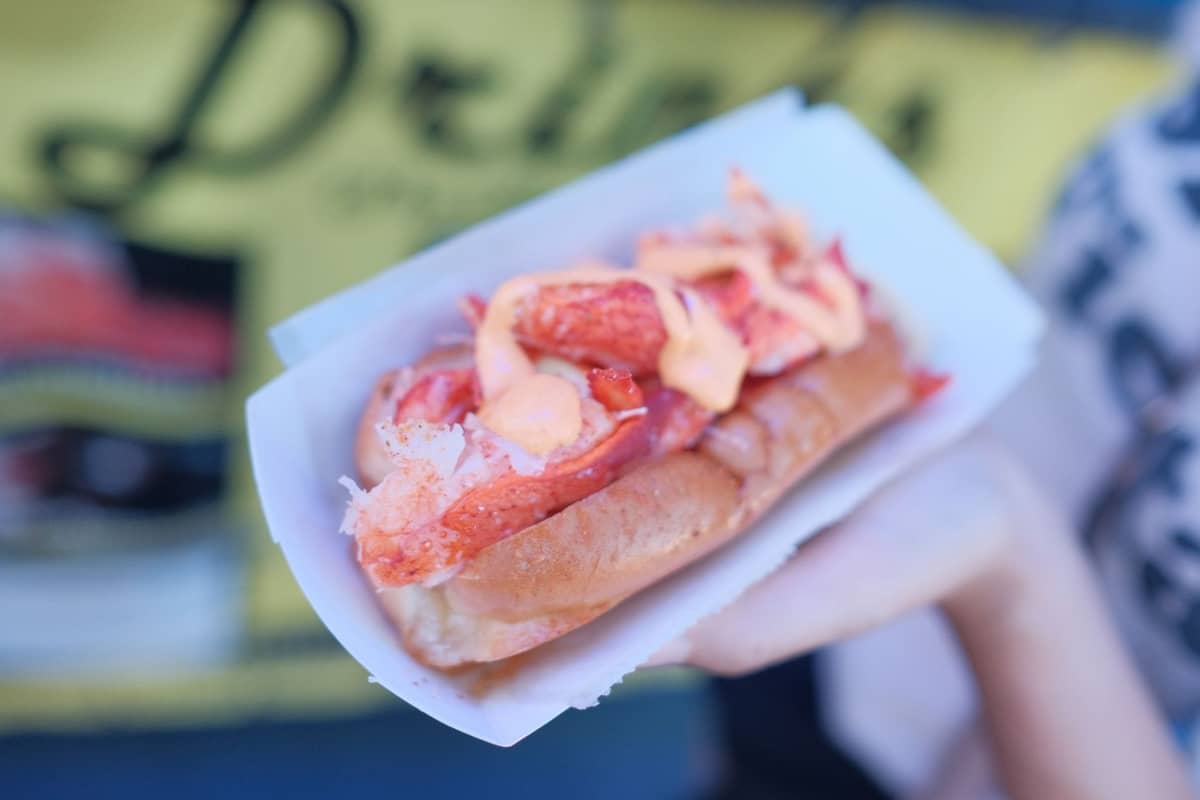
Lobster rolls are the most talked-about Boston food experience, and also the one most likely to cause sticker shock. Expect to pay $28-45 for a single lobster roll at most reputable spots in the city. The price reflects real ingredient costs — lobster is expensive, and a proper roll uses a meaningful amount of meat, not mostly filler. If a roll is under $20, check what you're getting.
Summer (June through August) is the best time to eat lobster rolls in Boston. Local lobster is more abundant, prices are slightly more favorable, and the context — warm weather, outdoor seating, harbor views — suits the dish. That said, lobster rolls are available year-round at most seafood restaurants, and the quality doesn't drop dramatically in winter.
If lobster roll prices are a concern, a trip to the Boston Harbor Islands in summer sometimes includes ferry vendors and island restaurants with fresher-than-average seafood at slightly lower markups than tourist-area restaurants in the city proper.
✨ Pro tip
Know the two main styles before ordering: New England (cold, with mayo) is the Boston standard. Connecticut-style (warm, with drawn butter) is also common on local menus and preferred by many for letting the lobster flavor come through more directly. Neither is 'wrong' — just make sure you're getting what you actually want.
Drinks, Breweries, and What Boston Locals Actually Drink
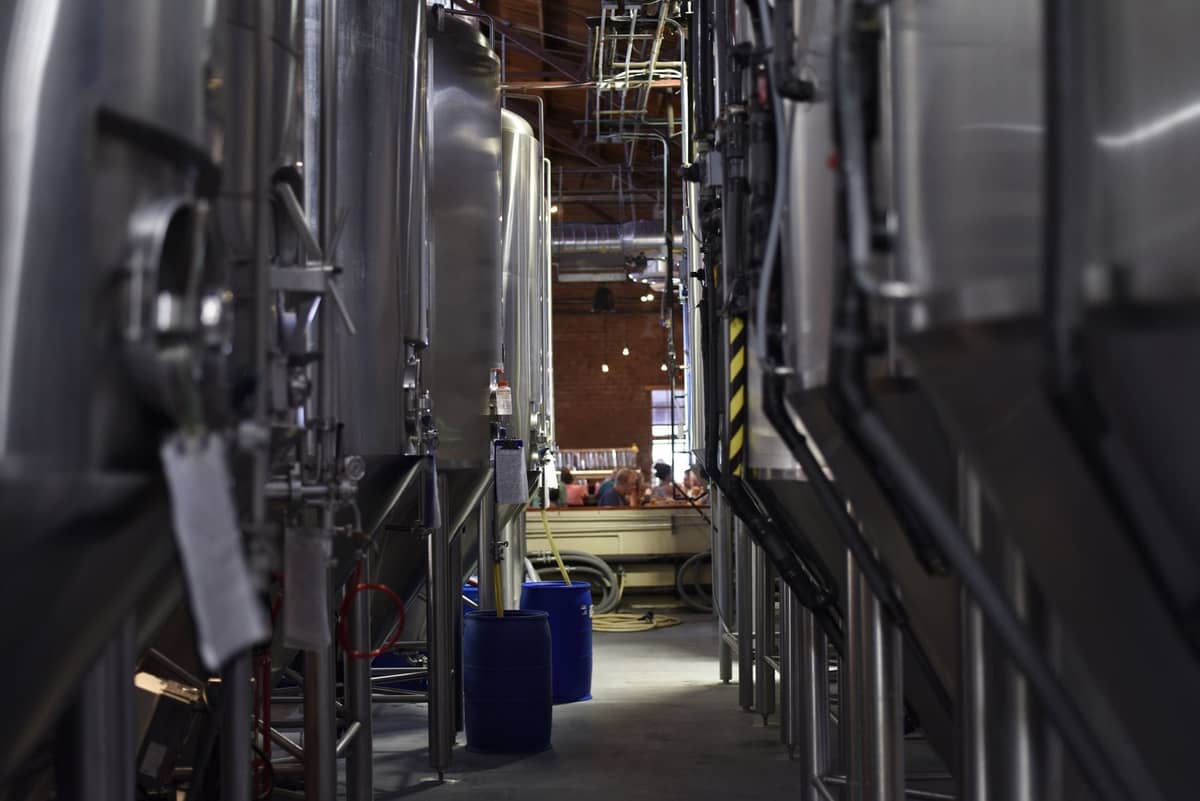
Boston has a strong craft beer culture anchored by a few well-established local breweries. Harpoon BreweryTrillium Brewing Company in the Seaport District offers tours and a beer hall, and their IPA is a genuine New England classic. Samuel Adams, brewed in Jamaica Plain, is the city's most famous beer export — the brewery offers tours and tastings that cover the history of American craft beer alongside the product itself.
Beyond beer, Boston's cocktail bar scene has improved significantly over the past decade. The South End and Back Bay neighborhoods have the highest concentration of serious cocktail programs. Wine lists at the better restaurants tend toward French and Italian labels, though local wine production (mostly from western Massachusetts) is minimal. For non-alcoholic options, the Boston coffee scene is competitive, with independent cafés in Cambridge and the South End offering quality alternatives to national chains.
Dining Costs and What Your Budget Actually Gets You
Boston is an expensive city to eat in, comparable to New York or San Francisco at the higher end. That said, the full range of options means you can eat extremely well on a modest budget if you know where to look. Chinatown, the North End bakeries, and the Boston Public Market are the best budget food zones. Sit-down restaurants in Back Bay, the Seaport, or the South End are where costs climb.
- Budget (under $15 per person): food hall counters, North End bakeries, Chinatown lunch specials, food trucks near the Greenway
- Mid-range ($15-40 per person): casual seafood restaurants, neighborhood bistros, pub dining in Beacon Hill or Cambridge
- Upscale ($40-80+ per person): chef-driven New American in the South End, high-end seafood in the Seaport, historic dining rooms like the Omni Parker House
- Tipping: 18-20% is standard at sit-down restaurants in Boston; 15% is considered the low end of acceptable
For a full cost breakdown including transport, accommodation, and activities, the Boston on a budget guide covers practical strategies for keeping costs reasonable without missing the city's best food experiences.
FAQ
What is the most famous food in Boston?
New England clam chowder is the dish most associated with Boston internationally, but locals would probably cite lobster rolls as the more beloved local staple. Boston cream pie (technically a cake) is the official Massachusetts state dessert and the most historically significant dish with direct Boston origins — it was created at the Parker House Hotel in the 19th century.
Where can I find the best clam chowder in Boston?
The North End waterfront area, the Seaport District, and established seafood restaurants like Legal Sea Foods are reliable starting points. Avoid the highest-traffic tourist spots around Quincy Market, where quality tends to be low. The Union Oyster House serves a historically notable version, though you're partly paying for the atmosphere there.
How much does a lobster roll cost in Boston?
Most reputable spots charge $28-45 for a lobster roll in Boston. Prices at casual waterfront stands and higher-end restaurants span this range, with very little good value below $25. Prices are slightly more favorable in summer (June-August) when local lobster supply increases.
Is Boston good for vegetarians and non-seafood eaters?
The seafood-heavy reputation can be misleading — Boston has a large student population and diverse neighborhoods that support a wide range of cuisines. The South End has strong vegetarian and vegan restaurant options. Chinatown, East Boston (strong Central American food), and Cambridge all offer extensive non-seafood dining. You won't struggle to eat well without touching seafood.
What is the best neighborhood to eat in Boston?
For traditional Boston food (seafood, Italian-American, historic atmosphere), the North End is the top choice. For the widest variety of contemporary dining and the highest restaurant density, the South End is the best neighborhood. Chinatown is the best value for the quality. Back Bay is the most convenient for visitors staying near Copley Square or Newbury Street.