Visiting Harvard & MIT: A Complete Guide to Boston's University Campuses
Harvard and MIT sit just across the Charles River from Boston, connected by the MBTA Red Line and packed with free things to see. This guide covers how to get there, what to book in advance, the best spots on each campus, and what most visitors get wrong.
Plan and book this trip
Tools from our partner Travelpayouts help you compare flights and hotels. If you book through them, we may earn a commission at no extra cost to you.
Flights
Hotels map
TL;DR
- Both universities are in Cambridge, MA, a short Red Line subway ride from downtown Boston.
- Harvard's official campus tour is free but requires advance registration; MIT's campus is walk-in friendly — see our guide to getting around Boston for transit details.
- MIT's Welcome Center at Kendall/MIT station is the best starting point; Harvard's Visitor Center is inside the Smith Campus Center on Massachusetts Ave.
- Neither campus is fully open to the public — outdoor spaces are accessible, but dorms, labs, and many buildings are restricted.
- Avoid driving: parking in Cambridge is expensive and limited. Combine your visit with exploring Cambridge for a fuller day.
Getting to Harvard and MIT from Boston
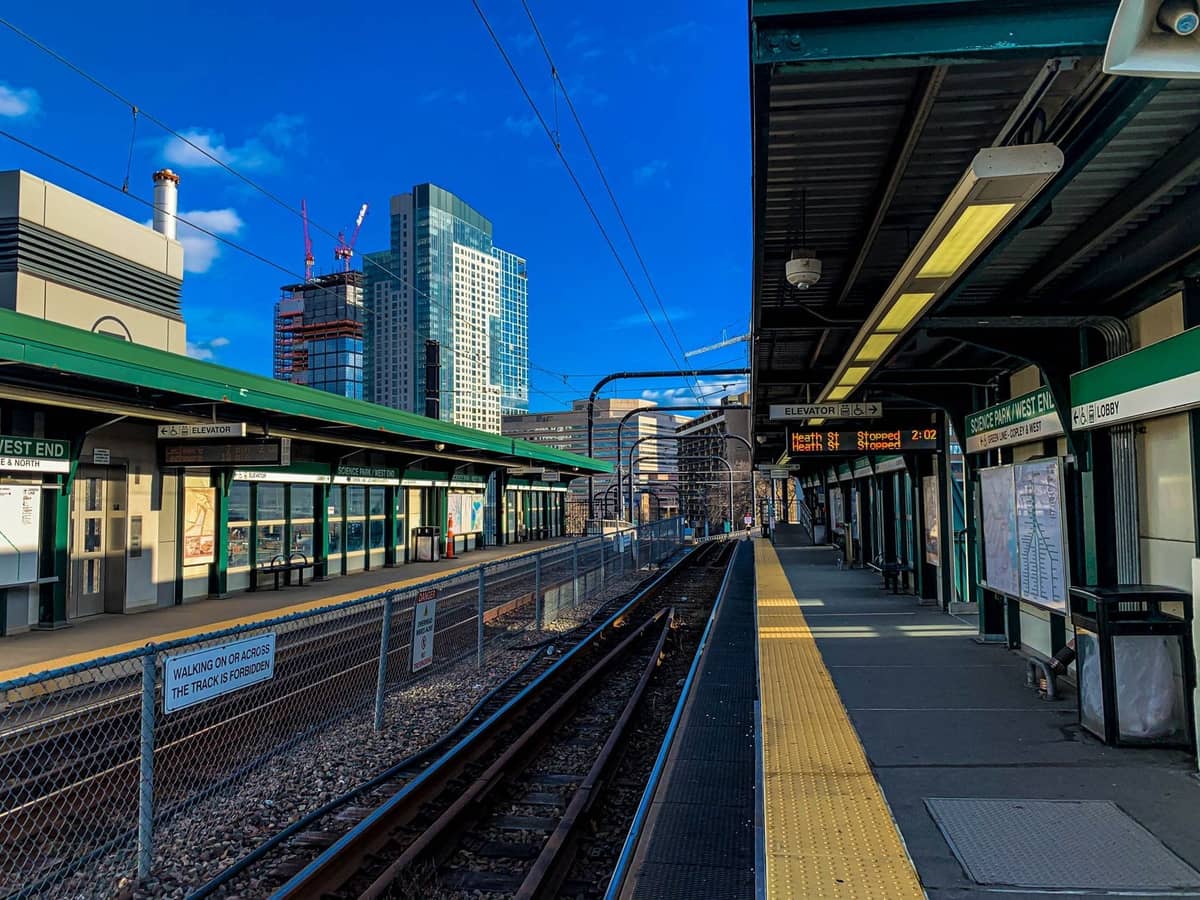
Both campuses are in Cambridge, Massachusetts, directly across the Charles River from Boston. The MBTA Red Line is by far the most practical way to get there. Harvard Square station drops you at the edge of Harvard Yard, while the Kendall/MIT station sits adjacent to the MIT Welcome Center at 292 Main Street. From downtown Boston stations like Park Street or Downtown Crossing, the ride to Harvard takes roughly 15 minutes; Kendall/MIT is a few stops before Harvard, around 10 minutes out. For more on navigating Boston's transit system, check the complete guide to getting around Boston.
If you're coming directly from Logan International Airport, MIT is particularly well-connected. Take the Silver Line (SL1) from any Logan terminal to South Station — this leg is free. Then board the Red Line inbound toward Alewife and exit at Kendall/MIT. Total travel time typically runs about 35-45 minutes off-peak. A taxi from Logan to MIT costs roughly $35-40 and takes 15-20 minutes outside rush hour. Ride-share estimates fall around $20-35 depending on surge pricing. For Harvard from Logan, add two more Red Line stops beyond Kendall/MIT.
⚠️ What to skip
Do not drive to either campus. Parking in Cambridge is quite difficult and expensive, and neither university offers visitor parking on a walk-up basis. The Red Line is faster than driving during most of the day.
Bluebikes, Boston's bike-share system, has multiple docking stations around both campuses and is a good option if you want to ride between the two in one visit. A 24-hour day pass covers unlimited 45-minute trips. Harvard Yard to MIT's Great Dome is about 1.5 miles along the Charles River path, a flat and straightforward ride.
Visiting Harvard: What to Know Before You Go
Harvard's main visitor hub is the Harvard Visitor Center, located inside the Smith Campus Center at 1350 Massachusetts Ave, Cambridge, MA 02138. It's typically open Monday through Saturday, 9 a.m. to 5 p.m., with closures on university holidays and occasional schedule changes. When you step off the Red Line at Harvard Square, the Smith Campus Center is essentially in front of you — a 2-minute walk at most.
The Official Historical Tour of Harvard departs from the Visitor Center and covers Harvard Yard, the oldest part of the campus. It runs about 45-60 minutes, is led by knowledgeable student guides, and is free to the public. The catch: it requires advance online registration, with tour dates released on a rolling basis and availability varying by season. Each online reservation can cover a small group rather than just a single person. If you're visiting as part of a group or want a guaranteed spot, register the moment slots open. Drop-ins are occasionally accommodated if there's space, but this is not reliable.
✨ Pro tip
If you can't secure a spot on the official tour, download the free Visit Harvard app (iOS and Android). It includes a self-guided historical audio tour of Harvard Yard that covers the same key stops at your own pace — useful if you're visiting at times when the Visitor Center is closed or tours are fully booked.
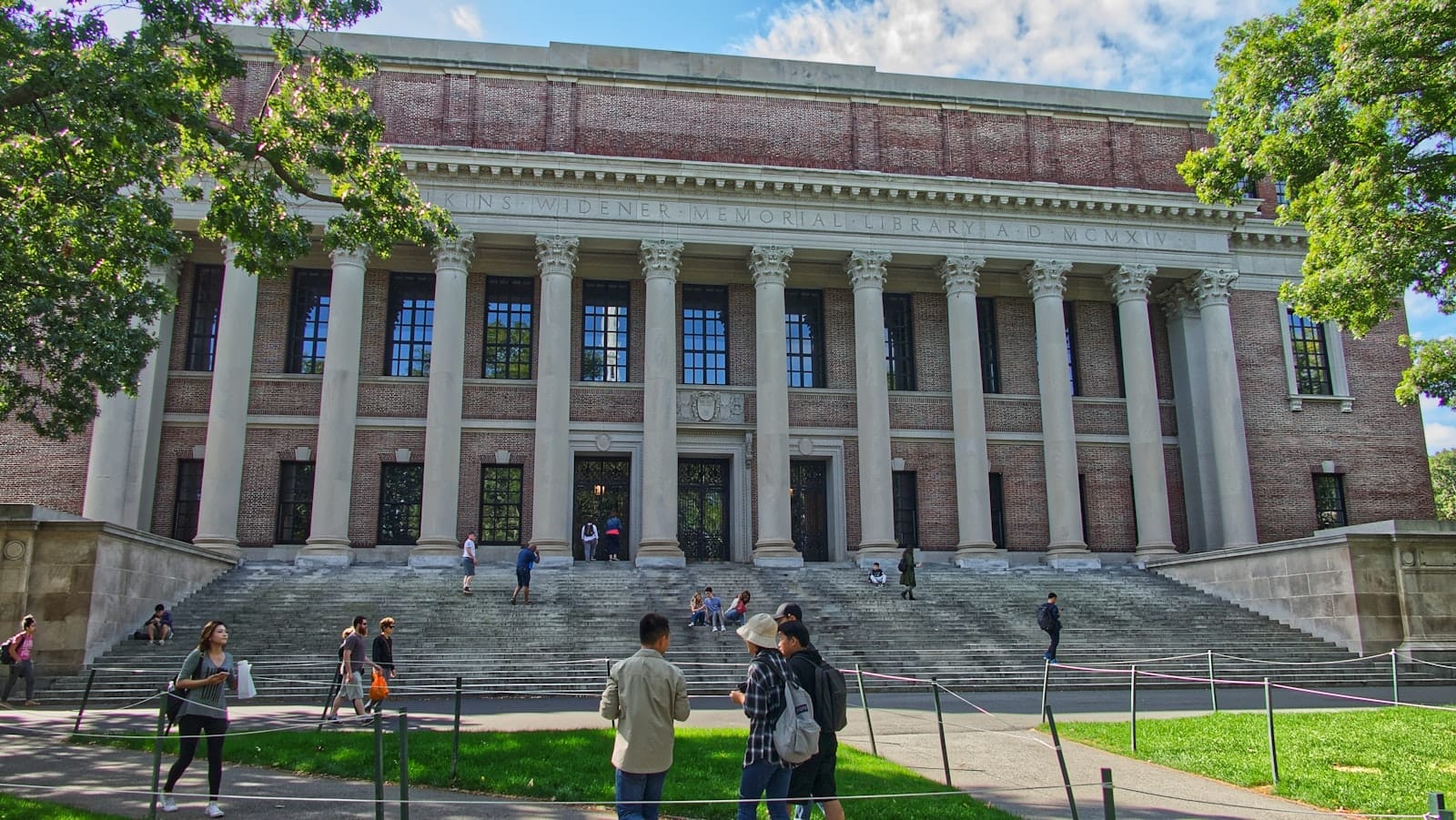
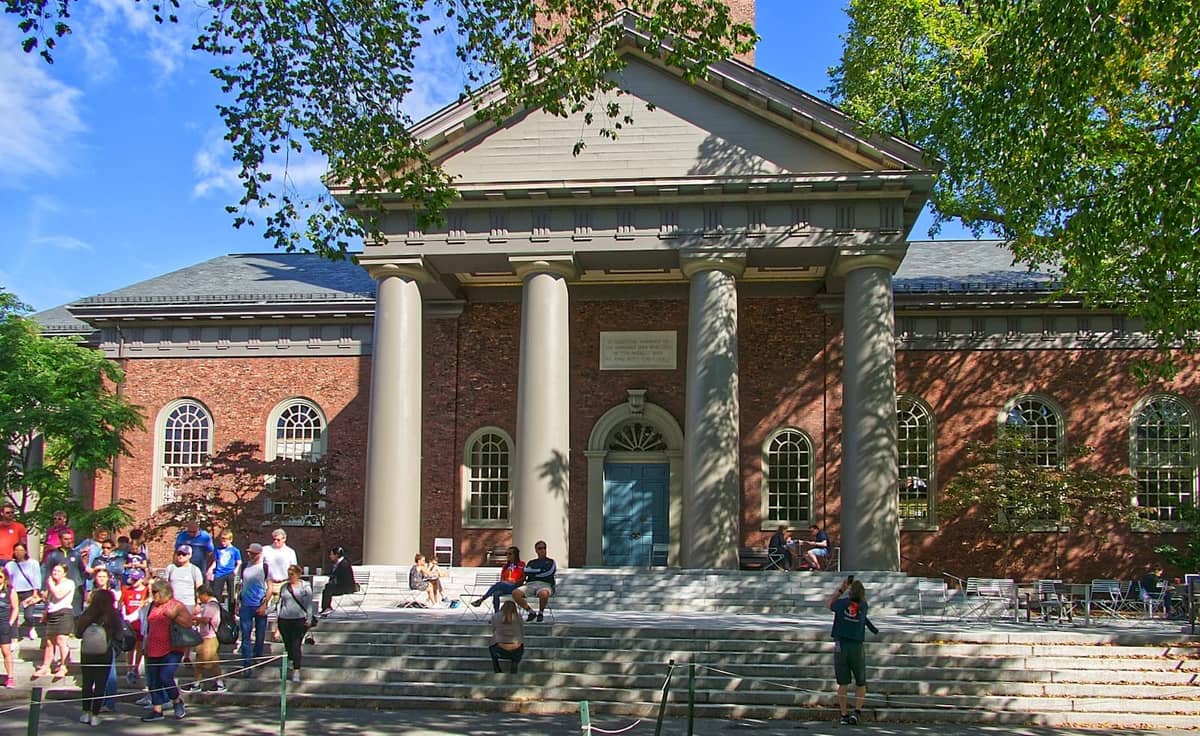
Harvard Yard itself is publicly accessible, and the outdoor spaces reward a slow walk. The John Harvard Statue draws the obligatory photo queue, but the Yard's architecture — a mix of 18th-century brick and 19th-century granite buildings — gives a genuine sense of how old this institution is. For museum visits, the Harvard Art Museums hold one of the strongest university art collections in the country, spanning three connected museums under one roof. Admission is free for all visitors (permanent policy since 2023); verify current hours on the museum website.
After the campus, Harvard Square is worth 30-60 minutes. The concentration of independent bookshops, cafes, and street musicians around the square has thinned compared to earlier decades, but it remains one of the better commercial squares in Greater Boston. The Coop (technically the Harvard Cooperative Society) sells official merchandise and is the go-to for souvenirs.
Visiting MIT: Campus Highlights and Logistics
MIT's campus stretches along the Charles River in the Kendall Square area of Cambridge. Unlike Harvard, MIT does not run a structured public tour with registration. The MIT Welcome Center at 292 Main Street, directly next to the Kendall/MIT Red Line station, is generally open weekdays, 9 a.m. to 4 p.m., excluding MIT holidays and occasional special closures. It provides campus maps, free Wi-Fi, power outlets, water bottle filling stations, and restrooms — a useful stopping point before you head out to explore.
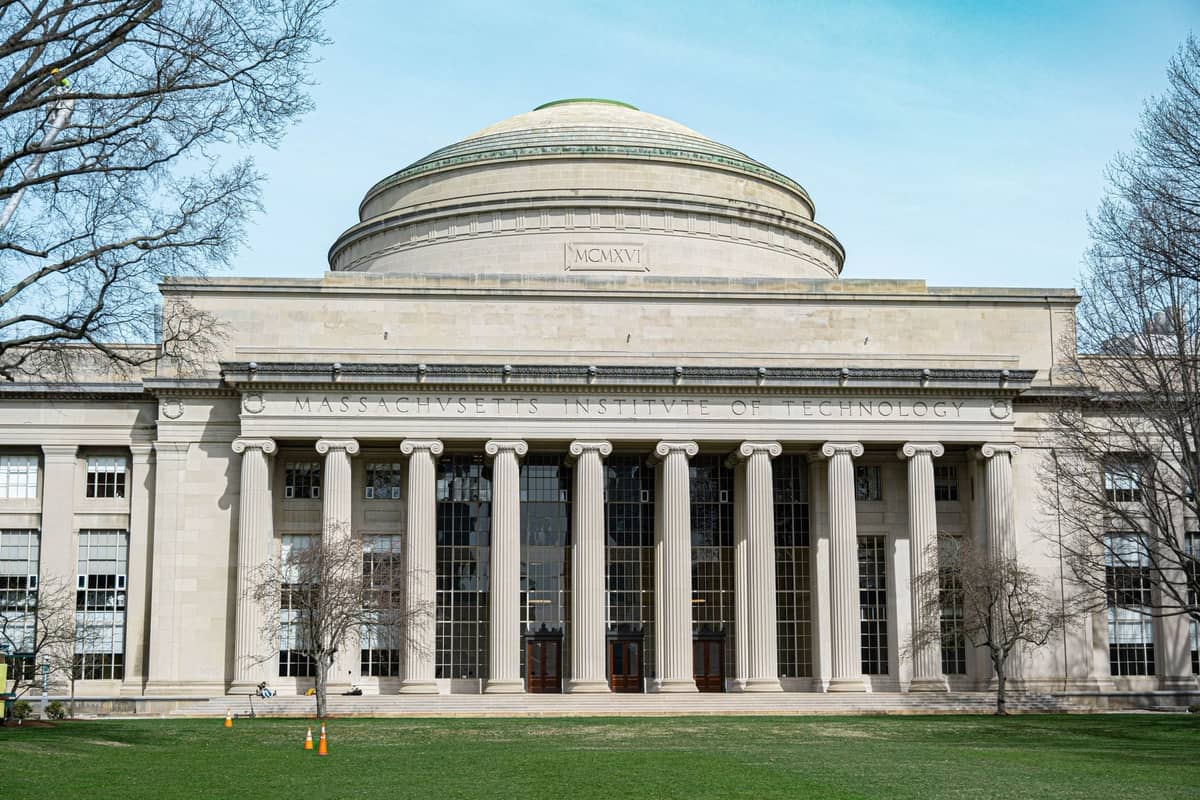
- Killian Court and the Great Dome The iconic centerpiece of MIT's campus. The neoclassical Great Dome sits above the Rogers Building and is one of the most photographed spots on campus. Killian Court, the lawn in front, faces the Charles River and is worth 20 minutes of your time.
- MIT Museum Located at 314 Main Street in Kendall Square (a short walk from the Welcome Center), the MIT Museum focuses on the intersection of science, technology, and art. Admission is around $10-15 for adults; verify current pricing before visiting.
- Public Art Installations MIT has a serious public art program. Scattered across campus are works by Alexander Calder (including La Grande Voile), Louise Nevelson, and others. The campus art map available at the Welcome Center marks all locations.
- List Visual Arts Center Free contemporary art gallery inside the Wiesner Building (E15). Exhibitions change regularly and focus on emerging and mid-career artists. One of the better free gallery spaces in Greater Boston.
- Koch Institute Public Galleries Focused on cancer research imagery and biomedical visualization. Free to visit on weekdays. Especially interesting if you have any interest in science communication or microscopy.
A practical note on building access at MIT: the outdoor campus is open, and a walking tour of exterior architecture and public art takes about 90 minutes at a relaxed pace. Interior access to labs, dormitories, and many academic buildings is restricted to students, faculty, and staff. The publicly accessible museums and galleries are clearly marked; outside of those, assume a building is not open to visitors unless signage indicates otherwise.
Best Time to Visit and Seasonal Patterns
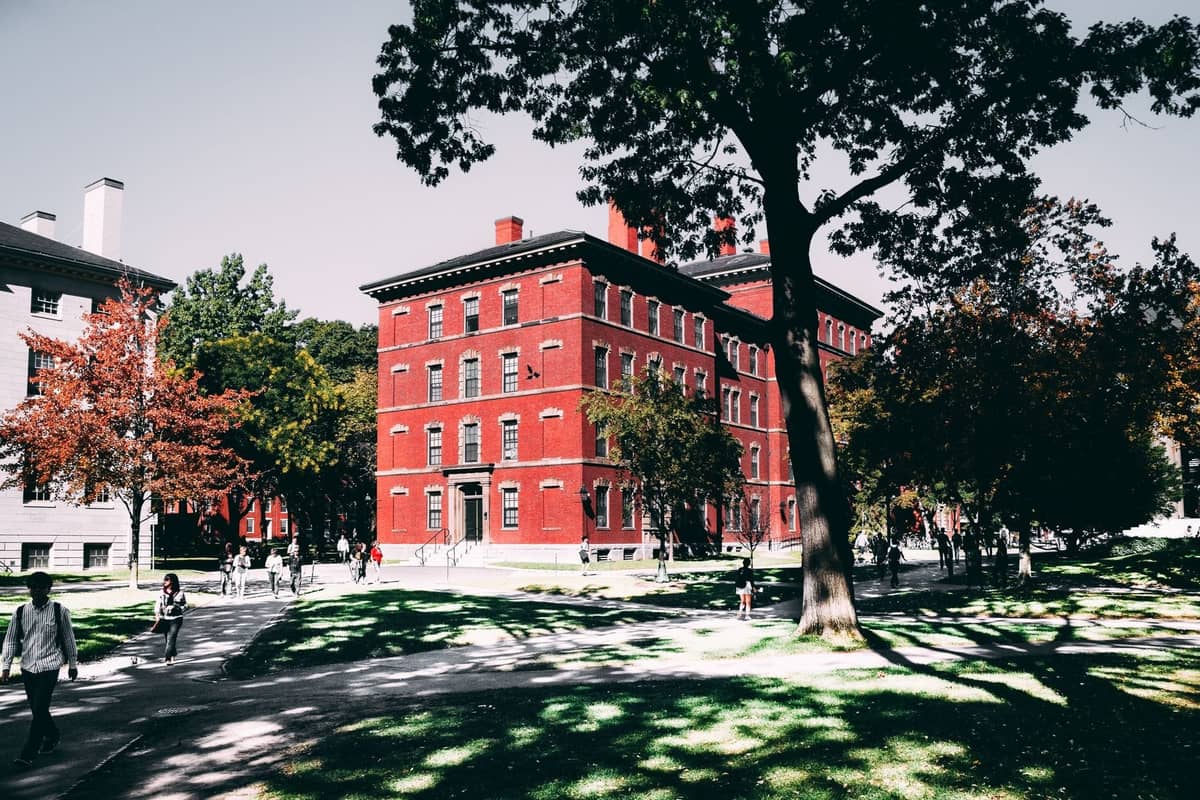
The two best windows for visiting Harvard and MIT are late spring (mid-April through May) and early fall (September through mid-October). Campus energy is high, academic life is visible, and the weather in Cambridge is mild — daytime temperatures in May average around 57-65°F (14-18°C), and September holds warmth well into the high 60s°F (around 20°C). Fall foliage in the Yard and along the Charles is at its peak in mid-to-late October. For more on seasonal patterns across the city, see the best time to visit Boston guide.
Summer (June through August) sees the highest volume of tourist visitors at both campuses, but the student population thins considerably once classes end in mid-May. If you want to see what campus life actually looks like, visit during the academic year. Harvard's Commencement in late May draws large crowds and limits visitor access to parts of campus; check the university's website if your trip falls near that period. MIT's Commencement typically occurs in late May or early June.
Winter visits are entirely feasible but require realistic expectations. January and February in Cambridge are cold — average lows around 19-26°F (-7 to -3°C) — and wind off the Charles River adds to the chill. Both campuses are maintained through snow, but outdoor tours become significantly less enjoyable. If you're visiting in winter, prioritize indoor options: the Harvard Art Museums and MIT Museum are year-round, climate-controlled alternatives to outdoor walking.
💡 Local tip
Both universities observe their own holiday schedules in addition to federal holidays. Visitor Centers may close for several days around Thanksgiving, winter break (late December to early January), and spring break. Check official university websites within a week of your planned visit to confirm hours.
Doing Both Campuses in One Day
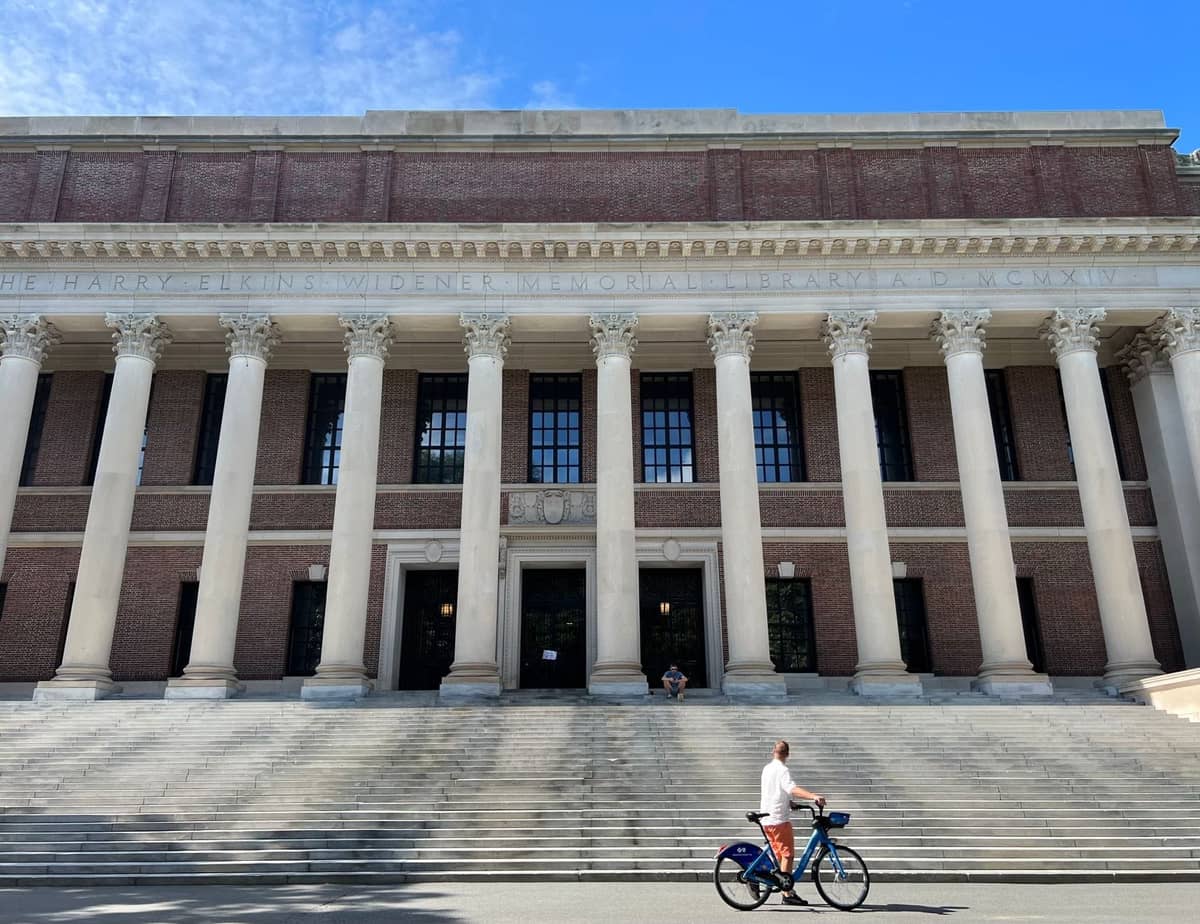
Visiting both Harvard and MIT in a single day is straightforward on foot or by Red Line, and many visitors do exactly this. The campuses are about 1.5 miles apart. A workable itinerary: start at MIT around 9 a.m. when the Welcome Center opens, spend 90 minutes on the outdoor campus and public art, visit the List Visual Arts Center or MIT Museum, then walk or take the Red Line two stops to Harvard by midday. After the Harvard tour or self-guided walk, afternoon options include the Harvard Art Museums or time in Harvard Square before heading back to Boston.
If you want to extend the day and connect it to broader Boston sightseeing, the Red Line also gives quick access to downtown attractions. The 3 days in Boston itinerary slots the Cambridge university visit into a full day that works well independently from the historic downtown circuit.
- Start at MIT Welcome Center (Kendall/MIT station) — get a campus map and Wi-Fi
- Walk the MIT campus: Great Dome, Killian Court, public sculpture trail (60-90 min)
- Visit List Visual Arts Center or MIT Museum (60 min)
- Red Line or walk to Harvard Square (15 min transit, 35 min walk along the Charles)
- Pick up the Official Harvard Tour or use the self-guided app through Harvard Yard (45-60 min)
- Harvard Art Museums for 60-90 min if time allows
- Finish with coffee or a meal in Harvard Square before heading back on the Red Line
Practical Details and Common Mistakes
The single most common mistake visitors make is assuming they can show up and join a Harvard tour. You cannot, at least not reliably. Registration opens each Friday for the following week's tours; if you're planning a trip, sort out your Harvard tour registration as soon as your travel dates are confirmed. MIT's campus has no such requirement — it's walk-in friendly during Welcome Center hours. For broader trip planning logistics, the things to do in Boston guide provides useful context on how to structure your time.
Photography on campus: both universities permit general visitor photography in outdoor public areas and most public gallery spaces (flash photography is typically prohibited in galleries). Do not photograph identifiable students or staff without consent, and be aware that some research facilities have restrictions on photography that are posted at entry points.
Food options on campus are limited for non-students. Harvard Square has far more choices — ranging from quick counter-service options around $10-15 to sit-down restaurants. In Kendall Square, the commercial development adjacent to MIT has added a solid cluster of restaurants and cafes in recent years; it's no longer the dead zone it once was outside of lunch hours.
ℹ️ Good to know
Harvard and MIT are both open to visitors as educational institutions, not tourist attractions. Treat the spaces accordingly: keep noise levels down in academic buildings, stay out of areas marked as restricted, and follow any posted guidelines. Most staff are helpful to respectful visitors but are not tour guides.
If you're traveling with children, both campuses work well for older kids with an interest in science or history. The MIT Museum has interactive exhibits that engage younger visitors. For a dedicated family-oriented Boston trip, the Boston with kids guide covers how to balance educational stops with attractions built for younger audiences.
FAQ
Do you need to book a Harvard campus tour in advance?
Yes. The Official Historical Tour of Harvard requires advance online registration through the Harvard Visitor Center website. Registration opens each Friday for the following week, and each reservation covers up to 10 people. Drop-ins are sometimes possible if capacity allows, but this is not guaranteed. A free self-guided tour via the Visit Harvard app is available as an alternative without any booking requirement.
Is it free to visit Harvard and MIT?
Walking the outdoor campus areas at both universities is free. The Official Harvard Tour is free. MIT's Welcome Center is free. The Harvard Art Museums are free for all visitors. The MIT Museum charges around $10-15 (verify current pricing). Some galleries, including MIT's List Visual Arts Center and Koch Institute Public Galleries, are free.
Which MBTA stop is closest to Harvard, and which is closest to MIT?
Harvard Square station on the Red Line is the closest stop to Harvard, depositing you at the edge of Harvard Yard. Kendall/MIT station on the Red Line is directly adjacent to the MIT Welcome Center at 292 Main Street, Cambridge.
Can you visit Harvard and MIT on the same day?
Yes, and it's a popular combination. The campuses are about 1.5 miles apart and easily connected by the Red Line (two stops) or a riverside walk of about 35 minutes. A realistic itinerary starts at MIT around 9 a.m. and finishes at Harvard by early afternoon, leaving time for the Harvard Art Museums or Harvard Square before the evening.
What's the best time of year to visit the Boston university campuses?
Late April through May and September through mid-October offer the best combination of mild weather, active campus life, and manageable crowds. Summer brings the most tourist visitors but fewer students. Winter is cold but manageable if you focus on indoor spaces like the Harvard Art Museums and MIT Museum. Avoid Commencement weeks (late May for Harvard, early June for MIT) if you want unrestricted access to campus.