Cambridge sits directly across the Charles River from Boston, home to Harvard University, MIT, and some of the most intellectually charged streets in America. From the bookshops and cafes of Harvard Square to the biotech corridors of Kendall Square, it rewards curious travelers who want more than a standard city itinerary.
Cambridge is technically its own city, not a Boston neighborhood, but most visitors treat it as an essential extension of a Boston trip. Across the Charles River from Beacon Hill and Back Bay, it packs two of the world's most famous universities, a distinct food and culture scene, and Red Line access that makes it easier to reach than many parts of Boston proper.
Orientation
Cambridge occupies 6.4 square miles of Middlesex County, separated from Boston by the Charles River. Its southern edge runs along the river, where the Cambridge side of the Esplanade faces the Boston shoreline. To the north, the city extends toward Somerville, with Arlington and Belmont to the northwest. To the east, East Cambridge borders the Charles River and the Lechmere/Inner Belt area of Somerville. To the west, Cambridge meets Watertown and Belmont across short boundaries.
For practical navigation, most visitors move through a string of squares connected by Massachusetts Avenue, the city's main artery. Harvard Square anchors the west-central area and is the most tourist-familiar node. Central Square sits roughly a mile east of Harvard along Mass Ave, with a grittier, more residential character. Kendall Square, another mile further east toward the river, is the epicenter of Cambridge's biotech and tech industry. Porter Square anchors the northwest, where the Red Line continues toward Alewife, the line's terminus and a major parking hub.
Cambridge connects to Boston across several bridges. The Harvard Bridge (despite the name, it lands near MIT, not Harvard) links the MIT campus to the Back Bay neighborhood and the Mass Ave corridor. The Longfellow Bridge connects Kendall Square to Charles/MGH station and Beacon Hill. Both bridges are bike and pedestrian friendly, and the walk across either takes about 10-15 minutes.
Character & Atmosphere
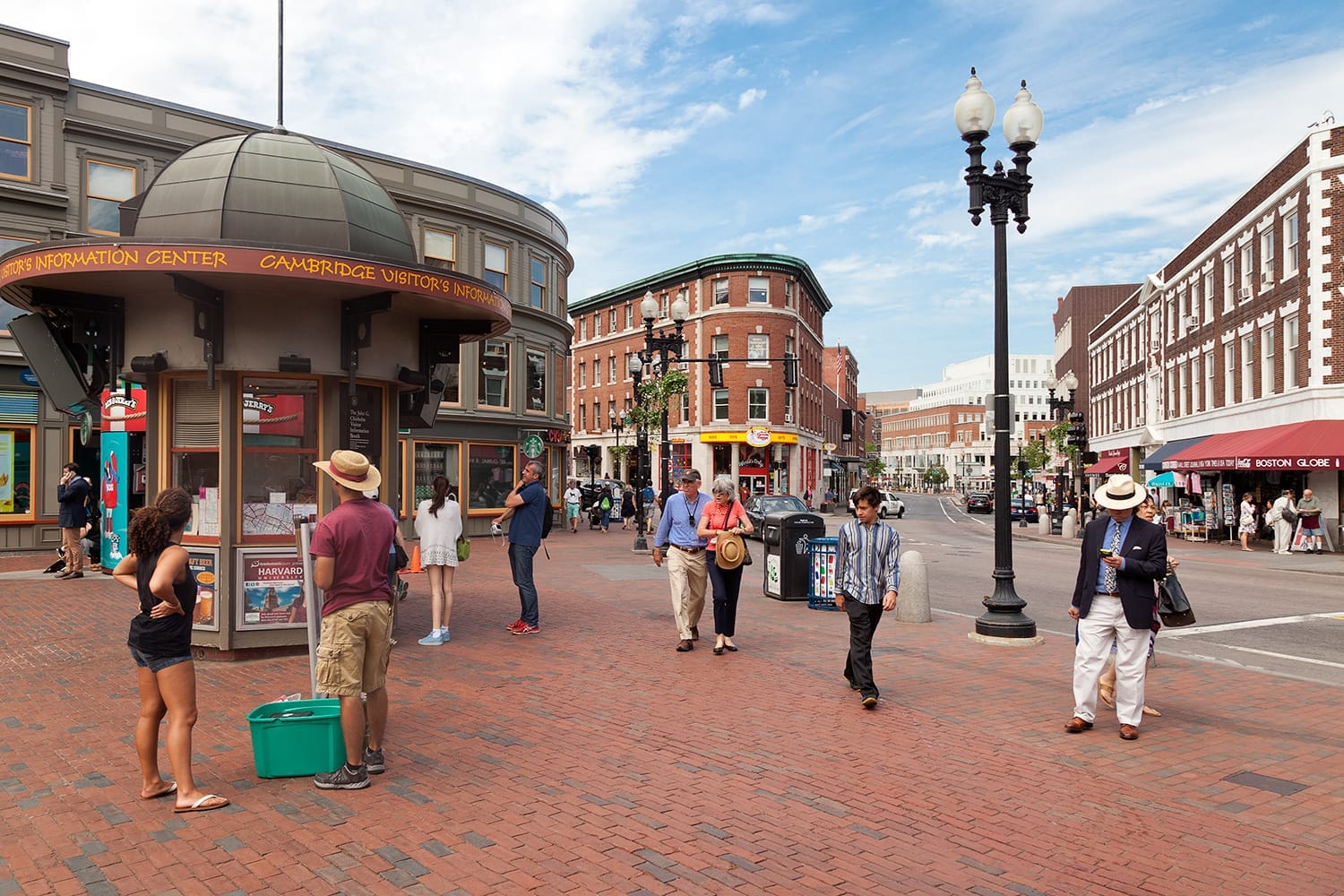
Cambridge has a split personality that varies sharply depending on which square you're standing in. Harvard Square runs on a student and tourist economy: bookshops, coffee chains, and independent cafes sit alongside street musicians and clusters of visitors photographing the university gates. On a weekday morning it feels energetic but approachable, with commuters and academics mixing with early-arriving tourists. By mid-afternoon on a summer weekend it can feel quite crowded, especially along Brattle Street and in the plaza around the T entrance.
Central Square is a different register entirely. The foot traffic is faster, the storefronts more practical, and the mix of people broader. You'll find longtime residents grocery shopping alongside grad students, musicians heading to rehearsals, and office workers from the growing number of tech firms that have pushed out from Kendall. At night, Central Square has the densest concentration of live music venues in the Cambridge-Somerville area, and the streets stay active until late.
Kendall Square, by contrast, is almost surreally corporate by Cambridge standards. The streets around the Kendall/MIT station are lined with biotech campuses, glass office buildings, and polished restaurants pitched at expense-account lunches. On weekday afternoons the sidewalks fill with badge-wearing researchers. On weekend mornings, it's nearly empty. The MIT campus itself, stretching along the Charles River between Kendall and the Harvard Bridge, has a different texture: wide plazas, brutalist and neoclassical architecture side by side, and the particular quiet of a research institution.
The residential neighborhoods between the squares, particularly the blocks north of Harvard Square around Brattle Street and Tory Row, feel leafy and calm. Large Victorian and Federal-era houses set back from wide sidewalks, old elms overhead, and almost no retail create the sense of a wealthy New England town that happens to have a subway line running through it. In autumn, these streets are particularly striking as the canopy turns.
💡 Local tip
Cambridge is generally safe across its main visitor areas, but use the same awareness you would in any dense urban environment, particularly around Central Square late at night. The Red Line stations are staffed and monitored as part of regular MBTA operations.
What to See & Do
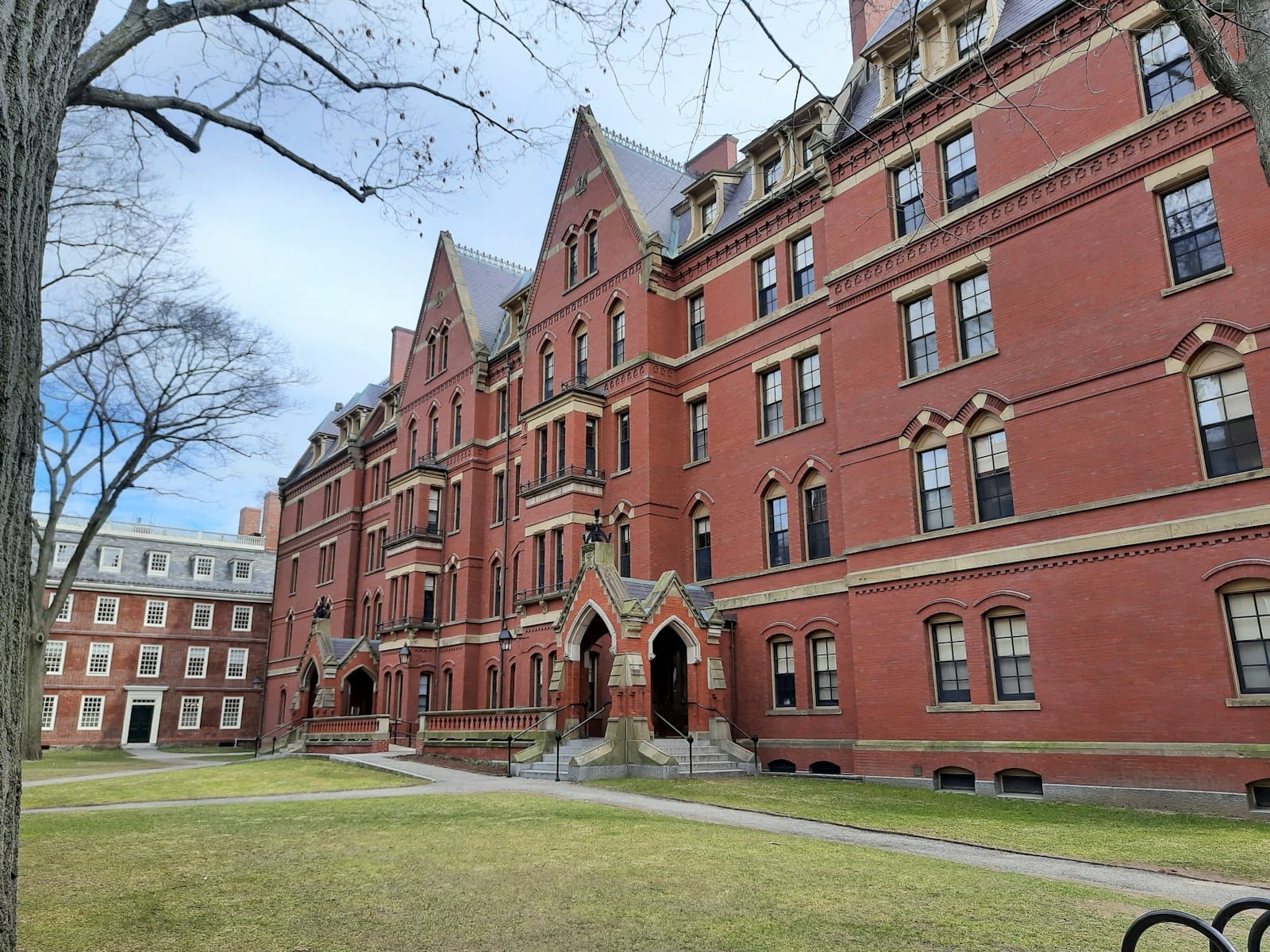
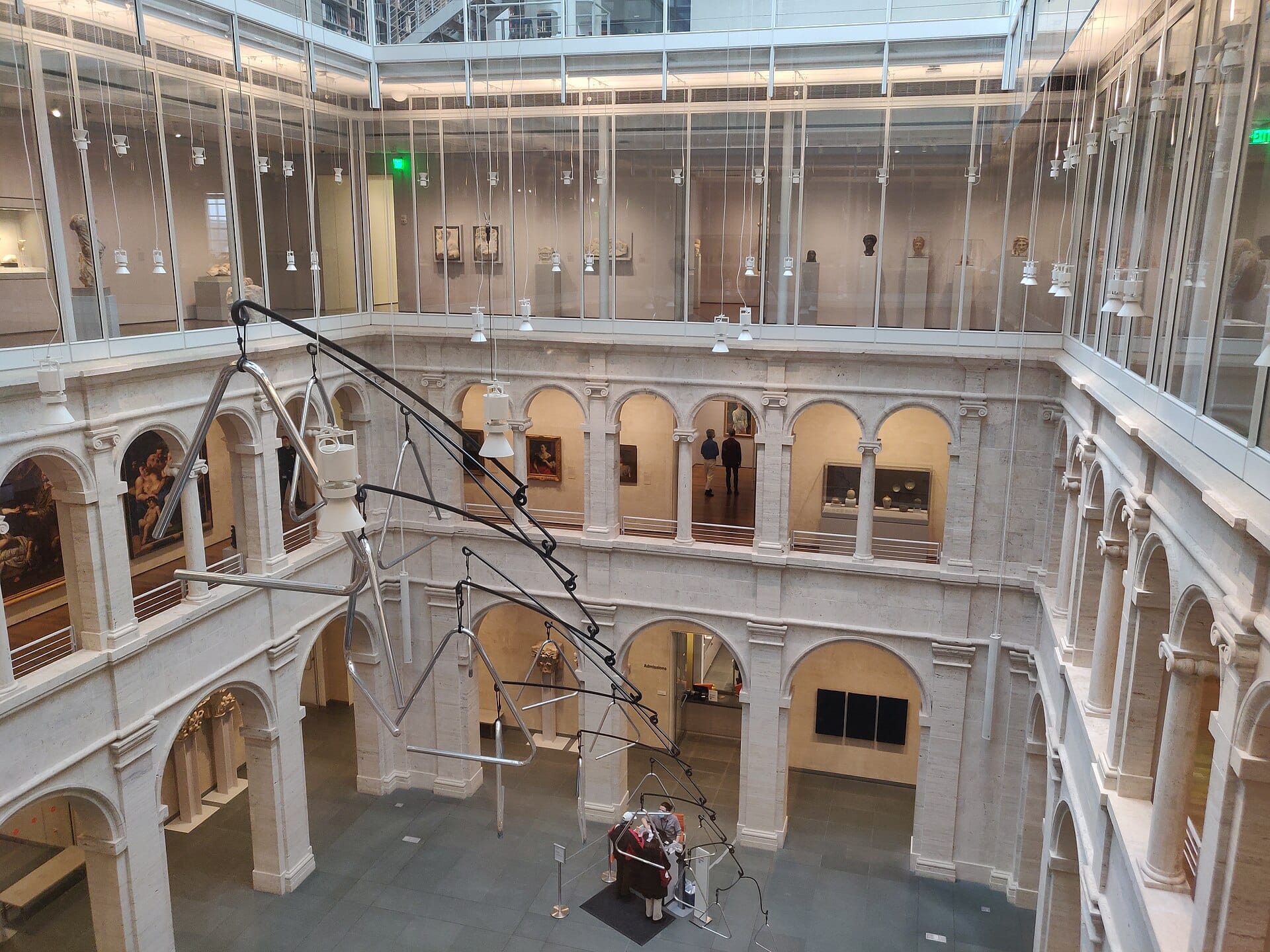
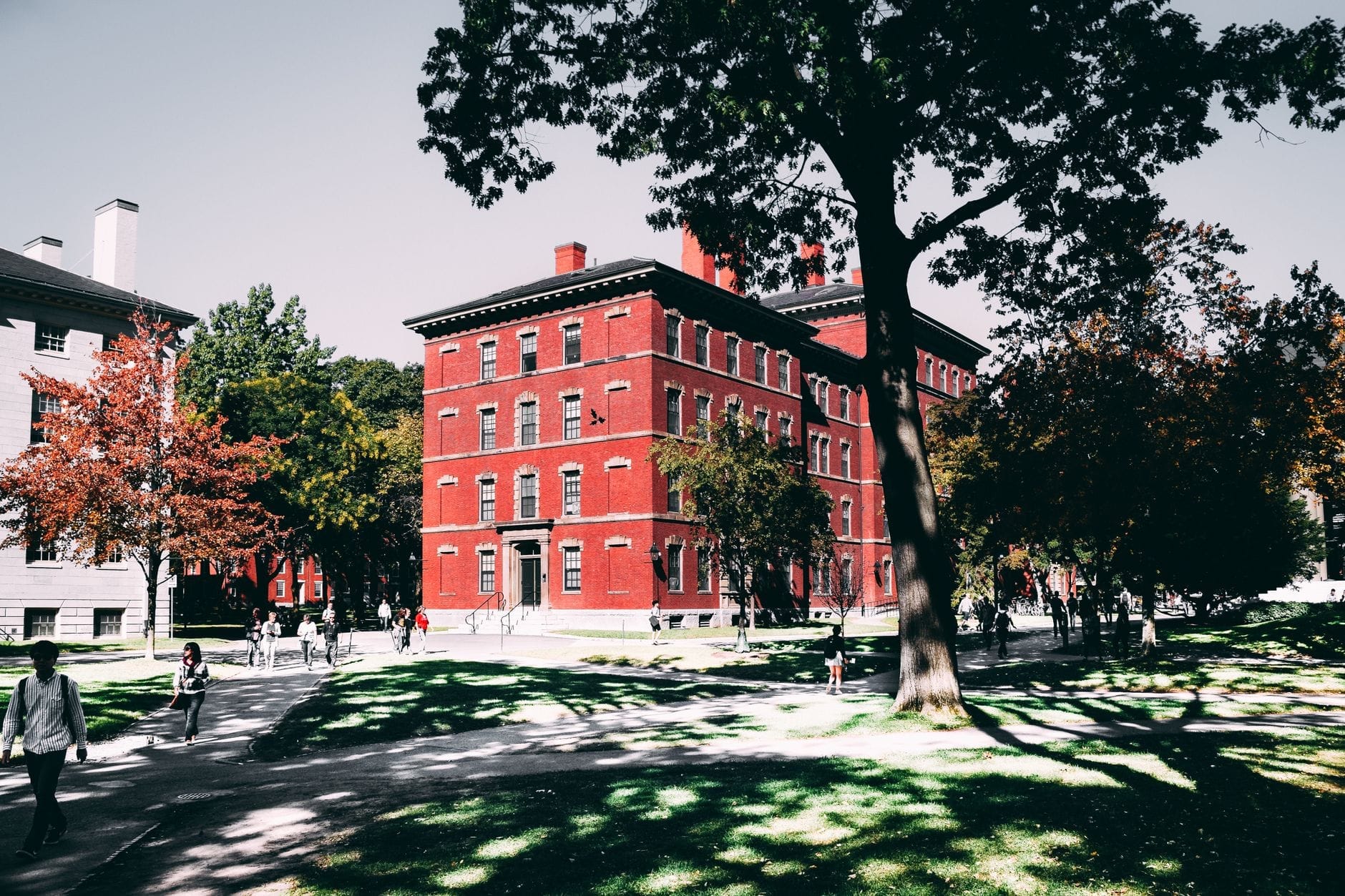
The obvious anchor is Harvard University. The main campus spreads across Harvard Yard and the surrounding blocks north of Harvard Square. Visitor access to the Yard is generally open during daylight hours. The university's museums are world-class and often overlooked by visitors who treat Harvard as a photo backdrop rather than a destination: the Harvard Art Museums hold one of the finest university art collections in the country, spanning European masters, Asian art, and modern works, all under a single roof. Admission is free for all visitors, but the building itself, designed by Renzo Piano, is worth seeing.
Just west of Harvard Yard, Brattle Street leads toward what was once called Tory Row, the address of wealthy loyalist families before the Revolution. The Longfellow House at 105 Brattle Street served as George Washington's headquarters during the Siege of Boston from July 1775 to April 1776. It's now a National Historic Site with guided tours available seasonally. Further along, the street transitions into the quieter residential areas of West Cambridge. On the other side of the university, Harvard Square itself is worth time rather than a quick pass-through: the Out of Town News kiosk, the indie bookshops along the side streets, and the street-level energy of the plaza reward slow walking.
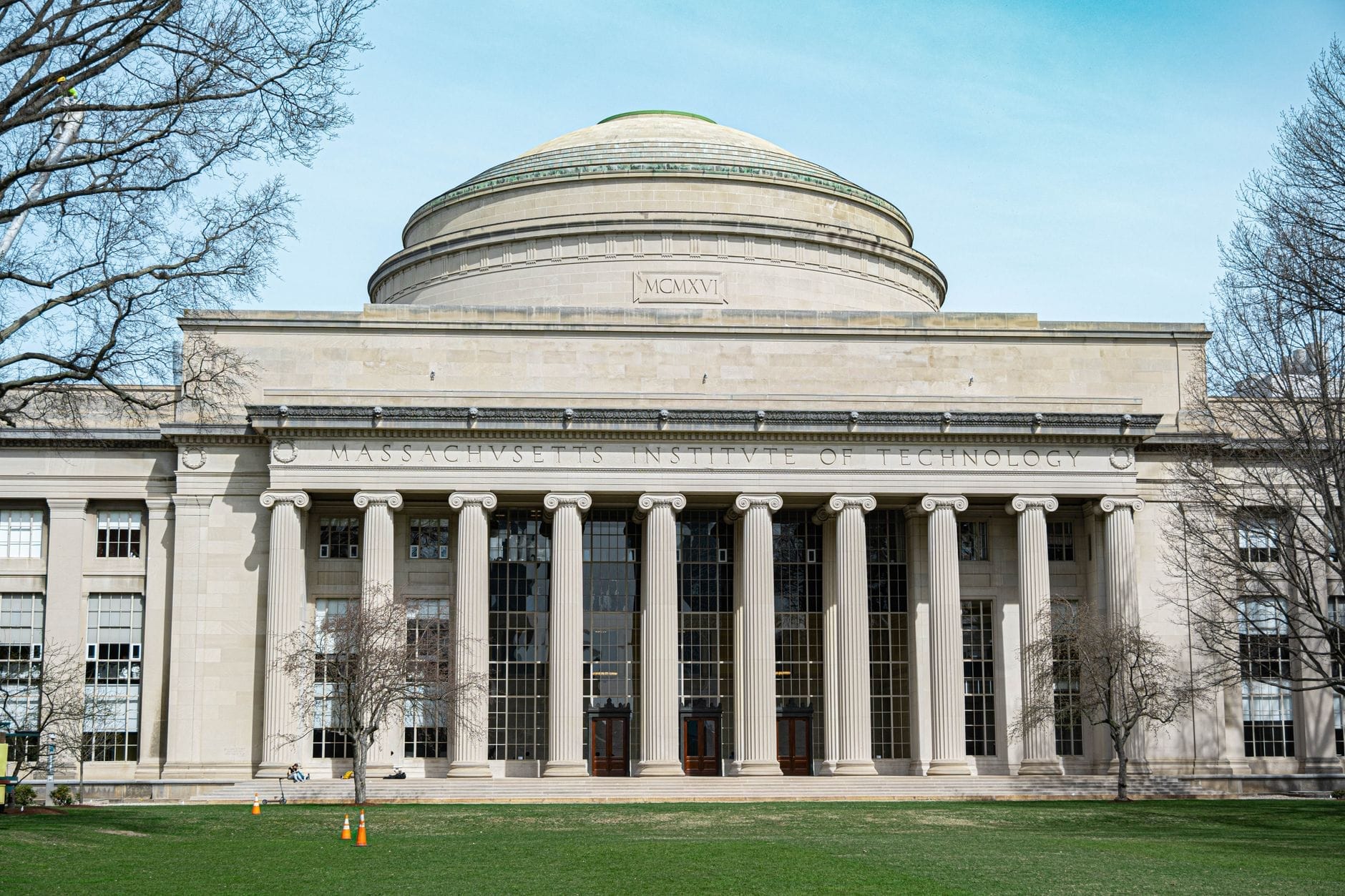
MIT's campus deserves more attention than it typically gets from general tourists. The stretch of buildings along Memorial Drive facing the Charles River includes some distinctive architecture, from the neoclassical domes of the main buildings to Frank Gehry's Stata Center, a deliberately fractured building that has become one of Cambridge's most photographed structures. The MIT campus is publicly accessible, and several of the corridors within the older buildings, known collectively as the Infinite Corridor, can be walked freely.
For those connecting Cambridge to a broader Boston itinerary, the Charles River Esplanade is easily accessed from the Cambridge side via the Weeks Footbridge near Harvard or the Longfellow Bridge near Kendall. The Cambridge riverside path along Memorial Drive offers some of the best views of the Boston skyline, particularly in the late afternoon when the light falls across the water from the west.
Harvard Art Museums: three collections under one roof, strong on European and Asian holdings
Harvard Yard: open daytime access, worth walking through for the architecture and atmosphere
MIT campus and the Stata Center: free public access, striking architecture
Longfellow House: National Historic Site on Brattle Street, seasonal guided tours
Cambridge Public Library and Inman Square: good neighborhoods for slower, less tourist-heavy exploration
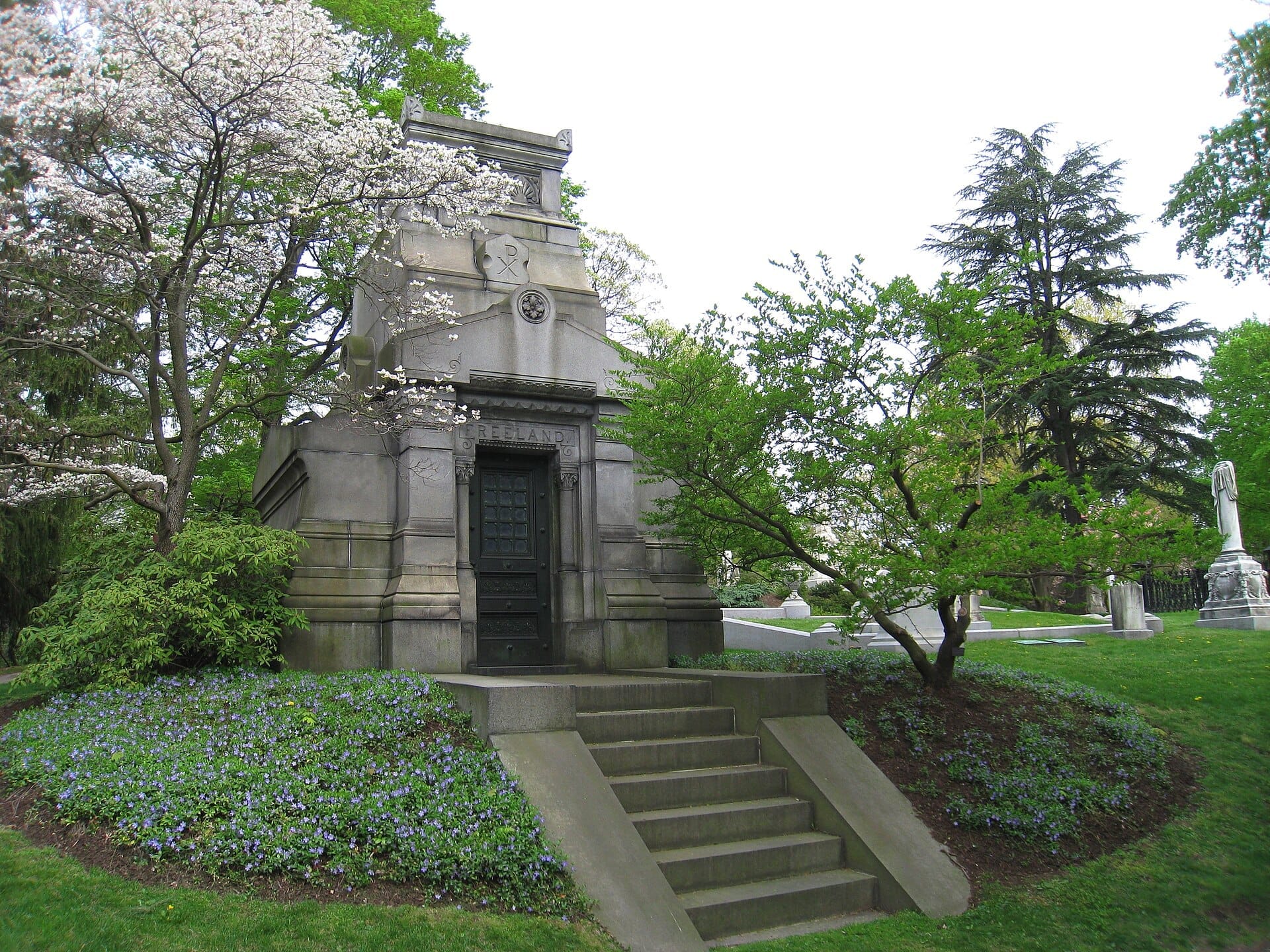
Mount Auburn Cemetery: a short walk or bike ride west, one of the first garden cemeteries in the US and a genuine landmark
ℹ️ Good to know
Mount Auburn Cemetery in west Cambridge is not just a burial ground: it was the first large-scale landscaped rural cemetery in the United States, opened in 1831, and is a designated National Historic Landmark. It's a serious destination for birders, especially during spring migration.
Eating & Drinking
Cambridge's food scene is denser and more varied than its size might suggest, partly because feeding tens of thousands of students and researchers at every price point has produced real competition. Harvard Square has the highest concentration of recognizable names and tourist-pitched menus, but it also holds some quite good independent spots. The side streets off Mass Ave, particularly around Church Street and Brattle Street, are where to look if you want to avoid the plaza crowds.
Central Square has historically been the strongest neighborhood for independent restaurants. The stretch of Mass Ave between Lafayette Square and Prospect Street hosts Ethiopian restaurants, South Asian spots, long-running American diners, and a mix of bars that cater to a younger, local crowd. The area around Inman Square, about half a mile north of Central Square along Cambridge Street, has its own cluster of well-regarded restaurants with lower turnover and fewer tourists.
Kendall Square's food scene has grown sharply in the last decade as the biotech industry expanded. The restaurants here skew toward the polished end: counter-service spots doing excellent sandwiches and grain bowls for lunch crowds, and sit-down restaurants targeting dinner business from the tech and pharma set. Prices are higher than Central Square. The Kendall Square area also has a handful of good craft beer options, which fits the broader Boston beer culture.
Cambridge's cafe culture is strong. The number of independent coffee shops per block in Harvard and Central Square is unusually high by American city standards, and quality is generally good. For those curious about the Boston-wide food context, the what to eat in Boston guide covers regional specialties like clam chowder, lobster rolls, and the local oyster culture, all of which are well-represented in Cambridge restaurants.
💡 Local tip
Harvard Square gets packed on weekend afternoons, and restaurant waits can be long at peak times. If you're eating dinner, try arriving before 6pm or after 8pm. Central Square is almost always easier to walk into without a reservation.
Getting There & Around
The MBTA Red Line is the primary transit spine for Cambridge. Trains run from Alewife in the northwest through Porter, Harvard, Central, Kendall/MIT, and Charles/MGH before continuing into downtown Boston. The Red Line connects Cambridge directly to downtown Boston's core at Park Street and Downtown Crossing, and from there to South Station, which serves the commuter rail and Amtrak networks. For a broader overview of navigating the city, the getting around Boston guide covers the full MBTA system including bus, ferry, and rail connections.
From Harvard Square station, it is roughly 10-12 minutes by Red Line to Park Street in downtown Boston. From Kendall/MIT it is about 7-8 minutes. Trains run frequently during the day with slightly reduced frequency late at night. Standard MBTA fares apply; CharlieCards (reusable tap cards) offer a modest discount over paper tickets and are available at all subway stations.
Walking between the squares is realistic for most visitors. Harvard to Central Square on Mass Ave is about 1 mile and takes 20-25 minutes on foot. Central to Kendall is another mile. The route is flat and the sidewalks are continuous, making it a good option on pleasant days. Cycling is also practical: Cambridge has an extensive network of bike lanes, and Bluebikes, the regional bike-share system, has docking stations throughout the city.
Driving into Cambridge is not recommended for visitors. Parking is limited and expensive near the squares, traffic on Mass Ave and Cambridge Street is consistently slow during the day, and the Red Line makes a car redundant for anyone staying in Boston proper. Ride-hailing services including Uber and Lyft operate throughout Cambridge, though surge pricing during peak hours or around events at Harvard or MIT can push fares up considerably.
Where to Stay
Cambridge has fewer hotel options than central Boston, but the ones that exist are well-positioned. The hotels clustered around Harvard Square and along the Charles River offer easy Red Line access and put visitors within walking distance of the main university areas. For those trying to decide between staying in Cambridge versus central Boston, the where to stay in Boston guide provides a broader comparison of neighborhoods and price ranges.
Staying in Harvard Square makes the most sense for travelers whose primary interest is the university, the bookshops, and the residential character of the neighborhood. It is quieter than most of central Boston at night, which suits travelers who find downtown noise disruptive. The tradeoff is that getting to Boston's major historic sites, the North End, the Seaport, or Fenway requires a subway ride rather than a walk.
Kendall Square has seen new hotel development alongside the biotech campuses, with options that skew toward business travelers but work well for anyone who wants easy access to both MIT and the Longfellow Bridge crossing into Beacon Hill. Rates in Cambridge tend to be somewhat lower than comparable hotels in Back Bay or downtown Boston, though they spike during Harvard and MIT commencement periods in late May and early June, and during major university events throughout the academic year.
⚠️ What to skip
Hotel rates across Cambridge spike dramatically during Harvard and MIT commencement periods, typically in late May. If your visit overlaps with graduation season, book months in advance or consider staying in another Boston neighborhood and commuting in by Red Line.
How Cambridge Fits Into a Boston Trip
Most visitors allocate one full day to Cambridge, typically organized around Harvard Square in the morning and MIT or Kendall Square in the afternoon. A 3-day Boston itinerary typically slots Cambridge into day two or three, after covering the Freedom Trail and downtown sites first. This sequencing makes sense: the Freedom Trail anchors visitors in Boston's founding history, and Cambridge then offers a counterpoint in the form of academic and intellectual history.
For visitors with specific interests, Cambridge has strong connections to Boston's broader educational and cultural identity. The Boston and Cambridge university guide goes into depth on both Harvard and MIT, covering campus tours, museum access, and how to structure a visit around the academic calendar. History-focused visitors should also note that Cambridge was the site of Washington's 1775 headquarters and the point from which the Continental Army reorganized the siege of Boston, making it relevant to the broader Revolutionary War narrative covered in the Boston history guide.
One thing Cambridge does not do well is anchor a nightlife-focused visit. The bar scene in Central Square is genuine and unpretentious, with good live music venues, but Cambridge closes down earlier and with less density than Downtown Boston or the Fenway area. Travelers prioritizing nightlife should consider Cambridge a daytime destination and plan evenings elsewhere.
TL;DR
Cambridge is a separate city from Boston but is seamlessly connected by the Red Line, with Harvard, Central, and Kendall/MIT stations forming the main visitor corridor along Massachusetts Avenue.
Harvard Square suits travelers who want the classic university-town atmosphere: bookshops, cafes, the art museums, and access to Brattle Street and the Longfellow House.
Kendall Square and the MIT campus reward visitors interested in architecture, research culture, and Charles River views, with a quieter weekend atmosphere than Harvard Square.
The food scene is strongest in Central Square and Inman Square, where independent restaurants serve a local rather than tourist clientele at reasonable prices.
Cambridge is ideal for academic travelers, history enthusiasts, families with university-age students, and anyone wanting a calmer base with easy transit access to central Boston. It is less suited to visitors whose priorities are nightlife, major historic sites, or Boston Harbor activities.
Three days is enough time to cover Boston's historic core, world-class museums, and distinct neighborhoods without feeling rushed. This itinerary groups sights by geography, saves you backtracking, and flags what to skip based on the season.
Boston is one of the great museum cities in America, with world-class collections spread across every neighborhood. Whether you have one afternoon or a full week, this guide covers the best museums in Boston — from encyclopedic art institutions to immersive history experiences — with practical tips on saving money along the way.
Boston rewards visitors year-round, but the timing of your trip shapes everything from hotel rates to what you can actually do outside. This guide breaks down each season honestly, flags the crowd spikes most travelers miss, and helps you match your travel style to the right window.
Boston Logan International Airport is one of the most conveniently located major airports in the United States, sitting just 3 miles from downtown. This guide covers every terminal, every transport option, seasonal travel patterns, and the practical details that make the difference between a smooth arrival and a stressful one.
Boston sits on Massachusetts Bay, and the beaches that surround it range from easy MBTA rides to rewarding day trips up the North Shore. This guide covers every option worth knowing, from historic Revere Beach to the pristine dunes at Crane Beach.
Harvard and MIT sit just across the Charles River from Boston, connected by the MBTA Red Line and packed with free things to see. This guide covers how to get there, what to book in advance, the best spots on each campus, and what most visitors get wrong.
Boston throws one of the most celebrated Fourth of July events in the United States, anchored by the free Boston Pops Fireworks Spectacular on the Charles River Esplanade. This guide covers the fireworks schedule, best viewing spots, Harborfest events, weather expectations, and practical logistics to help you plan every detail.
Boston rewards those who look beyond the Freedom Trail. This guide uncovers the city's overlooked museums, quiet green spaces, architectural surprises, and neighborhood experiences that locals return to again and again.
Boston is where the American Revolution was born. This guide covers every major colonial and Revolutionary War site in the city, from the Freedom Trail's 16 landmarks to day trips to Lexington and Concord, with practical advice on pricing, crowds, and what's actually worth your time.
Fall is widely considered the best season to visit Boston. Temperatures drop to comfortable levels, the city's parks and tree-lined streets turn brilliant shades of red and gold, and a packed events calendar keeps things interesting well into November. This guide covers when to go, where to see color, what to do, and how to plan it all without overpaying.
Summer transforms Boston into one of the most active cities on the East Coast, with outdoor concerts, harbor cruises, Red Sox baseball, and a packed events calendar. This guide covers the best things to do in June, July, and August, plus practical advice on heat, crowds, and booking ahead.
Boston in winter is colder and snowier than most visitors expect, but that's exactly what makes it compelling. Shorter queues, lower hotel rates, festive neighborhoods, and some of the city's best indoor experiences await those willing to bundle up. This guide covers everything you need to know before you go.
Boston's luxury scene is more layered than most visitors expect. From the only Forbes Five-Star waterfront hotel in New England to Michelin-caliber dining in Back Bay, this guide covers where to stay, what to eat, and how to spend your time at the upper end of the city's offerings.
Boston's after-dark scene is denser and more diverse than its early-closing reputation suggests. This guide breaks down the best bars, live music venues, and clubs by neighborhood, with practical advice on cover charges, crowd patterns, and where to go based on what you actually want to do.
Boston has a reputation for being expensive, but the reality is more nuanced. The city's most iconic experiences, from the Freedom Trail to the Public Garden, cost nothing. This guide breaks down exactly where to spend, where to save, and how to see the best of Boston without the financial hangover.
Boston packs nearly 300 parks, 7 miles of linked greenway, a harbor with 34 islands, and a paddleable river into a city of under 50 square miles. This guide covers the best outdoor activities in Boston across every season, from free trail walks to whale-watching excursions and Harbor Islands camping.
Boston's shopping scene is more diverse and spread out than most visitors expect. This guide breaks down every major retail district, indoor mall, and open-air market, with straightforward notes on what's worth your time and money across every budget level.
Boston is one of the most solo-friendly cities in the United States: compact, walkable, transit-connected, and loaded with free and low-cost experiences. This guide covers everything from neighborhood safety and budget planning to the best solo activities and seasonal timing.
On the night of December 16, 1773, a group of colonists boarded three ships in Boston Harbor and dumped 342 chests of British tea into the water. It was one of the most consequential acts of political protest in American history. This guide covers what actually happened, what gets the story wrong, and the best ways to experience it when you visit Boston.
Two days in Boston is enough to walk the Freedom Trail, eat your way through the North End, stand in the shadow of Fenway Park, and still catch a harbor sunset. This guide breaks down exactly how to spend your time, what it will cost, and what the tourist traps are worth skipping.
Boston is one of the most rewarding cities in the U.S. for families. Compact enough to walk, rich in hands-on science and history, and generous with free outdoor spaces, it rewards kids of nearly every age. This guide cuts through the hype with real prices, seasonal advice, and straightforward notes on what's worth your time.
Boston sits at the center of one of New England's richest regions for day tripping. Within two hours, you can walk Revolutionary War battlefields, swim on pristine barrier beaches, explore world-class museums, or wander a storybook fishing village. This guide covers the best day trips from Boston, with practical advice on how to get there.
Boston rewards budget travelers more than almost any other major American city. From the 2.5-mile Freedom Trail to free museum days, public parks, and historic naval vessels, here are free experiences that capture the best of Boston.
Boston is compact enough to walk between many of its most famous neighborhoods, but knowing how to use the MBTA subway, buses, ferries, and ride-hailing services will save you time and money. This guide covers every way to move around the city, from Logan Airport transfers to day-to-day transit passes.
Boston rewards couples with a surprisingly diverse mix of romantic experiences: peaceful garden strolls, candlelit Italian dinners in the North End, sunset cruises on the harbor, and world-class art museums. This guide covers the best options by season, with real prices and practical advice to help you plan a memorable trip.
Salem is one of the most rewarding day trips from Boston, but it rewards those who go in prepared. This guide covers exactly how to get there, what to see beyond the witch trial sites, and how to avoid the October chaos that catches most visitors off guard.
Boston packs Revolutionary history, world-class museums, a legendary baseball stadium, and a working waterfront into one of America's most walkable cities. This guide covers the best things to do in Boston across every neighborhood, season, and budget — with practical details on pricing, timing, and how to get around.
Boston is one of America's great walking cities, compact enough to cover on foot yet dense with 400 years of history around every corner. This guide covers the best self-guided routes, iconic landmarks, and neighborhood walks across the city.
Boston's food identity runs deep: centuries of seafood tradition, immigrant-shaped neighborhoods, and a handful of dishes that define New England eating. This guide covers what to order, where to find it, what it should cost, and what to skip.
Choosing where to stay in Boston shapes your entire trip. This guide breaks down every major neighborhood by location, transit access, price range, and who it suits best, so you can book with confidence instead of guessing.