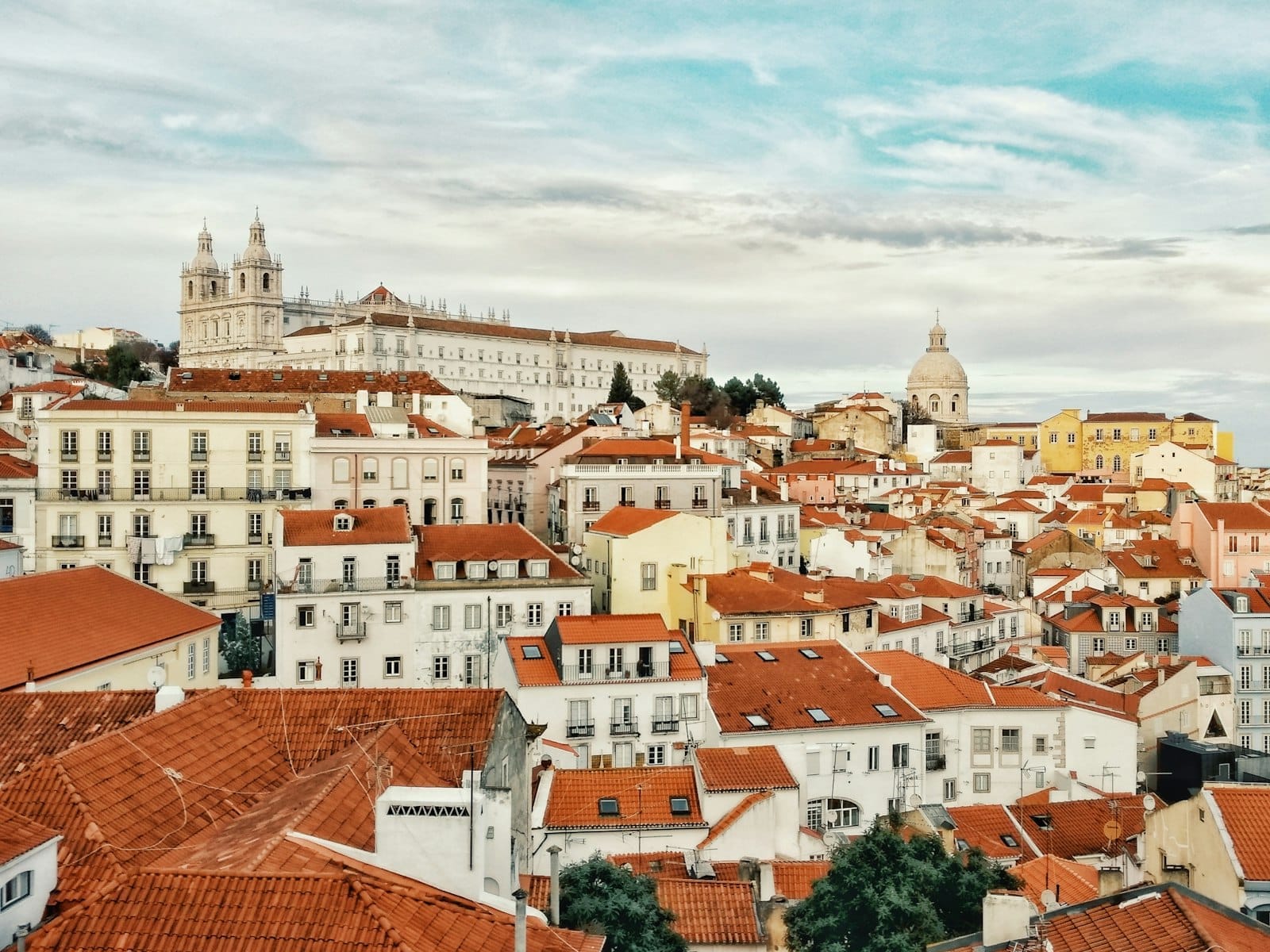
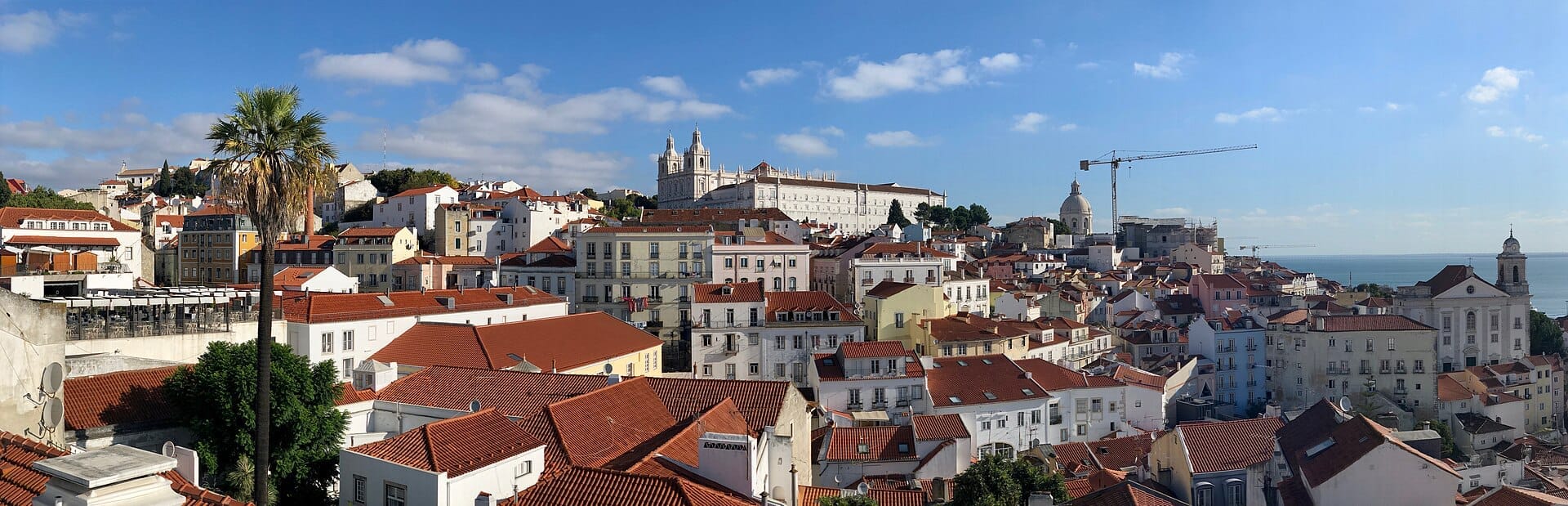
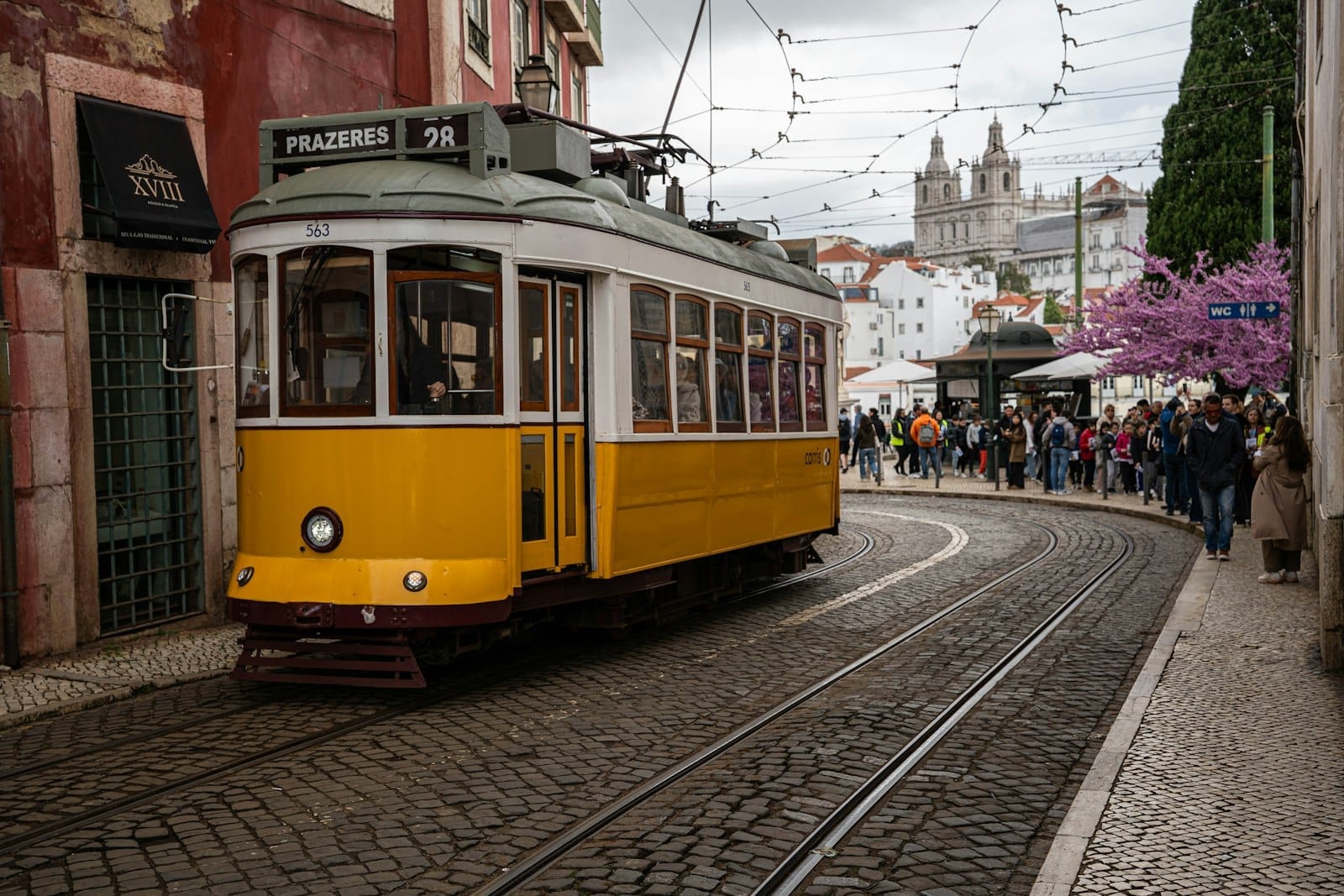
Alfama is Lisbon's oldest surviving neighborhood, a hillside maze of cobblestone alleys and tiled facades stretching from the Tagus waterfront up to São Jorge Castle. It escaped the 1755 earthquake that flattened much of the city, preserving a medieval street pattern unlike anywhere else in Lisbon. For fado music, river views, and a genuine sense of how old Lisbon looked and felt, Alfama is the place.
Alfama is where Lisbon shows its oldest face: a dense tangle of Moorish-era lanes climbing steeply from the Tagus toward São Jorge Castle, where fado drifts out of small restaurants at night and laundry lines stretch between window boxes bright with geraniums. It survived the catastrophic 1755 earthquake that erased most of the medieval city, which means its crooked streets and intimate scale are not reconstruction but the real thing.
Orientation: Where Alfama Sits in Lisbon
Alfama occupies the eastern hillside of central Lisbon, rising sharply from the waterfront avenues along the Tagus estuary up to the rocky promontory crowned by São Jorge Castle. Its lower boundary runs roughly along Rua dos Bacalhoeiros and the Praça do Comércio waterfront zone. To the west, it merges with the Mouraria district around Largo do Intendente and Martim Moniz. To the east and north, the streets climb into Graça, a quieter residential neighborhood that shares Alfama's hilly character but fewer tourist crowds. The Portas do Sol viewpoint and the Largo de Santa Luzia mark the transitional zone between lower Alfama and the castle hill above.
Spatially, Alfama functions in two distinct layers. Lower Alfama, closest to the river, is flatter and more commercially active, with the Lisbon Cathedral (Sé) anchoring the western edge and the waterfront promenades offering relief from the steep interior. Upper Alfama, above Largo das Portas do Sol, is denser, quieter, and far more disorienting to navigate on foot. The streets here narrow to little more than shoulder-width passages between whitewashed walls, and dead ends are common.
Understanding Alfama's position helps with navigation: when in doubt, walk downhill and you will reach the broad avenues along the Tagus within ten minutes. If you want to head toward Baixa and Chiado, keep moving west along the waterfront. The Graça district sits directly above Alfama and is worth combining into the same half-day walk.
Character & Atmosphere: What Alfama Actually Feels Like
Alfama changes dramatically depending on when you arrive. Early morning, before 9am, the neighborhood belongs to its residents. Elderly men sit on doorsteps in the low light. A woman waters geraniums from a balcony. The smell of fresh bread and coffee comes from small cafés with no signage beyond a hand-painted tile above the door. The cobblestones are still damp from overnight cleaning and the steep lanes catch the soft eastern light in a way that makes even the peeling plaster look beautiful.
By mid-morning, tour groups arrive in force. The lanes around Miradouro de Santa Luzia and Portas do Sol fill with cameras, and Tram 28 crawls up through the neighborhood packed beyond comfortable capacity. This is when Alfama can feel less like a living neighborhood and more like a stage set. The tourist density is real and worth acknowledging: Alfama is one of the most-photographed neighborhoods in Europe, and some of its restaurants have priced and adjusted their menus accordingly.
Afternoons in summer are brutal on the exposed upper terraces. The stone retains heat and the steep climbs become genuinely exhausting. Locals retreat indoors. This is actually a good time to duck into the cathedral or explore the shaded interior streets that tour routes skip. By late afternoon, when the light turns golden and the heat softens slightly, Alfama reclaims some of its grace. The viewpoints fill again, but with a more relaxed crowd watching the Tagus turn copper in the late sun.
After dark, Alfama shifts again. The fado houses open properly after 8pm, and the neighborhood takes on a quieter, more intimate character than the bar-heavy nightlife of Bairro Alto. Groups gather around tables in small casas de fado, and the sound of Portuguese guitar spills briefly into the alley each time a door opens. This is genuinely one of the best times to be here. The crowds thin, the streets cool, and the area feels closer to what it must have been before mass tourism arrived.
💡 Local tip
Visit Alfama twice: once early in the morning to see the neighborhood at its calmest, and once in the evening for fado. The midday window, especially in summer, is the hardest time to enjoy it.
What to See & Do in Alfama
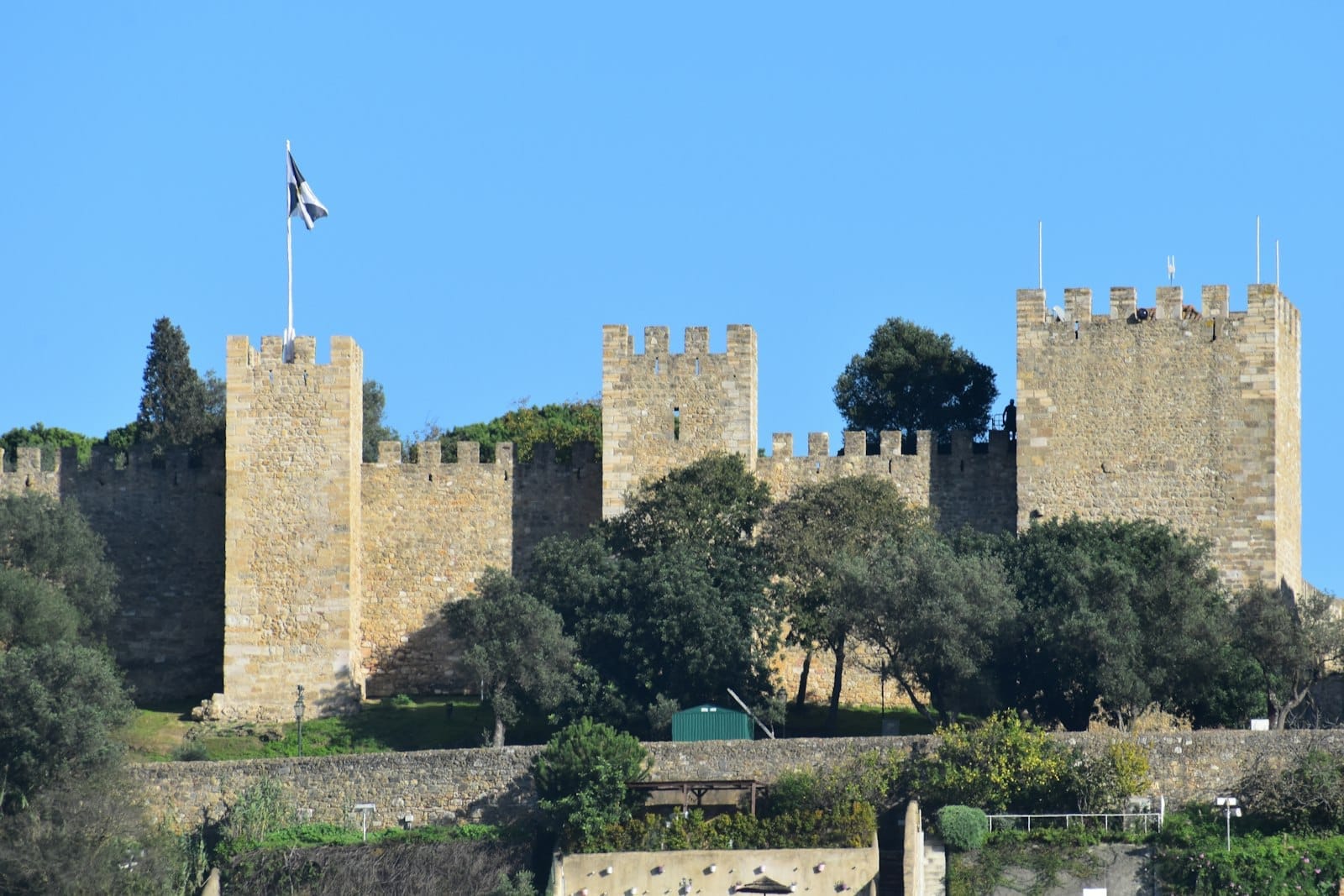
The obvious starting point is São Jorge Castle, which dominates the skyline above the neighborhood. The castle itself dates from Moorish occupation and was expanded after the Christian Reconquista in 1147. The ramparts offer the broadest panorama in central Lisbon, taking in the Tagus, the Ponte 25 de Abril bridge in the west, and the red-roofed city spreading below. Arrive early or book in advance: the entrance queue in high season can be 45 minutes or longer.
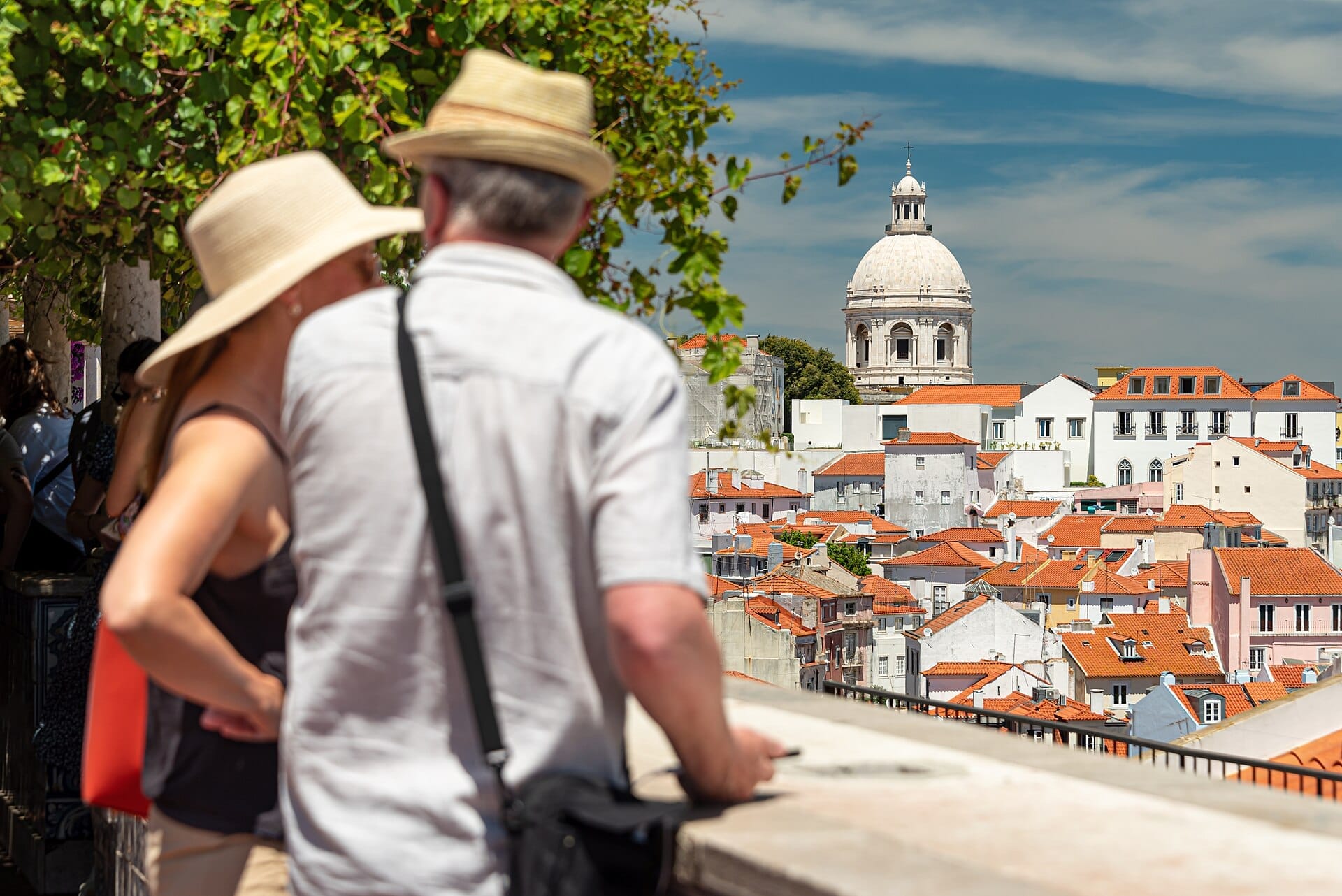
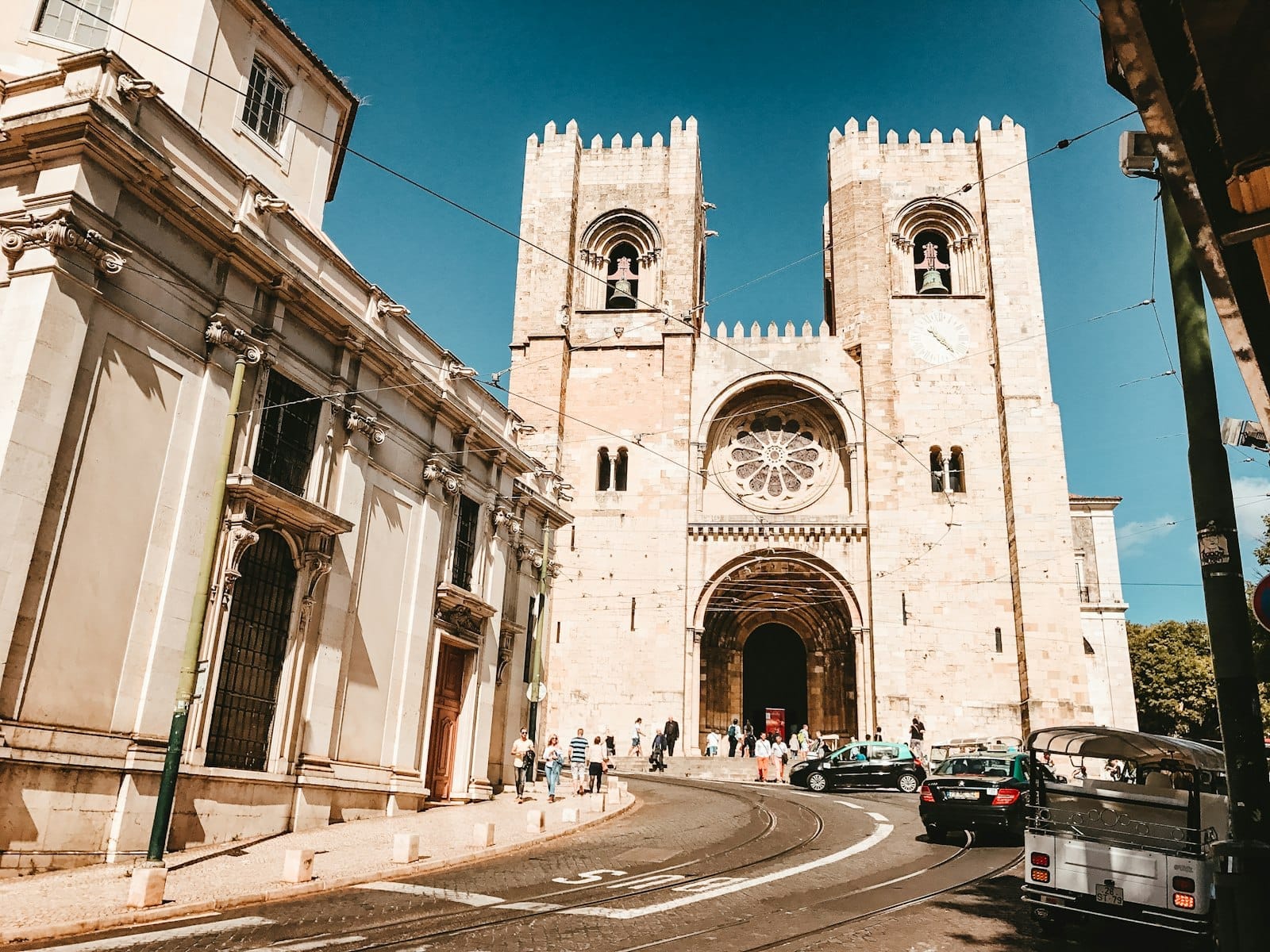
Below the castle, the Sé Cathedral is Lisbon's oldest church, founded in 1147 on the site of a former mosque. Its Romanesque facade is deliberately austere, built to signal Christian authority over a recently conquered city. The interior cloisters contain Roman and Moorish archaeological remains visible through glass flooring. Two minutes' walk east, the viewpoint at Miradouro de Santa Luzia is famous for its tiled panels depicting pre-earthquake Lisbon and the terrace views over the rooftops toward the river.
The National Tile Museum sits at the eastern edge of Alfama, housed inside the Convento da Madre de Deus. It is one of the best museums in Lisbon and often overlooked by visitors focused on the castle. The collection traces the history of Portuguese azulejo tilework from the 15th century to the present day, including a remarkable 23-meter panoramic tile panel showing Lisbon before the 1755 earthquake. Allow at least 90 minutes.
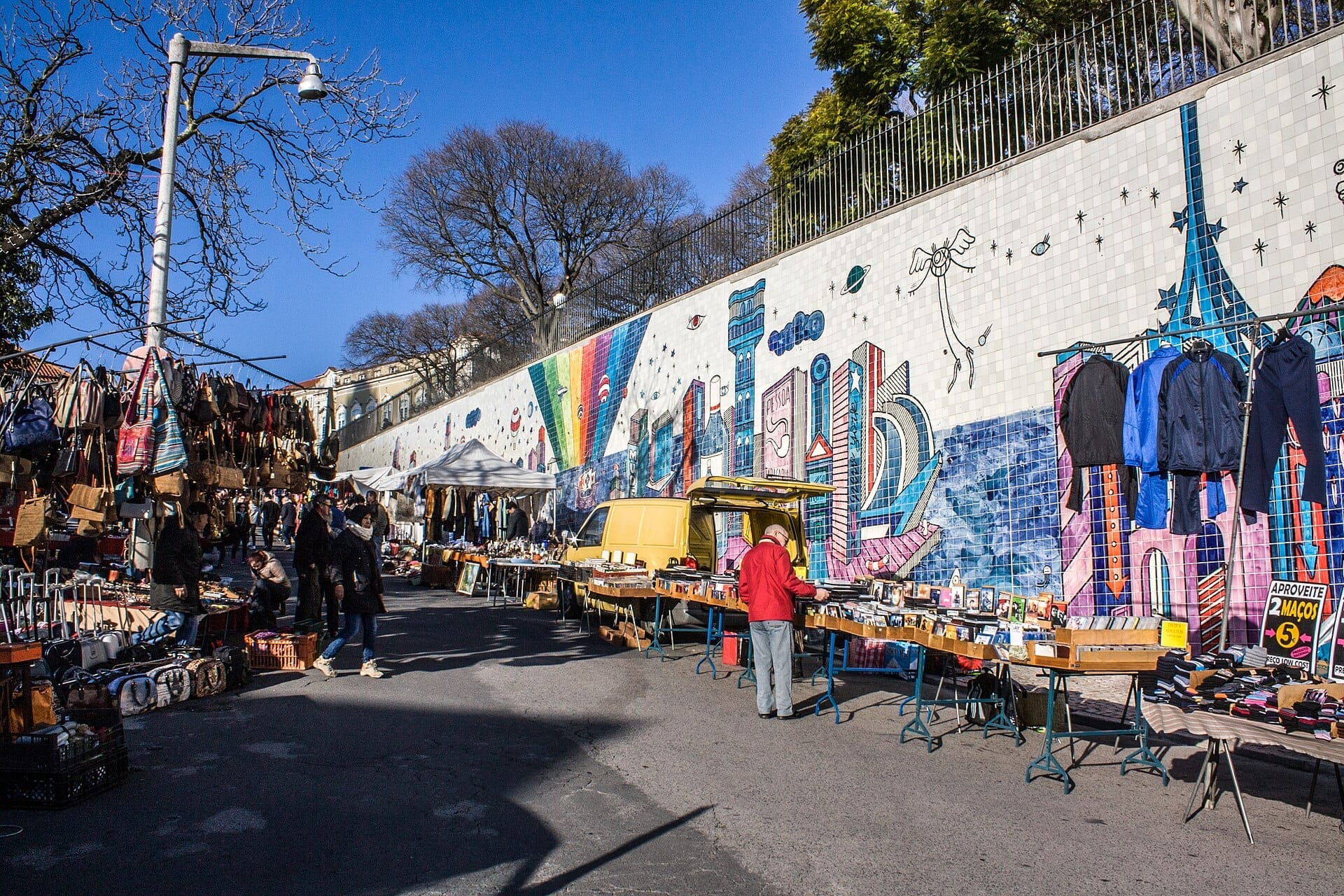
The twice-weekly Feira da Ladra flea market takes place on Tuesdays and Saturdays in Campo de Santa Clara, a square at the upper edge of Alfama near the church of São Vicente de Fora. It is the largest open-air market in Lisbon and has the chaotic, unpredictable character of a real flea market: old tiles, vintage clothing, used books in Portuguese, and genuine antiques mixed with tourist trinkets. Come with patience and no specific agenda.
São Jorge Castle: panoramic views, Moorish and medieval history, archaeological site within walls
Sé Cathedral: Romanesque facade, cloisters with Roman ruins, free entry to the nave
Miradouro de Santa Luzia: tiled panels, river views, shaded benches under pergolas
Miradouro das Portas do Sol: broader city panorama, adjacent to the São Vicente tram stop
National Tile Museum: world-class azulejo collection, 15 minutes walk east of the cathedral
Feira da Ladra: Tuesday and Saturday flea market at Campo de Santa Clara
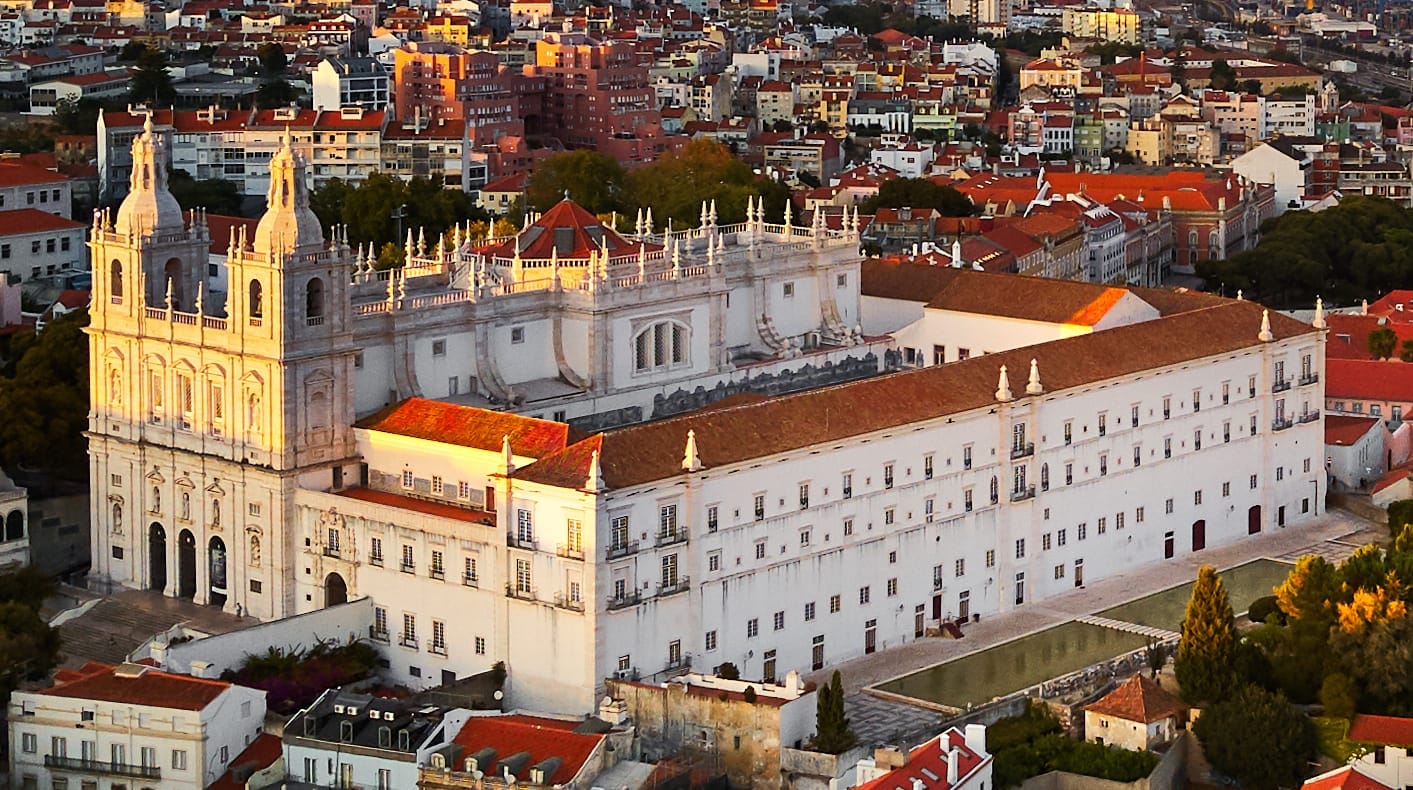
Igreja de São Vicente de Fora: baroque church and pantheon of the Bragança dynasty
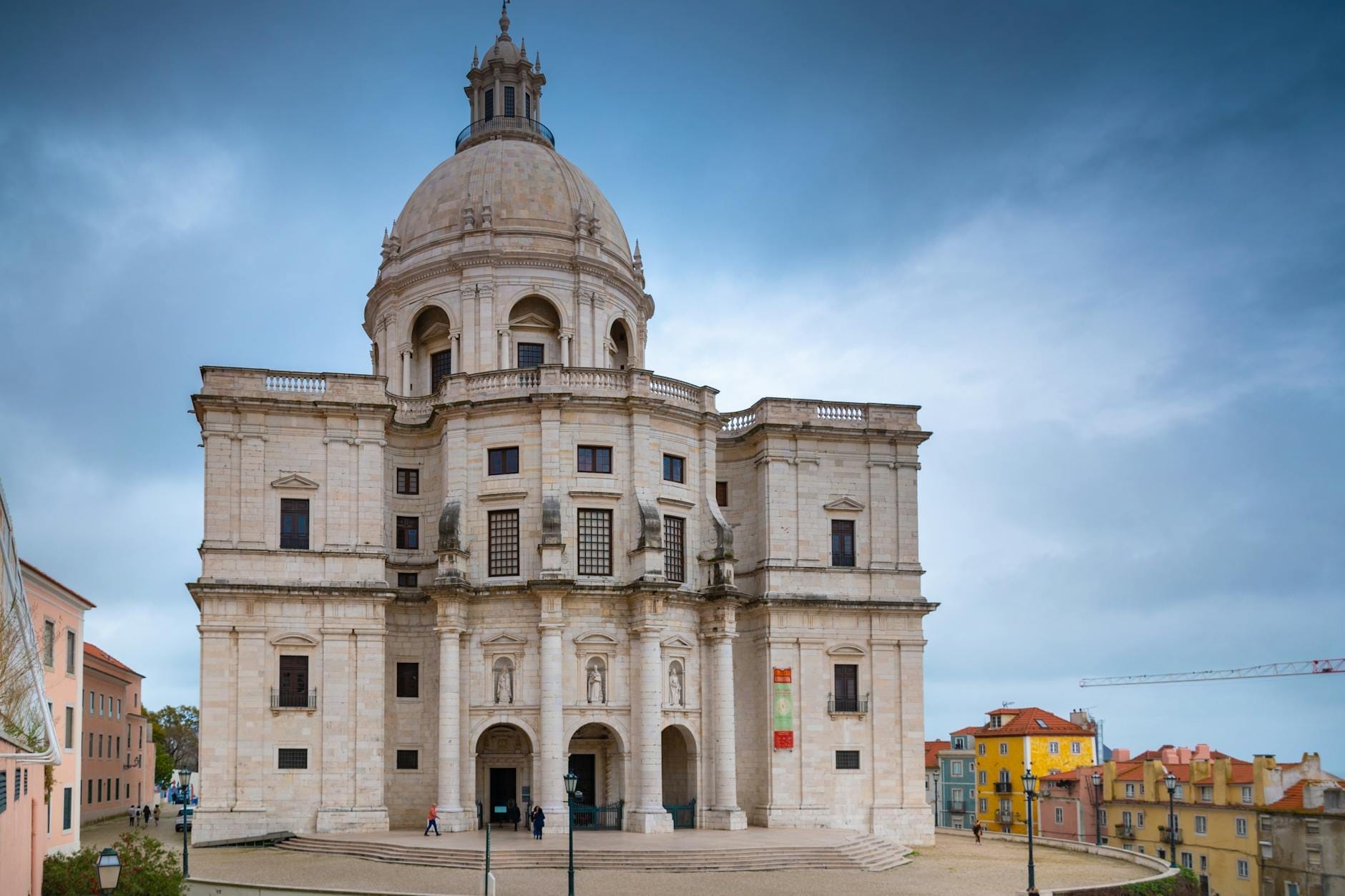
National Pantheon (Santa Engrácia): neoclassical dome with city views from the terrace
ℹ️ Good to know
The Alfama area contains several of Lisbon's most significant fado venues. Fado originated in this neighborhood in the early 19th century and remains closely tied to its identity. For a full guide to attending live fado, see the fado guide below.
Eating & Drinking in Alfama
The food scene in Alfama divides sharply between places serving tourists and places serving the people who actually live here. The streets immediately around the Sé Cathedral and the Tram 28 route are lined with restaurants that have laminated menus in six languages and charge Chiado prices for petiscos. Walk two blocks off these corridors and the picture changes. Look for tascas, simple taverns with handwritten daily menus, communal tables, and lunch mains around 8 to 12 euros. These are the backbone of Alfama's food culture. For broader context on where to eat across the city, the Lisbon restaurant guide covers neighborhoods in depth.
The local staples here are exactly what you would expect from a historic fishing quarter: grilled sardines in season (June through September), bacalhau in dozens of preparations, caldo verde soup, and the inevitable pastel de nata with a bica (espresso) at a standing counter. These dishes are honest, filling, and at their best when ordered in a place where the cook is in the room next door and the wine comes from an unlabeled bottle.
For drinks, the lower streets near the waterfront connect naturally into the Cais do Sodré bar district, but within Alfama itself there are small wine bars tucked into ground-floor spaces that were once storage rooms. These tend to open late afternoon and stay open past midnight. The neighborhood does not have the loud bar culture of Bairro Alto: drinks here are quieter, the spaces smaller, and the background music more likely to be fado than anything electronic.
The fado dinner houses deserve a separate mention because they function differently from a standard restaurant visit. Most require a reservation, enforce a minimum spend (typically covering dinner plus drinks), and run performances across two or three sittings per evening. The food is secondary to the music but rarely bad. Prices vary from around 35 euros per person at smaller, family-run houses to over 70 euros at the more established venues. Book at least a few days ahead in summer.
⚠️ What to skip
Several restaurants near the Sé Cathedral and along the Tram 28 route charge significantly above local rates for average food. The physical proximity to a tourist attraction is not a guarantee of quality. Always check whether a menu has a dedicated tourist set price versus daily specials on a chalkboard. The chalkboard is usually the better sign.
Getting There & Around Alfama
Alfama has no metro station. The nearest metro stops are Terreiro do Paço (Blue and Green lines) on the waterfront to the west, and Martim Moniz (Green line) to the northwest near the Mouraria district. From Terreiro do Paço, walking east along the waterfront and then turning uphill reaches the Sé Cathedral in about ten minutes on flat ground. The climb into upper Alfama from the river takes another ten to fifteen minutes of steady uphill walking on cobblestones. The guide to getting around Lisbon has full metro map details and transport card options.
Tram 28 (commonly written as Tram 28) is the most iconic way to reach Alfama and passes through the neighborhood on its route from Martim Moniz westward through the Sé, up past Portas do Sol, and onward toward Campo de Ourique. The ride is scenic but the tram is extremely popular with tourists and frequently overcrowded during the day. Pickpocketing on this route is a documented problem: keep bags in front, zip pockets, and be especially alert when the tram stops and passengers jostle. The Tram 28 experience is worth doing, but consider it transport, not a guaranteed comfortable sightseeing ride.
Once inside Alfama, walking is the only real option. The streets are too narrow and too steep for most vehicles, and the layout defies logical navigation. The practical approach is to orient by landmarks: the castle is always uphill, the river is always downhill. GPS works well in open spaces but can struggle in the narrower lanes. Many visitors find it more enjoyable to simply follow their instincts downhill when they want to leave, rather than trying to retrace a specific route.
Taxis and ride-hailing apps like Uber and Bolt can pick up and drop off on the main access streets, particularly around the Sé Cathedral, Largo das Portas do Sol, and the lower waterfront roads. Do not expect a driver to take you deep into the upper alleys: the streets physically do not permit it.
💡 Local tip
Wear shoes with grip and ankle support. The basalt cobblestones in Alfama are polished smooth by centuries of foot traffic and become genuinely slippery when wet. Sandals and dress shoes are both poor choices here, especially on the steeper staircase lanes.
Where to Stay in Alfama
Alfama has a growing accommodation offer, from boutique hotels carved into historic buildings to short-term rental apartments occupying former fishermen's houses. Staying here puts you closer to the fado houses and the castle than any other neighborhood, and the views from upper-floor rooms can be exceptional. The trade-off is practical: the steep terrain means every grocery run, every late-night return from dinner, involves navigating cobblestone hills. It is not the best base for travelers planning to cover a lot of ground across Lisbon. For a full accommodation comparison across neighborhoods, the Lisbon neighborhood hotel guide provides useful context.
The lower streets of Alfama, close to the Sé Cathedral and the waterfront, offer easier access to trams and taxis and are the better choice for travelers with heavy luggage or reduced mobility. Upper Alfama is dramatically atmospheric but genuinely difficult to reach with anything larger than a backpack. If you are staying for more than two nights and want to base yourself here, look for properties in the lower section that specify elevator access or fewer than three flights of stairs: many of the neighborhood's most charming buildings have neither.
Noise is a consideration after midnight on weekends. The streets around the fado houses and the lower bar terraces stay active until well past 1am, and the acoustic effect in enclosed alleys can be pronounced. Ear plugs are a reasonable precaution for light sleepers staying in the heart of the neighborhood.
Alfama and the Wider City: How It Connects
Alfama works best as part of a broader itinerary that links the eastern historic districts. A logical half-day route from the waterfront: start at Praça do Comércio on the river, walk east along the waterfront, turn uphill at the Sé Cathedral, climb through Alfama to the castle, then continue northeast to São Vicente de Fora and the Feira da Ladra market area before dropping back down to Graça for the city's best viewpoints. This route takes three to four hours at a reasonable pace without rushing any single stop.
For travelers spending more than two days in Lisbon, Alfama pairs naturally with a morning in Belém on the opposite side of the city. The contrast is striking: Belém is monumental, wide-open, and imperial in scale, while Alfama is intimate, compressed, and residential in character. Together they cover the two poles of Lisbon's historical identity. The 2-day Lisbon itinerary shows how to structure this efficiently.
The fado guide for Lisbon is worth reading before visiting Alfama specifically: understanding what fado is, where it comes from, and what distinguishes a genuine performance from a tourist dinner show will significantly improve the experience of spending an evening here.
TL;DR
Alfama is Lisbon's oldest neighborhood, with Moorish-era street patterns that survived the 1755 earthquake and remain largely intact today.
Best visited early morning for local atmosphere, or evenings for fado. Midday in summer is the most crowded and least comfortable window.
Key draws: São Jorge Castle, the Sé Cathedral, Miradouro de Santa Luzia, the National Tile Museum, and live fado music in small casas de fado.
No metro access. Tram 28 passes through but is crowded and prone to pickpocketing. Walking is the primary way to navigate once inside.
Ideal for: history-focused travelers, fado enthusiasts, photographers, and anyone wanting to understand Lisbon's medieval roots. Less suited to visitors who prioritize nightlife, flat terrain, or easy transit connections.
Lisbon punches well above its weight as a museum city, offering everything from world-class art collections to archaeology, decorative arts, and cutting-edge contemporary exhibitions. This guide covers the 12 best museums in Lisbon, organized by neighborhood and theme, with practical tips on pricing, free entry days, and what makes each one worth your time.
Lisbon rewards visitors in every season, but timing your trip well makes a real difference. This guide breaks down what to expect each month — temperatures, crowd levels, prices, and key events — so you can decide when a visit to Lisbon suits you best.
Lisbon is one of Europe's most photogenic cities, and its seven hills mean spectacular views are everywhere. This guide covers the best traditional miradouros, architectural observation decks, and rooftop vantage points across the city.
Lisbon sits at the edge of a region packed with UNESCO palaces, dramatic Atlantic coastline, and historic towns all within an hour or two. These are the best day trips to make from the city, whether you have a car or just a train pass.
Fado is Lisbon's soul — a UNESCO-listed tradition of longing, heartbreak, and beauty. This guide cuts through the tourist-trap venues to show you exactly where to hear the real thing, what it costs, and how to book.
Lisbon rewards the budget-conscious traveler more than almost any other European capital. From hilltop viewpoints and azulejo-tiled churches to free museum Sundays and sprawling flea markets, here are 20 genuinely free experiences across the city.
Lisbon has one of Europe's most layered transport networks, mixing a modern metro with century-old trams and scenic ferries. This guide breaks down every option with real prices, route details, and honest advice on what actually works for visitors.
Lisbon is one of Europe's most photogenic capitals, with terracotta rooftops, hand-painted tile facades, Moorish hilltop castles, and a shimmering river at every turn. This guide covers the 20 most Instagrammable spots in Lisbon, with practical advice on the best times to shoot, what to frame, and how to beat the crowds.
Lisbon is one of Europe's most talked-about city breaks, but does it live up to the hype? This guide cuts through the noise with honest assessments of what the city does brilliantly, where it falls short, what things cost, and how to make the most of your time there.
Two days in Lisbon is enough to cover the essentials without rushing — if you plan smart. This itinerary breaks down exactly where to go, when to go, what to eat, and what to skip, district by district.
Humberto Delgado Airport is Portugal's busiest gateway and your first encounter with Lisbon. This guide covers both terminals, every transport option into the city, lounge access, seasonal crowd patterns, and the practical details that most airport guides skip.
Lisbon has no beaches of its own, but within 30 to 60 minutes you can reach some of the finest Atlantic coastline in Europe. This guide covers the best beaches near Lisbon, from the closest train-accessible options to the dramatic headlands beyond Cascais.
Lisbon has two remarkable bridges crossing the Tagus River, each with a distinct story. This guide covers the history, engineering, best viewpoints, visitor experiences, and practical tips for seeing both the 25 de Abril Bridge and the Vasco da Gama Bridge.
Lisbon's food scene runs deeper than custard tarts and salt cod. This guide covers the essential dishes, where to find the best versions, what to skip, and how to eat well across every budget in Portugal's capital.
Lisbon earns its romantic reputation through layers of atmosphere: tiled facades glowing at golden hour, melancholic Fado drifting from open doorways, and viewpoints that stretch over terracotta rooftops to the Tagus River. This guide covers the best experiences for couples, from classic landmarks to quieter moments that most visitors miss.
Lisbon rewards those who wander beyond the obvious. This guide uncovers the city's overlooked churches, quieter viewpoints, neighborhood markets, and architectural oddities that locals love and most visitors walk straight past.
Lisbon in summer means long sunny days, Atlantic breezes, packed beaches, and a city that truly comes alive after dark. This guide covers the real conditions in July and August: what the heat actually feels like, when to visit which attractions, and how to get the most out of peak season without the headaches.
Lisbon in winter is quieter, cheaper, and surprisingly sunny. This guide covers what to expect from December through February, including weather realities, the best seasonal experiences, and practical tips for getting the most out of a low-season trip.
Four days is enough time to move past the highlights and actually understand Lisbon: its layered history, neighbourhood contrasts, and the rhythm of daily life along the Tagus. This itinerary is built around logical geography, honest crowd realities, and the experiences that genuinely reward the effort.
Lisbon delivers genuine five-star luxury at prices that embarrass Paris, Barcelona, and London. This guide covers the best luxury hotels in Lisbon by neighborhood, honest price breakdowns, fine dining worth the splurge, and the exclusive experiences that set a premium trip apart.
Lisbon nightlife runs deep: fado singers in candlelit Alfama taverns, cocktail bars along the hilly streets of Bairro Alto, and electronic clubs that don't fill up until 2am. This guide breaks down every major scene by neighborhood, with specific venues, honest pricing, and the local knowledge to avoid tourist traps.
Lisbon is one of Western Europe's most affordable capitals, but costs vary significantly depending on how you travel. This guide breaks down exactly what you'll spend on accommodation, food, transport, and attractions, with specific prices and honest advice on where to save and where it's worth paying more.
Lisbon covers just 100.05 km² but packs in dramatically different neighborhoods, from medieval hilltop alleys to modern riverside parks. This guide breaks down the Lisbon map by district, explains how far apart things really are, and tells you the smartest ways to get between them.
A Lisbon river cruise on the Tagus puts the city's most iconic landmarks in front of you from the water. This guide breaks down every major operator, realistic prices, departure logistics, and which tours are actually worth booking in 2026.
Lisbon is one of Western Europe's safest capitals, but it has a handful of well-practiced scams that catch tourists off guard every year. This guide covers exactly what to watch for, where the real risks are, and how to move around the city with confidence.
Lisbon rewards shoppers at every budget level, from Saturday morning flea markets in Alfama to flagship luxury boutiques on Avenida da Liberdade. This guide covers the best markets, shopping streets, and stores in the city, with practical details on schedules, neighborhoods, and what to skip.
The distance from Lisbon to Barcelona is roughly 1,005 km. You have four realistic ways to cover it: a short flight, a multi-leg train journey, an overnight bus, or a self-drive road trip through Spain. This guide breaks down costs, journey times, and trade-offs so you can choose the right option for your trip.
Lagos sits about 300km south of Lisbon, deep in the western Algarve. Getting there is straightforward, but the right option depends on your budget, timeline, and plans once you arrive. This guide breaks down every route with honest comparisons.
The Lisbon to Seville journey is around 450 km across two countries, and the route you choose makes a significant difference. This guide breaks down every transport option with current prices, realistic journey times, and the stops worth making along the way.
Lisbon rewards walkers like few other European capitals. This guide covers the best walking tours across every budget and neighborhood, from tip-based free tours and small-group food walks to self-guided routes through Alfama's maze of cobblestones. Whether you have two hours or a full day, there's a walk that fits.
Lisbon enjoys a Mediterranean climate with over 280 sunny days a year, but the difference between January and July is enormous. This guide breaks down Lisbon weather by month, covers seasonal crowd patterns, and tells you exactly when to go based on what you want to do.
Lisbon is one of Europe's most rewarding cities to explore with children. This guide covers the top family-friendly activities, from world-class aquariums and hands-on science museums to historic tram rides and riverside parks, with honest advice on what's worth your time and what to skip.
Flying from London to Lisbon takes around 2.5 hours and costs as little as £50. But if you want to travel overland, the train journey is an epic 22+ hour adventure through Paris and Madrid. This guide breaks down every realistic option, with honest advice on cost, time, and comfort.
The Santo António Festival is Lisbon's largest and most beloved annual celebration, filling the streets of Alfama, Mouraria, and Bairro Alto every June with grilled sardines, bonfires, folk parades, and mass weddings. This guide covers the full schedule, key traditions, best neighborhoods to visit, and practical tips for navigating the festivities.
Sintra is the most popular day trip from Lisbon, and for good reason: royal palaces, Moorish ruins, and forested hilltops sit just 40 minutes by train from the city centre. This guide covers exactly how to get there, which sites to prioritize, how much to budget, and how to avoid the worst of the crowds.
Lisbon rewards curious travelers with centuries of history, world-class food, and some of Europe's most dramatic viewpoints. This guide covers the best things to do in Lisbon across every budget, neighborhood, and travel style, with honest takes on what's worth your time.
Lisbon's food scene runs deeper than pastéis de nata and bifanas. This guide covers the best restaurants in Lisbon by neighbourhood and budget — from two-Michelin-star dining rooms to the market stalls locals actually queue for.
Choosing where to stay in Lisbon shapes your entire trip. This guide breaks down every major neighborhood by atmosphere, price range, pros and cons, and the type of traveler each suits best — so you can book with confidence.