Lisbon to Barcelona: Flights, Trains, Buses & Road Trip Options Compared
The distance from Lisbon to Barcelona is roughly 1,005 km. You have four realistic ways to cover it: a short flight, a multi-leg train journey, an overnight bus, or a self-drive road trip through Spain. This guide breaks down costs, journey times, and trade-offs so you can choose the right option for your trip.
Tickets & tours
Live prices and dates from our booking partner. If you book, we may earn a commission at no extra cost to you.
TL;DR
- Flying is the fastest and often cheapest option: around 1.5-2 hours in the air, with door-to-door time of roughly 4-5 hours and average fares around €60 one-way.
- There are no direct trains from Lisbon to Barcelona. The fastest rail route takes around 9 hours with at least one connection, usually via Madrid.
- Buses are the cheapest option (from around €50) but the slowest, taking 15-20 hours. Use if budget is the absolute priority.
- A road trip takes 12-13 hours and costs roughly €120 in tolls and fuel. Best for travelers who want to stop along the way.
- Book flights and trains at least 30 days ahead in summer. If you have extra time before flying, explore what Lisbon has to offer first.
How Far Is Lisbon from Barcelona?

Lisbon and Barcelona sit at opposite ends of the Iberian Peninsula, separated by approximately 1,249 km by road. The two cities are in different countries, different time zones during summer (Portugal runs on UTC+1 from March to October, Spain on UTC+2), and served by airports with very different connectivity. Barcelona El Prat (BCN) is one of Europe's busiest airports, while Lisbon's Humberto Delgado Airport (LIS) is located just 10 km from the city centre. That geographic spread means your journey options vary enormously in time, price, and comfort.
Flying from Lisbon to Barcelona: The Practical Choice for Most Travelers
The flight between Lisbon (LIS) and Barcelona (BCN) takes 1.5 to 2 hours. Add time for airport check-in, security, boarding, and the transfer from El Prat into central Barcelona, and a realistic door-to-door estimate is 4-5 hours. That is a fraction of any land-based alternative.
There are around 30-40 daily departures on this route, operated primarily by Ryanair, Vueling, TAP Air Portugal, and Iberia. Average one-way fares sit around €60, though you can find seats under €40 if you book several weeks in advance on budget carriers. The catch: Ryanair and Vueling both charge for checked luggage and sometimes even cabin bags above a personal item. A cheap headline fare can easily become €90-100 once you add a standard carry-on. Factor that in before assuming the flight is a bargain. For a wider cheap-trip plan once you land, pair the fare check with our Barcelona on a budget guide.
💡 Local tip
Search flights on Omio or Google Flights with flexible dates enabled. Flying on a Tuesday or Wednesday rather than Friday or Sunday typically saves €15-30 on this route. Booking 4-6 weeks ahead usually gets you the best combination of seat availability and price.
Both airports have good public transport connections. From LIS, the Metro Red Line reaches the city centre in about 20 minutes for €1.60. From El Prat, the Aerobus reaches central Barcelona in around 35 minutes (fare approximately €6.75), or the train (Rodalies R2 Nord line) takes about 30 minutes for around €4.60. Taxis and rideshares are faster from both airports but cost €25-45 depending on traffic. If you are landing late or carrying luggage, choose a base with simple airport access; our where to stay in Barcelona guide breaks down which neighborhoods make that easiest. For day-to-day routes after check-in, use our getting around Barcelona guide.
⚠️ What to skip
Barcelona has two terminals (T1 and T2) at El Prat. Most Ryanair flights arrive at T2, which has a free shuttle to T1 for onward connections. Check your terminal before planning your onward transport, as the Aerobus stop and train station differ by terminal.
Train from Lisbon to Barcelona: Scenic but Complicated
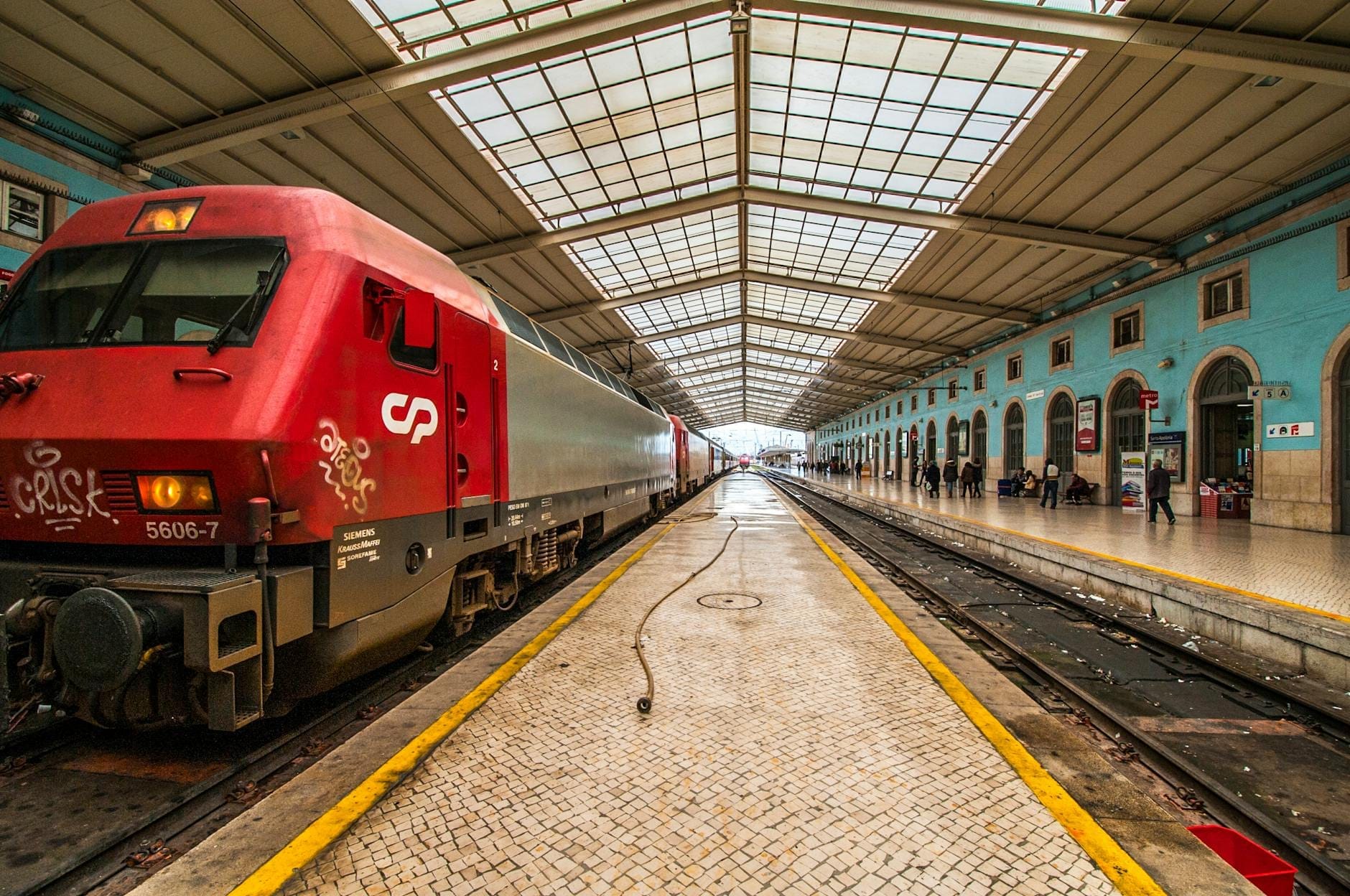
There is no direct train from Lisbon to Barcelona. None. This is one of the most commonly misunderstood points about this route, and it matters for planning. Every rail journey requires at least one connection, most commonly in Madrid. The most popular route is Lisbon Santa Apolónia to Madrid Chamartín on an overnight Lusitânia Comboio Hotel service (operated by Renfe and Comboios de Portugal), followed by an AVE high-speed train from Madrid Atocha to Barcelona Sants.
The fastest advertised rail journey time is around 9 hours 8 minutes, but that depends on tight connections and specific departure times. Realistically, most itineraries run 11-13 hours. Taking the overnight sleeper from Lisbon to Madrid and then catching an early AVE to Barcelona is the most comfortable approach: you arrive in Barcelona refreshed without losing a full travel day. Sleeper couchettes on the Lusitânia add cost but the convenience is real.
- Lusitânia Comboio Hotel (Lisbon to Madrid) Overnight service departing around 10pm from Lisbon Santa Apolónia, arriving Madrid Chamartín around 7am. Sleeper, couchette, and seat classes available. Operated jointly by Renfe and Comboios de Portugal.
- AVE High-Speed (Madrid to Barcelona) Frequent departures from Madrid Atocha, journey time approximately 2.5-3 hours. This is genuinely fast and comfortable rail travel. Fares from around €20 in advance on standard class.
- Total rail fares Tickets from around €15-€88 one-way depending on class and booking window. Budget around €50-90 for a realistic, reasonably comfortable combined ticket. Book via Trainline, Rail Europe, or directly through Renfe.
✨ Pro tip
If you want to take the train without the overnight option, book an afternoon Alfa Pendular from Lisbon to Madrid (via the Lusitânia daytime service, arriving Madrid early evening) and stay one night in Madrid before catching an early AVE to Barcelona. This turns a painful connection into a worthwhile stopover in one of Europe's great cities.
Bus from Lisbon to Barcelona: Cheapest, but At a Cost

The bus is the budget-first option. Operators including FlixBus, Alsa, and BlaBlaCar Bus run services between Lisbon and Barcelona, with journey times of 15-20 hours. Some routes are technically direct (no transfer required) but involve the same driver stopping at multiple cities. Fares start around €25-50 one-way, and unlike budget airlines, the price you see usually includes your luggage.
The honest reality: 15-20 hours in a coach seat is a significant physical commitment. Overnight buses can work if you genuinely sleep well in transit, but daytime departures mean a full day of looking at motorway. The bus makes sense for students, backpackers on tight budgets, or travelers who missed a flight booking window and need a last-minute affordable option. For most people, a €60 flight or even the train is a better use of limited vacation time.
Road Trip from Lisbon to Barcelona: The Slow, Rewarding Option
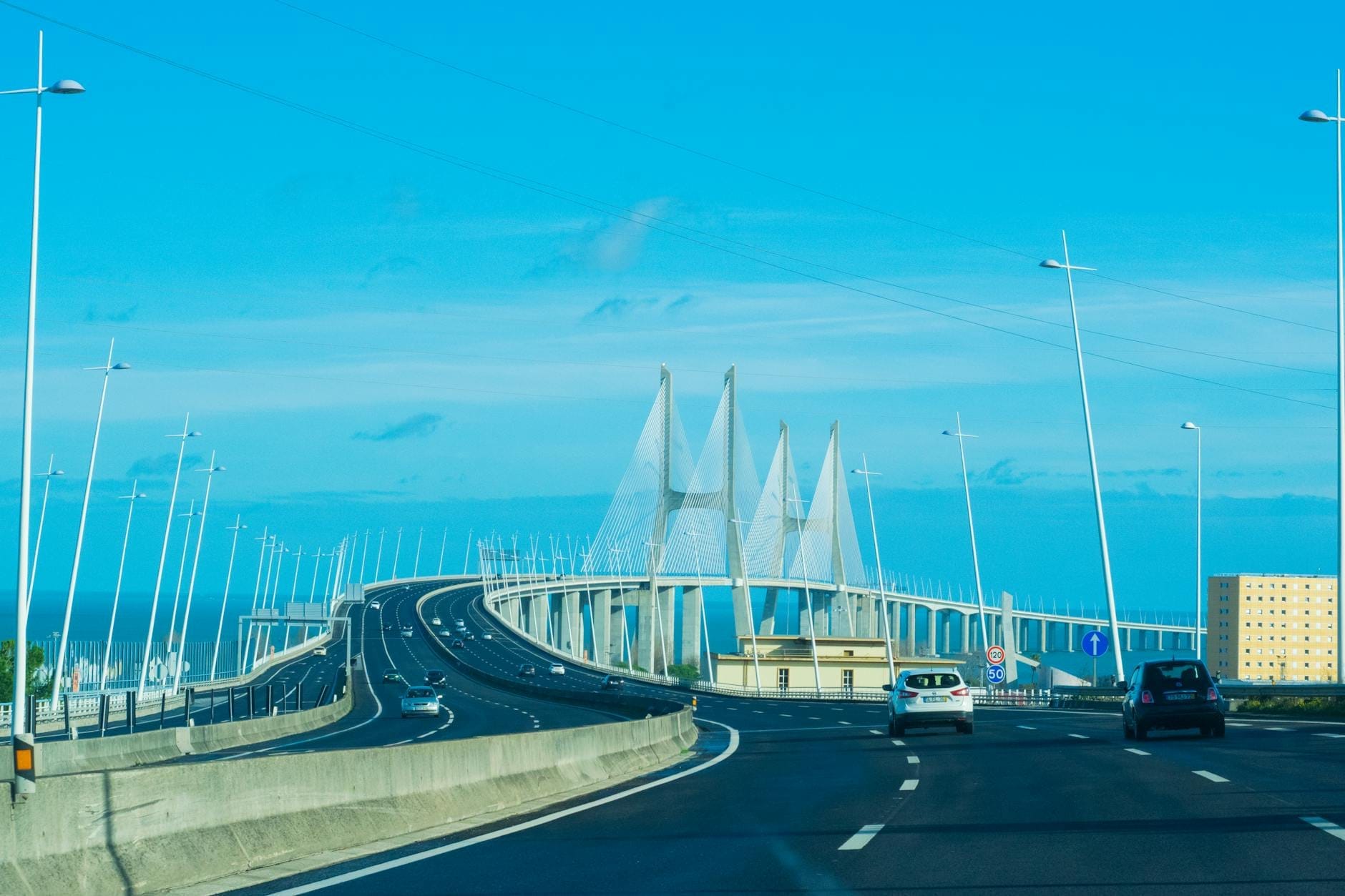
Driving from Lisbon to Barcelona covers roughly 1,249 km and takes 12-13 hours of pure driving time, not counting stops. The standard route runs east through Badajoz into Spain, then northeast through Zaragoza to Barcelona on the AP-7 toll motorway. Budget around €120 for tolls and fuel in a standard car, though this varies with fuel prices and whether you use toll roads throughout. The tolls are worth it: they keep you off slower regional roads and cut hours off the journey. If you want day trips from Lisbon as part of a wider Iberian itinerary, a rental car gives you flexibility no other transport offers.
Nobody should attempt the full drive in one day without a co-driver. Fatigue on Spanish motorways is a genuine safety risk. The sensible approach is to split the drive with an overnight stop: Mérida, Cáceres, Zaragoza, or Valencia are all logical midpoints with good accommodation options and enough to see for a half-day. Zaragoza in particular sits almost exactly at the midpoint and is an underrated Spanish city.
- Rental car: Book through Rentalcars.com or directly with Europcar/Hertz. Confirm the rental agreement permits cross-border travel into Spain (most do, but verify).
- BlaBlaCar: For a rideshare, BlaBlaCar frequently has drivers making this route, particularly on Friday afternoons and Sunday evenings. Fares are typically €30-50 per seat.
- Toll apps: Viajar is useful for estimating Portuguese toll costs. Spanish motorway tolls can be paid by credit card at booths or via the Via Verde transponder if your rental includes one.
- Fuel: Filling up in Portugal before crossing the border is marginally cheaper than in Spain on most routes.
- Parking in Barcelona: Central Barcelona parking is expensive and congested. Use a park-and-ride outside the city or book hotel parking in advance.
Which Option Should You Choose?
The right answer depends on your priorities. If time is your main constraint, fly. If you want the most atmospheric journey and have two days to spare, the overnight train via Madrid with a stopover is genuinely enjoyable Iberian rail travel. If budget is the single deciding factor, the bus delivers. If you are already planning a road trip across the peninsula or have onward destinations, driving or ridesharing gives you the most control. For context on planning your Lisbon end of the trip, the 4-day Lisbon itinerary is a good starting point before you head east. On the Barcelona side, use our Barcelona itinerary to decide how many nights are worth the transfer time.
A quick summary by traveler type: couples or first-timers should fly or take the overnight train. Families with young children should fly (avoid 15+ hour journeys in enclosed transport), then use our Barcelona with kids guide to keep the first day gentle. Solo travelers open to meeting people could try the BlaBlaCar rideshare. Those on a gap year or Interrail pass should do the train. If your schedule is flexible, consider timing your Lisbon departure around the best time to visit Lisbon to get good weather on both ends of the trip.
Booking, Timing, and Seasonal Considerations
Summer (June to August) is peak season on this route. Flight prices spike significantly in July and August, with some routes doubling from their off-peak averages. Book flights at least 30 days ahead for summer travel, and check our best time to visit Barcelona guide before locking in July or August dates. Train tickets on the AVE Madrid-Barcelona leg also sell out in advance during peak periods. The Lusitânia overnight train has limited sleeper berths and fills quickly for Friday and Saturday night departures year-round.
Off-peak travel (November through March, excluding Christmas and New Year) offers the best prices across all transport modes. Shoulder months in spring and autumn, which also happen to be the best weather months in Lisbon, give you a reasonable balance of good prices and comfortable conditions. Buses and trains are generally reliable year-round on this route, with fewer weather-related disruptions than northern European rail networks.
ℹ️ Good to know
Portugal and Spain are both in the Schengen Area, so there are no passport checks at the border crossing. EU citizens travel freely; non-EU visitors should ensure their passport is valid for the duration of their stay across both countries. Visa-free entry (90 days) applies to US, Canadian, Australian, and many other nationalities. Check the current ETIAS requirements for 2026, as the EU's travel authorization rules may apply to your nationality.
FAQ
Is there a direct train from Lisbon to Barcelona?
No. There is no direct train service between Lisbon and Barcelona. All rail journeys require at least one connection, most commonly a transfer in Madrid. The total journey time by train ranges from around 9 hours (fastest possible with tight connections) to 13+ hours on most realistic itineraries.
How long does the flight from Lisbon to Barcelona take?
The flight itself takes 1.5 to 2 hours. Including check-in, security, boarding, and the transfer from Barcelona El Prat airport into the city centre, allow 4-5 hours door-to-door from central Lisbon.
What is the cheapest way to get from Lisbon to Barcelona?
The cheapest options vary by booking window. Budget airline seats (Ryanair, Vueling) regularly appear under €40 one-way if booked 4-6 weeks in advance. Buses start around €25-50 but take 15-20 hours. BlaBlaCar rideshares are another low-cost option at €30-50. The overnight train can be cheap (from around €15 for the connecting leg) but combined sleeper fares add up.
How much does a road trip from Lisbon to Barcelona cost?
Budget roughly €120 for tolls and fuel in a standard car on the direct route via Badajoz and Zaragoza. Add rental car costs if you do not own a vehicle. The drive takes 12-13 hours of driving time, so most travelers plan an overnight stop along the way, adding accommodation costs.
Do I need a visa to travel from Lisbon to Barcelona?
Both Portugal and Spain are Schengen Area countries. There are no border controls between them. EU citizens need only their national ID. Non-EU travelers (US, Canadian, Australian, etc.) currently enter visa-free for up to 90 days in the Schengen Area. Check whether the EU's ETIAS travel authorization requirement applies to your nationality before you travel, as it is being introduced for non-EU visitors.
Tickets & tours
Live prices and dates from our booking partner. If you book, we may earn a commission at no extra cost to you.
Planning a trip? Discover personalized activities with the Nomado app.