Best Things to Do in Lisbon: The Definitive Guide
Lisbon rewards curious travelers with centuries of history, world-class food, and some of Europe's most dramatic viewpoints. This guide covers the best things to do in Lisbon across every budget, neighborhood, and travel style, with honest takes on what's worth your time.
Tickets & tours
Live prices and dates from our booking partner. If you book, we may earn a commission at no extra cost to you.
TL;DR
- Book the Jerónimos Monastery and Belém Tower tickets in advance at parquesdesintra.pt — queues without reservations can exceed 90 minutes in summer.
- Alfama is the oldest and most atmospheric district: explore it on foot rather than relying on the often-overcrowded Tram 28.
- Lisbon has excellent free options: miradouros (viewpoints), beaches, and dozens of free museum days make it one of Western Europe's most affordable capitals.
- May-June and September-October offer the best balance of warm weather, manageable crowds, and lower accommodation prices.
- Avoid restaurants near Rossio and Praça do Comércio that use outdoor hawkers — the food is consistently overpriced and rarely authentic.
Belém: Monuments, Pastries, and Maritime History

Belém sits about 6 km west of Lisbon's city center along the Tagus riverbank and contains the heaviest concentration of landmark architecture in the country. The Jerónimos Monastery is the undisputed highlight: a UNESCO World Heritage Site built in the 16th century to celebrate Vasco da Gama's voyage to India. The Manueline stonework — twisted ropes, armillary spheres, coral-like columns — is unlike anything else in Europe. Inside, you'll find da Gama's tomb. Admission is around €10-12 for adults; book online at the official monastery website at least a few days ahead, especially between June and August.
A 10-minute walk west along the riverfront brings you to the Belém Tower, the second UNESCO monument in the district. It's smaller than most visitors expect, but the late afternoon light reflecting off the Tagus makes it photogenic at almost any angle. Combine both sites in a single morning visit to avoid double-trip logistics. Afterwards, stop at Pastéis de Belém on Rua de Belém — the original bakery producing custard tarts since 1837 in Belém. Go before noon or after 3pm to avoid the longest queues. The tarts cost around €1.20-1.50 each and are served warm, dusted with cinnamon and powdered sugar.
💡 Local tip
The Belém area is best visited on a weekday morning. On weekends in summer, the riverfront promenade between the monastery and the tower can feel genuinely congested. The MAAT (Museum of Art, Architecture and Technology) next door offers a good afternoon complement if you want to extend your visit.
Also worth seeing in Belém: the Padrão dos Descobrimentos (Monument to the Discoveries), a striking 1960 monument on the riverbank featuring 33 figures from Portugal's Age of Exploration, and the National Coach Museum, which houses one of the world's finest collections of royal carriages. Neither requires advance booking and both can be done in under an hour each.
Alfama and Graça: Where Lisbon Gets Real
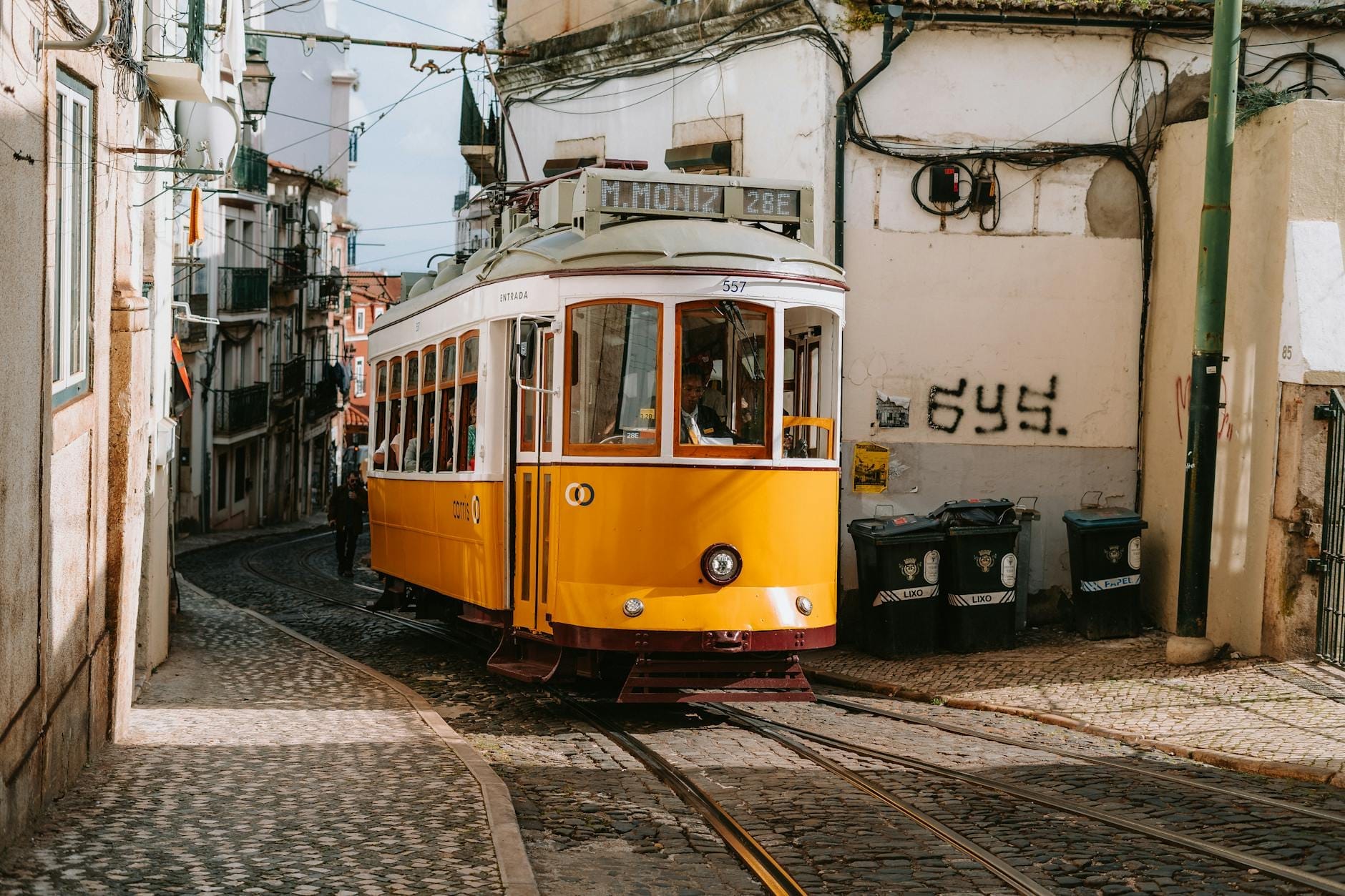
Alfama is the oldest surviving neighborhood in Lisbon, one of the few areas that escaped significant damage in the catastrophic 1755 earthquake. Its narrow, tilework-lined streets climb steeply from the waterfront up toward São Jorge Castle, and the best way to experience it is simply to walk without a specific agenda. The neighborhood rewards patience: handwritten menus in tiny tascas, laundry strung between windows, fado drifting from open doorways.
The viewpoints here are among the best in the city. Miradouro das Portas do Sol and Miradouro de Santa Luzia are both within a short walk of each other and offer sweeping views over the rooftops toward the Tagus. For the best panoramas in the city, continue uphill to Miradouro da Graça or Miradouro da Senhora do Monte — both are less crowded than the more famous Miradouro da Graça and offer arguably superior sightlines toward the 25 de Abril Bridge.
⚠️ What to skip
Tram 28 is frequently cited as a bucket-list Lisbon experience. In reality, it's often so packed that you cannot board, and it's a known pickpocketing hotspot. The route through Alfama is genuinely scenic, but walking the same streets gives you far more freedom and equal views. If you do ride it, go before 9am or after 6pm and keep bags in front of you.
At the top of Alfama sits São Jorge Castle, a Moorish fortification with origins dating to the 11th century. The walls offer excellent views in every direction, and the grounds contain archaeological ruins from Phoenician, Roman, and Islamic occupations. Tickets cost around €10 for adults. The Sé Cathedral just below the castle is Lisbon's oldest church (founded 1147) and free to enter the nave, making it an easy addition to any Alfama walk.
Baixa-Chiado and the City Center

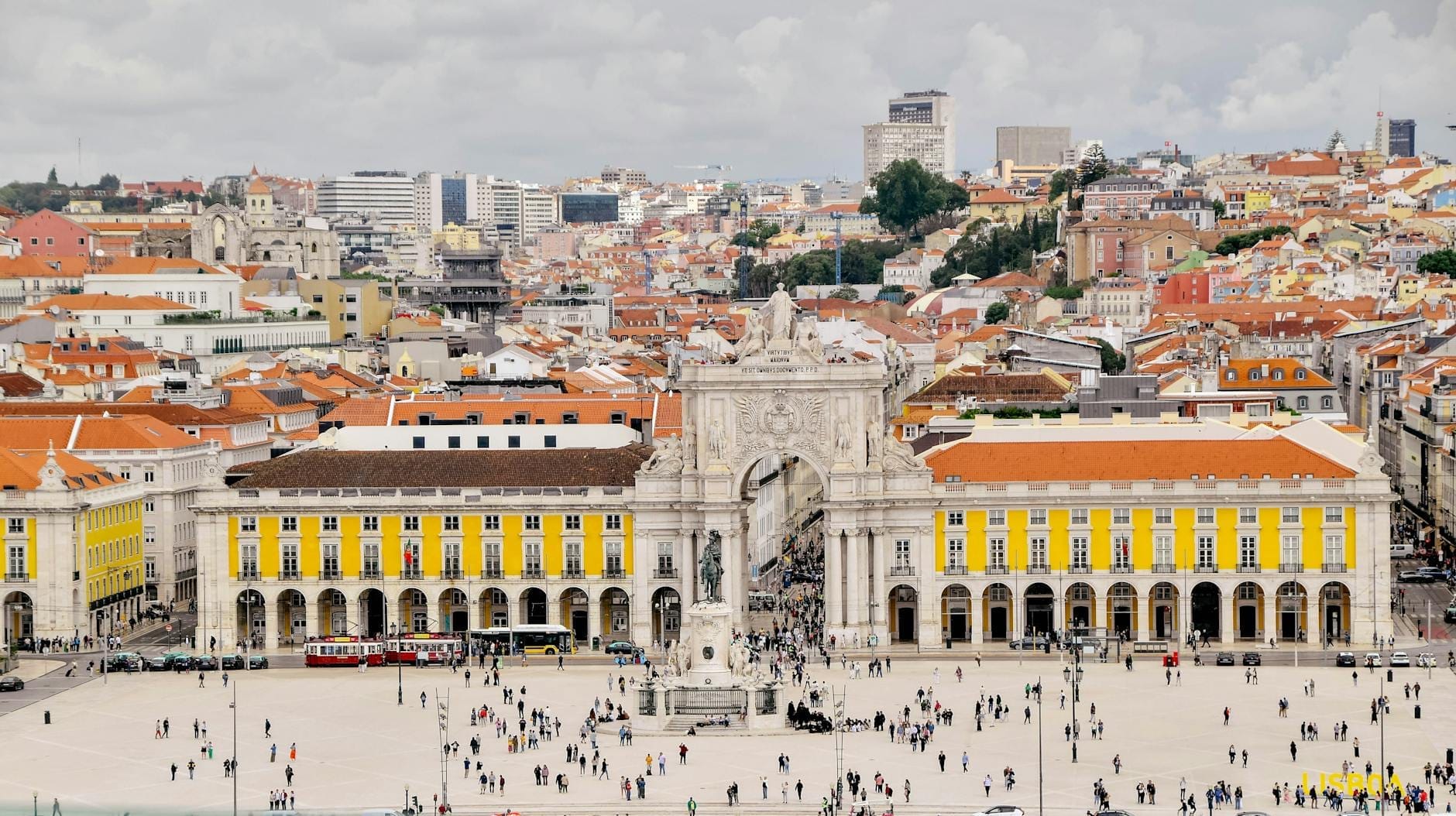
Lisbon's downtown core, rebuilt in a grid pattern after the 1755 earthquake under the direction of the Marquis of Pombal, centers on Rossio Square and the grand Praça do Comércio on the waterfront. The pedestrianized Rua Augusta connects them and is lined with street performers, outdoor cafes, and the triumphal Arco da Rua Augusta, which you can climb for rooftop views over the Baixa grid. Entry to the arch is around €3.
The Elevador de Santa Justa is a wrought-iron neo-Gothic lift built in 1902 that connects Baixa with the Carmo district above. The view from the top terrace is genuinely good, but lines can be 45-60 minutes long in peak season. A smarter option: take the lift at an off-peak hour, or walk up via Rua do Carmo and skip it altogether. Either way, the Carmo Convent at the top is worth the trip on its own terms: its roofless Gothic nave, destroyed in the 1755 earthquake and never rebuilt, is one of the most atmospheric spaces in Lisbon. Admission is around €5.
- Time Out Market Lisbon's most famous food hall in Cais do Sodré: 35+ vendors under one roof. Quality is consistent, prices are fair (most dishes €8-15), and it's a practical lunch option when you want variety without restaurant commitment.
- LX Factory A repurposed 19th-century industrial complex in Alcântara with independent shops, restaurants, and a Sunday market. More interesting than most tourist markets because locals actually use it.
- Feira da Ladra Lisbon's famous flea market runs every Tuesday and Saturday in the Campo de Santa Clara near the National Pantheon. Arrive before 10am for the best selection; by noon it's thinning out.
- National Tile Museum The Museu Nacional do Azulejo in eastern Lisbon is one of the best specialized museums in Europe: a 6th-century convent housing 500 years of Portuguese tilework. Budget 90 minutes and book ahead in high season.
Culture, Art, and Museums Worth Your Time
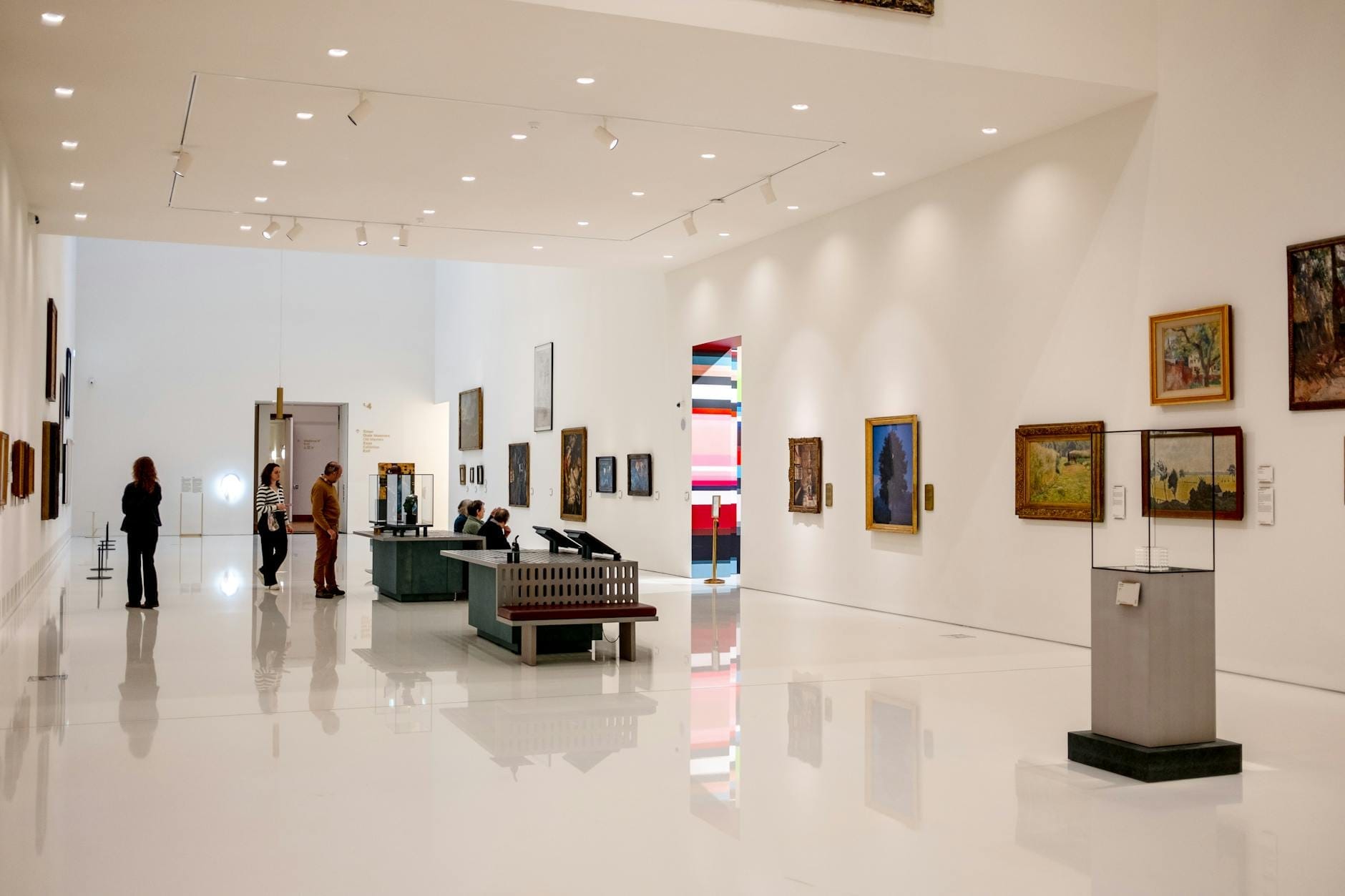
Lisbon's museum scene is more substantial than most visitors expect. The Calouste Gulbenkian Museum in the north of the city holds one of the finest private art collections in the world, spanning ancient Egypt through Art Nouveau, assembled by Armenian oil magnate Calouste Gulbenkian. It's rarely crowded by major museum standards and represents extraordinary depth for a single-collector institution. Entry is around €10; free on Sundays after 2pm.
For contemporary work, the MAAT (Museum of Art, Architecture and Technology) on the Belém waterfront combines rotating international exhibitions with a striking riverside building. The rooftop walk offers good views toward the bridge. Lisbon's National Tile Museum (Museu Nacional do Azulejo) deserves special mention for anyone interested in Portuguese visual culture: the azulejo tradition spans five centuries and this museum traces it from Moorish geometric patterns through elaborate baroque narrative panels.
If you're building a deeper cultural itinerary, check our guide to the best museums in Lisbon for ranked recommendations across art, history, and science. Several offer free entry on the first Sunday of each month, which is worth planning around if your dates are flexible.
✨ Pro tip
The Lisboa Card (available for 24h, 48h, or 72h) covers unlimited metro, tram, and bus travel plus free or discounted entry to over 30 attractions including the Jerónimos Monastery, Belém Tower, and National Coach Museum. For a visitor doing 3+ paid attractions in a day, it typically pays for itself. Buy it at the airport, main metro stations, or the tourism office at Praça do Comércio.
Food, Fado, and Nightlife
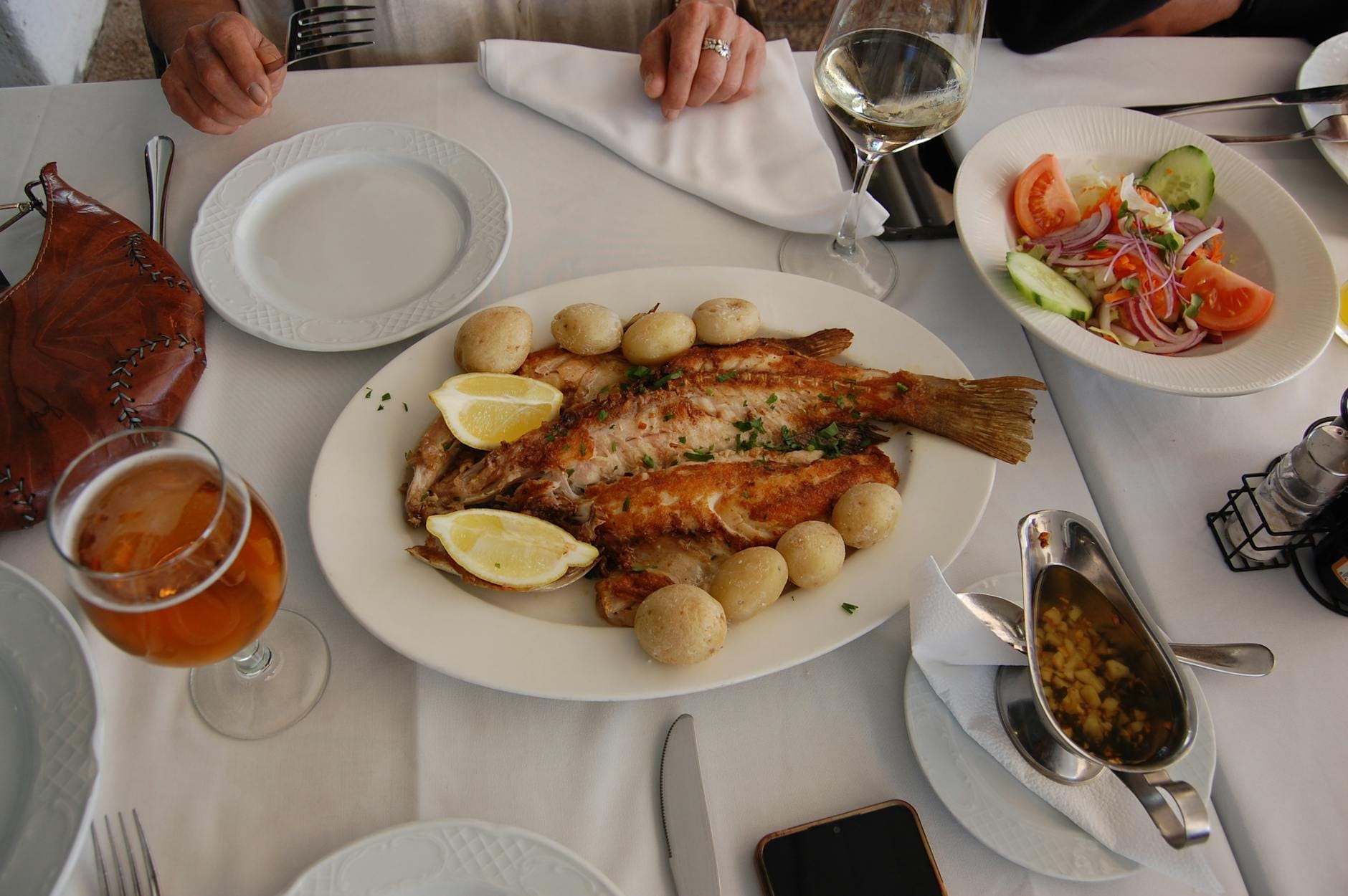
Lisbon's food identity runs deeper than pastéis de nata, though those deserve every bit of their reputation. The city's best everyday eating happens in small neighborhood tascas serving petiscos (Portuguese tapas-style small plates), bacalhau (salt cod in dozens of preparations), and daily lunch specials for around €10-14 including a drink. The best restaurants in Lisbon range from Michelin-starred tasting menus in Chiado to counter-only seafood spots in Santos where the catch changes daily.
Fado, Lisbon's melancholic musical tradition and a UNESCO Intangible Cultural Heritage, is best experienced in Alfama's smaller, authentic houses rather than the tourist-oriented dinner-show venues near Rossio. Expect to pay €15-30 for an evening in a genuine casa de fado; many have minimum consumption requirements rather than a ticket price. Our guide to fado in Lisbon covers which venues are worth the price and which are performing for the cameras rather than the art.
Nightlife in Lisbon centers on several distinct zones with different characters. Bairro Alto is the most accessible for first-timers: cheap wine bars spill onto the streets from around 10pm, and the neighborhood is compact enough to wander bar to bar. Cais do Sodré is livelier and later, with clubs and bars along the Pink Street staying open until 4-6am. For electronic music and more serious clubbing, Alcântara and Parque das Nações have the larger venues.
Day Trips and Getting Beyond the City
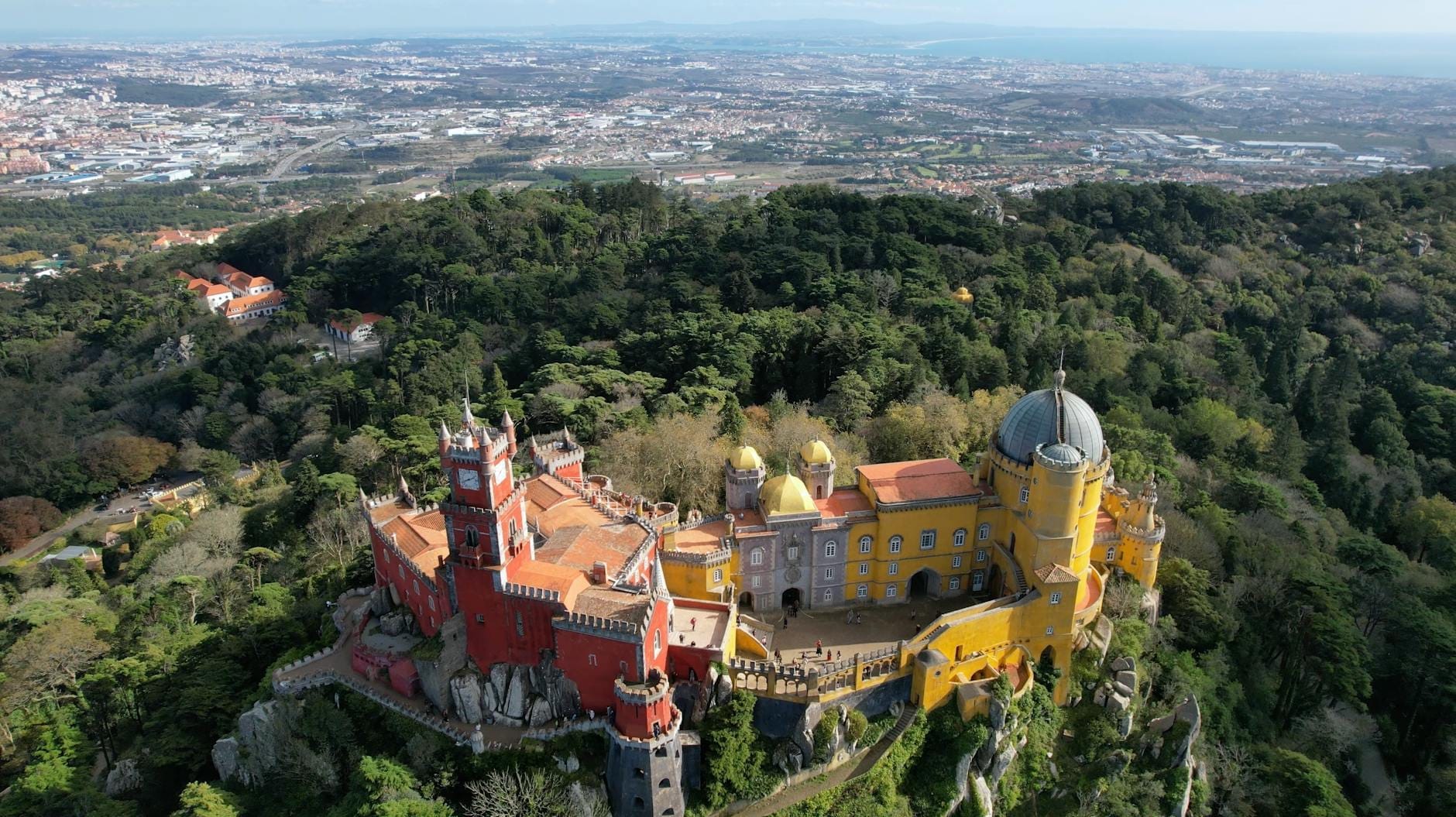
Lisbon's position on the Atlantic coast and its efficient rail network make day trips straightforward. Sintra is the most popular: a UNESCO-listed mountain village 40 minutes by train from Oriente station or Cais do Sodré, packed with 19th-century Romantic palaces set in forested hillsides. The Quinta da Regaleira and Monserrate Palace are both worth more attention than the famous Pena Palace, which draws enormous crowds. Book all Sintra tickets through parquesdesintra.pt well in advance. Our Sintra day trip guide has full logistics.
- Cascais A coastal town 40 minutes from Cais do Sodré station. More relaxed than Sintra, with a fishing harbor, beaches, and a genuine local restaurant scene. Good for beach days from May onward.
- Setúbal Peninsula and Arrábida About 50km south of Lisbon, the Serra da Arrábida offers some of the clearest, most turquoise water in mainland Europe. Requires a car or organized tour; not accessible by direct public transport.
- Costa da Caparica A 30km Atlantic beach south of Lisbon, reachable by bus and ferry. The nearest genuine surf beach to the capital. Busy in summer but vast enough to find space.
- Óbidos and Alentejo For a slower, more rural Portugal, the medieval walled town of Óbidos (90 min by bus) or the rolling plains of the Alentejo offer a complete contrast to the capital.
ℹ️ Good to know
Lisbon's Oriente station (Gare do Oriente) connects to Porto in about 2h45min by Alfa Pendular train and to the Algarve in around 3 hours. Both routes are served multiple times daily. Book at cp.pt for the best fares; advance tickets can be significantly cheaper than day-of purchases.
- Carry a physical Viva Viagem card for the metro and trams — single-use tickets cost more per journey and create unnecessary friction
- Wear comfortable shoes with grip: Lisbon's hills and cobblestones are genuinely challenging in anything flat-soled
- Most restaurants don't open for dinner until 7:30-8pm; arriving at 6:30pm expecting service is a common tourist mistake
- Book Jerónimos Monastery tickets at least 3-5 days ahead in July and August; same-day availability is rare
- The 25 de Abril Bridge is most photogenic from the waterfront near Belém or from Almada on the south bank — Cristo Rei viewpoint is worth the ferry crossing
- In June, the Santo António festival fills Alfama with sardine grills and street parties nightly from June 12-13 — lively but crowded; pickpocketing spikes during this period
FAQ
How many days do you need in Lisbon?
Three to four days covers the essential neighborhoods and monuments without rushing: Belém on day one, Alfama and the castle on day two, Chiado and museums on day three, with a day trip on day four. Shorter visits of two days are viable but require prioritization. Lisbon also rewards slower travel: a week lets you explore lesser-known districts like Mouraria, Intendente, and Príncipe Real at a genuine pace.
What are the best free things to do in Lisbon?
Lisbon has more free content than most European capitals. The miradouros (viewpoints) across Alfama and Graça are free. The Sé Cathedral nave is free. Several major museums including the Gulbenkian offer free entry on specific days or hours. The waterfront from Praça do Comércio to Belém is free to walk. Exploring Bairro Alto's streets at night costs nothing beyond what you choose to drink. For a full breakdown, see our guide to free things to do in Lisbon.
Is Lisbon worth visiting in December?
Yes, with adjusted expectations. December temperatures average 12-16°C — mild by northern European standards but cool enough for a jacket. Rain is possible, especially in the first half of the month. The upside: significantly lower hotel prices, minimal queues at major attractions, and a genuinely local atmosphere. The Christmas lights in Chiado and along Rua Augusta are well done. December 8 (Immaculate Conception) and December 25 see many restaurants and attractions closed, so plan around public holidays.
Is Tram 28 worth taking in Lisbon?
As a practical form of transport, not really — it's slow, frequently overcrowded, and a known target for pickpockets. As a scenic experience on a quiet morning (before 9am) or a weekday evening, it's pleasant enough. The route does pass through genuinely beautiful streets in Alfama and Estrela. But for most travelers, walking the same streets provides more flexibility, better photo opportunities, and equivalent scenery without the wait or the risk.
How do I get around Lisbon on a budget?
Lisbon's metro system is efficient and cheap: a single journey costs around €1.60 with a Viva Viagem card. Trams, buses, and funiculars use the same card. The Lisboa Card offers unlimited travel plus museum discounts and often makes financial sense for visitors doing 3+ days of sightseeing. Uber and Bolt are widely available and affordable by Western European standards — useful for reaching areas like Belém or late-night returns. Tap water is safe and free. Many excellent meals cost under €12 at local tascas.
Tickets & tours
Live prices and dates from our booking partner. If you book, we may earn a commission at no extra cost to you.
Planning a trip? Discover personalized activities with the Nomado app.