Best Museums in Lisbon: 12 Essential Collections to Visit
Lisbon punches well above its weight as a museum city, offering everything from world-class art collections to archaeology, decorative arts, and cutting-edge contemporary exhibitions. This guide covers the 12 best museums in Lisbon, organized by neighborhood and theme, with practical tips on pricing, free entry days, and what makes each one worth your time.
Tickets & tours
Live prices and dates from our booking partner. If you book, we may earn a commission at no extra cost to you.
Lisbon's museum scene is one of Europe's most underrated. Spread across the city's distinct neighborhoods, from the monumental riverfront of Belém to the medieval streets of Alfama, the city's collections cover 5,000 years of history, royal splendor, and contemporary innovation. Most major museums charge between €5 and €15, but the Lisboa Card offers significant discounts across the board, and the first Sunday of each month brings free entry at many national museums from 10h to 14h.
✨ Pro tip
Buy the Lisboa Card if you plan to visit 3+ museums. Starting at €22 for 24 hours, it covers entry or discounts at most museums on this list plus unlimited public transport. Book online before you arrive.
Art & Design Museums
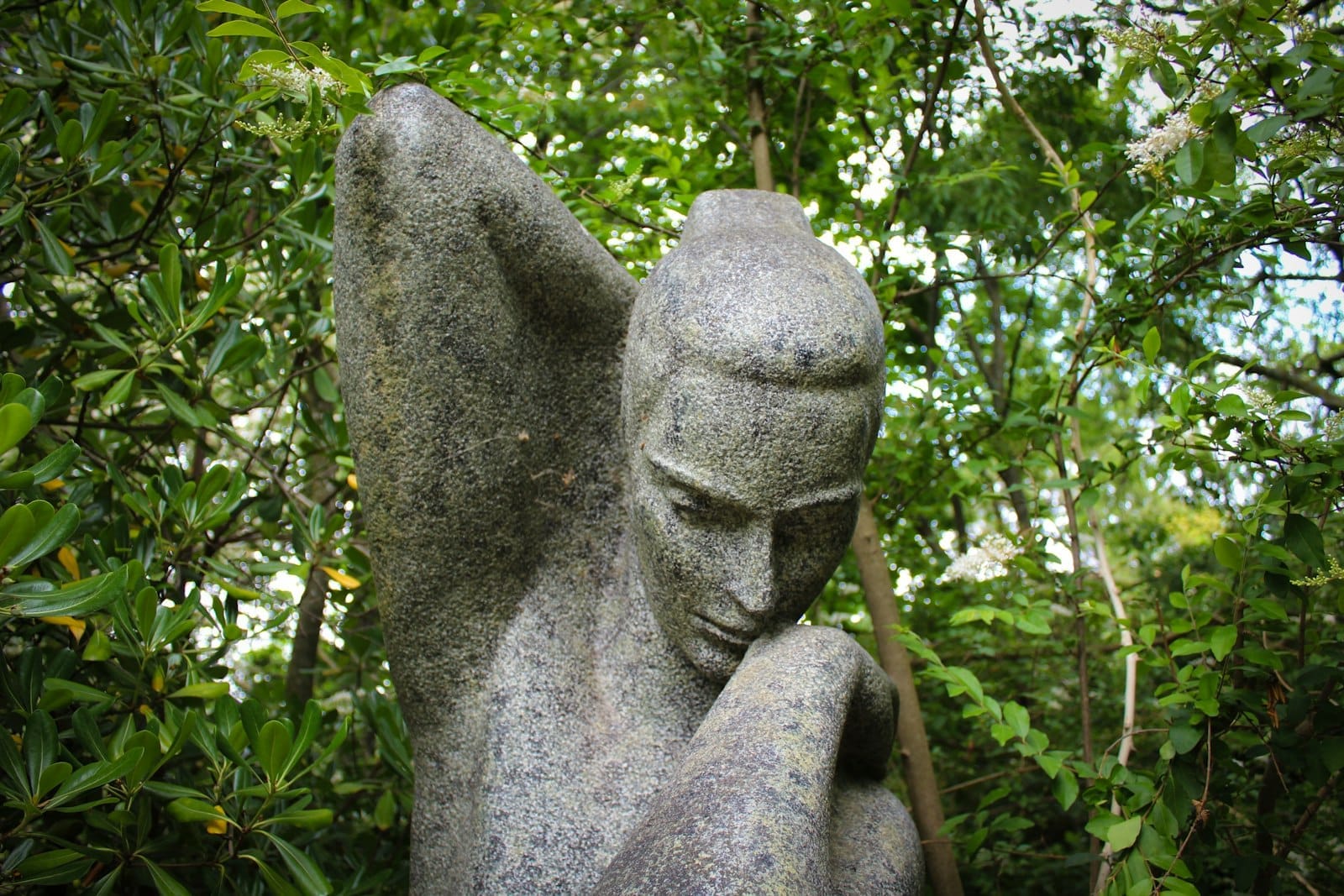
Lisbon's art museums range from encyclopedic private collections to boundary-pushing contemporary spaces. The Belém waterfront alone has two world-class institutions worth a half-day each, while the Gulbenkian, set in its own gardens north of the city center, is in a category of its own.
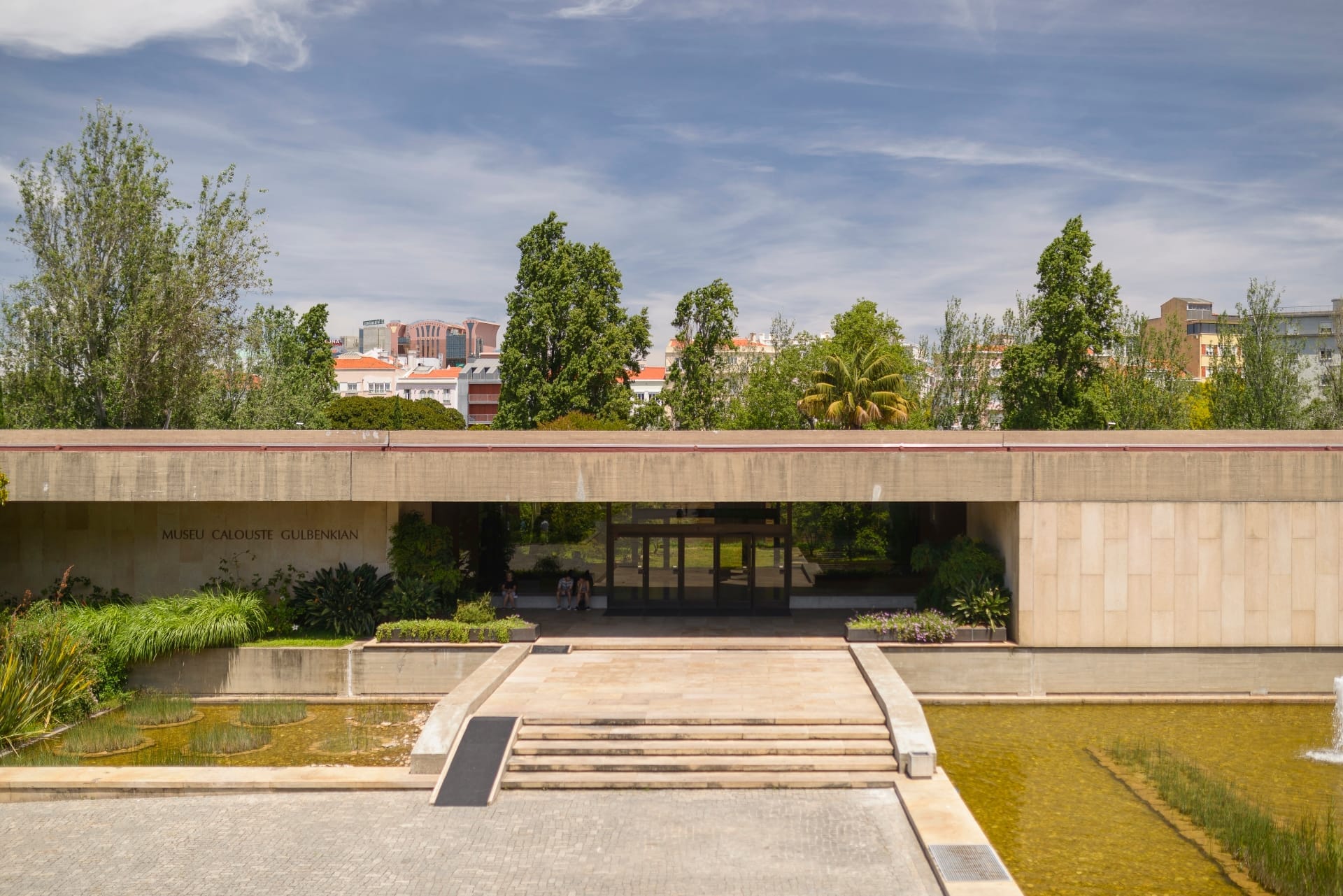
1. See Five Millennia of Art at the Gulbenkian Museum
Lisbon's finest art museum holds Egyptian mummies, Islamic manuscripts, Rembrandt paintings, and Lalique jewelry under one roof. Budget 2-3 hours. Entry is around €10; the surrounding modernist gardens are free to enter anytime.
Explore1. See Five Millennia of Art at the Gulbenkian Museum
Lisbon's finest art museum holds Egyptian mummies, Islamic manuscripts, Rembrandt paintings, and Lalique jewelry under one roof. Budget 2-3 hours. Entry is around €10; the surrounding modernist gardens are free to enter anytime.
Explore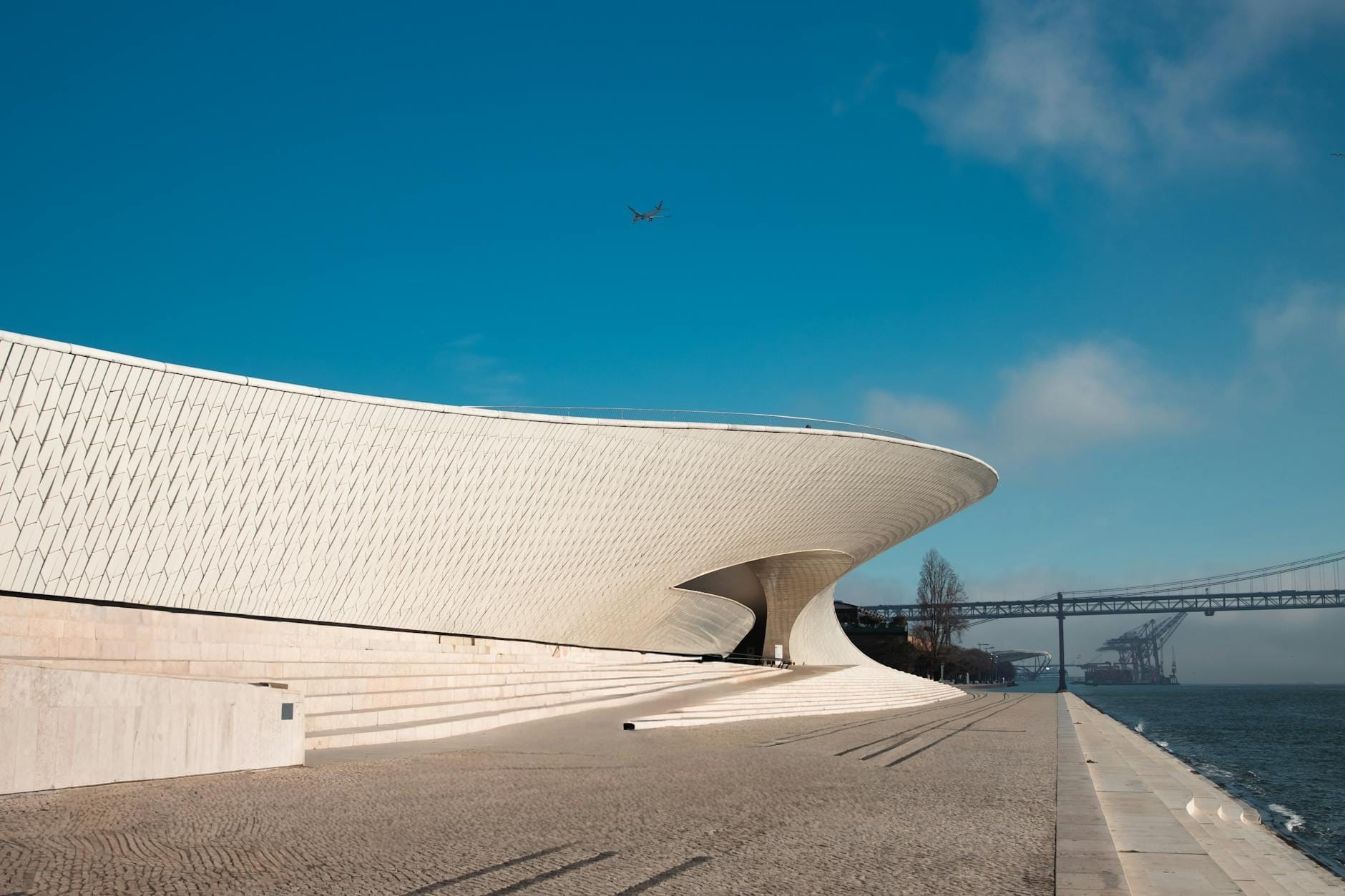
2. Walk the Rooftop of MAAT for Art and Architecture
MAAT's wave-shaped white tiled roof overlooking the Tagus is as much an attraction as its exhibitions. Inside, rotating international shows fill the new building while the 1908 power station hosts the permanent collection. Around €9 entry.
Explore2. Walk the Rooftop of MAAT for Art and Architecture
MAAT's wave-shaped white tiled roof overlooking the Tagus is as much an attraction as its exhibitions. Inside, rotating international shows fill the new building while the 1908 power station hosts the permanent collection. Around €9 entry.
ExploreHistory & Archaeology Museums
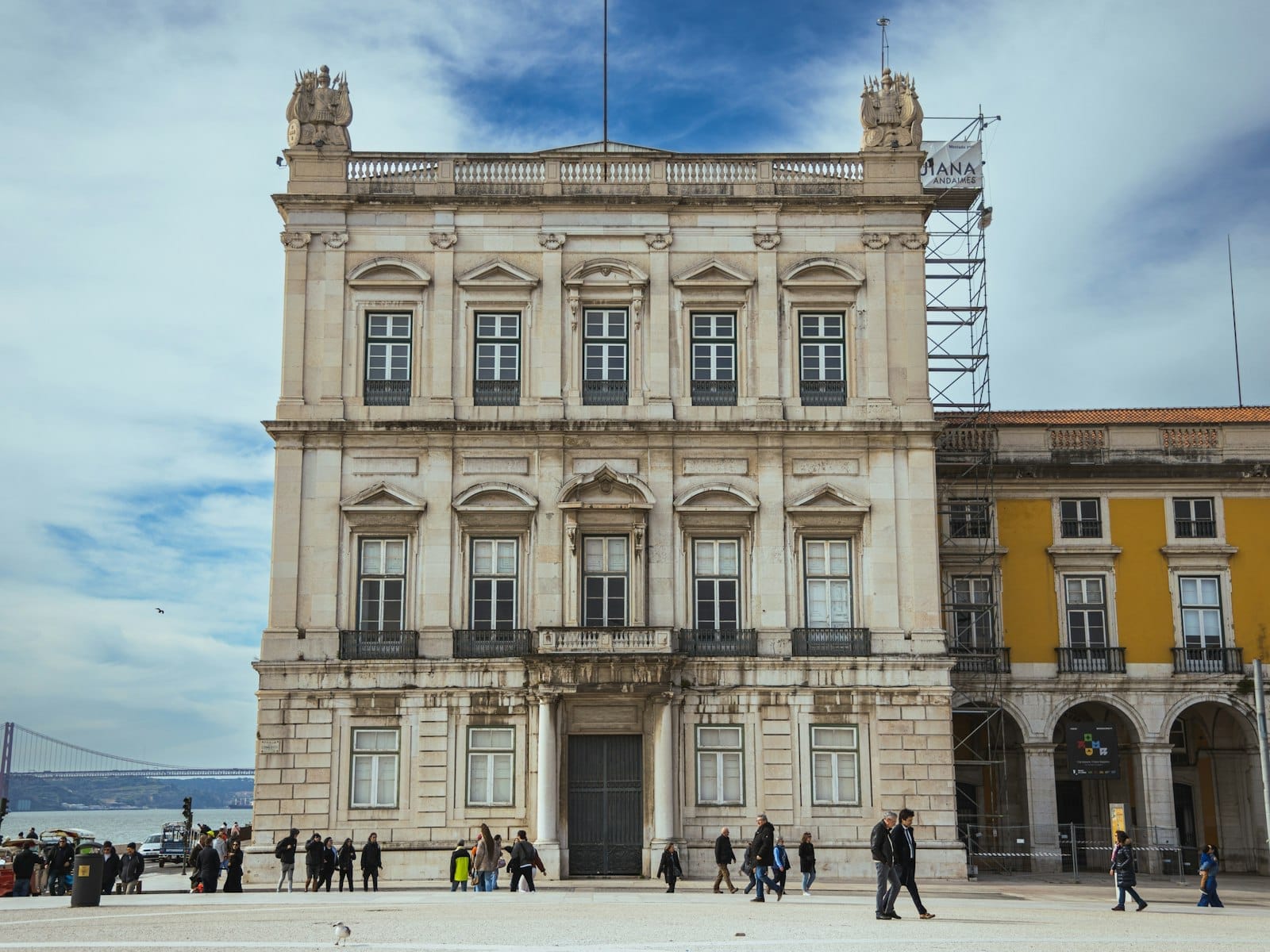
Portugal's deep history as a maritime empire and ancient Iberian crossroads is richly documented in Lisbon's history museums. Several occupy spectacular buildings in their own right, particularly in Belém and the historic center, making them doubly rewarding.
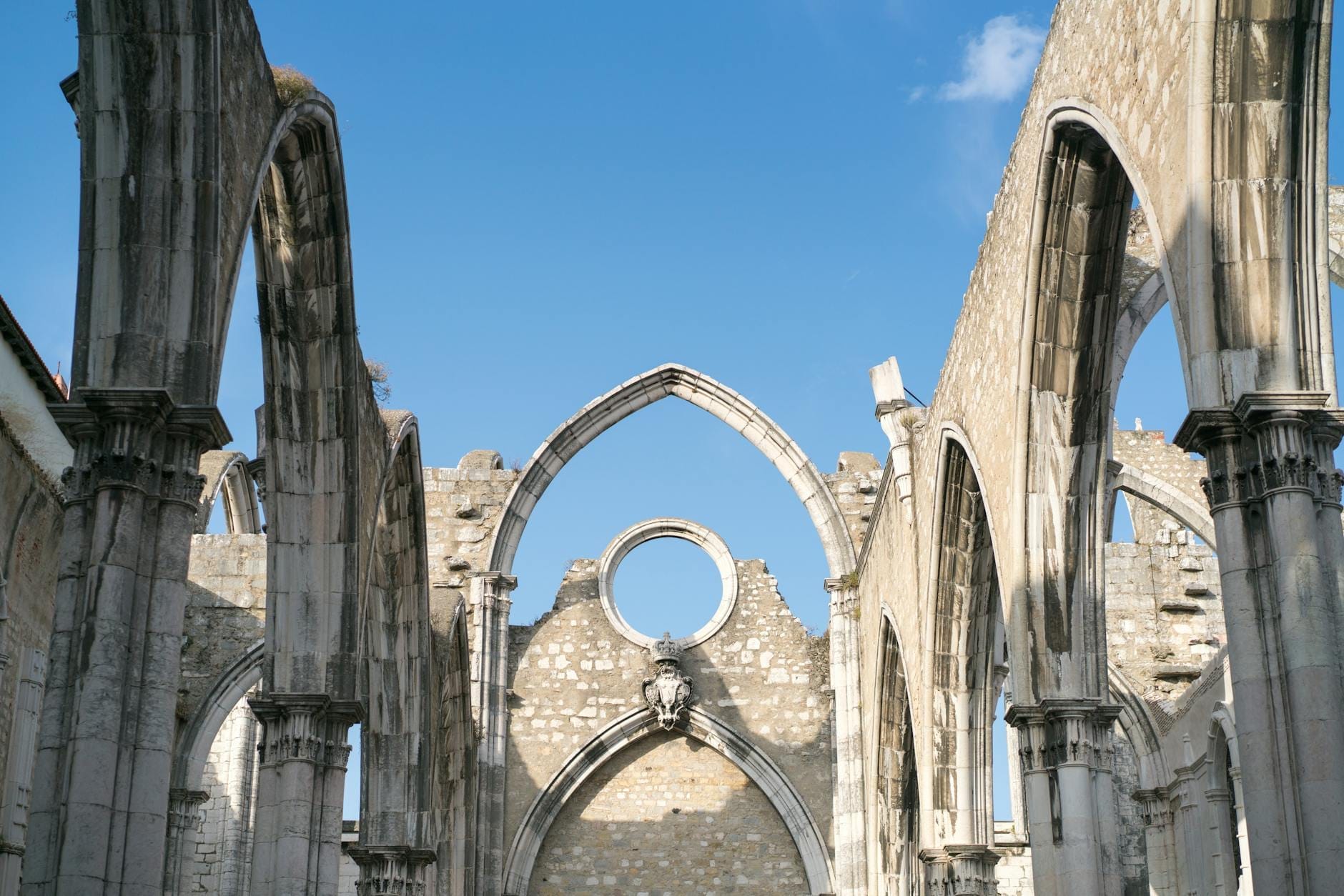
3. Explore the Roofless Carmo Convent and Its Archaeology Museum
The 1755 earthquake left Carmo's nave open to the sky, and it has stayed that way. The ruined Gothic arches now shelter Egyptian mummies and pre-Columbian artifacts. One of Lisbon's most atmospheric spaces. Entry around €5.
Explore3. Explore the Roofless Carmo Convent and Its Archaeology Museum
The 1755 earthquake left Carmo's nave open to the sky, and it has stayed that way. The ruined Gothic arches now shelter Egyptian mummies and pre-Columbian artifacts. One of Lisbon's most atmospheric spaces. Entry around €5.
Explore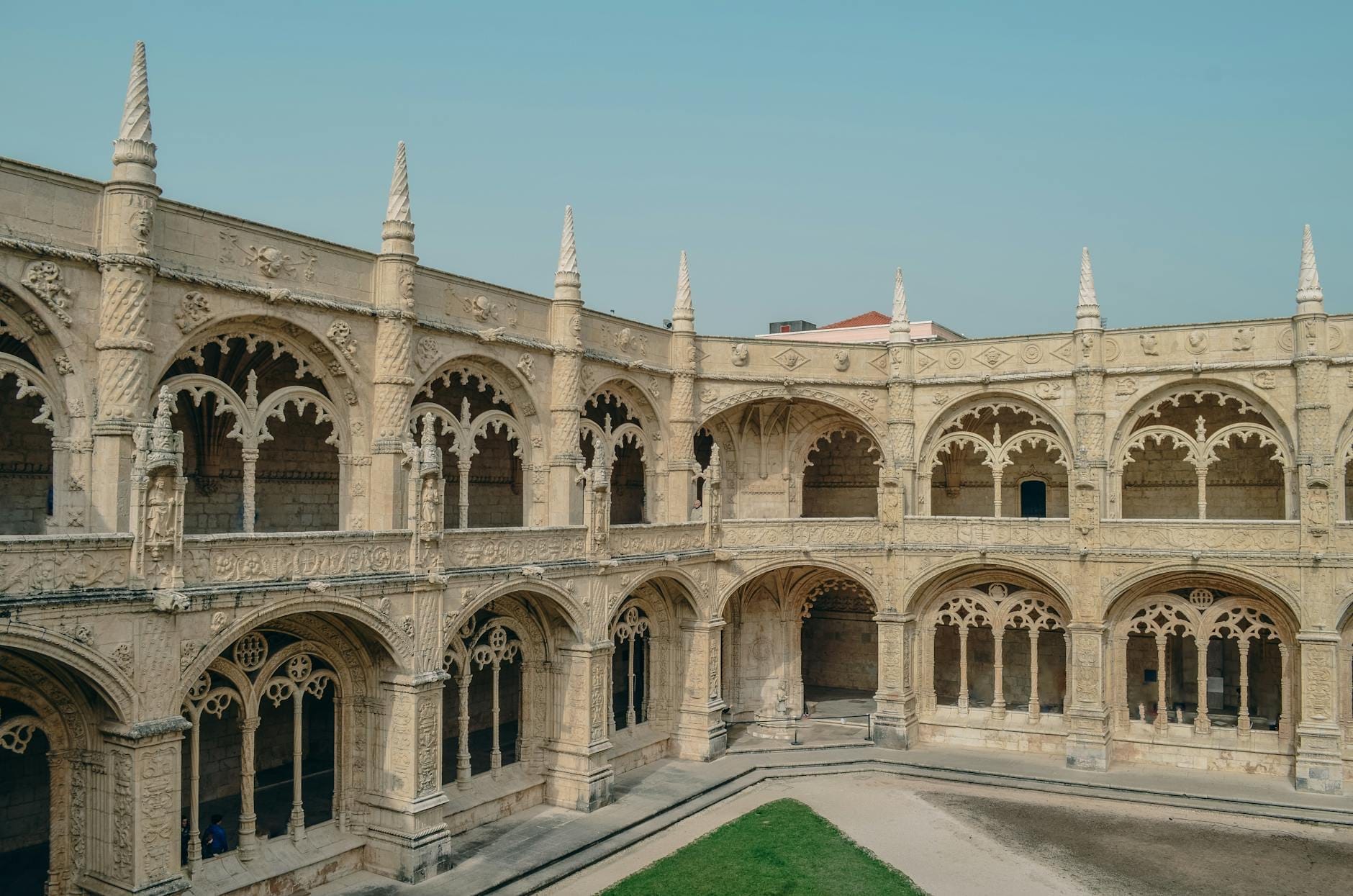
4. Discover Portugal's Ancient Past at the National Archaeology Museum
Set in a wing of the Jerónimos Monastery, this undervisited museum holds Portugal's finest prehistoric artifacts, Roman mosaics, and an Egyptian collection including mummies and amulets. Plan 90 minutes. Entry around €5.
Explore4. Discover Portugal's Ancient Past at the National Archaeology Museum
Set in a wing of the Jerónimos Monastery, this undervisited museum holds Portugal's finest prehistoric artifacts, Roman mosaics, and an Egyptian collection including mummies and amulets. Plan 90 minutes. Entry around €5.
Explore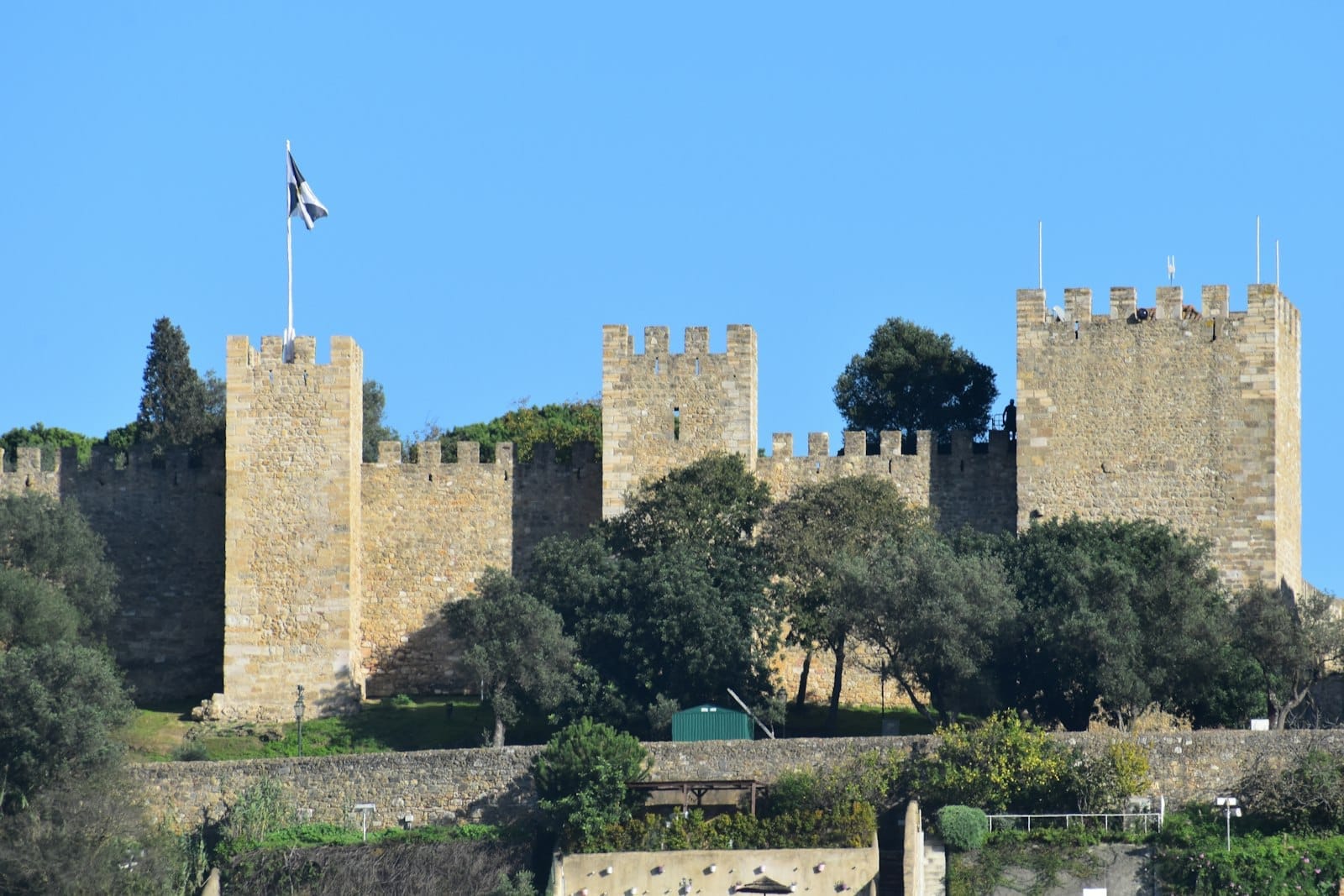
5. Visit the Archaeological Museum Inside São Jorge Castle
Beyond the castle's famous views and Moorish ramparts, the on-site archaeological museum displays finds from excavations revealing layers of Phoenician, Moorish, and medieval Lisbon. Combined entry around €15; book online to skip queues.
Explore5. Visit the Archaeological Museum Inside São Jorge Castle
Beyond the castle's famous views and Moorish ramparts, the on-site archaeological museum displays finds from excavations revealing layers of Phoenician, Moorish, and medieval Lisbon. Combined entry around €15; book online to skip queues.
Explore
6. Pay Respects to Portugal's Greats at the National Pantheon
The Baroque dome houses tombs of Vasco da Gama, Amália Rodrigues, and other national figures. The rooftop terrace is one of Alfama's finest viewpoints. Entry around €4; free on the first Sunday of the month mornings.
Explore6. Pay Respects to Portugal's Greats at the National Pantheon
The Baroque dome houses tombs of Vasco da Gama, Amália Rodrigues, and other national figures. The rooftop terrace is one of Alfama's finest viewpoints. Entry around €4; free on the first Sunday of the month mornings.
Explore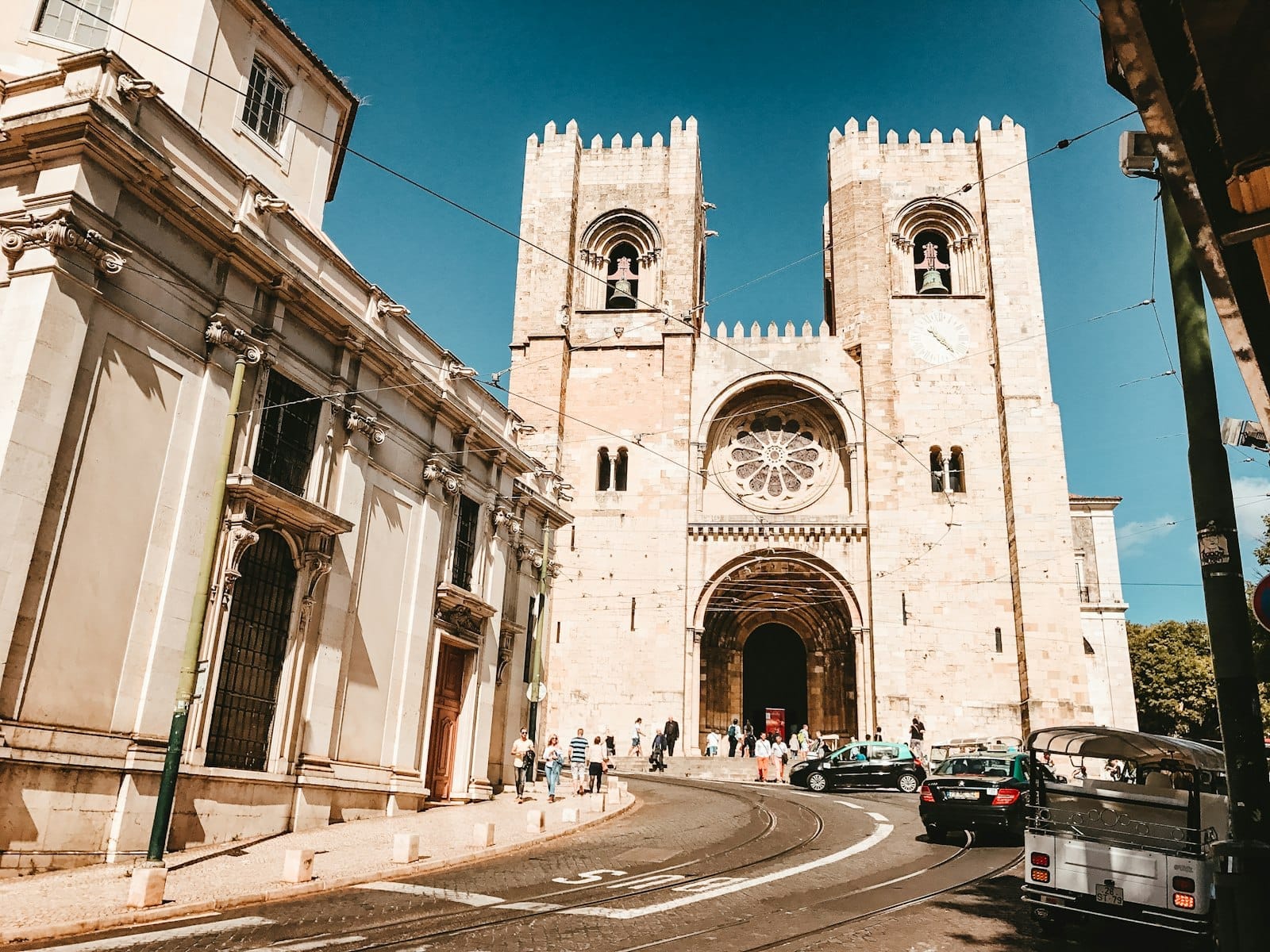
7. Descend Into Roman Ruins at the Sé Cathedral Treasury and Cloister
Lisbon's oldest church dates to 1147, but the real draw for museum lovers is the Gothic cloister, where excavations have exposed Roman and Moorish ruins, and the treasury's medieval religious gold and silverwork. Cloister entry around €3.
Explore7. Descend Into Roman Ruins at the Sé Cathedral Treasury and Cloister
Lisbon's oldest church dates to 1147, but the real draw for museum lovers is the Gothic cloister, where excavations have exposed Roman and Moorish ruins, and the treasury's medieval religious gold and silverwork. Cloister entry around €3.
ExploreCulture & Craft Museums
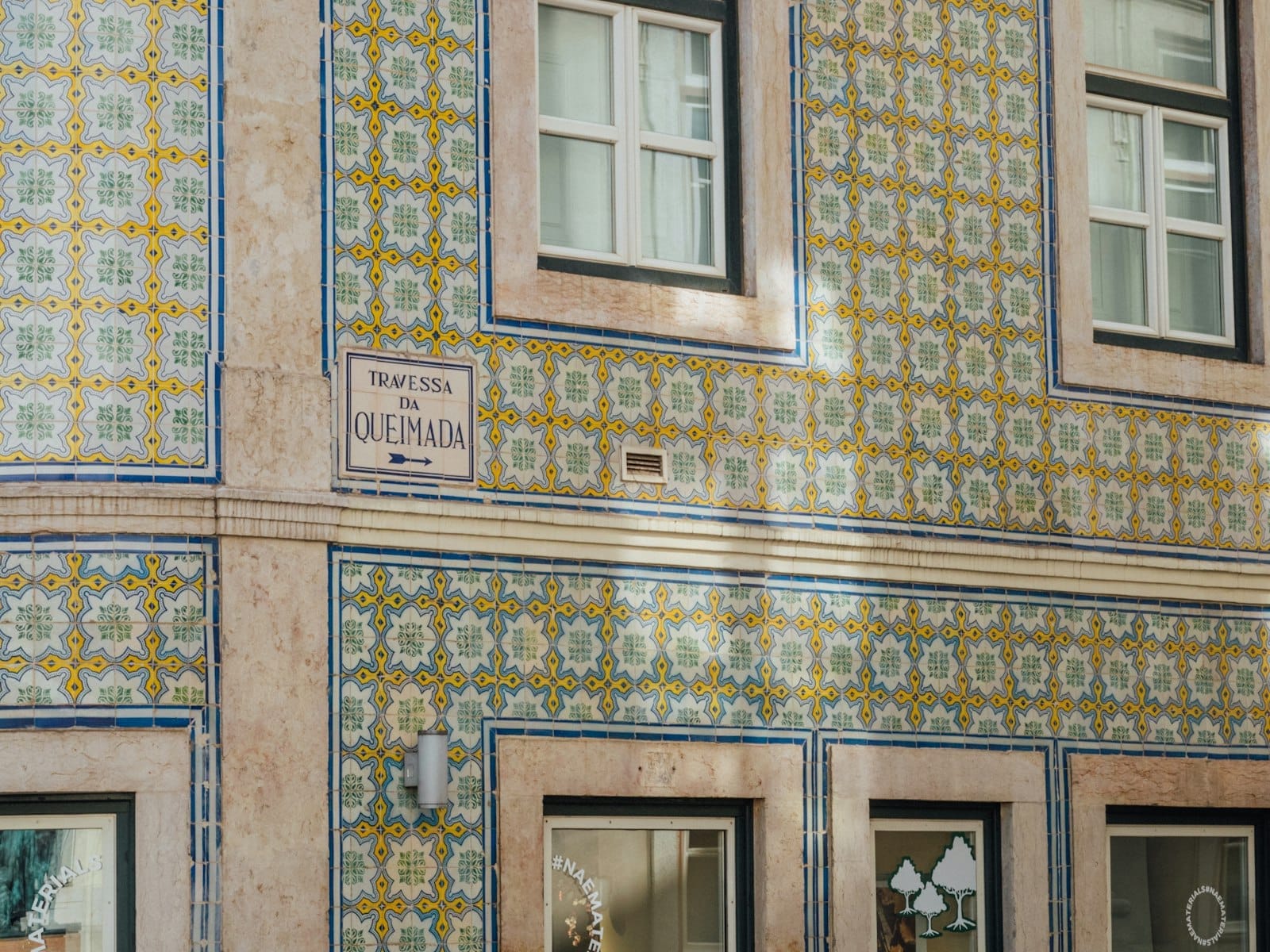
Two museums in this category stand out as genuinely essential Lisbon experiences. The National Tile Museum traces Portugal's most distinctive artistic tradition through 500 years of azulejo production, while the Museu do Fado explains the soul of the city's music. Both are worth a dedicated visit rather than an afterthought. For more on fado itself, see our fado guide.
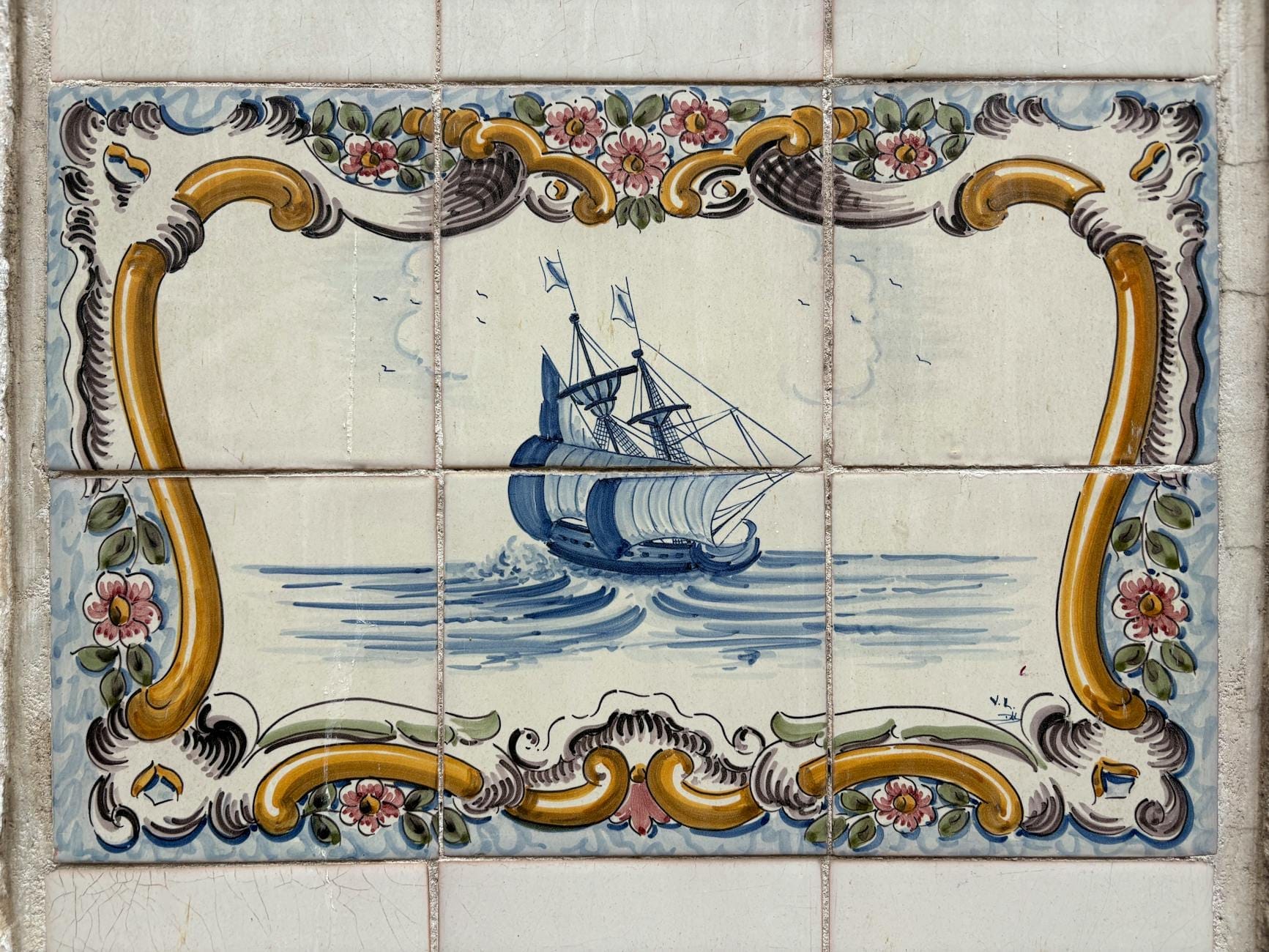
8. Trace 500 Years of Azulejo History at the National Tile Museum
Housed in a 16th-century convent with its own gilded chapel and cloister, this museum is the definitive guide to Portugal's ceramic tile tradition. The 23-meter panoramic tile panel of pre-earthquake Lisbon alone is worth the €5 entry fee.
Explore8. Trace 500 Years of Azulejo History at the National Tile Museum
Housed in a 16th-century convent with its own gilded chapel and cloister, this museum is the definitive guide to Portugal's ceramic tile tradition. The 23-meter panoramic tile panel of pre-earthquake Lisbon alone is worth the €5 entry fee.
ExploreRoyal & Decorative Arts Museums
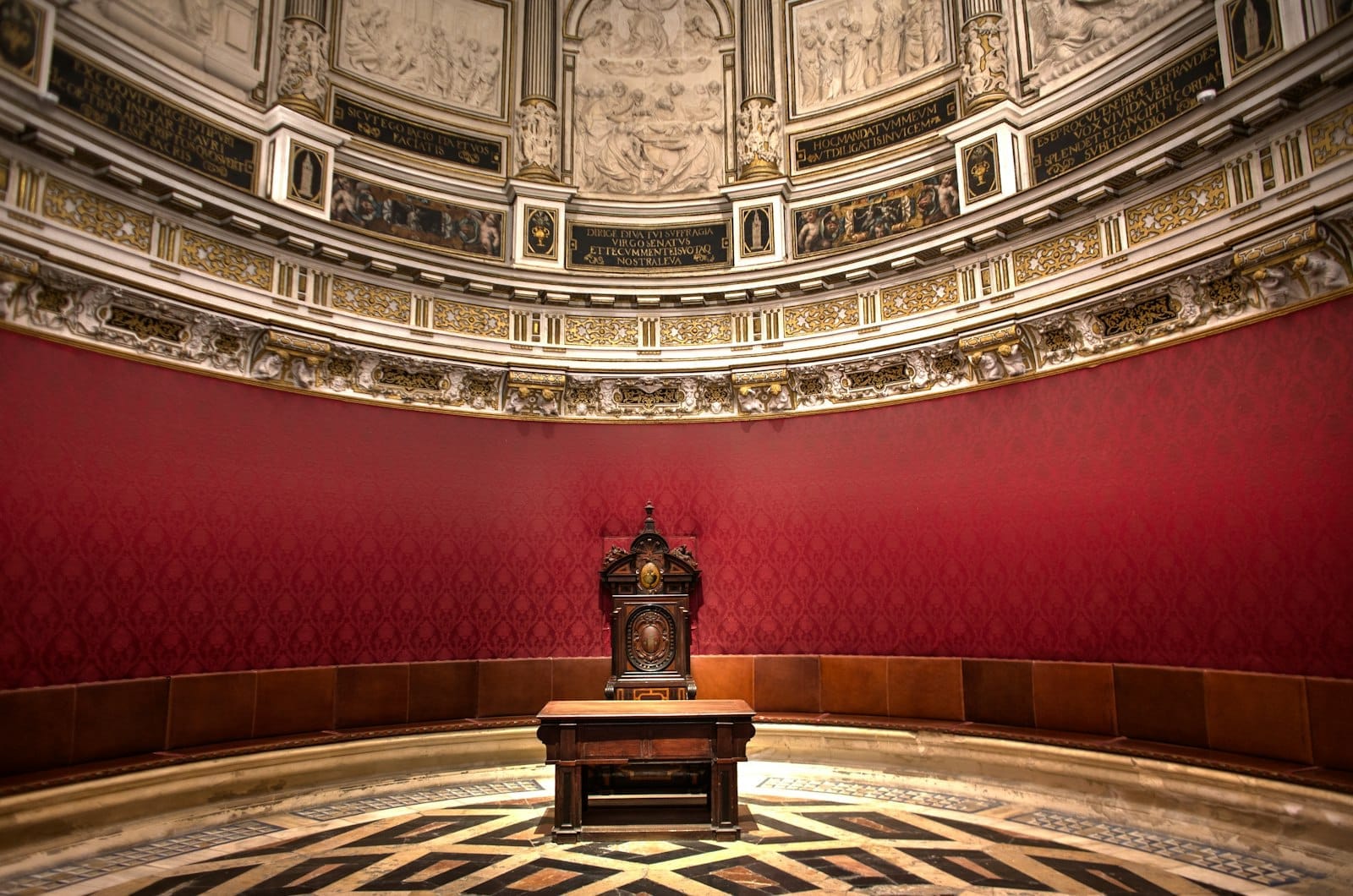
Belém is the natural home of Lisbon's grandest royal collections. The two museums here, the National Coach Museum and Ajuda Palace, form a natural pairing and can be combined into a single half-day out along the Belém waterfront. Both are popular, so arriving early or booking tickets in advance avoids the worst of the crowds.
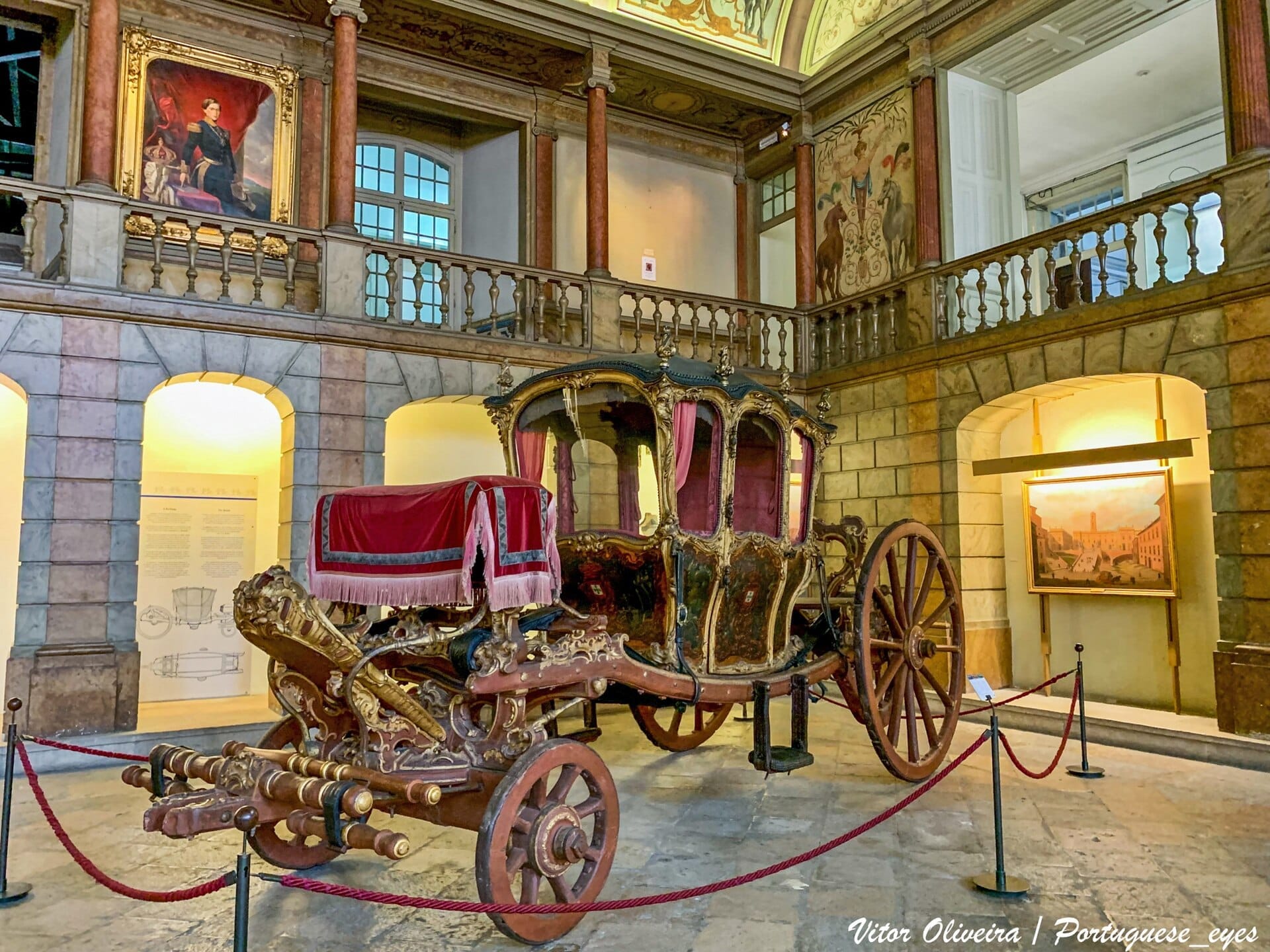
9. Marvel at the World's Finest Royal Carriages at the National Coach Museum
Over 70 gilded royal carriages span three centuries in this purpose-built pavilion, including an extraordinary 1716 coach sent by Philip V of Spain. Entry is around €10. The original 18th-century riding hall next door is included and worth seeing.
Explore9. Marvel at the World's Finest Royal Carriages at the National Coach Museum
Over 70 gilded royal carriages span three centuries in this purpose-built pavilion, including an extraordinary 1716 coach sent by Philip V of Spain. Entry is around €10. The original 18th-century riding hall next door is included and worth seeing.
Explore
10. Step Into the Portuguese Royal Court at Ajuda National Palace
The neoclassical palace was still incomplete when the royal family fled to Brazil in 1807, yet its lavish state rooms, Saxe porcelain, and 19th-century royal furniture collections are exceptional. Entry around €10; quieter than Belém's main sites.
Explore10. Step Into the Portuguese Royal Court at Ajuda National Palace
The neoclassical palace was still incomplete when the royal family fled to Brazil in 1807, yet its lavish state rooms, Saxe porcelain, and 19th-century royal furniture collections are exceptional. Entry around €10; quieter than Belém's main sites.
ExploreArchitecture as Museum: Buildings Worth Visiting in Their Own Right
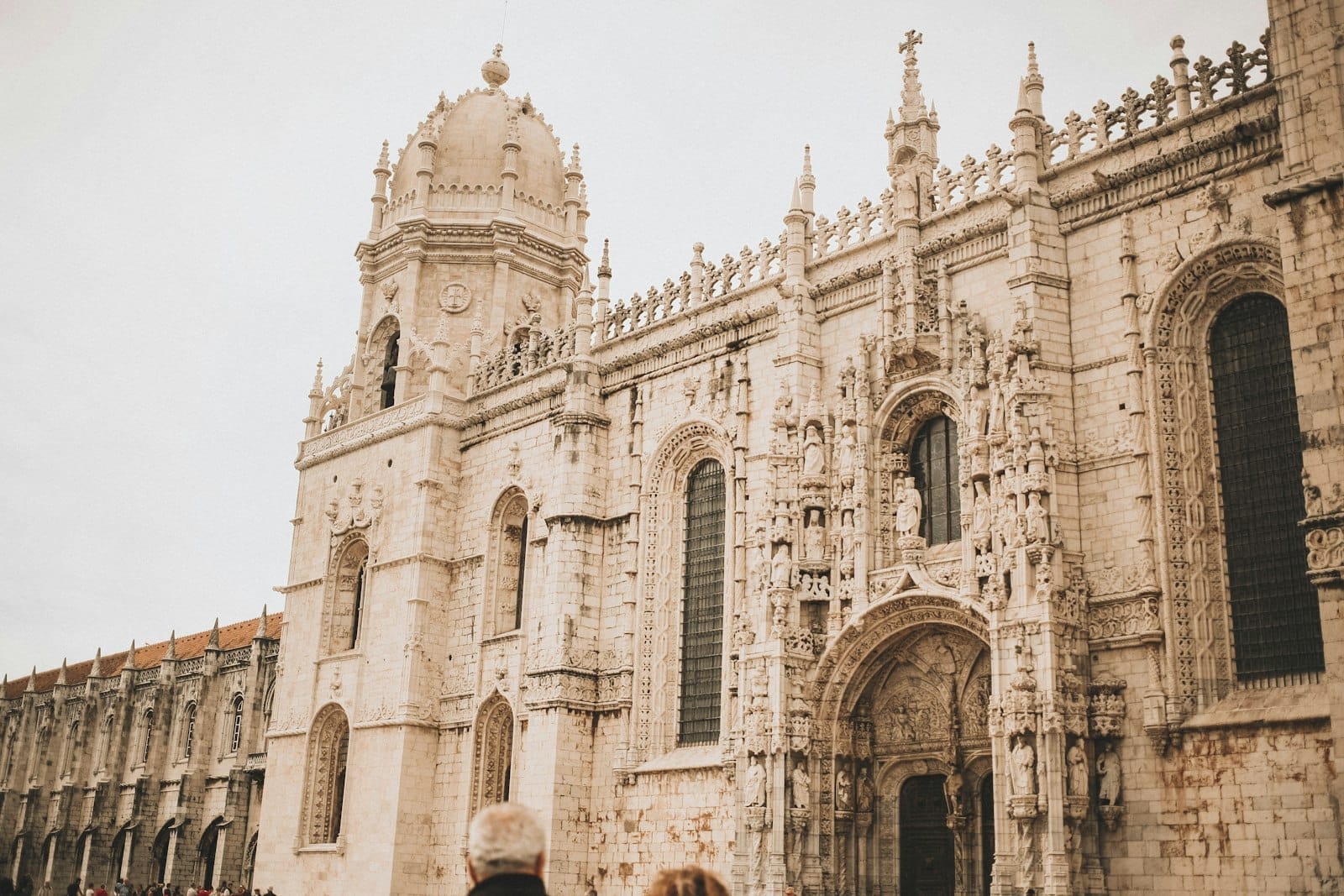
Some of Lisbon's most compelling museum experiences come from buildings that are themselves extraordinary works of architecture. The Jerónimos Monastery and the Belém Tower are both UNESCO-listed, while the Aqueduto das Águas Livres offers a form of open-air museum across the city's skyline. These are also covered in detail in our guide to things to do in Lisbon.
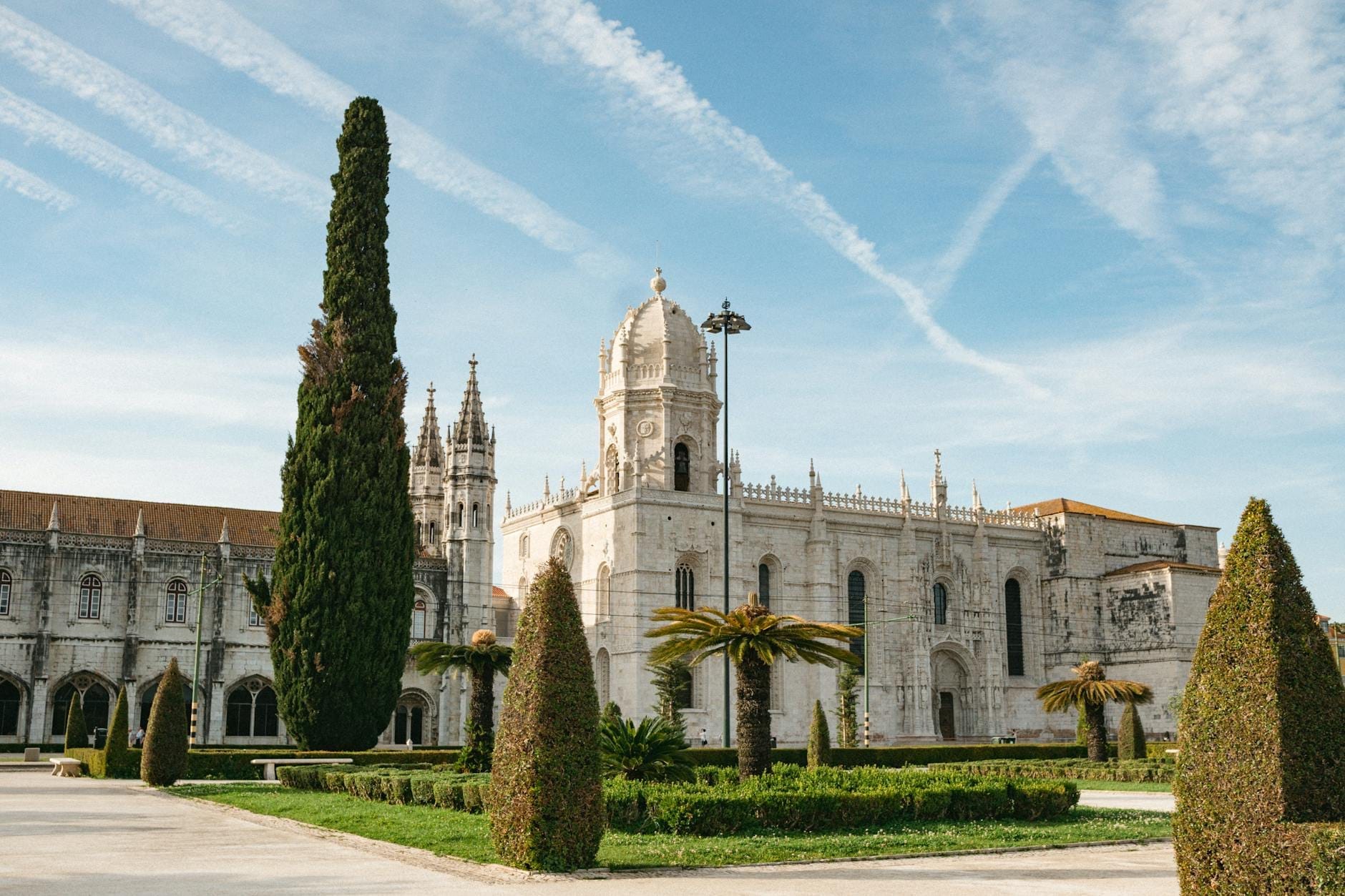
11. Stand Inside Portugal's Greatest Building at Jerónimos Monastery
The Manueline cloisters and soaring nave of Jerónimos are architectural theater on the grandest scale. Vasco da Gama's tomb lies inside the church, which is free to enter. The monastery museum section costs around €15; book timed entry online.
Explore11. Stand Inside Portugal's Greatest Building at Jerónimos Monastery
The Manueline cloisters and soaring nave of Jerónimos are architectural theater on the grandest scale. Vasco da Gama's tomb lies inside the church, which is free to enter. The monastery museum section costs around €15; book timed entry online.
Explore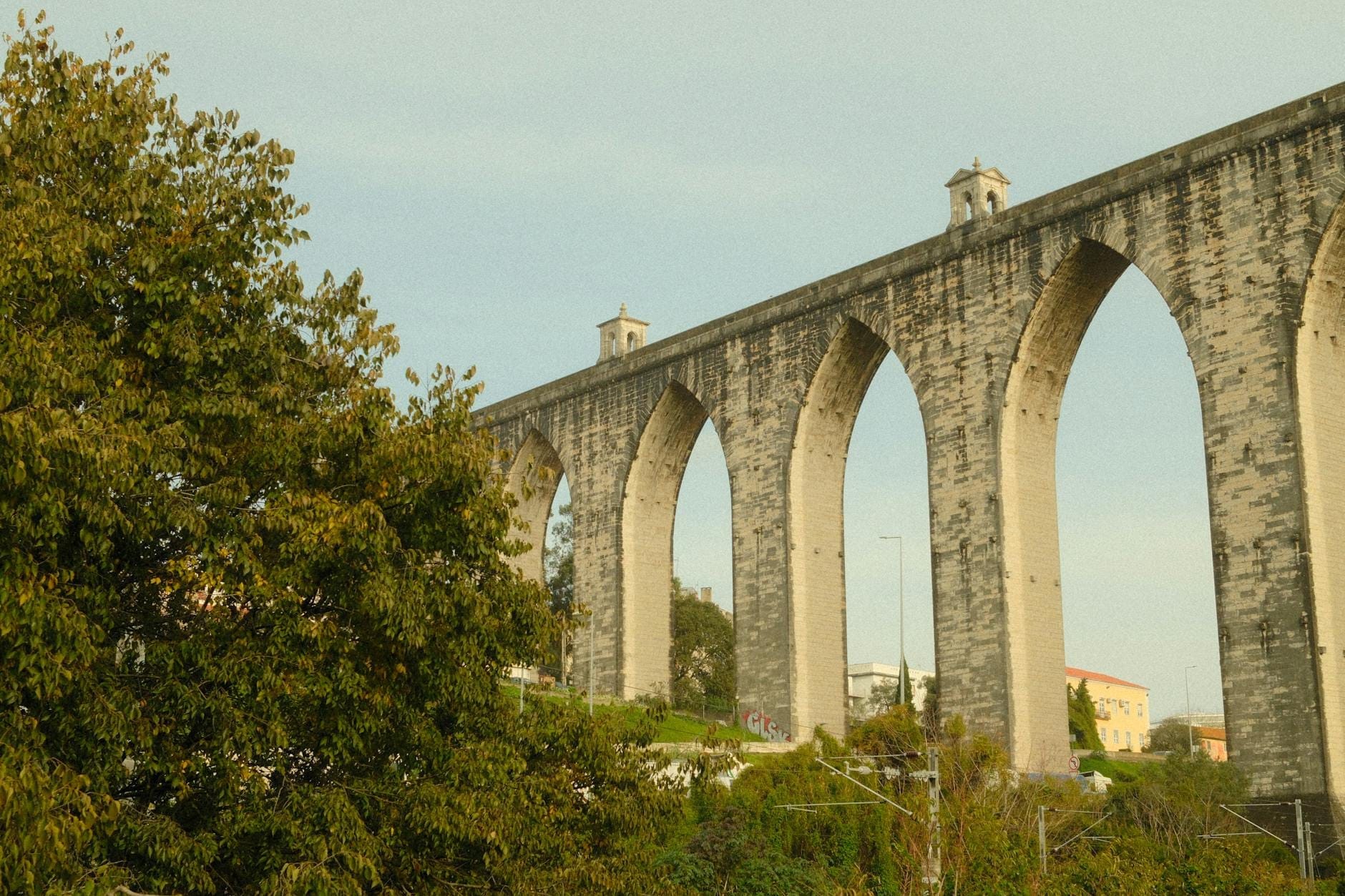
12. Walk on Top of the 18th-Century Aqueduct for Engineering History
The Águas Livres aqueduct's tallest arches reach 65 meters above the Alcântara valley. Guided tours let you walk the full span above the city. Opening days are limited, so check the Museu da Água website before planning your visit. Around €5.
Explore12. Walk on Top of the 18th-Century Aqueduct for Engineering History
The Águas Livres aqueduct's tallest arches reach 65 meters above the Alcântara valley. Guided tours let you walk the full span above the city. Opening days are limited, so check the Museu da Água website before planning your visit. Around €5.
Exploreℹ️ Good to know
Most major Lisbon museums are closed on Mondays. Plan your museum days for Tuesday through Sunday, and check individual websites for current hours, as many have seasonal variations.
FAQ
Which day do museums offer free entry in Lisbon?
Most national museums offer free entry on the first Sunday of each month, typically from 10h to 14h. This includes the National Tile Museum, National Coach Museum, and National Archaeology Museum. Some also offer free hours on Saturdays from 18h. Note that free entry for non-residents has become more restricted in recent years, so check individual museum websites before visiting.
Is the Lisboa Card worth buying for museums?
Yes, if you plan to visit three or more museums in a short period. The Lisboa Card starts at €22 for 24 hours and includes free or discounted entry to most of the museums on this list, plus unlimited metro, bus, and tram travel. It makes particular sense if you are visiting Belém, where combining the Coach Museum, Jerónimos Monastery, and MAAT adds up quickly.
How much time should I allow for the Gulbenkian Museum?
Budget at least two hours for the main collection, more if you plan to explore the modern art annex and the surrounding gardens, which are free to enter. The collection spans Egyptian antiquities through to Lalique jewelry and Impressionist paintings, and it rewards a slow pace rather than a quick walkthrough.
Which Lisbon museum is best for first-time visitors?
The National Tile Museum is the most distinctively Portuguese museum experience and works well for any visitor regardless of prior knowledge. The Jerónimos Monastery combined with the National Coach Museum makes for the most spectacular half-day if you are in Belém. The Gulbenkian is the best overall art museum by international standards.
Are Lisbon's museums suitable for children?
Several museums work well for families. The Lisbon Oceanarium in Parque das Nações is the top choice for children. The National Coach Museum appeals to younger visitors with its scale and ornamentation. The Carmo Convent's Egyptian mummies are reliably popular with kids. Children under 12 typically enter free or at a significant discount at most national museums.
Tickets & tours
Live prices and dates from our booking partner. If you book, we may earn a commission at no extra cost to you.
Planning a trip? Discover personalized activities with the Nomado app.