What to Eat in Lisbon: A Food Lover's Guide
Lisbon's food scene runs deeper than custard tarts and salt cod. This guide covers the essential dishes, where to find the best versions, what to skip, and how to eat well across every budget in Portugal's capital.
Tickets & tours
Live prices and dates from our booking partner. If you book, we may earn a commission at no extra cost to you.
TL;DR
- Pastéis de nata, bacalhau, and bifanas are the three dishes every visitor to Lisbon should eat — find the best versions at Pastéis de Belém and neighbourhood tascas.
- Salt cod (bacalhau) comes in over 365 preparations — bacalhau à Brás and pastéis de bacalhau are the most approachable starting points.
- Budget meals cost €5-12 at local tascas; mid-range restaurants run €15-30 per person; seafood by the kilo at top spots like Cervejaria Ramiro can push €50+.
- The Time Out Market Lisboa is convenient but crowded at lunch — go before noon or after 2:30pm to avoid the worst queues.
- Sardine season peaks in June during the Santo António festival — if you visit in summer, grilled sardines are non-negotiable.
The Essential Dishes: What Lisbon Actually Eats
Portuguese food has a reputation for being heavy on olive oil and light on complexity. That reputation is only half true. Lisbon's cuisine is built around a small number of exceptional ingredients — salt cod, fresh seafood, cured pork, good bread, and egg-yolk-rich pastries — prepared with techniques refined over centuries. Understanding what to order, and why, makes the difference between a forgettable meal and one you'll talk about for years.
Bacalhau (salted, dried cod) is Portugal's most iconic ingredient, not just Lisbon's. The claim that there are 365 recipes, one for each day of the year, is more legend than literal count, but the point holds: this is a deeply versatile ingredient. Bacalhau à Brás is the best introduction for first-timers: shredded salt cod folded with thin matchstick potatoes, onions, scrambled eggs, black olives, and parsley. It's rich, savoury, and deeply satisfying. Pastéis de bacalhau are the snack version: fried cod fritters shaped like small American footballs, sold at most tascas for around €1.50-2 each.
Then there's the bifana: a pork shoulder sandwich marinated in garlic, white wine, and paprika, served in a soft roll. At €2-4 it's Lisbon's definitive street food and proof that simple done correctly beats elaborate done poorly. For something more substantial, look for traditional tascas serving caldo verde (kale and potato soup with chouriço), or arroz de marisco — a loose, soupy seafood rice that bears no resemblance to paella and is considerably better.
💡 Local tip
Chouriço à bombeiro — sausage flame-grilled tableside in a terracotta dish — is a starter found in many traditional restaurants. It's theatrical and delicious. Ask if it's available before ordering; not every place serves it.
Pastéis de Nata: What You Need to Know Before You Bite

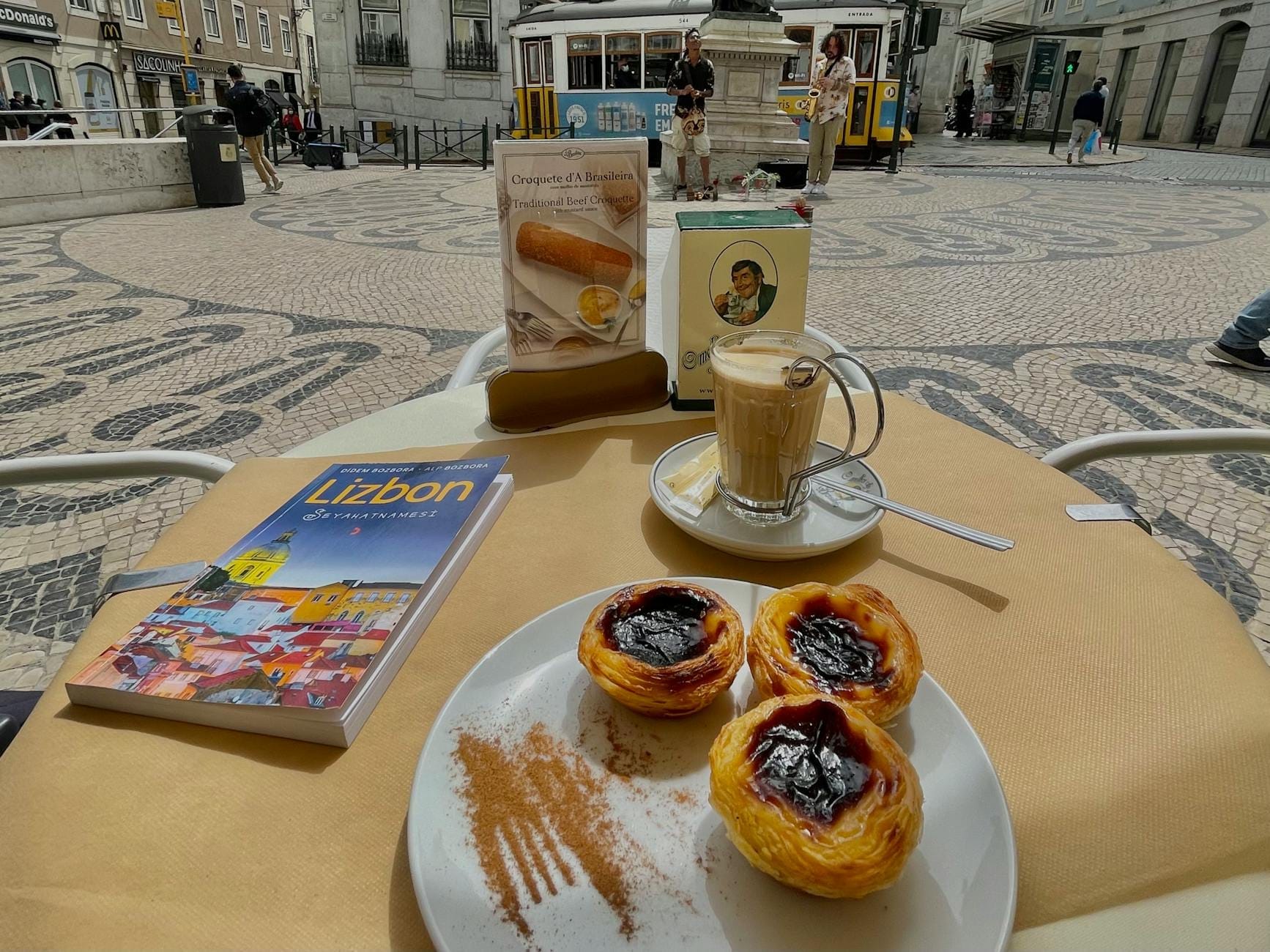
The custard tart debate in Lisbon is serious. The original recipe comes from Pastéis de Belém in the Belém district, where monks from the Jerónimos Monastery first made them in the 18th century to generate income. The shop still operates and the recipe remains a closely guarded secret. Only here are they officially called pastéis de Belém; everywhere else, they're pastéis de nata.
The queue at Pastéis de Belém moves faster than it looks. Buy them to eat standing at the counter or at a marble table inside, dust them with cinnamon and powdered sugar (provided), and eat them hot. Cold pastéis de nata taste fine. Hot ones taste extraordinary. The difference matters. Prices run around €1.30-1.50 each. If you're not making the trip to Belém, the small chain Manteigaria in Chiado bakes them fresh throughout the day and is widely regarded as the best in the city centre.
⚠️ What to skip
Avoid pre-packaged pastéis de nata sold in airport shops or tourist-facing kiosks near major sights. They're usually made hours earlier and stored unrefrigerated. The texture turns rubbery and the custard loses its silkiness. Pay the €1.50 at a proper pastelaria.
Seafood in Lisbon: From Street Snacks to Serious Spending
Lisbon sits at the mouth of the Tagus River, 30 minutes from the Atlantic coast. Freshness is not a selling point here — it's a baseline assumption. The seafood range runs from perceves (barnacles scraped off Atlantic rocks, eaten by cracking the tube-like shell) to amêijoas à Bulhão Pato (clams cooked in white wine, garlic, olive oil, and fresh coriander). The clam dish is one of the great simple preparations in European cooking and costs around €12-18 as a starter.
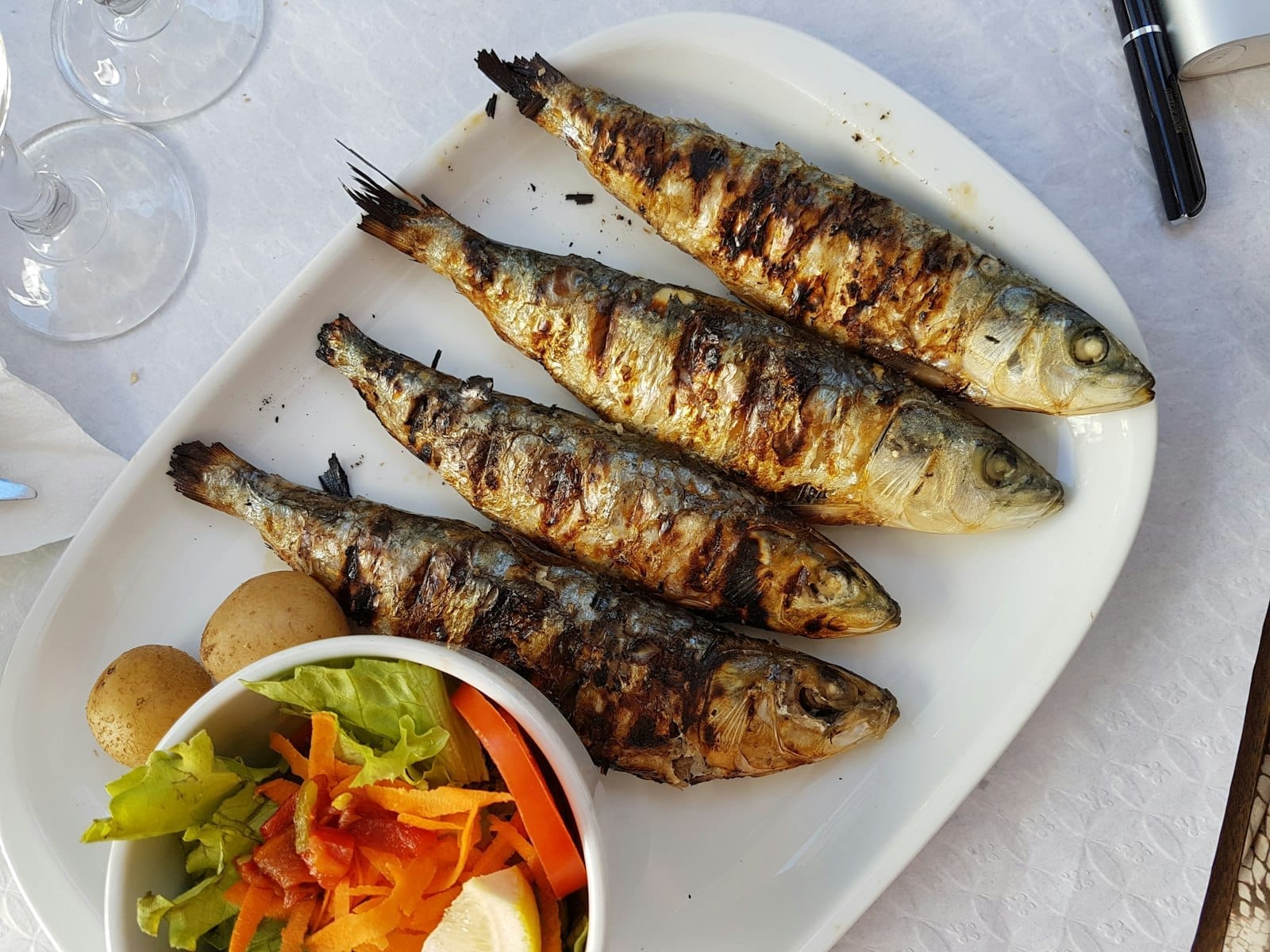
Sardines deserve their own paragraph. Fresh grilled sardines (sardinhas assadas) bear almost no resemblance to the tinned version most people outside Portugal know. They're fattier, meatier, and more intensely flavoured, especially in June and July when they're at peak condition. During the Santo António festival in June, the entire city smells of charcoal and grilled sardines. Eat them with your hands over a piece of bread to catch the oil, with a cold glass of vinho verde. This is the correct approach.
- Cervejaria Ramiro Lisbon's benchmark for seafood. Order by the kilo — expect to spend €40-60 per person. Book ahead or arrive before 7pm to avoid a long wait. Finish with the prego (steak sandwich) for dessert, as locals do.
- Solar dos Presuntos More traditional, with excellent bacalhau preparations and regional Portuguese dishes. Mid-range pricing, €25-40 per person.
- Taberna da Rua das Flores Smaller, bookings essential. The petiscos (Portuguese tapas) format lets you try multiple dishes. Strong wine list focused on natural and small-producer bottles.
- Zé da Mouraria No-frills neighbourhood spot near Mouraria with huge portions and honest prices. The cod with chickpeas is a staple. Book at least a day in advance — it fills quickly.
Where to Eat: Neighbourhoods and Food Markets
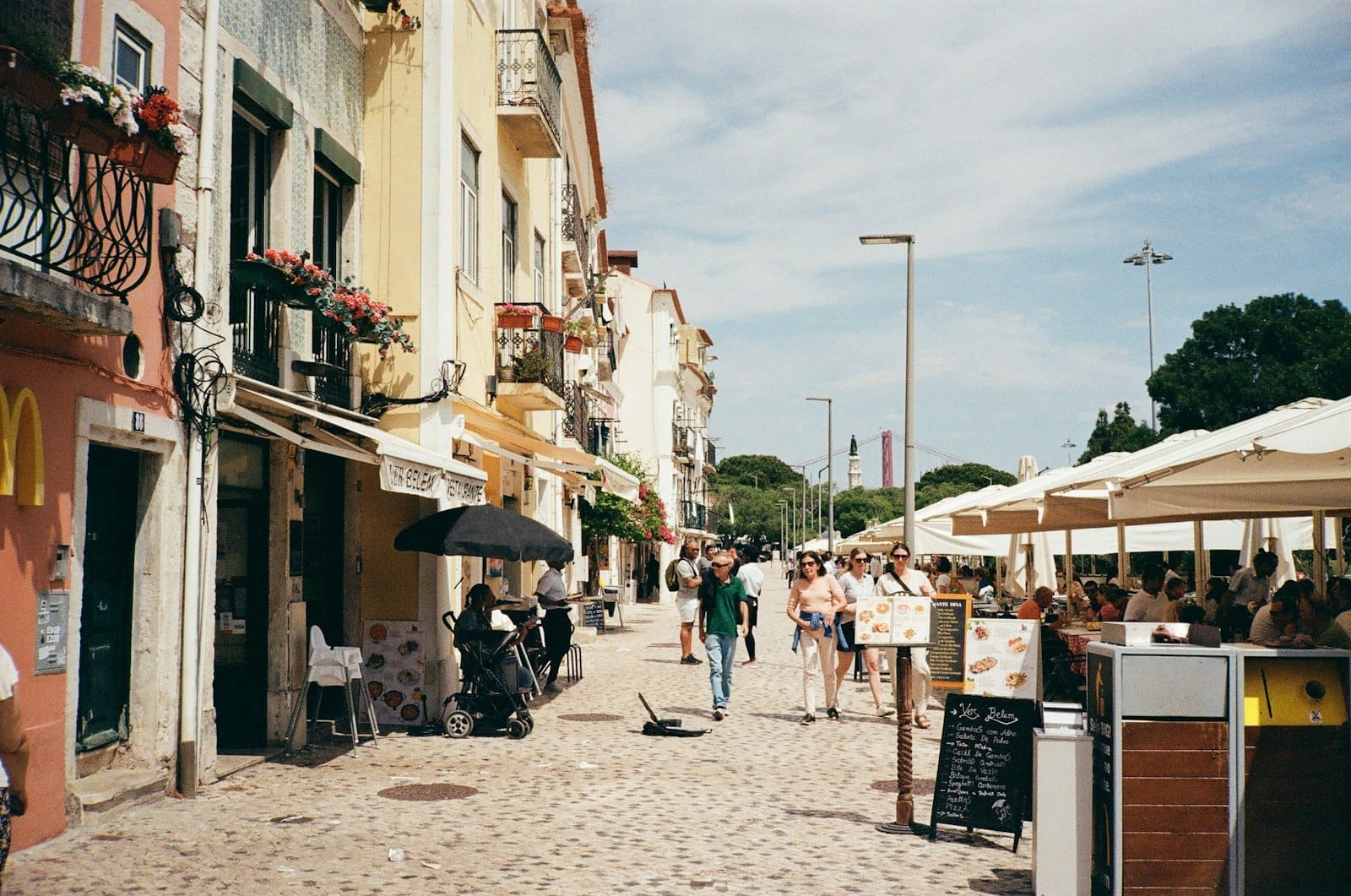
The neighbourhood you eat in shapes what ends up on your plate. Alfama has tourist-facing restaurants that can be overpriced and mediocre — look for places where the menu is handwritten and the wine comes in ceramic jugs. Baixa-Chiado has good pastelarias, decent lunch spots, and the Mercado da Ribeira. Bairro Alto mixes serious restaurants with cheap tascas — worth exploring on foot before committing to a table.
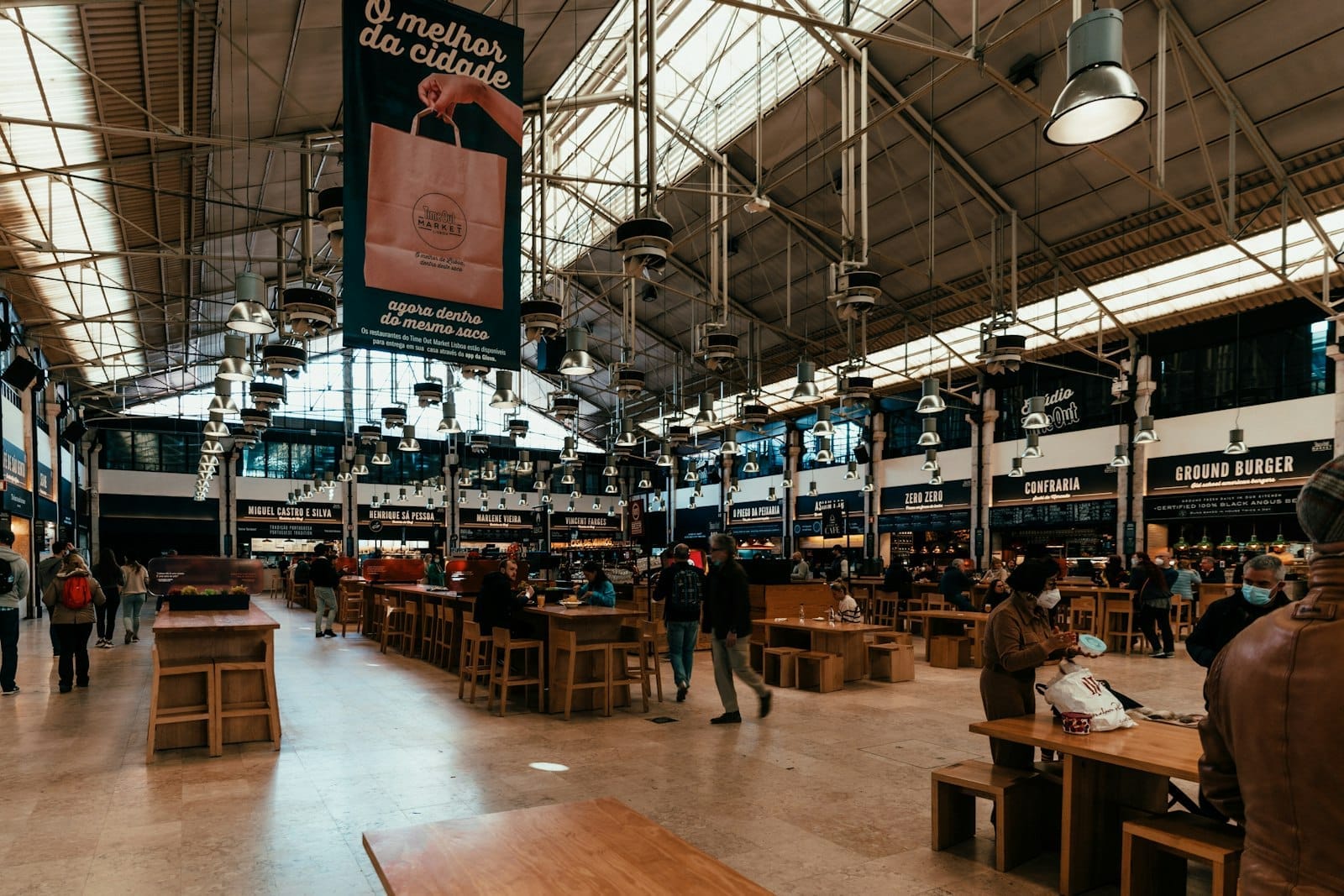
The Time Out Market Lisboa (Mercado da Ribeira) is the most practical option for groups with mixed tastes or anyone who wants a cross-section of Lisbon food under one roof. Over 40 vendors operate inside the 19th-century market building, offering everything from traditional bifanas and pastéis de nata to contemporary Portuguese cuisine from named chefs. The quality is generally high, prices are reasonable (€8-15 per dish), and you can try three or four things across one visit. It is genuinely crowded from noon to 2:30pm — this isn't exaggeration. Arrive at 11:30am or wait until mid-afternoon.
For a more local market experience, Mercado de Campo de Ourique in the residential Campo de Ourique neighbourhood is smaller, less touristed, and has a working grocery market alongside food stalls. It's the kind of place where you see people doing their weekly shopping next to visitors eating at communal tables.
✨ Pro tip
The prato do dia (dish of the day) at any neighbourhood tasca is almost always the best-value meal in the city. Typically €7-12, it includes soup, a main, bread, and sometimes wine or water. Look for the chalkboard outside — if the restaurant doesn't display one, it's probably not a locals' place.
Lisbon Food Tours: Are They Worth It?
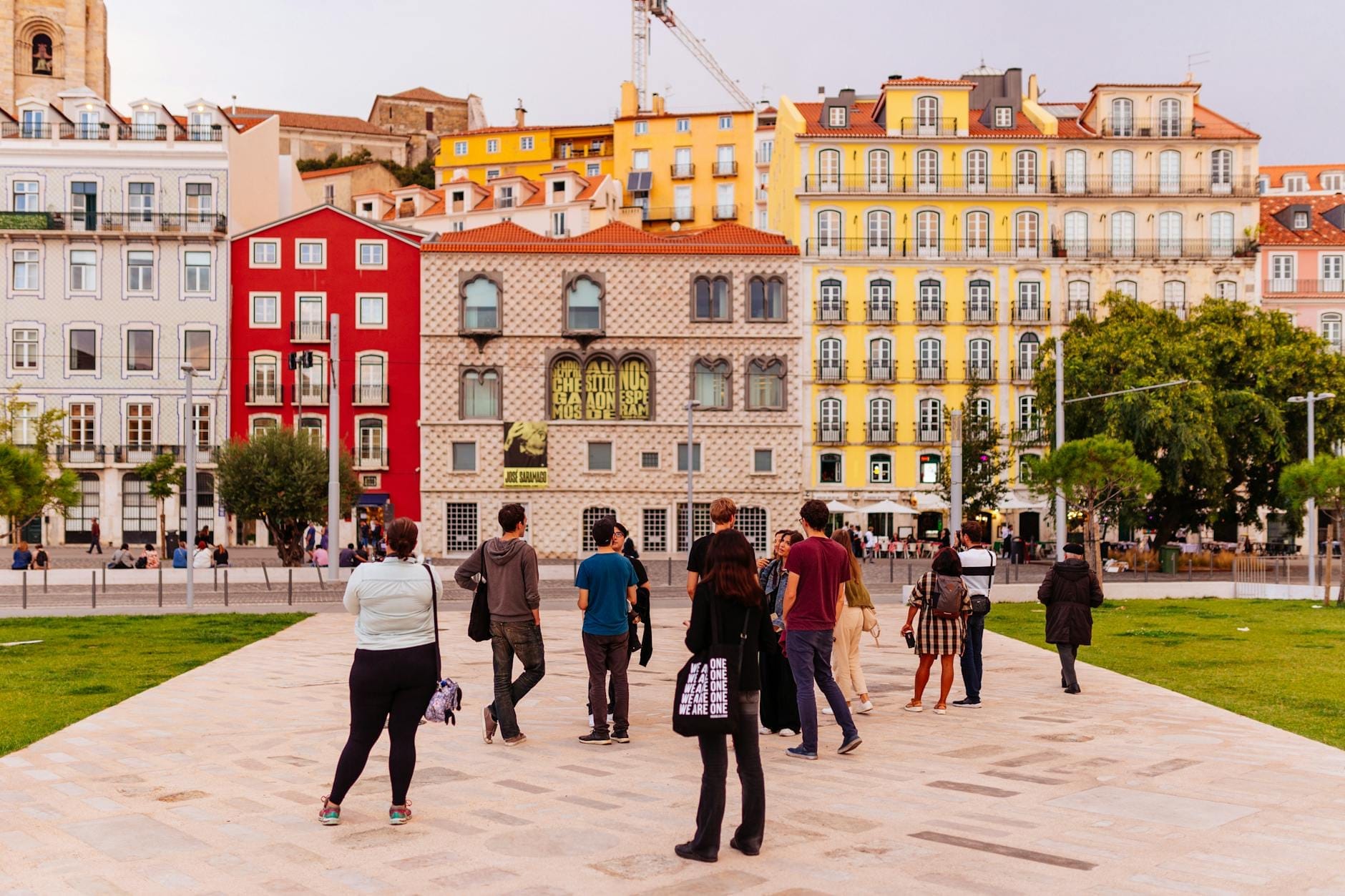
A Lisbon food tour is genuinely useful if you have limited time and want context alongside eating. The best tours combine neighbourhood walking with stops at working tascas, pastry shops, and market stalls — not just tourist showcases. They're particularly good for understanding the cultural significance behind dishes like bacalhau and petiscos. Expect to pay €60-100 per person for a quality half-day tour. Lisbon walking tours with food focus often cover Alfama, Mouraria, and Baixa in a single loop, which is the logical geography.
The case against food tours: if you're a confident independent traveller and you're staying more than three days, you'll probably eat more interestingly by doing your own research and wandering. The advantage of a tour is the ability to skip research entirely and still eat well on day one. For short stays, that trade-off is worth the cost.
Drinks, Desserts, and the Details That Matter
Wine in Lisbon is excellent and genuinely affordable. A glass of vinho verde (young, slightly sparkling white wine from the northern Minho region) costs €2-4 at most restaurants and pairs exceptionally well with seafood. Alentejo reds are the default house wine at most tascas — smooth, full-bodied, and consistently good at €10-15 a bottle. If you want something more specific, ask for a Dão or a Douro red.
For something stronger, ginjinha is Lisbon's signature liqueur: a sour cherry brandy served in a tiny shot glass, sometimes with a cherry at the bottom, for around €1.50. The most famous spot is A Ginjinha on Largo de São Domingos, a bar so small it barely qualifies as a room. You drink standing at the counter. It's been there since 1840.
- Bica: Lisbon's version of espresso, stronger and slightly more bitter than Italian espresso. Order it standing at the counter for €0.80-1.20; table service adds 20-30%.
- Queijadas de Sintra: Small, sweet cheese pastries from nearby Sintra, found at specialty shops in Lisbon. Worth seeking out if you're not doing a day trip.
- Travesseiros: Puff pastry pillows filled with almond cream, another Sintra speciality available in Chiado patisseries.
- Caracóis: Snails cooked in garlic, olive oil, and herbs. A summer staple, sold outside tascas from June to September. Polarising but authentic.
- Galão: Espresso with frothy hot milk in a tall glass — Portugal's equivalent of a latte, served in most coffee shops for €1.50-2.
Tipping in Lisbon restaurants follows a different logic than in the US or UK. Service charges are not automatically added. Leaving 5-10% for a good meal is appropriate and appreciated, but rounding up to the nearest euro on a coffee is also accepted. For more on navigating costs, eating well in Lisbon on a budget is entirely possible with the right approach — tascas and mercado stalls are the tools.
FAQ
What is the most famous food in Lisbon?
Pastéis de nata (custard tarts) are Lisbon's most internationally recognised food. Within Portugal, bacalhau (salt cod) holds the deeper cultural significance, but the custard tart is what most visitors carry home. The original version is made at Pastéis de Belém in the Belém district.
How much does a meal cost in Lisbon?
A street food snack like a bifana costs €2-4. A prato do dia (dish of the day) at a local tasca runs €7-12 including soup and bread. A sit-down dinner at a mid-range restaurant costs €15-30 per person with wine. High-end seafood restaurants like Cervejaria Ramiro can reach €50-60 per person.
Is the Time Out Market Lisbon worth visiting?
Yes, with one condition: avoid it between noon and 2:30pm when it's most crowded. Arrive before midday or mid-afternoon for a more relaxed experience. The quality of vendors is high and it's a genuinely useful place to try multiple Portuguese dishes in one visit. It's not a substitute for eating at a neighbourhood tasca, but it's a good complement.
When is the best time to eat sardines in Lisbon?
June and July, when Atlantic sardines are at their fattiest and most flavourful. The Santo António festival in June (around June 12-13) is the peak moment, with grilled sardines sold on street corners across the city. Outside these months, sardines are still available but the quality varies.
What should I avoid eating in Lisbon?
Pre-packaged pastéis de nata sold at airport kiosks, tourist menus posted in multiple languages near major sights (usually overpriced and undercooked), and any restaurant near the Alfama viewpoints with laminated photo menus. These aren't dangerous — just poor value. Ask locals or your accommodation for current tasca recommendations, as good spots open and close regularly.
Tickets & tours
Live prices and dates from our booking partner. If you book, we may earn a commission at no extra cost to you.
Planning a trip? Discover personalized activities with the Nomado app.