Lisbon on a Budget: How to Visit Without Overspending
Lisbon is one of Western Europe's most affordable capitals, but costs vary significantly depending on how you travel. This guide breaks down exactly what you'll spend on accommodation, food, transport, and attractions, with specific prices and honest advice on where to save and where it's worth paying more.
Tickets & tours
Live prices and dates from our booking partner. If you book, we may earn a commission at no extra cost to you.
TL;DR
- Lisbon costs 30-50% less than comparable European capitals like Paris or Barcelona, making it genuinely affordable for most travel styles.
- Ultra-budget travelers can manage on €50-80 per day covering a hostel dorm, tasca meals, and public transport. Mid-range visitors typically spend €100-150 per day.
- The Lisboa Card (from €22 for 24 hours) pays for itself quickly if you plan to visit major attractions like the Jerónimos Monastery and Belém Tower in the same day.
- Visiting in April-May or September-October cuts accommodation costs by 30-40% compared to peak summer, with better walking weather as a bonus.
- A 7-day trip for one person (excluding flights) runs roughly €550-700 total, with accommodation accounting for 40-50% of that figure.
Is Lisbon Actually Cheap? Setting Realistic Expectations
The short answer to "is Lisbon expensive" is: not by Western European standards, but it's no longer the rock-bottom bargain it was a decade ago. Lisbon has seen significant price increases in accommodation and dining since around 2018, driven by tourism growth and a housing shortage affecting locals and visitors alike. That said, it remains markedly cheaper than London, Paris, Amsterdam, or even Barcelona. A meal that costs €30 per person in central Madrid often runs €15-18 in a comparable Lisbon restaurant.
The key variable is how you travel. Staying in a boutique hotel in Baixa-Chiado and eating at tourist-facing restaurants every night will cost you €150-200 per day easily. Booking a hostel dorm in Graça and eating where locals eat, you can stay well under €70 per day including sightseeing. The gap between tourist-track Lisbon and local Lisbon is wider here than in many other capitals.
ℹ️ Good to know
Lisbon's currency is the Euro (€). As of 2026, approximate daily budgets: ultra-budget €50-80, mid-range €100-150, comfortable €180-250+. All prices in this guide are in euros and reflect 2026 conditions.
Accommodation: What You'll Actually Pay
Accommodation is where your Lisbon budget lives or dies. Hostel dorm beds in decent, centrally located properties run €25-40 per night in shoulder season, rising to €40-55 in July and August. Private rooms in guesthouses and budget hotels range from €70-110 in spring and autumn, jumping to €120-160+ in peak summer. Mid-range hotels in central neighbourhoods typically charge €130-200 per night during peak periods.
- Ultra-budget (dorm beds) €25-40/night in shoulder season. Alfama, Intendente, and Mouraria neighbourhoods have solid independent hostels at the lower end.
- Budget private rooms €70-110/night. Guesthouses in Graça and Santos offer good value with genuine character, away from the tourist premium zones.
- Mid-range hotels €130-200/night. Expect this range for a comfortable 3-star in Baixa or Chiado during peak season.
- Shoulder season savings Visiting in April-May or September-October typically saves 30-40% on accommodation versus July-August peak. Book 4-6 weeks in advance for the best rates.
💡 Local tip
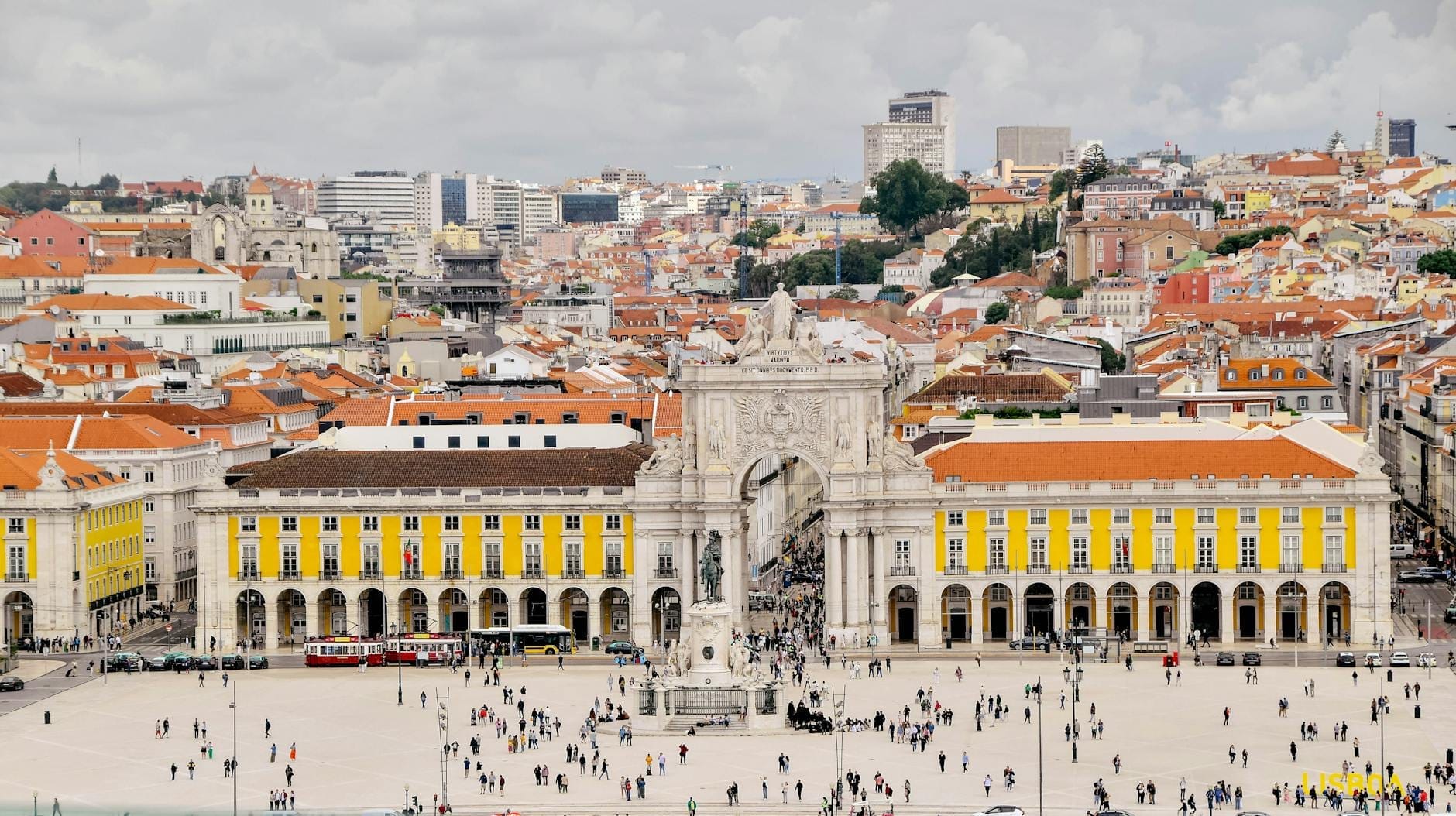
Avoid booking accommodation on Rua Augusta or directly around Praça do Comércio. You pay a heavy location premium for streets that are genuinely crowded and noisy. Staying 10-15 minutes on foot from the main tourist corridor in Mouraria or Intendente often means 30% lower prices and a more authentic experience.
Food and Drink: Eating Well Without Spending Much
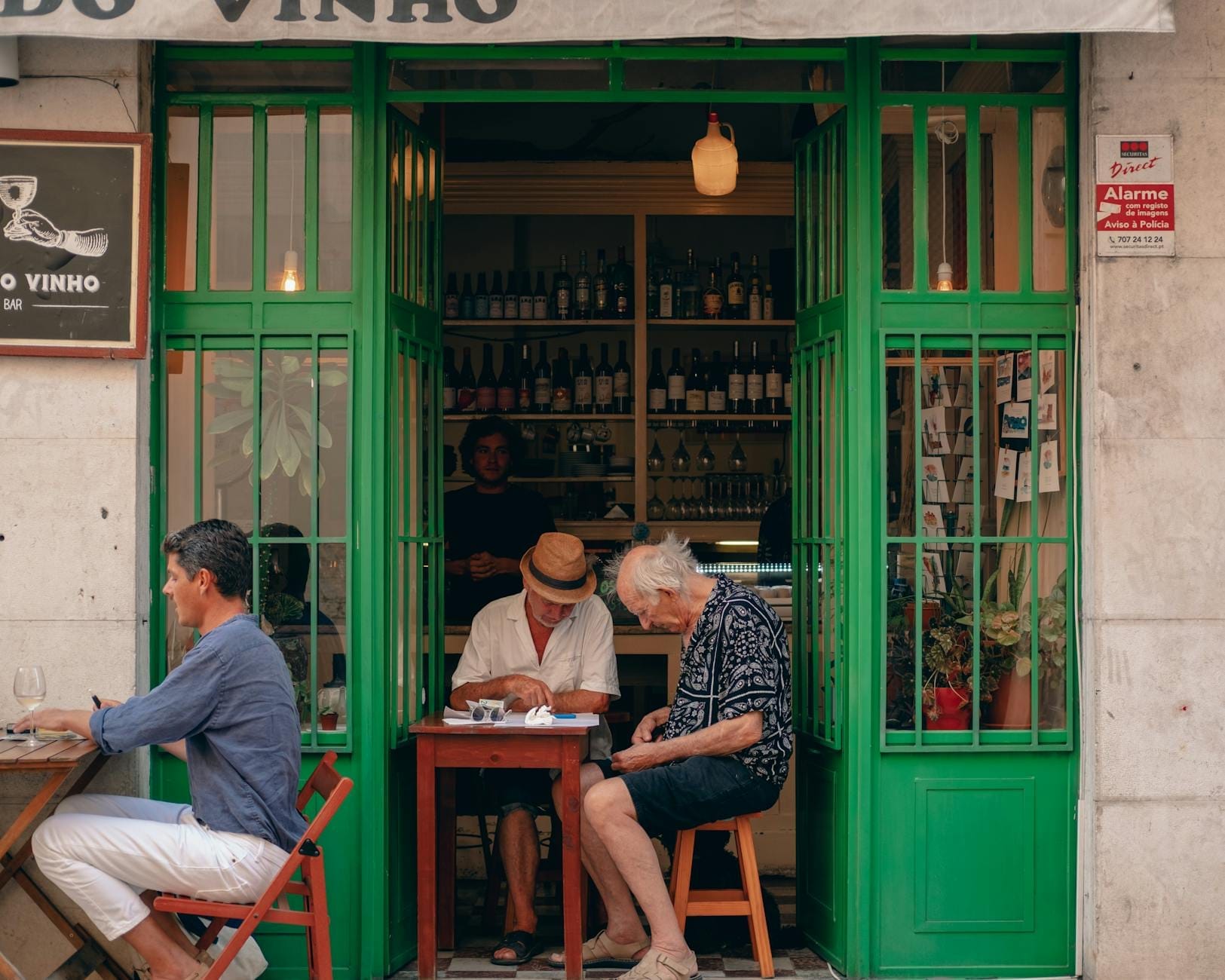
Food is where Lisbon genuinely shines for budget travelers. The tasca, a traditional no-frills Portuguese lunch restaurant, remains one of Europe's great budget-eating institutions. A full prato do dia (dish of the day) with soup, main course, bread, and often a glass of wine or water included costs €8-12 in a working-class neighbourhood tasca. This is real food: roasted chicken, bacalhau (salt cod), caldo verde soup, grilled fish. It's not dumbed-down tourist fare.
The tourist trap version of the same meal, served at a table with a laminated menu and photos, costs €18-28 and is notably worse. The rule is simple: if there's a person outside trying to pull you in, or if the menu is translated into six languages on a board, keep walking. The Time Out Market in Cais do Sodré is the exception: genuinely good food from real Lisbon restaurants, with prices running €10-18 per dish, and worth paying if you want variety under one roof.
- Tasca lunch (prato do dia): €8-12 including drink and bread
- Coffee (bica/espresso): €0.80-1.20 at a neighbourhood café, €2-3 in tourist areas
- Pastel de nata (custard tart): €1.20-1.50 at Pastéis de Belém, €1-1.30 at most bakeries
- Supermarket self-catering daily budget: €15-20 for solid meals
- Mid-range dinner with wine: €20-35 per person in a real restaurant
- Beer at a local bar: €1.50-2.50. The same beer on a tourist-facing terrace: €4-6
⚠️ What to skip
The Alfama area directly surrounding the São Jorge Castle and the streets leading down to the tram 28 stops are among Lisbon's most aggressively tourist-priced dining zones. Mediocre meals at €25+ per person are common. Walk two streets off the main drag and prices drop significantly.
Transport: Getting Around on a Tight Budget
Lisbon's public transport network is genuinely good and inexpensive. The Carris/Metro system covers the city with four metro lines, an extensive bus network, and the iconic trams. You need a rechargeable Viva Viagem card (around €0.50 to purchase at any metro station), onto which you load credit or day passes. A single journey costs approximately €1.50-1.90; a 24-hour unlimited pass runs €6.40-6.80. For getting around Lisbon efficiently and cheaply, the transport options in Lisbon break down every scenario in detail.
From the airport, the metro Red Line takes around 20-40 minutes to the city centre depending on your destination and costs approximately €1.90 with a Viva Viagem card. This is almost always the best value option unless you're arriving late at night with heavy luggage, in which case Uber or Bolt typically run €15-22 to central Lisbon.
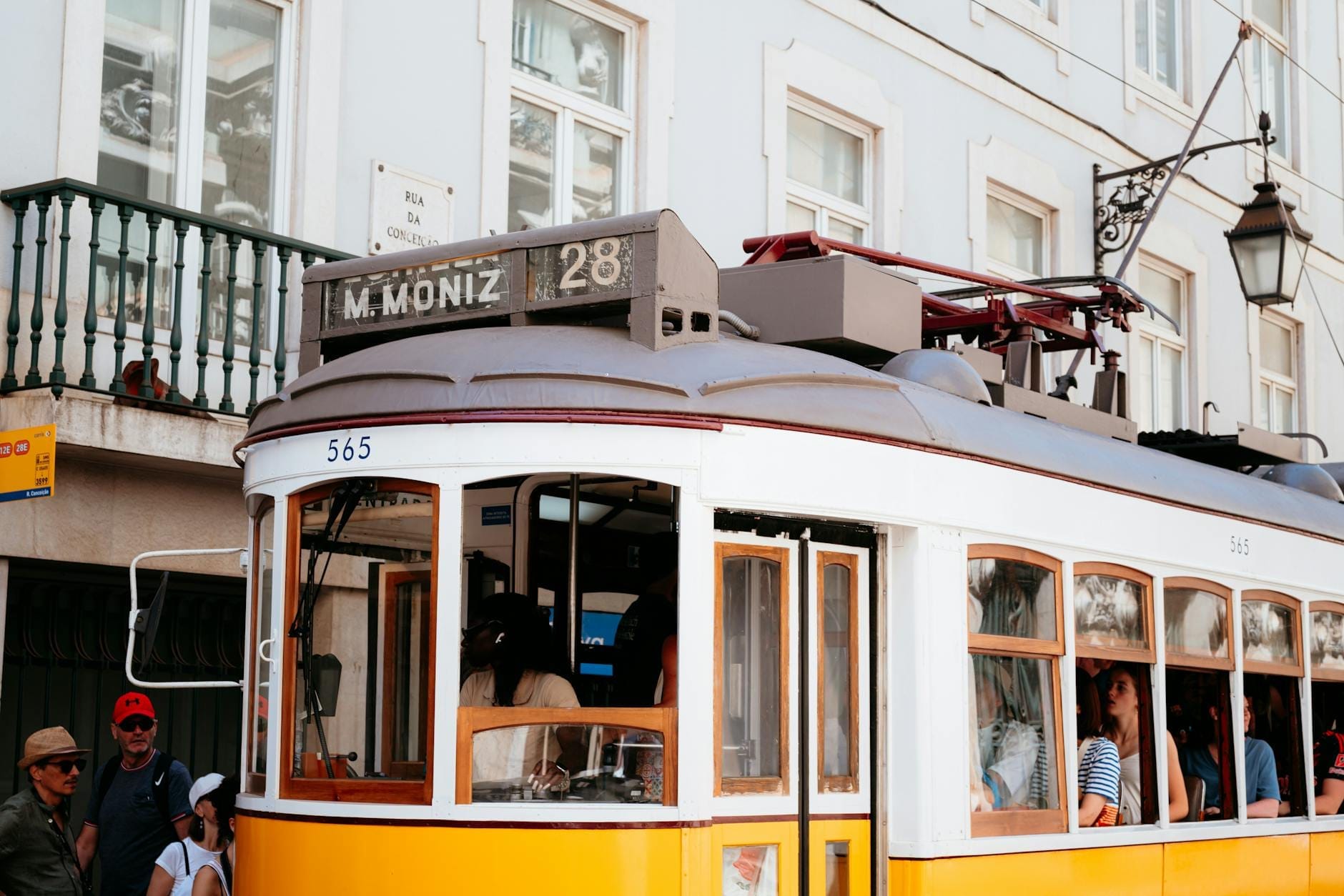
One frequently overlooked transport cost: Tram 28E has become so popular with tourists that it's often overcrowded and a pickpocket hotspot. It's a scenic ride, but for practical transport, buses are faster and less stressful. The Tram 28 is worth riding once for the experience, ideally before 9am or after 7pm when crowds thin. Uber and Bolt are readily available and genuinely affordable for occasional use: most city-centre trips cost €5-10.
Attractions: Free, Cheap, and Worth Paying For
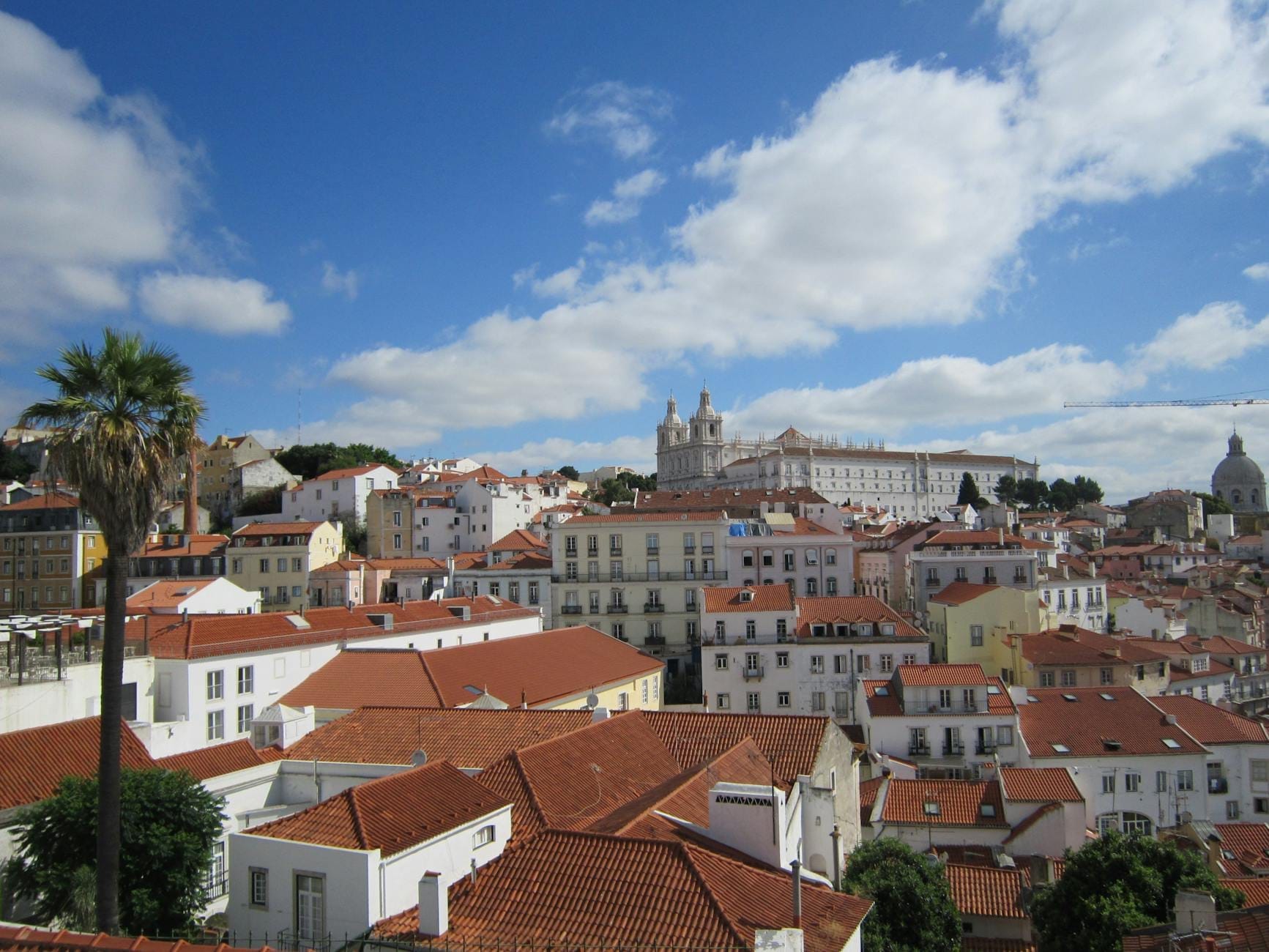
Lisbon has a solid range of free and low-cost cultural experiences. The city's miradouros (viewpoints) cost nothing and deliver some of the most memorable city views in Europe. The Miradouro da Graça and Miradouro da Senhora do Monte are less overrun than Santa Luzia and worth the walk. The Feira da Ladra flea market in Alfama (Tuesdays and Saturdays) costs nothing to browse and is genuinely atmospheric.
For paid attractions, the Lisboa Card deserves serious consideration if your itinerary is attraction-heavy. The 24-hour card costs around €22 and includes unlimited public transport plus free or discounted entry to over 30 attractions. If you visit Jerónimos Monastery (around €16 individually), Belém Tower (around €8), and São Jorge Castle (around €15), you've already justified the card's cost before lunch. The 48-hour version runs approximately €36 and the 72-hour card around €46.
The National Tile Museum (Museu Nacional do Azulejo) is one of Lisbon's genuinely unmissable cultural institutions and costs around €5. The Carmo Convent ruins, roofless since the 1755 earthquake, charge around €5 and offer an eerily beautiful experience that most visitors find more affecting than the more famous sites. Both are covered by the Lisboa Card.
Timing Your Visit: When Costs Are Lowest
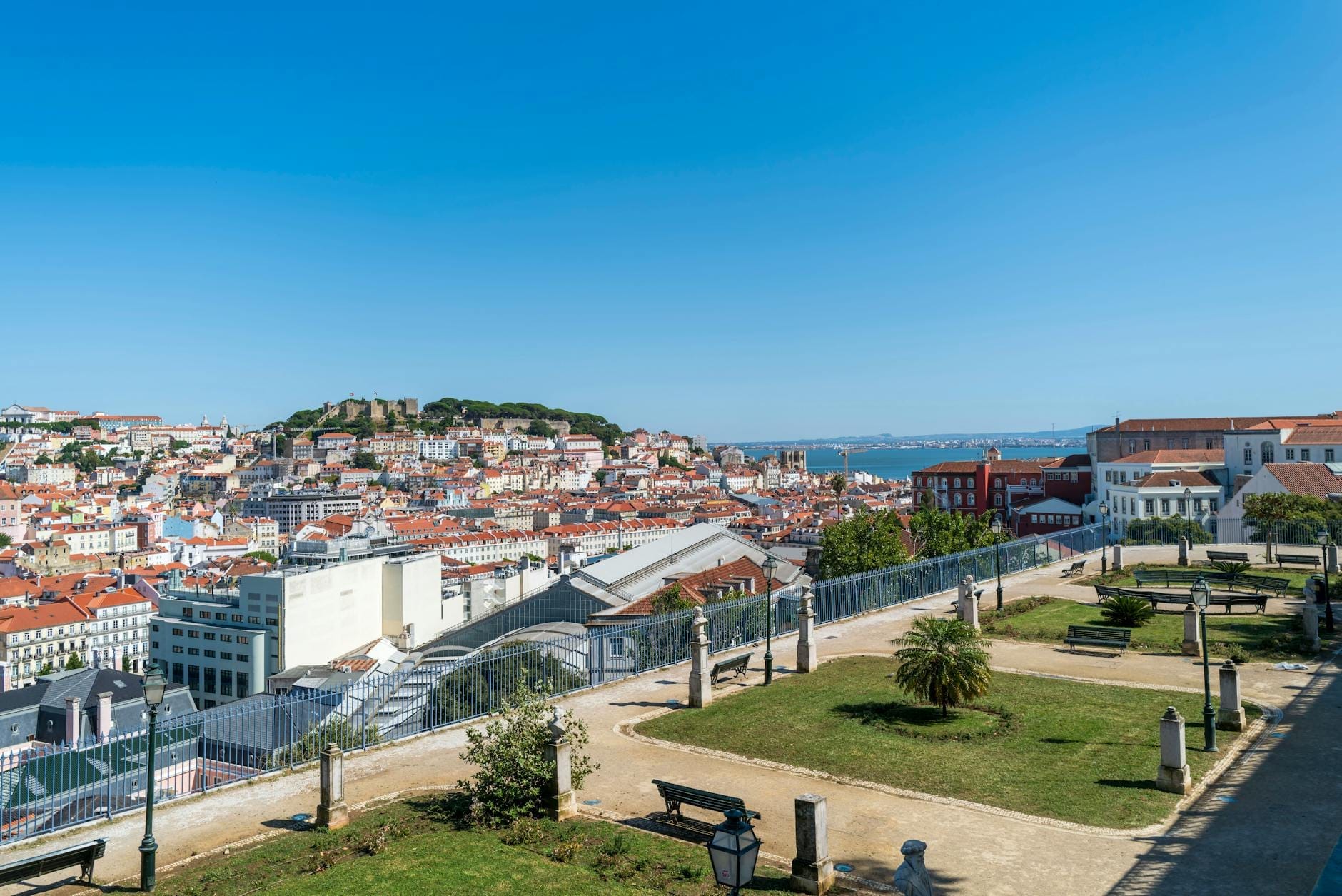
If keeping costs down is a genuine priority, the single most effective decision you can make is avoiding July and August. Lisbon in peak summer is genuinely hot (regularly 30-35°C), extremely crowded, and significantly more expensive across accommodation, tours, and even some restaurants. Shoulder season, specifically April-May and September-October, offers lower prices, manageable temperatures (15-23°C), and shorter queues at major sites. For a full picture of how the calendar affects your experience, the best time to visit Lisbon guide covers this in depth.
Winter (November through February) is Lisbon's quietest and cheapest period, with hostel dorms sometimes dipping below €20 and hotels dropping 40-50% from summer peaks. The weather is mild by northern European standards (12-16°C average) but rainy, which affects walking-heavy itineraries. The Lisbon in winter guide makes the case for this underrated travel window. If you're flexible on dates, late September and October offer perhaps the best overall value: lower prices, warm but not brutal temperatures, and clear skies.
✨ Pro tip
June 12-13 is the Festa de Santo António, Lisbon's biggest street festival, centered on Alfama. Accommodation prices spike sharply around this date, but if you're already in town the festivities are free and extraordinary. Book accommodation weeks in advance if you want to attend, or book outside the festival window and save significantly.
Sample Daily Budgets: What a Real Day Costs
Rather than abstract ranges, here's what a realistic day in Lisbon actually costs at different spending levels, based on current 2026 pricing.
- Ultra-budget day (€50-65) Hostel dorm €30, breakfast at a neighbourhood café €3, tasca lunch €10, supermarket dinner €8, public transport day pass €6.80, one free attraction or miradouro visit €0. Total: around €58.
- Mid-range day (€100-130) Budget hotel private room €90, café breakfast €8, restaurant lunch €18, coffee and pasteis €4, museum entry €10, dinner at a good restaurant €28, transport €7. Total: around €165, or €75-90 if accommodation costs are split as a couple.
- Comfortable day (€180-250) 3-star central hotel €160, full restaurant meals, Lisboa Card, an evening fado show (€25-40). Total runs €230-280 solo, significantly less per person for two sharing a room.
FAQ
Is Lisbon expensive compared to other European cities?
No, Lisbon is consistently among the more affordable Western European capitals. Budget travelers can manage on €50-80 per day, and mid-range travel costs roughly 30-50% less than equivalent travel in Paris, London, or Amsterdam. Prices have risen since 2018 but Lisbon remains excellent value by European standards.
How much does a week in Lisbon cost?
A solo traveler on a genuine budget can expect to spend €550-700 for 7 days excluding flights, covering hostel accommodation, local restaurant meals, public transport, and a mix of paid and free attractions. Mid-range travelers should budget €900-1,400 for the same period. Accommodation is typically 40-50% of total costs.
Is the Lisboa Card worth buying?
Yes, if you plan to visit multiple major attractions. The 24-hour card (around €22) covers unlimited transport and free entry to sites including Jerónimos Monastery, Belém Tower, and São Jorge Castle. If you visit even two of these attractions in a day, the card pays for itself. It's less worthwhile for slow travelers who prefer free sights and walking.
What is the cheapest way to get from Lisbon Airport to the city centre?
The metro Red Line is the cheapest option at approximately €1.90 with a Viva Viagem card, taking 20-40 minutes depending on your destination. The Aerobus costs around €4 and serves several central stops. Taxis and Uber/Bolt typically cost €15-22 to central Lisbon and are worth it for late arrivals or groups with heavy luggage.
What are the best free things to do in Lisbon?
Lisbon's miradouros (viewpoints) are completely free and among the city's best experiences. Browsing the Feira da Ladra flea market (Tuesdays and Saturdays) costs nothing. Many of Lisbon's churches, street art districts, and the neighbourhood streets of Alfama and Mouraria reward exploration without spending anything. Several national museums also offer free entry on the first Sunday of each month.
Tickets & tours
Live prices and dates from our booking partner. If you book, we may earn a commission at no extra cost to you.
Planning a trip? Discover personalized activities with the Nomado app.