Graça is Lisbon's highest and perhaps most quietly compelling neighborhood, a residential hillside district where laundry still hangs from balconies, locals gather at corner cafés, and the city spreads out below in every direction. It sits just above Alfama but moves at a slower, more grounded pace, making it one of the few central neighborhoods that still feels genuinely Portuguese.
Graça occupies the highest hill in central Lisbon, a residential working-class neighborhood where panoramic viewpoints, medieval convents, and an open-air street art scene coexist with the rhythms of everyday Portuguese life. Less visited than Alfama and far less polished than Chiado, it rewards travelers willing to walk uphill and slow down.
Orientation
Graça sits on the eastern side of Lisbon's historic center, occupying the city's highest hill. Its core runs along Rua da Graça, the main commercial spine, which connects the Convento da Graça in the west to the quieter residential blocks that stretch east toward Sapadores. To the south, the hill drops steeply into Alfama and the Mouraria quarter. To the north, the terrain levels out into the broader parishes of São Vicente and beyond.
Administratively, Graça falls within the parish of São Vicente, which stretches from the hilltop all the way down to Santa Apolónia station on the riverfront. Most visitors treat Graça as synonymous with the elevated plateau and its surrounding slopes, distinguishing it from the lower Alfama streets that technically belong to the same administrative zone. The neighborhood shares its western edge with Alfama, and its geography is inseparable from the broader story of Lisbon's eastern hills.
Understanding the terrain is essential before you arrive. The streets are steep and sometimes cobbled. Stairways cut between levels, shortcutting routes that would otherwise require significant detours. If you follow Rua da Graça from its midpoint toward the Miradouro da Graça, you are essentially walking along a ridge with the city dropping away on both sides. The layout rewards slow, exploratory walking rather than a point-to-point itinerary.
Character & Atmosphere
Early in the morning, Graça belongs entirely to its residents. The cafés along Rua da Graça open around 7am, and the regulars arrive quickly: retired men reading newspapers, workers stopping for a bica and a pastel de nata before their commutes, shopkeepers sweeping the pavement in front of their doors. The light at this hour is soft and angled, catching the yellow and white facades in a way that makes the whole street look slightly cinematic. There is very little noise beyond conversation and the occasional tram.
By late morning, the first visitors begin appearing at the viewpoints, but Graça absorbs them without fuss. Unlike the Miradouro de Santa Luzia in Alfama, which can feel performatively scenic on a summer afternoon, the viewpoints here retain something more casual. Locals sit on benches. Dogs are walked. Children run around. The panorama is just as spectacular, but the atmosphere around it is less curated.
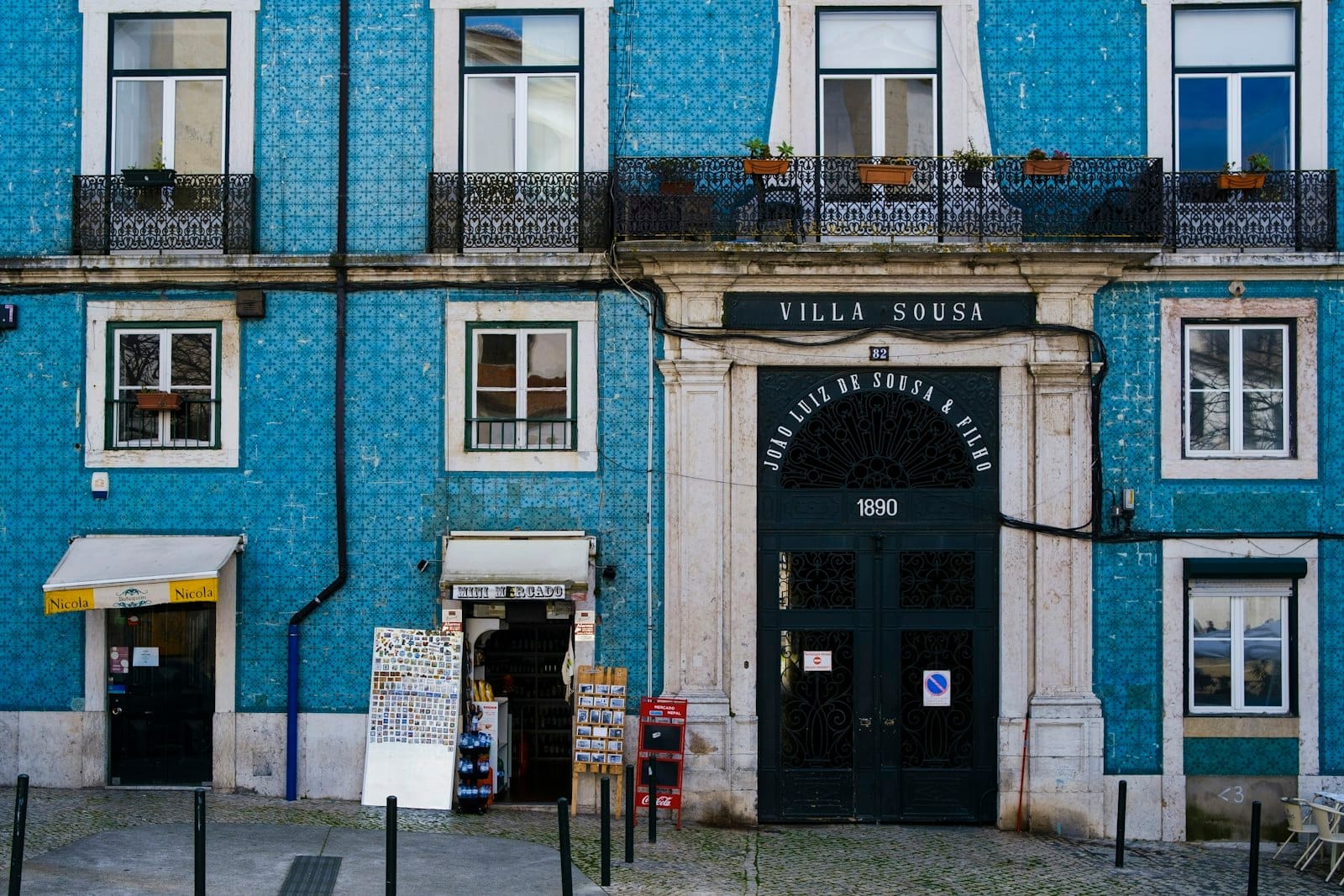
The streets between the main road and the viewpoints are where the neighborhood's character is most legible: narrow lanes with potted plants on windowsills, azulejo tile panels on building facades, murals covering the blank walls of apartment blocks. Graça has become something of an open-air gallery for street art over the past decade, with large-scale works mixing historical and contemporary themes. These pieces appear without warning on the sides of ordinary buildings, which gives the area a quality of constant low-level discovery.
After dark, Graça is quiet by Lisbon standards. A handful of bars serve the local population, and there are restaurants where dinner runs late, but this is not a nightlife neighborhood in the way that Bairro Alto or Cais do Sodré is. The streets are calm, well-lit in the main areas, and primarily used by people heading home. For travelers who want to be near the historic center without the noise, this is actually an advantage.
ℹ️ Good to know
Graça is genuinely residential. Outside the viewpoints and main café strip, you will encounter very few tourists. That is by design: the neighborhood has not been redeveloped for hospitality in the way Alfama has, and most shops and services exist for locals, not visitors.
What to See & Do
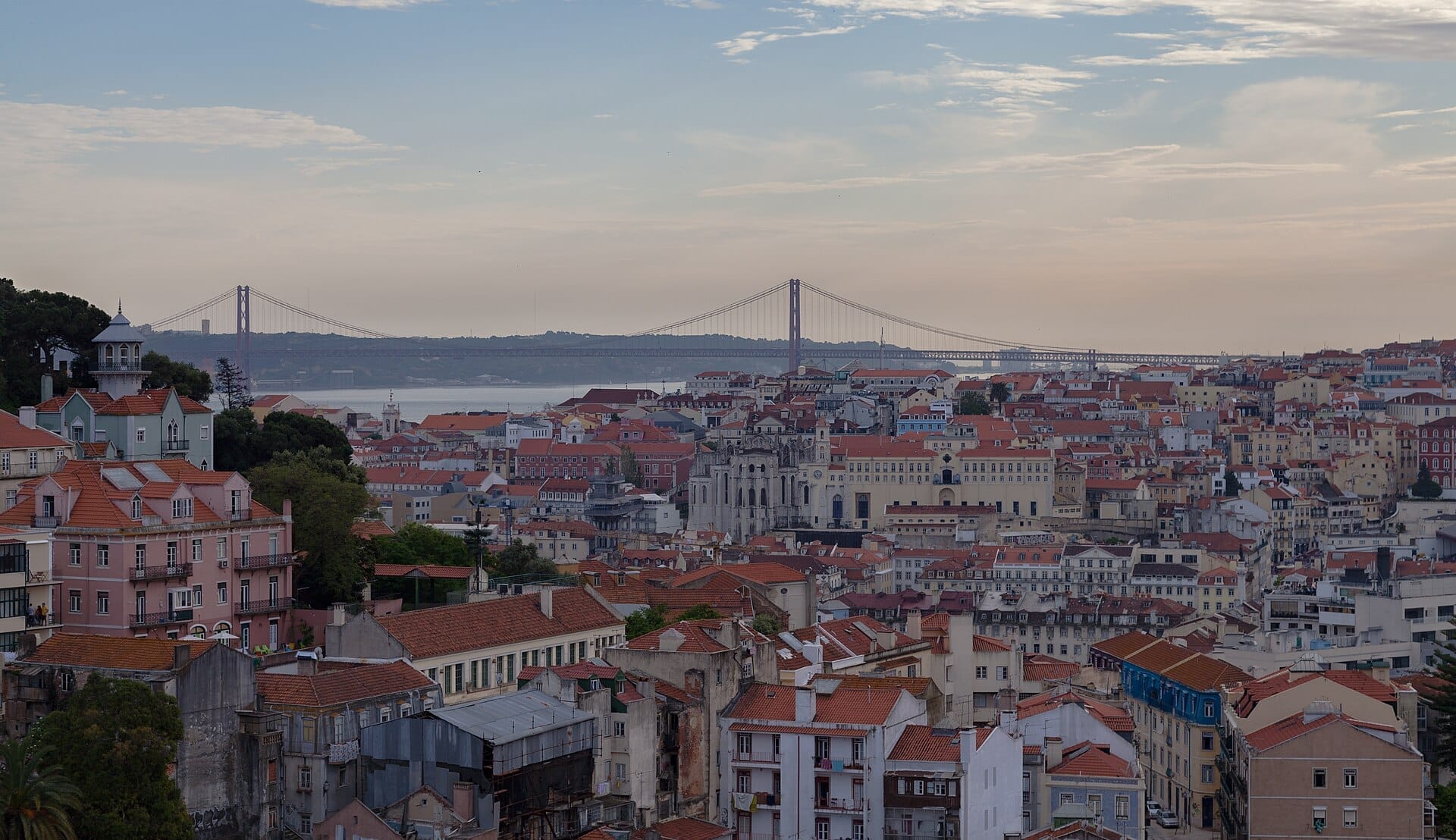
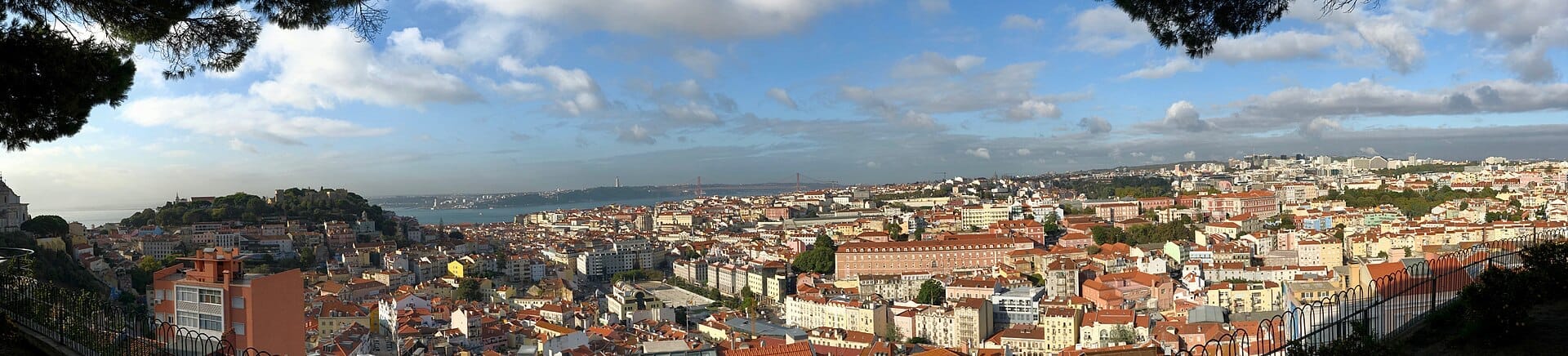
The Miradouro da Graça is the neighborhood's most visited spot, a shaded terrace just behind the Igreja da Graça with a direct sightline over the city's rooftops toward the Tagus and São Jorge Castle. It is quieter than the more famous Portas do Sol viewpoint in Alfama and considerably more pleasant on a hot afternoon, thanks to the mature trees that provide real shade. Come in the late afternoon when the western light hits the castle and the river turns silver.
A short walk north and uphill brings you to the Miradouro da Senhora do Monte, the highest viewpoint in Lisbon's historic center. The view here is 360 degrees in effect, with the Alfama valley, the castle, the Tagus, and the western hills all visible simultaneously. It is less trafficked than Graça's main miradouro and more exposed, which makes it better in cool weather and slightly punishing in midsummer heat. The small chapel beside the terrace, the Igreja de Nossa Senhora do Monte, dates to the 18th century and is often unlocked in the mornings.
The Convento da Graça is the neighborhood's defining architectural landmark, a 13th-century convent that has been repurposed over the centuries and now offers rooftop access for a small fee, typically around €5, which includes a welcome drink. The azulejo tile panels inside the church are exceptional, depicting scenes from the life of the Order of Augustinians who originally built it. The interior is far less visited than the exterior, and it deserves the time.
The Jardim da Cerca da Graça is one of the most pleasant parks in eastern Lisbon, a long green corridor that follows the path of the old medieval city walls between Graça and Mouraria. It opened in 2015 on land that had been derelict for decades, and it now serves as a community park, with play areas, a small outdoor café, and sections of the original wall still visible. It connects the two neighborhoods physically and makes for a far more enjoyable descent toward Mouraria than the main roads. For a broader look at free things to do in Lisbon, this park belongs on the list.
Just below Graça's southern edge, but easily reached on foot, are two of Lisbon's most important religious monuments. São Vicente de Fora is a 16th-century church and monastery with a rooftop terrace that offers its own spectacular views and a cloister lined with azulejo tile panels illustrating the fables of La Fontaine. Nearby, the National Pantheon occupies the former Igreja de Santa Engrácia, a baroque structure with a dome visible from across eastern Lisbon, where Portuguese writers, presidents, and fado singers are interred.
Miradouro da Graça: shaded, castle-facing terrace, best in late afternoon
Miradouro da Senhora do Monte: highest viewpoint in the historic center, 360-degree panorama
Convento da Graça: medieval convent with azulejo panels and rooftop access
Jardim da Cerca da Graça: park following the old city wall, connects Graça to Mouraria
São Vicente de Fora: monastery with rooftop views and remarkable tiled cloister
National Pantheon: baroque dome, final resting place of Lisbon's cultural figures
Street art circuit: large-scale murals scattered through the residential lanes
💡 Local tip
The Feira da Ladra, Lisbon's famous flea market, takes place on Tuesdays and Saturdays in the Campo de Santa Clara, a short walk downhill from Graça toward São Vicente de Fora. If your visit overlaps with a market day, combine the two into a single morning.
Eating & Drinking
Graça's food scene is local-first in a way that most central Lisbon neighborhoods have stopped being. The cafés along Rua da Graça serve coffee, pastries, and light lunches to a neighborhood clientele that has been coming to the same places for years. Prices are noticeably lower than in Alfama or Chiado: a bica costs around €0.80, a lunch prato do dia rarely exceeds €10, and nobody expects you to photograph your food.
The restaurants in and around Graça lean toward traditional Portuguese cooking: grilled fish, slow-cooked meat dishes, hearty soups, and the kind of bread basket that arrives before you have ordered anything. Bacalhau in various preparations appears on most menus. Portions are large. Wine is poured by the carafe. These are not destination restaurants in the food-media sense, but they are the kind of places where you eat well and feel like you are in Portugal rather than in a version of Portugal designed for visitors.
The viewpoint terraces at Miradouro da Graça have a small kiosk that serves drinks throughout the day and into the evening. It is a fine place to have a beer or a glass of wine while watching the light change over the city, and it is significantly cheaper than a rooftop bar in a hotel. On weekend evenings, the terrace draws a mixed crowd of locals and travelers, and the atmosphere is relaxed without being rowdy.
For a broader understanding of Lisbon's food culture and where Graça fits within it, the Lisbon food guide covers the city's key eating neighborhoods, specialties, and what to order at each type of establishment.
Getting There & Around
The most atmospheric way to reach Graça is on Tram 28, Lisbon's famous yellow tram that winds through the historic eastern neighborhoods. The tram runs along Rua da Graça itself, making the journey both practical and scenic. However, the 28E line is frequently overcrowded on tourist days, and pickpocketing on the tram is a documented problem. If you board at one of the outer termini early in the morning or avoid peak tourist hours, the experience is considerably more pleasant.
Buses are often a more reliable option for reaching Graça without the crowds. Several Carris routes serve the area, connecting it to Martim Moniz, Rossio, and the lower city. From Martim Moniz metro station, on the Green line, it is approximately a 20-minute walk uphill through the Mouraria quarter, passing through some of Lisbon's most layered and interesting streets. The climb is steady but not extreme, and the route through Mouraria is worth doing at least once in daylight.
Once in Graça, the neighborhood is compact enough to explore entirely on foot. The main plateau around Rua da Graça is relatively flat, and the viewpoints are all within 10 to 15 minutes of each other. The connections downhill to São Vicente de Fora and the National Pantheon involve a significant drop in elevation, and the return climb should be factored into your plans, particularly in summer heat. Wearing comfortable, non-slip shoes on the cobblestone streets is not optional.
⚠️ What to skip
Tram 28 is a target for pickpockets, especially on the crowded stretch through Alfama. Keep valuables in a front pocket or a closed bag. If the tram looks dangerously full when it arrives, waiting for the next one is a reasonable decision.
For a complete picture of how Lisbon's public transit works across all neighborhoods, the guide to getting around Lisbon covers metro lines, tram routes, buses, and the Viva Viagem card.
Where to Stay
Graça has a modest but growing number of guesthouses, short-term rental apartments, and small boutique hotels. The accommodation here appeals primarily to independent travelers who want proximity to the historic center without paying Alfama prices or dealing with the noise that comes with staying directly on the tourist trail. Because Graça is predominantly residential, the streets are quieter at night, which matters if you are a light sleeper.
The best-positioned accommodation in Graça sits near the plateau around Rua da Graça or within walking distance of the viewpoints. Staying here puts you roughly 20 to 25 minutes on foot from the Baixa and about 10 minutes from the heart of Alfama's main sights. It is not a neighborhood for travelers who want to step outside and immediately be surrounded by restaurants and nightlife, but for those who value a calmer base with genuine neighborhood character, it works well.
If you are still deciding where to base yourself in Lisbon, the guide to where to stay in Lisbon compares all the major neighborhoods by type of traveler, budget, and proximity to key sights.
Practical Tips
Graça is one of the more manageable neighborhoods for visitors who want to explore Lisbon's eastern hills without committing to the full Alfama experience. Its proximity to the Feira da Ladra flea market, the National Pantheon, and São Vicente de Fora means that a single day in this part of the city can cover a significant amount of ground without feeling rushed.
The neighborhood rewards a late-afternoon visit timed to catch the light at the viewpoints. If you are also planning to visit São Jorge Castle or the Alfama streets, combining them into a single eastward route works logistically: start at Rossio or Martim Moniz, walk up through Mouraria, spend time in Graça around midday, then walk south downhill through the upper Alfama lanes in the afternoon.
For first-time visitors trying to structure their time across the city, a two-day Lisbon itinerary can help prioritize which neighborhoods to visit in which order, and where Graça fits relative to the major sights.
TL;DR
Graça is Lisbon's highest central neighborhood, best known for its panoramic viewpoints, working-class residential character, and open-air street art, with far fewer tourists than nearby Alfama.
The Miradouro da Graça and Miradouro da Senhora do Monte offer two of the city's finest elevated views, with significantly smaller crowds than other miradouros.
The food and café scene is authentically local: low prices, traditional Portuguese cooking, and no performance for tourists.
Getting there requires either Tram 28 (crowded but scenic) or a 20-minute uphill walk from Martim Moniz metro through Mouraria.
Best suited to independent travelers, repeat visitors to Lisbon, and anyone who wants a quieter base close to the historic center without paying for a hotel in the thick of the tourist zone.
Lisbon punches well above its weight as a museum city, offering everything from world-class art collections to archaeology, decorative arts, and cutting-edge contemporary exhibitions. This guide covers the 12 best museums in Lisbon, organized by neighborhood and theme, with practical tips on pricing, free entry days, and what makes each one worth your time.
Lisbon rewards visitors in every season, but timing your trip well makes a real difference. This guide breaks down what to expect each month — temperatures, crowd levels, prices, and key events — so you can decide when a visit to Lisbon suits you best.
Lisbon is one of Europe's most photogenic cities, and its seven hills mean spectacular views are everywhere. This guide covers the best traditional miradouros, architectural observation decks, and rooftop vantage points across the city.
Lisbon sits at the edge of a region packed with UNESCO palaces, dramatic Atlantic coastline, and historic towns all within an hour or two. These are the best day trips to make from the city, whether you have a car or just a train pass.
Fado is Lisbon's soul — a UNESCO-listed tradition of longing, heartbreak, and beauty. This guide cuts through the tourist-trap venues to show you exactly where to hear the real thing, what it costs, and how to book.
Lisbon rewards the budget-conscious traveler more than almost any other European capital. From hilltop viewpoints and azulejo-tiled churches to free museum Sundays and sprawling flea markets, here are 20 genuinely free experiences across the city.
Lisbon has one of Europe's most layered transport networks, mixing a modern metro with century-old trams and scenic ferries. This guide breaks down every option with real prices, route details, and honest advice on what actually works for visitors.
Lisbon is one of Europe's most photogenic capitals, with terracotta rooftops, hand-painted tile facades, Moorish hilltop castles, and a shimmering river at every turn. This guide covers the 20 most Instagrammable spots in Lisbon, with practical advice on the best times to shoot, what to frame, and how to beat the crowds.
Lisbon is one of Europe's most talked-about city breaks, but does it live up to the hype? This guide cuts through the noise with honest assessments of what the city does brilliantly, where it falls short, what things cost, and how to make the most of your time there.
Two days in Lisbon is enough to cover the essentials without rushing — if you plan smart. This itinerary breaks down exactly where to go, when to go, what to eat, and what to skip, district by district.
Humberto Delgado Airport is Portugal's busiest gateway and your first encounter with Lisbon. This guide covers both terminals, every transport option into the city, lounge access, seasonal crowd patterns, and the practical details that most airport guides skip.
Lisbon has no beaches of its own, but within 30 to 60 minutes you can reach some of the finest Atlantic coastline in Europe. This guide covers the best beaches near Lisbon, from the closest train-accessible options to the dramatic headlands beyond Cascais.
Lisbon has two remarkable bridges crossing the Tagus River, each with a distinct story. This guide covers the history, engineering, best viewpoints, visitor experiences, and practical tips for seeing both the 25 de Abril Bridge and the Vasco da Gama Bridge.
Lisbon's food scene runs deeper than custard tarts and salt cod. This guide covers the essential dishes, where to find the best versions, what to skip, and how to eat well across every budget in Portugal's capital.
Lisbon earns its romantic reputation through layers of atmosphere: tiled facades glowing at golden hour, melancholic Fado drifting from open doorways, and viewpoints that stretch over terracotta rooftops to the Tagus River. This guide covers the best experiences for couples, from classic landmarks to quieter moments that most visitors miss.
Lisbon rewards those who wander beyond the obvious. This guide uncovers the city's overlooked churches, quieter viewpoints, neighborhood markets, and architectural oddities that locals love and most visitors walk straight past.
Lisbon in summer means long sunny days, Atlantic breezes, packed beaches, and a city that truly comes alive after dark. This guide covers the real conditions in July and August: what the heat actually feels like, when to visit which attractions, and how to get the most out of peak season without the headaches.
Lisbon in winter is quieter, cheaper, and surprisingly sunny. This guide covers what to expect from December through February, including weather realities, the best seasonal experiences, and practical tips for getting the most out of a low-season trip.
Four days is enough time to move past the highlights and actually understand Lisbon: its layered history, neighbourhood contrasts, and the rhythm of daily life along the Tagus. This itinerary is built around logical geography, honest crowd realities, and the experiences that genuinely reward the effort.
Lisbon delivers genuine five-star luxury at prices that embarrass Paris, Barcelona, and London. This guide covers the best luxury hotels in Lisbon by neighborhood, honest price breakdowns, fine dining worth the splurge, and the exclusive experiences that set a premium trip apart.
Lisbon nightlife runs deep: fado singers in candlelit Alfama taverns, cocktail bars along the hilly streets of Bairro Alto, and electronic clubs that don't fill up until 2am. This guide breaks down every major scene by neighborhood, with specific venues, honest pricing, and the local knowledge to avoid tourist traps.
Lisbon is one of Western Europe's most affordable capitals, but costs vary significantly depending on how you travel. This guide breaks down exactly what you'll spend on accommodation, food, transport, and attractions, with specific prices and honest advice on where to save and where it's worth paying more.
Lisbon covers just 100.05 km² but packs in dramatically different neighborhoods, from medieval hilltop alleys to modern riverside parks. This guide breaks down the Lisbon map by district, explains how far apart things really are, and tells you the smartest ways to get between them.
A Lisbon river cruise on the Tagus puts the city's most iconic landmarks in front of you from the water. This guide breaks down every major operator, realistic prices, departure logistics, and which tours are actually worth booking in 2026.
Lisbon is one of Western Europe's safest capitals, but it has a handful of well-practiced scams that catch tourists off guard every year. This guide covers exactly what to watch for, where the real risks are, and how to move around the city with confidence.
Lisbon rewards shoppers at every budget level, from Saturday morning flea markets in Alfama to flagship luxury boutiques on Avenida da Liberdade. This guide covers the best markets, shopping streets, and stores in the city, with practical details on schedules, neighborhoods, and what to skip.
The distance from Lisbon to Barcelona is roughly 1,005 km. You have four realistic ways to cover it: a short flight, a multi-leg train journey, an overnight bus, or a self-drive road trip through Spain. This guide breaks down costs, journey times, and trade-offs so you can choose the right option for your trip.
Lagos sits about 300km south of Lisbon, deep in the western Algarve. Getting there is straightforward, but the right option depends on your budget, timeline, and plans once you arrive. This guide breaks down every route with honest comparisons.
The Lisbon to Seville journey is around 450 km across two countries, and the route you choose makes a significant difference. This guide breaks down every transport option with current prices, realistic journey times, and the stops worth making along the way.
Lisbon rewards walkers like few other European capitals. This guide covers the best walking tours across every budget and neighborhood, from tip-based free tours and small-group food walks to self-guided routes through Alfama's maze of cobblestones. Whether you have two hours or a full day, there's a walk that fits.
Lisbon enjoys a Mediterranean climate with over 280 sunny days a year, but the difference between January and July is enormous. This guide breaks down Lisbon weather by month, covers seasonal crowd patterns, and tells you exactly when to go based on what you want to do.
Lisbon is one of Europe's most rewarding cities to explore with children. This guide covers the top family-friendly activities, from world-class aquariums and hands-on science museums to historic tram rides and riverside parks, with honest advice on what's worth your time and what to skip.
Flying from London to Lisbon takes around 2.5 hours and costs as little as £50. But if you want to travel overland, the train journey is an epic 22+ hour adventure through Paris and Madrid. This guide breaks down every realistic option, with honest advice on cost, time, and comfort.
The Santo António Festival is Lisbon's largest and most beloved annual celebration, filling the streets of Alfama, Mouraria, and Bairro Alto every June with grilled sardines, bonfires, folk parades, and mass weddings. This guide covers the full schedule, key traditions, best neighborhoods to visit, and practical tips for navigating the festivities.
Sintra is the most popular day trip from Lisbon, and for good reason: royal palaces, Moorish ruins, and forested hilltops sit just 40 minutes by train from the city centre. This guide covers exactly how to get there, which sites to prioritize, how much to budget, and how to avoid the worst of the crowds.
Lisbon rewards curious travelers with centuries of history, world-class food, and some of Europe's most dramatic viewpoints. This guide covers the best things to do in Lisbon across every budget, neighborhood, and travel style, with honest takes on what's worth your time.
Lisbon's food scene runs deeper than pastéis de nata and bifanas. This guide covers the best restaurants in Lisbon by neighbourhood and budget — from two-Michelin-star dining rooms to the market stalls locals actually queue for.
Choosing where to stay in Lisbon shapes your entire trip. This guide breaks down every major neighborhood by atmosphere, price range, pros and cons, and the type of traveler each suits best — so you can book with confidence.