Lisbon Nightlife: Best Bars, Clubs & Fado Houses (2026 Guide)
Lisbon nightlife runs deep: fado singers in candlelit Alfama taverns, cocktail bars along the hilly streets of Bairro Alto, and electronic clubs that don't fill up until 2am. This guide breaks down every major scene by neighborhood, with specific venues, honest pricing, and the local knowledge to avoid tourist traps.

Tickets & tours
Live prices and dates from our booking partner. If you book, we may earn a commission at no extra cost to you.
TL;DR
- Lisbon nightlife is organized by neighborhood: Bairro Alto for bar hopping, Cais do Sodré for clubs, Alfama for fado, Santos for electronic music, and Docas for riverside drinks.
- Fado shows typically start between 8pm and 11pm; book dinner at a fado house for 7-8pm to secure a good seat, especially in summer.
- Clubs in Lisbon don't get going until midnight at the earliest — plan accordingly and don't arrive before 1am if you want a crowd.
- Fado dinners at reputable houses run €40-60 per person including a set menu and wine; standalone bar-entry fado options exist and cost significantly less.
- For a full picture of how to spend your evenings, pair this guide with the Lisbon fado guide and tips on where to stay in Lisbon to pick the right base.
How Lisbon Nightlife Works: Timing, Culture, and What to Expect
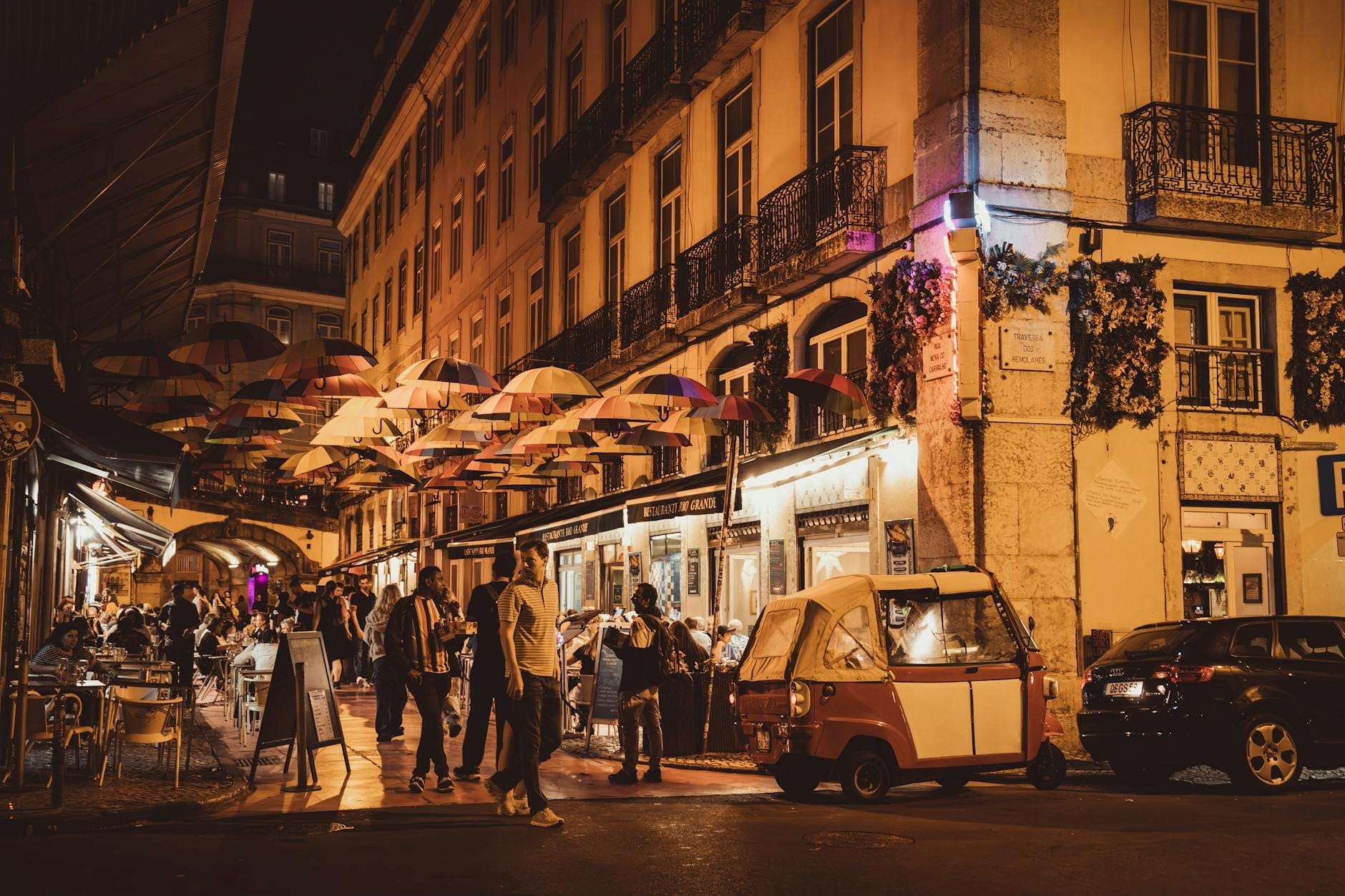
Lisbon runs late. If you show up to a club at 10pm, you'll be alone with the bar staff. The city follows a southern European rhythm: dinner finishes around 10pm, bars fill up between 11pm and midnight, and clubs peak between 1am and 4am. This isn't an exaggeration or a stereotype — it's simply how the city operates, and fighting it only leads to frustration.
The nightlife scene divides cleanly into distinct zones, each with its own character. Bairro Alto is the classic starting point for an evening: a dense grid of small bars where the action often spills onto the street. Cais do Sodré, anchored by the famous Pink Street (Rua Nova do Carvalho), is where you go when bar hopping transitions into club territory. Santos draws a more underground electronic crowd. Alfama and Mouraria are where fado lives, and the Docas marina area offers a more relaxed, open-air option along the Tagus.
💡 Local tip
The metro closes around 1am on weekdays and runs until 2am on Fridays and Saturdays. After that, taxis and Uber/Bolt are your options. Bolt tends to be cheaper and more reliable late at night. Budget €8-15 for most cross-city rides.
Bairro Alto: The Classic Bar-Hopping Circuit
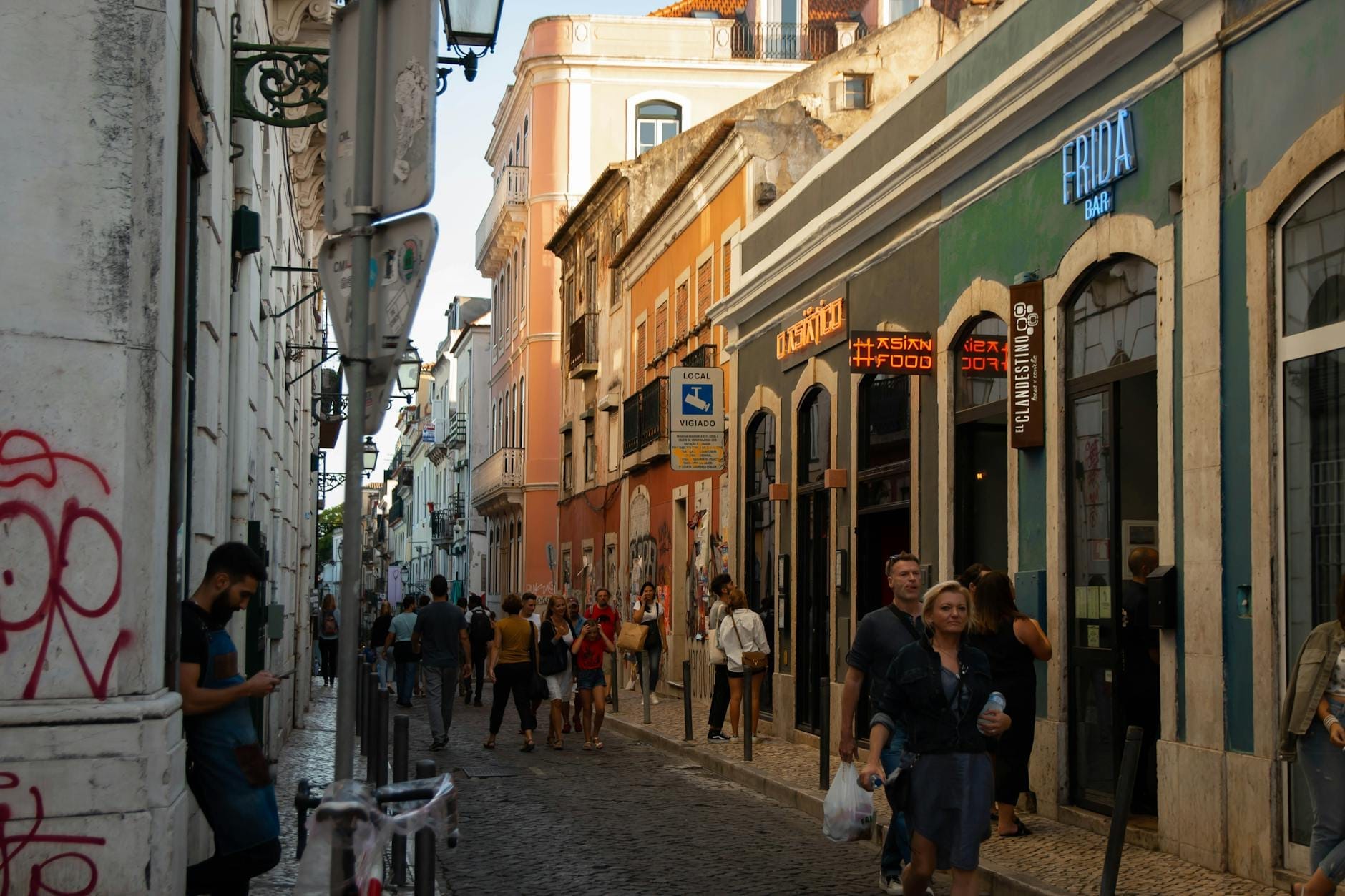
Bairro Alto is where most nights in Lisbon begin. The neighborhood, perched on a hill above Chiado, is packed with bars ranging from wine-focused spots to dive bars serving cheap beer. It's the most accessible scene for first-timers and the easiest to navigate on foot. Start around 10pm and work your way through several spots before heading elsewhere. The Bairro Alto neighborhood is also home to some of the city's best fado restaurants, so combining dinner and drinks in the same area is straightforward.
- A Capela (Rua da Atalaia 45) One of the best small bars in the neighborhood — a converted chapel with religious iconography, good DJs, and a crowd that's half local, half tourist. Cocktails around €10. Gets packed by midnight.
- Pavilhão Chinês (Rua Dom Pedro V 89) A Lisbon institution. The interior is filled floor-to-ceiling with curiosities and collectibles. Known for its extensive cocktail list and the faint background sounds of fado. Not a nightclub — more of an atmospheric late-night bar. Cocktails €10-14.
- Majong (Rua da Atalaia 3) One of the neighborhood's cheaper options and a reliable spot to start the night. Relaxed, unpretentious, and usually full of a mix of locals and long-stay visitors.
⚠️ What to skip
Bairro Alto gets very crowded on weekend nights, and street drinking is common. Keep an eye on your belongings in tight alleyways, particularly around Rua da Atalaia and Rua do Norte. It's generally safe, but pickpocketing does happen in dense crowds.
Cais do Sodré and Pink Street: Clubs and Late-Night Energy
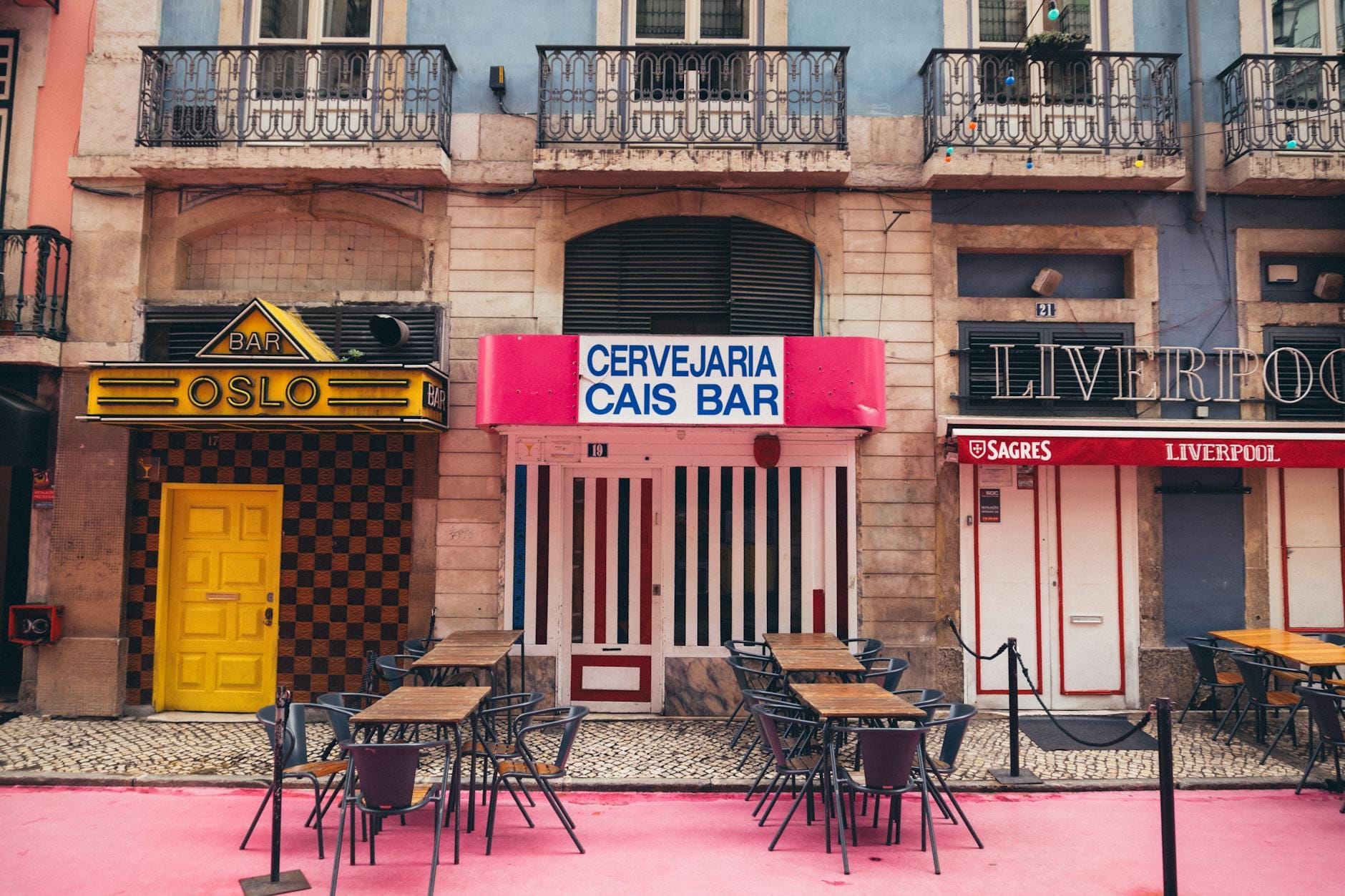
Cais do Sodré is Lisbon's most concentrated late-night district. The area around the waterfront, particularly Pink Street (Rua Nova do Carvalho), has undergone a complete transformation over the past decade. What was once a red-light district is now a strip of bars and clubs with painted pink asphalt, loud music, and a genuinely energetic crowd on weekends. The vibe here is louder and less curated than Bairro Alto — more dance floors, more shots, more noise.
The clubs around Cais do Sodré play a mix of house, funk, and pop. Most have no cover charge before 1am, then transition to a €5-15 entry fee depending on the night and the act. The nearby Time Out Market closes at midnight but the surrounding area stays active until dawn. Santos, just west of Cais do Sodré, is where the more serious electronic music scene plays out in converted warehouses — less polished, longer nights, and a crowd that knows what it's there for.
✨ Pro tip
If you plan to club hop around Cais do Sodré, arrive at Pink Street around 11:30pm and use that time to assess queues and music before committing to entry fees. The best clubs fill fast after 1am, and some stop entry entirely by 2:30am.
Fado Houses: Where to Hear Authentic Music in Lisbon
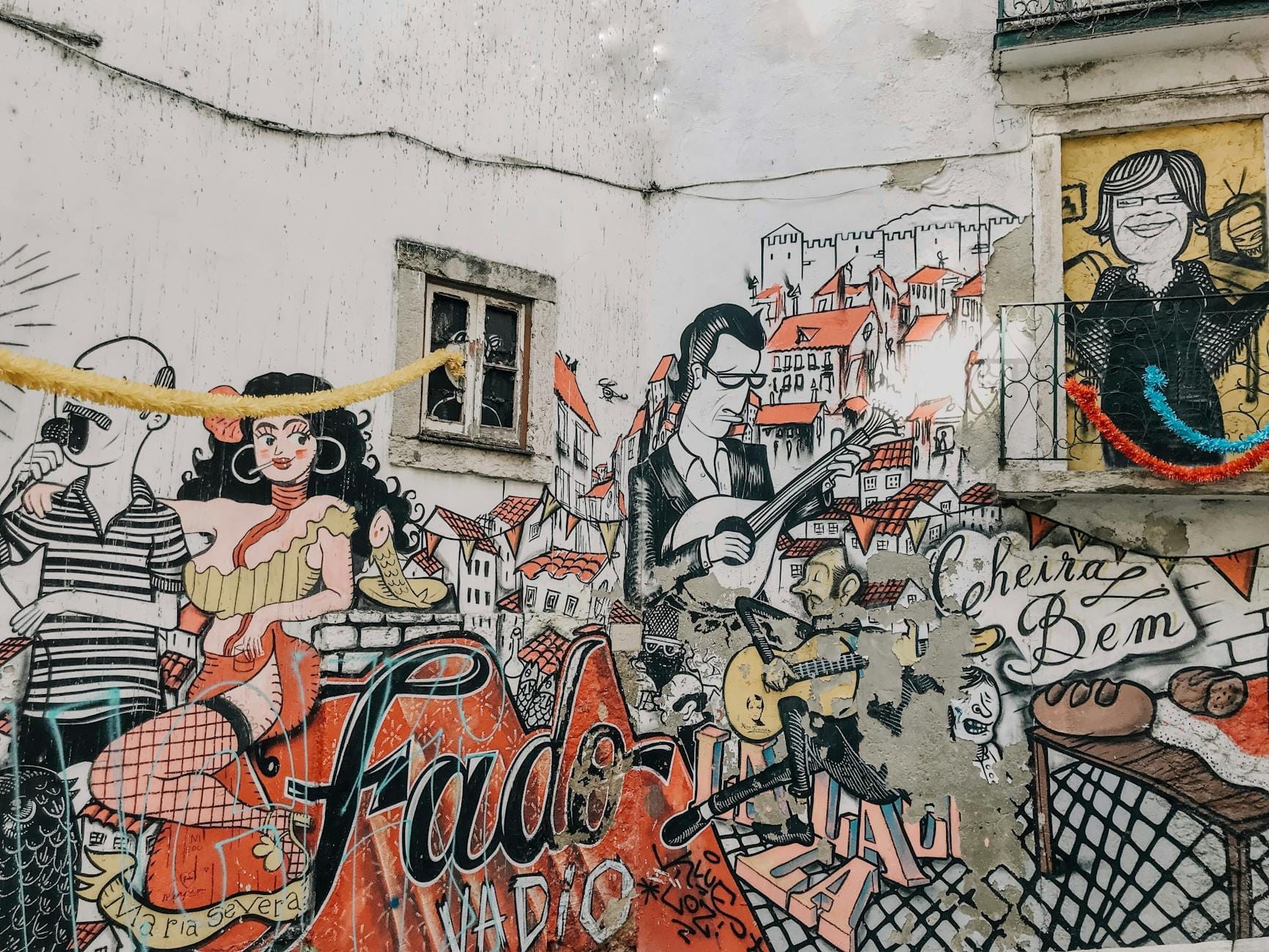
Fado is Lisbon's most distinctive cultural export: mournful, melodic, and rooted in working-class neighborhoods. The best fado experience isn't at a tourist dinner show with a rehearsed setlist — it's at a proper casa de fado where skilled musicians perform for a mixed audience of locals and visitors who understand what they're hearing. Alfama is the spiritual home of fado, but the Mouraria and Bairro Alto neighborhoods offer equally authentic options, often at lower prices.
- Clube de Fado (Rua de São João da Praça 94, Alfama) One of the most respected fado venues in the city, open seven nights a week. The restaurant serves Portuguese classics like bacalhau (codfish) and octopus. Artists at this level include established fadistas like Cristina Madeira. Expect to spend €40-60 per person with dinner. Book at least a week ahead in summer.
- O Faia (Bairro Alto) Founded in 1947, O Faia is one of the oldest continuously operating fado restaurants in Lisbon. Artists like Lenita Gentil have performed here. The atmosphere is formal by Bairro Alto standards — white tablecloths, attentive service, and serious music. Not a bar. Arrive ready to sit, eat, and listen.
- Clube Lisboa Amigos do Fado (Marvila) A fado school and performance space that hosts amateur and professional performers alongside legends. Less polished than the tourist-facing houses, which is exactly why it's worth considering. Prices are lower, the crowd is more local, and the experience feels less staged.
- Associação do Fado Casto (Alfama) A smaller, more intimate venue where shows start late (around 10-11pm). Better suited to those who want to absorb the music without the full dinner commitment. Check the schedule in advance as performance nights vary.
A common misconception about fado houses is that they all require a full dinner booking. Many venues in Mouraria and Bairro Alto offer bar seating where you can order drinks and food separately, with no minimum spend. This is actually a better option for travelers who've already eaten or who want to visit multiple venues in one evening. That said, the full dinner experience at a top-tier house is genuinely worth doing at least once — the combination of food, wine, and live music in a candlelit room is hard to replicate.
ℹ️ Good to know
Fado runs year-round in Lisbon. Unlike seasonal shows in some European cities, you'll find live fado on virtually any night of the week in Alfama and Bairro Alto. Sunday afternoon matinees also exist at some venues in areas like Chelas, typically running from around 4pm to 8pm — a good option if late nights aren't practical.
Alfama and Mouraria After Dark

Beyond fado, Alfama and Mouraria offer a slower, more local version of nightlife. Small tascas (taverns) stay open late serving wine and petiscos (Portuguese small plates). The neighborhoods are best explored on foot, though the steep, cobbled streets demand sensible footwear. The Miradouro das Portas do Sol and surrounding steps become an informal outdoor bar scene on warm evenings, with locals gathering to drink inexpensive wine from bottles bought at nearby shops. It's one of the most genuinely local nightlife experiences in the city and costs almost nothing.
Mouraria, directly adjacent to Alfama and centered on the Largo do Intendente, is worth knowing about separately. It's a multicultural neighborhood with a long fado heritage — fado legend Amália Rodrigues was born here — and a growing bar scene that attracts a younger, more mixed crowd than the polished fado restaurants of central Alfama. For more on what this part of the city offers, the Lisbon hidden gems guide covers several spots in this area that most visitors never reach.
Practical Tips for Navigating Lisbon's Nightlife
Lisbon nightlife rewards patience and flexibility. The city doesn't rush, and the best experiences often come from following a crowd rather than sticking rigidly to a pre-planned itinerary. That said, a few practical realities are worth knowing before you go out.
- Book fado houses at least 3-7 days in advance in peak summer months (June-September). Walk-ins are sometimes possible but risky at top venues.
- Dress code at fado houses leans smart-casual. Clubs on Pink Street are more relaxed, but trainers and clean clothes are the minimum expected.
- Cash is useful for smaller bars in Bairro Alto and Alfama that don't always accept cards for small amounts. Most clubs and larger venues take cards.
- Cocktails average €8-12 in most Lisbon bars. Imported spirits cost more. Local beers (Super Bock, Sagres) run €2-4 and are always the best value.
- Uber and Bolt surge-price between 2am and 4am on weekends. If you can wait 20 minutes, prices often drop significantly.
- The June Santo António festival transforms the city's street scene dramatically — open-air concerts, sardine grills, and street parties run through mid-June across multiple neighborhoods.
For travelers building a full itinerary, the 4-day Lisbon itinerary allocates evenings across different neighborhoods to give a proper cross-section of the city's nightlife. If you're in Lisbon specifically for the summer season, check the Lisbon in summer guide for festival dates and outdoor events that affect the nightlife calendar.
FAQ
What time do clubs open in Lisbon?
Clubs in Lisbon technically open around 11pm, but the realistic arrival time for a crowd is between 1am and 2am. Arriving before midnight means you'll be in an empty room paying full entry. Most clubs stay open until 6am on weekends.
How much does a fado dinner cost in Lisbon?
A full fado dinner at a reputable house typically costs €40-60 per person, including a set menu and wine. Some venues offer bar seating with no minimum spend, where you can watch the performance over drinks. Budget accordingly depending on which format suits you.
Is fado in Lisbon only for tourists?
Not at all. While many fado houses do cater heavily to visitors, venues like Clube Lisboa Amigos do Fado and smaller spots in Mouraria draw genuine local crowds and even perform as part of community music education. Avoiding the most tourist-marketed dinner shows gives you a more authentic experience.
Which Lisbon neighborhood is best for nightlife?
It depends on what you're after. Bairro Alto is best for bar hopping and fado; Cais do Sodré and Pink Street are the main club areas; Santos attracts a more underground electronic crowd; Alfama is the place for traditional fado houses. Most visitors move between two or three neighborhoods in a single evening.
Is Lisbon nightlife safe?
Lisbon is generally one of the safer European capitals at night. Petty theft (pickpocketing) is the main risk, particularly in crowded bar areas like Bairro Alto and on Tram 28. Keep valuables secure and be alert in tight crowds. For more detail, the Lisbon safety tips guide covers common risks and how to avoid them.
Tickets & tours
Live prices and dates from our booking partner. If you book, we may earn a commission at no extra cost to you.
Planning a trip? Discover personalized activities with the Nomado app.