Hidden Gems in Lisbon: Off the Beaten Path
Lisbon rewards those who wander beyond the obvious. This guide uncovers the city's overlooked churches, quieter viewpoints, neighborhood markets, and architectural oddities that locals love and most visitors walk straight past.
Tickets & tours
Live prices and dates from our booking partner. If you book, we may earn a commission at no extra cost to you.
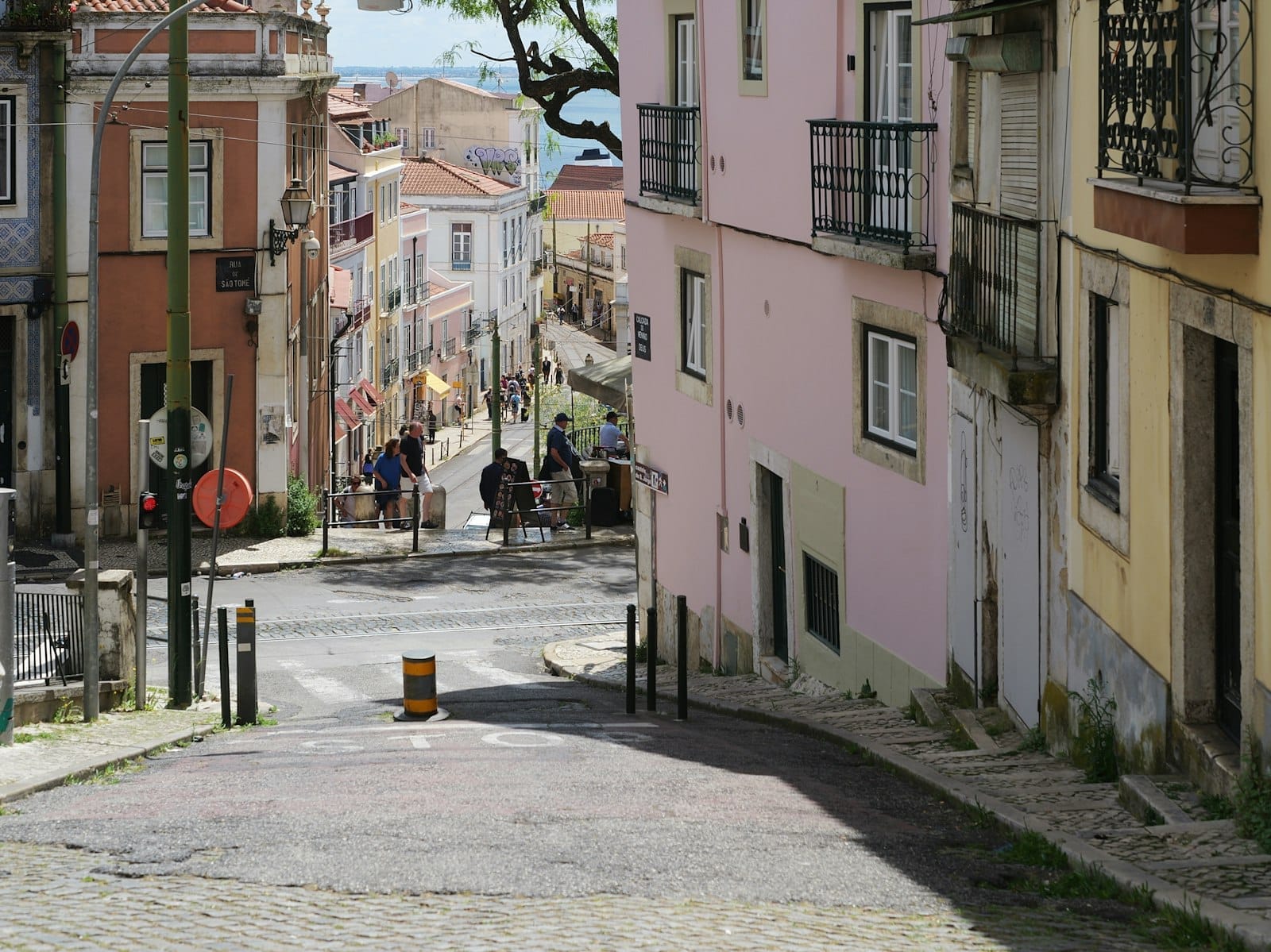
Lisbon is one of Europe's most photogenic capitals, but its most rewarding experiences tend to hide in plain sight. Visitors flock to Belém and Alfama, but the city's quieter neighborhoods, lesser-known churches, and underrated viewpoints offer something richer: the sense that you've found something on your own. This guide skips the Jerónimos Monastery queue and focuses on the places that still feel like Lisbon's own — where you're more likely to share space with a retiree reading a newspaper than a tour group. For context on the city's layout before you start exploring, Lisbon's neighborhood map guide is a useful reference.
Secret Viewpoints Locals Actually Use
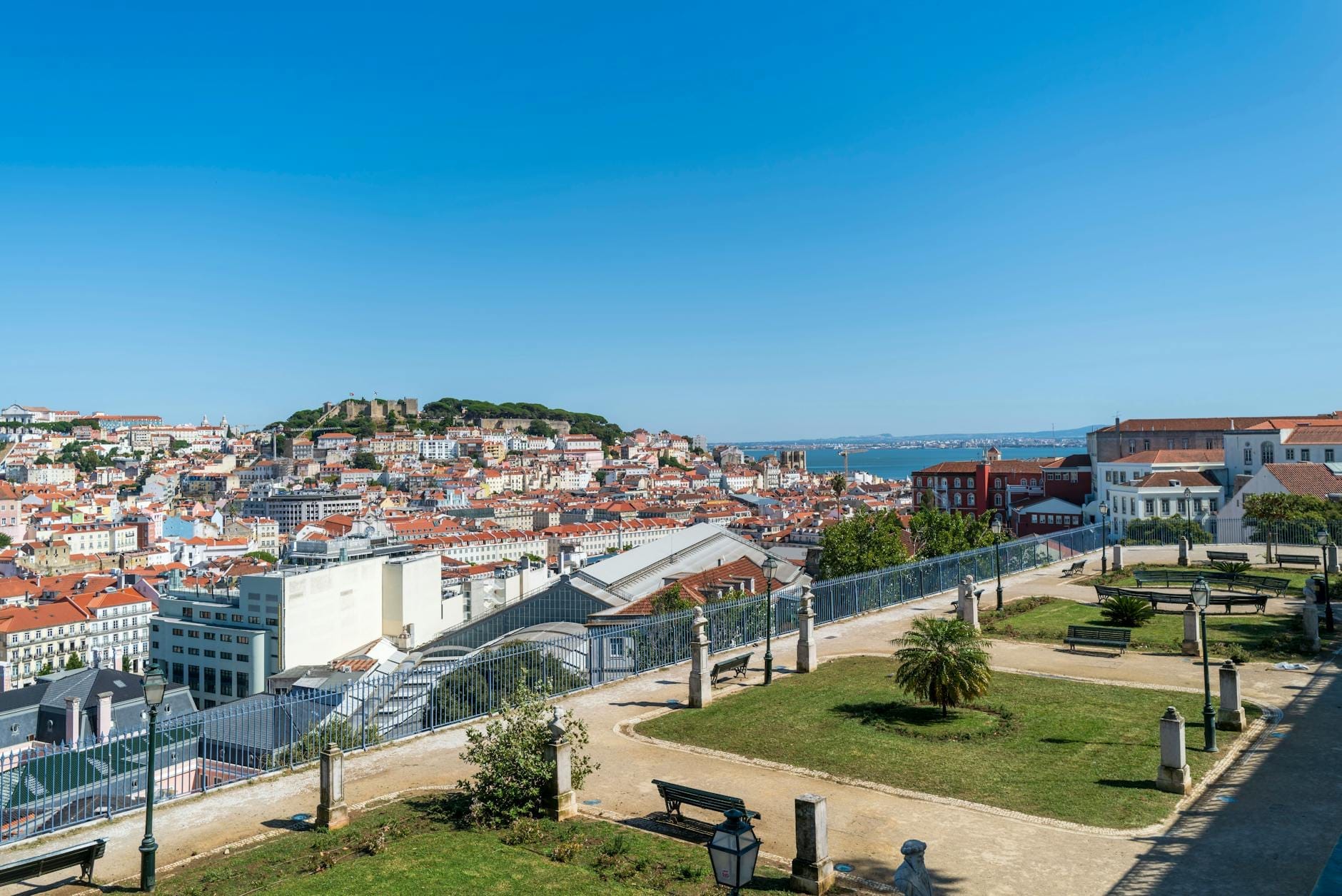
Lisbon has over 30 official miradouros, but a handful consistently draw the crowds while others sit nearly empty. The viewpoints below appear in our guide to Lisbon's best viewpoints, but they earn their place here too because of how frequently they get skipped by visitors who settle for the more obvious options.
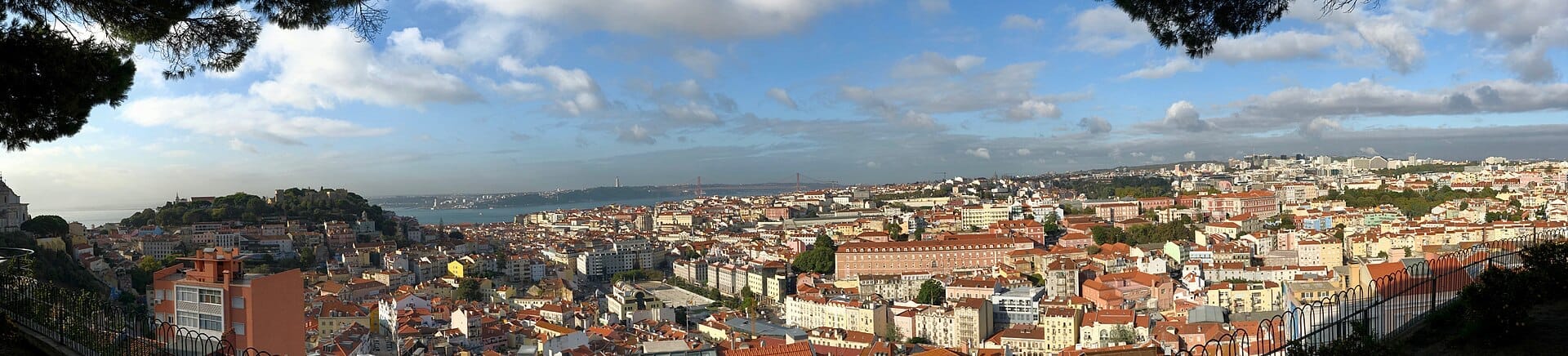
1. Catch the Widest Panorama in Lisbon at Senhora do Monte
The highest viewpoint in the city, Senhora do Monte gives you a 180-degree sweep from the castle to the river and bridge. A small chapel sits alongside. Come at golden hour and you'll often find more pigeons than people.
Explore1. Catch the Widest Panorama in Lisbon at Senhora do Monte
The highest viewpoint in the city, Senhora do Monte gives you a 180-degree sweep from the castle to the river and bridge. A small chapel sits alongside. Come at golden hour and you'll often find more pigeons than people.
Explore
2. Watch Sunset Over the Castle from Miradouro da Graça
Locals rank this as their favourite sunset spot in the city. The Graça terrace frames São Jorge Castle directly, with the Alfama rooftops and Tagus below. Far less crowded than Portas do Sol and genuinely spectacular at dusk.
Explore2. Watch Sunset Over the Castle from Miradouro da Graça
Locals rank this as their favourite sunset spot in the city. The Graça terrace frames São Jorge Castle directly, with the Alfama rooftops and Tagus below. Far less crowded than Portas do Sol and genuinely spectacular at dusk.
Explore
3. Climb the National Pantheon's Rooftop for a Crowd-Free City View
Most visitors skip this Baroque dome in Santa Apolónia. Inside are tombs of Vasco da Gama and Amália Rodrigues, but the real discovery is the rooftop terrace with sweeping views over the Tagus and Alfama. Entry is cheap and queues are rare.
Explore3. Climb the National Pantheon's Rooftop for a Crowd-Free City View
Most visitors skip this Baroque dome in Santa Apolónia. Inside are tombs of Vasco da Gama and Amália Rodrigues, but the real discovery is the rooftop terrace with sweeping views over the Tagus and Alfama. Entry is cheap and queues are rare.
Explore
4. See All of Lisbon from Parque das Nações' Forgotten Observation Deck
Built for Expo 98, this 145-metre tower in Parque das Nações has a public observation deck most tourists overlook entirely. The 360-degree view takes in the Tagus estuary, the Vasco da Gama Bridge, and the modern city spreading east.
Explore4. See All of Lisbon from Parque das Nações' Forgotten Observation Deck
Built for Expo 98, this 145-metre tower in Parque das Nações has a public observation deck most tourists overlook entirely. The 360-degree view takes in the Tagus estuary, the Vasco da Gama Bridge, and the modern city spreading east.
ExploreChurches and Architecture Most Visitors Walk Past
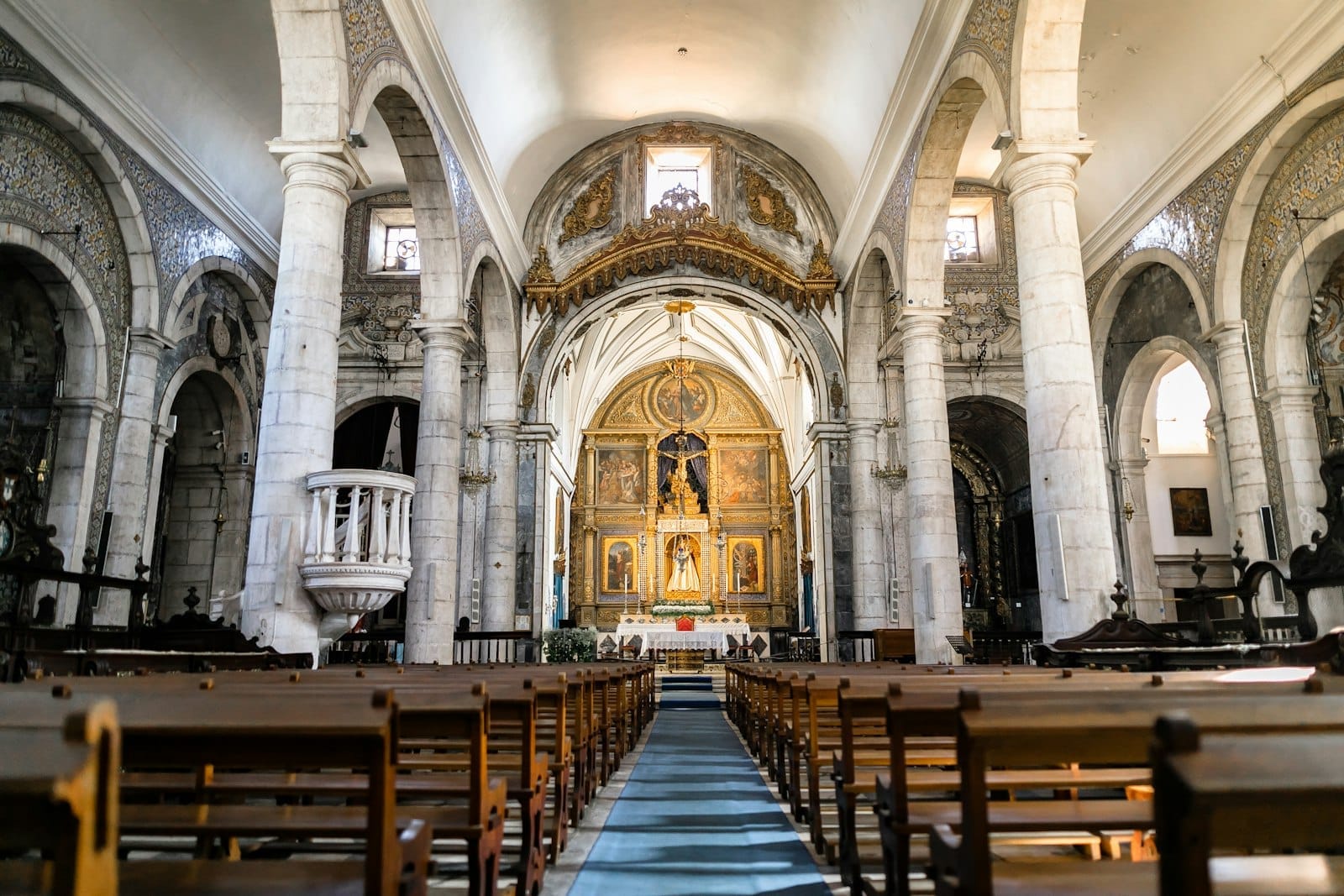
Lisbon's architectural surprises are often hiding behind unremarkable facades. The Baixa-Chiado area alone has churches that most people pass daily without looking inside. These are the ones worth stopping for.
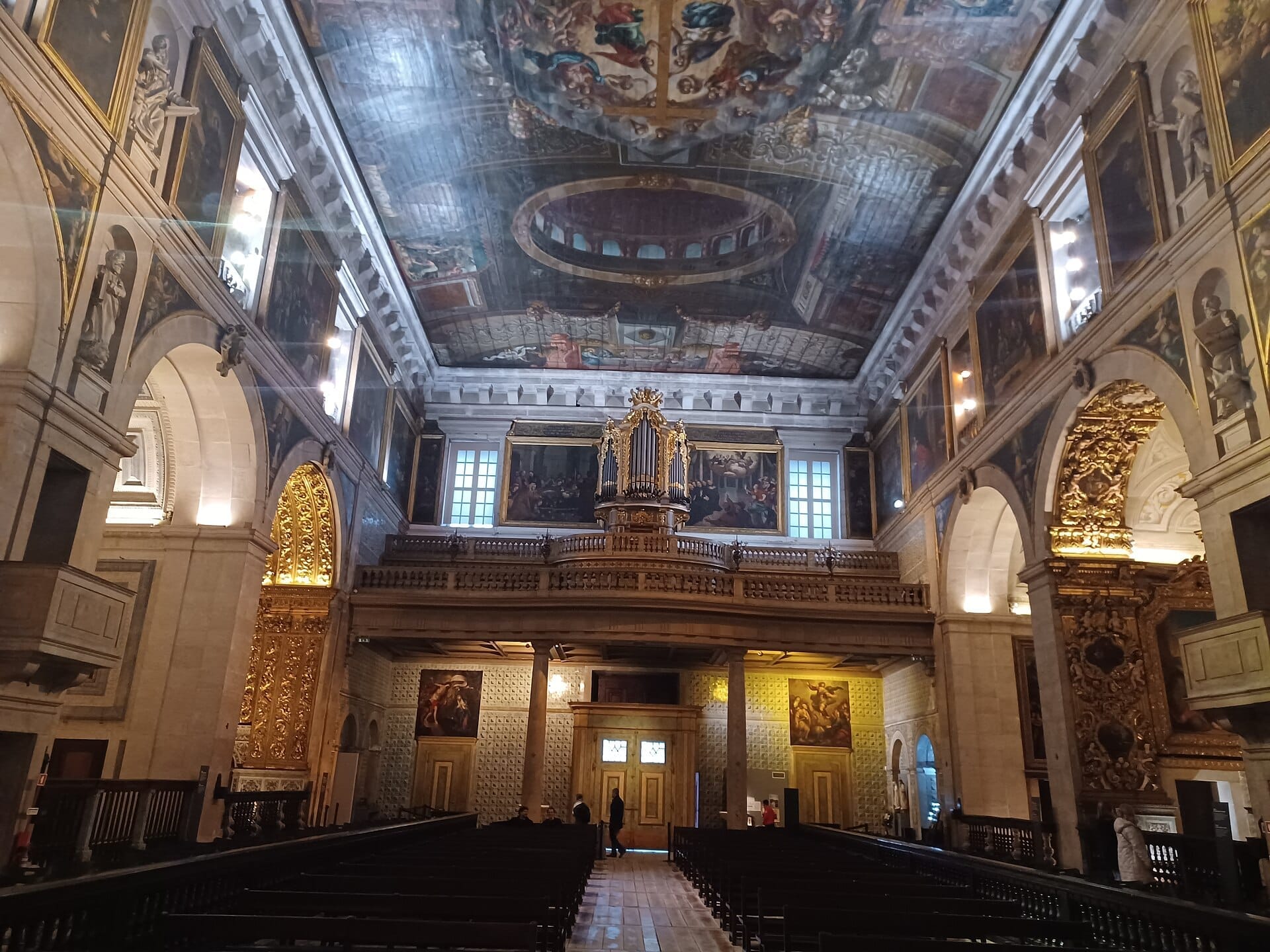
5. Step Inside São Roque for One of Europe's Most Lavish Interiors
The plain Renaissance exterior gives nothing away. Inside is a jaw-dropping sequence of chapels encrusted with lapis lazuli, amethyst, ivory, and gold. The Chapel of St. John the Baptist alone cost more to build than the entire Belém Tower. Free to enter.
Explore5. Step Inside São Roque for One of Europe's Most Lavish Interiors
The plain Renaissance exterior gives nothing away. Inside is a jaw-dropping sequence of chapels encrusted with lapis lazuli, amethyst, ivory, and gold. The Chapel of St. John the Baptist alone cost more to build than the entire Belém Tower. Free to enter.
Explore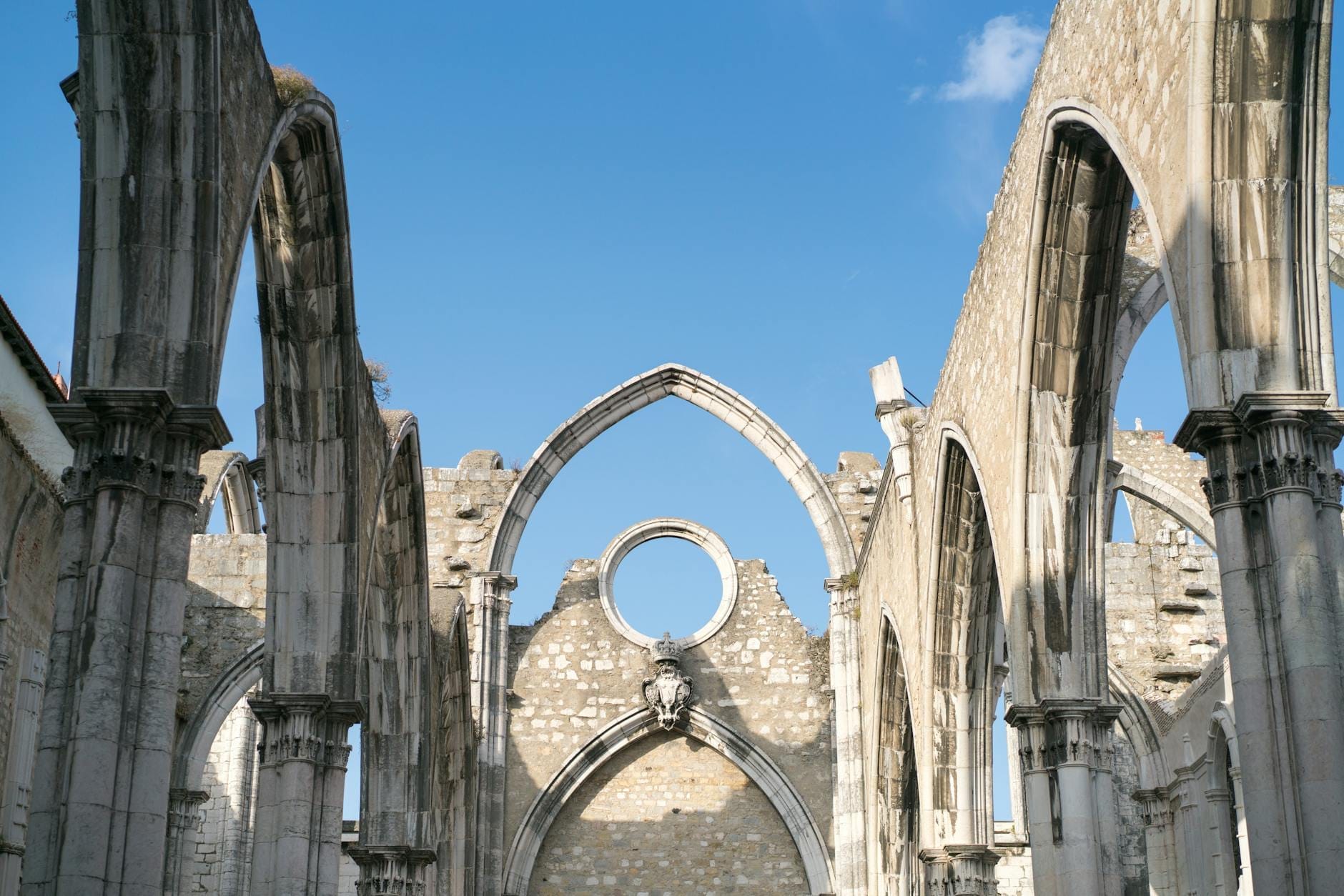
6. Wander the Roofless Gothic Ruins of the Carmo Convent
Left open to the sky after the 1755 earthquake, Carmo's skeletal Gothic arches create one of the most atmospheric spaces in Lisbon. The small archaeological museum inside houses Egyptian mummies alongside pre-Columbian artefacts. Quietly extraordinary.
Explore6. Wander the Roofless Gothic Ruins of the Carmo Convent
Left open to the sky after the 1755 earthquake, Carmo's skeletal Gothic arches create one of the most atmospheric spaces in Lisbon. The small archaeological museum inside houses Egyptian mummies alongside pre-Columbian artefacts. Quietly extraordinary.
Explore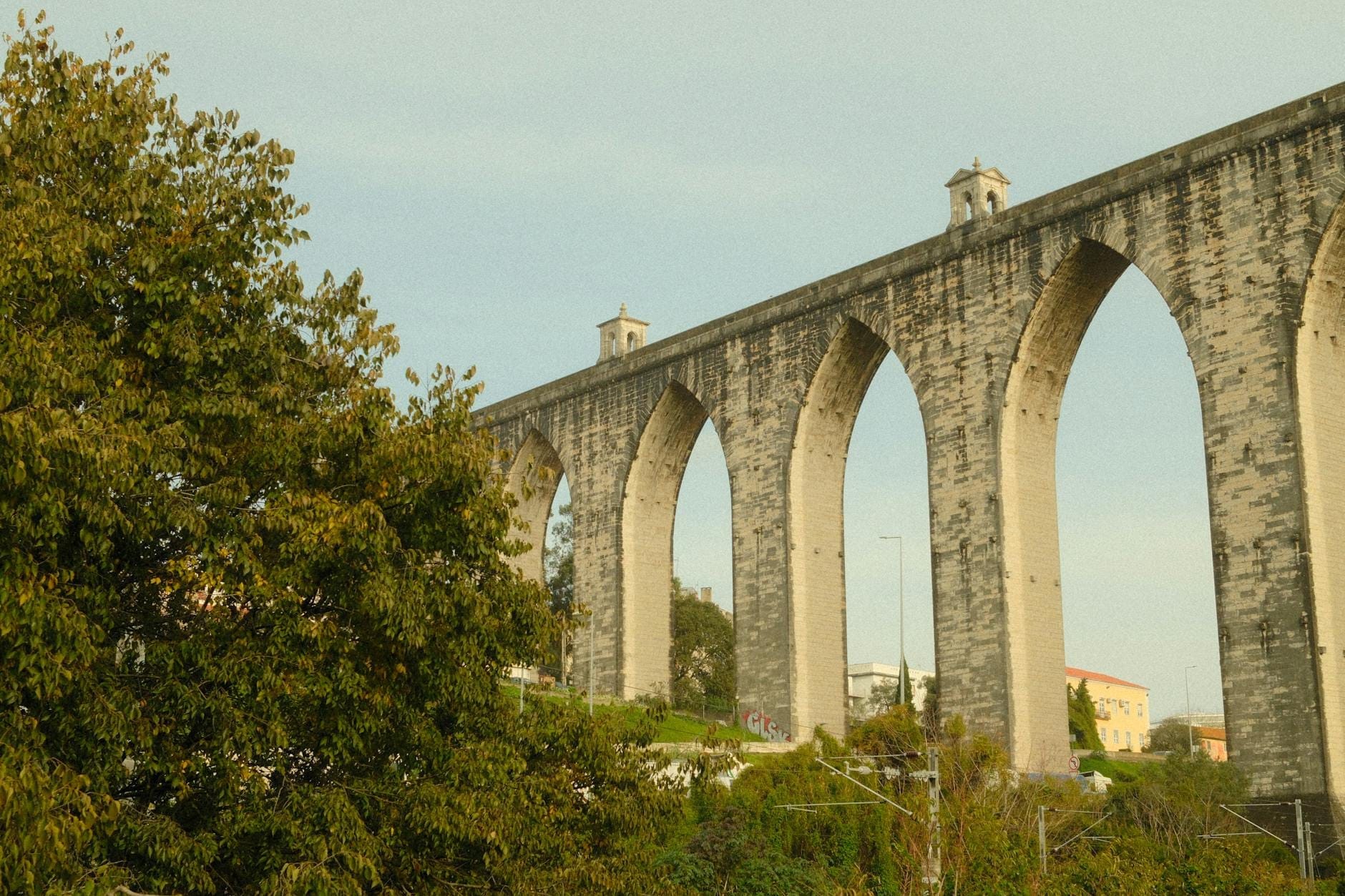
7. Walk Across the Top of Lisbon's 18th-Century Aqueduct
Most people photograph these soaring Gothic arches from below in the Alcântara valley. Fewer know you can walk along the top of the aqueduct itself for an elevated perspective over the city. On select tour days, access is possible — worth planning ahead.
Explore7. Walk Across the Top of Lisbon's 18th-Century Aqueduct
Most people photograph these soaring Gothic arches from below in the Alcântara valley. Fewer know you can walk along the top of the aqueduct itself for an elevated perspective over the city. On select tour days, access is possible — worth planning ahead.
Explore
8. Explore the Azulejo Cloister of São Vicente de Fora
This Mannerist monastery beside the Feira da Ladra market has a cloister lined with azulejo panels illustrating La Fontaine's fables — one of Lisbon's finest tile displays and almost always quiet. The rooftop view over Alfama is a bonus few visitors find.
Explore8. Explore the Azulejo Cloister of São Vicente de Fora
This Mannerist monastery beside the Feira da Ladra market has a cloister lined with azulejo panels illustrating La Fontaine's fables — one of Lisbon's finest tile displays and almost always quiet. The rooftop view over Alfama is a bonus few visitors find.
Explore
9. Climb the Roof of the Estrela Basilica for Views Over Western Lisbon
This late 18th-century domed basilica dominates the Estrela skyline but sees a fraction of Belém's visitors. The white marble interior is serene, and guided rooftop access gives you panoramic views over the city's quieter western neighborhoods.
Explore9. Climb the Roof of the Estrela Basilica for Views Over Western Lisbon
This late 18th-century domed basilica dominates the Estrela skyline but sees a fraction of Belém's visitors. The white marble interior is serene, and guided rooftop access gives you panoramic views over the city's quieter western neighborhoods.
ExploreMarkets and Local Food Scenes Worth Seeking Out
The Time Out Market gets all the press, but Lisbon's more characterful food experiences are found in its neighbourhood markets. If you want a fuller picture of where and what to eat, our Lisbon food guide covers the city's eating scene in depth.

10. Eat Like a Local at the Mercado de Campo de Ourique
Set in a residential neighbourhood that most tourists never reach, this covered market has a lively food court of fresh stalls and a produce hall that serves the local community daily. It's flat, uncrowded, and far more authentic than the riverside alternatives.
Explore10. Eat Like a Local at the Mercado de Campo de Ourique
Set in a residential neighbourhood that most tourists never reach, this covered market has a lively food court of fresh stalls and a produce hall that serves the local community daily. It's flat, uncrowded, and far more authentic than the riverside alternatives.
Explore
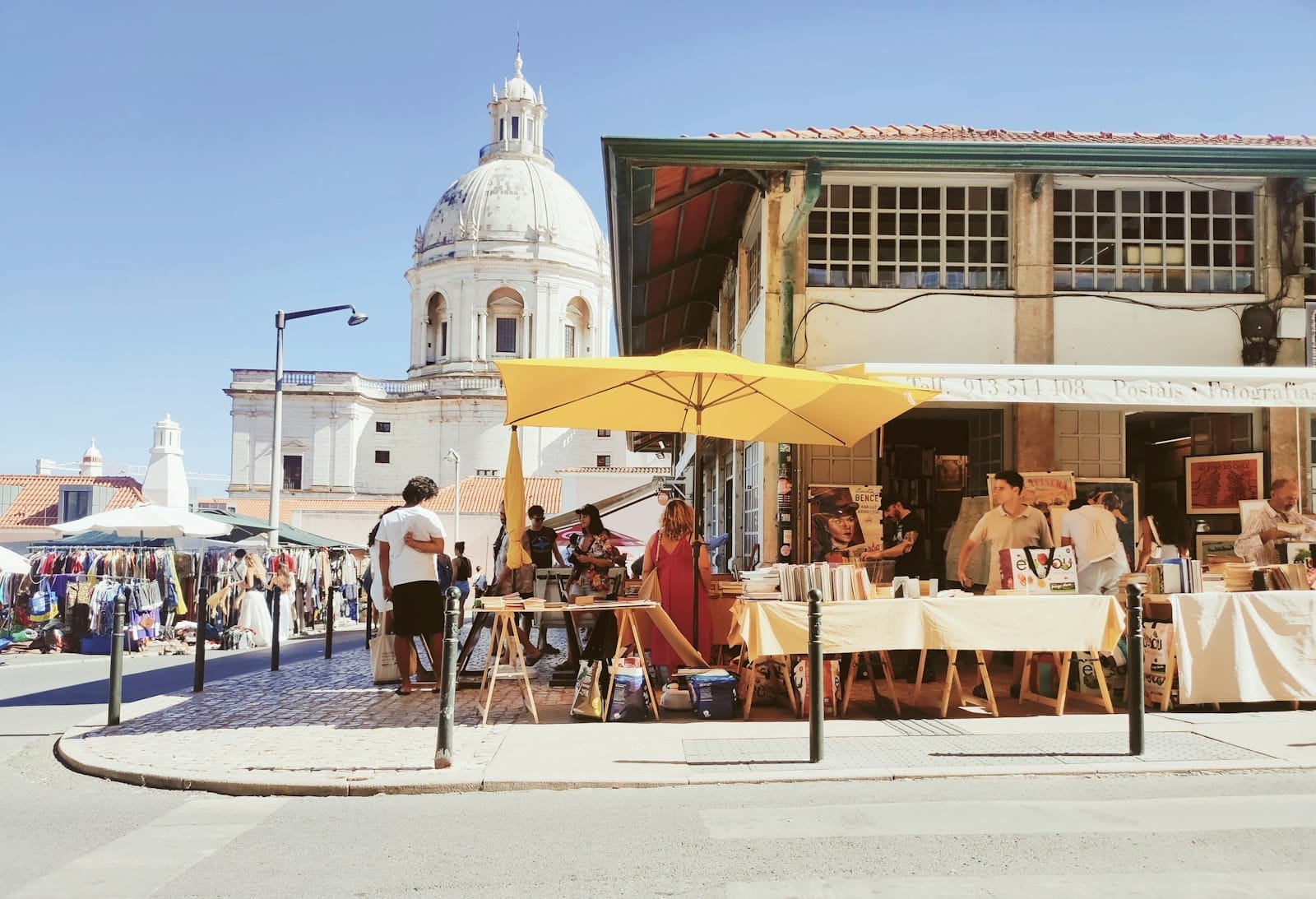
11. Hunt for Treasures at Lisbon's Sprawling Flea Market
Every Tuesday and Saturday, Campo de Santa Clara fills with vendors selling vintage ceramics, old books, army surplus, and genuine antiques alongside cheerful junk. Arrive early for the best finds; the surrounding streets and cafés reward a long morning.
Explore11. Hunt for Treasures at Lisbon's Sprawling Flea Market
Every Tuesday and Saturday, Campo de Santa Clara fills with vendors selling vintage ceramics, old books, army surplus, and genuine antiques alongside cheerful junk. Arrive early for the best finds; the surrounding streets and cafés reward a long morning.
Explore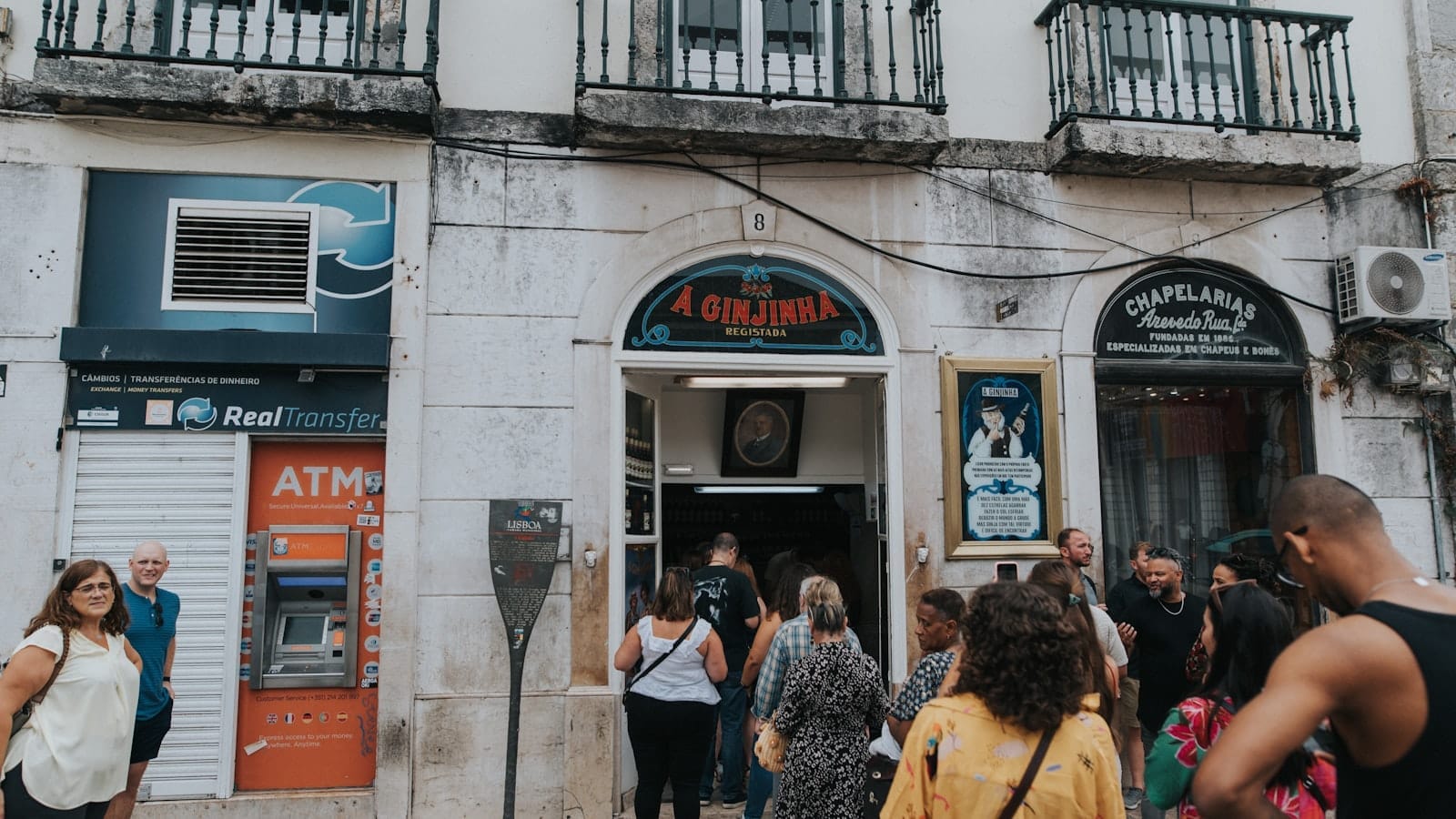
12. Order a Shot of Ginjinha from Lisbon's Most Historic Tiny Bar
This one-room bar near Rossio has served sour cherry liqueur from the same counter since 1840. There's no seating, no menu, and no frills — just ginjinha poured into a small chocolate cup if you ask. One of Lisbon's most genuine rituals, priced at under €2.
Explore12. Order a Shot of Ginjinha from Lisbon's Most Historic Tiny Bar
This one-room bar near Rossio has served sour cherry liqueur from the same counter since 1840. There's no seating, no menu, and no frills — just ginjinha poured into a small chocolate cup if you ask. One of Lisbon's most genuine rituals, priced at under €2.
Explore💡 Local tip
At A Ginjinha, ask for 'com elas' to get the liqueur-soaked cherries in your cup. It's the local way to order and adds depth to the drink.
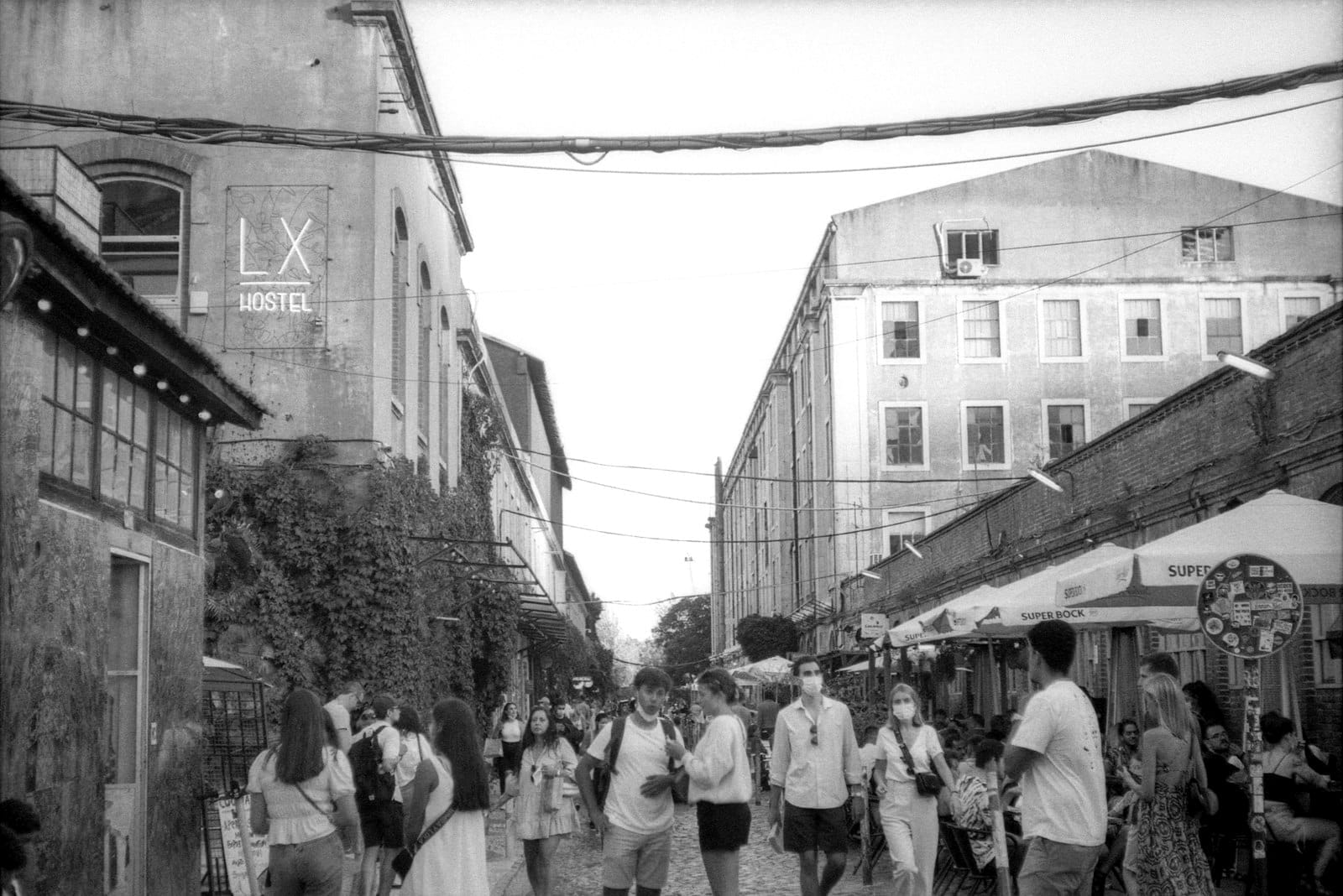
13. Spend a Sunday Morning at LX Factory's Independent Market
This repurposed 19th-century industrial complex in Alcântara hosts a Sunday market of design, food, and vintage stalls that draws a creative local crowd. The resident restaurants and bookshop-café are worth visiting any day of the week, but Sunday is the highlight.
Explore13. Spend a Sunday Morning at LX Factory's Independent Market
This repurposed 19th-century industrial complex in Alcântara hosts a Sunday market of design, food, and vintage stalls that draws a creative local crowd. The resident restaurants and bookshop-café are worth visiting any day of the week, but Sunday is the highlight.
ExploreMuseums and Collections Few People Discover
Lisbon has well over 50 museums, but visitor attention concentrates on a handful. The city's best museums guide covers the full picture, but the following deserve special attention for their depth relative to the crowds they attract.
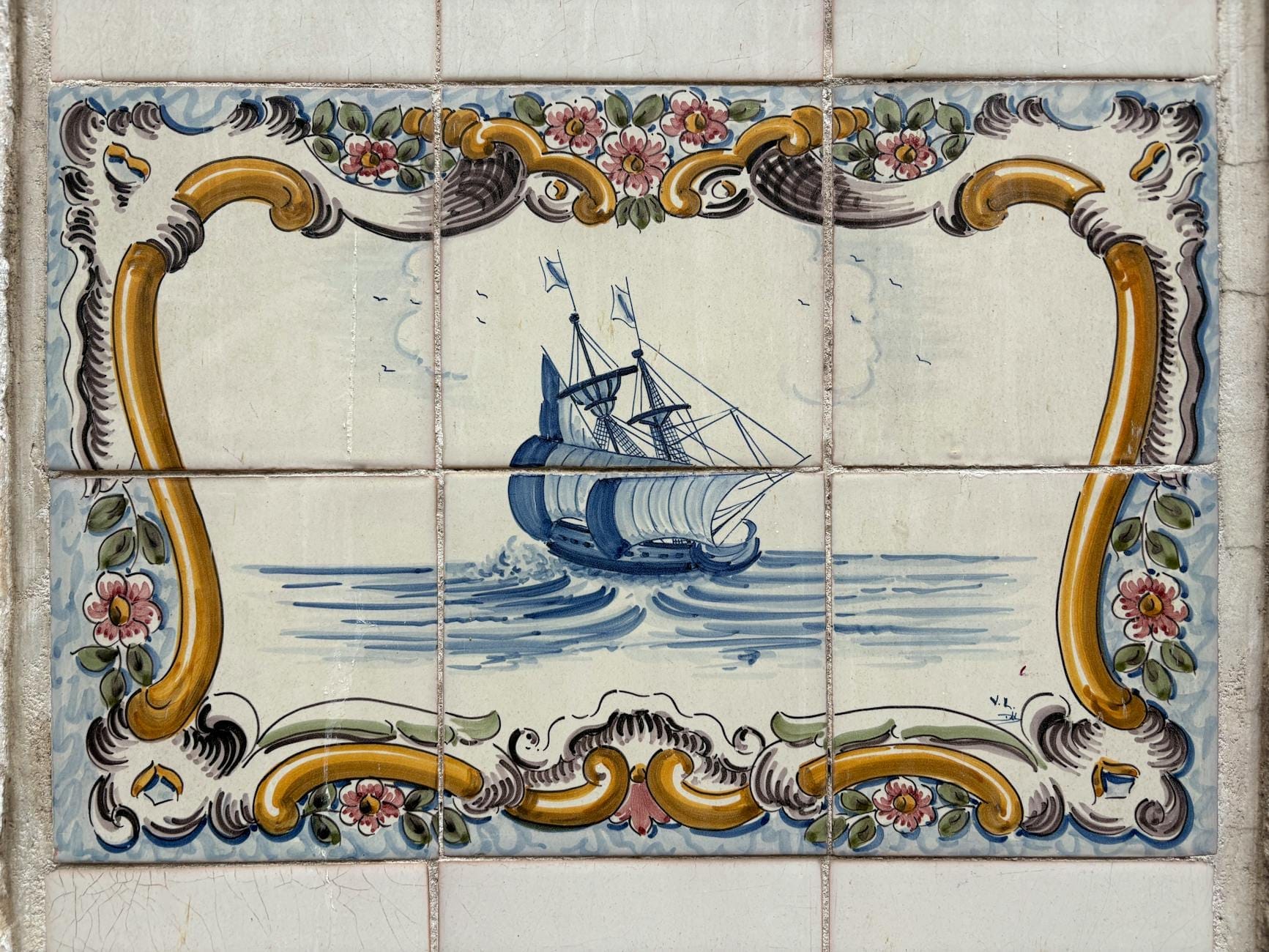
14. Trace 500 Years of Portuguese Tile Art at the National Tile Museum
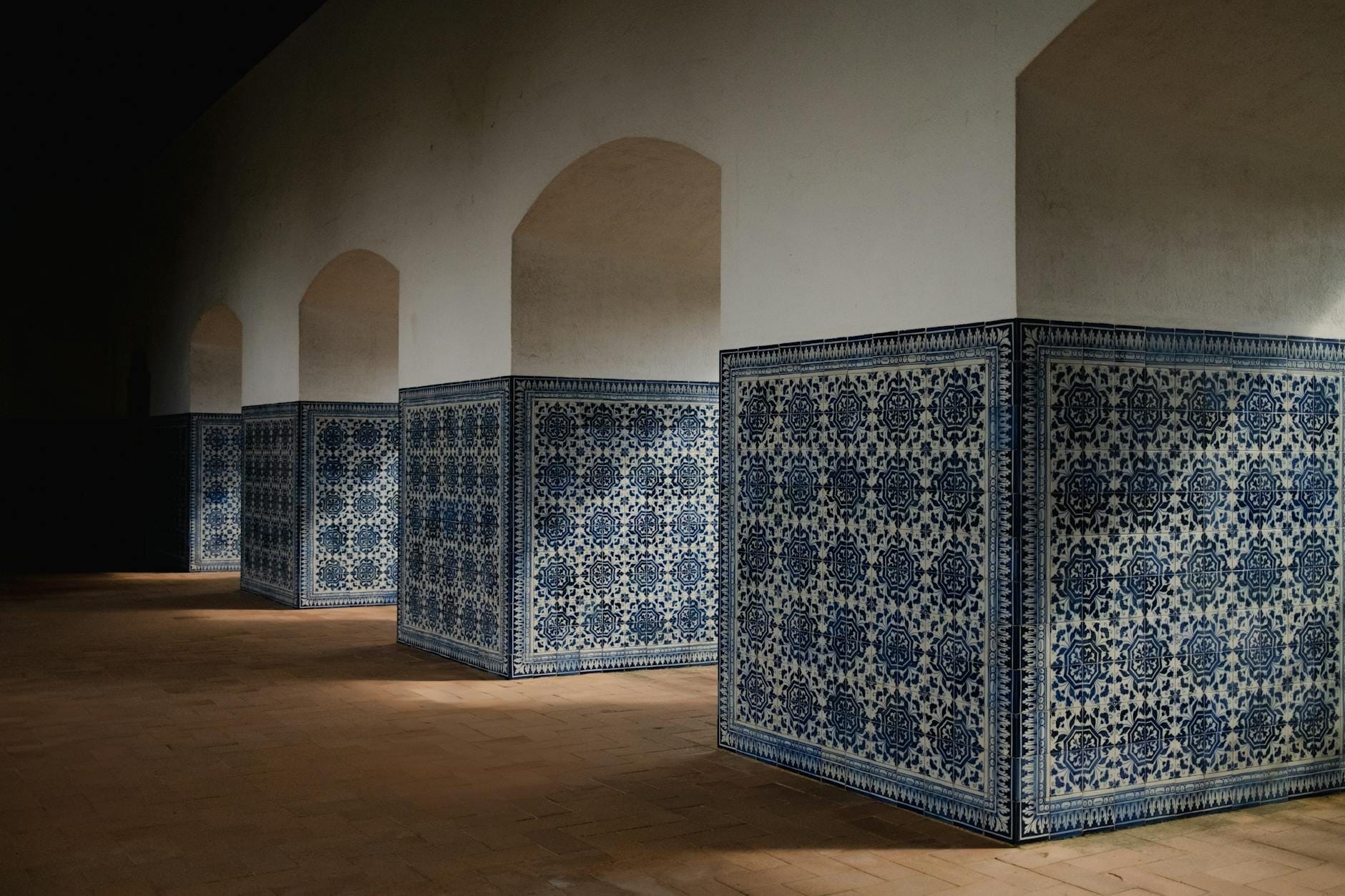
Housed in a former convent on the edge of the city, this is one of Portugal's finest specialist museums. The azulejo panels span five centuries, the chapel interior is breathtaking, and the 23-metre panoramic tile view of pre-earthquake Lisbon is genuinely unmissable.
Explore14. Trace 500 Years of Portuguese Tile Art at the National Tile Museum
Housed in a former convent on the edge of the city, this is one of Portugal's finest specialist museums. The azulejo panels span five centuries, the chapel interior is breathtaking, and the 23-metre panoramic tile view of pre-earthquake Lisbon is genuinely unmissable.
Explore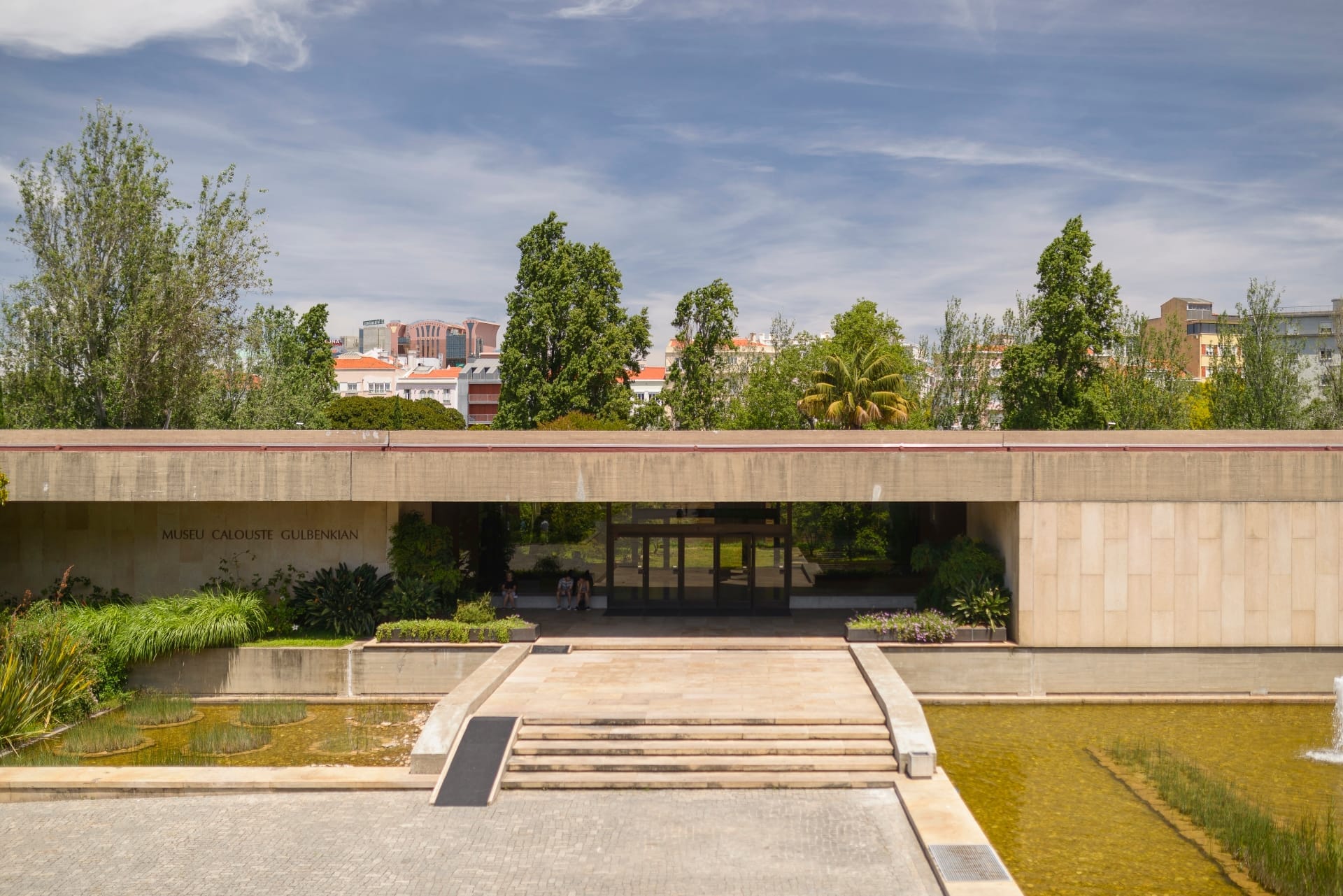
15. Spend an Afternoon in the Gulbenkian's World-Class Collection
Calouste Gulbenkian's personal collection ranges from ancient Egyptian art to René Lalique jewellery and Flemish masters, all displayed in a serene 1960s building surrounded by modernist gardens. Consistently overlooked by first-time visitors, consistently loved by those who find it.
Explore15. Spend an Afternoon in the Gulbenkian's World-Class Collection
Calouste Gulbenkian's personal collection ranges from ancient Egyptian art to René Lalique jewellery and Flemish masters, all displayed in a serene 1960s building surrounded by modernist gardens. Consistently overlooked by first-time visitors, consistently loved by those who find it.
Explore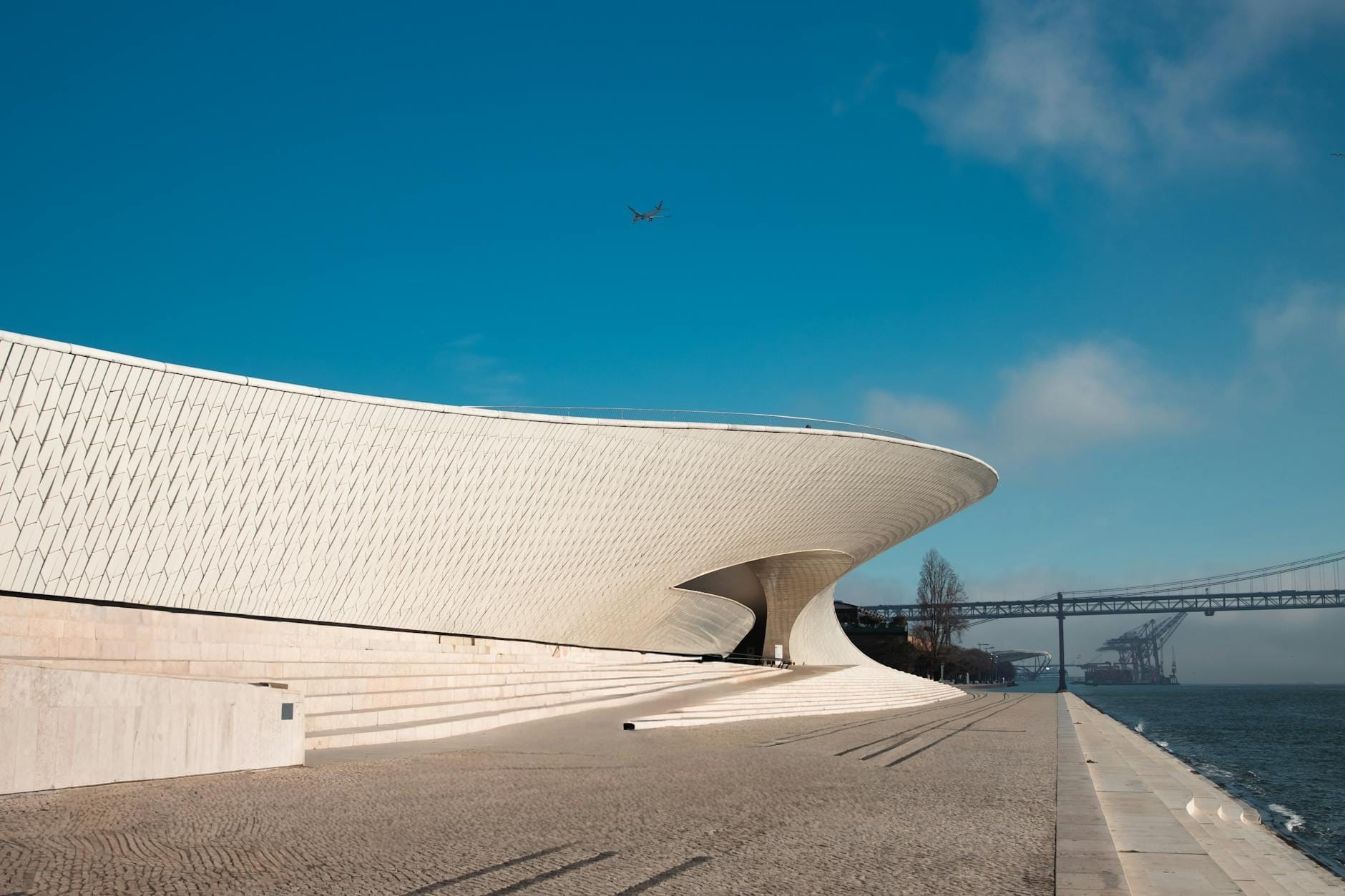
16. Walk Across the Roof of the MAAT Museum on the Tagus Waterfront
MAAT's wave-shaped white tiled roof is a public walkway giving some of the best river views in Belém, and it's free to access. Inside, the contemporary art exhibitions and the adjacent power station host some of Lisbon's most ambitious shows outside the Gulbenkian.
Explore16. Walk Across the Roof of the MAAT Museum on the Tagus Waterfront
MAAT's wave-shaped white tiled roof is a public walkway giving some of the best river views in Belém, and it's free to access. Inside, the contemporary art exhibitions and the adjacent power station host some of Lisbon's most ambitious shows outside the Gulbenkian.
Explore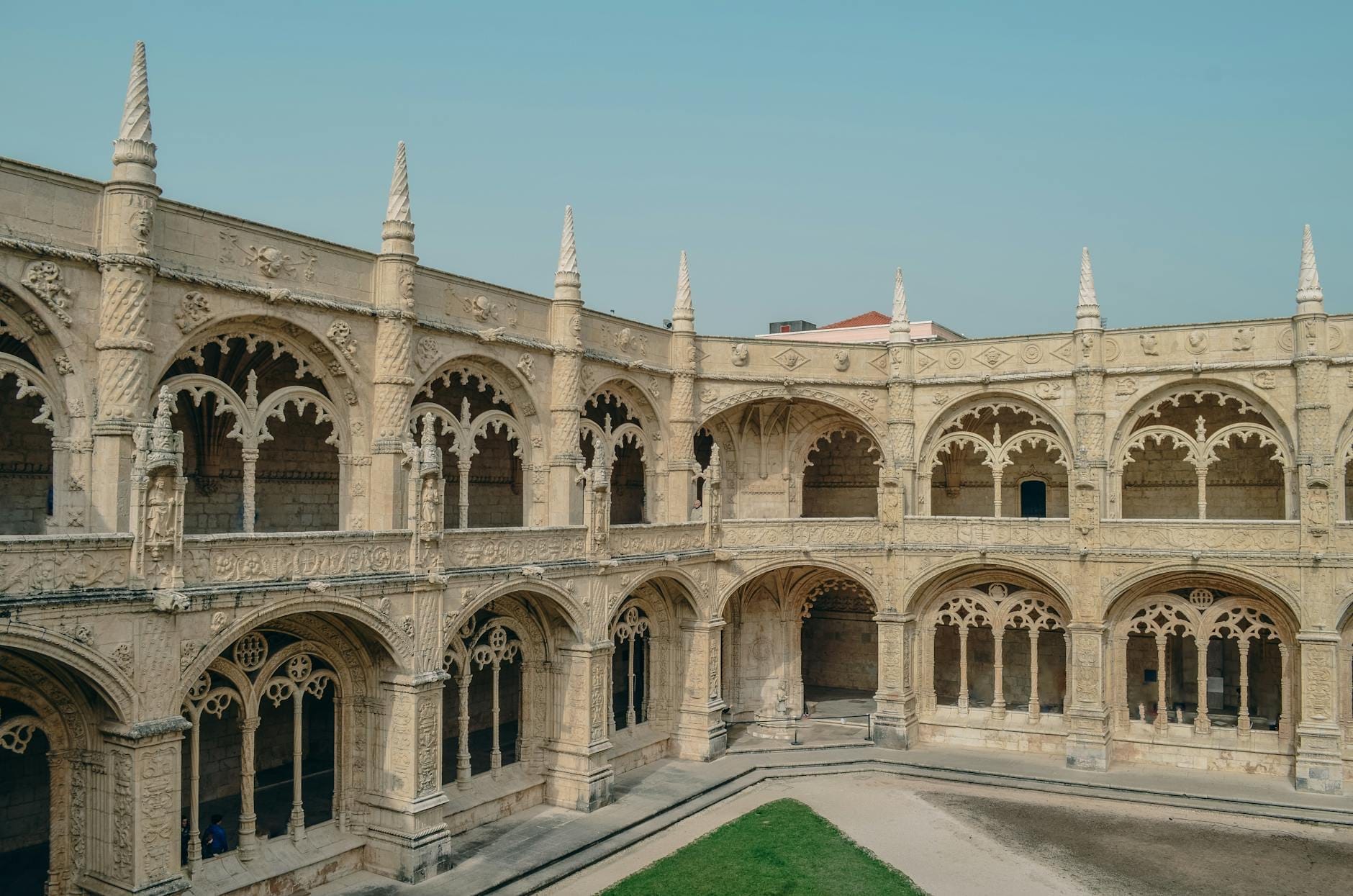
17. Discover Egyptian Mummies Inside the Jerónimos Monastery's Hidden Wing
Most visitors photograph the monastery's exterior and move on. A wing of the same building holds Portugal's national archaeology collection: Iron Age gold jewellery, Roman mosaics, and a genuine Egyptian antiquities room. Entry is separate from the monastery and rarely crowded.
Explore17. Discover Egyptian Mummies Inside the Jerónimos Monastery's Hidden Wing
Most visitors photograph the monastery's exterior and move on. A wing of the same building holds Portugal's national archaeology collection: Iron Age gold jewellery, Roman mosaics, and a genuine Egyptian antiquities room. Entry is separate from the monastery and rarely crowded.
ExploreGreen Spaces and Quiet Escapes

Lisbon's parks and gardens are often the city's best-kept secret for both travellers and residents. If you're visiting in warmer months, our guide to Lisbon in summer has practical tips for navigating the city when temperatures rise.
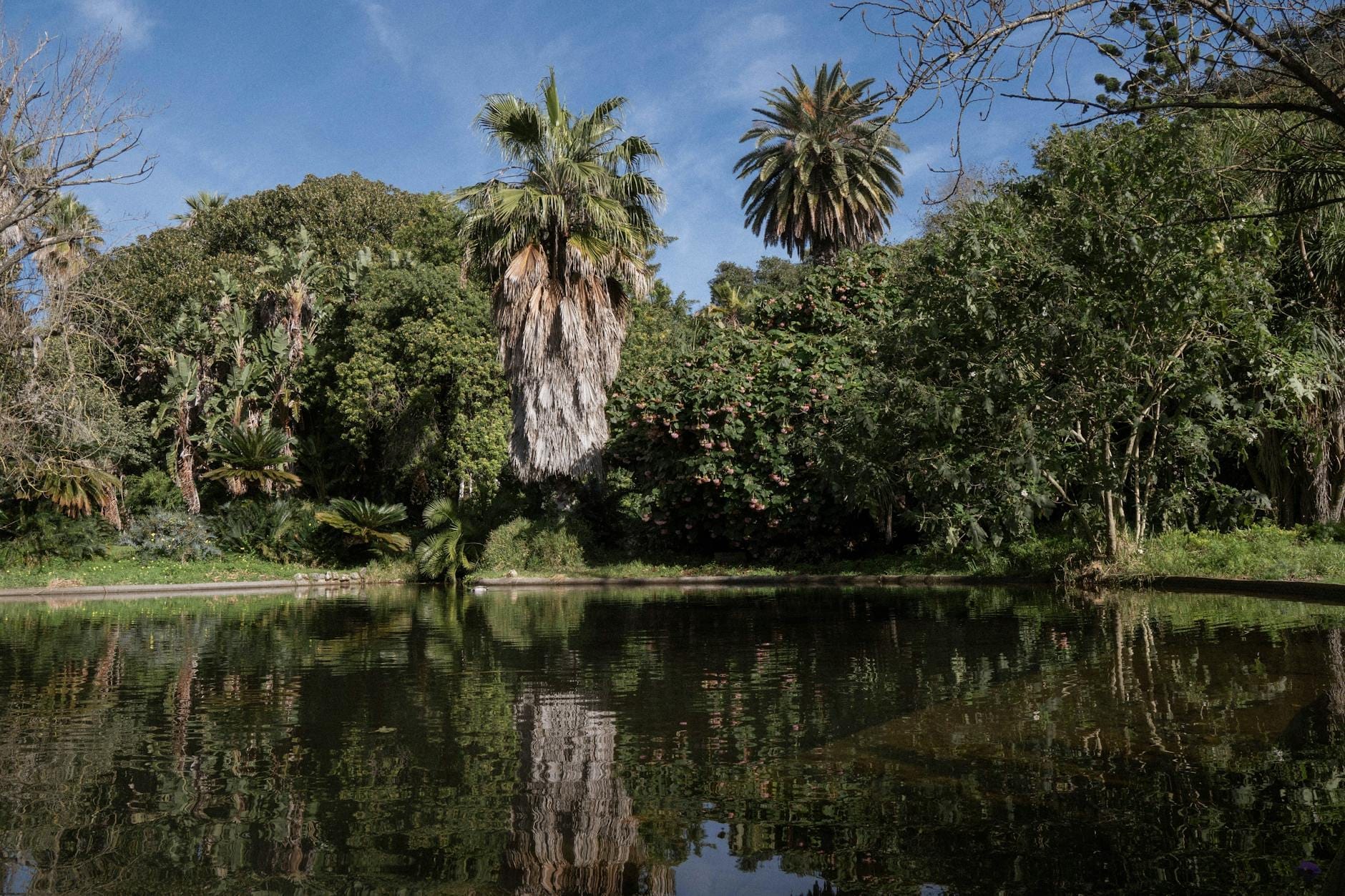
18. Find a Quiet Afternoon in the Jardim da Estrela's Victorian Garden
Tucked opposite the Estrela Basilica, this romantic Victorian garden has a duck pond, bandstand, old-growth trees, and a reliable café popular with Lisbon expats. It's a genuine neighbourhood park, best on a weekday when the benches fill with locals rather than visitors.
Explore18. Find a Quiet Afternoon in the Jardim da Estrela's Victorian Garden
Tucked opposite the Estrela Basilica, this romantic Victorian garden has a duck pond, bandstand, old-growth trees, and a reliable café popular with Lisbon expats. It's a genuine neighbourhood park, best on a weekday when the benches fill with locals rather than visitors.
Explore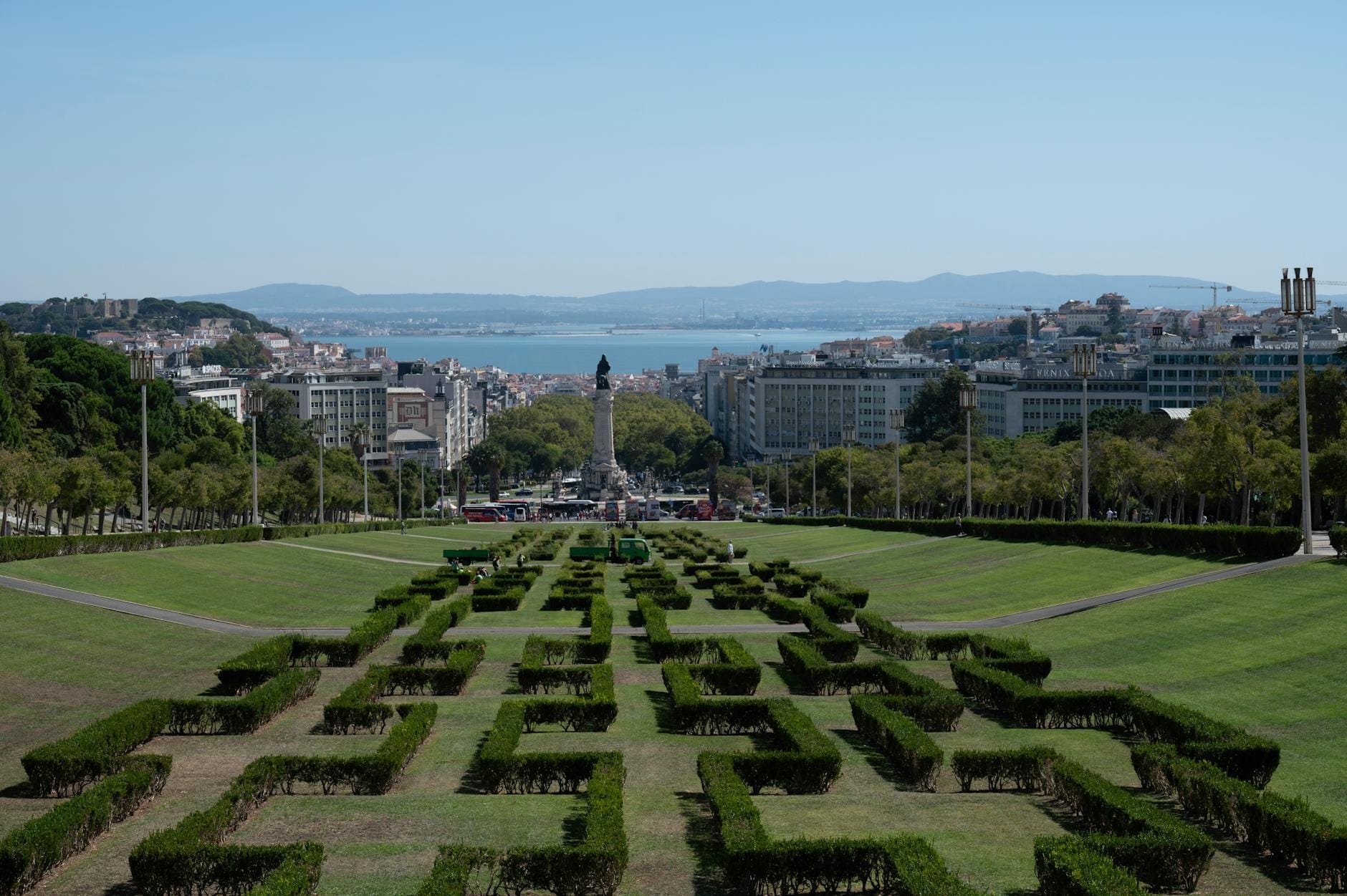
19. Explore the Estufa Fria Greenhouse Inside Parque Eduardo VII
Most people walk the formal geometric lawns and leave. The real discovery is the Estufa Fria at the park's northern end: a latticed greenhouse of exotic tropical plants, ponds, and shaded walkways that feels completely separate from the city outside. Entry costs under €4.
Explore19. Explore the Estufa Fria Greenhouse Inside Parque Eduardo VII
Most people walk the formal geometric lawns and leave. The real discovery is the Estufa Fria at the park's northern end: a latticed greenhouse of exotic tropical plants, ponds, and shaded walkways that feels completely separate from the city outside. Entry costs under €4.
Explore✨ Pro tip
The Estufa Fria inside Parque Eduardo VII keeps its own opening hours and charges a small separate entry fee. Check the current schedule before visiting, as it sometimes closes on Mondays.

20. Explore Sintra's Most Underrated Palace at Monserrate
While Pena Palace draws the queues, Monserrate sits 3 kilometres away with almost no wait. Its Moorish, Gothic, and Indian architectural fusion is unique in Portugal, and the surrounding botanical garden has one of the most diverse plant collections in the country.
Explore20. Explore Sintra's Most Underrated Palace at Monserrate
While Pena Palace draws the queues, Monserrate sits 3 kilometres away with almost no wait. Its Moorish, Gothic, and Indian architectural fusion is unique in Portugal, and the surrounding botanical garden has one of the most diverse plant collections in the country.
ExploreFAQ
What are the most underrated viewpoints in Lisbon?
Miradouro da Senhora do Monte and Miradouro da Graça in the Graça neighbourhood are consistently quieter than Portas do Sol and Santa Luzia, and offer wider panoramas. The National Pantheon rooftop is also excellent and almost always uncrowded.
Which Lisbon museums are worth visiting but rarely crowded?
The National Tile Museum, the Gulbenkian Museum, and the National Museum of Archaeology all have exceptional collections and rarely have queues. The MAAT in Belém is another strong option for contemporary art with far fewer visitors than the nearby Jerónimos Monastery.
Are there any free hidden gems in Lisbon?
Yes. Igreja de São Roque is free to enter and has one of the most lavish church interiors in Europe. The Santa Luzia and Graça miradouros cost nothing. The MAAT roof walkway is publicly accessible without a museum ticket. A Ginjinha costs under €2, which practically makes it free.
What neighbourhood should I explore to avoid tourists in Lisbon?
Campo de Ourique is flat, residential, and genuinely local. Its covered market is one of the best in the city and the surrounding streets have excellent independent cafés and restaurants with no tourist markup. Graça is another strong option for a quieter Lisbon experience.
Is the Feira da Ladra flea market worth visiting?
Yes, if you go early on a Tuesday or Saturday. The market in Campo de Santa Clara runs from roughly 9am to early afternoon. The best stalls sell vintage ceramics, old postcards, and genuine antiques. Later in the morning, vendor density increases and prices tend to firm up.
Tickets & tours
Live prices and dates from our booking partner. If you book, we may earn a commission at no extra cost to you.
Planning a trip? Discover personalized activities with the Nomado app.