Mercado de Campo de Ourique: Lisbon's Most Liveable Market
Tucked into the residential Campo de Ourique neighbourhood, this covered market has served locals since 1934. By day it sells fresh produce; by evening it fills with food stalls, wine, and Lisbonites who actually live nearby. Free to enter, and genuinely less crowded than its famous rival.
Quick Facts
- Location
- R. Coelho da Rocha 104, Campo de Ourique, Lisbon
- Getting There
- Trams 25 and 28 to Campo de Ourique terminus, then 5-min walk; Bus 709 also stops nearby
- Time Needed
- 45 minutes (browse) to 2 hours (sit-down meal)
- Cost
- Free entry; food stalls vary, expect €3–12 per dish
- Best for
- Food lovers, slow mornings, families, travellers wanting a local rather than tourist atmosphere
- Official website
- www.mercadodecampodeourique.com
What the Mercado de Campo de Ourique Actually Is
The Mercado de Campo de Ourique is a covered municipal market that has anchored this quiet, middle-class neighbourhood since 1934. It was remodelled in 1991 and again in 2013 by architect António Maria Braga, who updated the interior without stripping out its essential character. The building is low, solid, and unpretentious: iron columns, a tiled facade, and wide doorways that let in the light and the smell of fresh fish in the morning.
Unlike the gleaming, Instagram-engineered food halls that have multiplied across European capitals, this market plays two distinct roles across a single day. Before noon it functions as a working produce market, supplying the neighbourhood with vegetables, fruit, meat, cheese, and dried goods. After lunch, and especially in the evenings, it transitions into a compact food court, with stalls serving everything from bacalhau to craft beer, and tables filling with people who live within walking distance.
ℹ️ Good to know
Opening hours vary significantly by day. The market opens at 10:00 AM. Evening food stall hours extend to around midnight on Fridays and Saturdays, and to around 23:00 on Sundays. Hours on weekdays can close earlier. Verify current hours at the official website before planning your visit.
Morning at the Market: The Produce Stalls
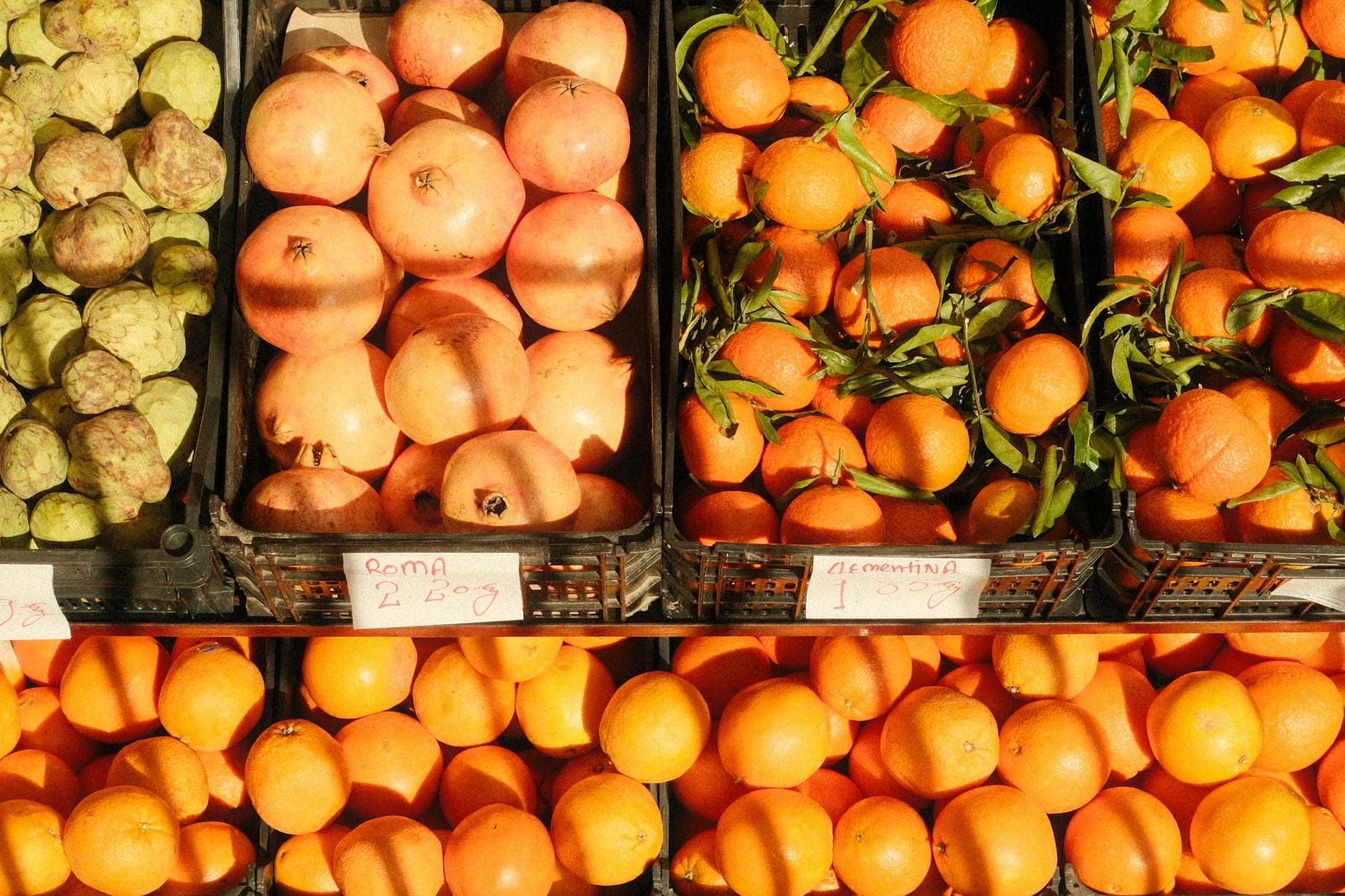
Arrive before 10:00 on a weekday and you will catch the market at its most functional and most honest. The produce section fills the central hall: stacked crates of seasonal vegetables, strings of garlic, whole fish laid on ice, and cuts of pork and lamb at the butchers' counters. The floor is often wet from the fish stalls, and the air carries a combination of citrus peel, fresh herbs, and sea salt.
The stallholders here are regulars who have been selling to the same customers for years. Conversations happen in Portuguese and move quickly. If you are a traveller rather than a resident, you are still welcome, but you are also slightly beside the point — which is precisely what makes the morning visit worth doing. This is a neighbourhood going about its business, not a neighbourhood performing itself for an audience.
Saturday mornings are the most active, with the widest selection of produce and the highest foot traffic from local shoppers. If you are combining a visit with a walk through the neighbourhood, this is the best day to arrive early and then follow the streets toward the Jardim da Parada or the Igreja de Santo Condestável, the neo-Gothic church that stands a short walk away.
Tickets & tours
Live prices and dates from our booking partner. If you book, we may earn a commission at no extra cost to you.
Belem and Modern Lisbon bus hop-on hop-off combined tickets
From 28 €Instant confirmationFree cancellationSt. George Castle E-ticket and Audio Tour
From 28 €Instant confirmationLisbon Story Centre entrance tickets
From 7 €Instant confirmationFree cancellationYellow boat river tour
From 24 €Instant confirmationFree cancellation
Evenings: Food Stalls, Wine, and a Neighbourhood in Motion
The market's evening persona is what draws most visitors, and it holds up well. The food stalls line the perimeter and centre of the hall, offering a rotating cast of dishes: fresh pasta, grilled seafood, Portuguese petiscos, Japanese-inflected small plates, and decent local wine by the glass. Compared to the Time Out Market in Cais do Sodré, which draws enormous tourist crowds and prices to match, Campo de Ourique feels noticeably calmer. The clientele skews local. Families with young children share tables with couples and groups of friends from the neighbourhood.
The indoor-outdoor layout works in its favour during mild weather, when the doors are open and tables spill toward the entrance. In summer, arrive by 19:30 if you want a table without a wait. On Friday and Saturday evenings by 21:00, the place is full and loud in a convivial rather than chaotic way. The acoustics of the old iron-roofed hall let sound bounce around freely.
💡 Local tip
On weekday evenings before 20:00, the market is noticeably quieter and you can take your time choosing between stalls. This is the window to visit if you dislike navigating a crowd with a plate of food in hand.
Architecture and History: More Than a Renovation Story
The market opened in 1934, during the Estado Novo period, when Lisbon's municipal government invested in covered market infrastructure across the city. The original structure was practical rather than decorative, designed to serve a dense, well-established residential neighbourhood that had developed rapidly in the late 19th and early 20th centuries. Campo de Ourique was, and largely remains, a neighbourhood of apartment buildings and small businesses rather than tourist infrastructure.
The 2013 renovation by António Maria Braga preserved the market's bones while integrating modern kitchen infrastructure for the food stalls. The result is a building that reads as continuous with its past rather than reinvented. The tilework on the exterior, the column structure inside, and the general proportions of the hall all remain legible as belonging to the original 1930s vision. This is not always a given in Portuguese market renovations, where the temptation to add exposed steel and Edison bulbs can overwhelm what was already there.
Getting There and Getting Around the Neighbourhood
Campo de Ourique sits on the western side of Lisbon, uphill from the Amoreiras area and separated from the tourist centre by a significant climb. The most atmospheric route is Trams 28 or 25, which passes through the neighbourhood and terminates nearby — though both trams are also heavily used and can be crowded during peak hours. Bus 709 is a faster and less romantic alternative. If you are exploring on foot and enjoy hill walking, the Elevador de Santa Justa is too far to be a practical connector, but walking from Príncipe Real downhill and then back up is a reasonable combination for a half-day itinerary.
The Lisboa Card covers public transport across the city, including the buses and trams that serve this area. Given that the market itself is free to enter, the card's value here is in the transit rather than admission savings. If you are using Uber or Bolt, the market is easy to locate and drop-off on Rua Coelho da Rocha is straightforward outside peak traffic hours.
After visiting the market, the neighbourhood rewards some wandering. The streets around Campo de Ourique are lined with small local cafés, independent bookshops, and the kind of pastelaria that still charges under a euro for espresso. If you are building a broader itinerary in this part of the city, Basílica da Estrela and the Jardim da Estrela are both within 15 minutes on foot and make a logical pairing for a leisurely afternoon.
Honest Assessment: Who Should Come, and Who Might Not
If you are short on time and want to sample Lisbon's food scene in a single concentrated visit, the Time Out Market offers more stalls, more variety, and a more polished operation — at the cost of crowds and higher prices. Mercado de Campo de Ourique is not a substitute for that experience; it is a different kind of experience altogether.
Travellers who are primarily interested in architectural spectacle will find the building modest rather than impressive. The market is not visually dramatic, and it does not try to be. For anyone who finds the overcommercialization of Lisbon's central areas exhausting, however, Campo de Ourique functions as a genuine reset. The neighbourhood does not perform charm for visitors; it simply gets on with being a neighbourhood.
The market is well-suited to families with children — the single-storey ground-floor layout is pushchair-friendly, the atmosphere is relaxed, and the variety of food stalls means picky eaters can usually find something. For those planning a broader itinerary across Lisbon, this pairs well with a morning visit to the National Tile Museum or an afternoon at LX Factory, both of which are different in tone but share the appeal of spaces that still feel tethered to actual Lisbon life.
⚠️ What to skip
The market is significantly quieter — sometimes almost empty in the produce section — on weekday afternoons between around 13:00 and 17:00. If you arrive during this window expecting a lively scene, you may find it sleepy. Plan accordingly.
Insider Tips
- The pastry counter near the entrance often stocks regional specialities beyond the standard natas — look for queijadas and regional biscuits that do not appear in central Lisbon bakeries.
- If you are visiting on a Saturday morning, combine the market with a walk along Rua Saraiva de Carvalho, where several small local cafés serve excellent coffee to the neighbourhood crowd at non-tourist prices.
- The market's food stalls rotate and evolve. If you visited a year or two ago, some of the specific vendors may have changed. Do not arrive with fixed expectations about a particular dish or concept.
- Tables inside the hall fill quickly on Friday and Saturday evenings. Arriving at 19:00 rather than 20:30 makes a meaningful difference in your ability to find a seat without hovering.
- The neighbourhood is largely residential and genuinely quiet after 23:00, so Campo de Ourique is not the right choice if you are looking for a late-night option — the market closes before then on most nights.
Who Is Mercado de Campo de Ourique For?
- Food travellers who want a market experience that still primarily serves local residents
- Families with young children who need a relaxed, ground-level, and varied dining option
- Visitors on longer stays who want to explore Lisbon beyond the central tourist circuit
- Morning shoppers and slow-travel itineraries that pair a market visit with neighbourhood walking
- Budget-conscious travellers: free entry, moderate food prices, and no pressure to spend
Nearby Attractions
Combine your visit with:
- Aqueduto das Águas Livres
Standing 65 metres above the Alcântara Valley on 35 soaring Gothic arches, the Aqueduto das Águas Livres is one of the most extraordinary feats of 18th-century engineering in Europe. Free to admire from street level and easy to combine with other west-Lisbon sights, it rewards visitors who look up from the city's quieter edges.
- Cabo da Roca
Cabo da Roca is the westernmost point of mainland Europe, a wind-scoured cape rising 165 metres above the Atlantic Ocean in the Sintra-Cascais Natural Park. It combines raw coastal scenery, genuine historical weight, and easy access from both Lisbon and Sintra into one of Portugal's most geographically significant stops.
- Cascais
Forty minutes west of Lisbon by train, Cascais trades the capital's urban intensity for whitewashed streets, Atlantic beaches, and a marina ringed by seafood restaurants. Once the summer retreat of Portuguese kings, it remains one of the most complete day trips available from Lisbon.
- Costa da Caparica Beaches
Costa da Caparica stretches 30 kilometres down the Atlantic coast, just 30 minutes from central Lisbon. Free to access year-round, it ranges from family-friendly Blue Flag beaches near the town centre to quieter surf breaks and nudist sections further south, backed by fossil-rich cliffs protected as a nature reserve.
Planning a trip? Discover personalized activities with the Nomado app.