Museu Nacional de Arqueologia: Portugal's Archaeological Crown Jewel
Housed in the west wing of the UNESCO-listed Jerónimos Monastery in Belém, the Museu Nacional de Arqueologia holds Portugal's most significant collection of prehistoric, Roman, and medieval artifacts. Note: the museum reopened after refurbishment works. Plan ahead and check the official site before visiting.
Quick Facts
- Location
- Praça do Império, 1400-206 Lisboa, Belém
- Getting There
- Tram 15E or bus to Belém stop; or train from Cais do Sodré to Belém station (5-min walk)
- Time Needed
- 1.5 to 2.5 hours
- Cost
- €6 normal rate; free with Lisboa Card. Currently closed — verify reopening before visiting.
- Best for
- History enthusiasts, archaeology lovers, visitors doing the full Belém cultural circuit
What the Museum Is and Why It Matters
The Museu Nacional de Arqueologia is Portugal's primary repository of archaeological heritage, holding collections that span from the Palaeolithic period through to the Middle Ages. Founded in December 1893 by the scholar and archaeologist José Leite de Vasconcelos, it remains one of the oldest national museums in Portugal and the institutional home of the country's most important archaeological library. For anyone serious about understanding how Portugal was shaped long before the Age of Discovery, this is the essential starting point.
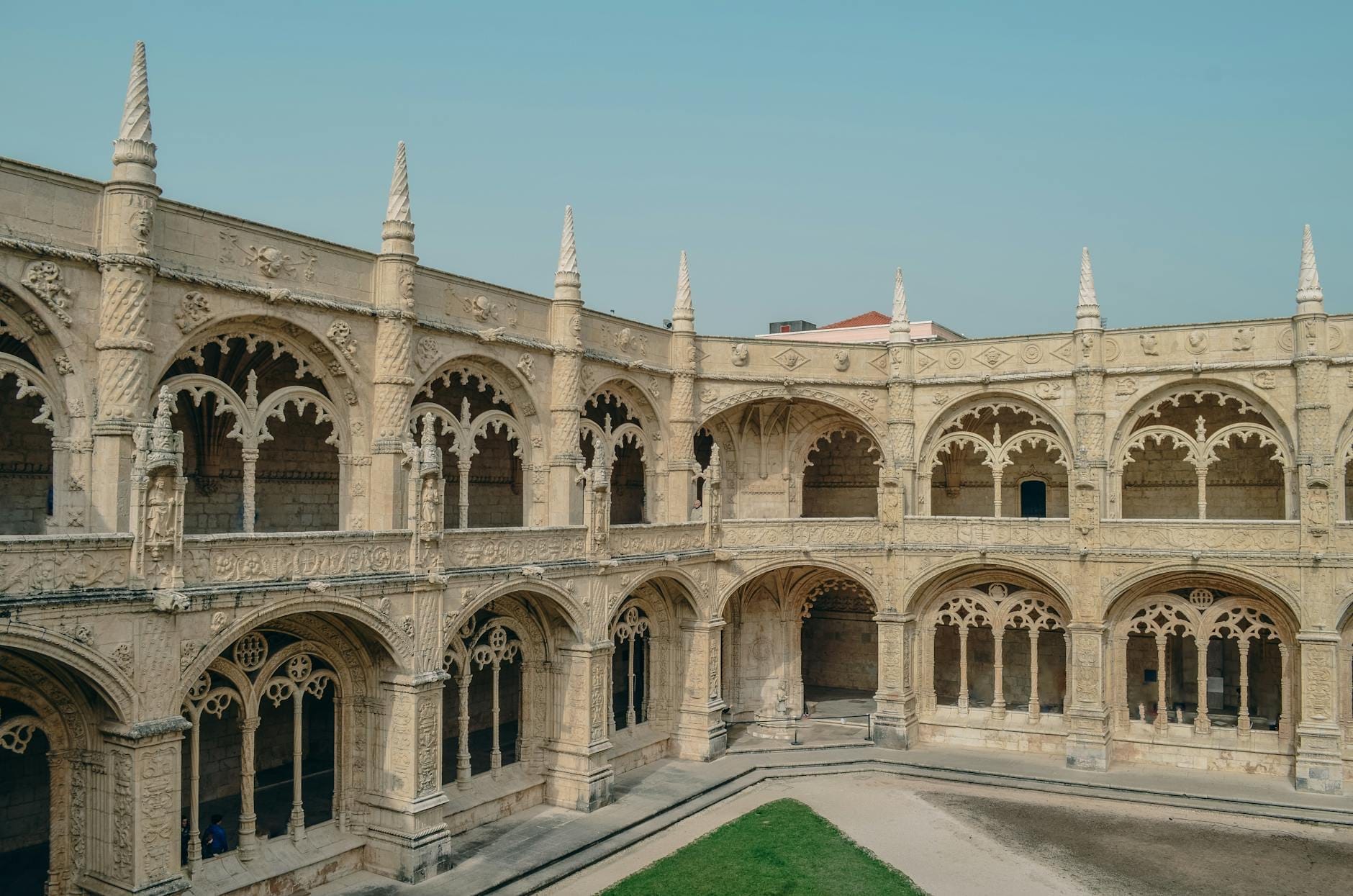
The museum's location adds significant weight to a visit. It occupies the west wing of the Jerónimos Monastery, a UNESCO World Heritage Site and the finest example of Manueline architecture in Portugal. The building itself dates to the early sixteenth century, commissioned to celebrate Vasco da Gama's return from India. Walking into the museum means walking through a structure that was already centuries old when many of its exhibited artifacts were first excavated.
⚠️ What to skip
Important: The Museu Nacional de Arqueologia has reopened following refurbishment works. at time of writing. Check the museum's official website or the Museus e Monumentos Portugal portal before making plans.
What the Collections Cover
The scope here is genuinely broad. The prehistoric galleries take you from Palaeolithic stone tools through to Iron Age goldwork, with particular strength in Bronze Age Portuguese archaeology. Among the most striking objects are pieces of Visigothic jewelry, intricate metalwork from the fifth and sixth centuries that sits far outside the usual Roman-or-Moorish narrative visitors often carry into Portuguese history museums.
The Roman section is substantial, featuring mosaics, sculpture, and inscriptions from sites across the Iberian Peninsula. The quality of the Roman mosaic collection in particular makes this a notable stop for classical antiquity enthusiasts who might otherwise head straight to Rome or Athens for this material. There are also Egyptian antiquities on display, a less expected element that reflects the breadth of Vasconcelos's original collecting vision and Portugal's own history of contact with North Africa.
The archaeological library, maintained on-site, is considered the most important of its kind in Portugal. It is primarily a research resource, but its presence signals the museum's ongoing role as a living institution, not simply a static display space.
Tickets & tours
Live prices and dates from our booking partner. If you book, we may earn a commission at no extra cost to you.
National Coach Museum E-Ticket and Audio Tour
From 24 €Instant confirmationFree cancellationSL Benfica Museum Self-Guided Tour
From 13 €Instant confirmationFree cancellationSL Benfica Stadium and Cosme Damiao Museum tour with wine tasting
From 60 €Instant confirmationFree cancellationSL Benfica Stadium and Cosme Damiao Museum tour with light meal
From 60 €Instant confirmationFree cancellation
The Building: A Manueline Setting for Ancient Objects
There is something deliberately dissonant about housing Palaeolithic flint tools inside a sixteenth-century monastery decorated with armillary spheres and nautical rope carvings. The Manueline style of the Jerónimos Monastery is expressly triumphalist, built to project imperial power and maritime ambition. The museum, occupying the western nave of that same complex, quietly reframes the story, pushing Portugal's identity back tens of thousands of years before any ship left the Tagus. If you visit the Jerónimos Monastery separately on the same day, reading the two spaces against each other rewards the effort.
The exterior facade facing Praça do Império is understated compared to the monastery's famous south portal. Inside, the galleries use the original stone spaces with varying degrees of modern intervention. Lighting in the permanent collection rooms is calibrated to the objects rather than the architecture, which means the rooms can feel cool and dimly atmospheric, appropriate for the age of what is on display.
Visiting Belém: Context and the Surrounding Area
The museum sits at the center of Belém's dense cultural cluster. Within a short walk you have the Belém Tower, the Padrão dos Descobrimentos, and the Coach Museum, one of the world's finest collections of royal carriages. Belém is a neighborhood built for a full day, not a quick stop, and grouping the Museu Nacional de Arqueologia into that itinerary makes sense both logistically and thematically: the monastery represents the peak of Portuguese imperial confidence, the archaeology museum excavates what came before it.
If you need a break between sites, the Pastéis de Belém bakery is a three-minute walk from the monastery entrance and has been making its custard tarts to the same recipe since 1837. The queues outside the main door look intimidating but move steadily, and the interior seating is larger than visitors initially expect.
💡 Local tip
Combine your visit with the Jerónimos Monastery next door and the Coach Museum nearby to get the most out of a single trip to Belém. The Lisboa Card covers free entry to the archaeology museum and discounts at multiple other Belém sites.
Getting to the Museum
Belém is straightforward to reach from central Lisbon. The most comfortable option is the commuter train from Cais do Sodré station, which drops you at Belém station in roughly 15 minutes. From the station it is a flat, five-minute walk along the riverfront to Praça do Império. Tram 15E also runs from Praça da Figueira and Cais do Sodré directly to Belém, though journey times are longer and the tram can get crowded during peak hours in summer.
There is no practical walking distance from the historic center: Belém is about six kilometers west of Baixa and best treated as a dedicated excursion rather than a casual detour. Ride-hailing apps including Uber and Bolt operate in Lisbon and are a reasonable option if you prefer door-to-door travel, particularly for families with young children or visitors with mobility considerations.
For a broader sense of how to structure a day in Belém or how to get around the city, the guides on getting around Lisbon and planning a 4-day Lisbon itinerary are worth consulting before you go.
What to Expect Inside: Atmosphere and Practical Notes
The museum is not large relative to the scale of what it holds. Crowds here have historically been thinner than at the monastery or the Belém Tower, which means on a typical weekday morning you can move through the galleries without competition. That may change depending on how the refurbished space is configured when it reopens. Mornings on weekdays are generally the quietest time for Belém overall.
The interior temperature stays noticeably cooler than outside even in summer, which is worth knowing if you are visiting during July or August when Belém can feel exposed and warm by midday. Wear a layer if you tend to run cold in air-conditioned or thick-walled stone spaces.
Photography policies inside Portuguese national museums vary and are subject to change, particularly after renovations. Flash photography is typically restricted around light-sensitive materials like textiles and organic objects. Check current guidelines at the entrance on arrival.
ℹ️ Good to know
The Lisboa Card provides free admission and is available for 24, 48, or 72-hour durations. It also includes unlimited use of the city's public transport network and free or discounted entry to dozens of other Lisbon museums and monuments.
Who Might Want to Skip This
The Museu Nacional de Arqueologia rewards curiosity about pre-modern Portugal, but it is not a crowd-pleasing visual spectacle in the way that, say, the Jerónimos Monastery's carved stone exterior is. If your time in Belém is limited to two or three hours and your interests run toward the spectacular rather than the scholarly, the monastery, the tower, and a slow coffee at the riverside will likely satisfy more than the archaeology museum would. Visitors with children under eight may also find the exhibition format less engaging than the more interactive displays at Lisbon's science-oriented venues.
Insider Tips
- The Lisboa Card pays for itself quickly in Belém alone: the archaeology museum, the Jerónimos Monastery, and the Coach Museum are all covered, and that trio easily exceeds the card's cost at standard admission rates.
- The Praça do Império gardens between the museum and the river are a good place to decompress between Belém's sites. Benches face the Tagus and the space is rarely as packed as the monument entrances nearby.
- Arriving at Belém by train from Cais do Sodré is faster and less prone to traffic delays than tram 15E during summer afternoons. The walk from the train station to the museum is flat and takes about five minutes.
- When the museum reopens post-refurbishment, check whether the reopening coincides with any temporary exhibition programming. Major national museums in Portugal frequently launch a significant show alongside a reopening to generate attention.
- The museum's archaeological library is primarily for researchers, but the building's affiliation with the Museus e Monumentos Portugal network means staff can often point you toward related collections or exhibitions elsewhere in the country if you have a particular period of interest.
Who Is Museu Nacional de Arqueologia For?
- History and archaeology enthusiasts wanting depth beyond Lisbon's maritime narrative
- Visitors completing a full Belém cultural day including the monastery and Coach Museum
- Lisboa Card holders maximizing value across Belém's national institutions
- Travelers interested in pre-Roman and early medieval Iberian history
- Anyone wanting a quiet, uncrowded indoor alternative to Belém's more heavily visited exterior monuments
Nearby Attractions
Other things to see while in Belém:
- Ajuda National Palace
The Palácio Nacional da Ajuda is Lisbon's only neoclassical royal palace, preserving the private apartments of Portugal's last monarchs almost exactly as they left them in 1910. Less visited than Belém's waterfront monuments, it rewards those who make the short uphill detour with room after room of gilded excess, personal royal objects, and the newly opened Royal Treasury Museum.
- Belém Tower
Rising from the northern bank of the Tagus River, the Torre de Belém is a 16th-century fortress that once guarded Lisbon's harbor and marked the departure point for Portugal's Age of Discovery voyages. A UNESCO World Heritage Site, it remains the most photographed monument in Portugal, combining Manueline architectural splendor with genuine historical weight.
- National Coach Museum
The Museu Nacional dos Coches in Belém holds one of the world's greatest collections of royal coaches and carriages, spanning four centuries of craftsmanship. With over 70 vehicles displayed across two architecturally striking buildings, it rewards both history enthusiasts and casual visitors who simply want to see something extraordinary.
- Jerónimos Monastery
The Mosteiro dos Jerónimos in Belém is the most ambitious architectural achievement of Portugal's Age of Discovery. Built on royal orders in 1501 and carved from honey-colored limestone, its cloister and church represent the high point of Manueline style, blending Gothic structure with maritime imagery in stone. This is where Vasco da Gama is entombed, and where Portugal chose to bury its poets alongside its explorers.
Planning a trip? Discover personalized activities with the Nomado app.