Getting Around Lisbon: Transport, Trams & Airport Transfers
Lisbon has one of Europe's most layered transport networks, mixing a modern metro with century-old trams and scenic ferries. This guide breaks down every option with real prices, route details, and honest advice on what actually works for visitors.
Tickets & tours
Live prices and dates from our booking partner. If you book, we may earn a commission at no extra cost to you.
TL;DR
- The metro (Red Line) is the fastest and cheapest way from Lisbon Airport to the city center: around €1.85 with a Navegante card, taking roughly 20 minutes.
- Tram 28E is scenic but overcrowded in summer. Walk the Alfama hills instead and ride it only at off-peak hours.
- Buy a Navegante card (€0.50 one-time fee) and load credit. Paying cash on board costs significantly more for trams and buses.
- The metro covers most major neighborhoods but misses Belém and Alfama entirely. Buses and Tram 15E fill the gap.
- For day trips to Sintra or Cascais, CP trains from Rossio and Cais do Sodré stations are reliable and inexpensive.
Getting from Lisbon Airport to the City Center
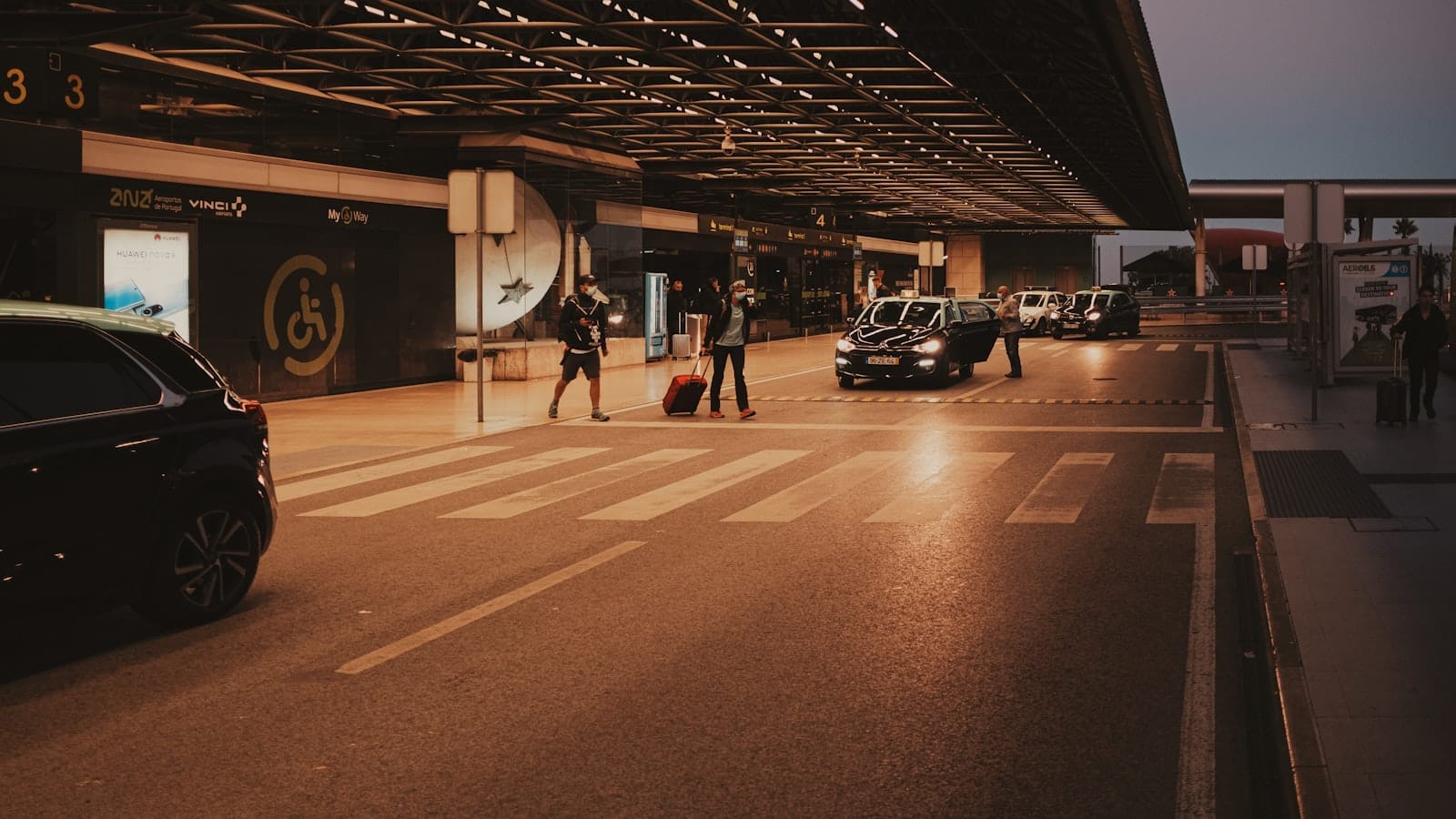
Lisbon Humberto Delgado Airport (IATA: LIS) sits about 10 km north of the city center, and the Red Line metro is the single best option for most travelers. The journey to Baixa-Chiado takes around 20-25 minutes with one transfer at Alameda station, and the fare is just €1.85 with a Navegante card (or around €1.85 with a single-journey ticket). Trains run from approximately 6:30am to 1am. See our full Lisbon airport guide for terminal details, luggage storage, and arrivals logistics.
Taxis and Uber/Bolt typically cost €15-25 for the airport run, depending on traffic. The journey takes 15-30 minutes, with midday and evening rush hours easily pushing it past 40 minutes. Both Uber and Bolt operate legally in Lisbon and their apps work reliably. If you have heavy luggage or are arriving late at night when metro options are limited, a ride-hailing app is sensible. Taxis from official ranks at arrivals use meters, which is fine, but confirm the meter is running at the start.
⚠️ What to skip
Avoid unofficial drivers approaching you in the arrivals hall. Use the official taxi rank outside or book Uber/Bolt through the app. The price difference with unofficial drivers is rarely worth the uncertainty.
There are also airport express bus services that connect to Belém, Alfama, and other neighborhoods not on the metro network. These are slower than the metro for city-center destinations but useful if your accommodation is along the route. Prices are generally around €4 for these shuttle-style services. Check current schedules directly with operators, as routes and fares update periodically.
The Lisbon Metro: Your Fastest Option for Most Journeys
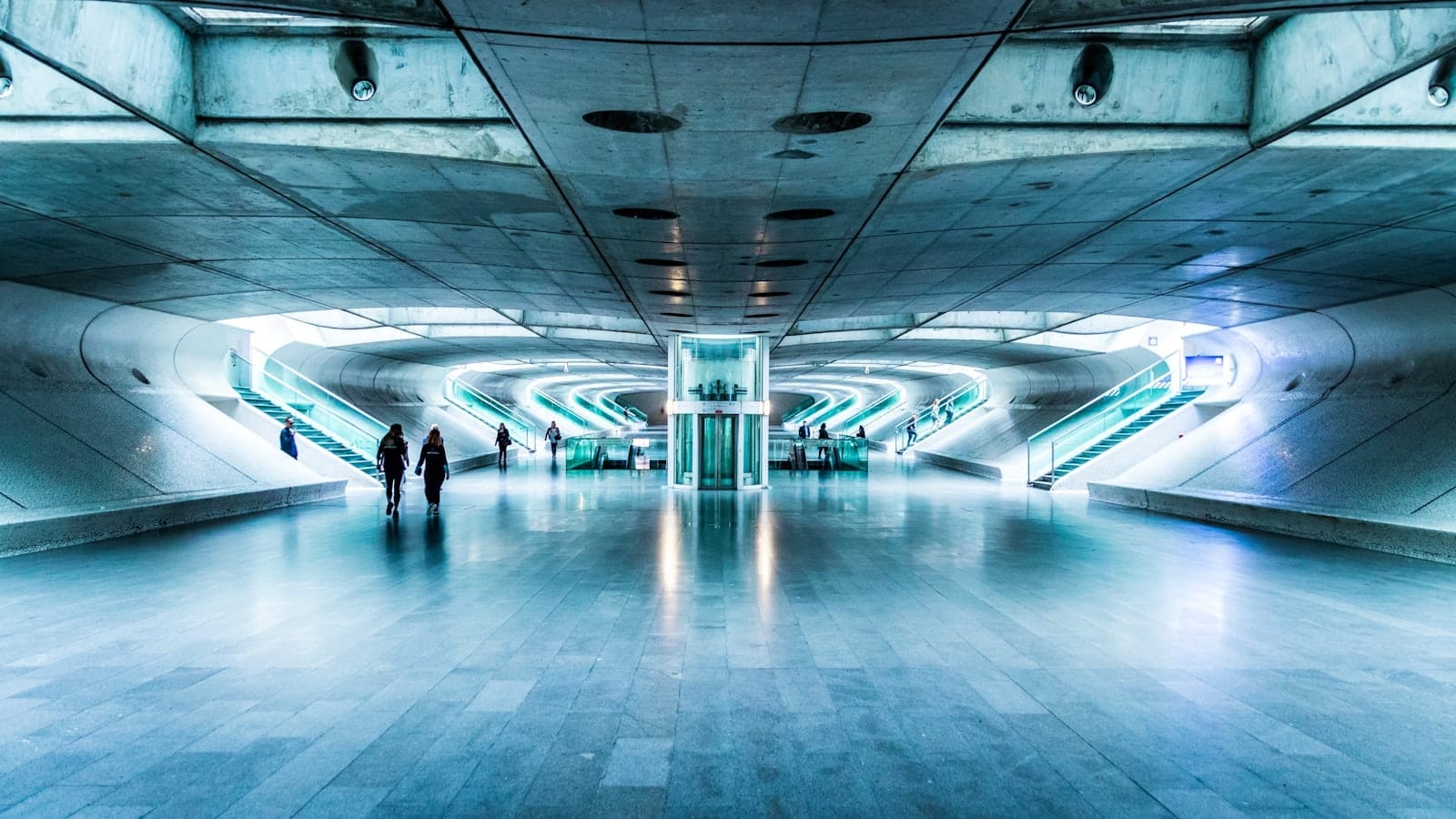
The Metropolitano de Lisboa runs four lines covering the city: Blue (Azul), Yellow (Amarela), Green (Verde), and Red (Vermelha). It operates daily from 6:30am to 1am. The network is clean, generally air-conditioned, and punctual by European standards. For visitors, it handles the bulk of cross-city travel efficiently.
- Blue Line Runs east-west through Baixa-Chiado, Restauradores, and Marquês de Pombal. Covers the main tourist corridor.
- Yellow Line Connects Rato in the west to Odivelas in the north, passing through Marquês de Pombal and Picoas.
- Green Line Runs from Cais do Sodré (ferry terminal) northeast to Telheiras. Useful for Intendente and Arroios neighborhoods.
- Red Line Airport line. Runs from Aeroporto southwest through Oriente (for Parque das Nações) to São Sebastião, where it connects to the Blue and Yellow lines.
Key limitations: the metro does not reach Belém (for the monastery, Belém Tower, or pastéis de Belém), Alfama, Graça, or most of the historic hillside neighborhoods. These require buses, trams, or walking. A single metro or Carris journey costs €1.85 with a Navegante card versus €1.85 with a paper ticket. The 24-hour Carris/Metro pass costs €7 and is worth buying if you plan more than 4-5 journeys in a day.
💡 Local tip
Pick up a Navegante card (reloadable, €0.50 one-time charge) at any metro station ticket machine on arrival. Load €10-15 for a few days and tap in and out like a local. It works across metro, buses, trams, and funiculars operated by Carris.
Trams, Funiculars, and the Santa Justa Lift
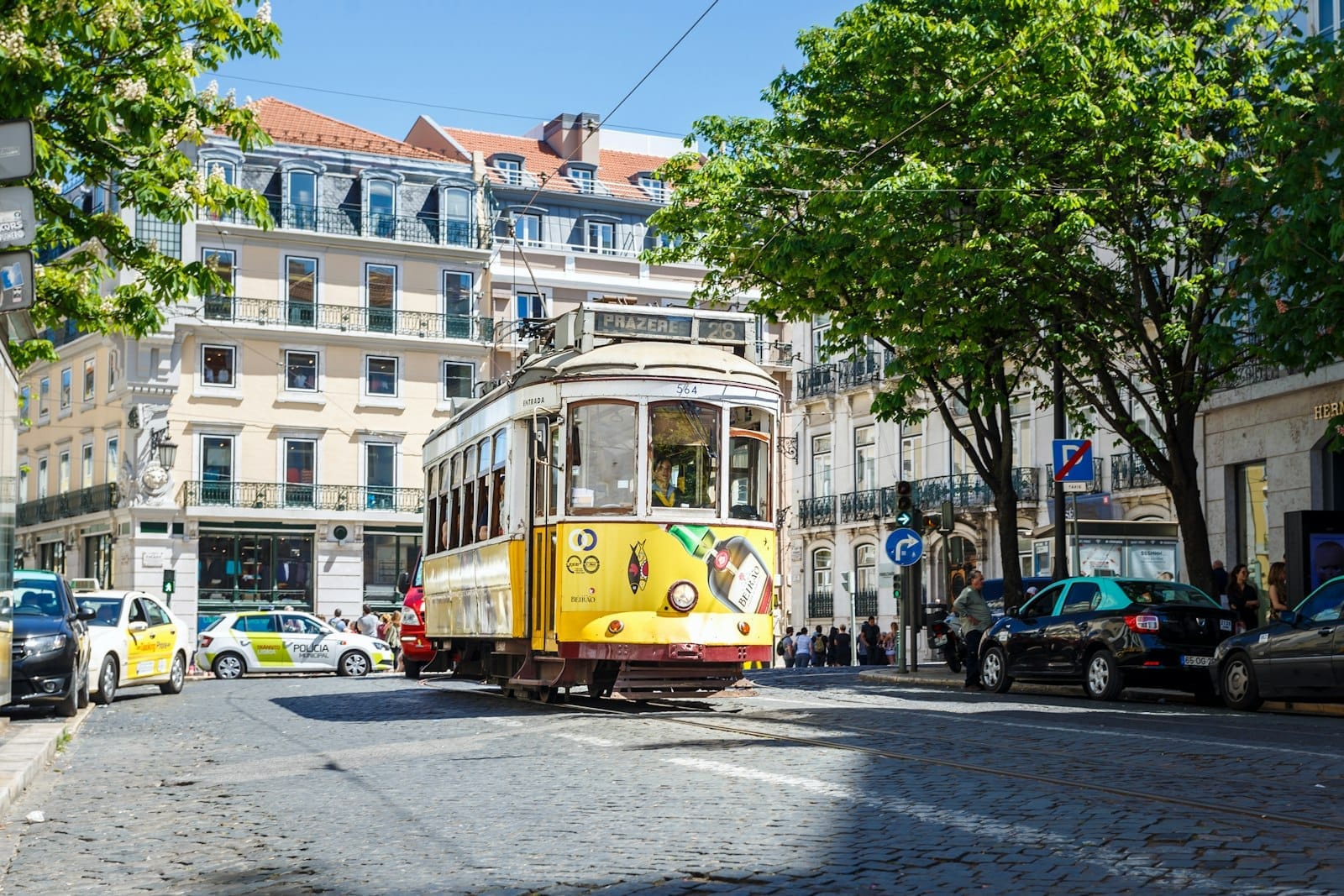
Tram 28E is Lisbon's most photographed form of transport, winding through Alfama and Graça in those distinctive yellow wooden carriages. It's a genuine part of the city's transport network, but in summer it's also one of the most crowded 10 minutes you'll spend in Portugal. Lines at Martim Moniz can stretch 30-40 people during peak hours, and the tram itself gets dangerously packed.
If you want to ride Tram 28E for the experience, board early in the morning (before 9am) or later in the evening. Boarding at the Praça Martim Moniz terminus gives you the best chance of a seat. A single tram fare is €3.10 if bought on board, or €1.85 with a Navegante card — a significant difference. In summer, breakdowns are not rare due to the age of the rolling stock and the gradient of the hills. On a warm afternoon, walking the same route is often faster and more rewarding.
Tram 15E is the more practical option for getting to Belém. It runs from Praça da Figueira and Cais do Sodré westward along the riverside, making it the most direct public transport connection to the Jerónimos Monastery, Belém Tower, and the pastéis de Belém bakery. It runs more reliably than Tram 28E and carries more passengers.
- Elevador da Glória: funicular connecting Praça dos Restauradores (Baixa) to Bairro Alto. Quickest way up the hill. Costs €3.70 on board, €1.85 with Navegante.
- Elevador da Bica: runs through the Bica neighborhood toward Cais do Sodré. Steeper, shorter, and photogenic. Same pricing as Glória.
- Elevador do Lavra: the oldest funicular in Lisbon (1884), near Praça dos Restauradores heading north. Less touristy than the others.
- Santa Justa Lift (Elevador de Santa Justa): iron lift connecting Baixa to the Carmo neighborhood. Free if you walk up through the structure; there's a fee for the top viewing platform, roughly €5.50.
✨ Pro tip
The Santa Justa Lift queue can be 30-45 minutes long in summer. The viewing platform at the top is decent but not exceptional. The Carmo Convent ruins, a two-minute walk away, offer a far better experience for the same hill.
Buses and Ferries: Filling the Gaps
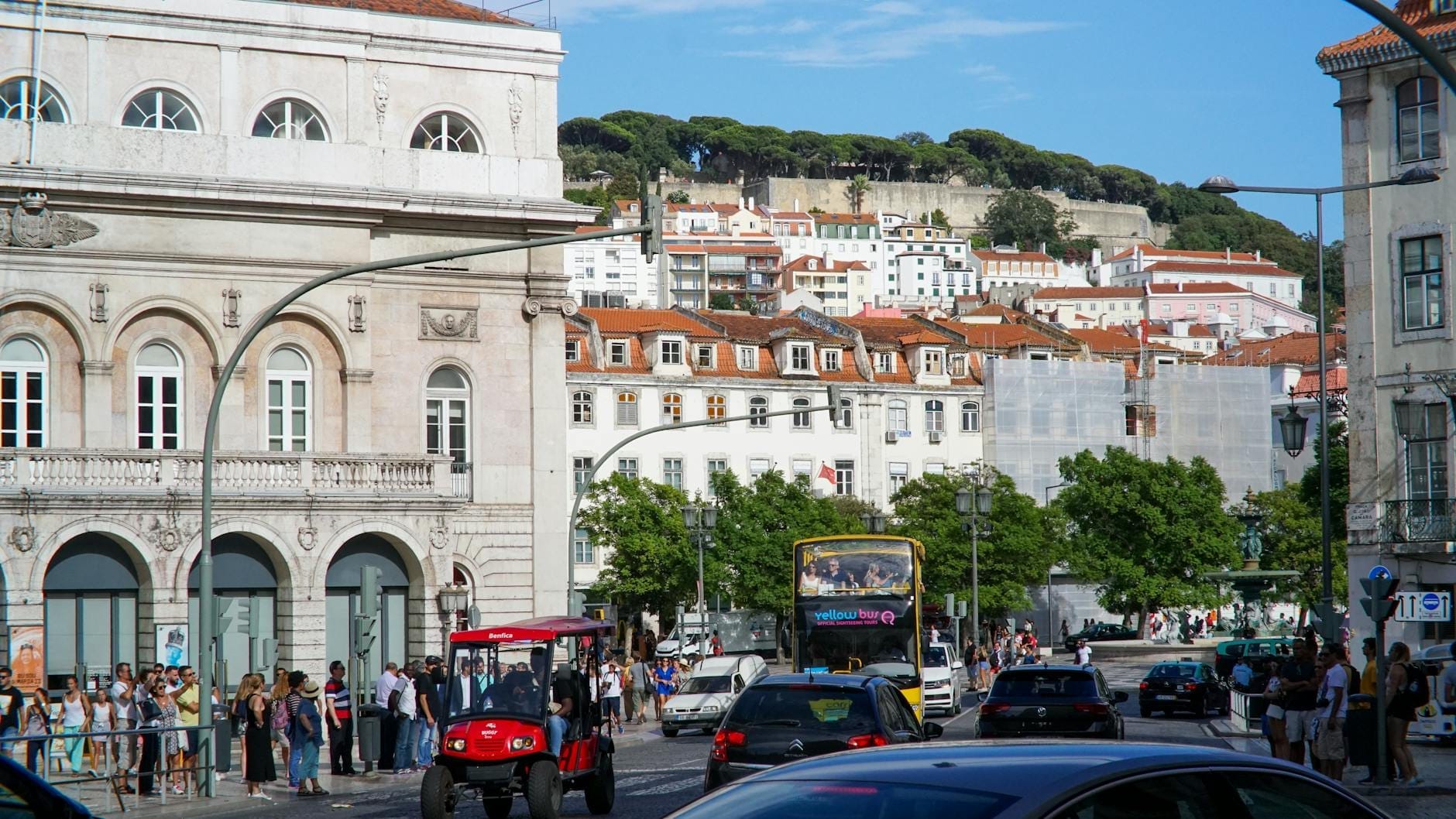
Carris operates Lisbon's bus network, which is extensive but can be confusing for short-stay visitors. The most useful routes for tourists are: 714, 727, 728, and 729 connecting the airport corridor and riverside; bus 751 linking Parque das Nações to the east; and buses running along the waterfront toward Belém. Real-time arrivals are displayed at most central stops, and Google Maps gives accurate Carris data.
The Tagus River ferries, operated by Transtejo, cross between Cais do Sodré and Cacilhas in about 10 minutes. This is both a practical commuter route and one of the best cheap experiences in the city: the crossing costs under €1.50 each way with a Navegante card and gives you unobstructed views of the Lisbon waterfront and the Ponte 25 de Abril. From Cacilhas, you can connect to Cristo Rei by local bus.
Trains for Day Trips: Sintra, Cascais, and Beyond

CP (Comboios de Portugal) runs two lines that are essential for day trips. The Sintra line departs from Rossio station in central Lisbon and reaches Sintra in about 40 minutes. Trains run every 15-20 minutes during peak hours and cost around €2.30 each way for a 4-zone ticket. The Cascais line departs from Cais do Sodré and follows the coast to Cascais in about 40 minutes, with multiple beach stops along the way including Belém, Estoril, and Carcavelos.
These two train routes are genuinely excellent value and well-maintained. Both Sintra day trips and the Cascais coastal line rank among the best-value day trips in Western Europe. Tickets can be bought at station machines (English language option available) or loaded onto a Navegante card. For Sintra specifically, go early: the hilltop palaces have long queues by 10:30am in summer.
ℹ️ Good to know
CP train tickets and metro/Carris tickets are separate systems. Your Navegante card works for both if loaded with the correct credit zones, but a metro single ticket is not valid on CP trains. Check which zones your journey requires when buying.
Taxis, Uber, Bolt, and Driving in Lisbon

Uber and Bolt both operate throughout Lisbon and are generally reliable. Prices are comparable to metered taxis, and the app-based tracking adds a layer of comfort for solo travelers. For most point-to-point journeys within the city, expect to pay €5-12. Both apps surge during evening rush hours and after major events, so build in extra budget if you're heading out after a concert or festival.
Driving your own car in central Lisbon is genuinely difficult. The historic neighborhoods, particularly Alfama and Bairro Alto, have streets barely wide enough for a single car, no signposted parking, and pedestrian-only zones enforced by cameras. Parking in Baixa is expensive and scarce. If you've rented a car for onward travel, drop it off and pick it up at the airport or a major car park on the outskirts. Lisbon's public transport handles the city far more efficiently than any private vehicle.
- GIRA bike-share: Lisbon operates a dock-based electric bike system across the city. Day passes are around €2. Useful for flat riverside stretches; challenging on the steep hills of Alfama and Graça.
- Tuk-tuks: widely available around Alfama and Baixa, priced per tour (typically €10-15 per person for 30-40 minutes). They're fun but never a practical transport option. Treat them as a tour format.
- Walking: Lisbon's central core is compact. Baixa to Chiado is 10 minutes on foot. Baixa to Alfama is 20-25 minutes. Walking is often faster than waiting for a tram in the midday heat.
FAQ
What is the cheapest way to get from Lisbon Airport to the city center?
The Red Line metro is cheapest at €1.85 with a Navegante card, or around €1.85 with a single paper ticket. The journey takes 20-25 minutes to Baixa-Chiado with one transfer at Alameda. Taxis and ride-hailing cost €15-25 depending on traffic.
Is Tram 28 worth riding in Lisbon?
It depends on your expectations. The route through Alfama and Graça is genuinely scenic, but in summer the trams are overcrowded and delays are common. Ride it before 9am or after 7pm to avoid the worst of the crowds. Use a Navegante card to pay €1.85 instead of €3.10 on board.
Does the Lisbon metro go to Belém?
No. The metro does not reach Belém. Take Tram 15E from Praça da Figueira or Cais do Sodré, or a bus along the riverside. The journey takes about 20-25 minutes by tram.
Can I use the same transport card for the metro, buses, and trams?
Yes. The Navegante card (€0.50 one-time fee at any metro station) works across the metro, Carris buses, trams, and funiculars. It does not automatically cover CP trains unless you load the correct fare zones. Ferry tickets are separate.
How do I get to Sintra from Lisbon by public transport?
Take the CP train from Rossio station in central Lisbon. Trains run every 15-20 minutes during the day and the journey takes around 40 minutes. A return ticket costs approximately €4.60 (2 x €2.30). Arrive at Rossio before 9am to beat the rush on summer weekends.
Tickets & tours
Live prices and dates from our booking partner. If you book, we may earn a commission at no extra cost to you.
Planning a trip? Discover personalized activities with the Nomado app.