Lisbon Airport (LIS): Everything You Need to Know
Humberto Delgado Airport is Portugal's busiest gateway and your first encounter with Lisbon. This guide covers both terminals, every transport option into the city, lounge access, seasonal crowd patterns, and the practical details that most airport guides skip.
Tickets & tours
Live prices and dates from our booking partner. If you book, we may earn a commission at no extra cost to you.
TL;DR
- Lisbon Airport (IATA: LIS) sits 7 km northeast of the city center, reachable in about 20 minutes by Metro Red Line for roughly €2.
- There are two terminals: Terminal 1 handles all arrivals plus Schengen and international flights; Terminal 2 is low-cost departures only (Ryanair, easyJet). All arriving passengers use T1 regardless of airline.
- Taxis and Uber typically cost €15–25 to central Lisbon; the Aerobus (Line 1) is a budget middle ground at around €4. See our guide to getting around Lisbon for full transport options beyond the airport.
- The airport holds a 3-Star Skytrax rating — functional but not luxurious. Lounge access is limited; book Priority Pass or pay-per-entry in advance during peak summer months.
- By 2026, annual passenger volumes had exceeded 36 million, making LIS the busiest single-runway airport in mainland Europe. Arrive early in July and August.
Key Facts About Lisbon Airport
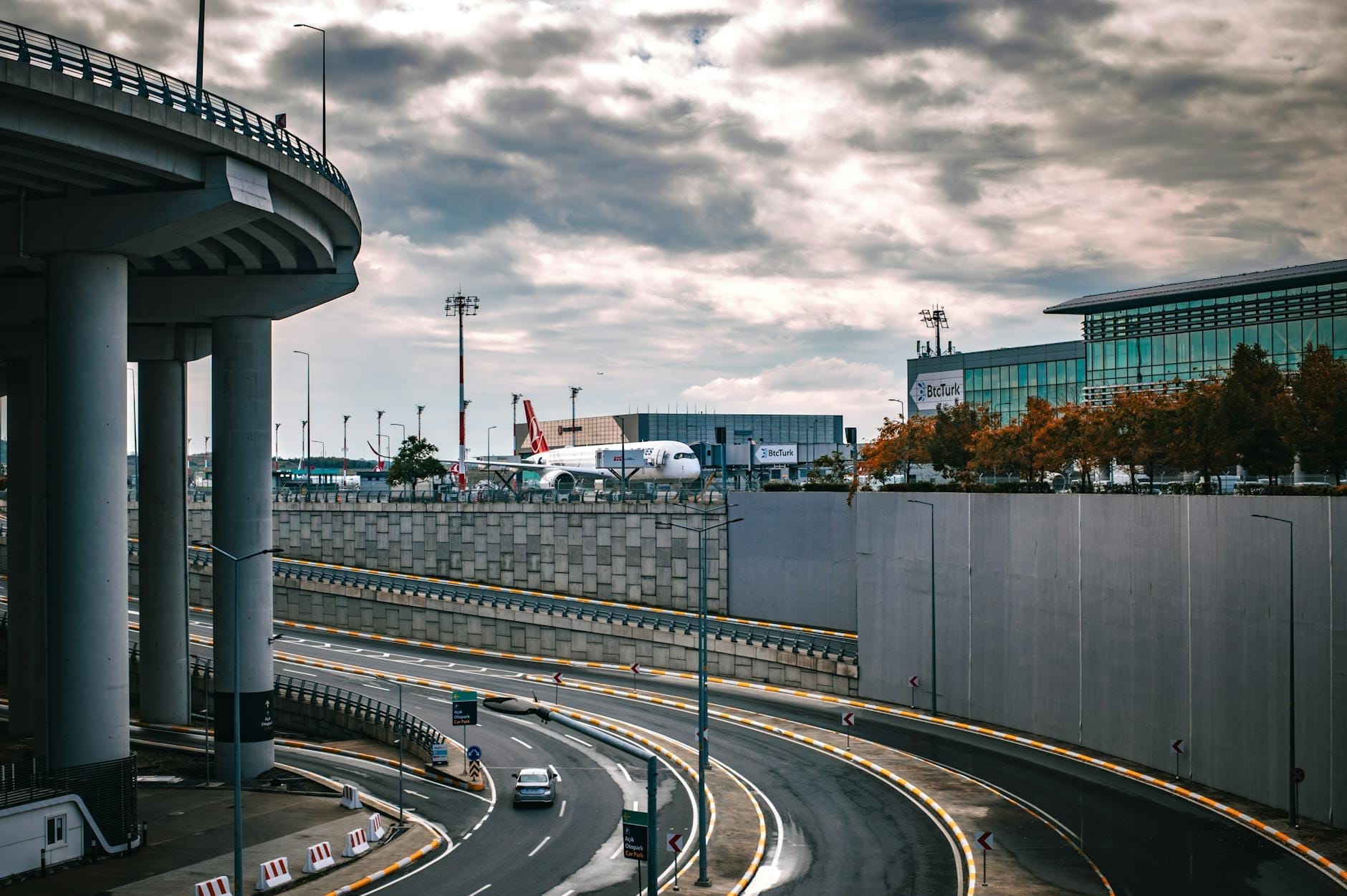
The airport's official name is Humberto Delgado Airport, renamed in 2011 to honor the Portuguese political figure. Before that it was widely known as Portela Airport, and plenty of older signage and taxi drivers still use that name. The IATA code is LIS, the ICAO code is LPPT. It is operated by ANA Aeroportos de Portugal under a VINCI Airports concession that runs until 2062.
LIS handles 57 airlines and connects directly to New York, London, Paris, Rio de Janeiro, São Paulo, Luanda, and dozens of other cities. TAP Air Portugal dominates with around 46% of seat capacity, making LIS its primary hub. The airport's role as a bridge between Europe, South America, and Lusophone Africa means it punches above its weight in long-haul routes for a city of Lisbon's size.
ℹ️ Good to know
Lisbon Airport is a 3-Star airport according to Skytrax ratings — it is operational and generally clean, but do not expect the premium facilities of a Changi or Schiphol. If lounge access or comfort during a long layover matters to you, plan for it specifically rather than assuming the airport will deliver.
Terminal 1 vs Terminal 2: Which One Are You Using?
This distinction causes more missed flights and unnecessary stress than almost any other aspect of LIS. The two terminals are not adjacent — Terminal 2 is a separate building about 700 metres from Terminal 1, connected by a free shuttle bus that runs every 10–15 minutes. Factor that transfer into your timing.
- Terminal 1 (Main Terminal) All international and Schengen departures, all arrivals from every airline, and the TAP Air Portugal hub. This is where you will land, regardless of which airline brought you in.
- Terminal 2 (Low-Cost Terminal) Departures only for Ryanair, easyJet, and other low-cost carriers. Facilities are more basic. There is no arrivals hall here — even if you flew in on Ryanair, you exit through Terminal 1.
If you booked a Ryanair or easyJet ticket departing from Lisbon, confirm your departure terminal on your boarding pass. Many travellers assume the bigger terminal is always correct and arrive at T1 for a T2 departure with little time to spare. The shuttle is free but the stress is not.
⚠️ What to skip
Do not assume Terminal 1 for all flights. Check your boarding pass for the terminal code before leaving your hotel. Missing the T1-to-T2 shuttle at peak times can cost you 20–30 minutes.
Getting from Lisbon Airport to the City Centre
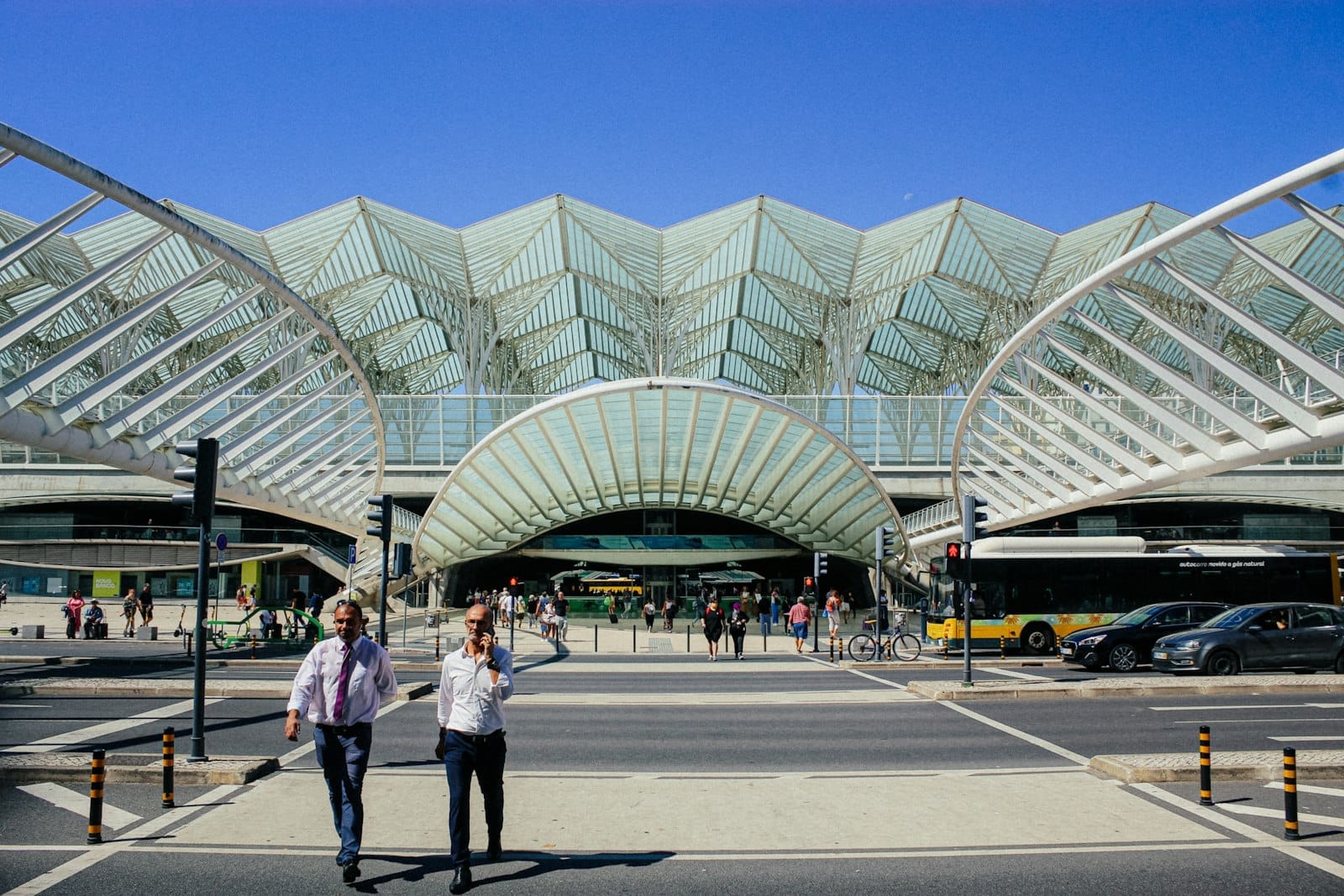
The airport sits 7 km northeast of central Lisbon, which sounds close — and it is — but traffic on the main access routes can be brutal during morning and evening rush hours, particularly in summer. Your best option depends on your budget, luggage, group size, and time of day.
- Metro (Red Line) — Best value The Aeroporto station connects directly to the city via the Red Line (Linha Vermelha). A single ticket costs around €2, and the journey to Baixa-Chiado or Oriente takes roughly 20–30 minutes depending on your destination. Trains run approximately 06:30–01:00. You need to purchase a rechargeable Viva Viagem card (around €0.50) at the airport ticket machines before you can ride.
- Aerobus — Middle ground The Aerobus runs Line 1 to key stops including Marquês de Pombal, Avenida da Liberdade, and Rossio. Costs around €4 for a single and slightly more for a return. Useful if your hotel is on the route and you have luggage that makes Metro transfers uncomfortable.
- Taxi or Uber — Most convenient A metered taxi or Uber from the airport to central Lisbon typically costs €15–25 and takes 15–25 minutes outside peak hours, longer during rush hour. Uber pick-up is from the designated ride-hailing zone outside arrivals at T1. Taxis use meters and are regulated; avoid unmarked vehicles offering flat rates at the exit.
- Pre-booked Private Transfer — Best for groups If you are travelling with three or more people or have a lot of luggage, a private transfer often works out cheaper per person than taxis and guarantees a driver waiting for you with a name sign. Book in advance through a reputable operator.
✨ Pro tip
Load the Uber app and have a payment method set up before you land. The Uber zone at T1 is signposted after customs. In summer, surge pricing can push Uber fares above taxi meter rates — check both before committing.
Lisbon Airport Lounges: What You Actually Have Access To

Lounge options at LIS are limited relative to the airport's size and passenger volume. Terminal 1 has the TAP Executive Lounge, accessible to TAP business class passengers and qualifying frequent flyers. There is also a lounge accessible via Priority Pass and similar programs in the Schengen departures area. Do not expect a wide selection of independent pay-per-use lounges like you would find at Heathrow or Frankfurt.
If you have a long layover at Lisbon Airport and lounge access, the spaces are comfortable enough for a few hours but fill up quickly in July and August. Complimentary food, soft drinks, and Wi-Fi are standard. For business travellers without status, a day-pass through Priority Pass or Lounge Key is usually available for around €30–40 depending on the specific lounge. Check availability before your trip because capacity limits apply during peak periods.
Outside the lounges, the airside food and retail area in Terminal 1 is decent but overpriced, as expected at most airports. If you want a proper meal before flying, consider eating in Baixa-Chiado before heading to the airport rather than relying on airside options. The Time Out Market is a 20-minute ride from the airport and a far better use of your last euros.
Seasonal Crowd Patterns and When to Expect Delays
By 2026, Lisbon Airport was handling over 36 million passengers a year, representing a 19% increase over 2019 levels. That growth has not been matched by infrastructure expansion at the same pace, which means the airport runs close to capacity during peak periods. The single runway is the fundamental constraint: LIS is the busiest single-runway airport in mainland Europe, and any operational disruption cascades quickly.
July and August are the heaviest months by passenger volume. Queues at passport control for non-Schengen arrivals can stretch to 45–60 minutes during afternoon peaks. Security in T1 can also back up. If you are flying out during summer, arrive at least 2.5 hours before a short-haul departure and 3 hours for long-haul. The city itself rewards early arrivals too — check out our guide on visiting Lisbon in summer for context on how the whole city operates during peak season.
September and October see a meaningful drop in congestion while weather remains excellent — daytime temperatures around 20–25°C, far fewer queues at the airport, and more availability at hotels. If you have flexibility, landing in early September rather than August makes the arrival experience noticeably smoother. November through March is the quietest window. Expect occasional rain and cooler temperatures but a relaxed airport experience and the city largely to yourself.
💡 Local tip
Flying into Lisbon on a Tuesday, Wednesday, or Thursday typically means lighter passport control queues than weekend arrivals. If you can choose your arrival day, mid-week mornings are the most efficient.
Practical Details: Facilities, Connectivity, and First Steps in Lisbon
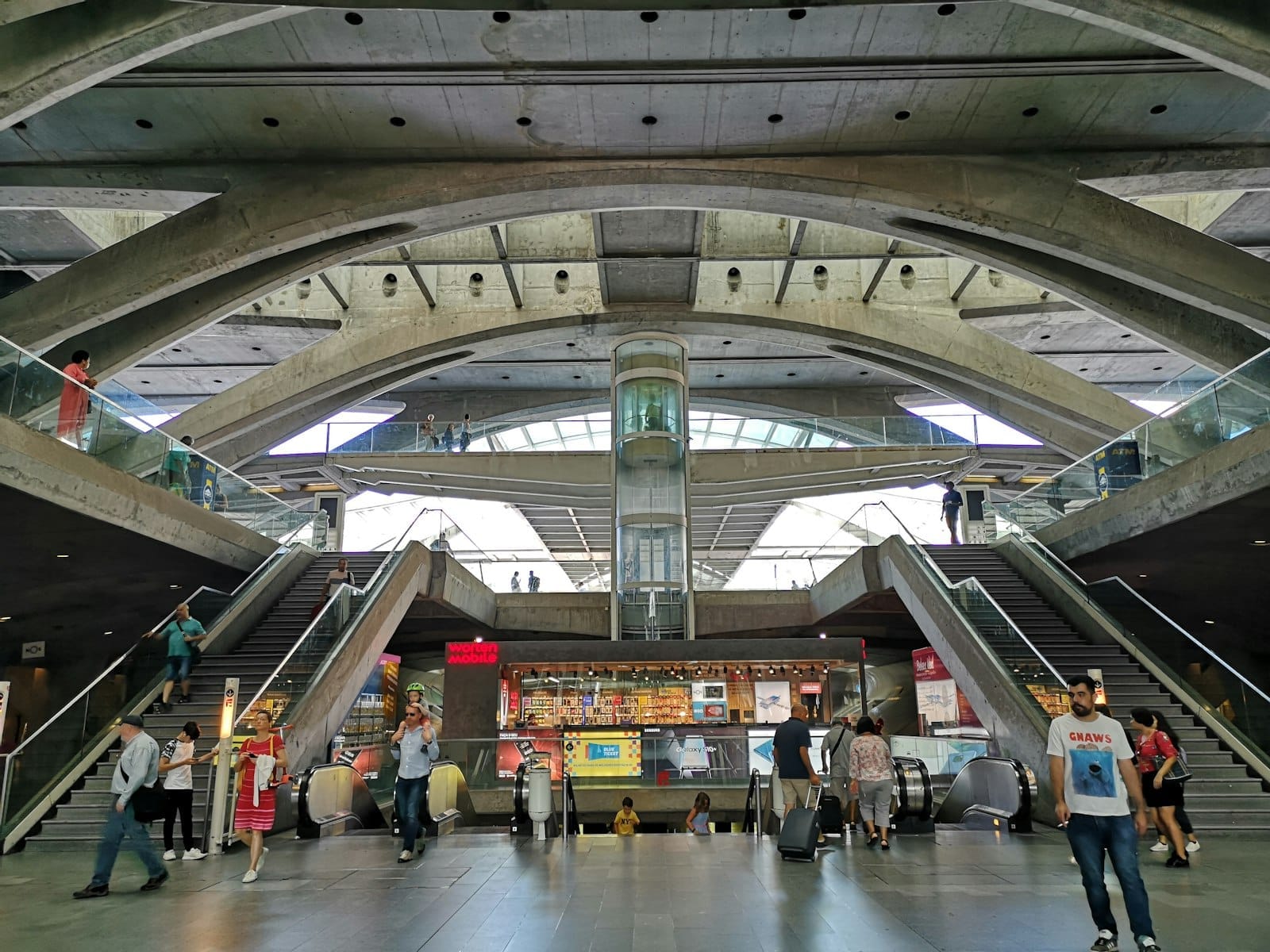
Free Wi-Fi is available throughout both terminals and is reasonably reliable. Currency exchange counters operate in the arrivals hall at T1, but rates are predictably poor. A better approach is to withdraw euros from the ATMs in arrivals using a low-fee debit card, or use one before you leave home. The euro (EUR) is Portugal's currency; you will not need anything else in Lisbon.
Baggage storage is available at the airport if you land before your hotel check-in and want to explore immediately. Lisbon's city centre is compact enough that you can leave luggage, ride the Metro into the city, and spend several productive hours before returning to collect bags and check in. The Red Line drops you at Rossio, Baixa-Chiado, or Oriente depending on your direction — all walkable to major areas.
Lisbon operates on Western European Time (UTC+0) from late October to late March, and UTC+1 during summer months. If you are connecting from the UK, the time difference is zero in winter and one hour in summer. Portugal uses Type F power sockets at 230V, so travellers from the US and Canada will need both an adapter and a voltage converter for older devices. Emergency services are reachable on 112. For everything that comes after arrivals, our complete guide to things to do in Lisbon covers the full picture, and if you are working with a tight schedule, the 2-day Lisbon itinerary gets you to the highlights efficiently.
- Purchase a Viva Viagem card at the airport Metro station before joining the transport queue — it costs around €0.50 and is required for all Metro travel.
- Tap water in Lisbon is safe to drink; skip bottled water at airport prices.
- If you need a SIM card, airport shops sell them but at a premium. Alternatively, most EU SIM cards work in Portugal without roaming charges.
- The airport has pharmacy and medical services in T1 arrivals if needed.
- Car hire desks are located in T1 arrivals. Driving in central Lisbon is genuinely difficult due to narrow streets and limited parking; a hire car makes more sense if you are heading directly to the Algarve or another region.
From the airport, day trips are straightforward once you are in the city. Sintra is reachable in under 40 minutes by train from Rossio station, and other day trips from Lisbon like Cascais and Setúbal are similarly accessible. The airport's location northeast of the city means you pass through or near Parque das Nações on your way in, a modern district worth a stop if you have a night before your flight.
FAQ
How far is Lisbon Airport from the city centre?
Lisbon Airport (LIS) is approximately 7 km northeast of central Lisbon. By Metro (Red Line) it takes around 20–25 minutes; by taxi or Uber, 15–25 minutes outside peak traffic hours, and potentially 30–40 minutes during morning rush hour.
Which terminal does Ryanair use at Lisbon Airport?
Ryanair and easyJet depart from Terminal 2, the low-cost terminal. However, all arrivals — including Ryanair flights — use Terminal 1. If you are departing on a low-cost carrier, check your boarding pass carefully and allow time for the free shuttle between terminals.
Does Lisbon Airport have lounges I can access without business class?
Yes. There are lounges in the Schengen departures area accessible via Priority Pass, Lounge Key, and similar membership programs. Day-pass entry is typically available for around €30–40. Capacity is limited, so during July and August it is worth verifying availability in advance.
What is the cheapest way to get from Lisbon Airport to the city?
The Metro Red Line is the cheapest option at around €2 per single journey (plus a one-time €0.50 card fee for the Viva Viagem card). It runs directly from the Aeroporto station and connects to the city centre in around 20–30 minutes. The Aerobus costs approximately €4 and is useful if your hotel is on its route.
Is Lisbon Airport easy to navigate?
Terminal 1 is reasonably easy to navigate, though signage between the arrivals hall and public transport can feel unclear on first arrival. The main challenge is the two-terminal setup and the shuttle transfer required for low-cost departures. During peak summer months, passport control and security queues can be significant — arriving early and setting realistic time expectations is the best preparation.
Tickets & tours
Live prices and dates from our booking partner. If you book, we may earn a commission at no extra cost to you.
Planning a trip? Discover personalized activities with the Nomado app.