2 Days in Lisbon: The Perfect Weekend Itinerary
Two days in Lisbon is enough to cover the essentials without rushing — if you plan smart. This itinerary breaks down exactly where to go, when to go, what to eat, and what to skip, district by district.
Tickets & tours
Live prices and dates from our booking partner. If you book, we may earn a commission at no extra cost to you.
TL;DR
- Two days covers Belém, Alfama, Baixa-Chiado, and one or two miradouros comfortably — prioritize based on your interests using our full Lisbon guide.
- Start each day early (before 9am) to beat the crowds at Jerónimos Monastery and São Jorge Castle.
- The Lisbon Card (24h or 48h) pays for itself if you plan to use public transport and visit 3+ paid attractions.
- Avoid eating on Rua Augusta — it's a pleasant walk but the cafes are overpriced and underwhelming. See our guide to eating in Lisbon for better options.
- Lisbon is hilly. Wear proper shoes, use trams and funiculars strategically, and don't underestimate walking times.
Is Two Days in Lisbon Enough?
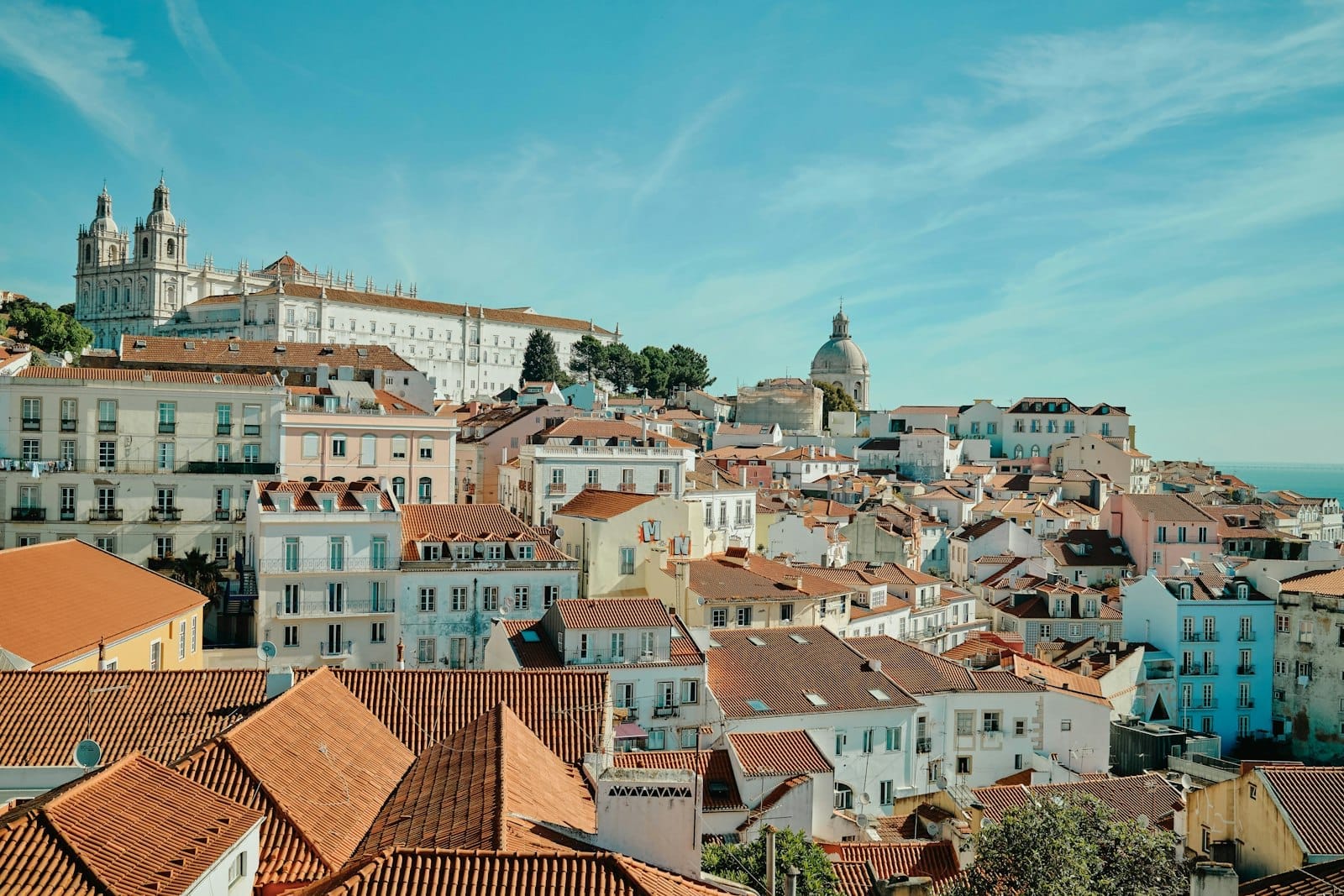
Two days in Lisbon is a realistic minimum for first-timers who want to cover the city's core without feeling like they're sprinting between landmarks. You won't see everything, but you'll leave with a genuine sense of the city: the riverfront grandeur of Belém, the layered history of Alfama, the commercial energy of Baixa, and the quieter pleasures of a miradouro at golden hour. If you have more flexibility, three or four days allows for day trips and slower exploration. But two focused days, structured well, give you a solid foundation.
The biggest mistake travellers make with a short Lisbon trip is trying to cover too many neighbourhoods in a single day. Lisbon's hills and the time it takes to move between districts — especially without a car — mean that distance on a map is rarely the same as time on foot. Our guide to getting around Lisbon explains transport options in detail, but the short version: use the metro to cover distance and trams or walking for neighbourhood exploration.
ℹ️ Good to know
Lisbon operates on Western European Time (UTC+0, or UTC+1 from late March to late October). Sunrise comes early in summer — around 6:15am — which means you can realistically start sightseeing by 8am without any sacrifice.
Day 1: Belém, Baixa, and the Alfama at Dusk
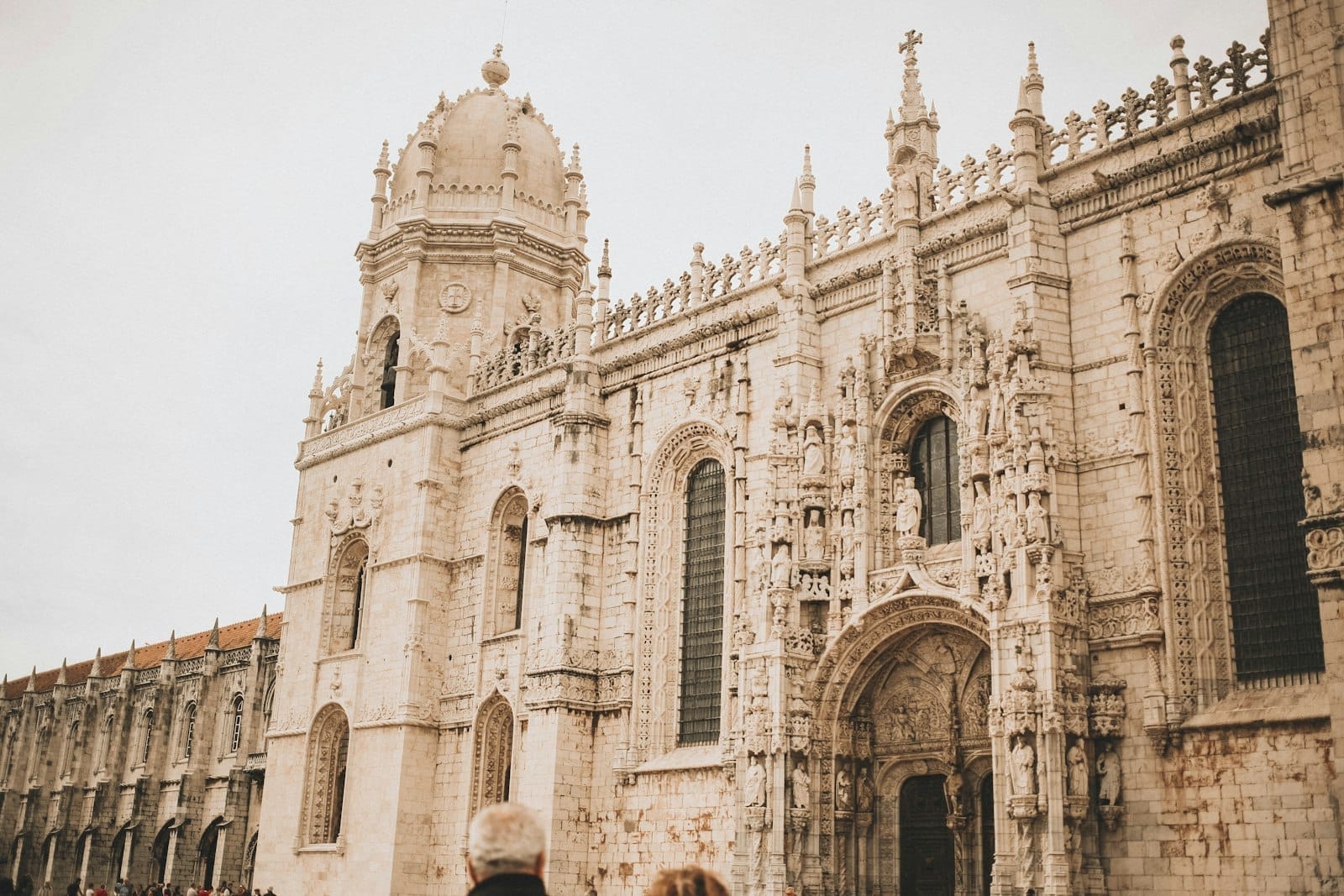
Belém sits about 6km west of the city centre and deserves a full morning. Get there before 10am on any day except Monday (when several sites are closed) to avoid the worst of the crowds. The Jerónimos Monastery is the centrepiece: a UNESCO World Heritage Site built in the 16th century to celebrate Vasco da Gama's return from India. Admission is €12, or €16 when combined with the Belém Tower. Entry is free with the Lisbon Card. Book in advance online — the queues without a ticket can run 45 minutes or more in high season.
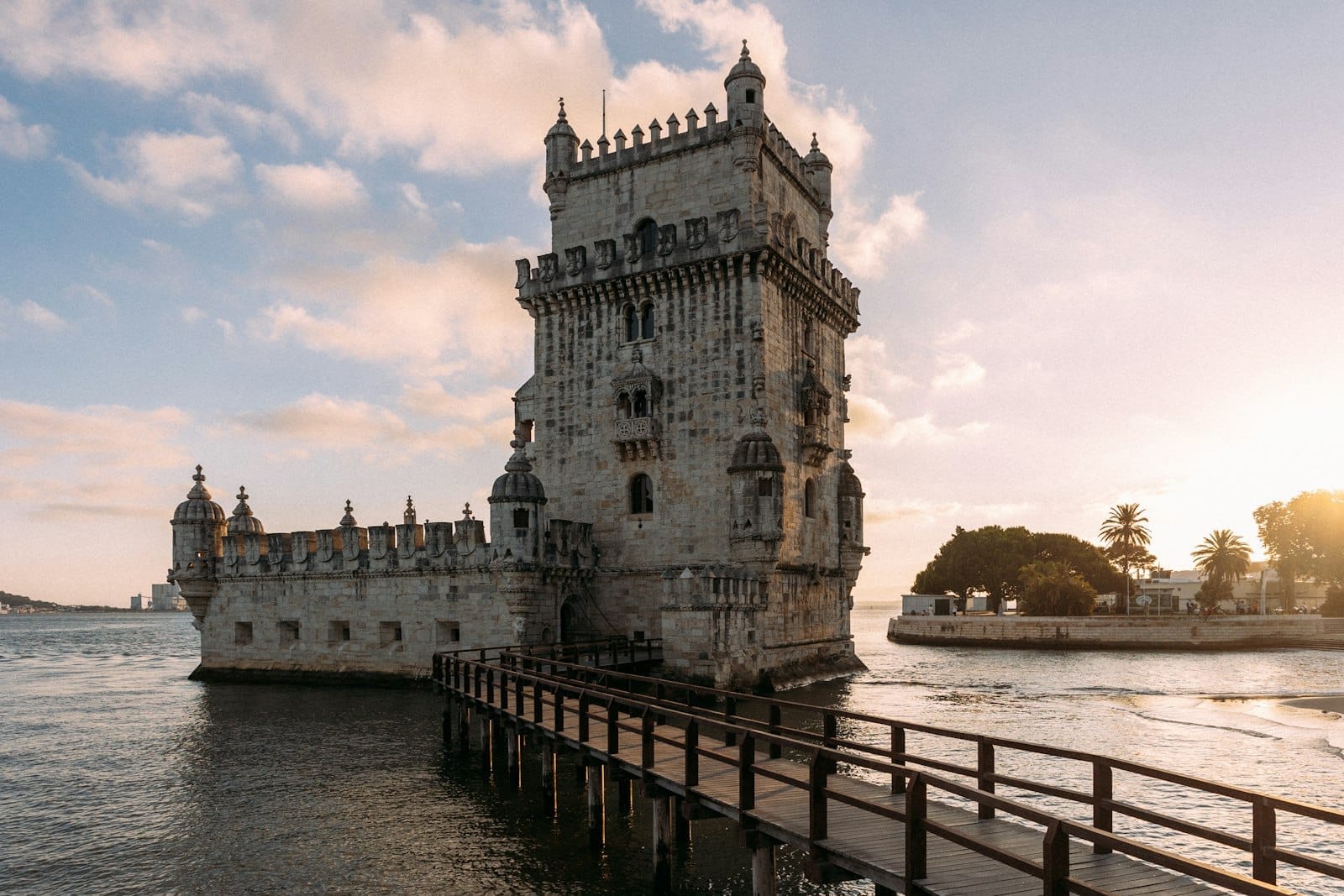
The church attached to the monastery — Igreja de Santa Maria — is free to enter and contains the tombs of Vasco da Gama and the poet Luís de Camões. The cloisters are the real showpiece: two levels of intricate Manueline stonework that reward slow attention. Allow 1.5 to 2 hours for the full site. From there, the Belém Tower is a 15-minute walk west along the riverfront. The interior is modest relative to the queues it attracts — if time is tight, admire it from the outside and move on.
Before leaving Belém, stop at Pastéis de Belém — the original pastel de nata bakery, operating since 1837. The recipe is legally protected. Eat them warm at the counter with a sprinkle of cinnamon and powdered sugar. The queues look long but move fast. If you prefer to avoid the crowds, A Manteigaria on Praça Luís de Camões in Chiado makes an excellent alternative later in the day.
After Belém, take the train back toward the city centre (Cais do Sodré station) rather than the tram — it's significantly faster. Spend the early afternoon in Baixa and Chiado. Walk the pedestrianised Rua Augusta north from Praça do Comércio toward Rossio Square — it's worth seeing but skip the restaurants. Chiado, the elegant district to the west, has better options for lunch and coffee.
By mid-afternoon, head uphill to Alfama, Lisbon's oldest neighbourhood. The narrow lanes are best explored on foot without a fixed route — get slightly lost, find a miradouro, and let the neighbourhood reveal itself. Miradouro da Senhora do Monte offers the widest panoramic view in the city, while Miradouro da Graça is quieter and slightly more local in feel. Either one is excellent for sunset. In Alfama, locals sometimes sell homemade ginjinha (cherry liqueur) from doorways and windows for around €1 — it's worth trying.
⚠️ What to skip
Tram 28E is iconic and worth experiencing once, but it runs through Alfama and is a notorious target for pickpockets. Keep bags in front, don't use your phone openly, and consider walking the same route if you're not in a rush.
Day 2: São Jorge Castle, the River, and Bairro Alto
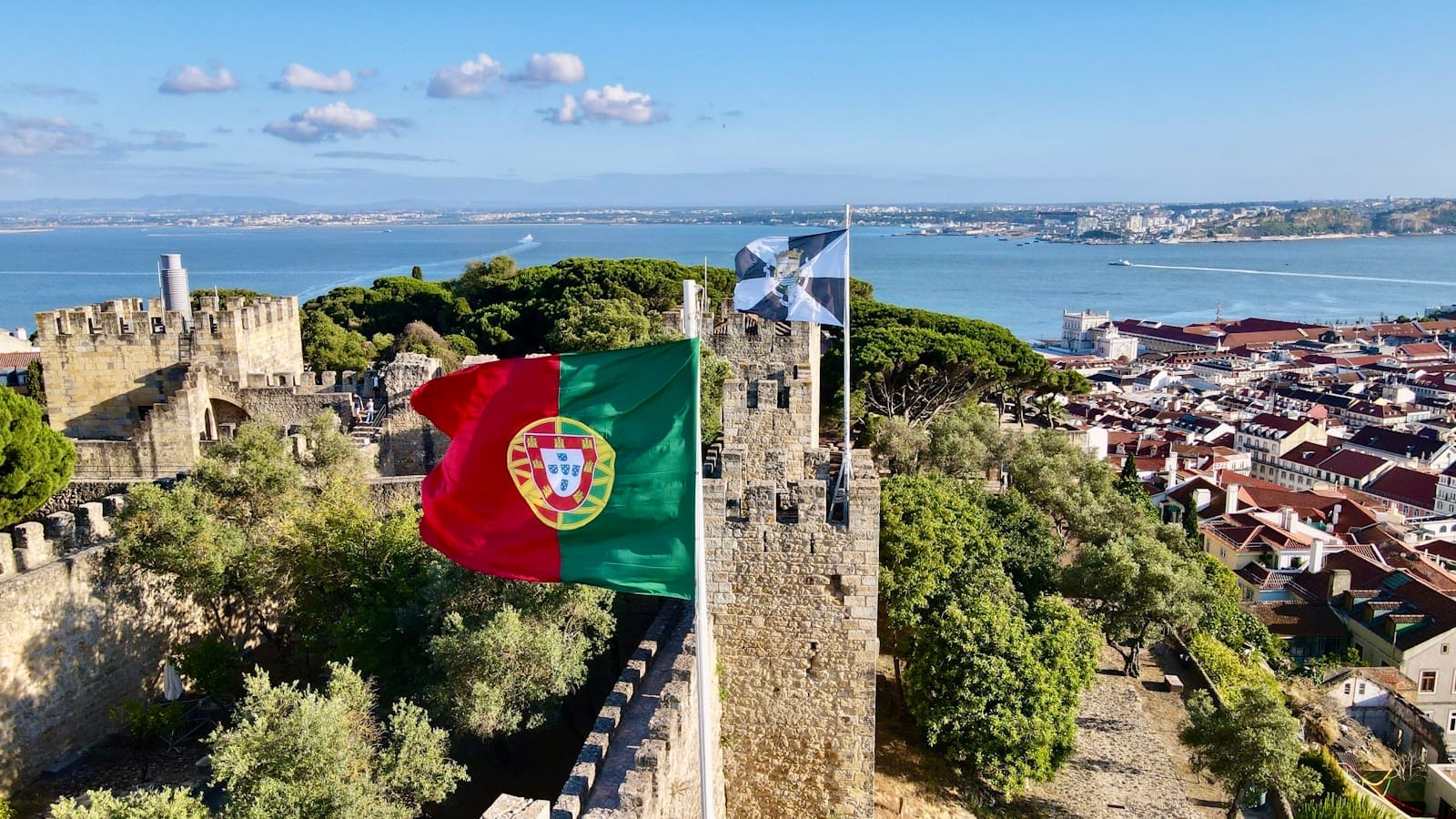
Start day two at São Jorge Castle — ideally at opening time (9am). Admission is €15 for adults. The castle itself is partially ruined, but the ramparts offer commanding views over Alfama, the Tagus estuary, and across to the Cristo Rei statue on the south bank. Budget about 90 minutes. By mid-morning, the site gets significantly busier, so arriving early is worthwhile.
From the castle, walk down through Alfama to the riverfront and consider a short Tagus River cruise. A 45-minute boat trip along the Tejo gives you a different perspective on the city: you'll see Praça do Comércio, the Alfama skyline, the Panteão Nacional, and the Ponte 25 de Abril in a single sweep. It's a genuinely useful orientation, not just a tourist gimmick. Check out the Lisbon river cruise guide for current operators and pricing.
If a river cruise doesn't appeal, the National Tile Museum (Museu Nacional do Azulejo) is an excellent alternative. It's located slightly east of the city centre and is often overlooked by short-stay visitors — which is exactly why it's worth visiting. The collection traces azulejo tile art from the 15th century to the present, and the 18th-century church inside the museum is one of Lisbon's most underrated interiors. Allow 1.5 to 2 hours.
Spend the afternoon in Bairro Alto and the surrounding area. The neighbourhood is quiet during the day — restaurants and bars don't really open until evening — but it's pleasant to walk through. The Carmo Convent, a short walk from the Chiado metro stop, is one of Lisbon's most atmospheric sites: a Gothic church left deliberately ruined after the 1755 earthquake, now housing a small archaeological museum. Admission is €6.
Food and Drink: Where to Actually Eat
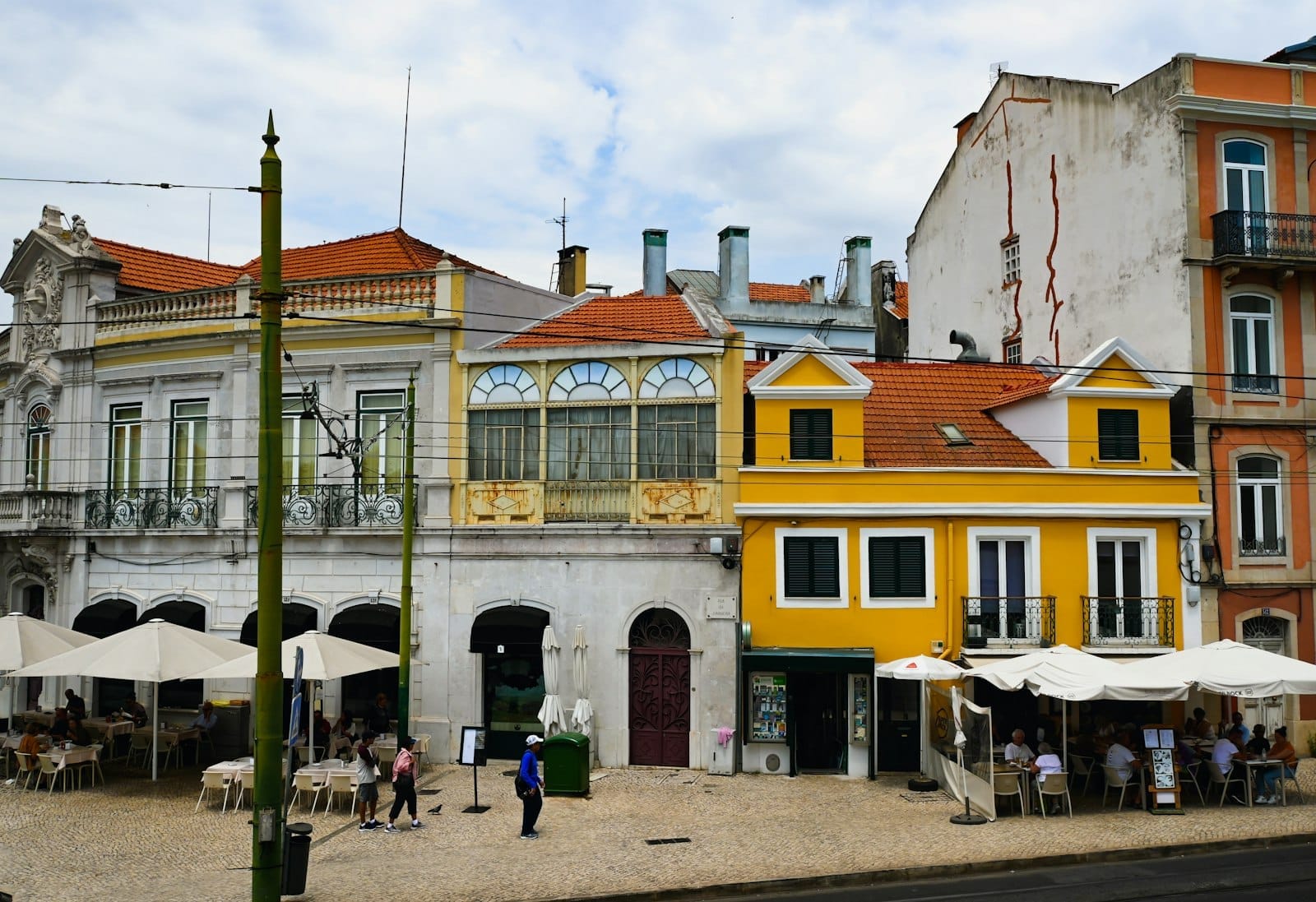
Lisbon's food scene rewards those who step even slightly off the main tourist drag. The Time Out Market in Cais do Sodré is genuinely good — not just a tourist trap — with stalls from some of the city's best restaurants under one roof. It's an efficient option for lunch when you're covering ground. Prices run €8-15 per dish.
- Pastéis de nata Pastéis de Belém for the original; A Manteigaria in Chiado for a central alternative. Eat them warm, always.
- Lunch in Chiado or Príncipe Real Both neighbourhoods have restaurants with genuine Portuguese cooking at reasonable prices (€10-18 for a main). Avoid anything with a laminated photo menu near major landmarks.
- Ginjinha Try a shot of cherry liqueur at A Ginjinha on Largo de São Domingos, near Rossio — it's been operating since 1840 and costs around €1.50 a glass.
- Dinner in Alfama or Bairro Alto Alfama has smaller, family-run restaurants that get busy from 8pm. Book ahead or arrive at 7pm before the rush. Bairro Alto is better for a later, more social evening.
- Fado If you want to hear live fado on a two-day trip, book in advance. Authentic venues in Alfama typically charge €25-40 per person including food and drink. Skip the tourist fado shows near Rossio.
Practical Logistics for a Two-Day Trip
The 48-hour Lisbon Card (€55 for adults) covers unlimited metro, bus, tram, and funicular travel, plus free entry to around 40 museums and attractions including Jerónimos Monastery and the Carmo Convent. If you're visiting three or more paid attractions, it typically pays for itself. Buy it at the airport, at tourist offices, or online. The airport is served by the Metro Red Line — around 20 minutes to the city centre at a cost of approximately €1.60 per journey. See the Lisbon airport guide for full transfer options.
- Book Jerónimos Monastery tickets online at least a day in advance in peak season (June-September).
- Belém's main sites are closed on Mondays — don't schedule Day 1 on a Monday.
- Use the metro for longer journeys; walking or trams for within-neighbourhood exploration.
- The hills are steeper than they look on maps. Google Maps walking estimates are often 30-40% too optimistic.
- Tap water is safe and drinkable throughout Lisbon.
- Most restaurants don't open for dinner until 7pm; locals eat at 8-9pm.
- Sunday mornings are excellent for Alfama exploration — quieter streets and the Feira da Ladra flea market nearby in Graça.
✨ Pro tip
If your trip falls on a Sunday, add LX Factory to your afternoon plan. The converted industrial complex in Alcântara runs a weekly market along its main street on Sundays, with independent designers, vintage clothing, food stalls, and live music. It's one of the better Sunday afternoon options in the city.
What to Skip on a Short Trip
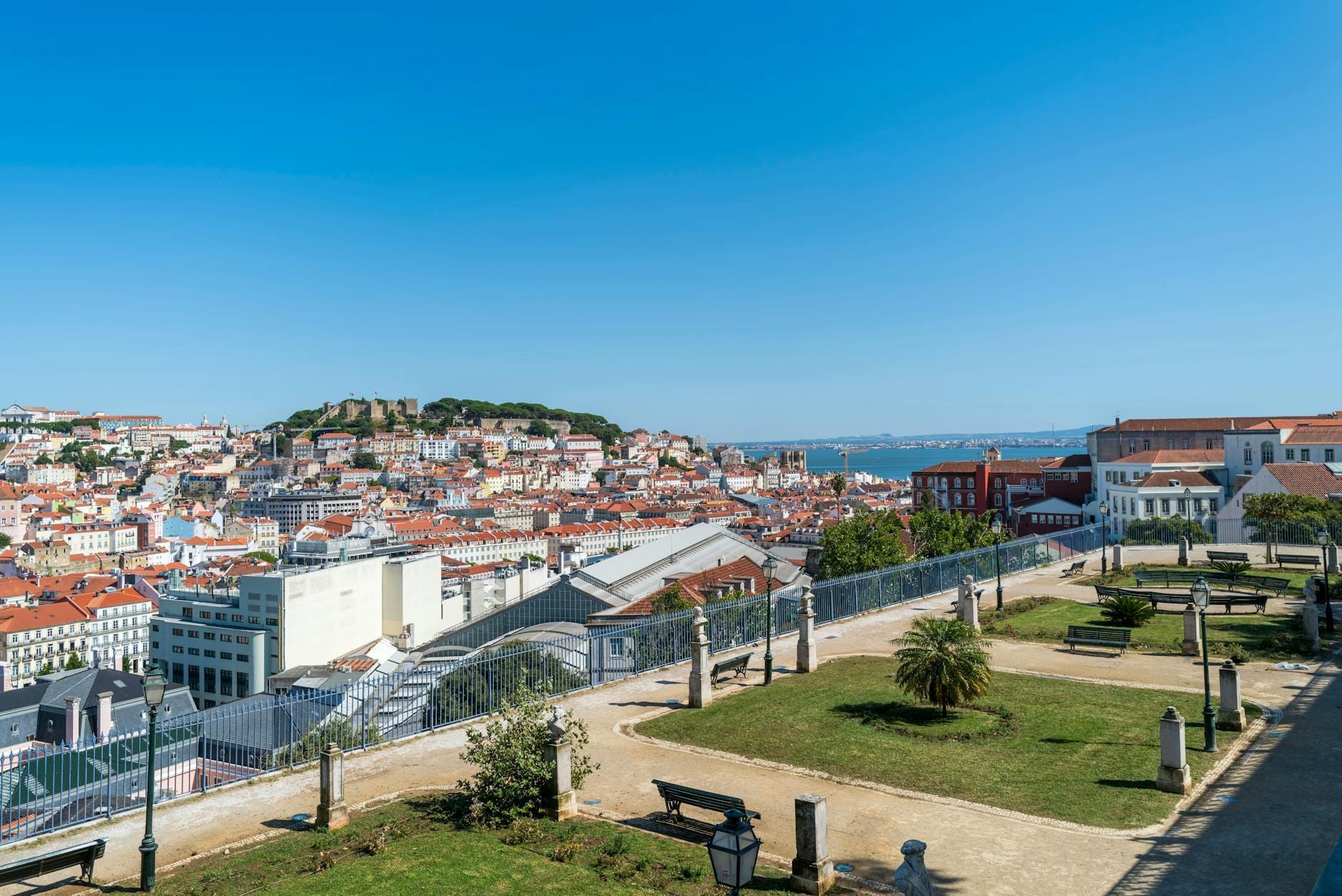
Two days doesn't leave room for everything, and some popular attractions aren't worth the time on a short visit. The Elevador de Santa Justa has queues that regularly run 45-60 minutes — it delivers a decent rooftop view, but the Miradouro da Graça and Miradouro da Senhora do Monte are better and free. The Oceanarium in Parque das Nações is genuinely excellent, but it's a 20-minute metro ride east and best suited for a longer stay or a trip with children.
If you have even one spare afternoon, consider skipping a second Lisbon attraction in favour of a day trip. Sintra is 40 minutes by train from Rossio station and offers a completely different experience: forested hills, Romantic palaces, and the westernmost point of continental Europe at Cabo da Roca. Read the Sintra day trip guide to plan it properly — Sintra rewards those who get there early and explore beyond the main palace.
FAQ
How many days in Lisbon do I really need?
Two days covers the essential highlights: Belém, Alfama, Baixa-Chiado, and a miradouro or two. Three to four days allows for a day trip to Sintra or Cascais, slower exploration of neighbourhoods like Príncipe Real and Mouraria, and more flexibility with museums. If Lisbon is your only stop in Portugal, four days is the sweet spot.
What's the best area to stay in Lisbon for a 2-day trip?
Baixa or Chiado puts you within walking distance of major landmarks and gives good metro access to Belém and Alfama. Príncipe Real is quieter and slightly more upscale, with easy access to Bairro Alto. Alfama itself is atmospheric but hilly — not ideal if you're moving around a lot.
Is the Lisbon Card worth buying for 2 days?
Usually yes, if you plan to visit Jerónimos Monastery, the Carmo Convent, and at least one other paid attraction, while also using public transport multiple times per day. The 48-hour card costs around €48 for adults. Do the maths based on your specific itinerary before buying.
What's the best time of year for a 2-day Lisbon trip?
May, June, September, and October offer the best balance of warm weather, manageable crowds, and reasonable hotel prices. July and August are the hottest and most crowded months — still enjoyable, but book accommodation and key attractions well in advance. November through March is cheaper and quieter, though some days bring rain.
Can I do Sintra as a day trip within a 2-day Lisbon stay?
Technically yes — Sintra is 40 minutes by train from Rossio station and you can visit in a full day. But it means one of your two Lisbon days is spent largely outside Lisbon. If Sintra is a priority, extend to three days so you're not forced to choose.
Tickets & tours
Live prices and dates from our booking partner. If you book, we may earn a commission at no extra cost to you.
Planning a trip? Discover personalized activities with the Nomado app.