Where to Eat in Lisbon: Best Restaurants & Food Areas
Lisbon's food scene runs deeper than pastéis de nata and bifanas. This guide covers the best restaurants in Lisbon by neighbourhood and budget — from two-Michelin-star dining rooms to the market stalls locals actually queue for.
Tickets & tours
Live prices and dates from our booking partner. If you book, we may earn a commission at no extra cost to you.
TL;DR
- Lisbon restaurants span every budget: a full meal at a neighbourhood tasca costs €10-15, while Michelin-starred spots like Alma run €40+ per main.
- The best food neighbourhoods are Baixa-Chiado, Alfama, Cais do Sodré, and Belém — each with a distinct character and price point.
- Seafood dominates: grilled fish, clams in white wine, scarlet shrimp, and seafood rice are the dishes to prioritise.
- Book ahead for Taberna da Rua das Flores, Prado Restaurante, and Alma — walk-ins at these are rarely successful.
- For a structured introduction to the local food culture, a Lisbon food guide is worth reading before you arrive.
Understanding Lisbon's Food Scene
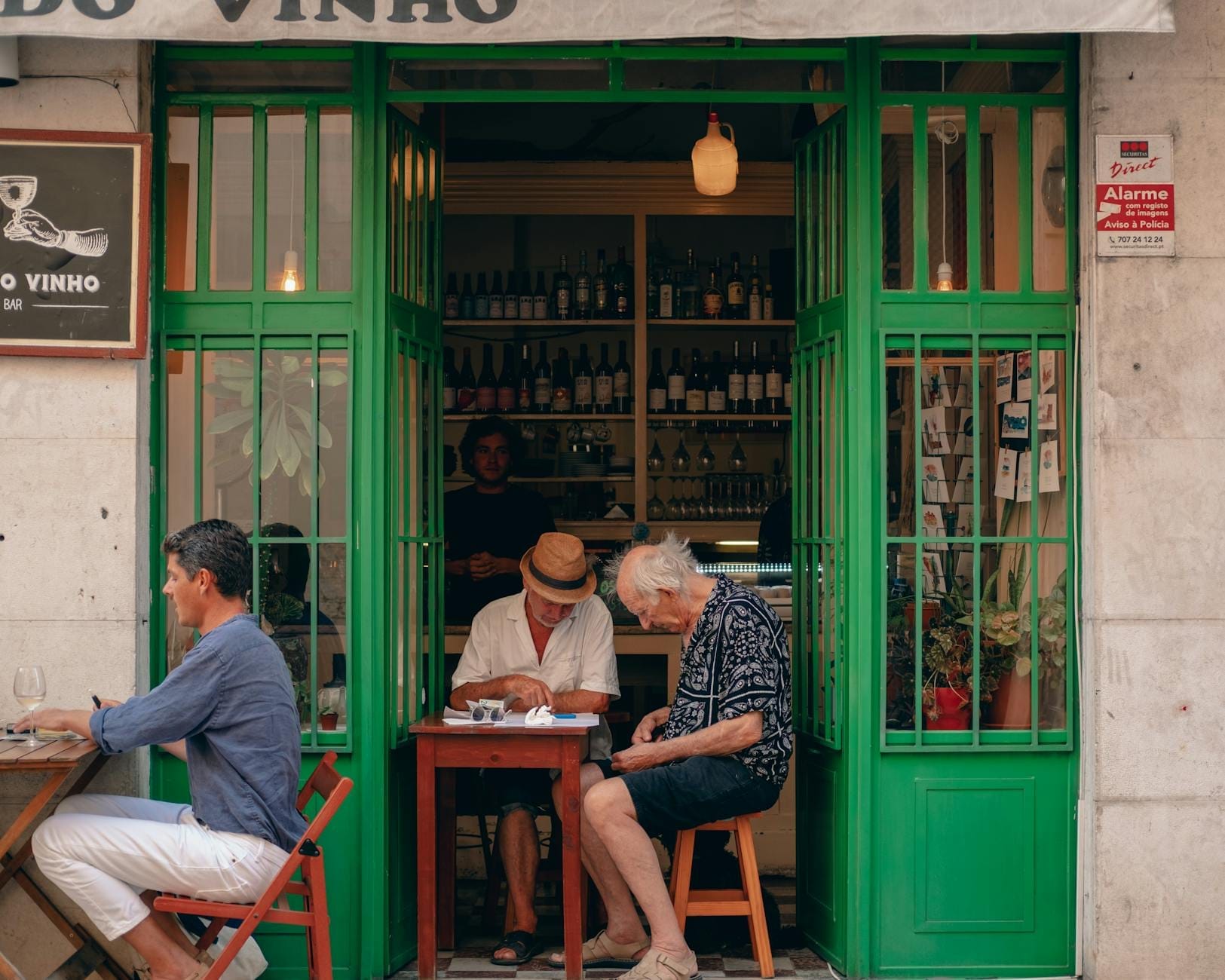
Lisbon restaurants have transformed significantly over the past decade. The city was long associated with affordable, unpretentious cooking — bacalhau (salt cod) prepared 365 ways, charcoal-grilled sardines, and bifanas (pork sandwiches) eaten standing at a counter. That culture still exists and is genuinely good. But alongside it, a generation of Portuguese chefs has built one of Europe's more interesting dining scenes, working with hyper-local producers, reviving forgotten regional recipes, and earning serious international recognition.
The result is a city where you can eat exceptionally well at almost any price point. A lunch prato do dia (dish of the day) with bread, wine, and coffee rarely exceeds €12-14 in a neighbourhood restaurant. Dinner at a top-end spot like Alma — two Michelin stars, tasting menus built around Portuguese flavour traditions — will cost considerably more, but still undercuts comparable restaurants in Paris or London. For a broader sense of what to eat and drink, the Lisbon food guide covers the essential dishes and drinking culture in detail.
ℹ️ Good to know
Tipping in Lisbon restaurants: there is no hard rule. If a service charge is not included, 5-10% is appreciated and appropriate. Leaving small change at casual spots is common. You are never obligated to tip if service was poor.
Best Food Neighbourhoods in Lisbon
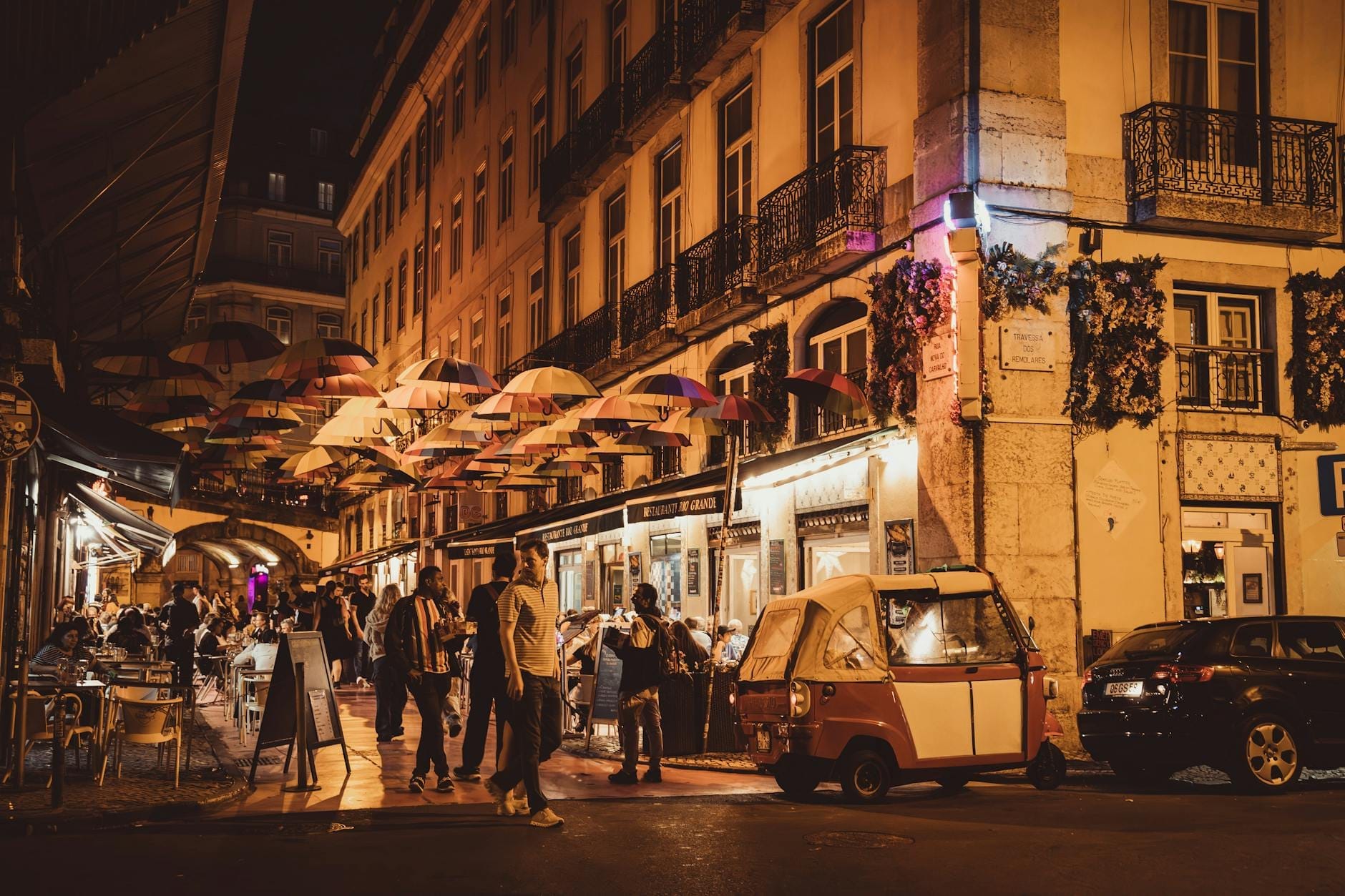
Where you eat in Lisbon depends as much on where you are as what you want. Each neighbourhood has a distinct food personality. Baixa-Chiado is the most central and has the widest range, from quick lunch spots to destination-worthy dinner restaurants. It is also where tourist-trap pricing is most common, so knowing which places to target matters.
- Baixa-Chiado Central, diverse, and very walkable. Best for dinner reservations at creative Portuguese restaurants. Avoid generic menus displayed outside with photos — those are almost universally mediocre.
- Cais do Sodré and Santos The area around Pink Street and the riverside has evolved into one of the city's best eating zones. Less touristy than Chiado, more local in feel, and home to some outstanding tavern-style spots.
- Alfama Lisbon's oldest quarter is better for atmosphere than for food value. A handful of genuinely good spots exist, but the tourist restaurant density is high. Go for fado dinner experiences or a reliable seafood lunch, then explore on foot.
- Belém Primarily a daytime food destination. The area is famous for Pastéis de Belém and has a few solid lunch options near the monuments. Dinner options are limited — most visitors eat here at midday.
- Mouraria and Intendente An older, less gentrified area north of Alfama with some of the city's most authentic and affordable eating. Fewer tourists, more locals, and strong Portuguese-African food influences.
Specific Restaurants Worth Booking
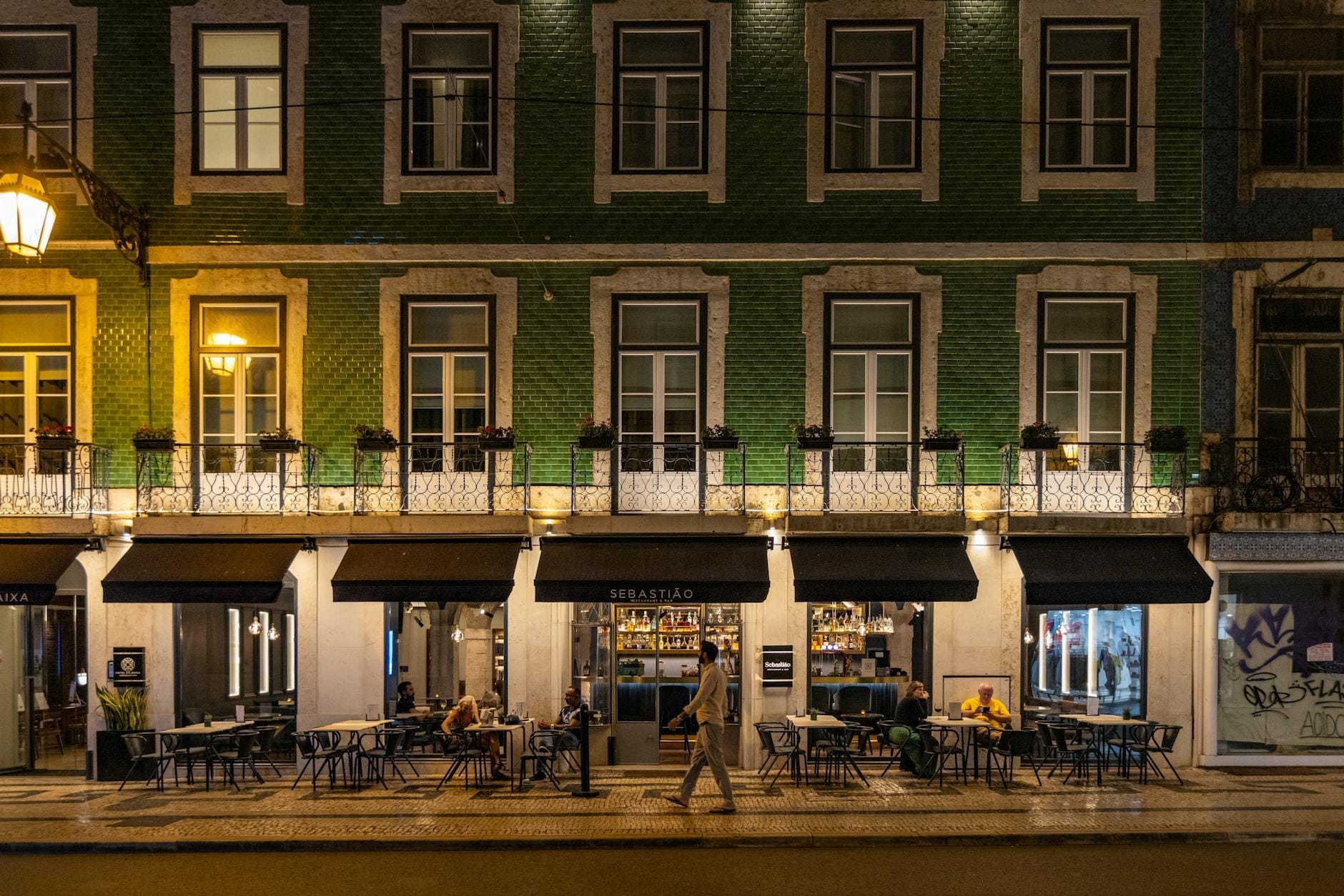
Rather than listing every option that shows up on a Google map, the following are restaurants with genuine merit at different price points — places that serious food travellers consistently rate above the noise.
Ramiro (Av. Almirante Reis 1H) is the benchmark for seafood in Lisbon. It operates more like a Portuguese institution than a restaurant. The menu centres on scarlet shrimp, percebes (barnacles), clams in garlic and white wine, and crab. It is loud, busy, and priced in the mid-to-upper range, but the quality is consistent and the atmosphere is genuinely fun. Go on a weeknight if you can — weekends see longer waits even with a reservation.
Prado Restaurante (Travessa das Pedras Negras 2, near Sé Cathedral) is the restaurant that best represents where Portuguese cooking is heading. Chef António Galapito works with small producers and changes the menu with the seasons — winter menus lean on root vegetables and game, spring brings coastal fish and river clams. Dishes are designed as small plates for sharing. Budget around €50-70 per person including wine. Reservations are essential.
Taberna da Rua das Flores (Rua da Moeda 1G, Cais do Sodré) is the template for what a good modern tasca looks like. The menu is written on a blackboard and changes daily based on what the kitchen sourced that morning. The signature bife à Brilhante — a pan-fried steak in a pungent, old-school sauce — appears regularly and is not to be missed. This is mid-range pricing done right: around €25-35 per person with wine.
Alma (Rua Anchieta 15, Chiado) holds two Michelin stars and is the most technically accomplished restaurant on this list. Chef Henrique Sá Pessoa's tasting menus are exercises in refined Portuguese flavour — bacalhau reimagined, Alentejo pork treated like luxury protein, regional wines paired with precision. Mains run €40 and upward; tasting menus considerably more. Book via OpenTable at least two to three weeks in advance.
Alfama Cellar (Rua dos Remédios 127-131) is a lower-key option in the Alfama area with reliably good seafood rice — the arroz de marisco here is generous and properly made. Prices sit in the mid-range bracket, making it a better choice than most of the tourist-facing places on the miradouro-adjacent streets.
⚠️ What to skip
Restaurants along the main tourist corridors in Alfama — particularly near Miradouro de Santa Luzia and Portas do Sol — frequently use laminated menus with photos and aggressive hosts at the door. The food is rarely bad, but it is rarely good either. Walk one or two streets back and the quality-to-price ratio improves significantly.
Markets, Food Halls, and Casual Eating
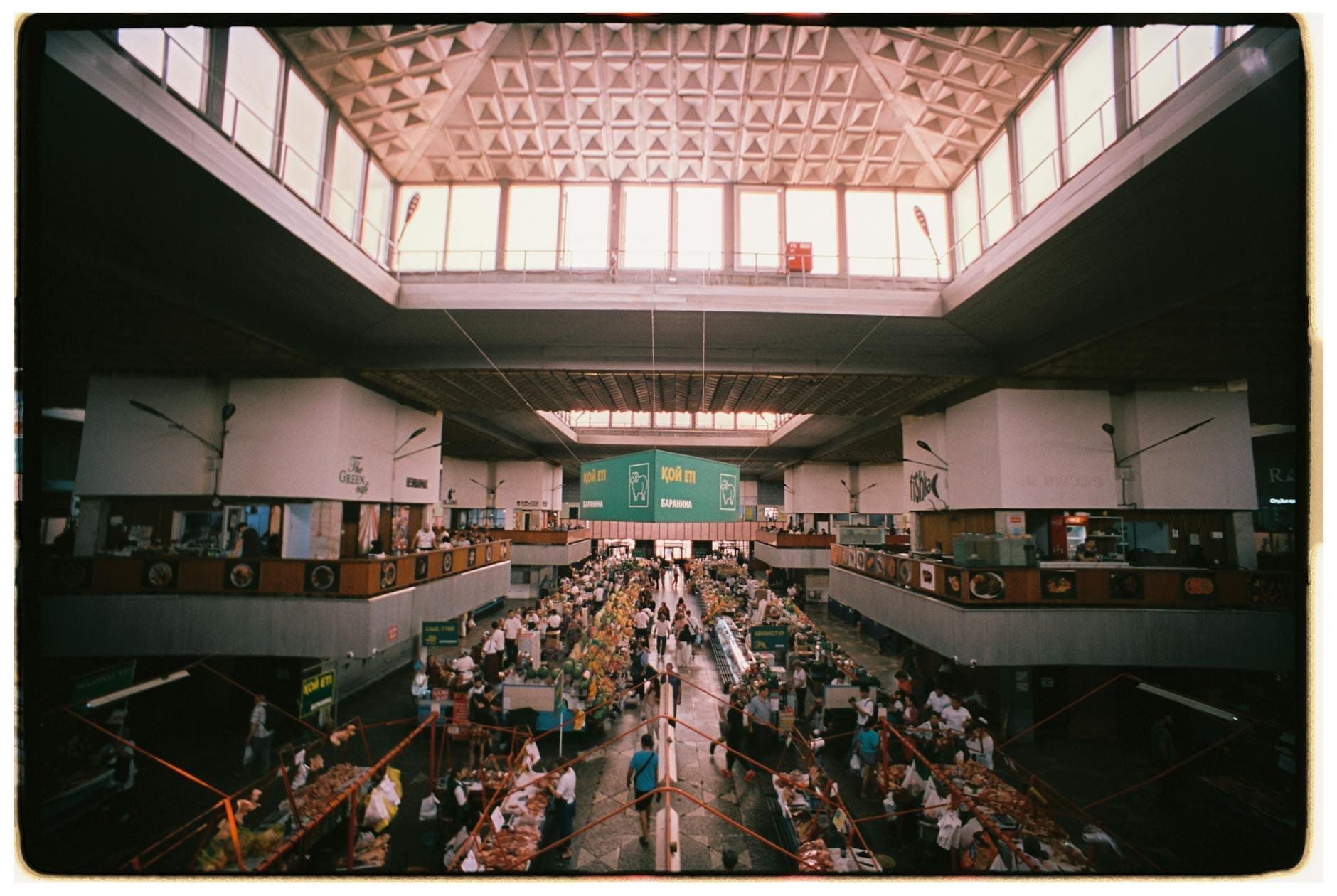
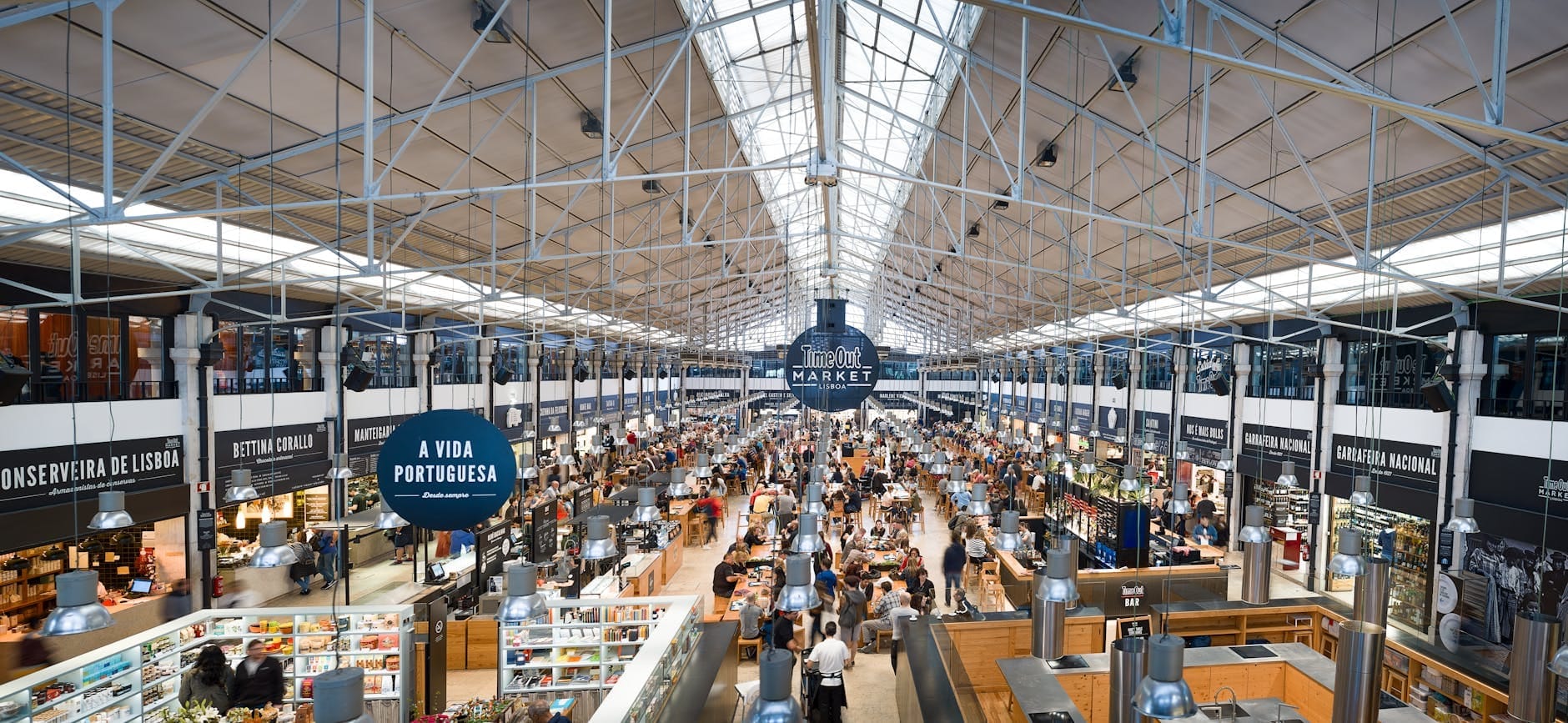
The Time Out Market at Cais do Sodré is the most famous food hall in the city and, honestly, worth visiting once despite its tourist-magnet reputation. It brings together stalls from some of Lisbon's better-known chefs and restaurants under one roof. The food quality is significantly higher than most airport or mall food courts. Prices are moderate. The main drawback is that it is crowded during peak hours (noon to 2pm, 7pm to 10pm) and the shared seating can be chaotic.
For a more local market experience, the Mercado de Campo de Ourique in the residential Campo de Ourique neighbourhood is a better option. It is smaller, calmer, and genuinely frequented by the people who live nearby. There are fewer international options but more authentic Portuguese food stalls.
For the single most iconic food stop in Lisbon, Pastéis de Belém is not optional. The original pastel de nata bakery has been operating since 1837 in the same location near the Jerónimos Monastery. The custard tarts here are made from a recipe that is genuinely kept secret and taste noticeably different from the copies sold across the city. Go early (before 10am) or after 3pm to avoid the longest queues. They cost around €1.20-1.50 each and are eaten warm with cinnamon and powdered sugar.
✨ Pro tip
Lisbon's prato do dia (lunch special) is the most efficient way to eat well on a budget. Most neighbourhood restaurants offer a set lunch of soup or salad, a main dish, bread, a drink, and dessert or coffee for €10-14. These deals are rarely advertised in English or displayed outside — just ask 'tem prato do dia?' when you sit down.
Food Tours and Structured Eating Experiences

If you have limited time in the city, a food tour compresses a lot of eating into a few hours and provides the kind of context that makes subsequent meals more meaningful. The best Lisbon food experiences mix tascas, market stops, and street food with enough neighbourhood walking to give you a real sense of how the city is structured. Most good tours cover Alfama or Mouraria, include wine and ginjinha (the local sour cherry liqueur), and run for three to four hours.
For those combining food with sightseeing, the Lisbon walking tours that incorporate food stops are particularly good value. You cover ground in the historic neighbourhoods while eating your way through key dishes. These work best in the morning or late afternoon — midday heat in summer and post-lunch crowds in the popular areas make timing important.
- Book food tours at least 48 hours in advance in high season (June to September); last-minute spots are rarely available at reputable operators.
- Small-group tours (under 10 people) give you better access to the kitchens and vendors than large coach-based alternatives.
- Tours that start in Mouraria or Intendente tend to be less touristy and show parts of Lisbon that most visitors miss entirely.
- Fado dinner experiences in Alfama are a legitimate way to combine food and culture, but quality varies enormously — read recent reviews carefully before booking.
- LX Factory on Sundays hosts a weekly market with food stalls, vintage goods, and local producers that makes for a good late-morning food crawl.
Practical Tips for Eating in Lisbon
Lisbon restaurants generally eat later than northern European visitors expect. Lunch runs from 1pm to 3pm; arriving before 1pm often means the kitchen is not fully ready. Dinner starts around 7:30pm but the local peak is 8:30pm to 10pm. Turning up at 6:30pm will get you a table almost anywhere, but you will be eating largely alone.
The bread, butter, and small appetisers placed on your table when you sit down are not free in most restaurants. This is the couvert system — you will be charged per person (usually €1-3) for whatever is placed on the table. You are entitled to refuse it and send it back; simply say 'não queremos' (we don't want it) when it arrives. This is not rude, it is normal practice.
Neighbourhood research pays off in Lisbon more than in most cities. The difference between eating on Rua Augusta in Baixa versus one block away can mean paying double for half the quality. If you want to build your own itinerary around the best food areas, pairing this guide with an understanding of where to stay in Lisbon helps you position yourself within walking distance of the best eating zones.
💡 Local tip
Wine in Lisbon restaurants is priced very reasonably by international standards. A decent house wine by the carafe (a jug, around 25cl) runs €3-5 in a neighbourhood restaurant. Vinho verde (young, slightly effervescent white wine from northern Portugal) is a particularly good match for seafood and works well in the warmer months.
FAQ
What are the best restaurants in Lisbon for seafood?
Ramiro (Av. Almirante Reis 1H) is the most consistently rated seafood restaurant in Lisbon, known for scarlet shrimp, barnacles, and clams. Alfama Cellar is a solid mid-range option for seafood rice. For a more upscale experience, Prado Restaurante incorporates seasonal coastal fish into its tasting-style menu.
How much does it cost to eat out in Lisbon?
Budget eating (prato do dia lunches, tasca dinners, street food) runs €10-15 per person including a drink. Mid-range restaurants cost €25-45 per person with wine. High-end and Michelin-starred spots range from €60 to well over €100 per person for tasting menus with wine pairing.
Do Lisbon restaurants require reservations?
For popular mid-range and upscale restaurants — particularly Prado, Taberna da Rua das Flores, and Alma — reservations are strongly recommended, especially Thursday to Saturday evenings. Casual tascas and neighbourhood lunch spots generally operate on walk-ins. OpenTable covers several of the top-end options.
What food is Lisbon most famous for?
Pastéis de nata (custard tarts) are the single most iconic item. Beyond that: bacalhau (salt cod in dozens of preparations), grilled sardines (most common June to September), fresh seafood, and petiscos — the Portuguese answer to tapas, small shared plates eaten with wine.
Is the Time Out Market in Lisbon worth visiting?
Yes, with caveats. The food quality is genuinely above average and the selection is wide, which makes it useful if you want to try multiple dishes in one sitting. Avoid it at peak lunch and dinner hours when seating is scarce and queues are long. It is not a substitute for eating in actual neighbourhood restaurants, but it works well as a first meal after arriving in the city.
Tickets & tours
Live prices and dates from our booking partner. If you book, we may earn a commission at no extra cost to you.
Planning a trip? Discover personalized activities with the Nomado app.