Where to Stay in Lisbon: Best Neighborhoods & Hotels (2026 Guide)
Choosing where to stay in Lisbon shapes your entire trip. This guide breaks down every major neighborhood by atmosphere, price range, pros and cons, and the type of traveler each suits best — so you can book with confidence.
Tickets & tours
Live prices and dates from our booking partner. If you book, we may earn a commission at no extra cost to you.
TL;DR
- Baixa and Chiado sit at the geographic center of Lisbon, placing you within walking distance of most major attractions — ideal for first-timers.
- Príncipe Real and Estrela offer a calmer, more upscale alternative with boutique hotels, shaded parks, and good restaurant access without the tourist crush.
- Alfama is atmospheric but hilly and maze-like — great for romance and fado culture, less great if you're carrying heavy luggage or have mobility concerns.
- Bairro Alto and Cais do Sodré are the nightlife neighborhoods: expect noise past 3am on weekends. Sleep elsewhere if you're a light sleeper.
- Book 2-3 months ahead for summer stays (June-August). Prices in peak season are roughly double those in November-February.
How Lisbon's Neighborhoods Are Laid Out
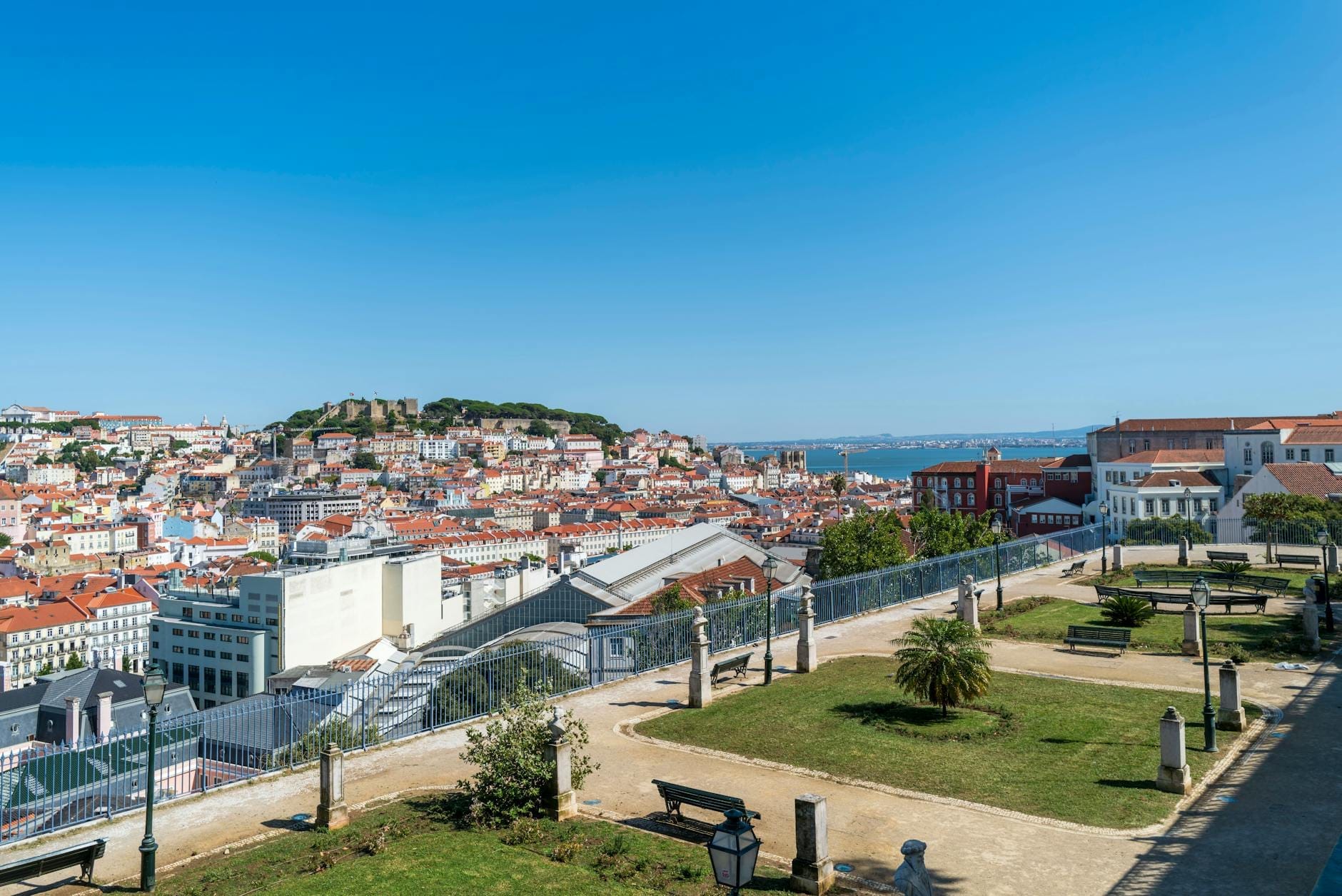
Lisbon covers 85 km² across a terrain that rises and falls steeply from the Tagus River. The city is built on seven hills (though locals will debate the exact count), and your hotel's elevation relative to metro stops and attractions matters more than it does in most European capitals. A five-minute walk on flat ground can become a 15-minute uphill climb in Alfama or Graça, which is relevant if you're traveling with kids, luggage, or during July heat.
The metro system has four lines and connects the airport (Red Line, around 20 minutes, €2.00 per trip) to the city center efficiently. Trams and funiculars cover gaps, but the iconic Tram 28 is best treated as a sightseeing experience rather than reliable transport. For practical navigation across the city, check the complete guide to getting around Lisbon before deciding where to base yourself.
ℹ️ Good to know
Lisbon operates on Western European Time (UTC+0 in winter), shifting to UTC+1 in summer (late March to late October). The city is compact enough that no neighborhood puts you more than 30 minutes from the center by public transit.
Baixa and Chiado: Best for First-Time Visitors
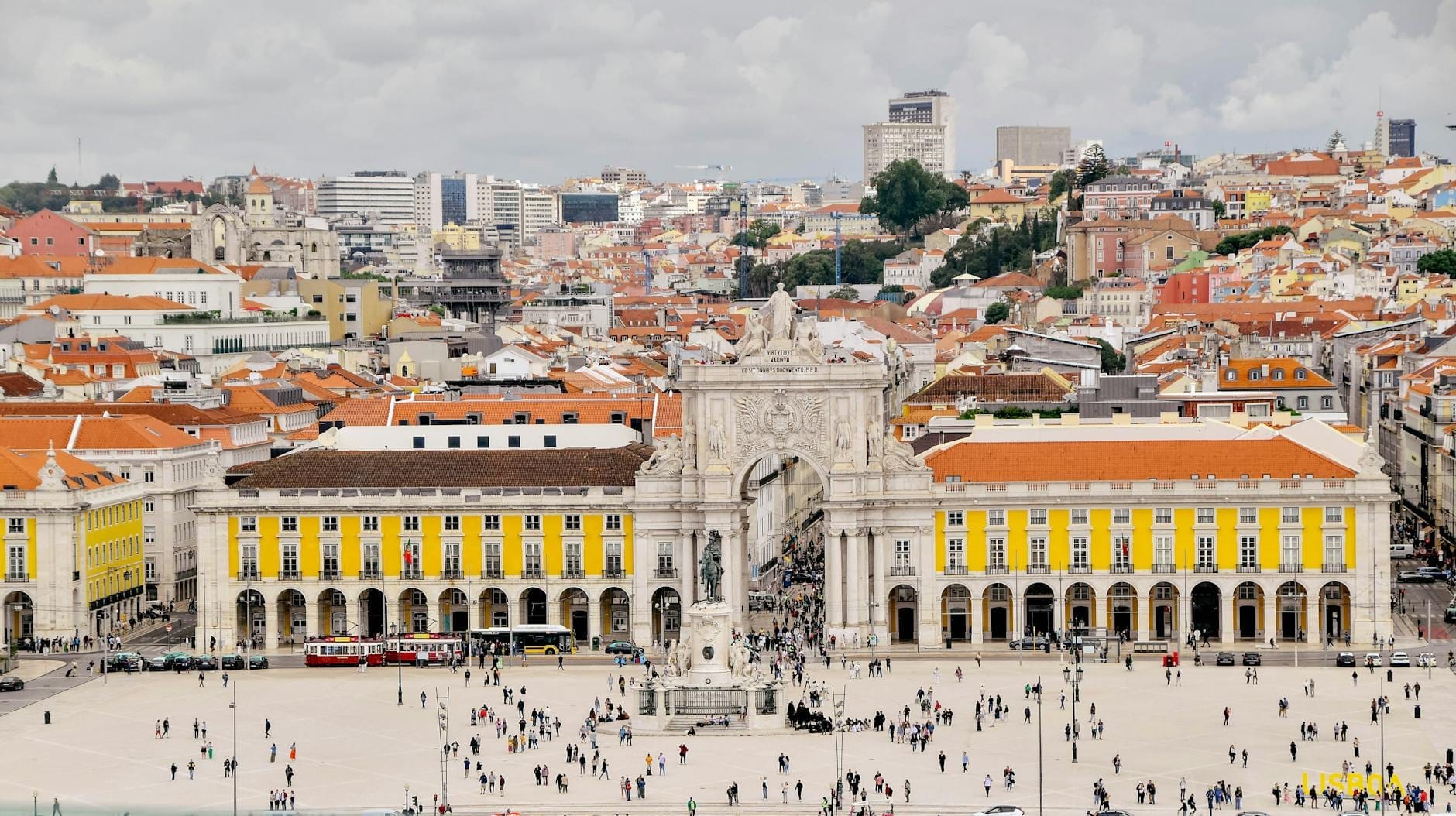
Baixa is Lisbon's flat commercial grid, rebuilt after the catastrophic 1755 earthquake in a rational, Pombaline style with wide streets and neoclassical facades. It is not the most romantic part of the city, but it is the most convenient. Rossio Square and the pedestrianized Rua Augusta form the spine of the district. Hotels here tend to be larger chains and mid-range properties with competitive rates, and you can reach most central attractions on foot.
Chiado, directly uphill from Baixa, is a step up in character and price. It has bookshops, independent boutiques, good cafes, and easy access to Carmo Convent and the Elevador de Santa Justa. Boutique hotels in Chiado often occupy converted 18th-century buildings with tiled facades. If you want style and centrality, this is the most sensible base.
- Best for First-time visitors, families, travelers who want to walk everywhere without planning routes
- Hotel types 4-star chain hotels in Baixa; boutique and design hotels in Chiado
- Noise level Moderate in Baixa; quieter in Chiado side streets
- Drawback Baixa's commercial core feels generic — souvenir shops dominate. The neighborhood empties at night.
- Price range €80-180/night mid-range; €200+ for design hotels in Chiado
Alfama and Graça: For Atmosphere and Authenticity
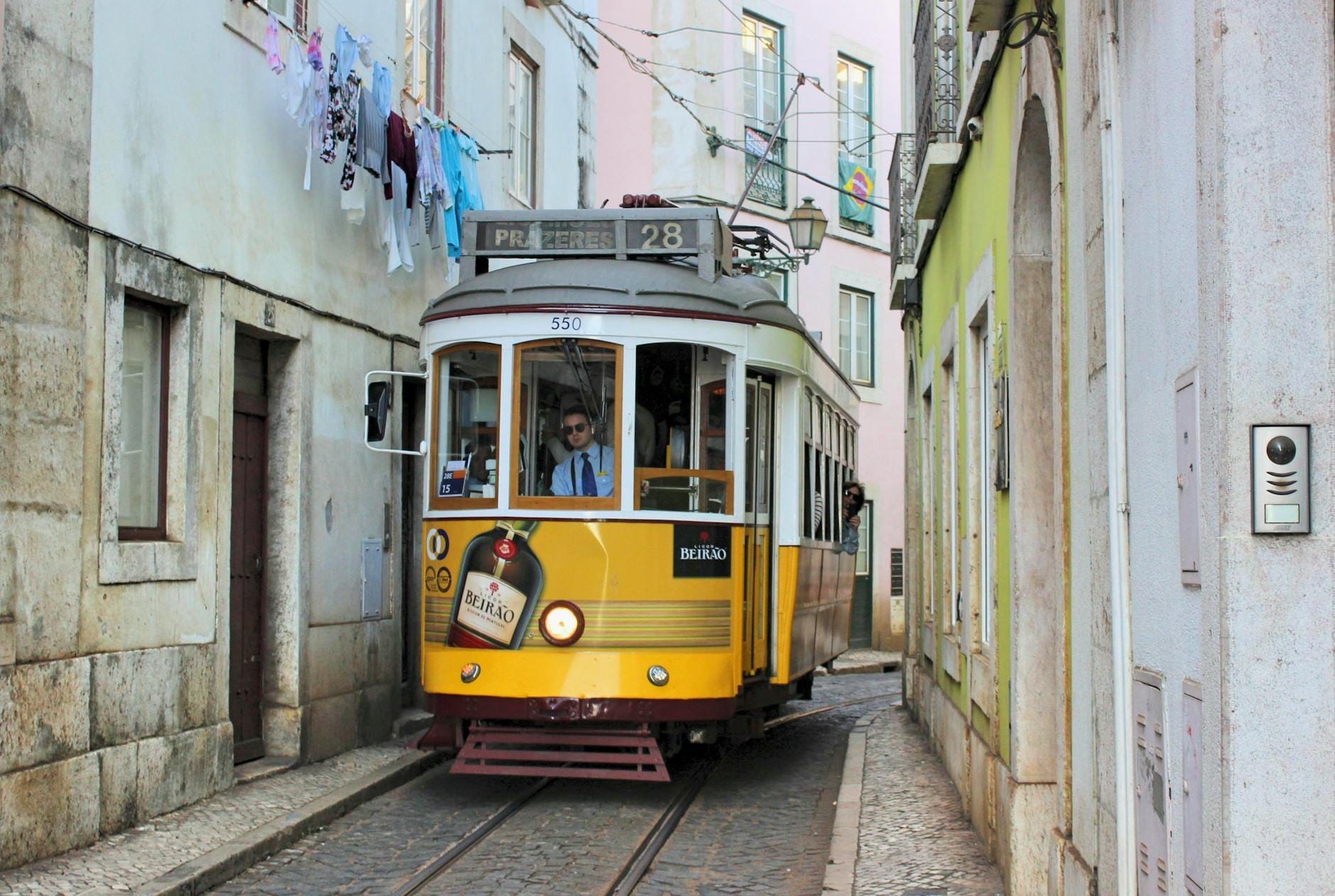
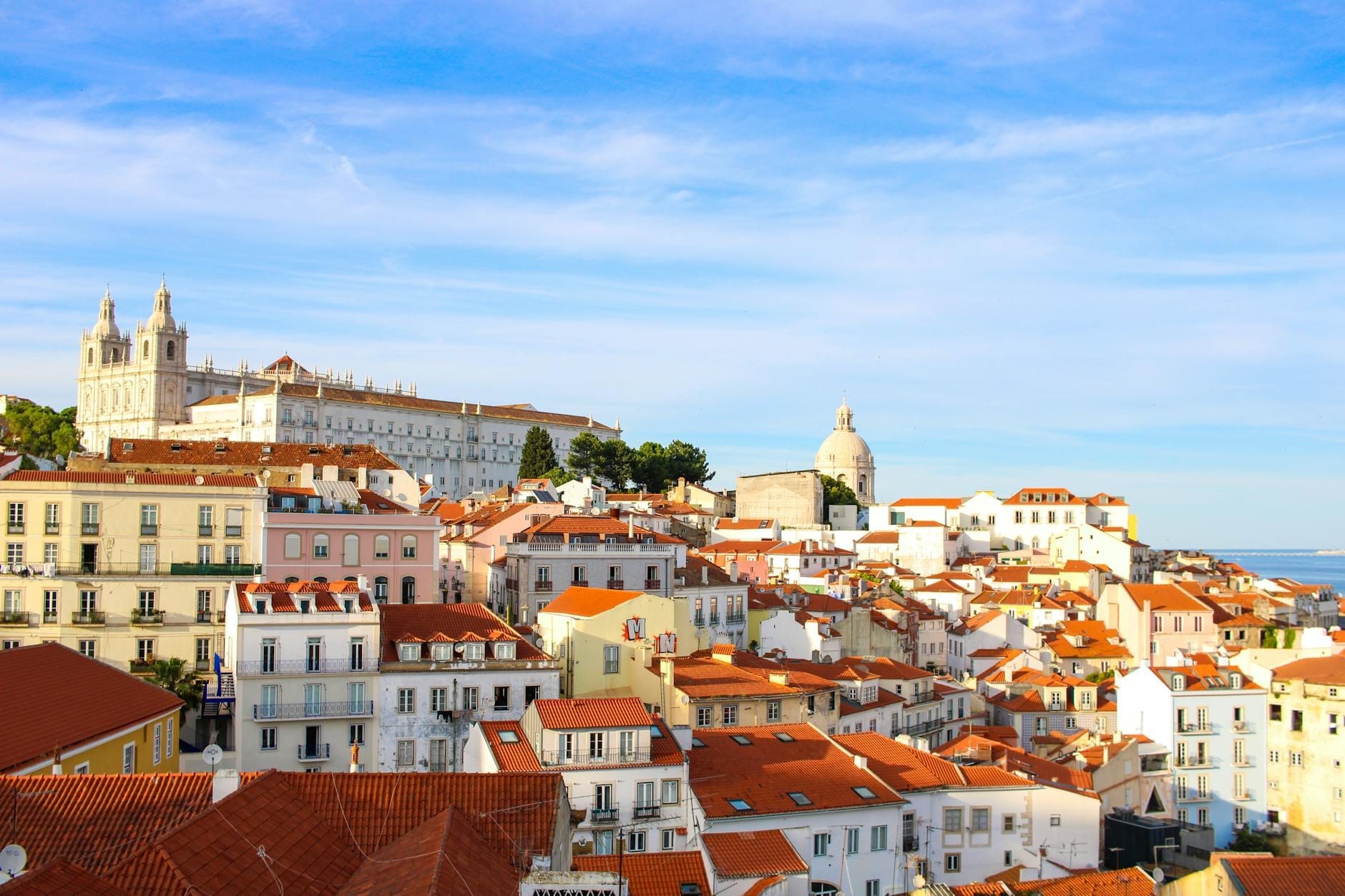
Alfama is Lisbon's oldest surviving quarter, a tangle of cobbled lanes and whitewashed houses that that survived the 1755 earthquake. It climbs steeply from the river up to São Jorge Castle, with viewpoints like the Miradouro das Portas do Sol offering some of the best views in the city. Fado music still spills out of small restaurants in the evenings, and the weekly Feira da Ladra flea market adds to the neighborhood's character.
The honest trade-off: Alfama is genuinely difficult to navigate. Addresses don't always correspond to logical routes, tuk-tuks clog the narrow streets during the day, and hauling bags up steep inclines in summer heat is miserable. Accommodation options skew toward small guesthouses and boutique properties — there are no large hotels up here. Graça, just above Alfama, is quieter and increasingly popular with travelers who want the atmosphere without quite as many day-trippers at the door.
⚠️ What to skip
Alfama has a pickpocketing problem around the main viewpoints, especially during the summer tourist season. Leave valuables in your hotel safe and be alert at crowded miradouros. This applies more to the viewpoint areas than the residential lanes.
Príncipe Real and Estrela: The Upscale Residential Choice
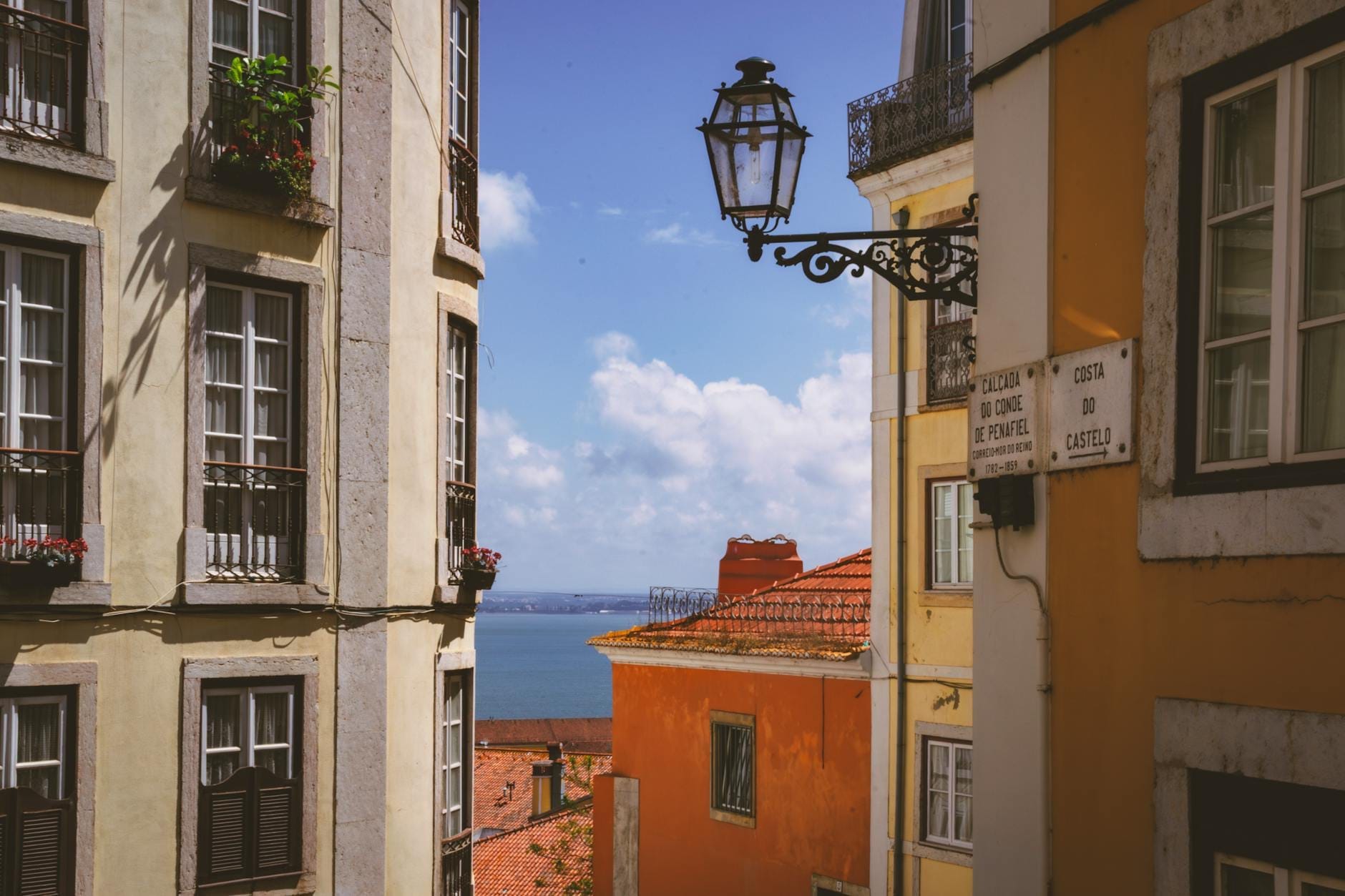
Príncipe Real sits just west of Chiado and has quietly become Lisbon's most desirable address for travelers who want character without chaos. The streets are lined with 19th-century palaces converted into boutique hotels, antique shops, and some of the city's best independent restaurants. The weekend antiques market and the shaded Jardim da Estrela park give it a neighborhood feel that purely tourist areas lack. It is also Lisbon's most established LGBTQIA+-friendly district.
Estrela, further west, is more residential still. The landmark here is the Basílica da Estrela, a dominant white dome visible from across the district. Hotels are fewer and tend to be smaller properties. This area works best for travelers on longer stays who want to feel like they live in the city, not just visit it.
- Lisbon boutique hotels in converted 19th-century palaces are concentrated in Príncipe Real
- Metro access is less direct here — expect 10-15 minute walks to the nearest stations
- Prices run 20-40% higher than equivalent hotels in Baixa, reflecting the desirability of the area
- Works especially well for couples and solo travelers comfortable exploring on foot
- Proximity to Bairro Alto means nightlife is accessible without being inescapable
Bairro Alto and Cais do Sodré: Where Lisbon's Night Begins
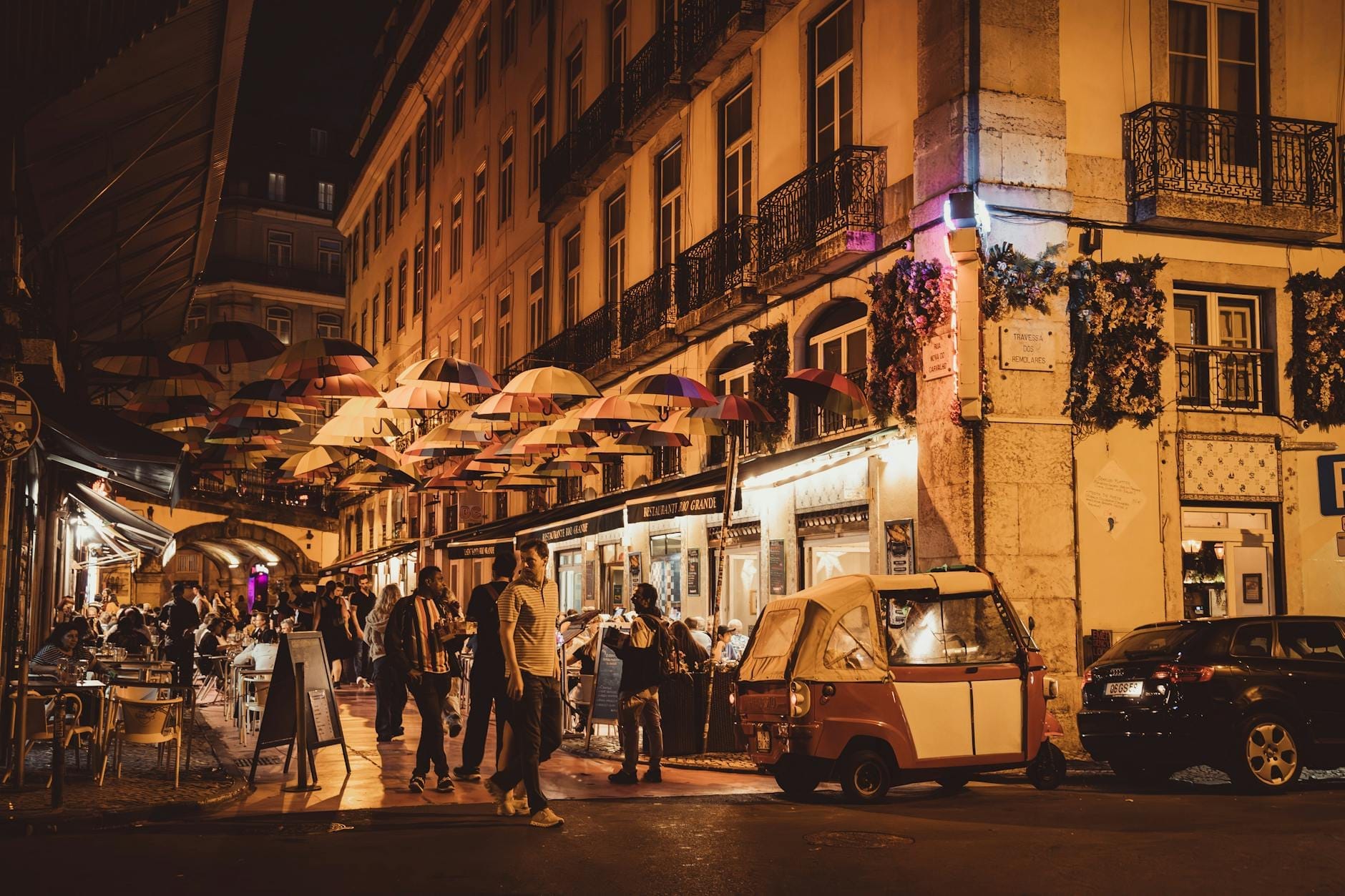
Bairro Alto translates to 'upper neighborhood' and sits on the hill between Chiado and the river. By day it is quiet, with narrow streets and a few restaurants. By night, it transforms into one of the densest concentrations of bars in any European capital. Hundreds of small bars open simultaneously, crowds spill onto the streets, and the noise carries well past midnight. This is fun if you're participating. It is not compatible with early sleep. Pink Street in adjacent Cais do Sodré is the visual center of this scene.
Cais do Sodré itself is a riverside neighborhood that has undergone significant transformation over the past decade, from working docks and somewhat rough bars to a food and culture destination anchored by the Time Out Market. It has good transport links, with a train station connecting to Belém and Cascais, and ferry terminals for crossing to the south bank of the Tagus. Staying here suits travelers who want to be at the center of Lisbon's social scene. If you're looking for something more structured, see the full Lisbon nightlife guide before committing to this area.
💡 Local tip
If you want to be near the nightlife without sleeping inside it, look for hotels on the Chiado side of Bairro Alto rather than the streets closest to Pink Street. A few hundred meters of distance makes a meaningful difference on a Friday night.
Belém, Parque das Nações, and Beyond the Center

Belém is 6 km west of the city center along the Tagus riverfront, home to the Jerónimos Monastery, the Belém Tower, and the original Pastéis de Belém bakery. Staying here makes sense only if you have a specific reason — a longer visit to the monuments, or a preference for a quieter riverside setting. Getting to central Lisbon requires a 15-20 minute tram ride, which adds friction to any spontaneous evening plan.
Parque das Nações, in the far northeast of the city near the airport, was developed for Expo 98 and feels like it. The architecture is modern and striking, the Lisbon Oceanarium is genuinely excellent, and hotel prices are often lower than the center. However, it has little neighborhood life and is a 25-30 minute metro ride from Alfama or Chiado. It works as a budget-friendly base if you are primarily focused on day trips out of the city, but most visitors find it too disconnected for a first visit.
Practical Tips for Booking Lisbon Hotels
Lisbon's hotel market has tightened significantly over the past five years. Summer demand is intense: July and August see the highest occupancy rates, and properties in desirable neighborhoods like Chiado and Príncipe Real fill up weeks in advance. For travel between June and September, booking 2-3 months ahead is not excessive — it's prudent. Outside those months, particularly November through February, you can find excellent rates and the city is significantly less crowded.
Lisbon 5-star hotels are concentrated along Avenida da Liberdade, the wide boulevard running north from Baixa, which functions as the city's luxury corridor. Several international brands have properties here, and rates reflect it: expect €300-600/night in high season. For genuine character at comparable prices, Príncipe Real's boutique properties often deliver more interesting experiences. Budget travelers should note that Lisbon remains one of Western Europe's more affordable capitals — check the budget travel guide to Lisbon for hostel options and free activities that reduce overall trip cost.
✨ Pro tip
Lisbon's hills mean that 'central' doesn't always mean 'convenient'. Before booking, check the hotel's exact address against the nearest metro stop and your planned activities. A hotel in Alfama sounds romantic until you realize you're climbing 150 steps after dinner every night.
- Peak season (July-August) Book 2-3 months ahead. Prices are highest, heat is intense (28-33°C), and crowds are at their peak in Baixa and Alfama.
- Shoulder season (May-June, September-October) The best time to visit Lisbon for weather and crowd balance. Prices are 20-30% lower than peak, availability is easier.
- Low season (November-February) Rates can drop 40-50% from summer highs. Rain is possible, but Lisbon's winter is mild (12-16°C). The city is genuinely more local in feel.
- Festival periods Santo António festival in June (around June 13) sees Alfama and Graça packed with celebrations and decorated streets. Book early and embrace it.
FAQ
Where should first-time visitors stay in Lisbon?
Chiado or Baixa are the most practical choices for a first visit. Both are centrally located, well-connected by metro and foot, and give you easy access to the major attractions without requiring navigation of Lisbon's hills. Chiado has more character; Baixa has more hotels at a range of price points.
What is the best neighborhood in Lisbon for couples?
Príncipe Real is consistently the strongest option for couples — boutique hotels in period buildings, good restaurants, proximity to viewpoints, and a calmer atmosphere than Chiado. Alfama works well too if you want the full fado-and-cobblestones experience, though the terrain requires comfortable shoes.
Are Lisbon hotels expensive compared to other European cities?
Lisbon sits in the mid-range for Western Europe. Budget hotels and hostels start around €30-60/night; solid 3-4 star properties run €100-180; boutique and 5-star hotels range from €200-600. Prices are lower than Paris, Amsterdam, or Barcelona but have risen noticeably since 2019.
Is it worth staying in Belém?
Only if Belém is your primary focus — visiting the monuments, the Coach Museum, or MAAT. For a general Lisbon trip, staying in the center and making a day trip to Belém (15-20 minutes by tram or train) is more practical and gives you better evening options.
What part of Lisbon should I avoid staying in?
The purely commercial core of Baixa (around Rua Augusta) can feel impersonal and tourist-dominated, and the neighborhood goes quiet at night. Bairro Alto and the streets immediately around Pink Street are best avoided if you're a light sleeper — weekend nights are genuinely loud until 3-4am. Parque das Nações is fine but disconnected from the city's atmosphere.
Tickets & tours
Live prices and dates from our booking partner. If you book, we may earn a commission at no extra cost to you.
Planning a trip? Discover personalized activities with the Nomado app.