Fado in Lisbon: Where to Hear Authentic Fado Music
Fado is Lisbon's soul — a UNESCO-listed tradition of longing, heartbreak, and beauty. This guide cuts through the tourist-trap venues to show you exactly where to hear the real thing, what it costs, and how to book.
Tickets & tours
Live prices and dates from our booking partner. If you book, we may earn a commission at no extra cost to you.
TL;DR
- Fado is UNESCO Intangible Cultural Heritage — Lisbon's most distinctive live music tradition, rooted in Alfama and Bairro Alto.
- The best authentic experiences range from free fado vadio at A Tasca do Chico (arrive before 9pm) to intimate ticketed concerts at venues like Alfama's Mesa de Frades (around €70/person).
- You do not need to book a full dinner to hear fado — concert-only options exist at Real Fado and similar venues.
- Book ahead for popular spots, especially Thursday to Saturday in summer. Walk-ins are possible but risky.
- Pair a fado night with a daytime wander through Lisbon's top experiences for a well-rounded visit.
What Fado Actually Is (and Why It Matters)
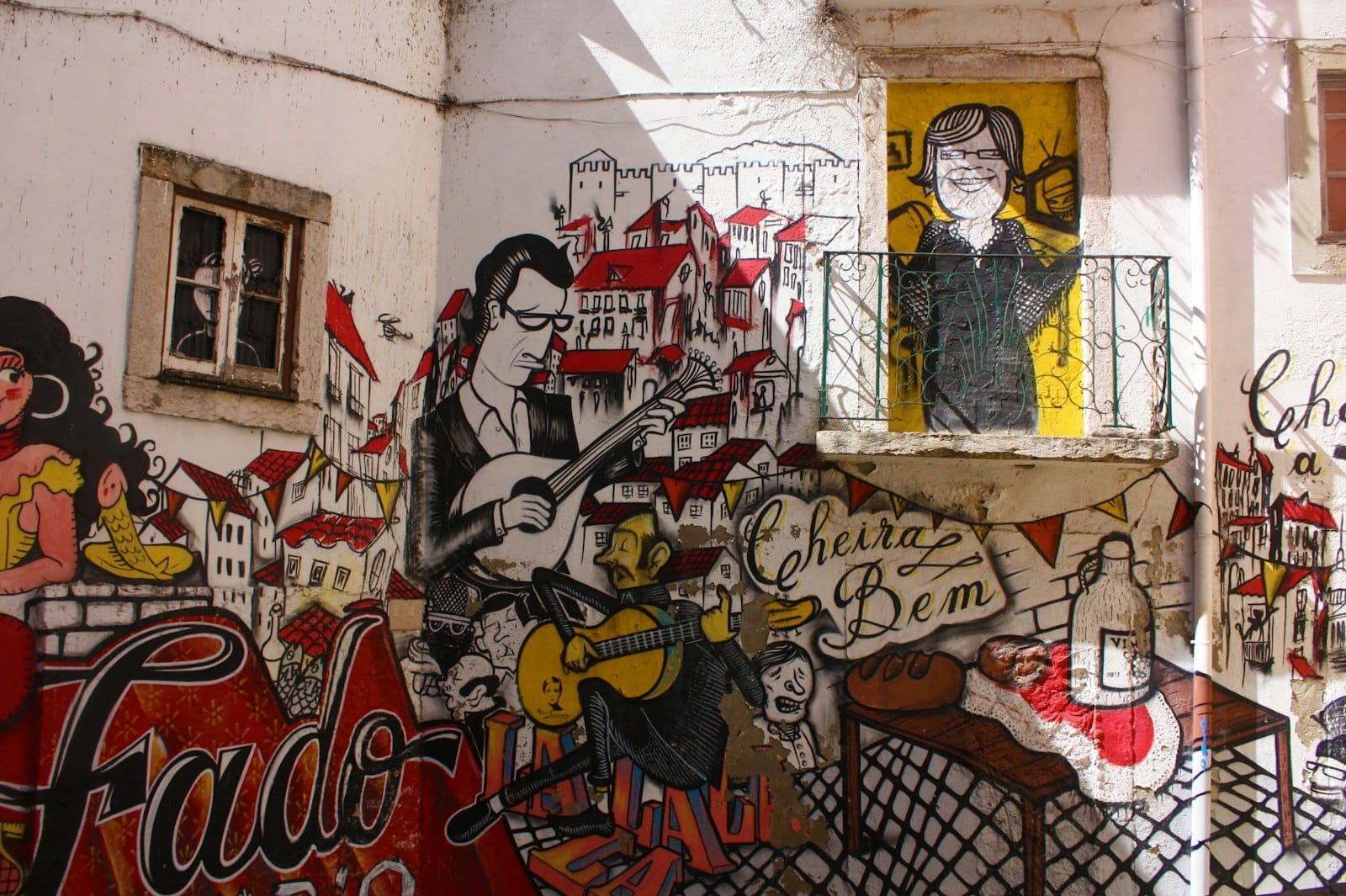
Fado translates loosely as 'fate' in Portuguese, and the music lives up to the name. It is raw, melancholic, and intensely personal — a genre built on longing, loss, and the particular Portuguese concept of saudade, a bittersweet ache for something absent. UNESCO recognised fado, urban popular song of Portugal, as Intangible Cultural Heritage in 2011, cementing what locals had known for nearly two centuries: this is not background music. When a fadista performs, conversation stops.
The classic setup is a solo vocalist — traditionally female, though male fadistas are equally celebrated — accompanied by a Portuguese guitarra (a 12-string pear-shaped instrument with a distinctly bright, plucked tone) and a viola baixo (a classical guitar providing bass harmony). There is no drum kit, no synthesiser, no backing track. The intimacy is the point. The best venues seat fewer than 50 people and operate without microphones, which means you hear every breath, every vibrato, every silence.
ℹ️ Good to know
Fado vadio is the informal, amateur version of fado — where locals (not professional performers) take turns singing, often in small tascas. It is considered purer and more spontaneous than polished restaurant fado, and is the format most appreciated by Lisboetas themselves.
The Best Fado Venues in Lisbon, Ranked by Experience Type
Not all fado venues are created equal. Some cater almost entirely to tour groups, serving fixed menus at fixed prices with predictable, polished performances. Others are genuinely local spaces where the music comes first and the food is incidental. Here is a breakdown of the best options across different price points and atmospheres.
- Real Fado – Concert-Only Format One of the few venues offering fado without a dinner obligation. One-hour pre-dinner concerts run 7–8pm. Thursdays at Pavilhão Chinês, Fridays at Reservatório da Patriarcal (a former cistern — exceptional acoustics), Sundays at EmbaiXada. Ticketed; book via venue site or TripAdvisor. This is one of the most thoughtful formats for serious listeners.
- A Tasca do Chico – Bairro Alto (Free Fado Vadio) Monday and Wednesday nights from 9pm. This tiny tasca in Bairro Alto offers genuine fado vadio — amateur and semi-professional singers taking turns in front of a packed room. No cover charge, but you are expected to order food and drink. Arrive by 8:30pm or you will not get a seat. This is the closest thing to fado as a neighbourhood ritual.
- A Baiuca – Alfama Thursday to Monday, from 8pm. One of Alfama's most respected fado restaurants, known for keeping a local atmosphere despite its reputation. Mains start around €20. Reservations essential — book at fadovadioabaiuca.com. The room is small, the music unamplifed, and the etiquette is strict: phones away, silence during songs.
- Mesa de Frades – Alfama Set in a former chapel with original azulejo tiles covering the walls. Fado starts around 8:30pm, last admission 11pm. At around €70 per person (food and music combined), it is the most expensive option on this list, but the setting is extraordinary and the performers are professional-grade. Worth it once.
- Páteo de Alfama – Alfama Open daily 8pm–2am. A more accessible mid-range option in the heart of Alfama, with reliable live fado every night. Busier in summer, but maintains quality. Book via pateodealfama.com.
- Senhor Vinho – Lapa Open daily 7:30pm–2am, fado from 9pm. Located in the quieter Lapa neighbourhood — away from Alfama crowds — this institution has been operating since the 1970s. The setting is more formal than most. Book ahead at srvinho.com.
⚠️ What to skip
Avoid venues on Rua Augusta or near Praça do Comércio that advertise 'fado show + dinner' as a package product aimed at walking tourists. The performers at these spots are often covers or compilations rather than original fadistas, and the food is priced well above its quality. Real fado venues do not need to hand out flyers on the street.
Alfama vs Bairro Alto: Which Neighbourhood for Fado?
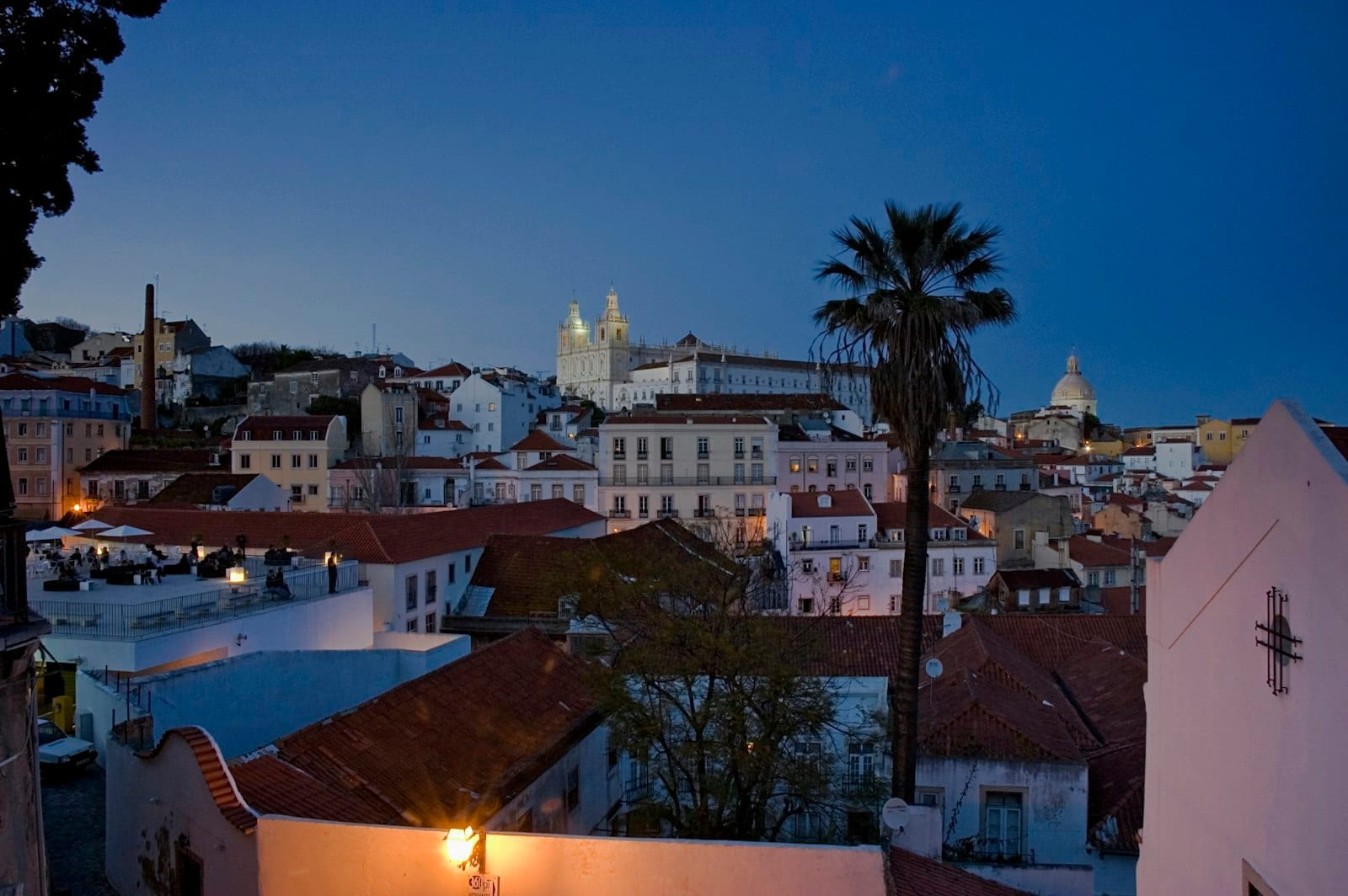
Fado has two main heartlands in Lisbon: Alfama and Bairro Alto. They offer quite different experiences, and the choice depends on what kind of night you want.
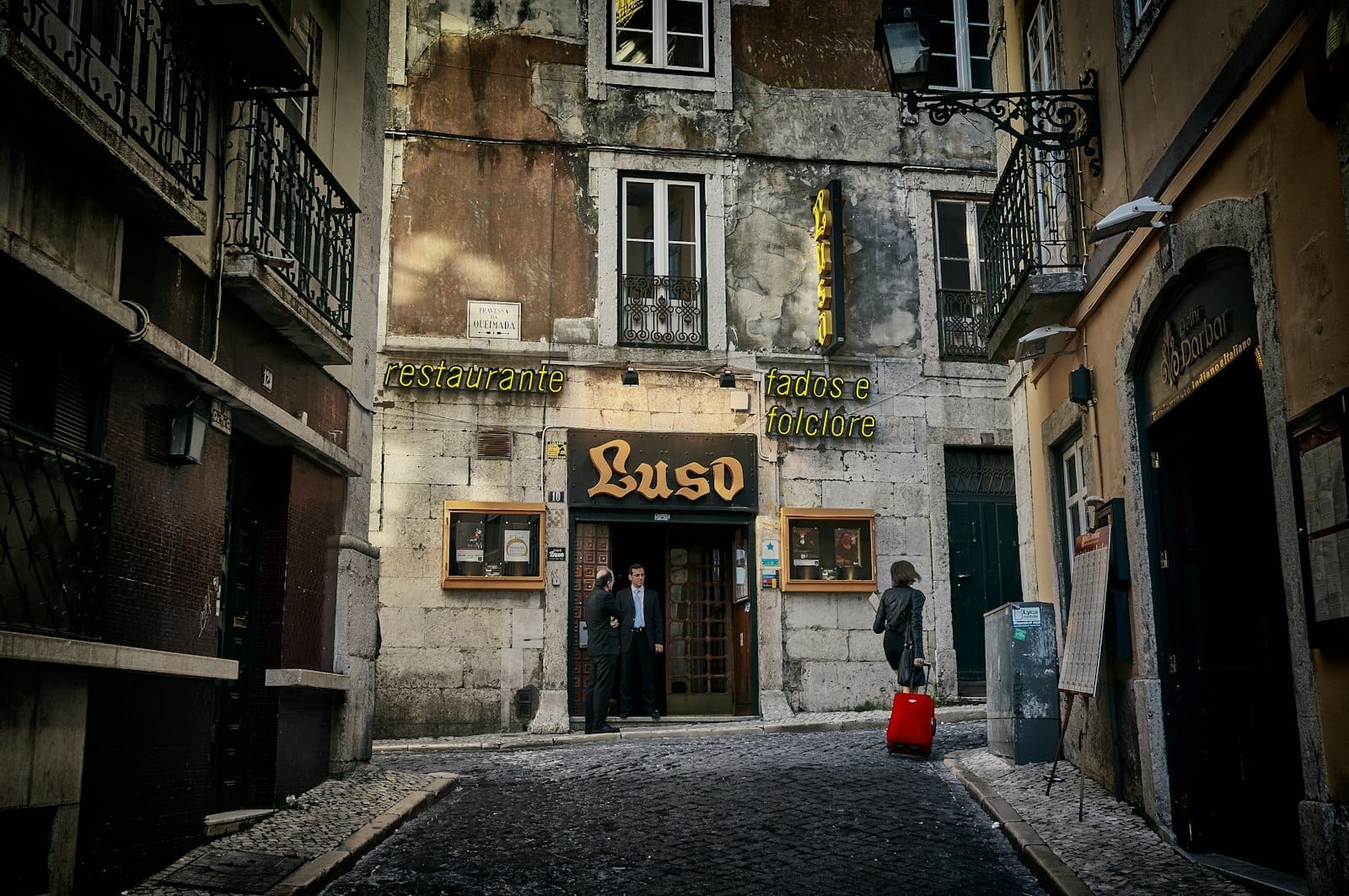
Alfama is the older, more historic neighbourhood — the neighbourhood most associated with fado's origins. The streets are narrow and steep, the buildings are crumbling in the best possible way, and the restaurants tend to be more formal sit-down affairs with professional fadistas. This is where you go for a proper fado dinner experience. The downside: summer nights in Alfama bring tourist crowds, and the best spots book up days in advance.
Bairro Alto operates differently. It is Lisbon's nightlife district, where bars stay open until 2am and the atmosphere is louder and younger. The fado here tends to be fado vadio — informal, community-driven, and cheaper. A Tasca do Chico is the standout example. If you want fado as a lived local tradition rather than a polished performance, Bairro Alto on a Monday or Wednesday night is the move.
✨ Pro tip
If you are visiting in June during the Santo António festival, fado spills out into the streets of Alfama entirely for free. The neighbourhood transforms into one long outdoor concert. Check the festival schedule for organised fado events during this period.
Pricing, Booking, and Practical Logistics
The price range for a fado night in Lisbon is wide. At one end, A Tasca do Chico costs nothing beyond your food and drinks order (budget €15–25 total). At the other end, Mesa de Frades runs around €70 per person for a full meal with fado. The Real Fado concert format sits somewhere in the middle — ticketed but without the cost of dinner added.
Booking policies vary. Mesa de Frades and A Baiuca require advance reservations and fill up most nights. Senhor Vinho and Páteo de Alfama accept walk-ins but strongly recommend booking for weekends. A Tasca do Chico does not take reservations — it is first-come, first-served, which means arriving at least 30 minutes before the fado starts is not optional, it is necessary.
- Book Mesa de Frades and A Baiuca at least 3–5 days ahead in peak season (June–September)
- Real Fado tickets are available via TripAdvisor and the venue's own booking page
- For free fado vadio at A Tasca do Chico, arrive by 8:30pm on Monday or Wednesday
- Most venues expect silence during performances — phones should be away and conversations paused
- Tipping 5–10% is standard if no service charge is included
What to Expect on the Night: Etiquette and Atmosphere
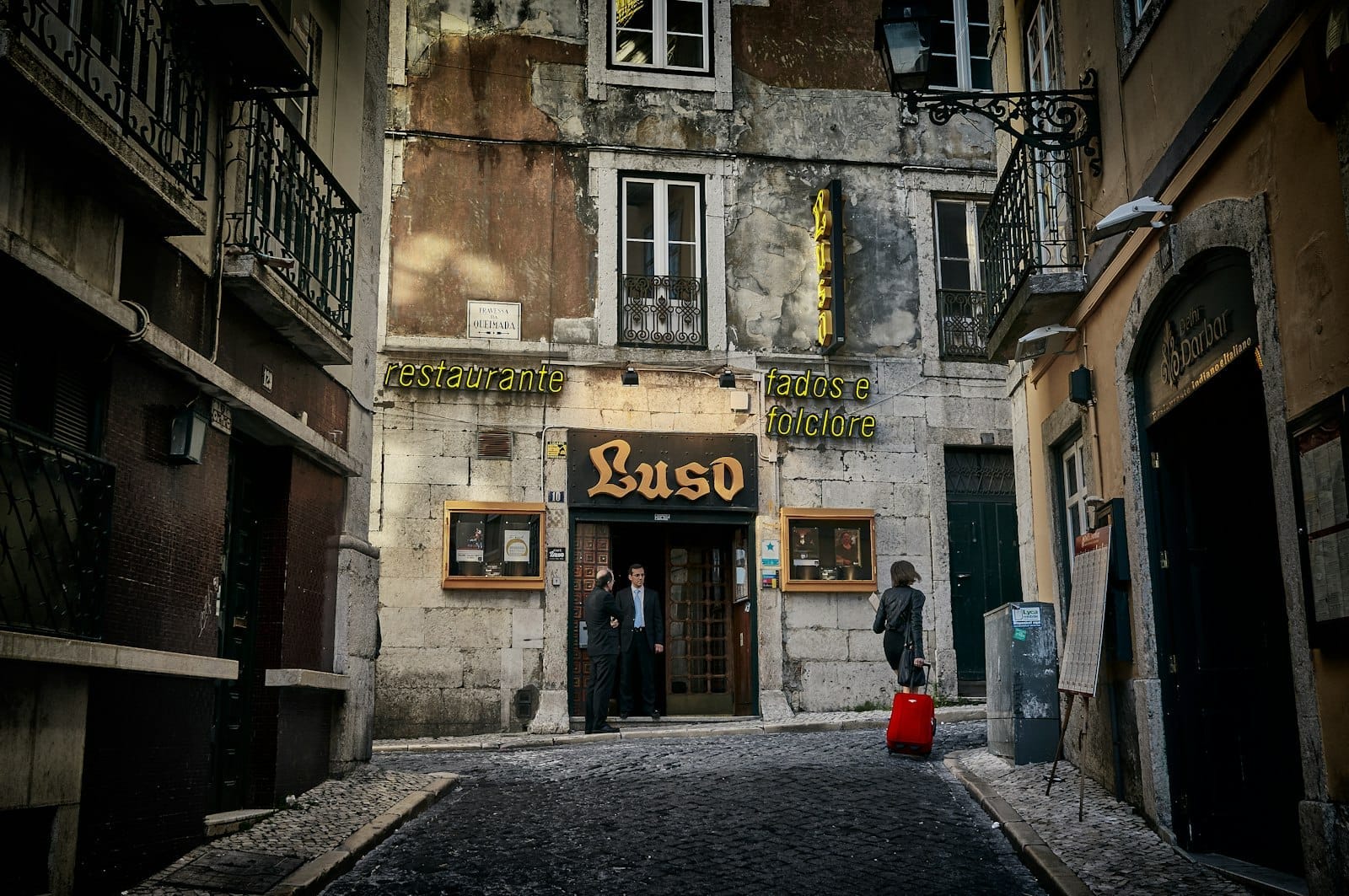
First-time fado audiences sometimes underestimate the emotional intensity of the experience. This is not a concert where you clap along or check your phone. When a fadista is mid-song, the room goes completely silent. In smaller venues like A Baiuca, even the waiters stop moving. The correct response at the end of a song is applause, and sometimes a collective exhale. Shouting, cheering loudly, or talking during a performance will earn you a sharp look from both staff and other guests.
Dress code is smart casual at minimum for restaurant fado venues. Senhor Vinho and Mesa de Frades lean more formal. A Tasca do Chico is relaxed. Most fado venues are not easily accessible by Tram 28 in the evenings — the tram stops running around 10pm on the Alfama section — so plan to walk downhill or take a rideshare back.
Food quality at fado venues varies more than you might expect. Mesa de Frades and Senhor Vinho take their kitchens seriously. At some other spots, the Portuguese classics — bacalhau, grilled fish, petiscos — are competent but not the reason you came. Do not judge the fado by the food or vice versa.
Planning Fado Into a Broader Lisbon Trip
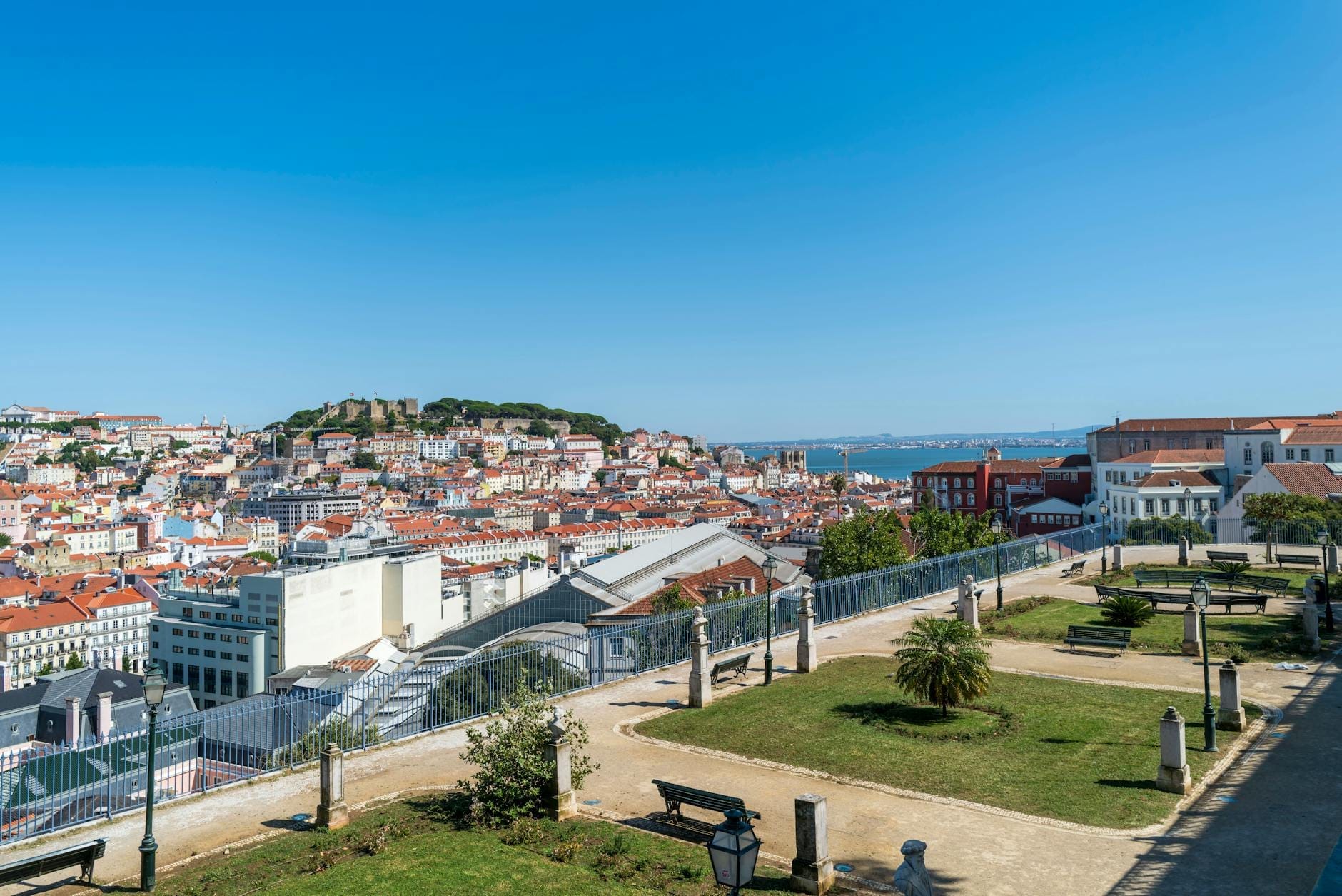
A fado night pairs naturally with a daytime spent in Alfama — visiting the Sé Cathedral, climbing to the Miradouro da Graça for views, and exploring the neighbourhood before the evening crowds arrive.
If you want to learn more about the history of fado before attending a live show, the Museu do Fado in Alfama covers the genre's evolution with instruments, recordings, and archival material. It is small but well-curated, and the context it provides makes live performances significantly richer.
For a full evening out in the area, consider starting with dinner in Baixa-Chiado before heading to a late fado show — most performances do not start until 8:30 or 9pm anyway. If you are building a multi-day itinerary, the Lisbon 2-day itinerary slots a fado evening naturally into day one.
💡 Local tip
The best nights for fado vadio at A Tasca do Chico are Mondays and Wednesdays. Thursdays and weekends at most Alfama venues are busiest and feel more touristy. If your schedule allows, a Tuesday or Wednesday night fado experience will have a noticeably more local crowd.
FAQ
Do I need to book fado in Lisbon in advance?
For restaurant fado venues like Mesa de Frades and A Baiuca, yes — book 3 to 5 days ahead during summer (June–September). For free fado vadio at A Tasca do Chico, reservations are not taken, so arrive early (by 8:30pm). Real Fado tickets can usually be booked a day or two ahead via TripAdvisor or the venue's own site.
Is fado in Lisbon expensive?
It depends on the format. Free fado vadio at A Tasca do Chico costs only what you order to eat and drink, typically €15–25 per person. Mid-range restaurant fado runs €30–50 per person with food. Mesa de Frades is the premium option at around €70 per person. Concert-only formats like Real Fado offer a middle ground without the dinner cost.
What is fado vadio and how is it different from restaurant fado?
Fado vadio (literally 'vagabond fado') is informal, community-led fado where amateur and semi-professional singers take turns performing, often in small tascas. There is no fixed programme, no stage, and performances are spontaneous. Restaurant fado is more polished — professional fadistas performing a set programme for a paying audience, usually alongside dinner. Both are genuine; vadio is simply more raw and local in character.
Which neighbourhood is best for fado in Lisbon?
Alfama is the traditional home of fado and has the most concentrated cluster of respected venues including A Baiuca, Mesa de Frades, and Páteo de Alfama. Bairro Alto is better for free fado vadio, particularly at A Tasca do Chico on Monday and Wednesday evenings. Alfama is more atmospheric but books up faster in peak season.
Can I hear fado in Lisbon without eating dinner?
Yes. Real Fado offers concert-only tickets for one-hour shows starting at 7pm. A Tasca do Chico only requires you to order drinks or a small snack. Not every fado experience comes bundled with a three-course dinner — that is a common misconception worth ignoring.
Tickets & tours
Live prices and dates from our booking partner. If you book, we may earn a commission at no extra cost to you.
Planning a trip? Discover personalized activities with the Nomado app.