Visiting Lisbon in Summer: What to Expect in July & August
Lisbon in summer means long sunny days, Atlantic breezes, packed beaches, and a city that truly comes alive after dark. This guide covers the real conditions in July and August: what the heat actually feels like, when to visit which attractions, and how to get the most out of peak season without the headaches.
Tickets & tours
Live prices and dates from our booking partner. If you book, we may earn a commission at no extra cost to you.
TL;DR
- July and August are Lisbon's hottest and most crowded months, with average highs of 28–30°C (82–86°F) and virtually zero rainfall.
- Atlantic winds (the Nortada) keep humidity low, making the heat far more bearable than other European capitals — but you still need to plan around midday.
- Book accommodation and popular experiences well in advance — summer is peak season, and prices reflect that. See our guide to where to stay in Lisbon for neighbourhood breakdowns.
- Beaches at Cascais, Estoril, and Costa da Caparica are easily reachable by train or tram — a critical pressure valve on the hottest days.
- If you want the sunshine without the crowds, late May or September offer nearly identical weather with noticeably thinner queues.
Summer Weather in Lisbon: The Real Numbers
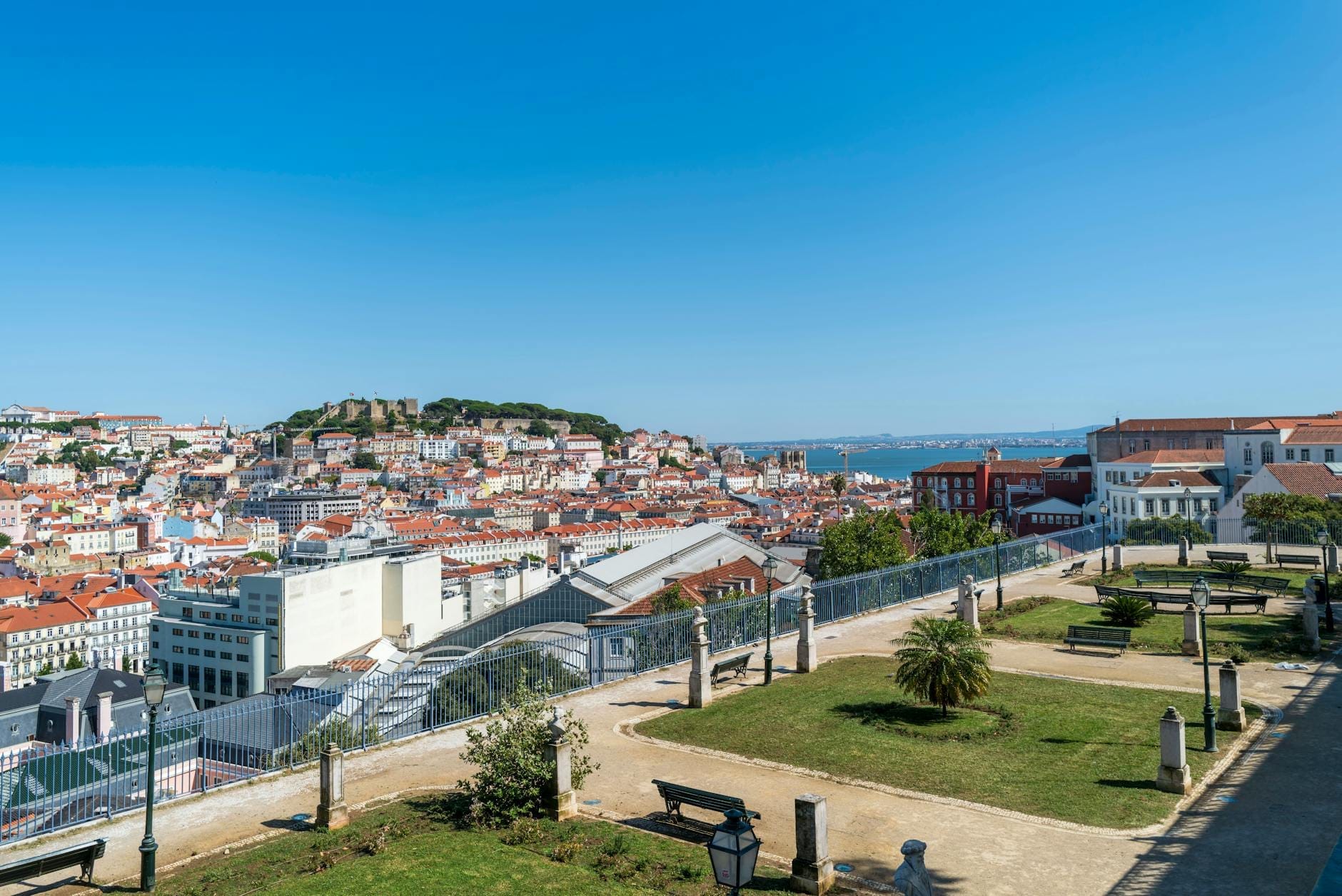
Lisbon's Mediterranean climate means summers are reliably dry and warm. In July, expect average highs of 28°C (82°F) and lows of 18–20°C (64–68°F), with 11 to 12 hours of sunshine per day and rainfall measured in single-digit millimetres for the entire month. August is marginally hotter, averaging 29°C (84°F) with occasional heatwaves pushing temperatures above 35°C. These spikes typically last 3–5 days before Atlantic airflow resets things.
The key factor that separates Lisbon from, say, Madrid or Rome in summer is the Nortada: a consistent northerly Atlantic wind that picks up most afternoons. It keeps humidity between 60–70%, which is low enough that the heat rarely feels oppressive, especially in shaded areas. Mornings are often outright pleasant. By 2pm, however, the city bakes, and anyone walking the steep stone streets of Alfama or Graça without shade will feel it.
💡 Local tip
Schedule outdoor sightseeing before 11am or after 5pm. The hours between noon and 4pm are best spent in air-conditioned museums, a cool café, or at the beach. Locals have followed this rhythm for centuries — it makes sense to follow their lead.
One common misconception: many first-time visitors worry that Lisbon will be too hot. In practice, the low humidity and afternoon sea breeze make it significantly more comfortable than its temperatures suggest. The city's hills and shaded miradouros (viewpoints) also provide natural relief. That said, heat exhaustion is a genuine risk if you're climbing steep streets under direct sun during a heatwave — carry water, use sunscreen, and take the trams and funiculars whenever possible.
Crowds, Prices, and the Reality of Peak Season
July and August are Lisbon's busiest months, full stop. The city's population of around 575,000 is supplemented by enormous numbers of tourists from across Europe, North America, and Brazil. Popular attractions like the Jerónimos Monastery and Belém Tower can have queues of 45–90 minutes from mid-morning onward. Hotel rates are at their annual peak, and last-minute availability in well-located neighbourhoods like Chiado or Baixa is essentially nonexistent.
- Book accommodation 3–4 months ahead Central neighbourhoods sell out fast. Mid-range hotels in Chiado or Baixa-Chiado can run €150–250 per night in peak summer.
- Buy museum tickets online in advance The Jerónimos Monastery, Belém Tower, and National Tile Museum all allow online booking — use it. Queue times at the door in August can exceed an hour.
- Arrive at popular sites before 9am The first 60–90 minutes after opening are consistently the quietest window, especially at Sé Cathedral and São Jorge Castle.
- Expect premium pricing everywhere Restaurant prices, tour costs, and even some entry fees trend higher in summer. Budget travellers should look at the Lisboa Card for combined savings on transport and entry.
⚠️ What to skip
Tram 28E, Lisbon's most famous route through Alfama, is notoriously overcrowded in summer. Pickpocketing on this tram peaks in July and August. Keep valuables in a front pocket or secured bag, and consider walking the route instead — it's more rewarding anyway.
What to Do in Lisbon in Summer
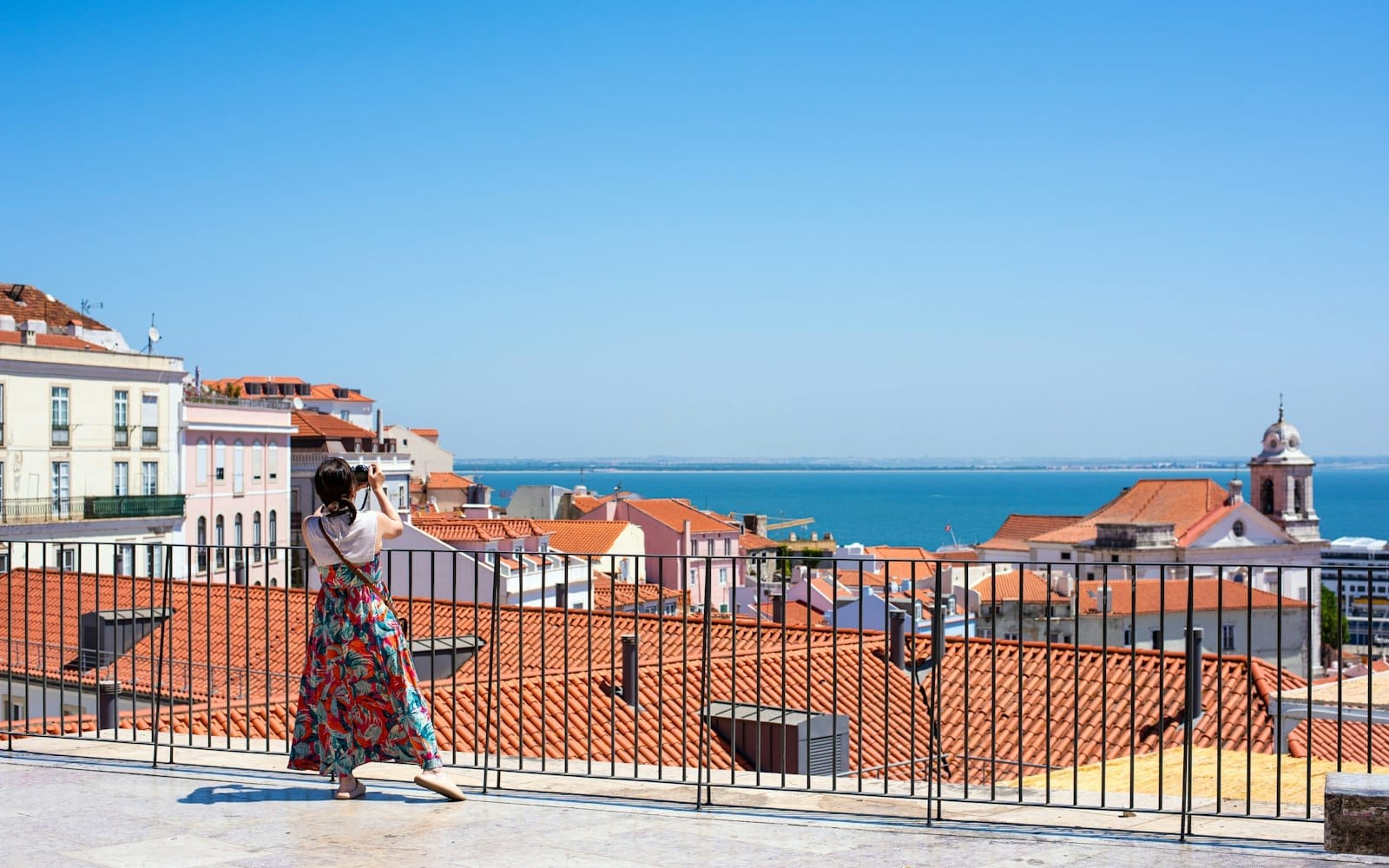
Summer is genuinely a great time to visit Lisbon if you approach it correctly. The city's outdoor culture reaches full bloom: rooftop bars pour until late, the riverside at Cais do Sodré fills with locals and tourists alike, and the festas season — which technically peaks in June with Santo António — leaves a lingering energy through July. Outdoor concerts, open-air cinema, and pop-up markets appear across the city.
For indoor relief during peak heat, Lisbon's museum scene is exceptional. The Calouste Gulbenkian Museum is one of Europe's great art collections and is housed in a beautifully air-conditioned building with a garden. The National Tile Museum (Museu Nacional do Azulejo) offers a deep dive into Portugal's most iconic art form and rarely suffers the same queues as Belém's monuments. The Lisbon Oceanarium in Parque das Nações is excellent for families and a welcome escape from the heat.
- Early morning walk through Alfama, finishing at Miradouro das Portas do Sol before 10am
- Afternoon visit to a cool, large museum (Gulbenkian, MAAT, or National Tile Museum)
- Sunset drinks at one of the hilltop viewpoints in Graça or at Miradouro da Senhora do Monte
- Late dinner after 8pm, when restaurant terraces become genuinely pleasant again
- Night swim or beach evening at Cascais or Costa da Caparica if you time trains right
The Belém district is the logical anchor for a half-day of sightseeing. The Jerónimos Monastery, Belém Tower, Padrão dos Descobrimentos, and the original Pastéis de Belém bakery are all within a 15-minute walk of each other. Go early, buy monastery tickets online, and you can cover the highlights before noon when crowds peak.
Beaches: Lisbon's Best Summer Escape
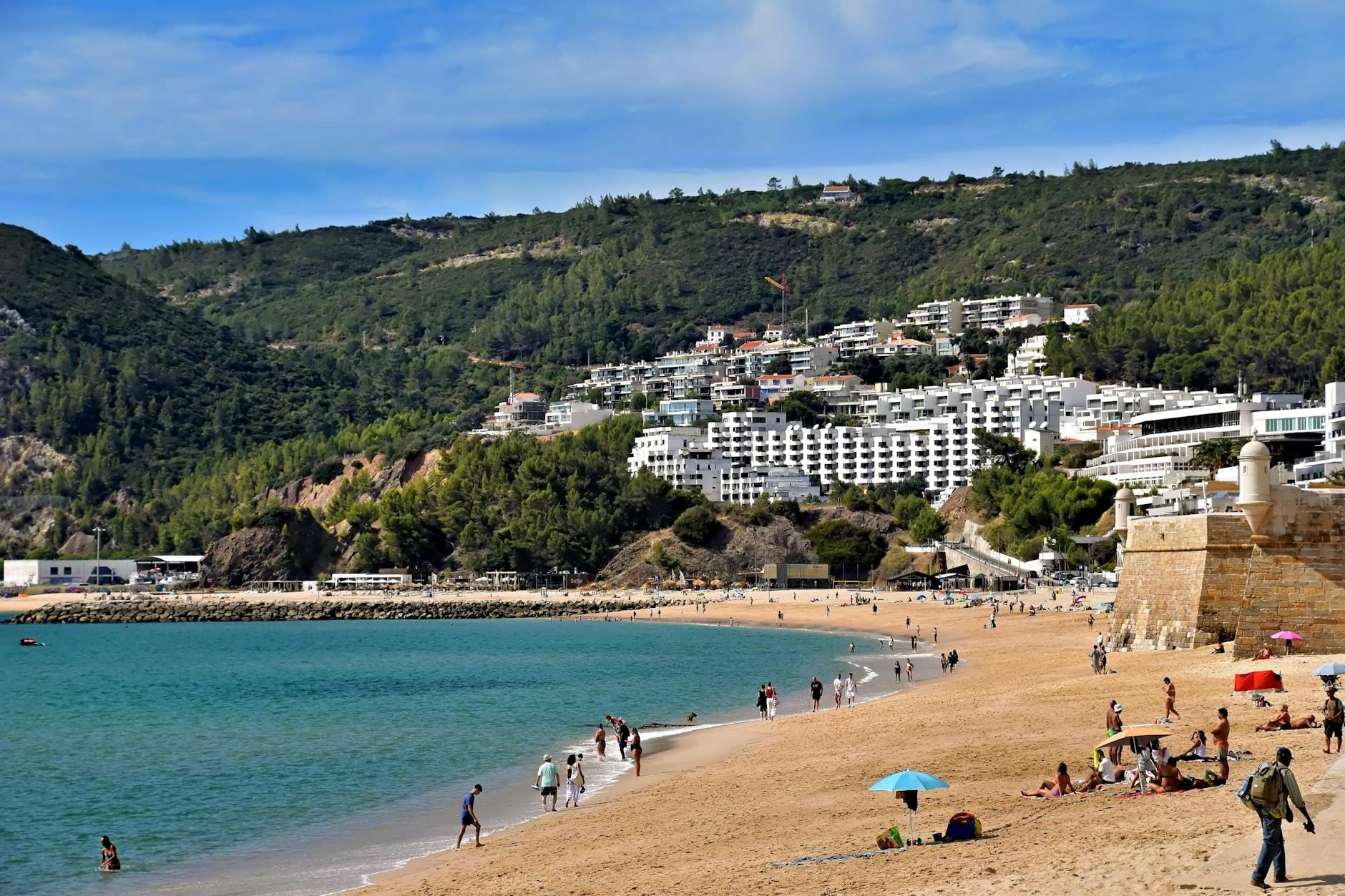
One underrated advantage of visiting Lisbon in summer is the beach access. The Atlantic coastline within 40 minutes of the city centre is genuinely excellent. Praia de Carcavelos is the closest major beach to the city, reachable in about 30 minutes by Cascais Line train from Cais do Sodré station. It has consistent surf, lifeguards, and a good range of cafés and restaurants along the promenade.
Further west, Cascais is a full resort town with multiple beaches of varying character — Praia da Rainha is sheltered and calm, while Guincho is wilder and suited to windsurfers. Trains run every 20–30 minutes from Cais do Sodré and cost around €2.35 each way. Costa da Caparica offers a completely different feel: 30 kilometres of uninterrupted Atlantic beach south of the Tagus, popular with surfers and Lisbon families. Reach it by ferry from Cais do Sodré to Cacilhas, then bus, or directly by bus from Praça de Espanha.
✨ Pro tip
Take the train to the beach on weekday mornings, not Saturday afternoons. Weekend trains to Cascais and Carcavelos in August are packed to capacity and the beaches themselves are mobbed by early afternoon. A Tuesday or Wednesday morning visit gives you a dramatically better experience.
Neighbourhoods to Prioritise (and One to Avoid in Heat)
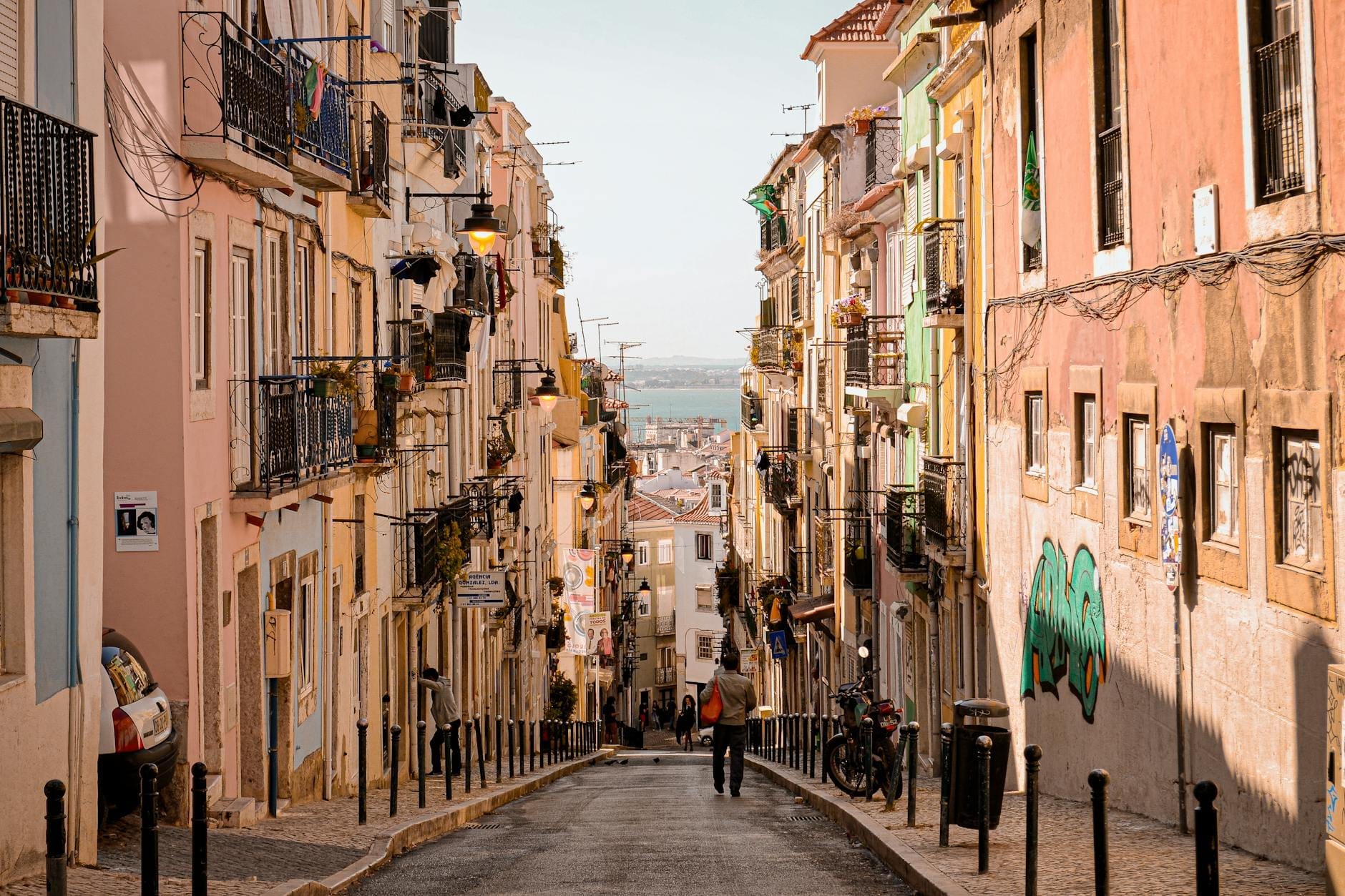
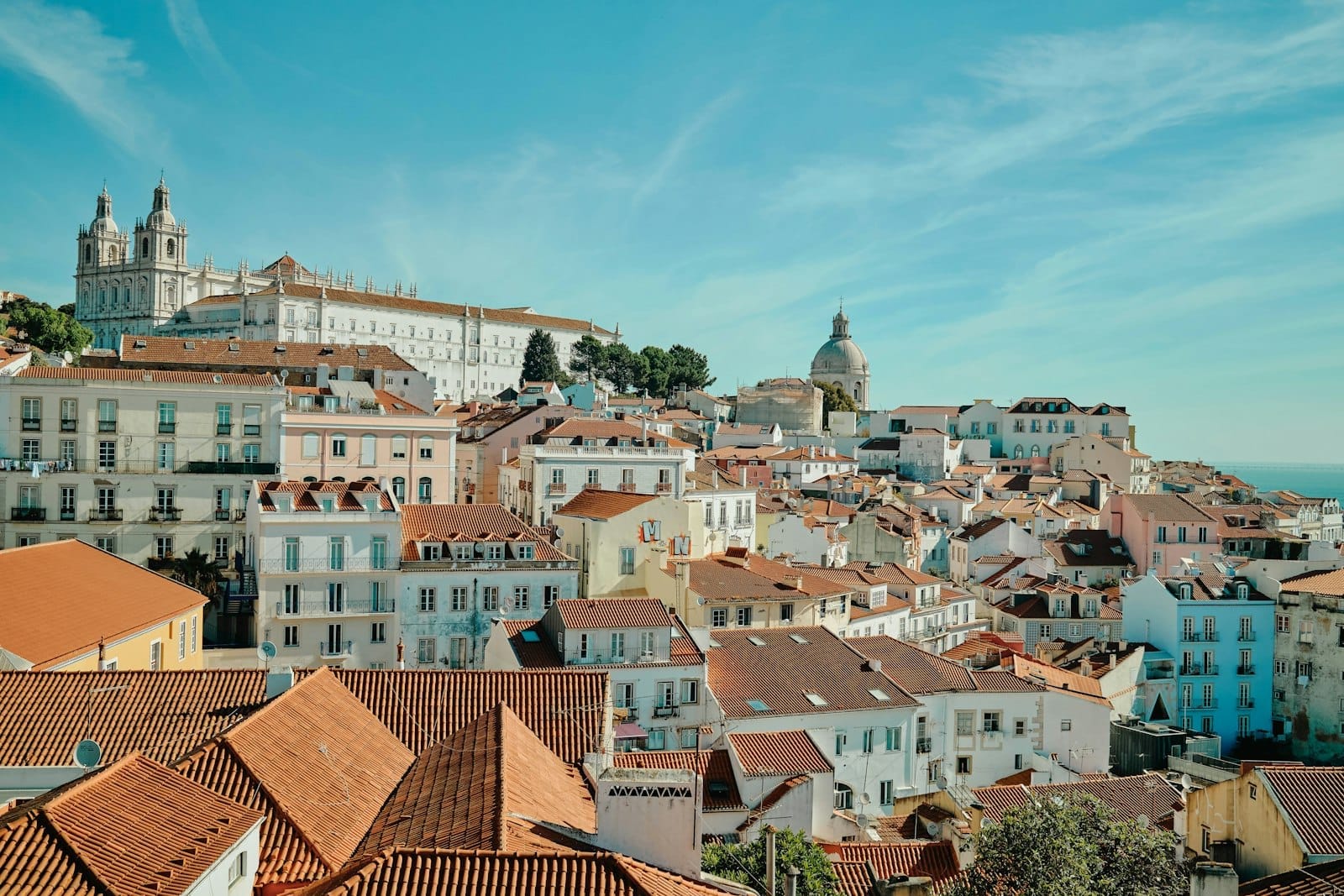
Not all of Lisbon handles summer equally well. Baixa and Chiado sit in a shallow valley and can feel noticeably hotter than hilltop areas — though they have the best concentration of air-conditioned shops, cafés, and restaurants. Alfama is beautiful but brutal in afternoon heat: narrow streets trap warmth, the cobblestones radiate it back, and there's limited shade. Visit early morning or at golden hour.
Parque das Nações (Park of Nations) is arguably the most summer-friendly neighbourhood. Built on the former Expo 98 site, it has wide riverside promenades, shade structures, the Oceanarium, and a layout designed for comfortable outdoor movement. It's less atmospheric than historic Lisbon, but genuinely pleasant on a hot day. Bairro Alto comes alive after dark in summer, when the neighbourhood's network of bars spills onto the streets. It's the epicentre of Lisbon's summer nightlife.
Practical Tips for Visiting Lisbon in Summer
A few logistics that genuinely matter in peak season. Air conditioning in accommodation is not universal in older Lisbon buildings — always confirm before booking, especially in guesthouses and smaller boutique hotels. Tap water is safe to drink throughout Lisbon, which matters more in summer: carry a refillable bottle and use the free drinking fountains (chafarizes) scattered across the city.
Getting around efficiently in summer means leaning on the metro rather than surface transport. The Lisbon metro is air-conditioned, reliable, and covers most key tourist areas. Buses and trams are slower and significantly hotter. The Lisboa Card (available for 24, 48, or 72 hours) covers unlimited metro, bus, and tram travel plus free entry to over 30 attractions — worth calculating against your itinerary before buying.
ℹ️ Good to know
Lisbon operates on Western European Summer Time (UTC+1) from March through October. Sunset in July falls around 9pm, giving you long, usable evenings. This is one of summer's genuine advantages: you can sightsee until 8pm in comfortable light and still have dinner at a reasonable Portuguese hour (8–9pm is normal).
For those on a tighter budget, summer doesn't have to be expensive. Several of Lisbon's best experiences cost nothing: the city's miradouros, including Miradouro da Graça and Miradouro da Senhora do Monte, are free and among the finest viewpoints in Europe. The beaches are free. Walking the Alfama's streets costs nothing. Our guide to free things to do in Lisbon covers the full list.
FAQ
Is Lisbon too hot to visit in August?
Not for most travellers. Average August highs are around 29°C (84°F), and the Atlantic Nortada wind keeps humidity low. Occasional heatwaves can push temperatures above 35°C for several days, but these pass. The trick is structuring your day around the heat: mornings and evenings for outdoor sightseeing, afternoons for museums, beaches, or shaded cafés.
How crowded is Lisbon in July and August?
Very crowded at major attractions. Jerónimos Monastery, Belém Tower, and Tram 28E see some of their longest queues of the year. Book museum tickets online in advance and arrive at popular sites early — before 9:30am if possible. Lesser-known spots like the National Tile Museum, Graça neighbourhood, and Parque das Nações are far less affected.
What should I pack for Lisbon in summer?
Light, breathable clothing (linen or moisture-wicking fabrics), comfortable walking shoes with grip for cobblestones, high-SPF sunscreen, sunglasses, and a refillable water bottle. Evenings can be surprisingly breezy, especially near the river, so a light layer is useful. Smart-casual dress gets you into most restaurants without issue.
Are there any festivals or events in Lisbon in July and August?
Yes. While the main Santos Populares festival peaks in June, July and August bring NOS Alive (a major international music festival held in Algés, typically early July), outdoor cinema events, open-air concerts at various venues, and neighbourhood festas. Check VisitLisboa.com for the current season's calendar before your trip.
Is it worth visiting Sintra from Lisbon in summer?
Yes, but plan carefully. Sintra is one of the most popular day trips from Lisbon and becomes extremely crowded in summer, especially on weekends. Take an early morning train from Rossio station (journey is about 40 minutes, trains run frequently), arrive before 9:30am, and pre-book tickets to Quinta da Regaleira or Pena Palace online. Avoid Saturdays in July and August if you can.
Tickets & tours
Live prices and dates from our booking partner. If you book, we may earn a commission at no extra cost to you.
Planning a trip? Discover personalized activities with the Nomado app.