Best Time to Visit Lisbon: A Month-by-Month Guide
Lisbon rewards visitors in every season, but timing your trip well makes a real difference. This guide breaks down what to expect each month — temperatures, crowd levels, prices, and key events — so you can decide when a visit to Lisbon suits you best.
Tickets & tours
Live prices and dates from our booking partner. If you book, we may earn a commission at no extra cost to you.
TL;DR
- Spring (May-June) and early autumn (September-October) are the best times to visit Lisbon: mild temperatures between 18-26°C, manageable crowds, and better hotel rates than peak summer.
- July and August bring wall-to-wall tourists, prices that spike 30-50% above shoulder season, and heat that makes sightseeing uncomfortable — worth knowing before you book.
- Winter (December-February) is the most underrated season: cheap flights, almost no queues at major attractions like the Jerónimos Monastery, and a genuine local atmosphere.
- June is peak festival month — the Santo António celebrations (12-13 June) fill the streets of Alfama with sardines, music, and dancing.
- Lisbon's Mediterranean climate means rain falls mostly October-April, but even winter days are often sunny and mild at 12-16°C — far gentler than most of northern Europe.
Understanding Lisbon's Climate: What Actually Happens Month by Month
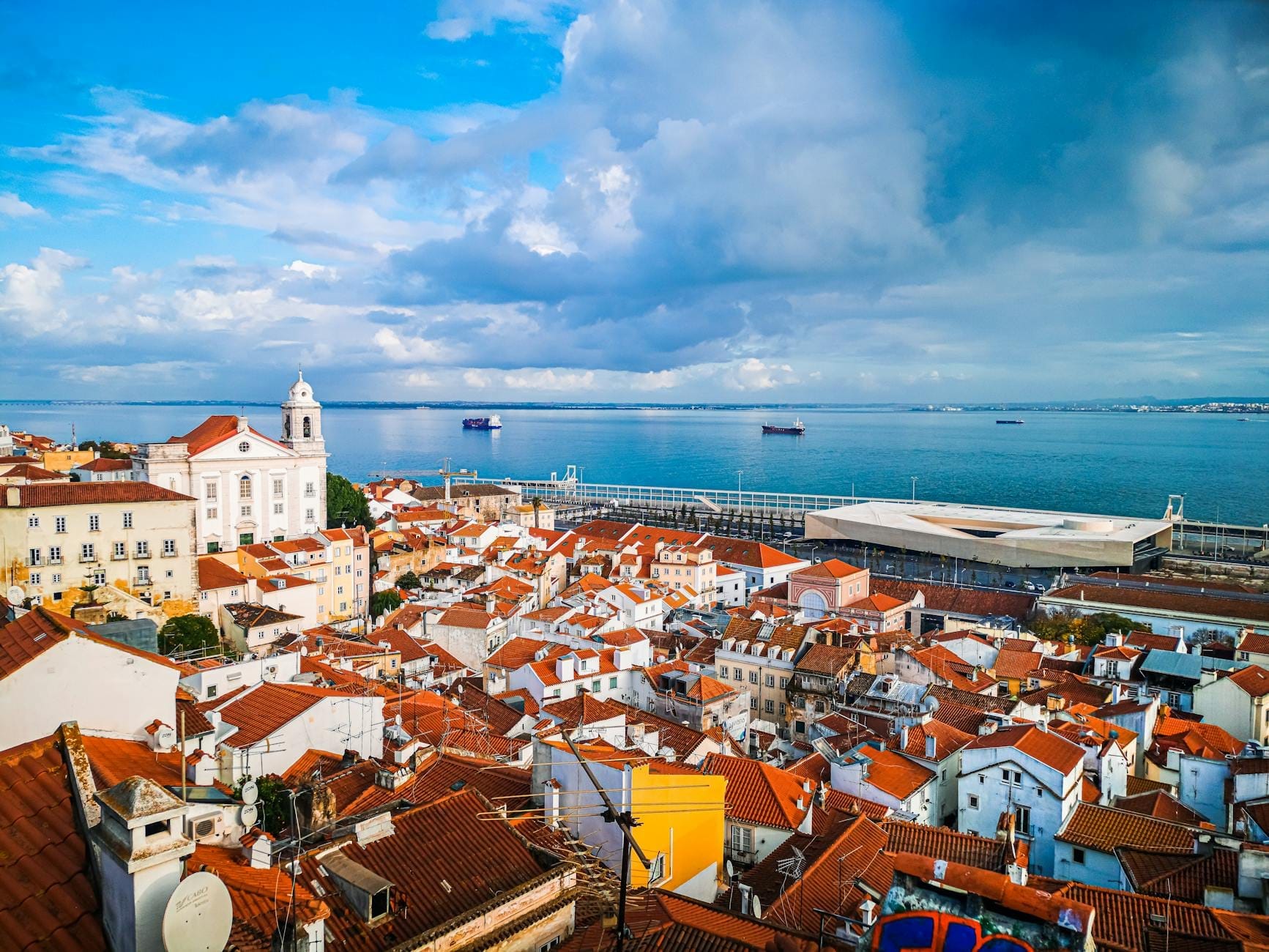
Lisbon sits at roughly 38.7°N on the western edge of the Iberian Peninsula, with the Atlantic Ocean moderating temperatures year-round. The result is a classic Mediterranean climate: warm, dry summers and mild, occasionally wet winters. What this means practically is that Lisbon never gets brutally cold (frost is genuinely rare) and summer temperatures, while sometimes reaching 35°C in late July, are tempered by afternoon Atlantic breezes that cities further inland never get.
The rainy season runs roughly October through April. But 'rainy season' in Lisbon is not tropical downpours — it means more overcast days and periodic showers, often clearing by midday. May through September is reliably dry, with July and August receiving almost no rain at all. Sunshine hours are generous: Lisbon gets around 2,800 hours of sun per year, one of the highest figures of any European capital.
- January-February 12-15°C, occasional rain, very quiet. The cheapest months to visit by a significant margin.
- March-April 14-19°C, some showers but increasing sunshine. Crowds start building in April, especially Easter week.
- May-June 18-26°C, long days (up to 14 hours of daylight in June), moderate crowds until school holidays begin.
- July-August 25-35°C, peak tourist season, highest prices. Some days feel oppressive in the city — hills trap heat.
- September-October 20-26°C in September, dropping to 17-22°C in October. Sea temperatures still warm (around 20°C). Excellent value.
- November-December 13-18°C, more rain in November. December brings Christmas lights and festive atmosphere with thin crowds at sights.
Spring (March to May): The Sweet Spot for Most Visitors
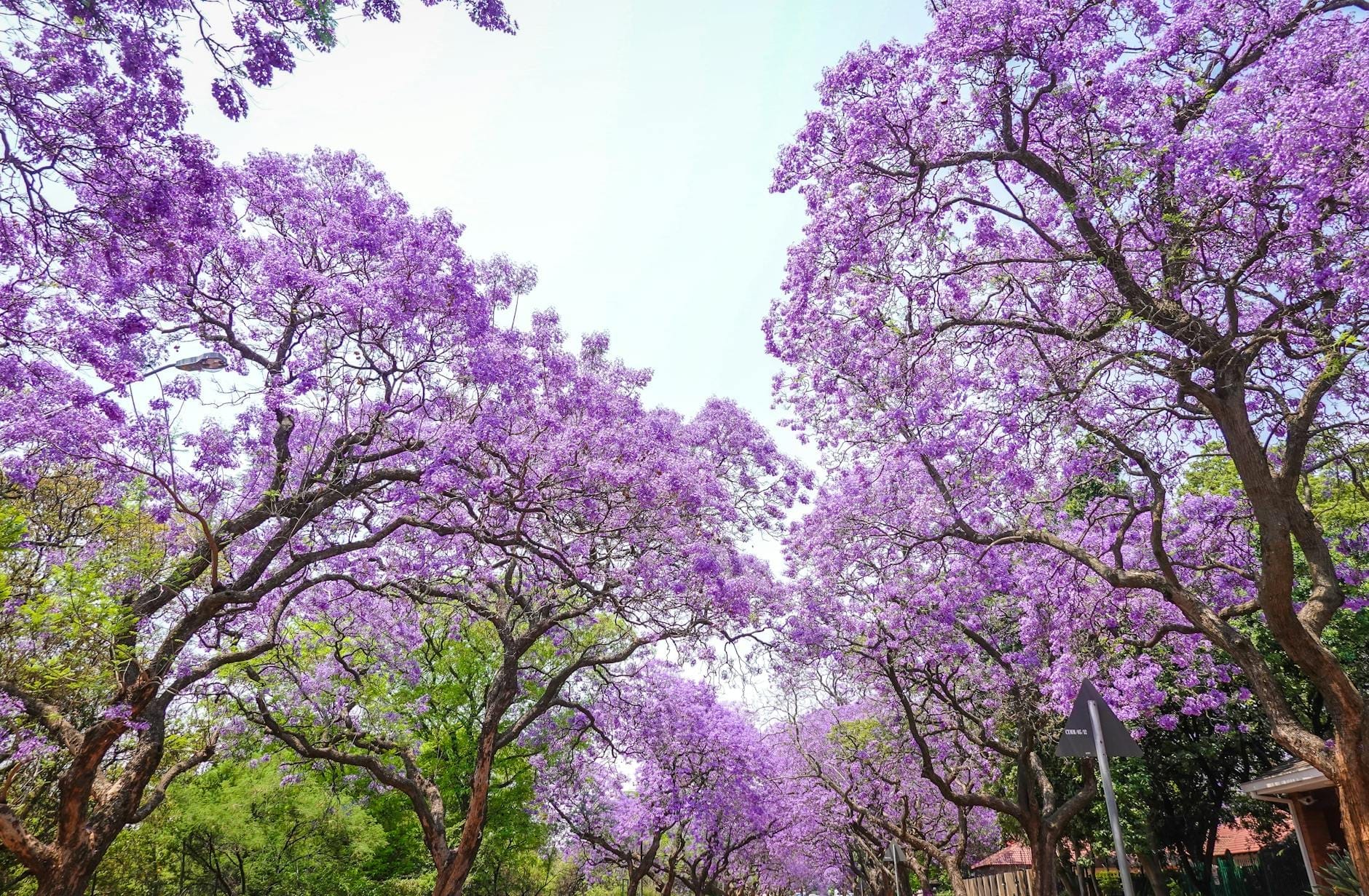
Spring is widely considered the best time to visit Lisbon, and the case is hard to argue against. Temperatures sit between 15-23°C — warm enough for outdoor dining and long walks, cool enough to tackle the city's famous hills without overheating. The jacaranda trees along Avenida da Liberdade bloom purple in late April and May, which has become one of Lisbon's most photographed seasonal spectacles. Hotels and flights are cheaper than summer, and the major sights are accessible without queuing for 45 minutes.
March is the quietest spring month, with some lingering winter rain but genuinely pleasant days mixed in. April picks up — Easter week brings domestic Portuguese tourists and can fill popular neighbourhoods like Baixa-Chiado and Belém. May is, for many experienced Lisbon travellers, the single best month: warm, bright, and not yet overrun. The OutJazz festival runs May through September on weekend evenings in Lisbon's parks, offering free concerts that double as excellent people-watching.
💡 Local tip
If you're visiting in spring to see the jacarandas, aim for the second or third week of May. Timing varies slightly by year depending on temperatures, but this window catches peak bloom most reliably. Avenida da Liberdade and the area around Praça do Município are the best spots.
Spring is also ideal for day trips. The drive or train to Sintra takes under 45 minutes from Rossio Station and avoids the extreme summer queues at Quinta da Regaleira and Pena Palace. Coastal spots like Cascais are accessible and far less packed than in August.
Summer (June to August): Peak Season — Worth It for Some, Not for Others
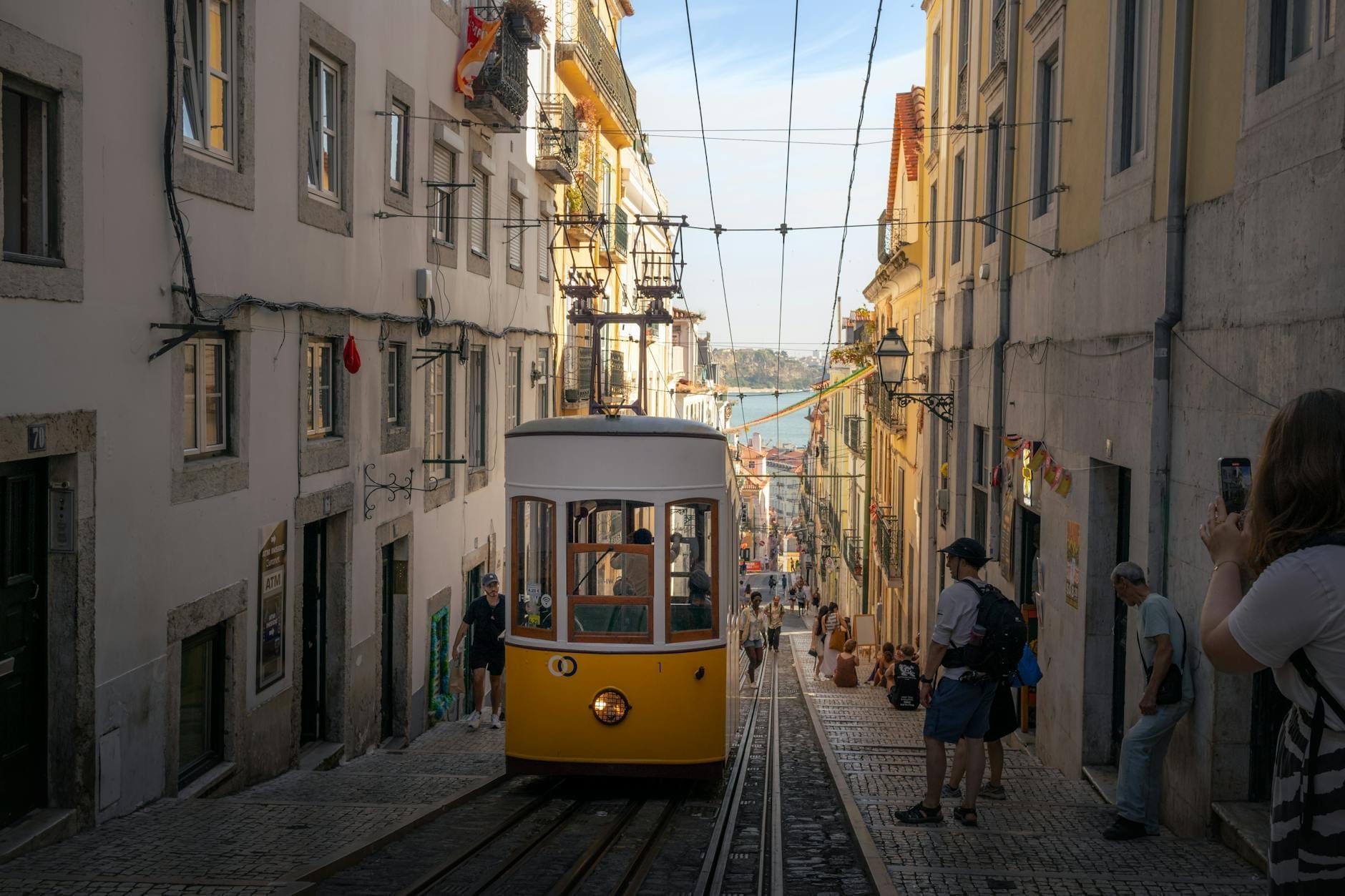
Summer in Lisbon is genuinely great for beach trips and nightlife, but it comes with real trade-offs. July and August see temperatures regularly hitting 30-35°C in the city, and Lisbon's hilltop neighbourhoods can feel like ovens by early afternoon. The tram 28E — already an overcrowded tourist magnet — becomes essentially a slow-moving queue on wheels. Popular attractions like the Belém Tower see waits of 30-60 minutes for entry. Hotel prices can be 40-60% higher than shoulder season.
That said, June deserves separate treatment. Early June, before schools break up across Europe (roughly after the 20th), still feels like shoulder season in terms of crowds but has summer warmth. More importantly, June 12-13 is the Festa de Santo António, Lisbon's biggest street festival. The Alfama neighbourhood becomes a city-wide party: grilled sardines, folk music, paper lanterns, and the curious local tradition of giving potted basil plants as gifts. It's one of the most authentic urban celebrations in southern Europe — worth the crowds if you plan ahead.
⚠️ What to skip
Pickpocketing increases sharply during summer, particularly on Tram 28E, in Alfama during festivals, and around Praça do Comércio. Use a crossbody bag, keep phones in front pockets, and read up on basic precautions before you go — Lisbon is a safe city overall, but tourist density in summer creates opportunities for petty theft.
If you're committed to a summer visit, focus on early mornings at major sights (arrive at the Jerónimos Monastery right at opening), beach afternoons at Cascais or Costa da Caparica, and evenings in Bairro Alto or the Pink Street area. Lisbon's nightlife, particularly in summer, genuinely earns its reputation — bars stay open late, outdoor terraces fill up, and the energy is real.
Autumn (September to November): The Insider's Season
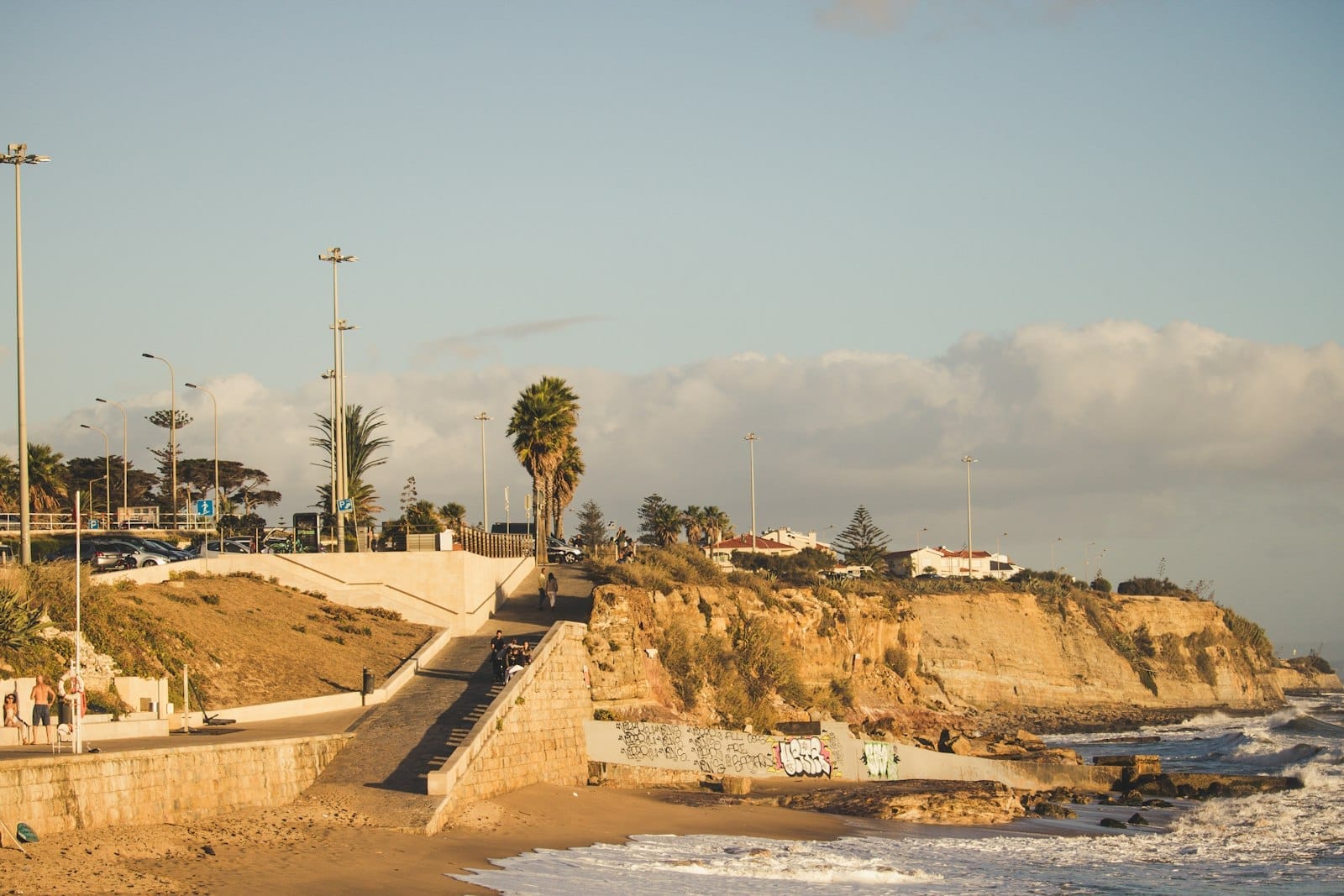
September may be the best single month to visit Lisbon. The summer heat softens to a very comfortable 22-26°C, the Atlantic sea temperature sits around 19-21°C (perfect for Cascais or Caparica beaches), and the tourist crowds thin noticeably after the first two weeks. Hotels drop their rates by mid-September without any real sacrifice in weather quality. The light in September and October has a particular golden quality that photographers chase.
October is excellent for sightseeing: you can walk through Alfama or climb to the viewpoints at Graça without stopping every few metres for a tour group. Rain starts appearing more frequently from late October, but rarely as sustained days of bad weather. November is the transition month — moody, quieter, occasionally rainy, and very cheap. Not for everyone, but travellers who want Lisbon to feel like a real city rather than a theme park often love it.
✨ Pro tip
Book accommodation in early September as early as possible — it's caught on as a 'secret' shoulder season, and good mid-range hotels in Alfama and Chiado fill up faster than the raw temperature data would suggest. By mid-October, availability opens up considerably.
Winter (December to February): Underrated and Genuinely Worth Considering
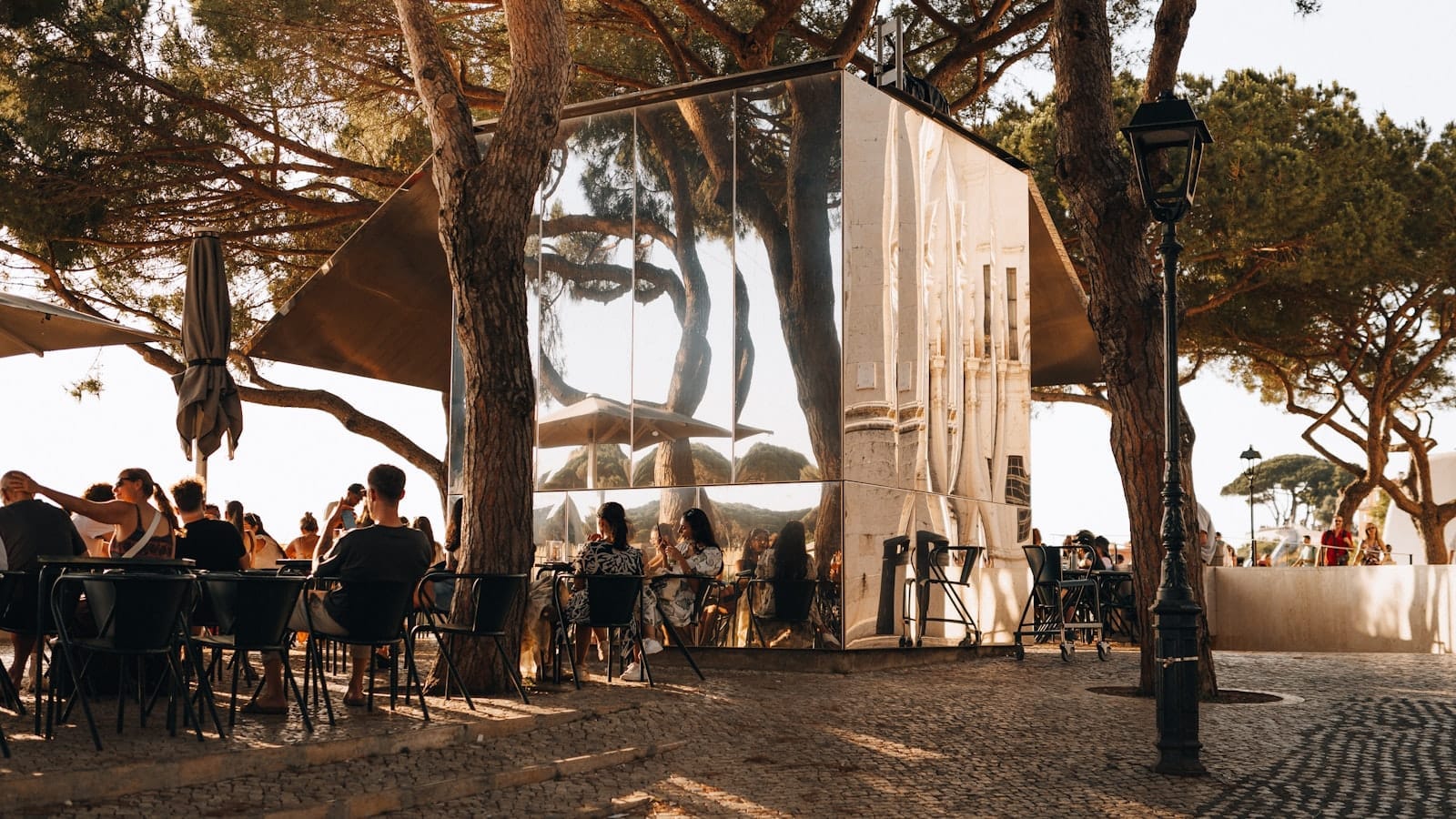
Winter is Lisbon's most undervalued season for travellers coming from northern Europe or North America. At 12-16°C, it's cold by Portuguese standards but extremely mild compared to London, Berlin, or New York in January. Outdoor terrace heaters keep café culture going. Major museums — the Gulbenkian Museum and the National Tile Museum among them — are practically empty on weekday mornings. Flights from most European cities drop to a fraction of summer prices.
December is particularly atmospheric. Rua Augusta and the Baixa district are decorated with Christmas lights, and the fado houses in Alfama are less touristy and more intimate in winter — some of the city's best fado performances happen in November through February when the audience isn't entirely composed of first-time tourists.
The main honest drawback of winter is rain. January and February average around 10-12 rainy days per month. These aren't all-day affairs, but if you're visiting for only 3-4 days, the odds of catching a grey stretch are real. Pack a light waterproof layer and have indoor options ready. The trade-off is that you'll spend almost nothing on accommodation compared to peak season and have some of the world's most impressive maritime monuments largely to yourself.
Key Events and Festivals That Should Influence Your Timing
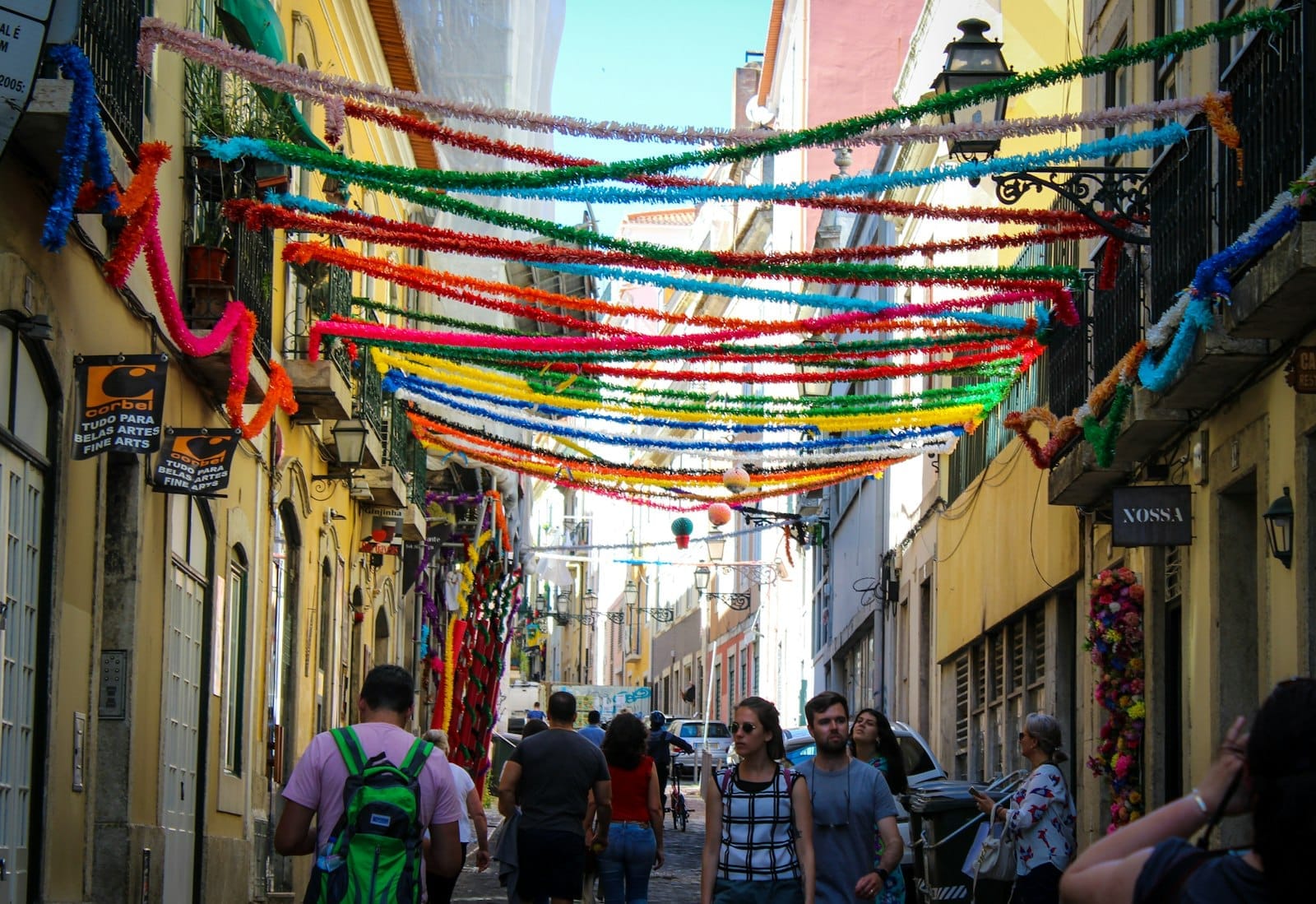
- Santo António Festival (12-13 June) Lisbon's largest neighbourhood party, centred on Alfama. Book accommodation months in advance — the city fills up completely.
- OutJazz Festival (May-September, weekends) Free outdoor jazz and world music concerts in parks across the city. Relaxed, locals-heavy, and one of the best free things Lisbon does in summer.
- NOS Alive (July) Major international music festival in Algés, drawing 30,000+ daily. Adds significant hotel pressure in the first half of July.
- Easter Week (March-April, date varies) Religious processions and significantly increased domestic tourism. Alfama and Belém get noticeably crowded.
- Christmas and New Year (December-January) Festive lights in Baixa from late November. New Year's Eve fireworks over the Tagus are impressive and free to watch from the waterfront.
Practical Tips for Planning Your Visit
Whenever you visit, budget logistics matter. The metro Red Line runs from the airport to central Lisbon in about 20 minutes for around €1.60 per journey, making it the most cost-effective option. For orientation across the city's neighbourhoods — from Belém in the west to Parque das Nações in the east — the guide to getting around Lisbon covers transport passes, tram routes, and ride-hailing options in detail.
For budget travellers, spring and winter offer the best value without sacrificing much. The Lisbon on a budget guide breaks down free museum days, cheap eats (a prato do dia lunch in a neighbourhood tasca rarely exceeds €10-12), and which sights genuinely merit their entry fees. Families visiting with children should lean heavily toward May-June or September when heat is manageable and school groups aren't yet dominating every attraction.
ℹ️ Good to know
Lisbon operates on Western European Time (UTC+0 in winter, UTC+1 from late March to late October). If you're flying from the UK, there's no time adjustment outside the clock-change transition weeks. From the US East Coast, the difference is 5 hours in summer, 5-6 hours in winter depending on when each country shifts clocks.
FAQ
What is the best time to go to Portugal and Lisbon specifically?
May-June and September-October are the best months to visit both Portugal broadly and Lisbon specifically. You get warm, sunny weather (18-26°C), manageable tourist numbers, and hotel rates well below summer peaks. May is particularly strong for Lisbon due to the jacaranda bloom, long daylight hours, and the tail end of spring prices.
How hot does Lisbon get in summer and is it too hot to visit?
July and August regularly reach 30-35°C in the city, occasionally touching 38-40°C during heat waves. It's not impossibly hot, but the hilltop neighbourhoods retain heat and sightseeing becomes tiring by early afternoon. If you visit in summer, plan major walks and outdoor sights for mornings (before 11am) and use afternoons for beaches or air-conditioned museums.
Is Lisbon worth visiting in winter?
Absolutely. Winter temperatures of 12-16°C are mild by European standards, flight and accommodation prices drop significantly, and crowds at major attractions like the Jerónimos Monastery or the Belém Tower shrink to a fraction of summer levels. The main genuine downside is a higher chance of rainy days, particularly in January and February. For culture-focused trips, winter is excellent.
What are the best months to visit Portugal if I want both Lisbon and the beaches?
September is the single best month if you want city sightseeing and beach access combined. The city cools to a very comfortable 22-26°C while Atlantic sea temperatures sit around 19-21°C — still warm enough for swimming. The Cascais and Costa da Caparica beaches are noticeably quieter than in August. June is a reasonable alternative if you need to travel during school holidays.
How far in advance should I book flights and hotels for Lisbon?
For peak season (July-August), book 3-5 months ahead, especially if you want specific neighbourhoods like Alfama or Chiado at mid-range prices. For June during the Santo António festival (12-13 June), hotels fill up entirely — book 4+ months out. Shoulder season (May, September, October) gives you more flexibility, though good-value boutique hotels still get snapped up 6-8 weeks ahead. Winter travel can often be booked 2-4 weeks in advance without issue.
Tickets & tours
Live prices and dates from our booking partner. If you book, we may earn a commission at no extra cost to you.
Planning a trip? Discover personalized activities with the Nomado app.