Santo António Festival Lisbon: Everything You Need to Know
The Santo António Festival is Lisbon's largest and most beloved annual celebration, filling the streets of Alfama, Mouraria, and Bairro Alto every June with grilled sardines, bonfires, folk parades, and mass weddings. This guide covers the full schedule, key traditions, best neighborhoods to visit, and practical tips for navigating the festivities.
Tickets & tours
Live prices and dates from our booking partner. If you book, we may earn a commission at no extra cost to you.
TL;DR
- The Santo António Festival runs throughout June, peaking on the night of June 12th into June 13th, a public holiday across Portugal.
- The Marchas Populares parade along Avenida da Liberdade on June 12th is the visual centerpiece of the festival. The main street parties happen in Alfama, Mouraria, and Bairro Alto.
- Grilled sardines, basil pots, bonfires, and free-flowing wine define the street experience. Most events are free to attend.
- Casamentos de Santo António (mass weddings) is a 1958 tradition where the city funds ceremonies for couples who cannot afford their own.
- Book accommodation well in advance. The entire city fills up in mid-June, and prices spike significantly.
What Is the Santo António Festival and Why Does It Matter?
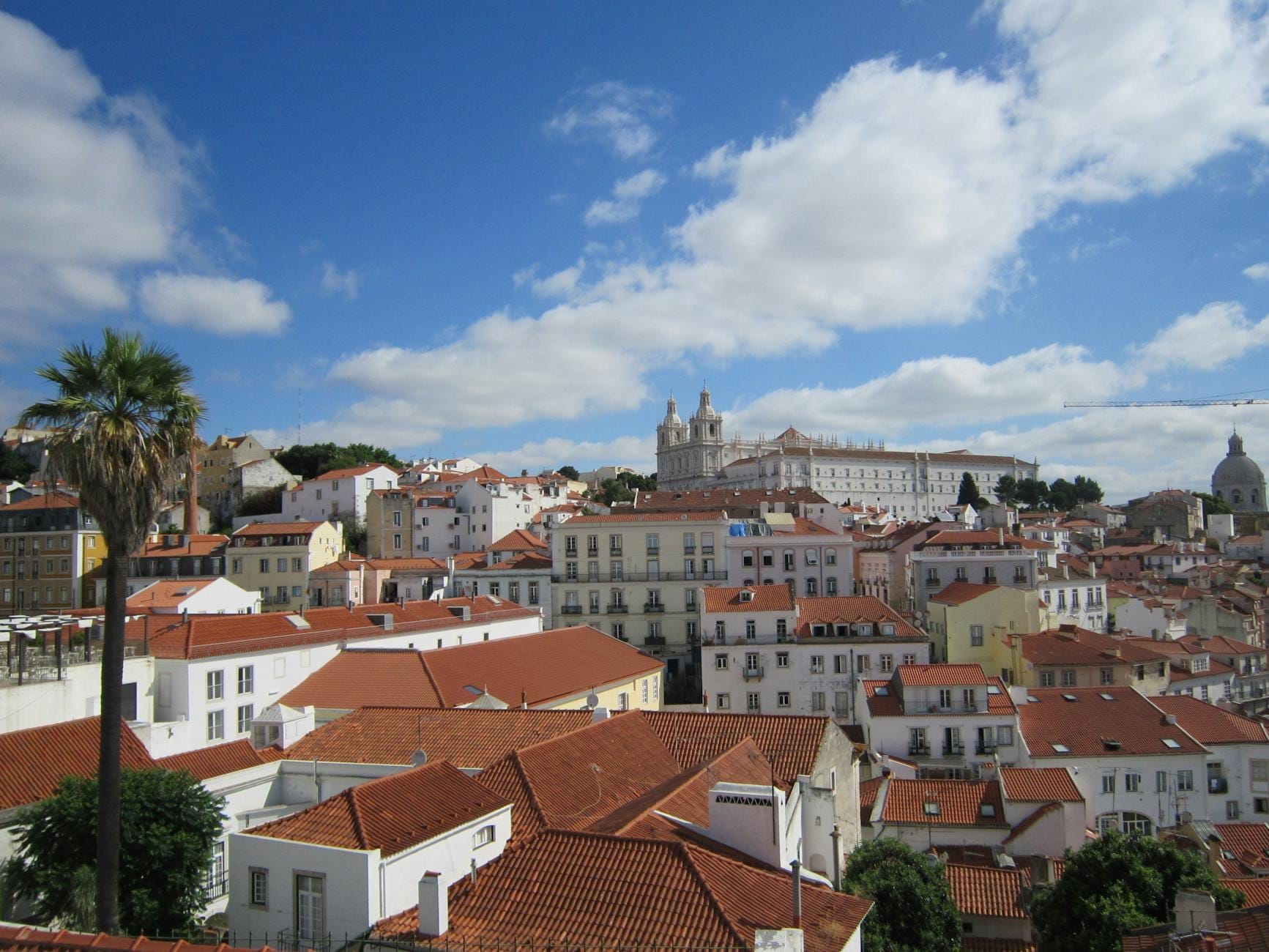
The Santo António Festival, officially part of the broader Festas de Lisboa celebrations, is the single biggest popular festival in Lisbon's calendar. It honors Saint Anthony of Padua, who was actually born in Lisbon in 1195 and is the city's patron saint. Despite being canonized and venerated internationally, Lisboetas claim him fiercely as their own. The celebration dates back to the 13th century, making it one of the oldest continuous urban festivals in Europe.
What sets Santo António apart from other European city festivals is its genuinely grassroots character. The parties are not organized by event companies or tourism boards. They spring up from within individual neighborhoods, each with their own decorations, grills, tables in the street, and residents drinking wine and eating sardines well past midnight. The official cultural body EGEAC organizes the Marchas parade and the mass weddings, but the soul of the festival lives at the neighborhood level.
ℹ️ Good to know
June 13th is a public holiday specifically for Lisbon. Banks, government offices, and many local businesses will be closed, but restaurants, bars, and street vendors operate in full force. If you are arriving by plane, Lisbon Airport (LIS) will be operating normally.
Full Festival Schedule: What Happens and When
The Festas de Lisboa kick off on June 1st and continue through the entire month, with smaller street parties and events across different neighborhoods. But everything builds toward the night of June 12th, which is the true heart of the festival.
- Throughout June Neighborhood street parties (arraiais) run on weekends and evenings across Alfama, Mouraria, Bairro Alto, Bica, and Castelo. Free entry, pay-as-you-go food and drink.
- June 12th, 9 PM: Marchas Populares The flagship parade along Avenida da Liberdade. Each city district (freguesia) fields a troupe in matching costumes, performing choreographed routines to original songs. Competitive, colorful, and genuinely spectacular.
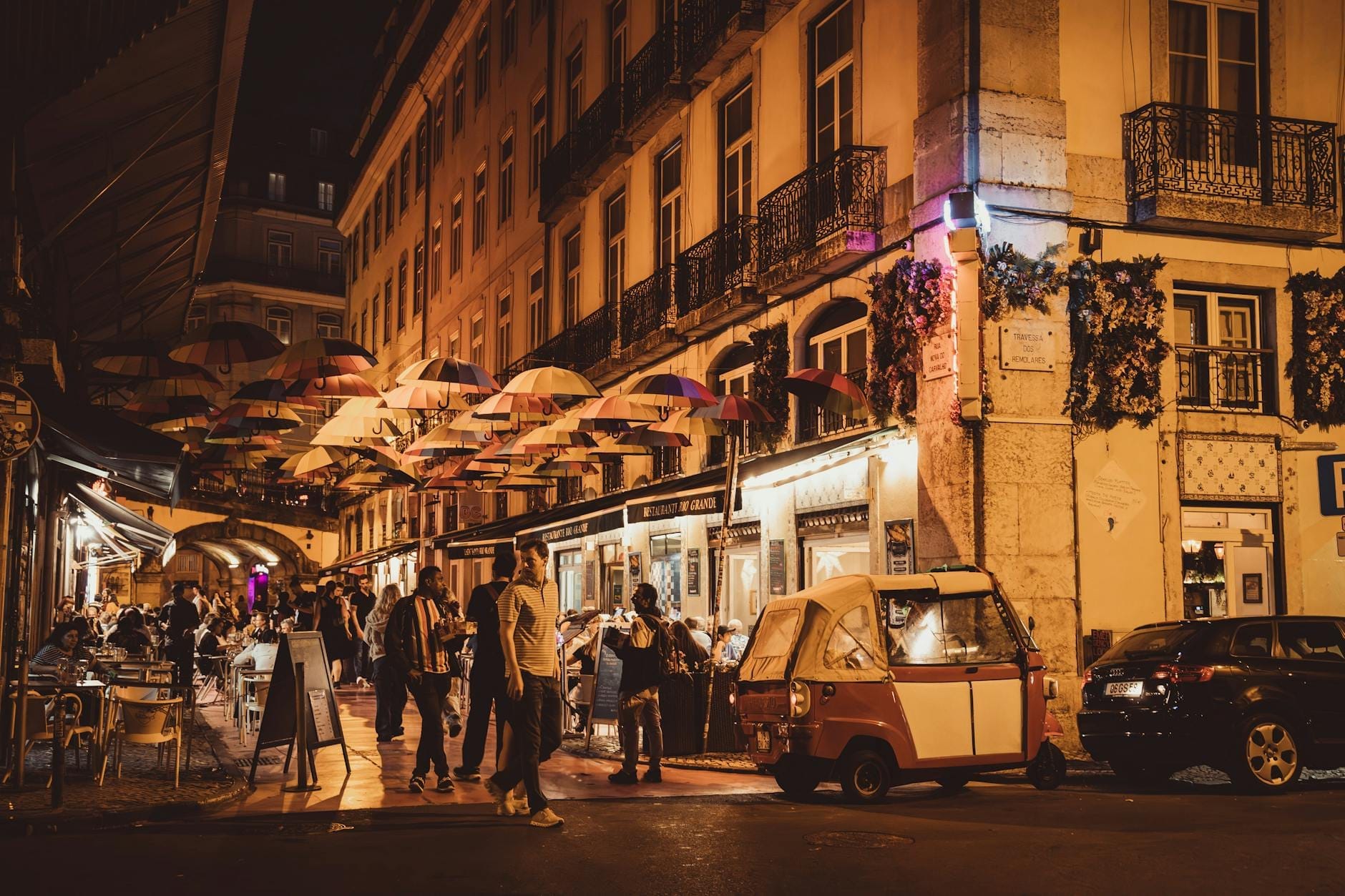
- June 12th, Night: Street Parties Peak Every major historic neighborhood is packed. The streets smell of charcoal and sardines. Bonfires are lit in open squares and participants jump over the flames for luck.
- June 12th, 11:30 AM: Civil Ceremonies The Casamentos de Santo António begin with civil ceremonies at Lisbon City Hall (Paços do Concelho).
- June 12th, 2 PM: Church Ceremonies Catholic ceremonies for the mass wedding couples take place at the Sé Cathedral.
- June 12th, 9 PM: Newlyweds Lead the Parade The newly married couples open the Marchas Populares, leading the procession down Avenida da Liberdade.
- June 13th, Afternoon: Religious Procession A formal Catholic procession moves through the streets around the Sé Cathedral, separate from the street parties.
✨ Pro tip
To watch the Marchas Populares parade comfortably, arrive at Avenida da Liberdade by 7:30 PM at the latest. The boulevard fills up fast. Grandstand tickets are available in advance through EGEAC's official channels. Standing on the sides is free but gets very crowded by showtime.
The Traditions: Sardines, Basil, Bonfires, and Weddings
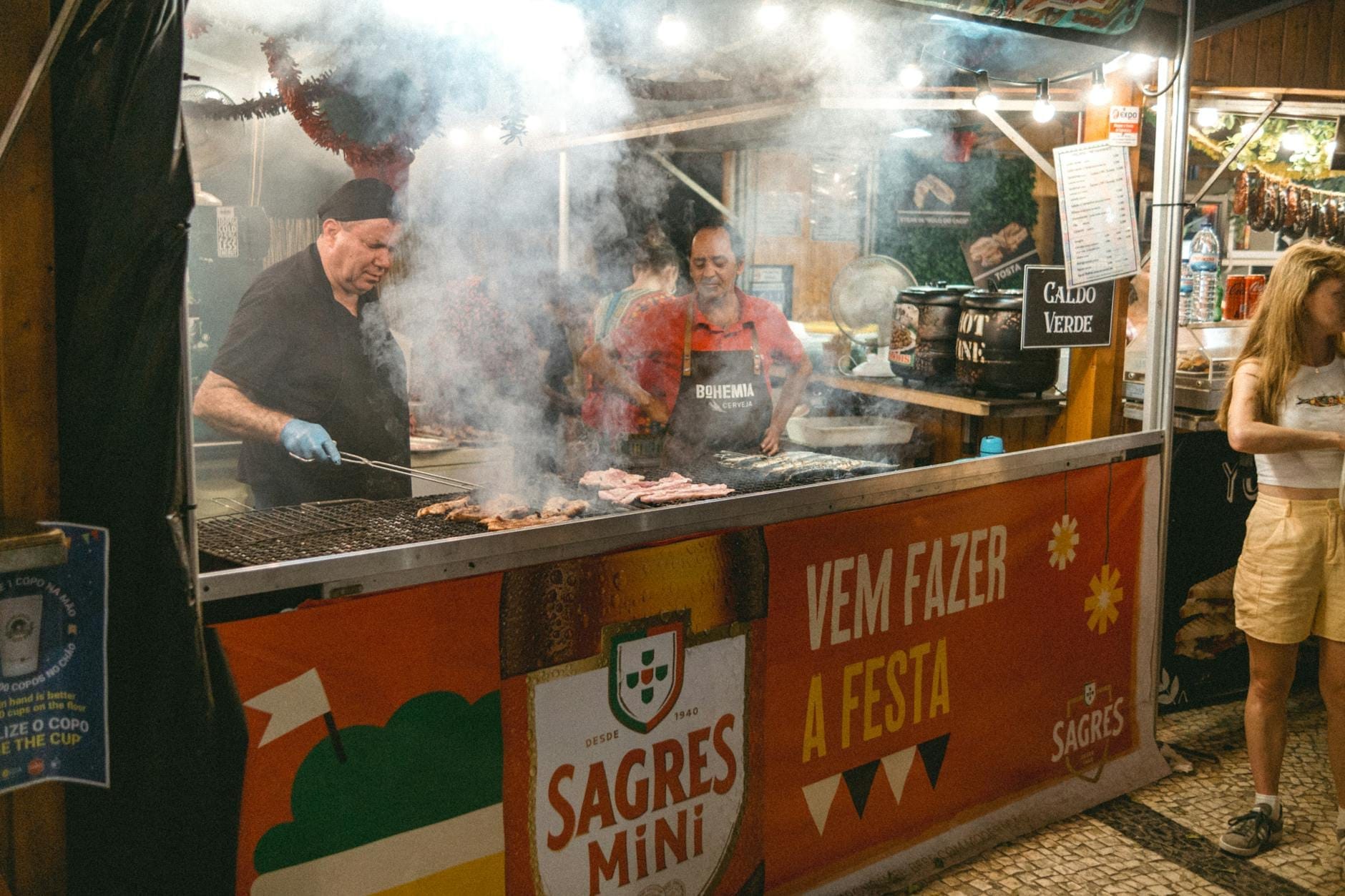
If you eat one thing in Lisbon in June, it should be sardines cooked over a charcoal grill at a street party. Fresh Atlantic sardines, simply seasoned with coarse salt, grilled whole and served on a slice of bread to catch the juices. They cost around 1 to 3 euros per sardine depending on the stall. Paired with a cup of red wine or a cold beer, they are the defining flavors of the festival. The sheer volume of sardines consumed across the city during June is remarkable.
The tradition of giving basil pots, called manjericos, as gifts during Santo António is specific to Lisbon and has no direct equivalent in other Portuguese festivals. A small clay pot with a basil plant is decorated with a paper carnation and a handwritten or printed verse in the style of popular poetry. They are sold all over the city in June, typically for 2 to 5 euros, and make an authentic, low-cost souvenir.
The Casamentos de Santo António is among the festival's most distinctive events. The tradition began in 1958 as a civic initiative to fund weddings for couples who could not afford their own ceremonies. It was suspended during the political upheaval following the 1974 Carnation Revolution, then reinstated in 1997. Today, the city covers all costs for the selected couples, and the event draws considerable attention. The ceremonies at the Sé Cathedral Sé Cathedral carry real emotional weight, quite separate from the party atmosphere outside.
Bonfires and jumping over flames is a tradition shared across the Portuguese Midsummer festivals (São João in Porto, São Pedro elsewhere), but in Lisbon it takes on the Santo António character. In older neighborhoods, residents pile combustible material in the street and light bonfires after nightfall. Jumping over a small bonfire is supposed to bring luck. This is still practiced, though in a more contained form than in previous centuries.
Best Neighborhoods to Experience the Festival
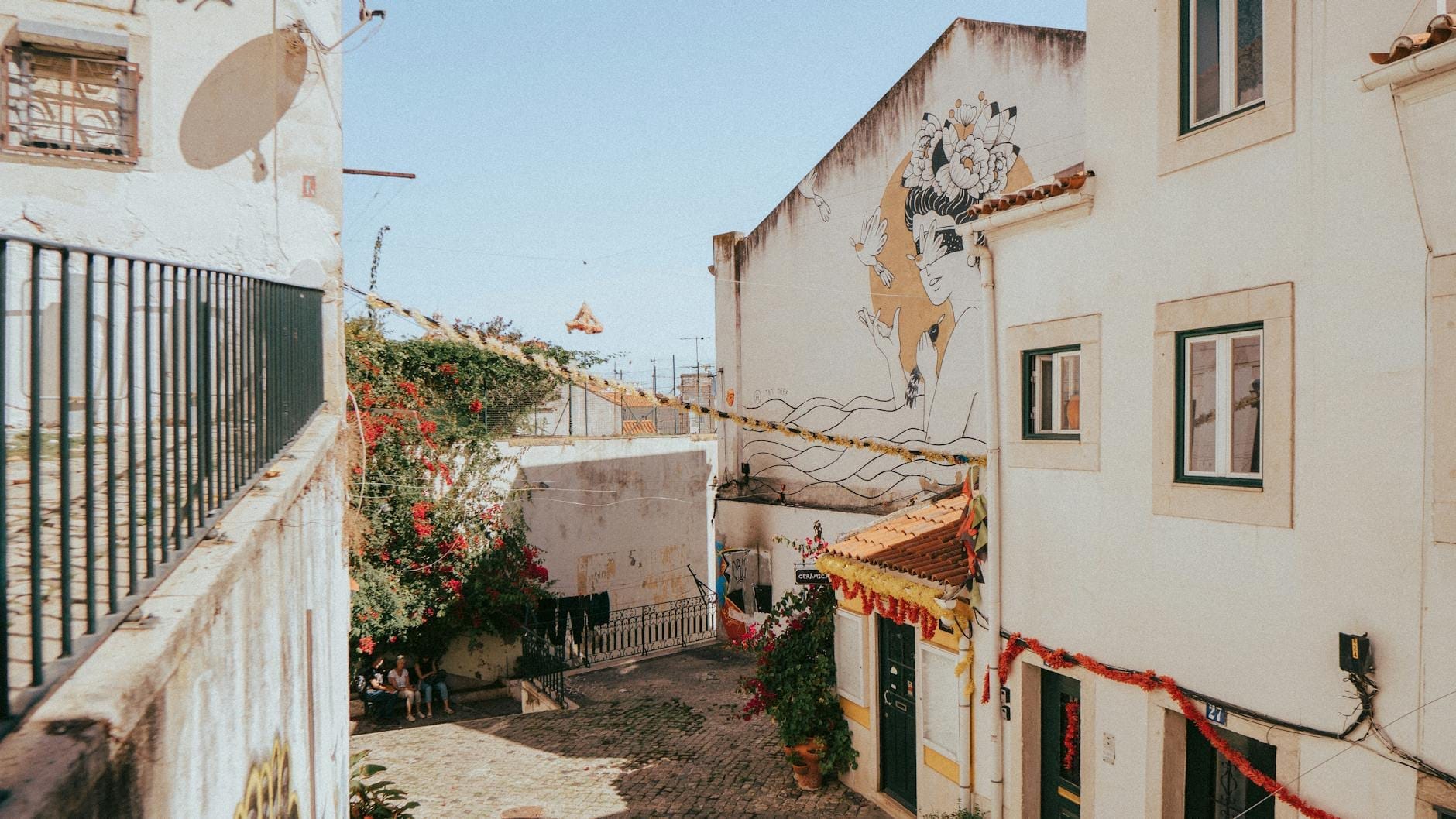
AlfamaMouraria is the neighborhood most closely associated with Santo António. Saint Anthony is said to have been born here, and the Sé Cathedral at its western edge is the site of the religious ceremonies. The steep, narrow streets fill with trestle tables, improvised grills, and residents who have been doing this their entire lives. It is the most atmospheric option but also the most crowded.
- Alfama The historic heart of the festival. Densely packed on June 12th. Arrive early if you want a table. The uphill streets and Miradouro das Portas do Sol area offer some breathing room.
- Mouraria Equally historic, slightly less touristed than Alfama. Excellent arraiais with a more local crowd. The Intendente and Mouraria squares are good gathering points.
- Bairro Alto Looser, younger energy. Bars open onto the street, street parties merge with the neighborhood's existing nightlife culture. Good choice if you want the festival with a more nocturnal feel.
- Bica A small, steep neighborhood below Bairro Alto with a tight-knit community feel. Less foot traffic than Alfama but genuinely local celebrations.
- Graça and Castelo The neighborhoods around São Jorge Castle and Graça also host arraiais. Slightly less chaotic than Alfama proper and worth exploring.
⚠️ What to skip
Pickpocketing increases significantly during Santo António. The combination of dense crowds, alcohol, and narrow streets makes Alfama and the Marchas parade route prime areas for theft. Keep your phone in a front pocket or a zipped bag. Avoid carrying large amounts of cash. This is not a reason to skip the festival, but it requires awareness.
Practical Tips: How to Do Santo António Well
Accommodation in Lisbon books out early for mid-June. If you are planning around the festival, secure your hotel or rental by March at the latest. Staying in or near Alfama or Baixa-Chiado puts you within walking distance of the main events without needing public transport late at night.
Getting around on the night of June 12th requires patience. Tram 28E, which passes through Alfama, will be completely overwhelmed. The metro runs extended hours during the festival period, but stations near the celebrations get congested. Walking is often faster than any vehicle for short distances. Uber and Bolt surge pricing will be extreme after midnight. Plan your return route before you go out.
The festival is largely free. Street parties charge nothing to enter. Food and drink are pay-as-you-go at reasonable prices. The Marchas parade on Avenida da Liberdade is free to watch from the sides of the boulevard. If you want a seated grandstand spot, check EGEAC's official website for tickets. For context on what else to do in Lisbon in June, the summer in Lisbon guide covers the broader seasonal picture.
- Wear comfortable shoes. The cobblestone streets of Alfama and Mouraria are uneven and get slippery when crowded.
- Eat before 8 PM if you want a proper sit-down meal. Restaurants in the festival neighborhoods are slammed from mid-evening onward.
- The basil pots (manjericos) make far better souvenirs than anything sold in tourist shops. Pick one up from a street vendor in early June for the best selection.
- If you are sensitive to smoke, be aware that charcoal grills are everywhere and the narrow streets trap the fumes. Bonfires add to this on June 12th.
- Children are genuinely welcome at the daytime and early evening events. The late-night street parties get rowdy and very crowded after 11 PM.
Santo António in Context: The Broader Festas de Lisboa
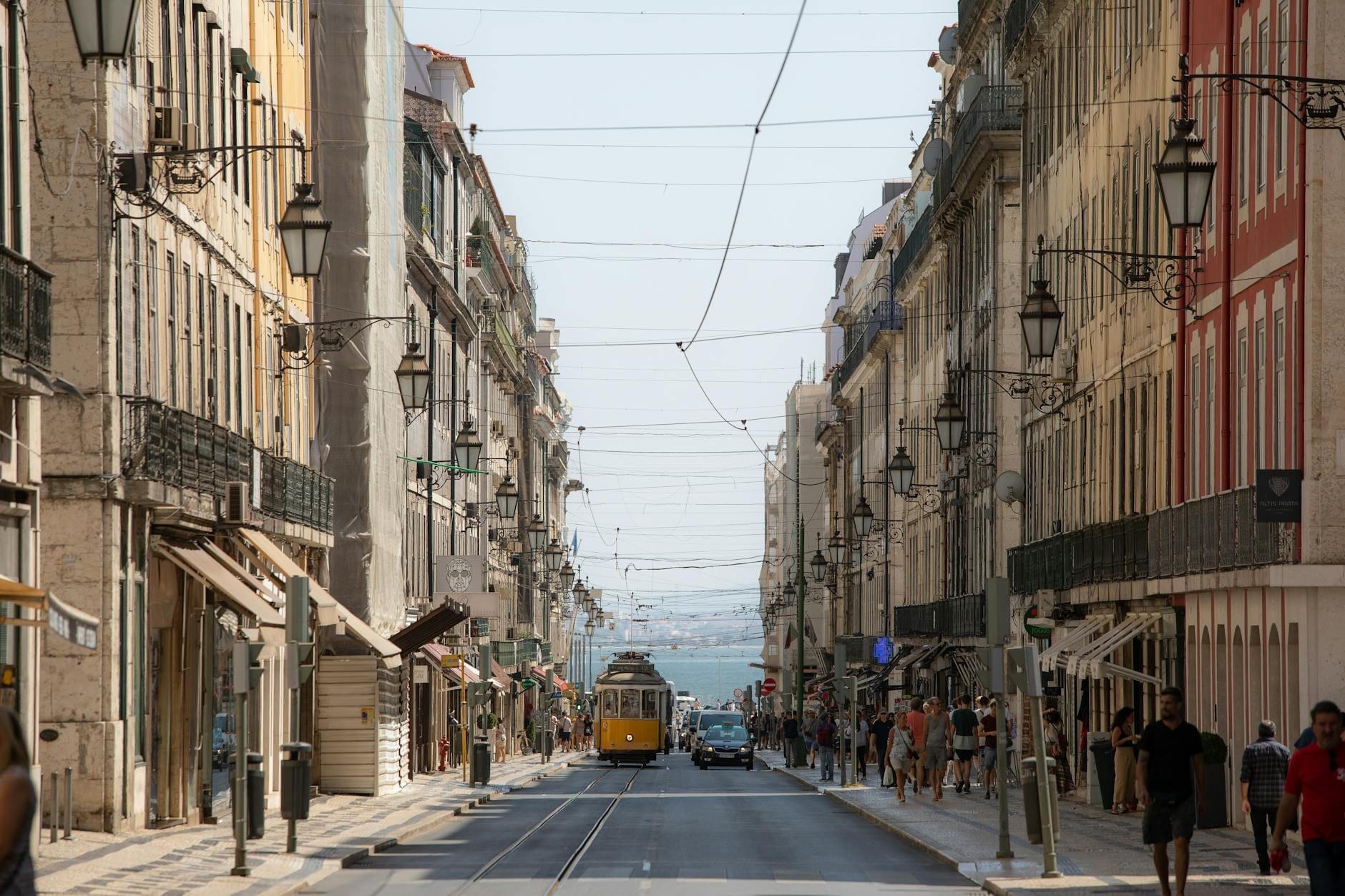
Santo António is the centerpiece of a month-long program called Festas de Lisboa, which includes concerts, fado performances, art installations, and community events across all of Lisbon's neighborhoods. The city leans fully into the celebration throughout June, with fairy lights strung across streets, paper decorations on every doorway, and the general sense that normal rules about noise and late nights are temporarily suspended.
If you are planning a longer trip around the festival, June is one of the strongest months to visit Lisbon overall. Temperatures are warm but not brutal, typically 25 to 28°C, the days are long, and there is genuine street life in every neighborhood. The best time to visit Lisbon guide has a full breakdown of seasonal trade-offs, but for anyone who enjoys crowd energy and outdoor celebrations, June is hard to argue against.
Beyond the festival itself, the neighborhoods at the center of Santo António, particularly Alfama and Mouraria, reward slower exploration during the daylight hours of June. The Miradouro da Graça and Miradouro das Portas do Sol offer some of the best views over the city and are far more pleasant to visit in the morning before the crowds descend.
FAQ
When exactly is the Santo António Festival in Lisbon?
The main celebrations happen on the night of June 12th into June 13th. June 13th is a public holiday in Lisbon. Smaller street parties (arraiais) run throughout June, particularly on weekends from June 1st onward.
Is the Santo António Festival free to attend?
Yes, the street parties, bonfires, and watching the Marchas Populares parade from the sides of Avenida da Liberdade are all free. Food and drink are sold by vendors and community associations at reasonable prices. Grandstand seats for the Marchas parade require tickets purchased in advance.
What should I eat and drink during the festival?
Grilled sardines are the essential festival food. They are typically served whole on a slice of bread, costing 1 to 3 euros each depending on the stall. Wash them down with a cup of vinho tinto (red wine) or a cold beer. Bifanas (pork sandwiches) are also common at street stalls.
Which neighborhood is best for Santo António street parties?
Alfama is the most atmospheric and traditional but also the most crowded. Mouraria offers a similar experience with a slightly more local crowd. Bairro Alto is a good choice if you prefer a younger, bar-heavy atmosphere. All three are worth visiting at different points during the festival.
How do the Casamentos de Santo António mass weddings work?
The Lisbon city council selects couples who apply to have their wedding funded by the municipality. Civil ceremonies are held at City Hall at 11:30 AM on June 12th, followed by Catholic ceremonies at the Sé Cathedral at 2 PM. In the evening, the newlywed couples traditionally lead the Marchas Populares parade down Avenida da Liberdade. The tradition started in 1958, was paused after 1974, and was reinstated in 1997.
Tickets & tours
Live prices and dates from our booking partner. If you book, we may earn a commission at no extra cost to you.
Planning a trip? Discover personalized activities with the Nomado app.