Is Lisbon Worth Visiting? An Honest Assessment
Lisbon is one of Europe's most talked-about city breaks, but does it live up to the hype? This guide cuts through the noise with honest assessments of what the city does brilliantly, where it falls short, what things cost, and how to make the most of your time there.
Tickets & tours
Live prices and dates from our booking partner. If you book, we may earn a commission at no extra cost to you.
TL;DR
- Yes, Lisbon is worth visiting for most travelers — it offers world-class food, architecture, and culture at prices well below Paris, Rome, or Amsterdam.
- The best time to visit is May-June or September-October — spring and early autumn bring mild temperatures, lower hotel rates, and manageable crowds. See our best time to visit Lisbon guide for a full seasonal breakdown.
- Key drawbacks include steep hills (a real issue for limited-mobility visitors), summer heat and crowds, and a few genuinely overrated tourist traps worth avoiding.
- Even on a tight budget, Lisbon delivers: many of its finest experiences — miradouros, street art, neighbourhood markets — are free. Check our guide to free things in Lisbon for specifics.
- Most visitors need at least 3-4 full days to feel they've properly seen the city without rushing.
What Makes Lisbon Stand Out in Europe
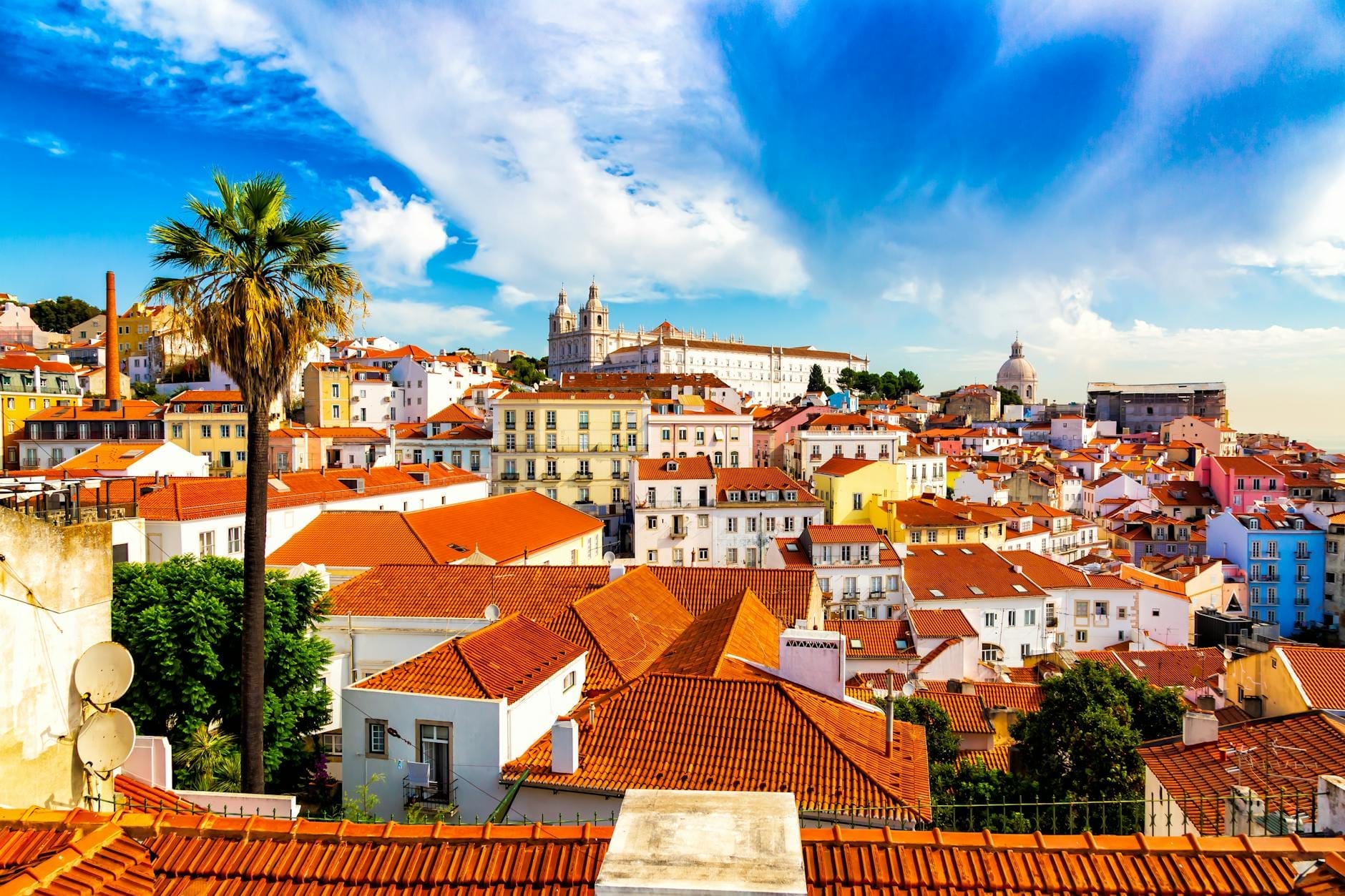
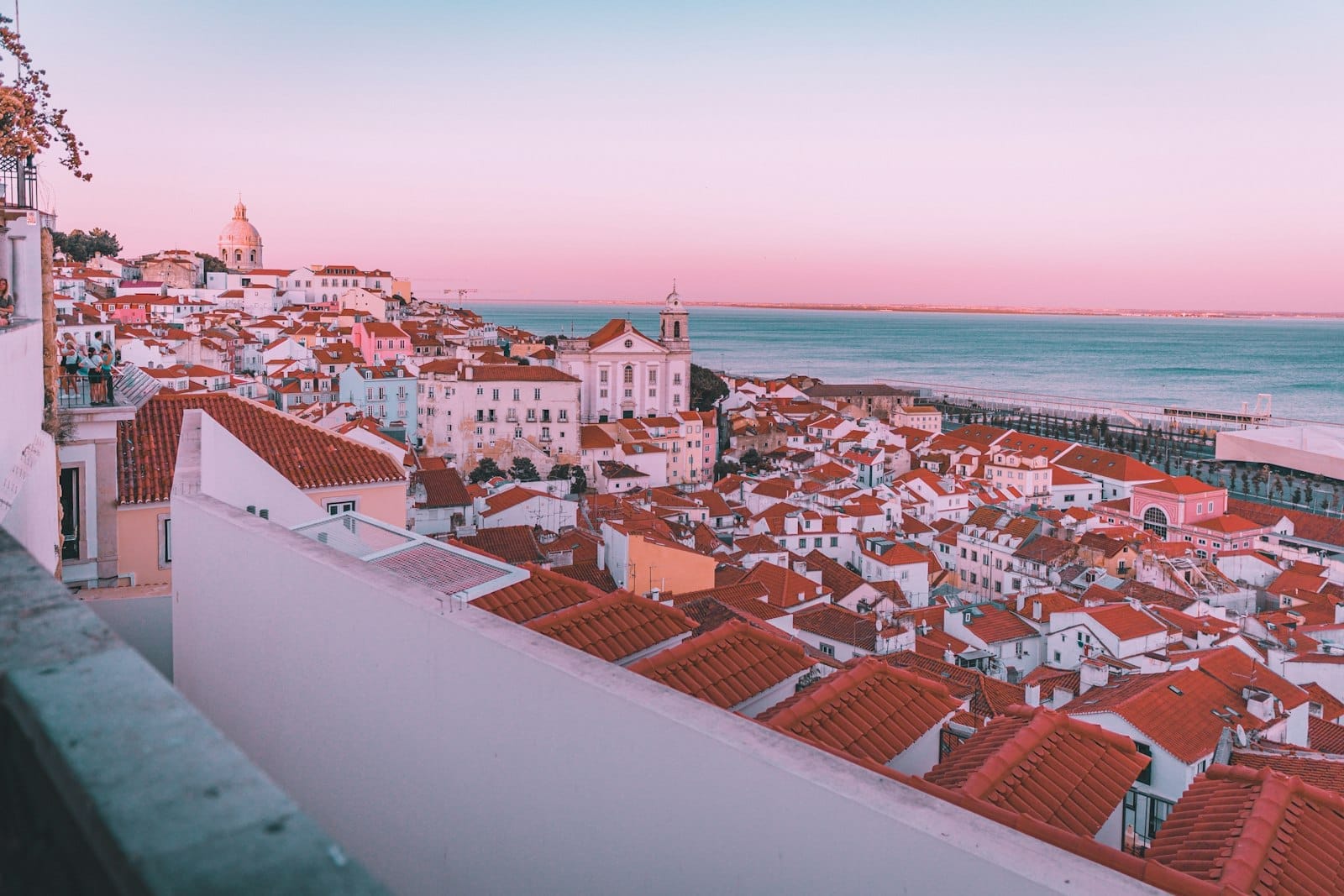
Lisbon (Lisboa in Portuguese) is the capital of Portugal, sitting on the northern shore of the Tagus River estuary on the western edge of the Iberian Peninsula. It is one of Europe's oldest capitals, and the contrast between its layered history and its current creative energy is the core of its appeal. The city was largely rebuilt after the catastrophic 1755 earthquake, which levelled much of the medieval centre. The Baixa district, with its orderly grid of streets, is a direct product of that reconstruction. Other areas, particularly Alfama, survived relatively intact and preserve a texture of narrow lanes, tiled facades, and Moorish-era street plans that no other western European capital can match.
The comparison to San Francisco — which gets made constantly because of the hills, the trams, and the waterfront — is flattering but misleading. Lisbon's identity is shaped by Manueline architecture, Fado music, Atlantic seafood, and 600 years of maritime history. It is not a European approximation of something American. It is emphatically itself.
What Lisbon offers that few other cities match at this price point is genuine variety within a compact area. The Belém district alone contains two UNESCO World Heritage Sites: Jerónimos Monastery and Belém Tower. The city's metro system covers 6 lines, trams and funiculars fill in the gaps, and many of the best neighbourhoods are walkable from each other. For the quality of experience on offer, Lisbon remains significantly more affordable than London, Paris, or Barcelona.
The Honest Case Against Lisbon (What No One Tells You)
Lisbon has real drawbacks that travel content tends to gloss over. The hills are not charming inconveniences — they are steep, cobbled, and genuinely exhausting on a hot day. Alfama and Graça in particular involve serious climbing. If you have mobility limitations, knee problems, or are travelling with a stroller, some of the city's most celebrated areas will be difficult or inaccessible. The city's funiculars and the Santa Justa Lift help in specific spots, but they do not solve the problem.
Summer (July-August) brings significant crowds and temperatures that regularly exceed 35°C. The hills that feel atmospheric in May become oppressive in August. Hotel prices spike, Tram 28 becomes so packed with tourists that locals avoid it entirely, and the most-photographed spots fill up by mid-morning. If your only available travel window is peak summer, Lisbon is still worth going — but adjust your expectations and plan to visit popular sites early or late.
⚠️ What to skip
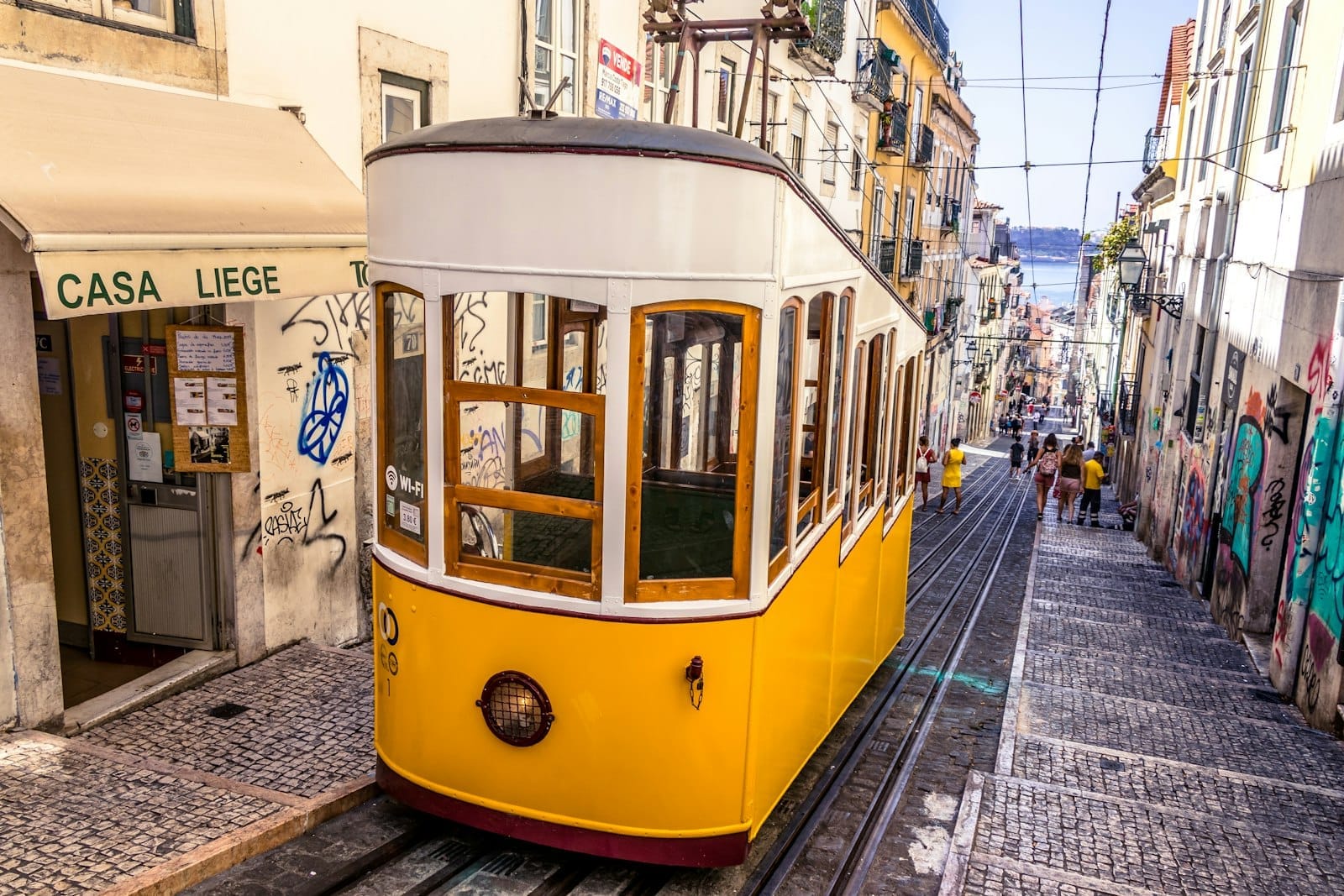
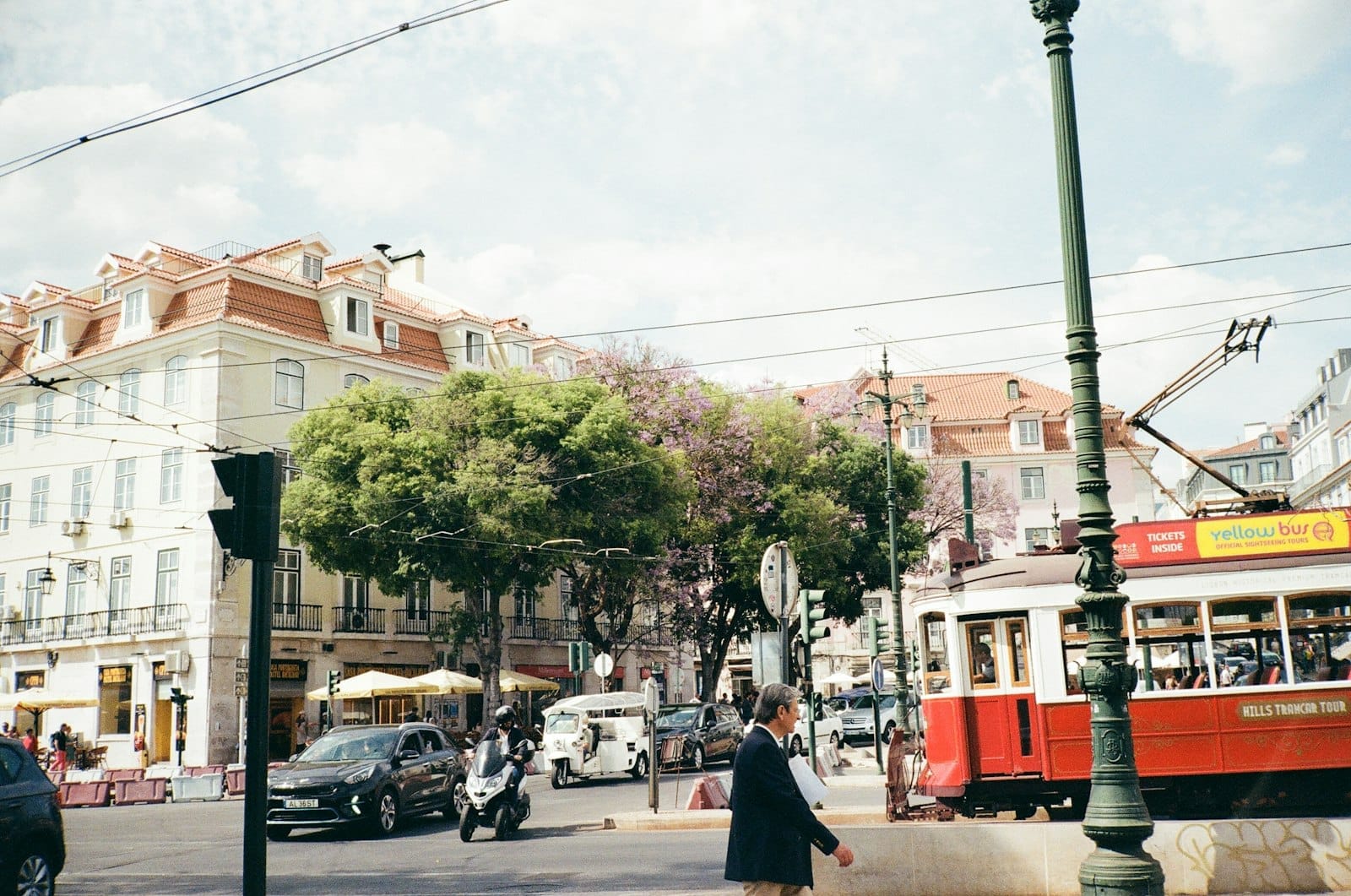
Tram 28 is a working public tram, not a tourist ride. In summer, it is frequently so overcrowded that boarding is impossible at popular stops. It is also a well-known pickpocket hotspot. Keep bags in front of you, stay alert, and consider walking the same route instead — it takes around 40 minutes on foot and you'll see more.
The Time Out Market gets enormous publicity, and it is worth one visit, but it is also expensive by Portuguese standards and primarily serves tourists. For a more authentic and affordable food experience, explore the neighbourhood tascas in Mouraria, Intendente, or Campo de Ourique instead.
What Lisbon Does Exceptionally Well
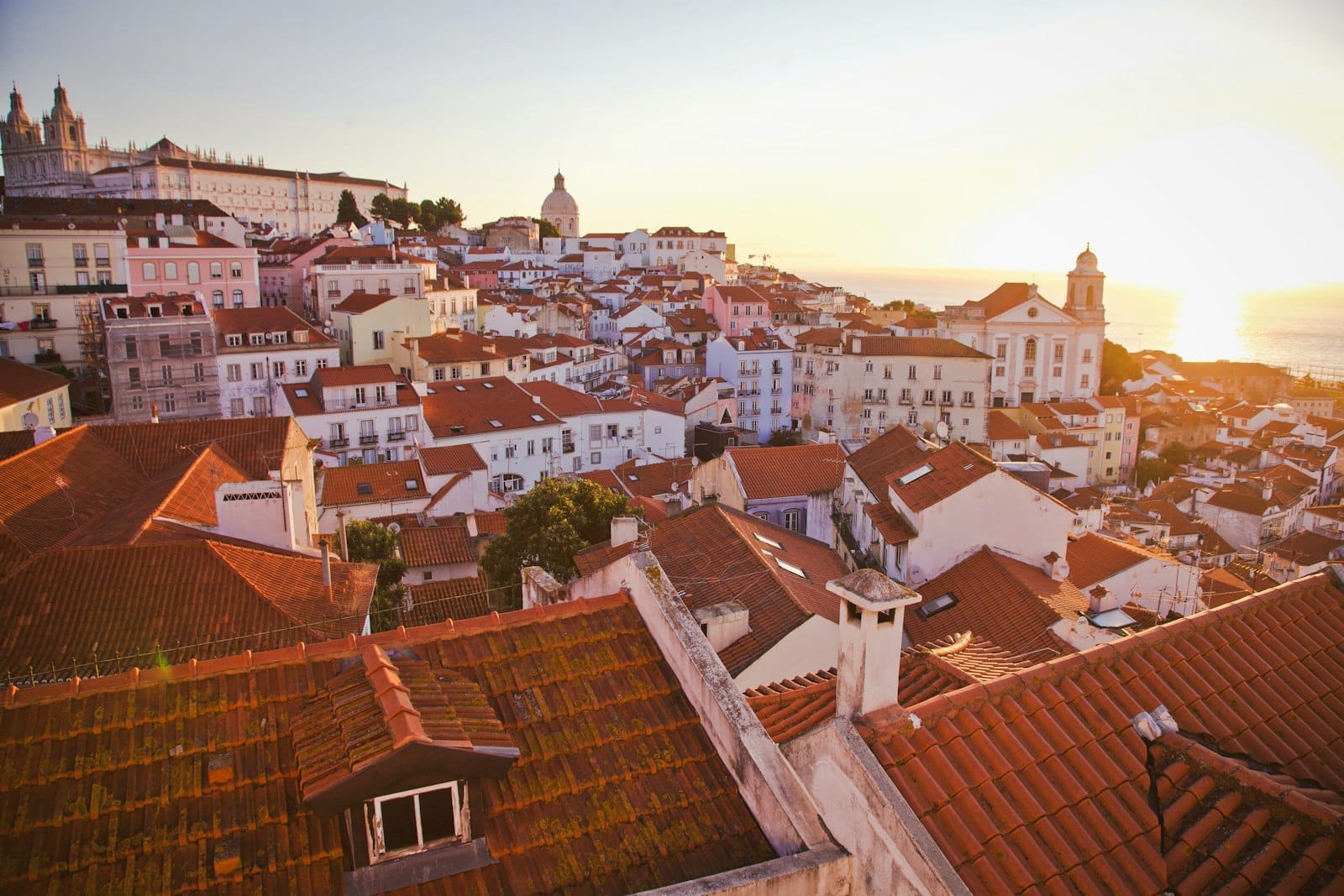
The viewpoints, called miradouros, are genuinely spectacular and most are free. Miradouro da Senhora do Monte offers the widest panorama over the city and river. Miradouro da Graça is slightly lower but easier to reach and often less crowded. Sunrise at either of these is one of Lisbon's best free experiences. The golden hour light over the terracotta rooftops and the Tagus is the image that defines the city, and it is available to anyone willing to wake up early.
The food scene is exceptional at every price point. Pastéis de nata from Pastéis de Belém (the original bakery, open since 1837) cost around €1.50 each and are worth every cent. A proper sit-down lunch at a local tasca — soup, main course, bread, wine, and dessert — runs €10-14 per person. Fresh grilled fish, petiscos (Portuguese small plates), and exceptional local wines are available city-wide at prices that would be impossible in most western European capitals.
- Architecture and UNESCO heritage Jerónimos Monastery in Belém is one of the finest examples of Manueline (late Gothic-Portuguese) architecture in the world. Pre-book tickets online — entry runs around €10-12 for the cloisters, and queues without a booking can exceed an hour in peak season.
- Fado music Lisbon is the birthplace of Fado, a genre of melancholic Portuguese folk music recognised by UNESCO as Intangible Cultural Heritage. Alfama has the highest concentration of authentic Fado houses, though quality varies. Expect cover charges of €15-25 at reputable venues, often including food.
- Day trip access Lisbon's position makes it one of Europe's best day-trip bases. Sintra is 40 minutes by train (around €2.50 each way). Cascais is on the same line. The beaches of Costa da Caparica are 30 minutes by bus and ferry.
- Nightlife and culture Bairro Alto and Cais do Sodré are the main nightlife hubs, with bars typically staying open until 2-4am. LX Factory hosts a popular Sunday market and serves as a creative arts and dining complex in a converted 19th-century industrial space.
- Museum quality Lisbon punches above its weight culturally. The Calouste Gulbenkian Museum holds one of Europe's finest private art collections, the National Tile Museum (Museu Nacional do Azulejo) is unique worldwide, and the MAAT offers strong contemporary programming on the waterfront.
Cost Reality Check: What You'll Actually Spend
Lisbon is no longer the budget destination it was a decade ago, but it remains meaningfully cheaper than western Europe's major cities. Here is a realistic breakdown based on current pricing trends.
- Budget accommodation (hostel dorm): €20-35/night; budget private room: €60-90/night
- Mid-range hotel in central Lisbon: €100-180/night (higher in July-August)
- Metro single ticket: around €1.60; 24-hour travel card: around €6.80
- Tram 28 single ticket: approximately €3 if bought on board; cheaper with a Viva Viagem card
- Coffee at a local café: €0.80-1.20 for an espresso (bica)
- Lunch at a tasca (prato do dia, set menu): €9-14 per person including wine
- Dinner at a mid-range restaurant: €25-45 per person with wine
- Pastel de nata: €1.20-1.80 depending on location
- Jerónimos Monastery entry: approximately €10-12 (verify current pricing before visiting)
✨ Pro tip
The Lisboa Card (available for 24, 48, or 72 hours at around €21, €35, or €44) includes unlimited public transport and free or discounted entry to over 80 attractions. If you plan to visit Jerónimos, Belém Tower, and several museums, it pays for itself quickly. Buy it at the airport arrival hall or the tourist office on Praça do Comércio.
Who Lisbon Is (and Isn't) Right For
Lisbon works exceptionally well for travelers who enjoy walking, food, history, and nightlife. It rewards those who slow down, eat well, and let the neighbourhood rhythms set the pace. A four-day visit is the sweet spot for first-timers: enough time to cover Alfama, Belém, Chiado, and one or two day trips without rushing.
Couples will find Lisbon particularly rewarding — the combination of romantic miradouros, long wine-fuelled dinners, and Fado evenings makes it one of southern Europe's most atmospheric city breaks. See our Lisbon for couples guide for specific neighbourhood and restaurant recommendations. Families with kids can also have a strong trip, though managing the hills with small children or strollers requires planning. The Lisbon Oceanarium in Parque das Nações is one of the best aquariums in Europe and a reliable highlight for younger visitors.
For travelers primarily interested in beaches, Lisbon works best as a base rather than a destination in itself. The city's own waterfront is the Tagus estuary, not the Atlantic — the ocean beaches at Cascais, Carcavelos, and Costa da Caparica are 30-60 minutes away by public transport. Plan accordingly if beach time is a priority.
💡 Local tip
If you have limited mobility or find steep hills genuinely difficult, base yourself in Baixa or Chiado rather than Alfama or Graça. The central districts are significantly flatter, and you can reach viewpoints by tram or funicular when needed rather than on foot.
Practical Logistics: Getting There and Getting Around
Lisbon Airport (LIS) sits approximately 10 km from the city centre. The Metro Red Line connects the airport to downtown in around 25 minutes for approximately €1.60. Taxis and Uber cost €15-20 depending on traffic and time of day. The Aerobus shuttle (around €4) is slower but drops off at several central points. Both Uber and Bolt operate reliably across the city.
Lisbon's metro covers most tourist areas, but several key neighbourhoods (Alfama, Bairro Alto, Belém) require trams, buses, or walking. The Carris network runs the trams and buses. For a broader guide to navigating the city without confusion, see our getting around Lisbon guide. Most visitors find that a combination of metro, occasional tram, and a lot of walking covers everything comfortably. The city is compact: the distance from Baixa to Belém is about 6 km, easily manageable by tram or bus.
English is widely spoken in hotels, restaurants, and tourist areas. Tap water is safe to drink throughout the city. Tipping is appreciated but not mandatory: 5-10% at restaurants is standard if service is not already included. The emergency number is 112. EU and Schengen citizens enter without a visa; US, Canadian, and Australian passport holders can stay up to 90 days visa-free, though ETIAS registration is now required before travel.
FAQ
Is Lisbon worth visiting in winter?
Yes, with caveats. December through February brings rain (expect several wet days per week), but temperatures remain mild, typically 12-16°C. Hotel prices drop significantly, crowds at major attractions thin out, and the city's Fado houses, museums, and indoor food markets are excellent cold-weather alternatives. Winter is a good choice for travelers prioritising culture over outdoor sightseeing.
How many days do you need in Lisbon?
Three full days is the practical minimum to see the key neighbourhoods without feeling rushed. Four to five days allows for a day trip to Sintra or the beaches and time to explore beyond the standard circuit. Less than three days means making difficult choices about what to skip.
Is Lisbon expensive compared to other European capitals?
Lisbon is notably cheaper than London, Paris, Amsterdam, or Copenhagen. It is broadly comparable to Madrid, slightly cheaper than Barcelona. Budget travelers can get by on €60-80 per day (hostel, public transport, set-menu lunches, self-catering some meals). Mid-range travelers should expect €150-250 per day per person for a comfortable stay with restaurant meals and attraction entry.
Is Lisbon safe for tourists?
Lisbon is generally considered one of Europe's safer capital cities. The primary risk for tourists is petty theft, particularly pickpocketing on Tram 28, in Alfama, and in crowded markets. Standard urban precautions — money belt, bag in front, copy of passport stored separately — are sufficient for most visitors. Violent crime targeting tourists is rare.
What is Lisbon actually known for?
Beyond the postcard images of trams and tiled buildings, Lisbon is known for Fado music, Manueline architecture (particularly in Belém), outstanding seafood and pastries, its role as the launch point of the Age of Discoveries in the 15th and 16th centuries, and a contemporary food and arts scene that has grown significantly over the past decade. It is also the westernmost capital in continental Europe.
Tickets & tours
Live prices and dates from our booking partner. If you book, we may earn a commission at no extra cost to you.
Planning a trip? Discover personalized activities with the Nomado app.