Shopping in Lisbon: Best Markets, Streets & Stores
Lisbon rewards shoppers at every budget level, from Saturday morning flea markets in Alfama to flagship luxury boutiques on Avenida da Liberdade. This guide covers the best markets, shopping streets, and stores in the city, with practical details on schedules, neighborhoods, and what to skip.
Tickets & tours
Live prices and dates from our booking partner. If you book, we may earn a commission at no extra cost to you.
TL;DR
- Feira da Ladra is Lisbon's most atmospheric flea market, held Tuesday and Saturday mornings at Campo de Santa Clara in Alfama.
- Chiado (Rua do Carmo and Rua Garrett) is the top shopping street corridor — a mix of international chains, independent bookshops, and Portuguese concept stores.
- For Portuguese-made goods, Príncipe Real and its Embaixada shopping palace offer the best concentration of local artisan brands.
- LX Factory's Sunday market is popular but skew toward crafts rather than bargains — the Lx Rural produce section is the genuine draw.
- Check our Lisbon on a budget guide if you want to shop without overspending on tourist-facing pricing.
How Shopping in Lisbon Is Organized by Neighborhood
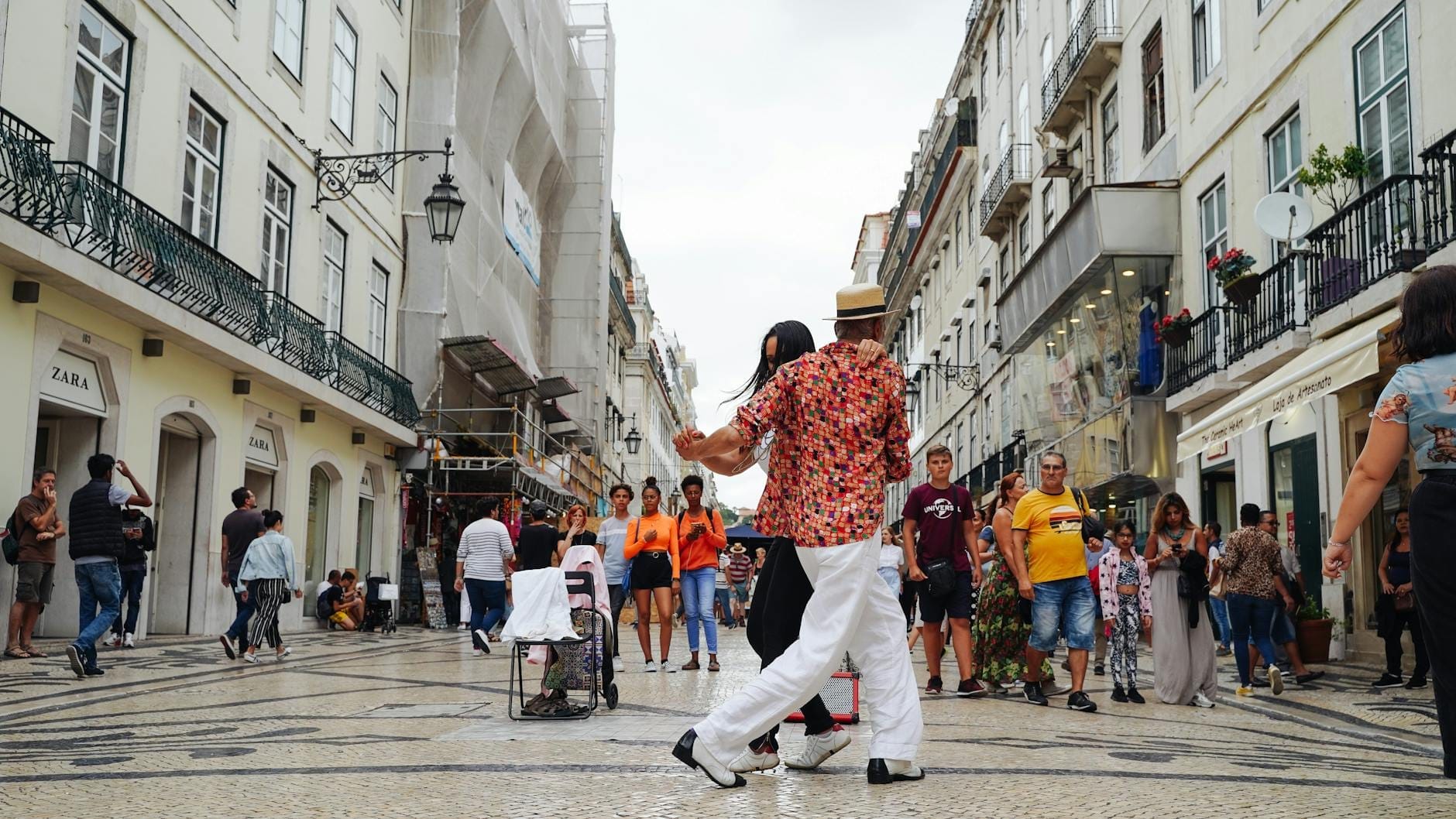
Lisbon doesn't have one central shopping district. Instead, the city divides roughly by what you're looking for. Baixa-Chiado handles mainstream retail and upscale independent shops. Príncipe Real is where design-conscious locals and international visitors head for Portuguese brands. Avenida da Liberdade is the luxury corridor. And the neighborhood markets — Alfama, Campo de Ourique, Arroios — are where everyday Lisbon actually shops for food and household goods.
Understanding this geography saves time. If you want a Gucci bag, Avenida da Liberdade is the obvious answer. If you want Portuguese ceramics or artisan olive oil without paying airport gift-shop prices, head to Príncipe Real or the organic market at the Príncipe Real Garden on a Saturday morning. If you want secondhand furniture and old postcards, Campo de Santa Clara on a Tuesday.
💡 Local tip
Most shops in Lisbon open between 10am and 7pm, Monday to Saturday. Sunday trading is more limited outside major malls and tourist-facing areas. Markets follow their own schedules — always check current hours before making a trip.
The Best Markets in Lisbon
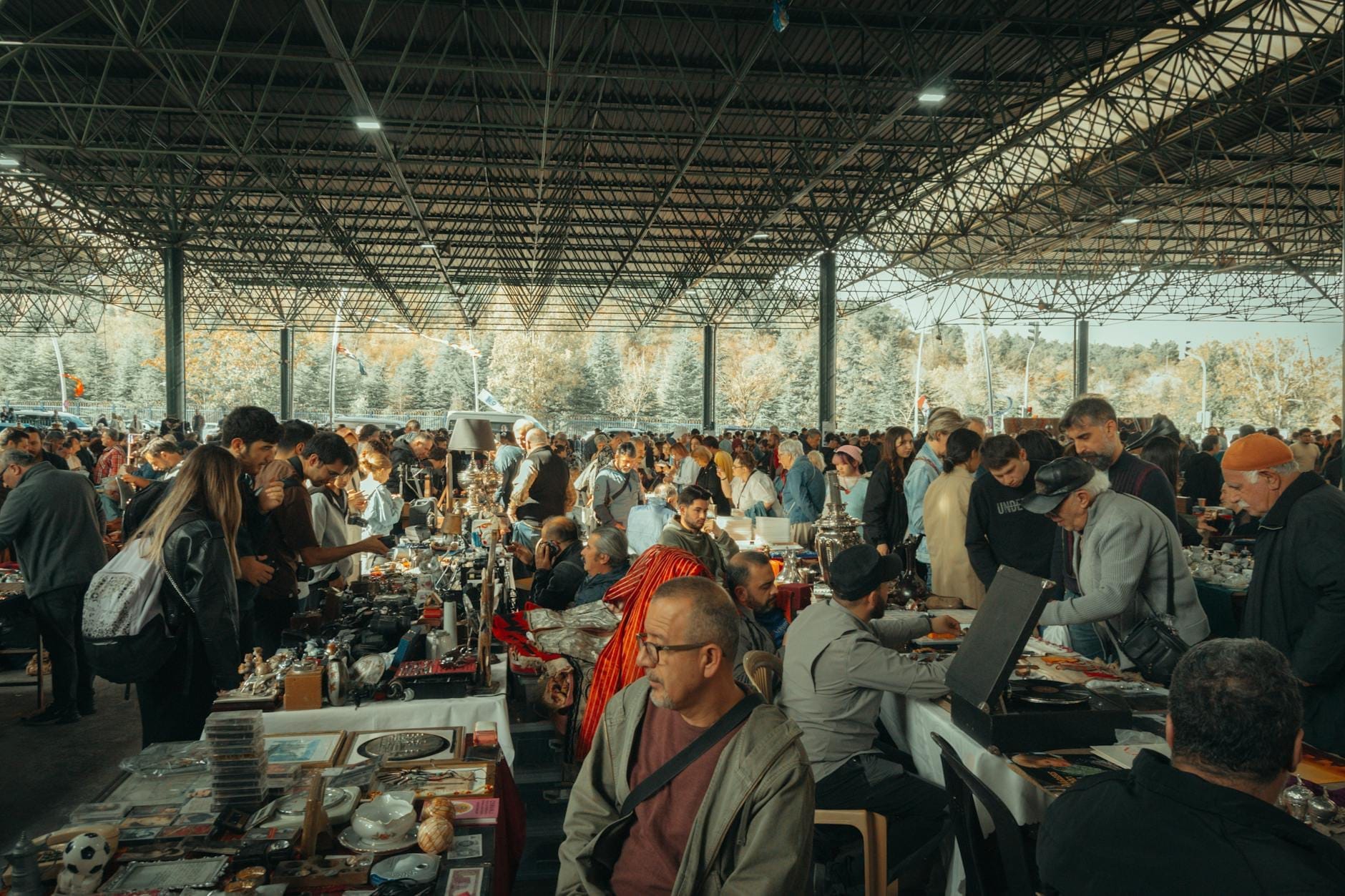
Lisbon's market scene is one of its genuine strengths. The Feira da Ladra flea market is the most famous: held every Tuesday and Saturday morning at Campo de Santa Clara, near the National Pantheon in Alfama. The name translates loosely as 'thieves market', and the mix of vendors reflects that spirit — genuine antiques sit alongside recycled junk, old vinyl, military surplus, handmade jewelry, and stacks of used books in Portuguese. Arrive before 9am for the best selection; by noon, the serious vendors start packing up.
The Mercado Biológico do Príncipe Real (organic farmers market) runs every Saturday from around 7am to 2pm in the Príncipe Real Garden. It's compact but well-curated: fresh seasonal produce, Portuguese olive oils, artisan cheeses, sourdough bread, and honey. Prices are higher than a supermarket, but the quality reflects that. This is where food-focused visitors and Lisbon's professional class shop on weekends.
The LX Factory Sunday market runs weekly in the repurposed industrial complex in Alcântara. In summer, hours extend to 11am-8pm; in winter, 10am-6pm. The market divides into two zones: Lx Rural, a farmers market section running roughly 10am-5pm with fresh produce that locals actually buy, and the main market area dominated by crafts, vintage clothing, and design goods. The crafts section is aimed squarely at visitors and the prices reflect that — but it's a pleasant atmosphere and the food trucks and surrounding shops make it worth a Sunday afternoon.
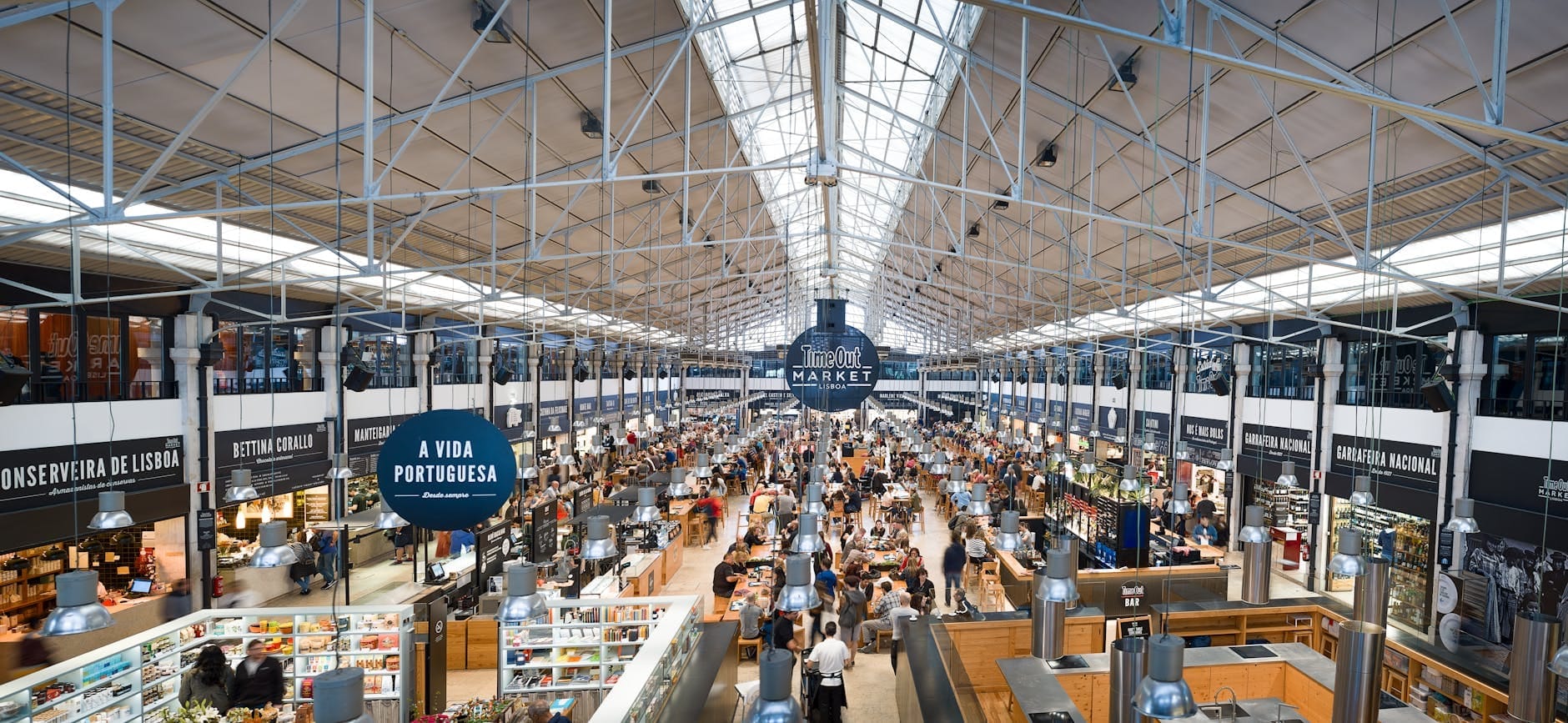
The Mercado da Ribeira on Avenida 24 de Julho splits into two distinct experiences. The older, west-facing wing is a traditional produce market open daily in the mornings — fish, meat, fruit, flowers. The east wing became the Time Out Market food hall in 2014, now one of Lisbon's most-visited attractions. The food hall is genuinely good but prices are tourist-facing; the traditional produce section next door is quieter and more authentic.
- Feira da Ladra Tuesdays and Saturdays, Campo de Santa Clara, Alfama. Best for antiques, vintage items, and browsing. Morning arrivals get the best picks.
- Mercado Biológico do Príncipe Real Saturdays 7am-2pm, Jardim do Príncipe Real. Organic produce, Portuguese oils, artisan food products. Compact and high quality.
- LX Factory Sunday Market Sundays, Rua Rodrigues de Faria, Alcântara. Crafts, vintage, Lx Rural produce section. Summer hours 11am-8pm, winter 10am-6pm.
- Mercado da Ribeira Daily, Avenida 24 de Julho, Cais do Sodré. Traditional produce hall plus the Time Out Market food hall. Morning is best for the fresh market.
- Avenida da Liberdade Antiques Market Second weekend of every month (May to October also includes the fourth weekend). Antiques, art, vintage along the boulevard's central promenade.
⚠️ What to skip
Mercado de Campo de Ourique and Mercado de Arroios are the better options if you want to see how Lisbon actually shops for groceries. Both are covered neighborhood markets, less touristy than Mercado da Ribeira, and open on weekday mornings. Campo de Ourique also has a food court section that's grown in quality in recent years.
Best Shopping Streets and Corridors
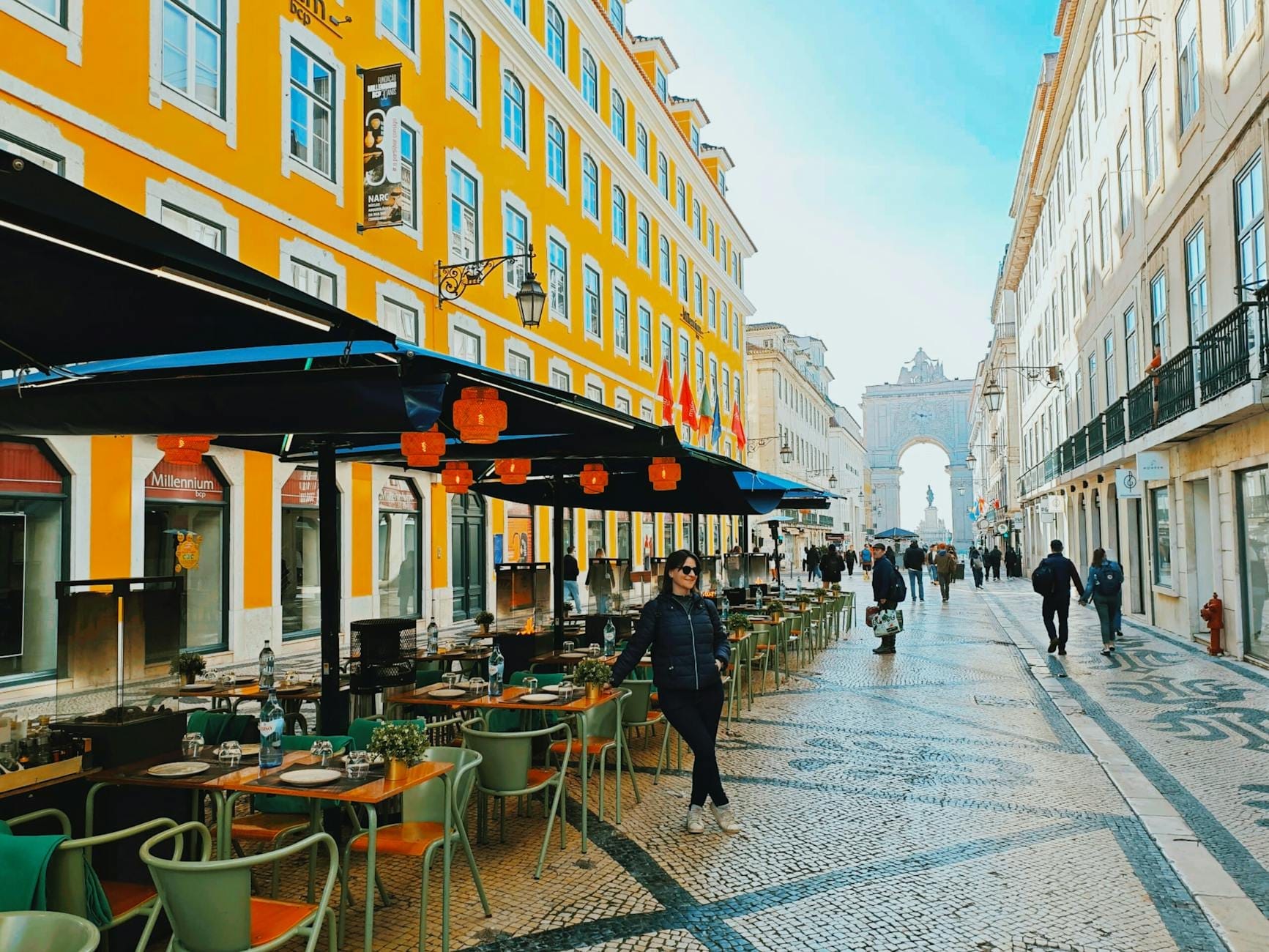
Rua do Carmo and Rua Garrett in Chiado form the spine of Lisbon's most enjoyable shopping corridor. You'll find international fast fashion (Zara, Mango, H&M) mixed with genuinely interesting local institutions. Livraria Bertrand on Rua Garrett has been operating since 1732, recognized by Guinness as the world's oldest operating bookshop. A Vida Portuguesa, a few minutes away, is the best single shop for high-quality Portuguese-made goods: soaps from Ach. Brito, Bordallo Pinheiro ceramics, and vintage-style stationery.
Avenida da Liberdade is Lisbon's grand avenue and its luxury retail address. Louis Vuitton, Gucci, Prada, Dior, and Burberry all have flagships here, alongside Portuguese luxury brand Parfois and mid-range options like Mango. The boulevard itself is worth walking for the architecture alone, with its mosaic pavements and 19th-century townhouses converted into retail. It's not a uniquely Lisbon shopping experience, but if you're in the market for luxury goods, prices can be marginally lower than in Paris or London.
Príncipe Real is the neighborhood for design-forward shopping that actually reflects Portuguese creativity. The Embaixada, housed in a 19th-century neo-Moorish palace on Praça do Príncipe Real, operates as a collective of Portuguese brands across two floors — ceramics, fashion, jewelry, skincare, home goods. It's more curated than a standard sentro ng pamimili and worth at least an hour. The streets around it, especially Rua da Escola Politécnica, have independent boutiques focused on Portuguese artisans and mga tatak ng mabagal at maingat na modas.
What to Buy: Best Portuguese Products and Souvenirs
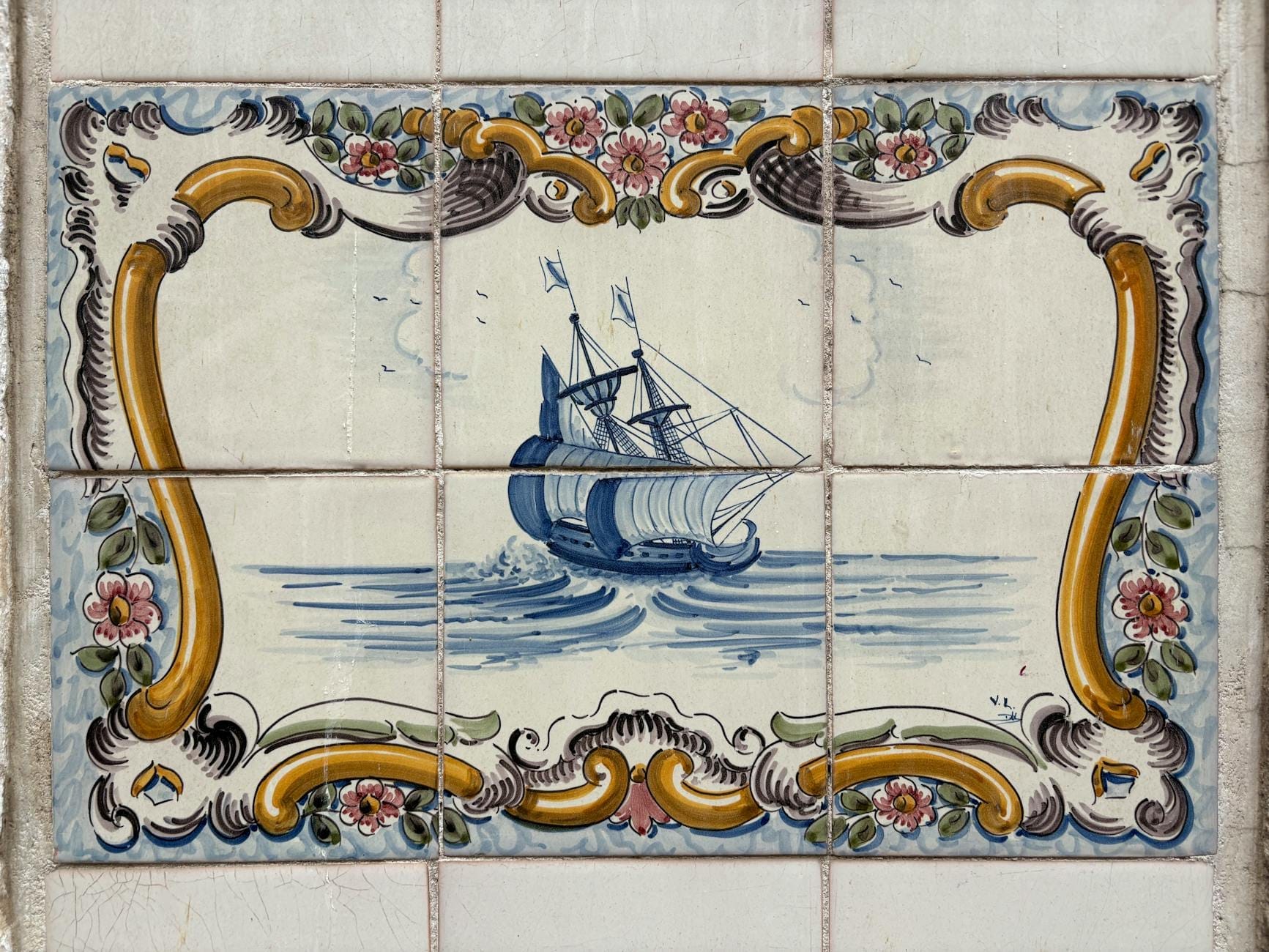
The most worthwhile things to buy in Lisbon are the ones that are genuinely produced in Portugal and represent real craft. Azulejo tiles are the obvious answer, but quality varies wildly. Factory-produced replicas are sold everywhere; hand-painted tiles from studios in Alfama or Chiado cost significantly more but are the real thing. Vista Alegre porcelain is internationally respected and available at their flagship stores. Bordallo Pinheiro ceramics, with their distinctive cabbage-leaf designs, are harder to find elsewhere at reasonable prices.
- Azulejo tiles: Buy from reputable studios, not mass-produced copies from souvenir shops
- Pastéis de nata: The tins of short-crust custard tarts travel well and make practical edible gifts
- Portuguese wine and ginjinha: Wine shops (garrafeiras) throughout Baixa and Chiado offer good value; a bottle of quality Alentejo red rarely exceeds €15
- Bordallo Pinheiro ceramics: Distinctive, genuinely Portuguese, and available at the brand's own shops
- Cork products: Portugal produces over half the world's cork; wallets, bags, and accessories made from it are a practical, lightweight souvenir
- Sardine tins: A Vida Portuguesa and specialist shops stock high-quality canned sardines in collectible packaging — a legitimately good gift
✨ Pro tip
For wine, skip the tourist-facing shops near Praça do Comércio and head to a garrafeira (traditional wine merchant) instead. Garrafeira Nacional on Rua de Santa Justa in Baixa stocks thousands of labels and staff will help you select bottles within your budget without any upsell pressure.
Shopping Logistics: Timing, Tax Refunds, and Avoiding Tourist Traps
Non-EU visitors can claim a VAT refund (IVA in Portuguese) on purchases over €50 at participating shops, which applies to most mainstream retailers and larger boutiques. Look for the 'Tax Free Shopping' sign in the window. The standard VAT rate is 23%, and refunds are processed at Lisbon Airport (LIS) before departure. Keep your receipts and have the goods available for inspection.
Timing matters more than most guides acknowledge. Saturday mornings are peak time for markets — Feira da Ladra and the organic market in Príncipe Real are both busiest between 10am and noon. If you're going to the LX Factory Sunday market in summer, arriving at 11am opening means cooler temperatures and better selection before the afternoon crowds arrive from the cruise terminals.
Rua Augusta in Baixa, the main pedestrian street connecting Rossio to Praça do Comércio, is lined almost entirely with souvenir shops selling identical products. The tile magnets, rooster figurines, and cork bags here are uniformly low quality and overpriced by local standards. If you're buying for yourself rather than as a quick gift, the extra 10 minutes to walk to Chiado or Príncipe Real is worth it every time.
The Mercado de Campo de Ourique in the residential Campo de Ourique neighborhood is worth knowing about for a more local shopping and eating experience. The food court section has evolved from a basic market into a quality-focused space with reliable Portuguese food stalls — less expensive than the Time Out Market and used by the people who live in the surrounding streets.
FAQ
What is the best market to visit in Lisbon?
Feira da Ladra in Alfama (Tuesdays and Saturdays) is the most atmospheric for browsing antiques and secondhand goods. For food and produce, the Mercado Biológico do Príncipe Real on Saturday mornings is the highest quality. LX Factory on Sundays is worth visiting for the atmosphere and Lx Rural produce section, though the crafts area is priced for tourists.
Where do locals shop in Lisbon?
For groceries, locals use covered neighborhood markets like Mercado de Arroios and Mercado de Campo de Ourique, or standard supermarkets (Pingo Doce and Continente are the main chains). For clothing, Chiado and the areas around Príncipe Real attract a mix of locals and visitors. Avenida da Liberdade is mainly tourist and occasion-driven.
Can I get VAT refunds on shopping in Lisbon?
Yes. Non-EU residents can claim VAT refunds (IVA) on purchases over €50 at participating retailers. Look for 'Tax Free Shopping' signage in store windows. Refunds are processed at Lisbon Airport (LIS) before departure — keep all receipts and have your purchases accessible at the airport.
What are the best things to buy in Lisbon as souvenirs?
Quality azulejo tiles from reputable studios, cork accessories, Bordallo Pinheiro ceramics, Portuguese wine from a garrafeira, ginjinha (sour cherry liqueur), and quality canned sardines in collectible tins are all practical, genuinely Portuguese options. Avoid the mass-produced souvenir shops on Rua Augusta, which sell the same items as airports at inflated prices.
Is shopping in Lisbon expensive compared to other European cities?
Lisbon is generally mid-range for shopping in Western Europe. International chain stores (Zara, Mango, H&M) are priced similarly to other EU cities. Local products like wine, ceramics, and food can represent good value. Markets vary widely — Feira da Ladra can yield genuine bargains, while LX Factory crafts tend to be priced at premium levels. Luxury brands on Avenida da Liberdade are comparable to Paris or Milan.
Tickets & tours
Live prices and dates from our booking partner. If you book, we may earn a commission at no extra cost to you.
Planning a trip? Discover personalized activities with the Nomado app.