London to Lisbon: Flights, Trains, Buses & How to Choose
Flying from London to Lisbon takes around 2.5 hours and costs as little as £50. But if you want to travel overland, the train journey is an epic 22+ hour adventure through Paris and Madrid. This guide breaks down every realistic option, with honest advice on cost, time, and comfort.
Tickets & tours
Live prices and dates from our booking partner. If you book, we may earn a commission at no extra cost to you.
TL;DR
- Flying is the fastest and cheapest option: direct flights from London to Lisbon take around 2.5-3 hours, with fares from roughly £50 return on budget carriers.
- There is no direct train from London to Lisbon — the overland route takes 22-36 hours minimum, with 2-4 changes, and costs £300-700+.
- FlixBus runs a direct coach from London Victoria to Lisbon, taking around 32 hours — practical only if you are on a very tight budget or want to see the route.
- Book flights at least 3-4 weeks ahead for the best fares; summer prices (June-August) can triple compared to spring or autumn rates.
- Once in Lisbon, you will want to know how to get around the city — the metro, trams, and funiculars are all part of the experience.
Flying from London to Lisbon: The Practical Choice for Most Travellers
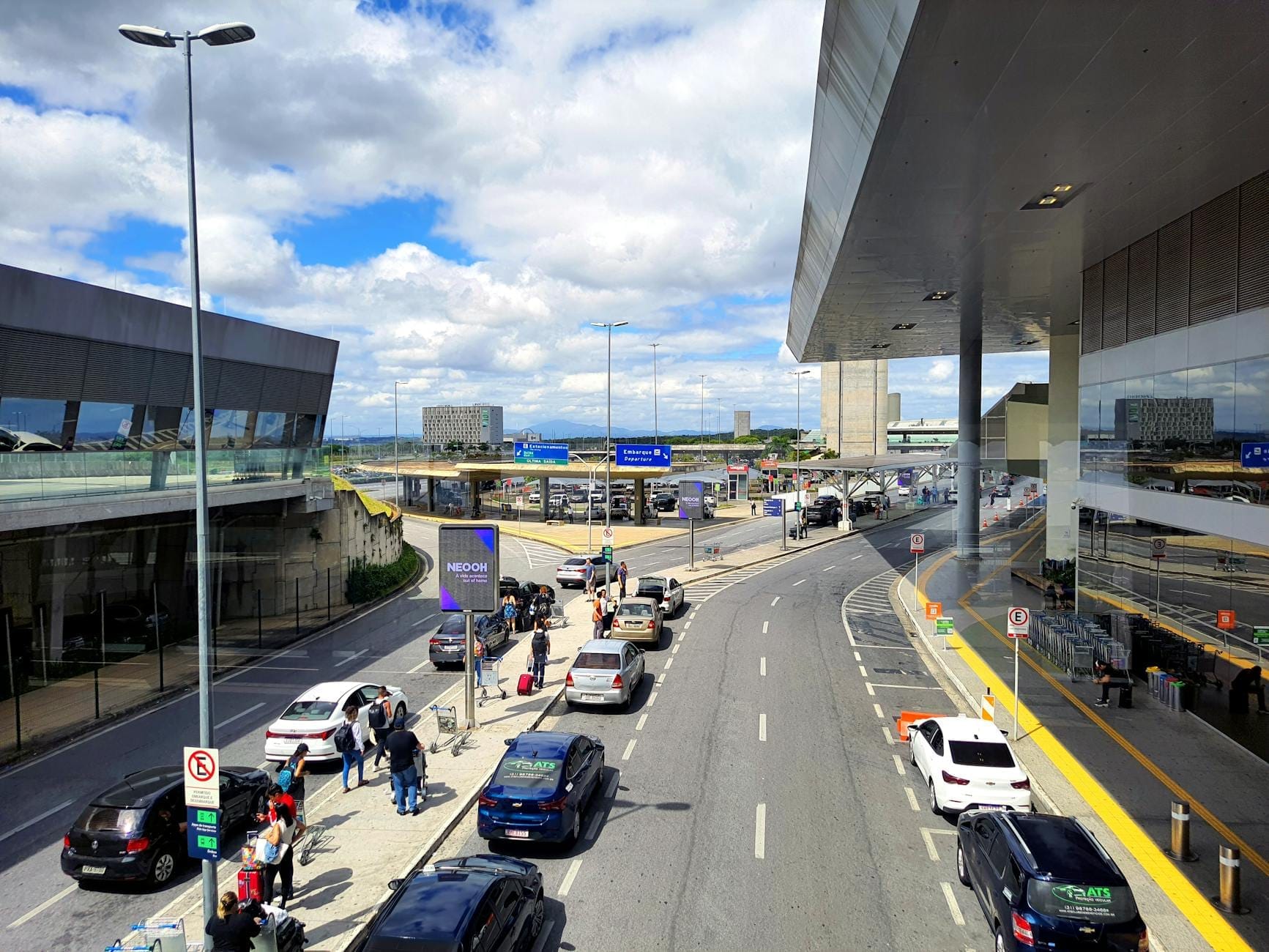
Direct flights from London to Lisbon (LIS, Humberto Delgado Airport) are the dominant way to make this journey, and for good reason. Flight time is typically 2 hours 30 minutes to 2 hours 45 minutes, and you can depart from four London airports: Heathrow (LHR), Gatwick (LGW), Stansted (STN), and Luton (LTN). With 20+ daily departures across all operators, you have significant flexibility on timing.
The main carriers on this route are easyJet, Ryanair, TAP Air Portugal, and British Airways. TAP tends to serve Heathrow with full-service fares; easyJet and Ryanair dominate Gatwick, Stansted, and Luton with budget pricing. Fares start around £25-50 one-way in off-peak periods, though £80-150 is more typical for a flexible booking. During July and August, expect to pay £150-250+ each way on many dates unless you book well in advance.
💡 Local tip
TAP Air Portugal frequently offers competitive fares even on transatlantic routes, and their Lisbon hub means connections are smooth. If you are flying from Heathrow, TAP is often worth comparing directly against British Airways — the price difference can be significant, and TAP includes a checked bag on most fares.
- easyJet (Gatwick/Luton) Best for budget travellers. No frills, but reliable frequency. Fares from around £25 one-way if booked early.
- Ryanair (Stansted) Cheapest headline fares but add baggage fees carefully — a checked bag can add £30-50 each way.
- TAP Air Portugal (Heathrow) Full-service carrier with bag included on most fares. Good choice for one-way tickets or if you value reliability and Heathrow convenience.
- British Airways (Heathrow/Gatwick) Premium pricing but useful for Avios redemptions and flexible tickets. Not typically the cheapest option on this route.
⚠️ What to skip
Stansted and Luton are significantly further from central London than Heathrow or Gatwick. Factor in 60-90 minutes of transfer time each way when calculating total journey time. A 'cheap' Ryanair fare from Stansted can easily become more expensive in total when you add the Stansted Express train (around £20 each way) and baggage fees.
Train from London to Lisbon: The Scenic Overland Adventure
There is no direct train from London to Lisbon — anyone suggesting otherwise is wrong. The overland rail journey requires a minimum of two changes and takes around 22-36 hours depending on the route you take and how smoothly connections go. That said, it is a genuinely rewarding journey for those with time and a love of train travel, passing through Paris, the Basque Country, and northern Spain.
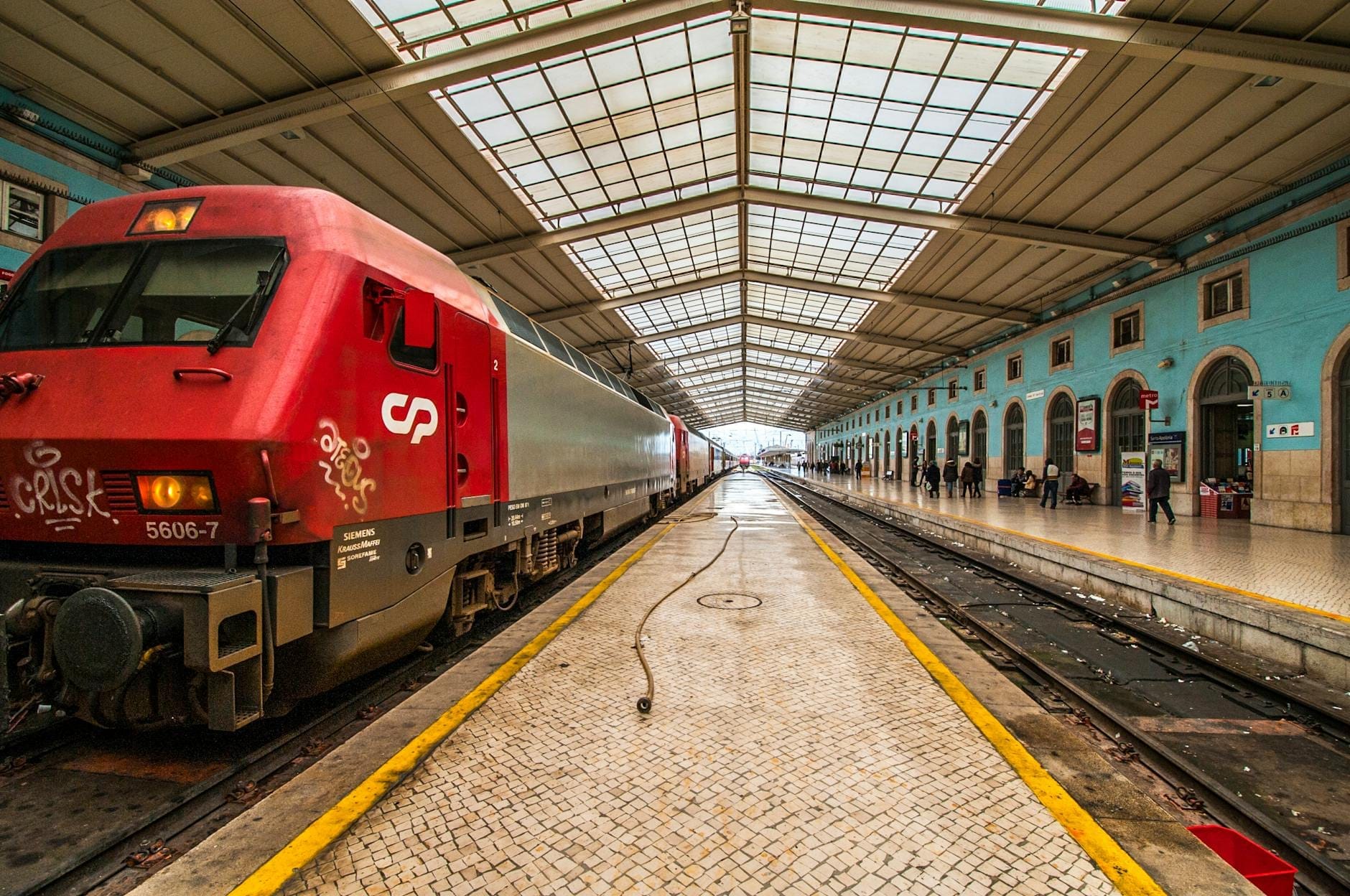
The standard route runs as follows: Eurostar from London St Pancras to Paris Gare du Nord (around 2 hours 15 minutes), then transfer across Paris to Gare d'Austerlitz or Gare Montparnasse, then a TGV or intercity train south to Hendaye or Irun on the French-Spanish border, then onward via RENFE through Madrid or on the overnight Lusitania/Sud Expresso sleeper train to Lisbon Santa Apolónia station. The fastest realistic option is around 22 hours; many itineraries take closer to 30 hours.
Fares vary considerably. A budget routing booked well in advance can come in around £250-370; flexible or last-minute tickets can reach £700-900 or more. The Eurostar leg alone typically costs £50-150 depending on timing. Booking through Rail Europe or checking Seat61.com for route-specific advice is strongly recommended — this journey requires coordinating tickets across multiple operators, which booking platforms do not always handle cleanly.
✨ Pro tip
The overnight sleeper from Vigo or Madrid to Lisbon (the Celta and other overnight services) lets you cover the longest leg while sleeping, saving a night's accommodation. Book sleeper compartments as early as possible — they sell out faster than seat reservations, especially in summer. Check RENFE and Comboios de Portugal (CP) for current schedules, as overnight services on this route have changed in recent years.
Bus from London to Lisbon: The Budget Endurance Option

FlixBus operates a coach service from London Victoria Coach Station to Lisbon Sete Rios bus terminal. Journey time is approximately 32 hours, crossing via the Channel Tunnel on a coach-shuttle, then driving through France, Spain, and into Portugal. Fares typically range from £60-180 depending on how far in advance you book and the travel date. This is not a comfortable journey, but it is an option for travellers on a very tight budget who do not mind long hours on a coach.
Hybrid options also exist: take a Eurostar or budget flight to Paris, then a FlixBus or Ouibus south to Bordeaux or Bayonne, then connect into Spain and Portugal by coach or regional train. These combinations can reduce cost but add complexity and rarely save much time over just flying.
Comparing Your Options: Time, Cost, and Carbon
- By air (direct) Journey time: 2.5-3 hours. Cost: £50-250+ one way. Carbon: approximately 230-280 kg CO2 per person. Best for: almost everyone who values time.
- By train (overland) Journey time: 22-36 hours with 2-4 changes. Cost: £250-700+. Carbon: approximately 10-15 kg CO2 per person. Best for: train enthusiasts, eco-conscious travellers with time to spare.
- By coach (FlixBus direct) Journey time: approximately 32 hours. Cost: £60-180. Carbon: moderate (lower than flying, higher than train per km). Best for: budget travellers or those who simply enjoy road travel.
- By car + ferry No direct London-Lisbon car ferry exists. Driving takes 18-22 hours of road time minimum. Not recommended for a standard holiday.
The carbon comparison is stark: a return flight from London to Lisbon generates roughly 252 kg of CO2 per person, while the train route produces around 11 kg. For travellers who care about environmental impact and have the flexibility, the train is the clear choice ecologically. But the time cost is real: you are giving up the equivalent of two full travel days each way compared to flying.
When to Book and What to Expect on Arrival
Lisbon's peak travel season runs from June through August, when flight and accommodation prices spike. For both value and pleasant weather, aim for May-June or September-October. You will find lower fares, shorter queues at major sights, and temperatures that are actually comfortable for walking — July and August in Lisbon can hit 35°C, which is brutal if you are exploring Alfama's steep streets on foot.
For flights, the optimal booking window is 4-8 weeks ahead for spring and autumn travel, and 8-12 weeks ahead for summer. Prices genuinely do increase as departure dates approach on this popular route. Setting fare alerts on Google Flights or Kayak is a practical way to catch drops without obsessively checking.
Lisbon Airport (LIS) sits about 10 km from the city centre. The fastest and cheapest way in is the Metro Red Line, which connects the airport directly to Oriente, Alameda, and onward to Baixa-Chiado — journey time around 20-25 minutes, fare approximately €1.65 with a Viva Viagem card. A taxi or Uber costs roughly €15-20 and takes 15-25 minutes depending on traffic. Check our Lisbon airport transfer guide for full details on all options.
ℹ️ Good to know
UK passport holders do not need a visa for Portugal for stays up to 90 days — Portugal is part of the Schengen Area. However, post-Brexit, UK travellers no longer use the EU fast-track lane at passport control, so allow extra time at LIS during peak hours. Portugal uses Euro (EUR); there are ATMs in the arrivals hall with reasonable rates.
What to Do Once You Arrive in Lisbon

Lisbon rewards slow exploration. The city's seven hills, historic tram network, and riverside setting make it unlike anywhere else in western Europe. Start with the basics: the Sé Cathedral and Alfama for history, Belém for the great monuments of the Age of Discovery, and Baixa-Chiado for shopping, eating, and the famous Elevador de Santa Justa.
If you only have a couple of days, a focused 2-day Lisbon itinerary will help you prioritise without rushing. For longer stays, consider a day trip to Sintra — the palaces and forested hills are only 40 minutes by train from Rossio station and offer a complete change of pace from the city.
On the food side, Lisbon has moved well beyond pastéis de nata (though you should absolutely eat those at Pastéis de Belém). The city's restaurant scene ranges from traditional tascas serving grilled fish and wine for under €15 per head to internationally acclaimed tasting menus. The Lisbon food guide covers the full spectrum.
FAQ
How long is the flight from London to Lisbon?
Direct flights from London to Lisbon take approximately 2 hours 30 minutes to 2 hours 45 minutes. This applies from all four London airports: Heathrow, Gatwick, Stansted, and Luton. There are 20+ daily departures across all carriers, so you have plenty of timing options.
Is there a direct train from London to Lisbon?
No. There is no direct train between London and Lisbon. The fastest overland train route takes around 22 hours minimum and requires at least two changes: typically London to Paris via Eurostar, then south through France and Spain, then across into Portugal. Many itineraries take 28-36 hours depending on connections.
How much does a flight from London to Lisbon cost?
Budget carriers like easyJet and Ryanair frequently offer one-way fares from £25-50 if booked well in advance during off-peak periods. Realistically, expect to pay £80-150 one-way for a standard booking, and £150-250+ during summer peak season. Full-service carriers like TAP and British Airways typically charge more but include checked baggage.
Do I need a visa to travel from the UK to Portugal?
UK passport holders can enter Portugal visa-free for stays up to 90 days within any 180-day period, under post-Brexit arrangements. You will need a valid passport (not just an ID card), and you will go through Schengen border control at Lisbon Airport rather than the EU fast-track lane. Always check the UK government's official travel advice for the latest entry requirements before you travel.
What is the cheapest way to get from London to Lisbon?
For most travellers, a budget airline fare booked 4-8 weeks in advance is the cheapest practical option, often coming in under £100 return. FlixBus offers cheaper headline fares (around £60-180 one way) but the 32-hour coach journey means you lose two full days of travel time. The train is rarely cheaper than flying once you factor in all legs and sleeper supplements.
Tickets & tours
Live prices and dates from our booking partner. If you book, we may earn a commission at no extra cost to you.
Planning a trip? Discover personalized activities with the Nomado app.