Visiting Lisbon in Winter: Is It Worth It?
Lisbon in winter is quieter, cheaper, and surprisingly sunny. This guide covers what to expect from December through February, including weather realities, the best seasonal experiences, and practical tips for getting the most out of a low-season trip.
Tickets & tours
Live prices and dates from our booking partner. If you book, we may earn a commission at no extra cost to you.
TL;DR
- Winter temperatures in Lisbon average 8-16°C (46-61°F), with rain on roughly 10 days per month but frequent sunny stretches.
- Major attractions like Jerónimos Monastery and São Jorge Castle see far fewer crowds, with no queuing at peak times.
- Flights and accommodation cost significantly less than summer, often 30-50% cheaper.
- Christmas markets, grilled chestnuts, fado evenings, and a genuinely local atmosphere make December-February one of the most atmospheric periods to visit.
- The main drawbacks: shorter daylight hours, some beach-adjacent attractions feel quiet, and a few smaller restaurants reduce winter hours.
What Lisbon Winter Weather Actually Looks Like
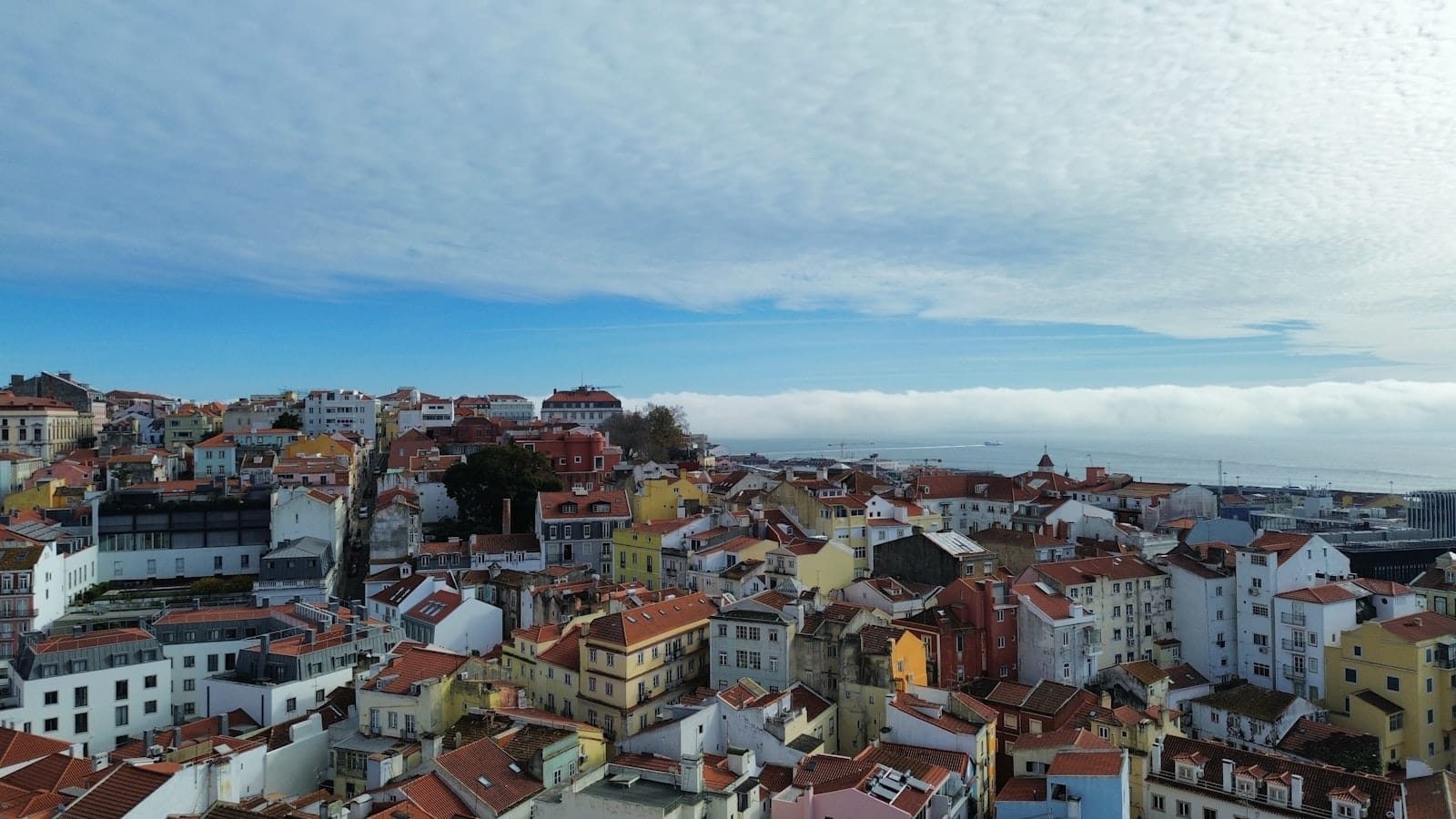
The biggest misconception about visiting Lisbon in winter is assuming it mirrors northern European cold. It does not. Lisbon holds the title of Europe's sunniest capital year-round, and that reputation does not disappear in December. Temperatures hover between 8°C and 16°C, which means cold mornings and mild afternoons rather than bitter, coat-layering cold.
Rain is real and should not be dismissed. Expect around 10 rainy days per month from December through February, with January typically the wettest. The key is that rain in Lisbon tends to come in short, sharp spells rather than all-day drizzle. A morning shower often gives way to clear skies by noon. A compact umbrella and a light waterproof layer will handle nearly everything winter throws at you.
💡 Local tip
Pack layers, not bulk. A waterproof jacket over a mid-layer is enough for most winter days. Lisbon's hills involve real walking, and you will overheat in a heavy coat once you start climbing.
The cooler temperatures are actually an advantage for exploring Lisbon's hilly terrain. The steep streets of Alfama and Graça, which can be genuinely draining in 30°C summer heat, become comfortable walking routes in winter. Sunset arrives early, around 5:30pm in December, so plan outdoor sightseeing in the morning and lean into indoor experiences after dark.
Crowds, Costs, and the Case for Low Season
Lisbon has grown into one of Europe's most visited cities, and summer crowds at top sites like Belém Tower or Tram 28 can be genuinely exhausting. Winter changes the equation. You can walk into Jerónimos Monastery without a timed ticket queue, find a seat on the 28E tram without waiting three runs, and explore the miradouros without competing for viewfinder space.
On the cost side, winter savings are significant. Flights to Lisbon from most European hubs drop by 30-50% compared to July and August. Hotels follow the same pattern, and even the mid-range properties in Chiado or Alfama drop their nightly rates considerably. If budget matters, December through February, excluding the Christmas and New Year holiday window, offers the best value of the entire year.
- Flights Winter fares from major European cities typically run 30-50% below summer peak prices. Expect higher prices around Christmas (Dec 20-Jan 2) and New Year.
- Hotels Mid-range Baixa or Chiado hotels that charge €150+ per night in summer can drop to €80-100 in January or February.
- Tours and experiences Many guided tours and activities lower their group sizes in winter, meaning a more personal experience at the same or lower price.
- Restaurants Reservations at sought-after local restaurants are easier to secure without weeks of advance planning.
⚠️ What to skip
The Christmas and New Year period (late December to early January) is not low season. Hotels and flights spike in price, and the city fills with both tourists and Portuguese families returning home for the holidays. If you want the deals, target mid-January through February.
What to Do in Lisbon in Winter
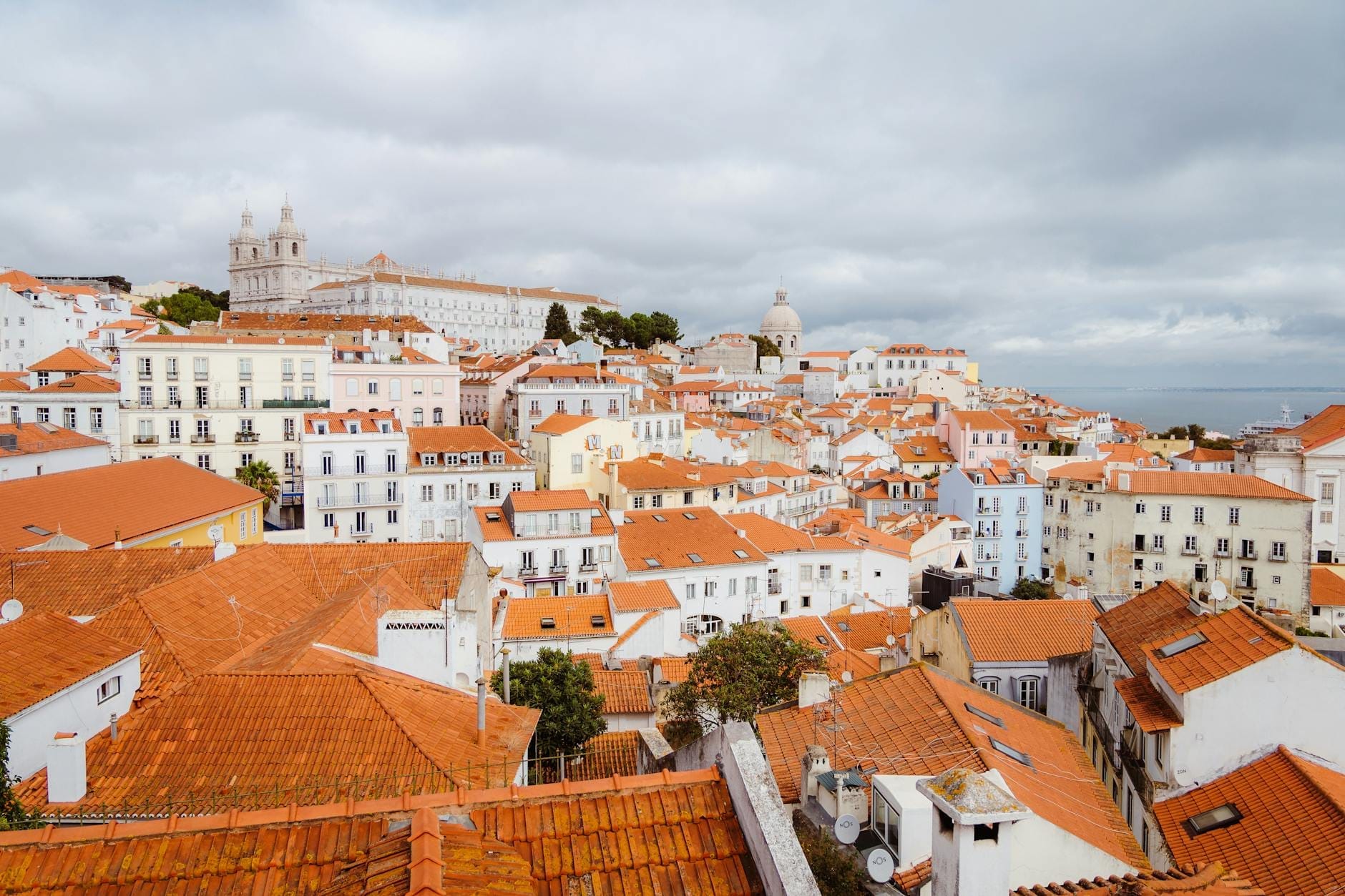
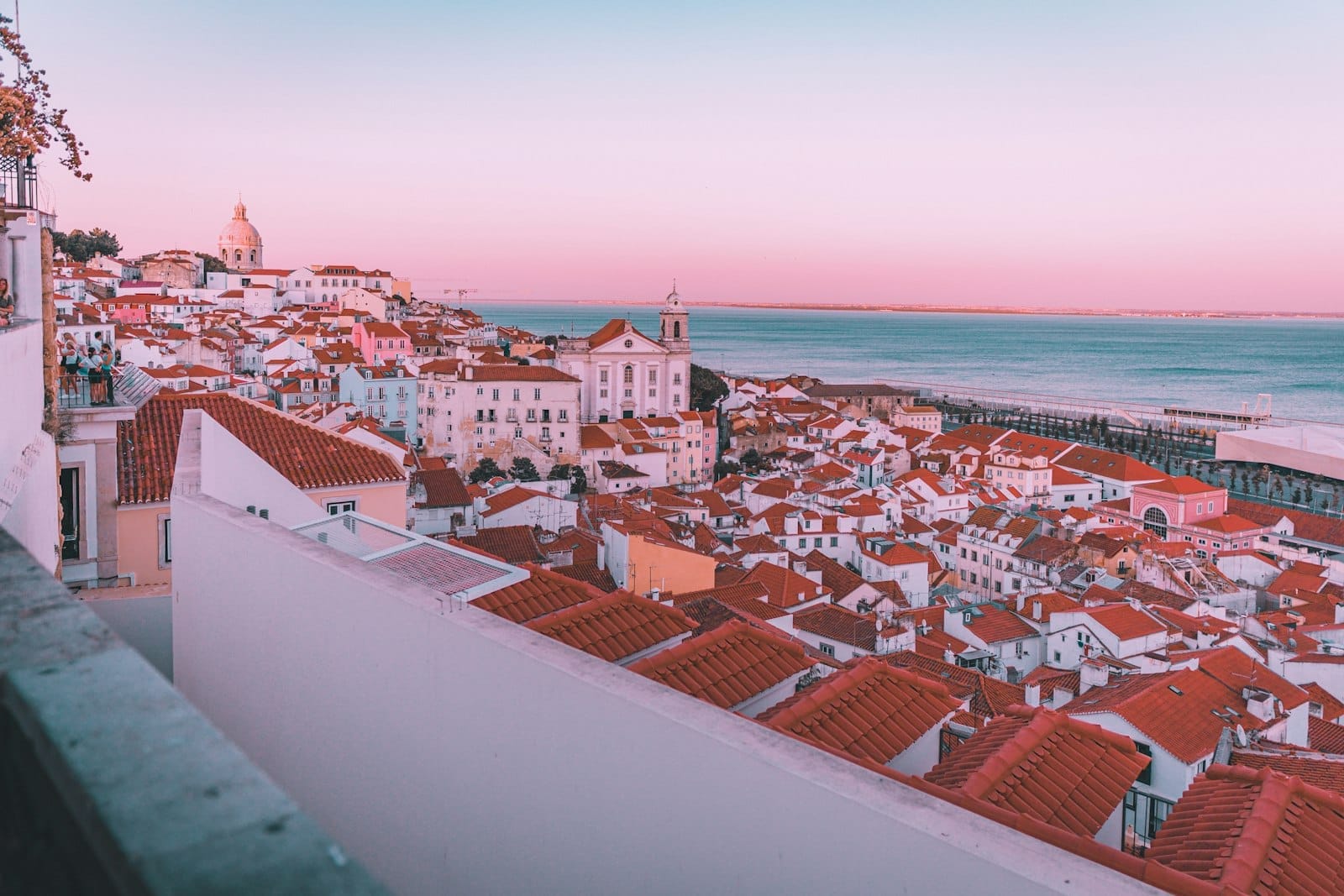
Winter is genuinely one of the best seasons to visit Alfama, Lisbon's oldest and most atmospheric quarter. The narrow streets are not gridlocked with tour groups, the viewpoints like Miradouro da Graça offer unobstructed views, and the neighborhood's authentic character comes through far more clearly without the summer overlay.
December brings a specific set of seasonal pleasures. Lisbon's squares fill with Christmas trees and lights, and the Wonderland Lisboa market (typically located near Parque Eduardo VII) runs through December with food stalls, an ice rink, and festive entertainment. Street vendors appear across the city selling pastéis de nata and grilled chestnuts (castanhas assadas), which become something of a winter ritual. Fado venues in Alfama and Bairro Alto are at their best in winter, with intimate rooms and audiences that are more invested in the music than the Instagram moment.
- Visit Jerónimos Monastery and Belém Tower without advance queuing, ideally on a weekday morning
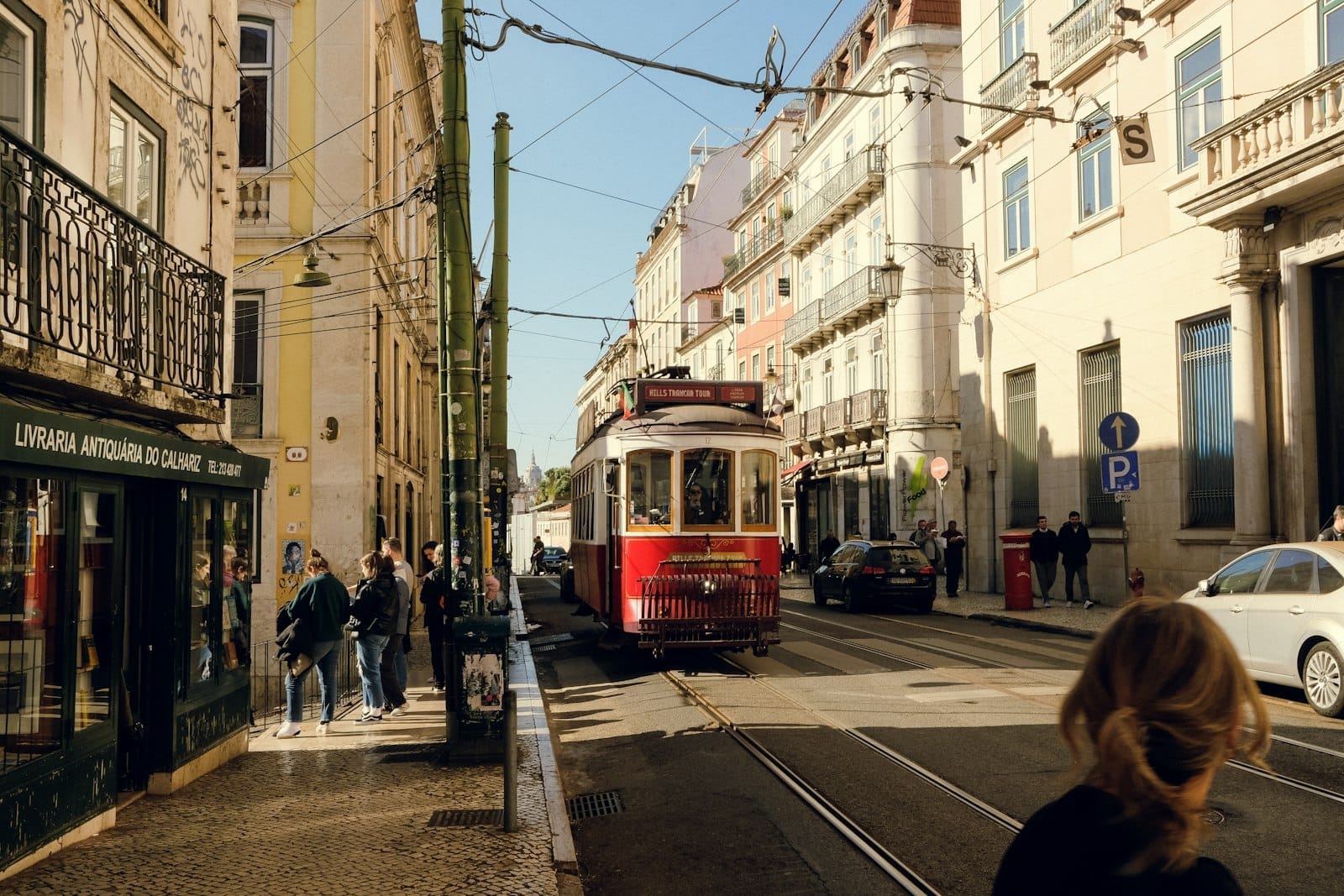
- Take Tram 28 from Martim Moniz through Alfama to Prazeres, a much more relaxed ride than in summer
- Spend a full afternoon at the National Tile Museum (Museu Nacional do Azulejo), which is best appreciated without summer crowds
- Catch a fado show in Alfama, where winter evenings have the right atmosphere for the music's melancholic tone
- Walk the Aqueduct of Free Waters (Aqueduto das Águas Livres), which is uncrowded and photogenic in winter light
- Browse Feira da Ladra market on Tuesday or Saturday mornings in Santa Clara square
- Explore LX Factory on a Sunday, when vendors are set up and the winter chill keeps it manageable
For museum enthusiasts, winter is close to ideal. The Gulbenkian Museum and the National Tile Museum are among Europe's genuinely underrated collections, and in winter you can move through them at your own pace. The Lisboa Card, which provides unlimited public transport and free or discounted entry to dozens of attractions, offers particularly good value in winter when you have more time to use it without summer fatigue.
Day Trips in Winter: What Works and What Does Not
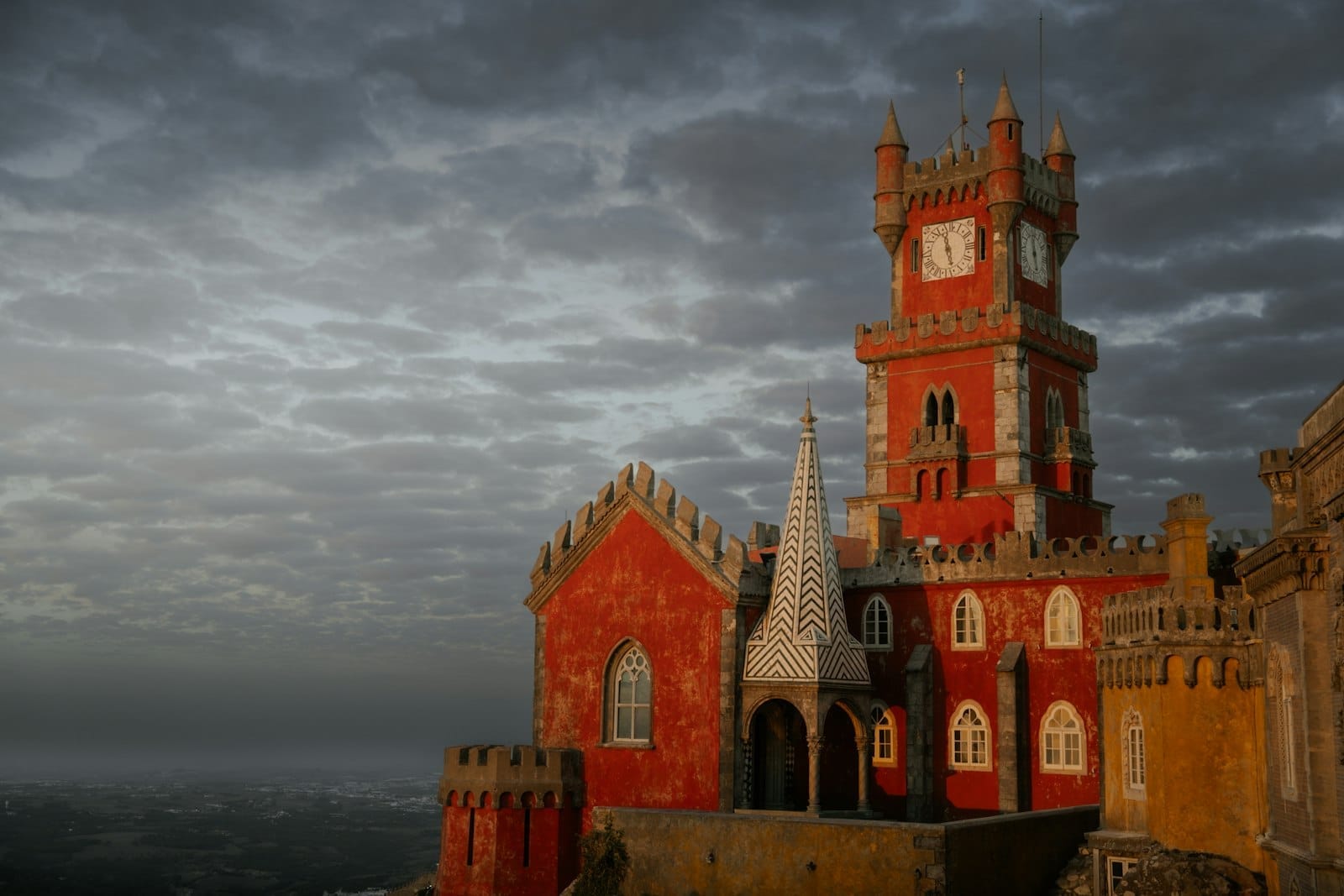
Sintra is one of the most popular day trips from Lisbon and works well in winter, with one important caveat. The palaces and gardens are open, the crowds are thin, and the forested hilltop setting is atmospheric in cool, misty weather. However, Sintra in winter can be genuinely cold and wet, with fog rolling in from the Atlantic. Dress for it. Quinta da Regaleira and the Pena Palace are worth it even in drizzle, but check the weather before committing to an outdoor-heavy itinerary.
Beach day trips to Praia de Carcavelos or Cascais are a different story. You can still walk the coastline and enjoy the Atlantic scenery, and Cascais as a town is charming year-round. But swimming is off the table, water temperatures drop to around 15°C, and several beachfront cafes reduce winter hours. Treat coastal trips in winter as scenic walks rather than beach days.
✨ Pro tip
Sintra gets the best winter light on clear days after a rain shower. If the forecast shows rain in the morning clearing by midday, plan your Sintra trip for that day. The wet stone and low sun create exceptional conditions for photography, and post-rain crowds are virtually nonexistent.
Practical Logistics: Getting Around and Getting In
Lisbon Airport (LIS) is 10 km from the city centre. The Metro Red Line connects the airport to the downtown area in around 20 minutes for approximately €1.90. Uber and Bolt (both widely used in Lisbon) run €15-20 for the same journey depending on traffic. Taxis are available but tend to run slightly higher. For full transport details, the guide to getting around Lisbon covers all options including the Lisboa Card.
Most of Lisbon's major attractions maintain their standard hours through winter, though some smaller sites reduce their schedules. Tram 28 runs daily. The Jerónimos Monastery and Belém Tower are open Tuesday through Sunday year-round, with Monday closures worth noting. A handful of the smaller miradouro kiosks and outdoor cafes reduce hours or close entirely in December and January, but this is minor.
For where to stay, Baixa-Chiado remains the most central and well-connected base. In winter, it has the added benefit of being close to the main Christmas light installations and festive markets. Bairro Alto suits those prioritizing nightlife and fado proximity. Both areas are walkable to each other and well-served by Metro.
Honest Assessment: The Drawbacks of Winter in Lisbon
Winter in Lisbon is not the right choice for everyone. If sunshine and outdoor dining every day is the priority, the odds are against you in January. If a beach holiday is the goal, wait until at least May. If you need every attraction to be operating at full capacity, note that a small number of seasonal operations, outdoor markets, and summer pop-up bars simply do not exist in winter.
Daylight hours are the other genuine constraint. Sunset at 5:15-5:30pm in December gives you a limited outdoor window. Lisbon's viewpoints, which are at their best in golden hour light, deliver that light at a very inconvenient hour for afternoon sightseeing plans. The practical solution is to start earlier, be at a miradouro by 4:45pm for the sunset, and then move into fado bars, restaurants, or indoor venues for the evening.
ℹ️ Good to know
February is increasingly considered the sweet spot for winter travel to Lisbon. The worst of the rain has usually passed, daylight is noticeably longer than December, accommodation deals are still in full effect, and the city has its local rhythm back after the holiday period. If you can only choose one winter month, February is the one.
FAQ
Is Lisbon worth visiting in winter?
Yes, for most travelers. Lisbon in winter offers mild temperatures, significantly fewer crowds at major attractions, lower prices on flights and hotels, and a more authentic local atmosphere. The main trade-offs are shorter daylight hours and a higher chance of rain, but neither is severe enough to ruin a trip if you plan accordingly.
Does it snow in Lisbon in winter?
Snow in Lisbon is extremely rare, occurring perhaps once every decade or so. Temperatures very occasionally dip below 5°C at night in January, but daytime highs almost always stay in the 10-16°C range. Frost is more common than snow, but even that is unusual in the city centre.
What are the best things to do in Lisbon in December?
December is particularly good for the Wonderland Lisboa Christmas market, fado evenings in Alfama, visiting major monuments like Jerónimos Monastery without queuing, and the city's festive lighting displays in Praça do Comércio and Rossio. The grilled chestnut vendors that appear citywide from October onwards are also a December highlight.
Is January or February better for visiting Lisbon?
February has the edge. January can be the rainiest month, hotel prices are at their lowest but so is the weather reliability, and post-Christmas Lisbon can feel quiet in a flat rather than relaxing way. February sees longer days, slightly more stable weather, and prices that are still considerably below summer rates.
How much cheaper is Lisbon in winter compared to summer?
Flights from major European hubs typically cost 30-50% less in January and February compared to July and August. Hotel rates in central Lisbon can drop from €150-200 per night to €80-120 for equivalent properties. The exception is the Christmas and New Year window (roughly December 20 to January 3), when prices spike significantly.
Tickets & tours
Live prices and dates from our booking partner. If you book, we may earn a commission at no extra cost to you.
Planning a trip? Discover personalized activities with the Nomado app.