Lisbon Weather: A Complete Month-by-Month Climate Guide
Lisbon enjoys a Mediterranean climate with over 280 sunny days a year, but the difference between January and July is enormous. This guide breaks down Lisbon weather by month, covers seasonal crowd patterns, and tells you exactly when to go based on what you want to do.
Tickets & tours
Live prices and dates from our booking partner. If you book, we may earn a commission at no extra cost to you.
TL;DR
- Lisbon has a Mediterranean climate: mild, wet winters and hot, dry summers with over 280 sunny days annually.
- The best months for most visitors are May, June, September, and October: warm temperatures, low rainfall, and manageable crowds. See our best time to visit Lisbon guide for a full breakdown.
- July and August are peak season: expect 28°C+, full hotels, and long queues at major sights.
- Winter (December to February) is cool and rainy but rarely harsh, and the city is far quieter with lower prices.
- Lisbon weather in November and March can surprise you positively: both months are wetter on paper but still very liveable.
Understanding Lisbon's Climate
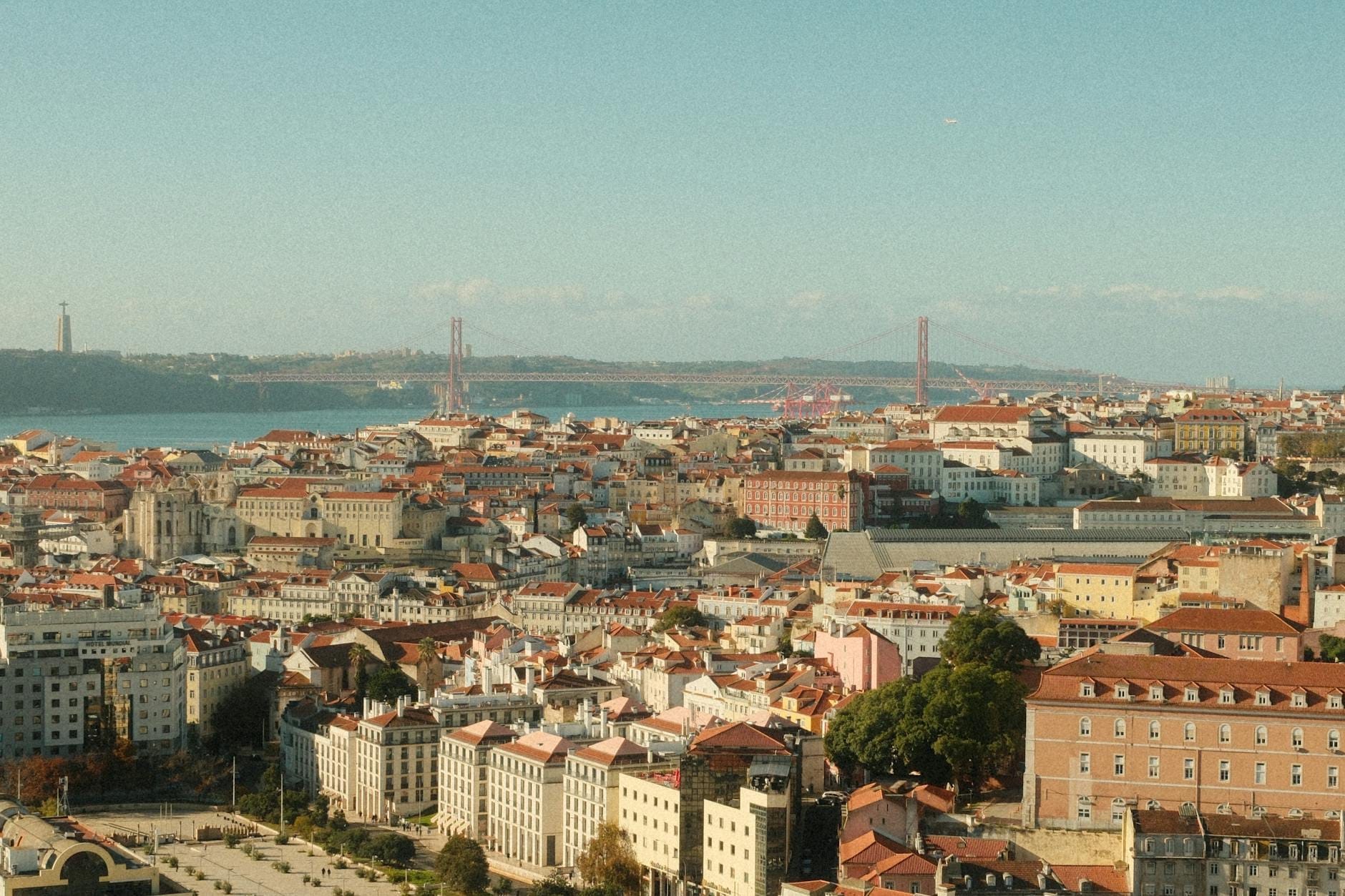
Lisbon sits at approximately 38.7°N on the western Iberian Peninsula, where the Atlantic Ocean keeps temperatures from reaching the extremes you'd find further inland in Spain. The city's climate classification is Csa (hot-summer Mediterranean), which means dry, warm-to-hot summers and mild, wetter winters. The annual average high is around 19°C, and temperatures rarely drop below 5°C even in the coldest months. That said, the range across the year is substantial: a July afternoon in Lisbon can feel completely different from a February morning.
Rainfall is concentrated in the October to April window, with November and December typically being the wettest months. From June through August, rain is almost non-existent: July averages just 4mm across the entire month. Sunshine peaks at around 11 hours per day in July and August, with UV indices reaching 9, so sun protection is not optional during summer visits. The Atlantic Ocean temperature sits around 18-19°C in summer, which is cool enough to be refreshing.
ℹ️ Good to know
Portugal's official weather authority is IPMA (Instituto Português do Mar e da Atmosfera). Their forecasts at ipma.pt are the most reliable source for real-time Lisbon weather and regional alerts.
Lisbon Weather by Month: Full Breakdown
Here is the complete monthly picture, combining temperature ranges, rainfall, rain days, and what each period actually feels like on the ground.
- January: 15°C / 8°C | 14 rain days | 109mm The coldest and one of the rainiest months. Grey skies are common, but temperatures remain mild by northern European standards. Crowds are minimal, hotel rates are at their lowest, and Lisbon takes on a quieter, more local character. Not ideal for beach trips, but fine for museums, food, and the city's indoor culture.
- February: 16°C / 9°C | 14 rain days | 110mm Very similar to January. Lisbon weather in February can include some genuinely sunny stretches between rain fronts. This is the month for Carnaval celebrations, which bring colour and energy to the streets without the summer crowds.
- March: 18°C / 10°C | 13 rain days | 68mm Lisbon weather in March marks the start of a transition. Rainfall drops noticeably from February, flowers begin appearing on the hillsides, and afternoon temperatures can reach a very pleasant 18°C. Rain days are still frequent but showers tend to be shorter. A good month for value-conscious travellers.
- April: 19°C / 11°C | 11 rain days | 64mm Spring is properly underway. The azulejos tiles gleam in the sharper light, the city's parks fill out with colour, and the weather is consistently comfortable for walking. Easter week brings festival energy but also a spike in domestic tourism. Still excellent value compared to summer.
- May: 22°C / 13°C | 8 rain days | 39mm One of the best months to visit Lisbon. Temperatures are warm without being oppressive, rainfall drops to manageable levels, and crowds are still well below the July-August peak. Long evenings invite lingering on miradouros with a glass of wine.
- June: 25°C / 16°C | 5 rain days | 21mm The city shifts into summer mode. The Santos Populares festival dominates mid-June, filling Alfama and Graca with sardines, music, and paper decorations. Temperatures are reliably warm, rain is rare, and the Atlantic beaches become genuinely inviting.
- July: 28°C / 18°C | 2 rain days | 4mm Peak summer. July is statistically the hottest month in Lisbon, and the city is at maximum capacity. Expect queues of 45-60 minutes at Jerónimos Monastery and Belém Tower, fully booked hotels, and prices 40-60% above shoulder season rates. Heatwaves can push temperatures above 35°C. Go early to sights, stay hydrated, and avoid midday walking tours.
- August: 28°C / 18°C | 2 rain days | 5mm Almost identical to July in weather terms. Many locals leave the city in August for the Algarve or the coast, which creates an odd dynamic: the city is packed with tourists but quieter in neighbourhood restaurants and shops. Weather in Lisbon in August is reliably sunny and hot.
- September: 27°C / 17°C | 6 rain days | 26mm Arguably the single best month to visit. Temperatures remain summer-warm, crowds drop sharply after the first week, and prices fall back towards shoulder-season levels. The Atlantic is at its warmest (around 20°C) and occasional light showers clear the air without disrupting plans.
- October: 23°C / 15°C | 10 rain days | 80mm Lisbon weather in October is still very comfortable, particularly in the first half of the month. Rain returns more consistently in the second half, and temperatures begin easing. A strong choice for travellers who prefer cooler conditions for walking. Crowds are manageable.
- November: 18°C / 11°C | 13 rain days | 111mm Lisbon weather in November has a reputation worse than it deserves. Yes, it's one of the wettest months, but rainfall is spread across many short showers rather than sustained downpours. Afternoons can still be bright and 17-18°C. Prices drop significantly and the city returns to its own rhythm.
- December: 15°C / 9°C | 14 rain days | 106mm Christmas decorations go up across Baixa and Chiado, the city feels festive, and temperatures remain mild enough for outdoor dining with a jacket. December is wet but compact: showers pass quickly. Worth considering for a low-season city break.
The Four Seasons: What Each Feels Like on the Ground
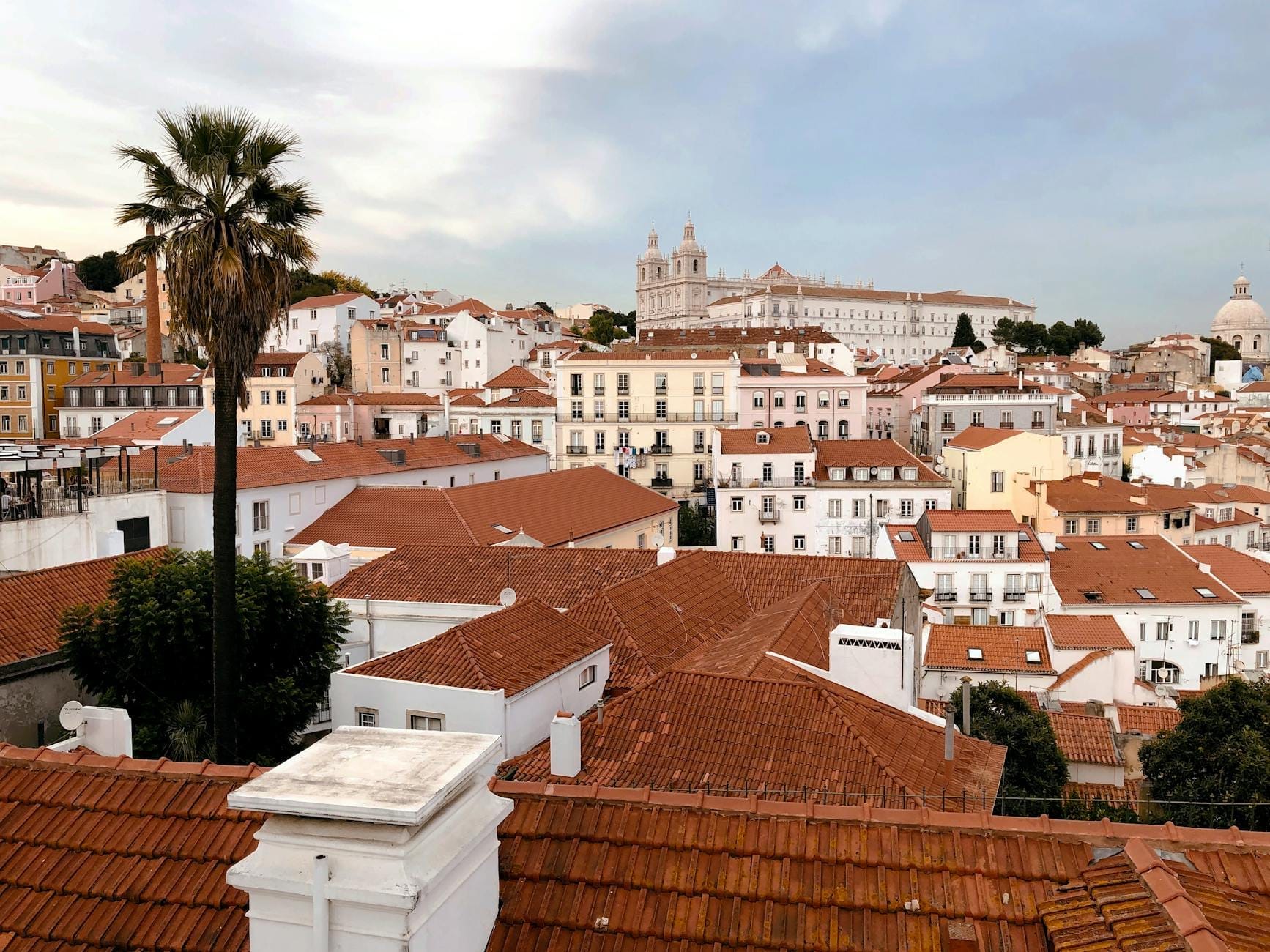
Spring in Lisbon (March to May) is the season most rewarded by preparation. The light is extraordinary, bouncing off the Tagus River and the city's famous azulejo-tiled facades. Walking the hills of Alfama or Graça is genuinely pleasurable at 18-22°C, and the Jardim da Estrela and Parque Eduardo VII fill with locals during lunch hours. Crowds are present but not overwhelming, and the shoulder pricing makes accommodation far more accessible.
Summer (June to August) transforms Lisbon into a beach-and-festival destination. The Santo António festival in mid-June is worth planning around: the streets of Alfama become one long party, with grilled sardines, folk music, and free concerts running well past midnight. But peak summer demands patience. Iconic sights like Jerónimos Monastery and Belém Tower fill up fast, and the city's hills feel steep in 30°C heat.
Autumn (September to November) is a season of two halves. September and early October deliver summer warmth without summer crowds, which is the ideal combination for most travellers. Late October and November bring Atlantic weather fronts, wetter days, and noticeably shorter evenings. The compensation is a city that feels entirely authentic: neighbourhood tascas fill with locals again, and the frenetic tourist-driven energy dissipates.
Winter (December to February) is Lisbon's low season, and it suits a specific type of traveller very well: one who prioritises culture, food, and atmosphere over guaranteed sunshine. Rainy mornings are spent inside the National Tile Museum or the Gulbenkian Museum; clear afternoons reward long walks to the city's miradouros. Prices are 30-50% lower than peak season, and you will never queue for a pastel de nata.
⚠️ What to skip
Heatwaves are increasingly common in July and August, sometimes pushing temperatures above 38-40°C for several consecutive days. If you are sensitive to heat, visit in May, June, or September instead. Lisbon's hills and cobblestones make hot-weather walking particularly exhausting.
When to Visit Based on What You Want to Do
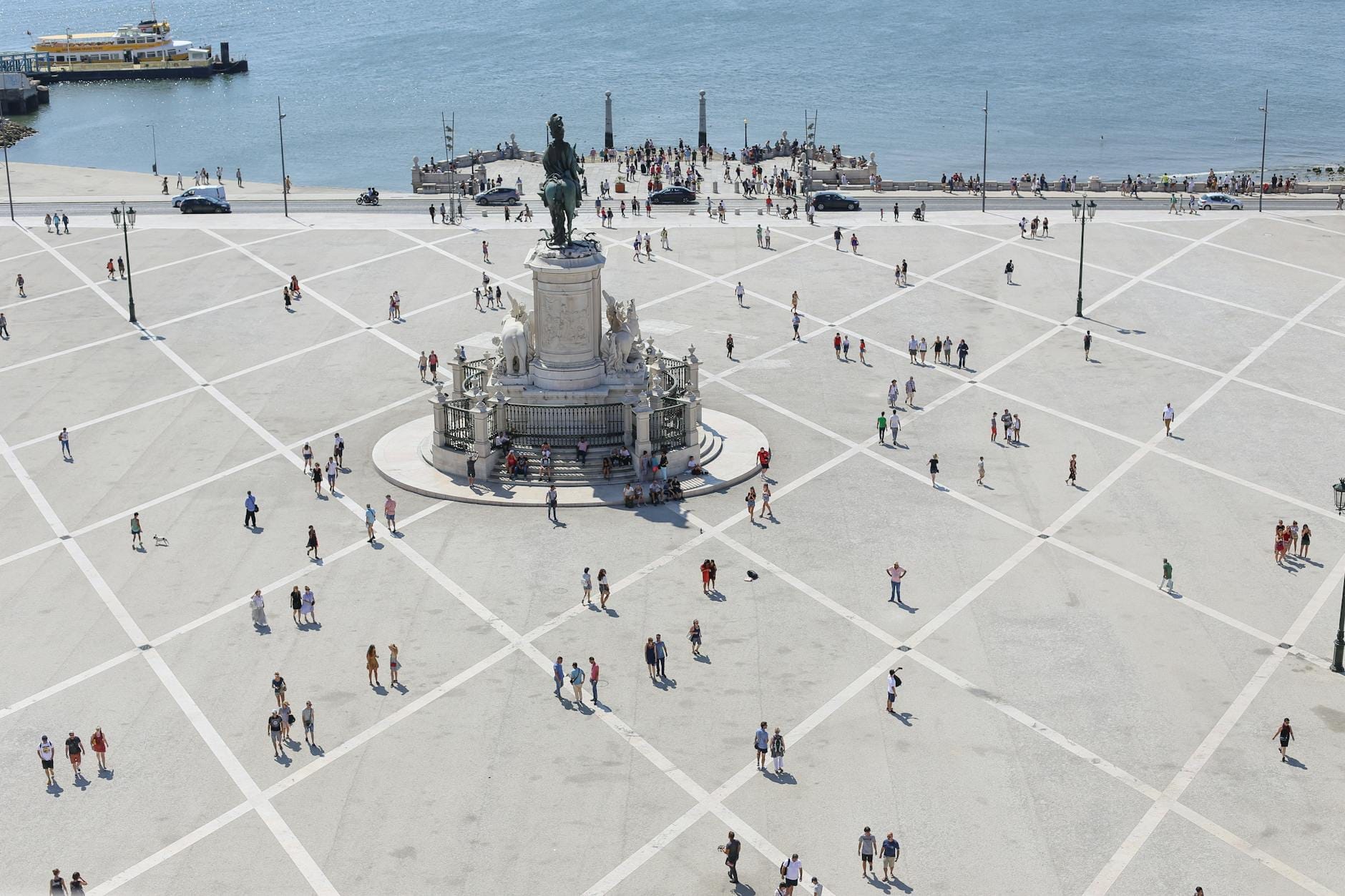
Lisbon weather should inform your plans, not just your packing list. Different goals call for different timings, and the differences in experience between, say, July and October are significant enough to genuinely affect your trip.
- Best for beaches July to early September. The Atlantic beaches at Cascais, Estoril, and Costa da Caparica are in full swing, sea temperatures reach 19-20°C, and the train connections run frequently. September is the sweet spot: warm water, smaller crowds, and lower prices.
- Best for sightseeing without queues March to mid-April or October to November. Cooler temperatures make walking between neighbourhoods comfortable, and major attractions like São Jorge Castle and the Carmo Convent have waiting times measured in minutes rather than hours.
- Best for food and nightlife Year-round, but May to October for outdoor dining. Lisbon's restaurant scene operates across all seasons, but the long warm evenings of late spring through early autumn allow for the kind of unhurried terrace dining that defines the city.
- Best value November to February. Hotel rates drop significantly, flights are cheaper, and the city's restaurants and cultural venues run without tourist-season surcharges. A rainy day in Lisbon is still a very good day if you plan around it.
- Best for families with children June or September. School holiday crowds are lighter than July-August, weather is warm enough for beaches and outdoor activities, and the pace is more manageable for younger travellers.
If you are planning a wider itinerary beyond the city, weather matters for day trips too. Sintra is frequently misty and cool even in summer, which is part of its atmosphere but worth knowing. The Lisbon beaches guide covers the best coastal options by season in more detail.
Packing for Lisbon: What the Weather Actually Requires
Lisbon's hills and cobblestone streets demand footwear that can handle uneven terrain regardless of the season. Comfortable walking shoes with grip are non-negotiable. Beyond that, what you pack varies considerably by month.
- June to August: Light clothing, high-SPF sunscreen (UV index reaches 9), a hat, and reusable water bottle. A light layer for air-conditioned restaurants and late evenings.
- March to May / September to October: Layers are essential. Mornings and evenings can feel 8-10°C cooler than the afternoon. A light waterproof jacket covers both rain and wind.
- November to February: A proper waterproof outer layer, a warm mid-layer, and waterproof shoes for wet cobblestones. Umbrella or packable rain jacket is practical but large umbrellas become unwieldy in Lisbon's narrow streets.
- Year-round: Sunglasses are useful even in winter, when the low sun at sea level can be intensely bright off the Tagus.
✨ Pro tip
Lisbon's cobblestone streets (calçada portuguesa) become genuinely slippery when wet. If you visit between October and April, prioritise shoes with rubber soles. This is one of the most common causes of minor injuries among visitors during the rainy season.
Crowd Patterns and Tourism Seasonality
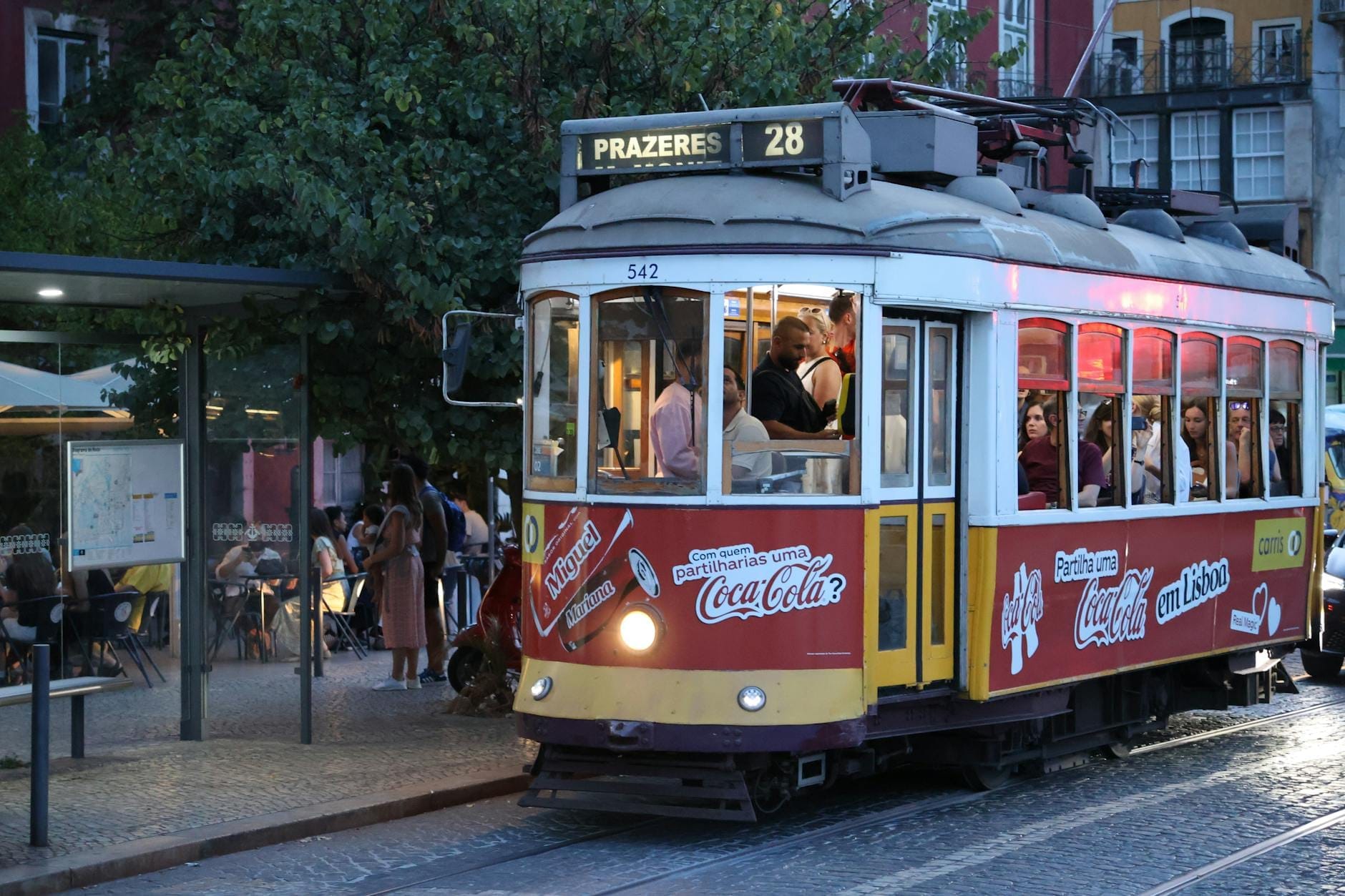
Lisbon's tourism has grown dramatically in the past decade, and crowd management is now a genuine consideration when timing your visit. July and August bring the highest visitor volumes, followed closely by long weekends around Easter and Christmas. The practical effects are real: longer queues, fewer available taxis, noisier streets in Alfama after midnight, and accommodation prices that can be three times the January rate for the same room.
The shoulder seasons of May to June and September to October offer the best balance of good weather and reasonable visitor numbers. For those primarily interested in the city's cultural depth rather than beach access, the winter months offer a genuinely different experience: Lisbon in winter has its own appeal that tends to be underrated. For the full contrast, see what Lisbon in summer looks like at peak season.
💡 Local tip
Book accommodation at least 6-8 weeks in advance for any visit between June and September, and for long weekends around Easter and New Year. In January and February, same-week bookings are often possible at competitive rates.
FAQ
What is the weather like in Lisbon in November?
Lisbon weather in November averages around 18°C during the day and 11°C at night. It is one of the rainiest months, with around 13 rain days and 111mm of rainfall. However, the rain usually comes in short bursts rather than all-day downpours, and there are plenty of clear sunny afternoons. Crowds are minimal and prices are low, making it a reasonable choice for budget travellers comfortable with variable weather.
What is the weather in Lisbon in March?
Lisbon weather in March is transitional: daytime temperatures reach around 18°C, dropping to 10°C at night. Rainfall decreases noticeably compared to January and February, averaging 68mm across 13 rain days. You will get a mix of sunny spring days and wet spells. It is a good month for city exploration, with very few tourists and lower prices.
Does Lisbon get cold in winter?
No, not by most European standards. Lisbon's winter temperatures range from around 15-16°C in the daytime to 8-9°C at night. Frost is extremely rare, and snow in the city centre has not occurred in living memory. The bigger issue in winter is rain and overcast skies rather than cold. A decent jacket and waterproof layer will cover you comfortably.
What is the weather in Lisbon in August?
August is one of the hottest months, with daytime temperatures averaging 28°C and only 2 rain days and 5mm of rainfall for the entire month. Sunshine averages around 11 hours per day and UV levels are high (index 9). Heatwaves occasionally push temperatures above 35°C. It is the peak of tourist season, so expect full hotels, higher prices, and long queues at major attractions.
When is the best time to visit Lisbon for good weather and fewer crowds?
May, June, and September are the sweet spots. May and June offer warm temperatures (22-25°C), low rainfall, and crowds well below the July-August peak. September delivers almost identical temperatures to August but with a significant drop in tourist numbers after the first week of the month. Early October is also excellent. All four of these months combine reliable sunshine, comfortable walking temperatures, and more manageable city logistics.
Tickets & tours
Live prices and dates from our booking partner. If you book, we may earn a commission at no extra cost to you.
Planning a trip? Discover personalized activities with the Nomado app.