Lisbon Safety Tips: Scams to Avoid & How to Stay Safe
Lisbon is one of Western Europe's safest capitals, but it has a handful of well-practiced scams that catch tourists off guard every year. This guide covers exactly what to watch for, where the real risks are, and how to move around the city with confidence.
Tickets & tours
Live prices and dates from our booking partner. If you book, we may earn a commission at no extra cost to you.
TL;DR
- Lisbon is genuinely safe — violent crime against tourists is rare, but petty theft and scams are common in high-traffic areas.
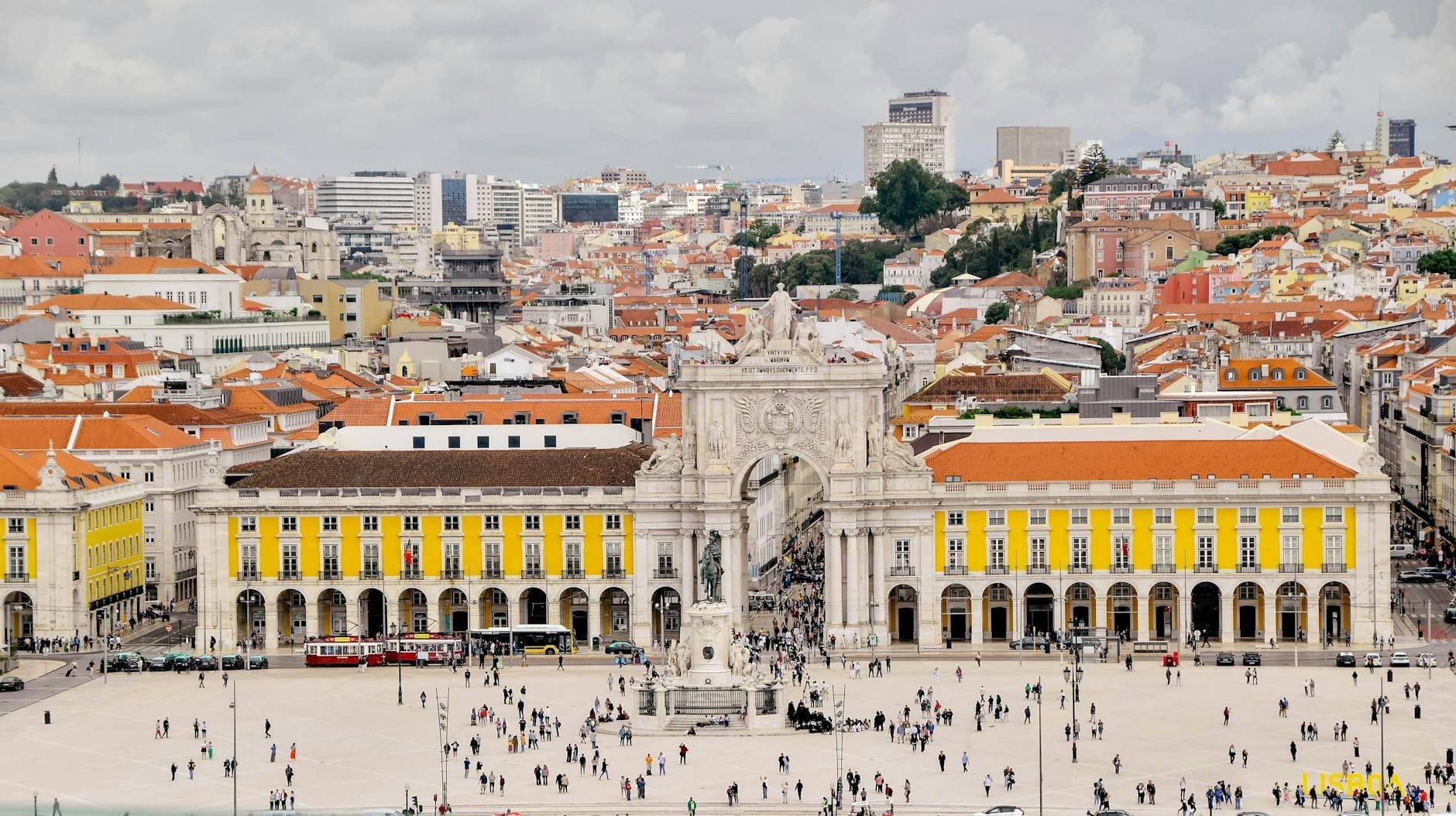
- Pickpocketing peaks on Tram 28, the metro, and around major attractions like Sé Cathedral and Praça do Comércio.
- Fake taxis at the airport are the single most expensive scam — always use the official taxi queue or book Uber/Bolt before you exit arrivals.
- Street 'drug dealers' in Baixa are almost never actual dealers — they are distraction thieves. Do not engage.
- Emergency number in Portugal: 112. Keep a photo of your passport and a backup card stored separately from your wallet.
Is Lisbon Actually Safe? Setting Realistic Expectations

Lisbon consistently ranks among the safer major European capitals. Portugal as a whole scores well on the Global Peace Index, and the kind of street violence that plagues some cities is genuinely uncommon here. For the vast majority of visitors, the worst thing that happens is a pickpocketed phone or wallet. That said, 'safe' does not mean 'problem-free', and the combination of massive summer crowds, iconic tram routes, and well-worn tourist corridors creates ideal conditions for petty criminals who do this for a living.
The risk is almost entirely concentrated in specific locations and situations. Spread across the whole city, Lisbon feels relaxed and low-threat. Compressed onto Tram 28E, the Alfama hillside on a Saturday afternoon, or the arrivals hall at LIS airport, the picture changes. Understanding where and when the risks concentrate is the entire game.
ℹ️ Good to know
Portugal's emergency number is 112, which connects to police, ambulance, and fire services. The PSP (Polícia de Segurança Pública) operates a Tourist Police post at Palácio Foz, Praça dos Restauradores — specifically staffed for visitor incidents. If something is stolen, you will need a police report (participação) for any insurance claim.
The Fake Taxi Scam: The Most Expensive Mistake You Can Make
Lisbon Airport (LIS) is ground zero for the city's most lucrative scam. Unlicensed drivers position themselves near the arrivals exit and approach travelers who look uncertain — which, after a long-haul flight, is most people. They offer a 'taxi' to the city centre and quote a price that sounds plausible if you don't know better. The actual ride ends up costing €60, €80, even over €100 for a journey that should run €20 or less by official meter.
- Official taxis Cream/beige cars with a blue stripe. Always metered. Airport to city centre should be roughly €15-22 depending on traffic and time of day. Luggage surcharge of €1.60 per large bag applies. Use the signed taxi queue outside arrivals — never accept a ride from someone who approaches you inside the terminal.
- Uber & Bolt Both apps work well in Lisbon and are often cheaper than taxis. The designated pickup point is the Kiss & Fly zone — follow airport signs. Book the ride before you exit so the driver is already assigned when you step out.
- Metro (Red Line) The most scam-proof option. The metro connects directly from the airport to Oriente, Alameda, and central stations. Journey to Baixa-Chiado takes around 25-30 minutes and costs €1.61 with a Viva Viagem card (you'll pay a refundable €0.50 deposit for the card). Not great with heavy luggage, but perfectly fine for solo travelers.
- Aerobus A dedicated shuttle service running to major city-centre stops. Around €4-5. Slower than the metro but easier with bags and no transfers.
⚠️ What to skip
Inside the arrivals hall, men holding handwritten signs or approaching you directly are almost never legitimate. Legitimate transfer drivers have pre-booked passengers confirmed by name and company signage. If you didn't pre-book a transfer, go straight to the official taxi queue or open your Uber/Bolt app.
Pickpocketing: Where It Happens and How to Stop It

Pickpocketing in Lisbon follows predictable geography. Tram 28E is the single highest-risk spot in the entire city. The tram runs through Alfama and Graça, gets extremely crowded at peak times, and the jostling at stops provides perfect cover. Teams work the tram routinely — one creates a distraction or blocks the door while another lifts wallets from back pockets and open bags.
The metro is the second major hotspot, particularly at Rossio, Baixa-Chiado, and Marquês de Pombal stations during rush hours (8-9:30am and 6-8pm). On foot, the highest-risk corridors are Rua Augusta in Baixa, the area around São Jorge Castle, and any crowded viewpoint (miradouro) during summer. Feira da Ladra, Lisbon's famous flea market, also draws opportunistic thieves on Tuesday and Saturday mornings.
- Wear backpacks on your chest in crowds, or use a small crossbody bag kept in front of your body.
- Keep your phone in a front trouser pocket or inside a zipped bag compartment — not in a back pocket or on a café table.
- Split your cash and cards: carry only what you need for the day, and keep a backup card and emergency cash in your accommodation safe.
- On Tram 28, keep bags pressed to your chest when doors open at stops. This is when the risk spikes.
- Anti-theft bags with hidden zips and slash-resistant straps are genuinely useful, not paranoid, for a trip to Lisbon in July or August.
- Avoid counting cash in public. Use ATMs inside banks rather than street-facing machines in tourist areas.
✨ Pro tip
Summer (July-August) multiplies the pickpocketing risk significantly. Tram 28 and the Alfama viewpoints reach capacity, and professional thieves work in larger teams. If you're visiting in peak season, consider taking the 737 bus through Alfama instead of Tram 28 — it covers similar ground with a fraction of the crowd, and few tourists know it exists.
Street Scams in Baixa and Along the Waterfront
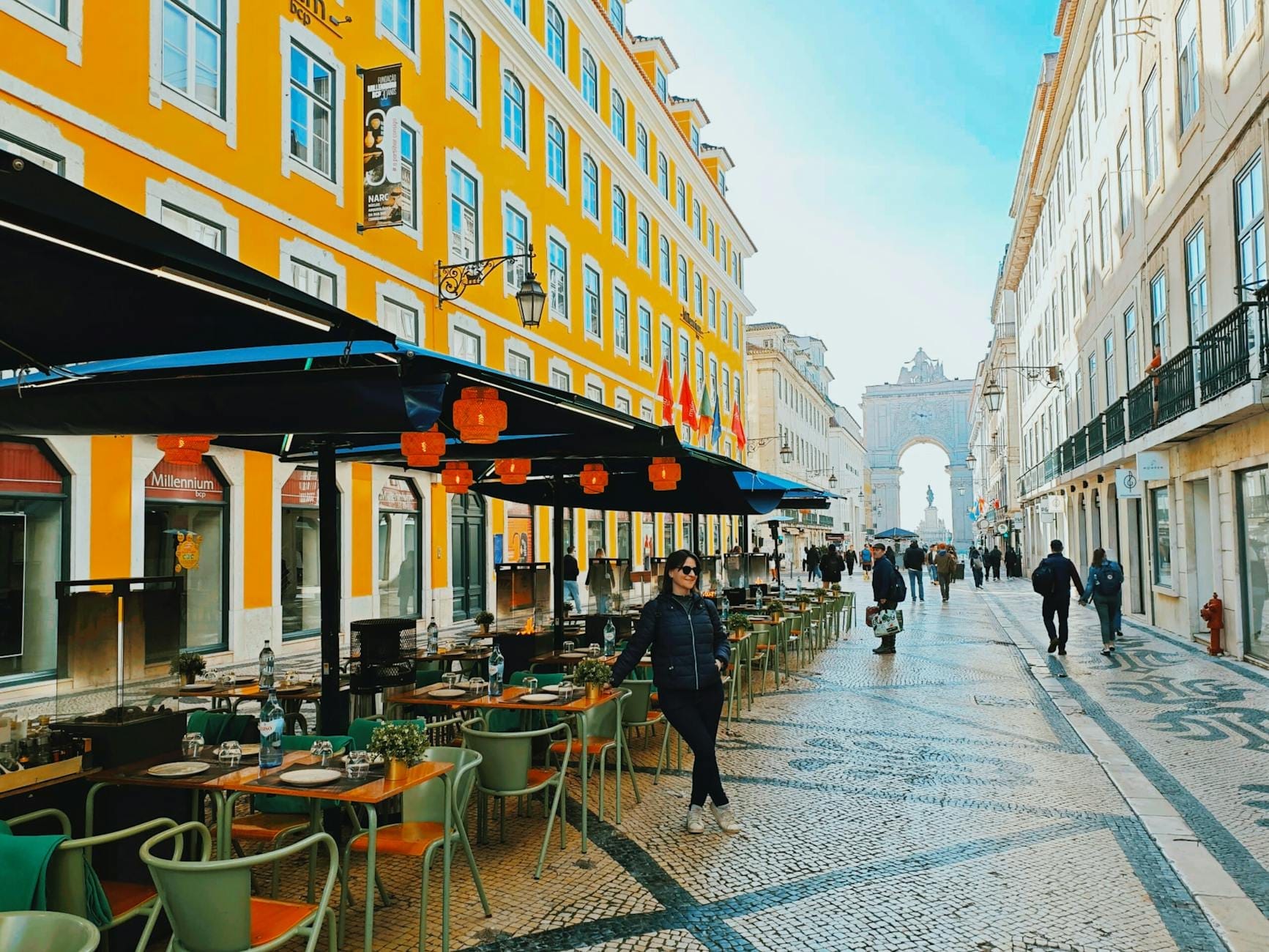
The area around Rossio Square, Praça do Comércio, and the pedestrian stretch of Rua Augusta is where you'll encounter most of Lisbon's street-level scams. None of them are subtle once you know what to look for.
The 'drug dealer' approach is the one that surprises most visitors. Men operating in this area will whisper offers of cannabis or hash to passersby. The overwhelming majority are not actual drug dealers — they are thieves using the interaction as a pretext. A common sequence: you stop to decline, a second person bumps into you or creates a distraction, your wallet or phone disappears. Do not stop, do not engage, do not make eye contact. Keep walking. Drugs of any kind are illegal in Portugal for supply (personal possession was decriminalized in 2001, but buying from street dealers is not a safe or legal activity).
Clipboard petitions are another common distraction. Someone approaches with a clipboard, claims to be collecting signatures for a charity or a 'student project', and while you're reading or signing, an accomplice moves in. Related: 'friendship bracelets' aggressively tied to your wrist before you can refuse, followed by a demand for payment. The correct response to both is a firm 'não, obrigado' (no, thank you) without slowing your pace.
Street vendors selling designer bags, sunglasses, and souvenirs from blankets on the ground are common in tourist areas. The goods are counterfeit. Beyond being a poor purchase, engaging with these sellers sometimes leads to aggressive upselling or, in a few cases, a setup for theft. The quality is generally very low regardless of how convincing the brand logos look.
Neighborhood-by-Neighborhood Risk Guide

Risk is not evenly distributed across Lisbon. Belém is calm and relatively low-risk despite its tourist draw — it's spread out enough that crowds don't compress. Parque das Nações in the east, built for Expo 98, is modern and feels even safer. Baixa-Chiado is where vigilance matters most during the day.
- Alfama (daytime) High pickpocket risk on trams and at viewpoints. Keep bags secure, especially at Miradouro das Portas do Sol and Santa Luzia. The neighbourhood itself is not dangerous — just busy with tourists.
- Baixa / Rossio Highest concentration of street scams. Drug approach tactics, petition clipboards, and shell game operators all work this area. Keep moving and don't stop for unsolicited attention.
- Bairro Alto (nighttime) Rowdy on weekend nights but not particularly dangerous. Opportunistic theft of phones left on tables is the main risk. Watch your drink and don't leave valuables unattended.
- Cais do Sodré / Pink Street Lively late-night area. Generally fine, but phone snatching near bar entrances does happen. Keep phones pocketed in crowded street-level bars.
- Intendente / Mouraria These neighbourhoods have gentrified considerably but still warrant normal urban awareness after dark. Perfectly walkable in daylight.
Practical Safety Habits That Actually Help
The most effective safety measure in Lisbon is reducing what you stand to lose. If your phone gets pickpocketed and it has a passcode, face ID, and Find My enabled, the damage is manageable. If your wallet contains four credit cards, €200 cash, your driving licence, and your passport, losing it is a significant problem. Travel with a daily wallet containing only what you need, and leave the rest in your accommodation's safe.
For getting around without hassle, the Viva Viagem card is essential. It works on the metro, buses, trams, and funiculars, and loading it with credit is much simpler than buying individual tickets each time. For deeper context on navigating the city efficiently, the complete guide to getting around Lisbon covers all transport options with current pricing. Uber and Bolt are reliable, well-regulated, and traceable — they are almost always the right call for late-night travel or when you're carrying luggage.
If you're planning a longer stay or want to understand the city's geography before you arrive, the neighbourhood breakdown in our accommodation guide will help you pick a base that suits both your budget and your tolerance for tourist-area noise and activity. Staying slightly outside the Alfama-Baixa corridor often means lower prices, less street noise, and better access to local life.
💡 Local tip
Before you travel, photograph the information page of your passport and email it to yourself. Store your travel insurance policy number and the cancellation number for your bank cards separately from your wallet — in your email, a notes app, or written on paper kept in a different bag. If your wallet is stolen, you'll want these details immediately and you won't be thinking clearly enough to remember where you stored them.
Seasonal timing matters for safety as much as it does for weather. Crowds peak in July and August, which is when pickpocketing rates are highest and scam operators are most active. If flexibility allows, May-June or September-October offers better conditions overall. The best time to visit Lisbon guide weighs up the trade-offs by month, including crowd levels and pricing. Winter visits (November-February) are notably quieter and, from a petty crime perspective, considerably lower risk.
FAQ
Is Lisbon safe for solo female travelers?
Yes, broadly speaking. Solo women travel in Lisbon without major incident every day. The standard precautions apply: avoid walking alone in very quiet areas very late at night, be assertive in declining unwanted attention (which is more common in nightlife areas), and use Uber or Bolt rather than hailing street taxis after midnight. The city's social culture is generally respectful, and harassment, while not non-existent, is not a defining feature of the experience.
What should I do if I'm pickpocketed in Lisbon?
Report the theft to the PSP (Polícia de Segurança Pública) as soon as possible — you'll need a police report (participação) to make an insurance claim. The Tourist Police post is at Palácio Foz, Praça dos Restauradores. Call your bank immediately to cancel cards. If your phone was taken, remotely lock or wipe it via Find My (iPhone) or Find My Device (Android) as soon as you have access to another device. Portugal's emergency number is 112.
Are taxis in Lisbon safe to use?
Official taxis are safe and metered. The problem is unlicensed drivers impersonating legitimate services, particularly at the airport and major train stations. Always use the signed taxi queue, check that the car is cream/beige with a blue stripe and illuminated rooftop sign, and confirm the meter is running from the start. Uber and Bolt are a reliable alternative and have the advantage of a fixed upfront price and a traceable booking.
Is it safe to use ATMs in Lisbon?
Generally yes, but use ATMs inside bank branches rather than street-facing machines in tourist-heavy areas, which occasionally have skimming devices attached. Cover the keypad when entering your PIN. Avoid ATMs late at night in isolated spots. Multibanco is Portugal's native ATM network and is widespread across the city.
How bad is pickpocketing on Tram 28?
Tram 28 (officially 28) has a well-documented pickpocketing problem, particularly in July and August when it runs at maximum capacity through Alfama. Teams board at stops, work the crowd, and exit quickly. If you ride it (and the views are genuinely worth it), wear your bag on your chest, keep your phone in a front pocket, and be especially alert when the tram stops and doors open. Alternatively, Bus 737 covers part of the same route with dramatically fewer crowds.
Tickets & tours
Live prices and dates from our booking partner. If you book, we may earn a commission at no extra cost to you.
Planning a trip? Discover personalized activities with the Nomado app.