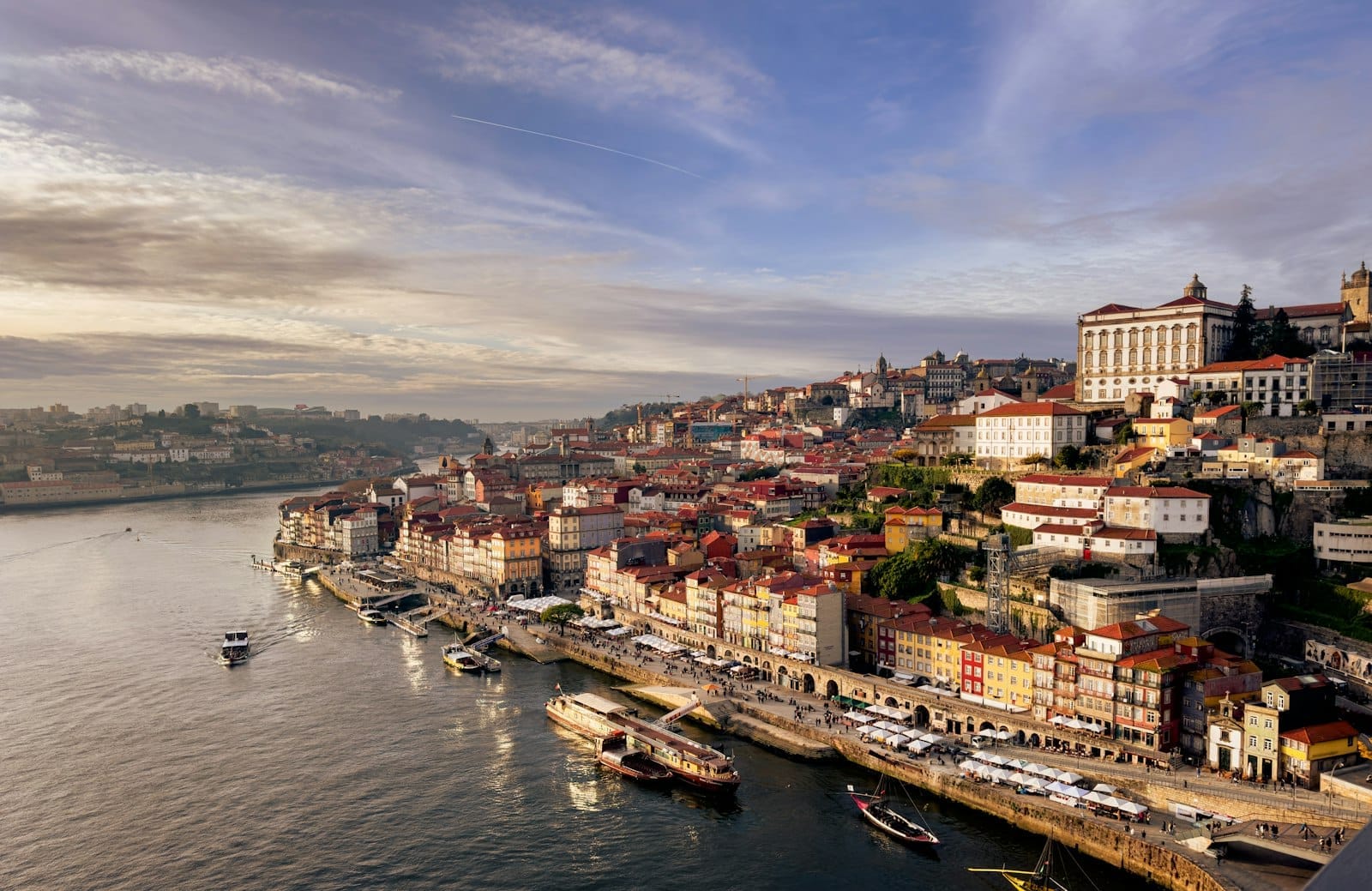
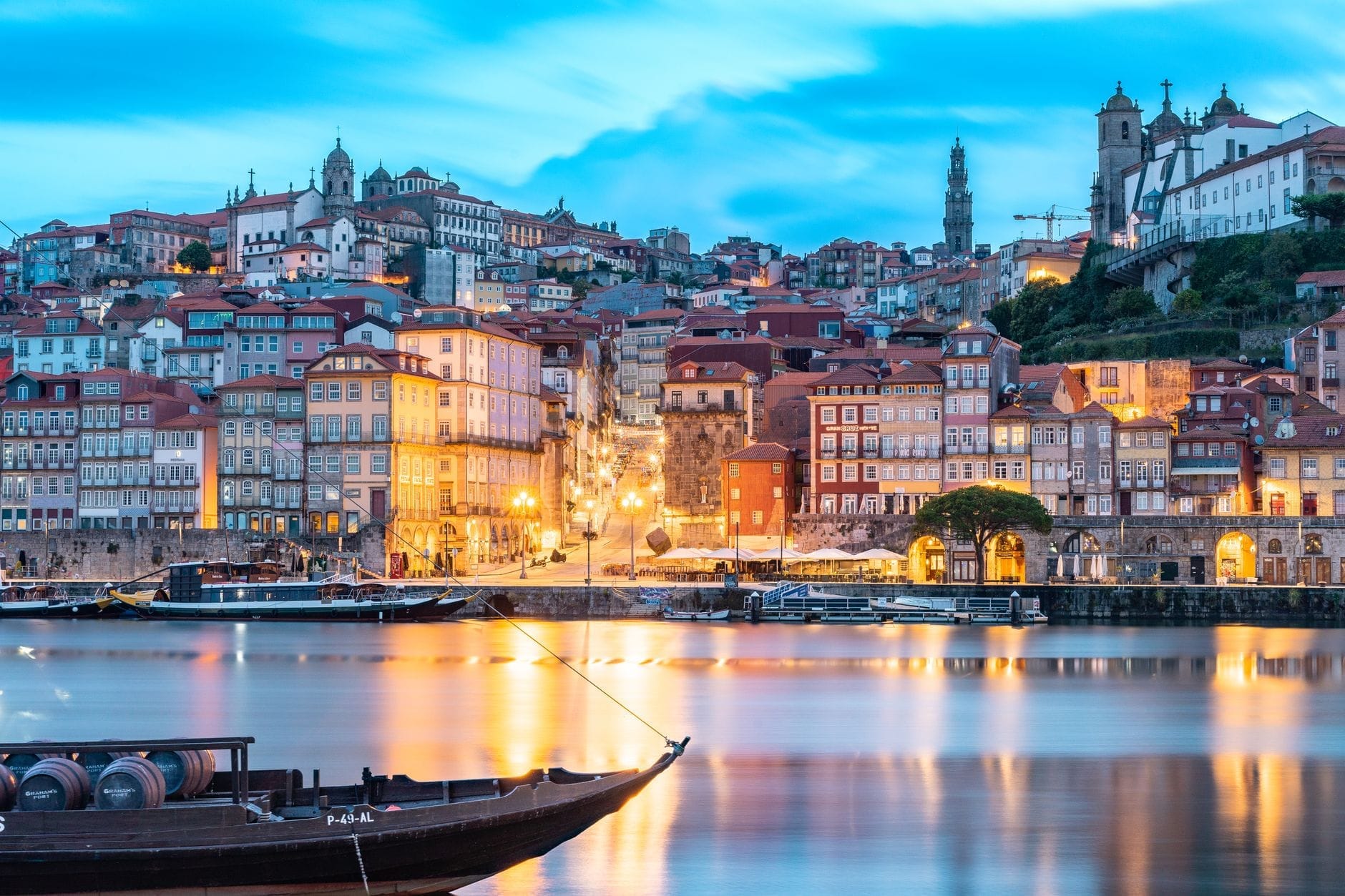
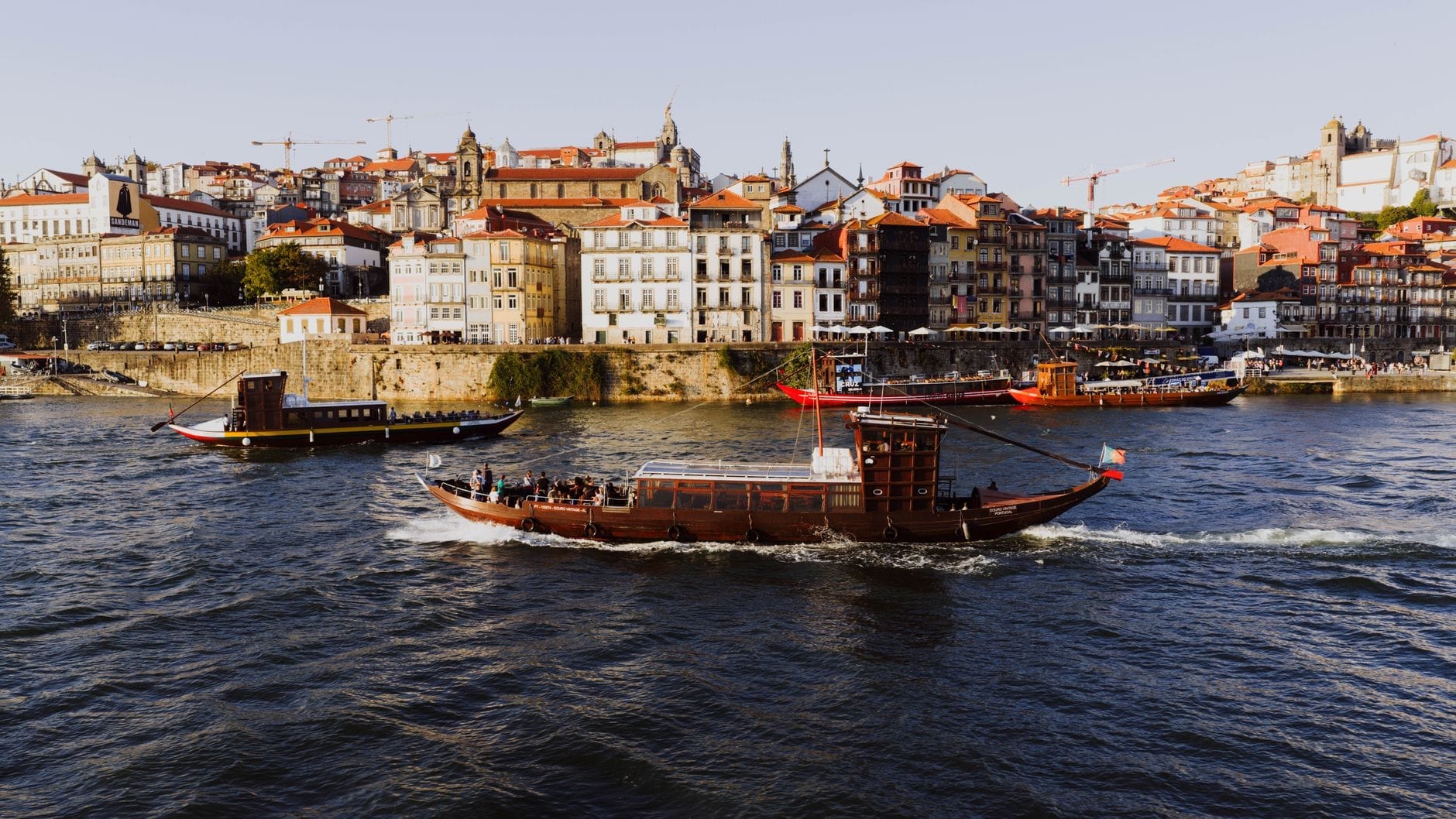
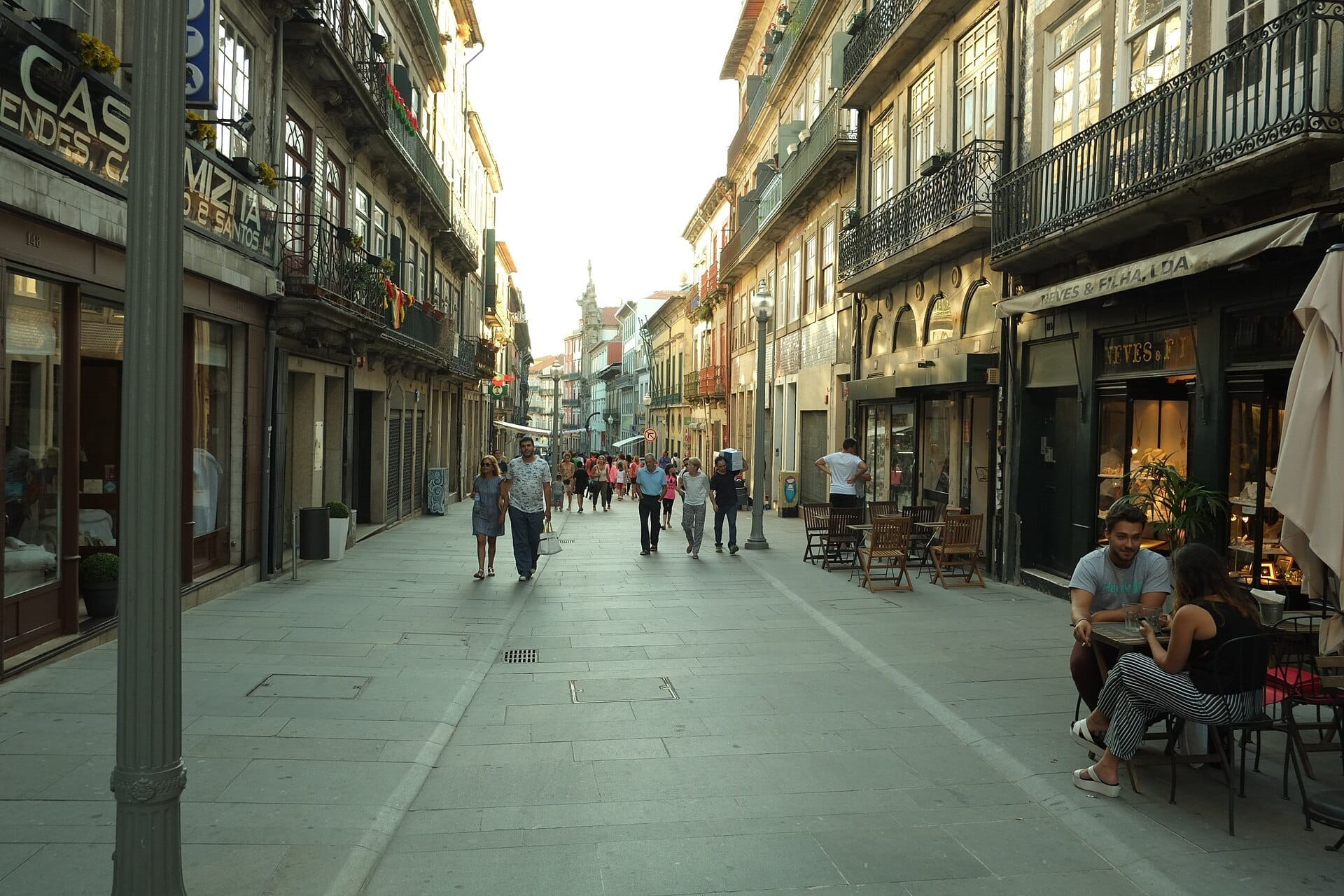
Ribeira is Porto's oldest riverfront quarter, stretching along the north bank of the Douro River beneath the Dom Luís I Bridge. Part of the city's UNESCO World Heritage-listed historic centre, it combines medieval street architecture, colorful stacked façades, and a waterfront promenade that draws visitors and locals alike. It is the visual and emotional heart of Porto.
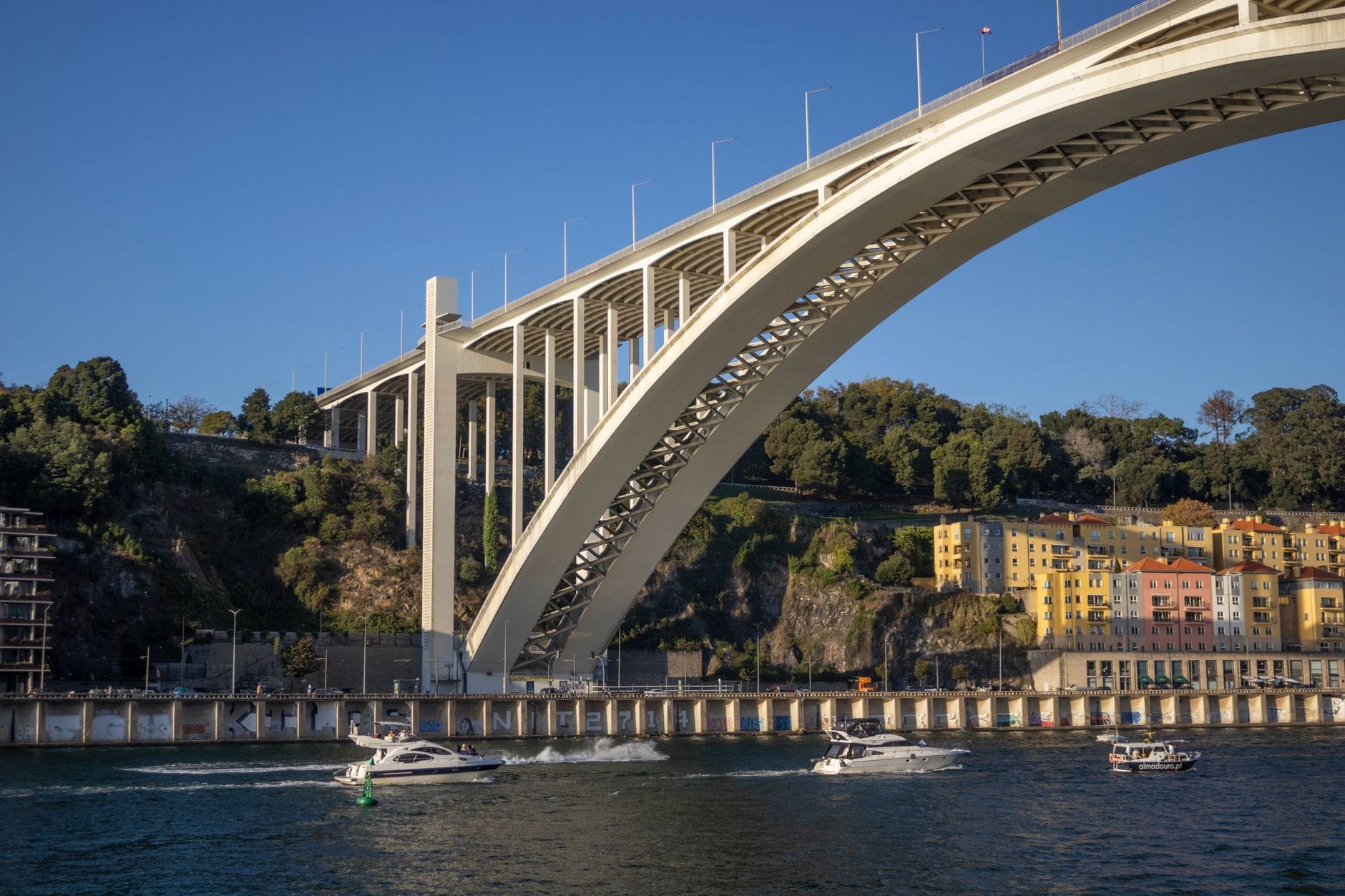
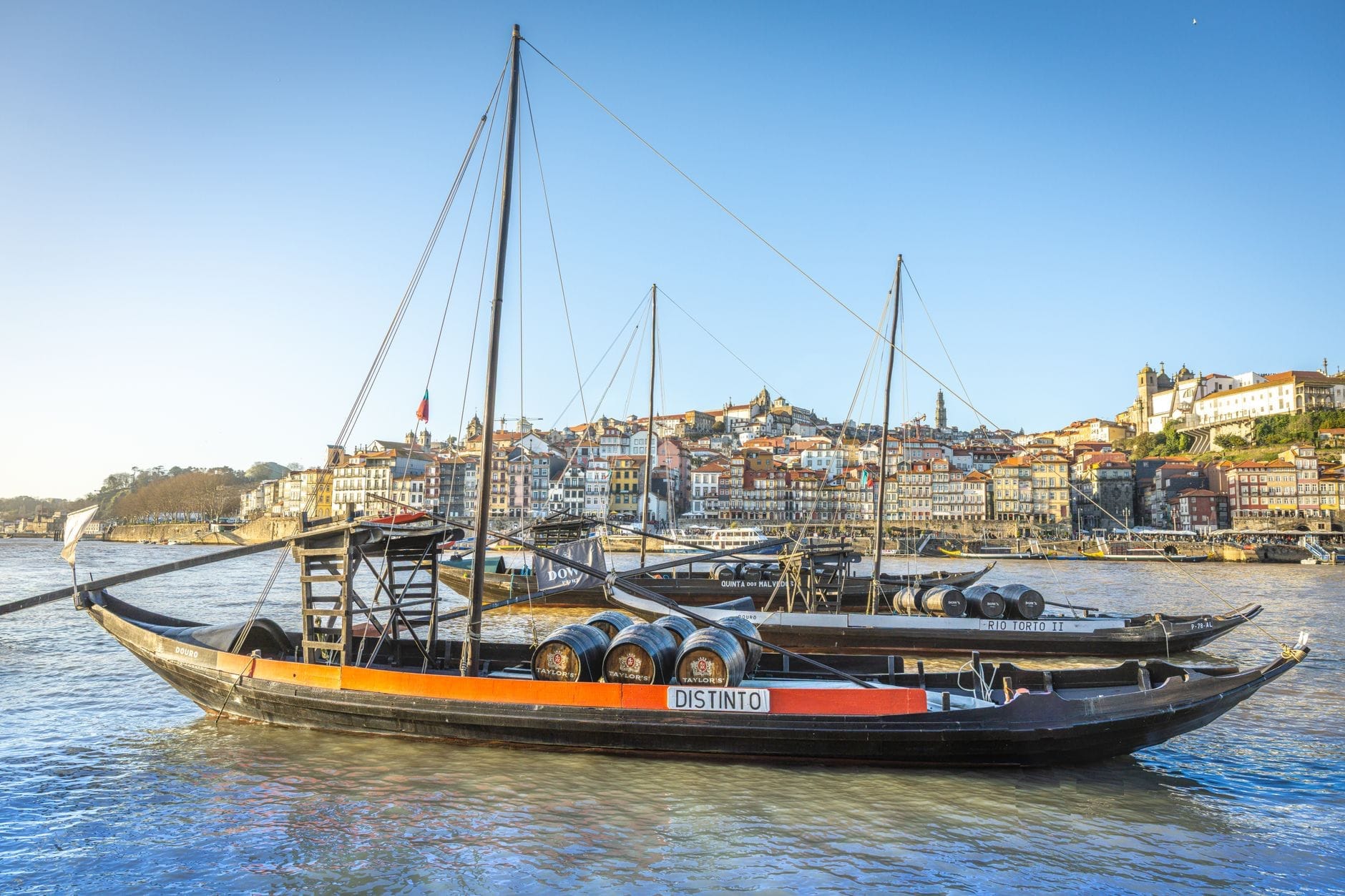
Ribeira sits at the base of Porto's hillside city, pressed between the Douro River and the medieval street grid climbing toward the Sé. It is the neighborhood that most visitors photograph before they even understand what they're looking at: azulejo-clad buildings, the iron arch of the Dom Luís I Bridge, and rabelo boats moored along a waterfront that has been trading since before Portugal was a country.
Orientation: Where Ribeira Fits in Porto
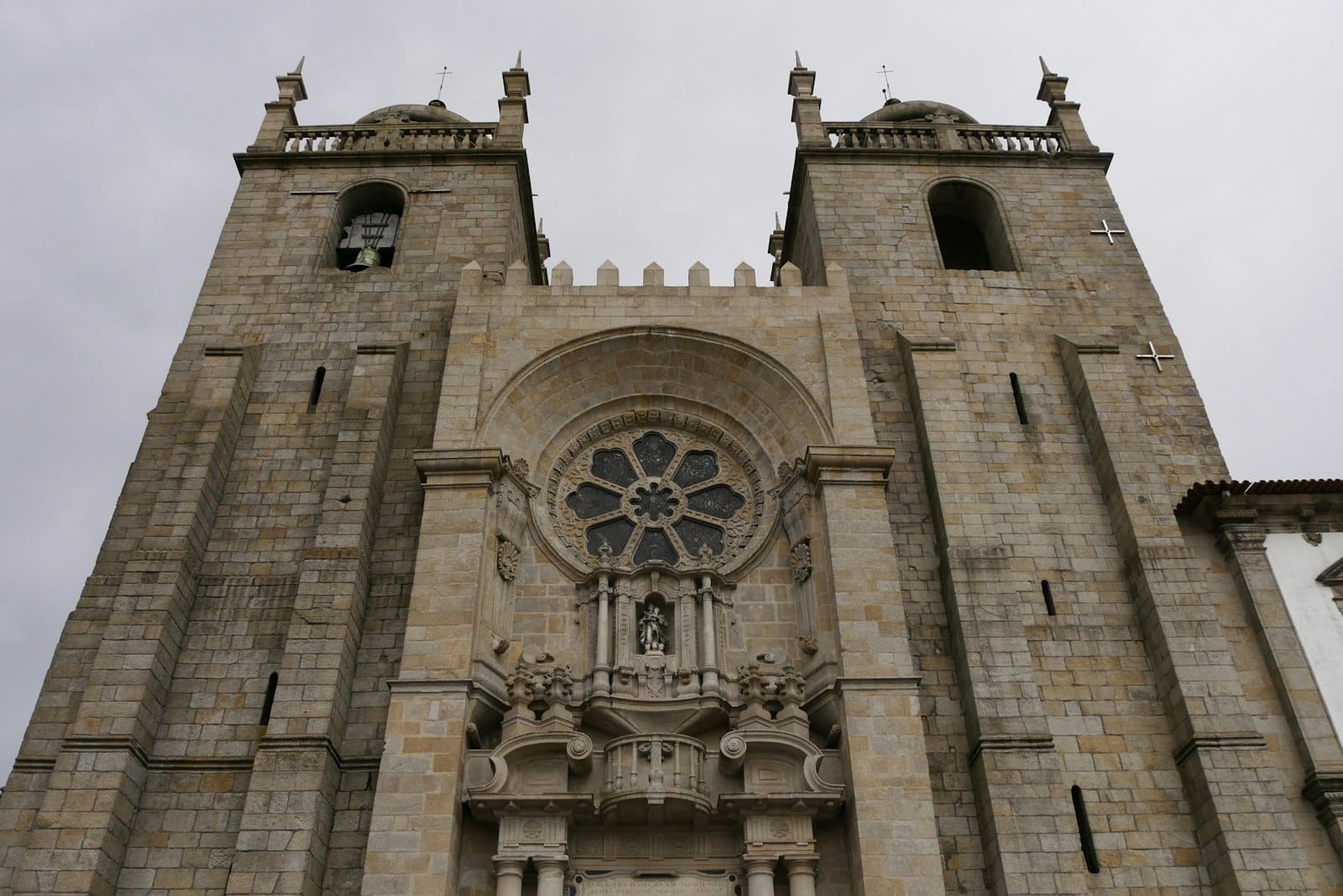
Ribeira occupies the southwestern corner of Porto's historic centre, running along the north bank of the Douro River from roughly the base of the Dom Luís I Bridge westward toward the Casa do Infante and Alfândega do Porto. The neighborhood is essentially a strip of land compressed between the river and the steep hillside above, which means its geography is more vertical than horizontal. Walk two blocks inland from the water and you are already climbing.
The flat spine of the neighborhood is the Cais da Ribeira waterfront promenade, the pedestrianized quay that runs beside the river. From here, streets like Rua dos Mercadores and Rua da Alfândega push northward into the medieval grid, eventually connecting to the Sé cathedral district and, higher still, to the commercial streets around São Bento railway station. That uphill walk covers a significant elevation change in under ten minutes.
Across the river, directly opposite Ribeira, is Vila Nova de Gaia, a separate municipality where the major port wine lodges are located. The lower deck of the Dom Luís I Bridge connects the two at river level, making it easy to cross on foot in roughly 5–10 minutes depending on pace. To the north and west, Ribeira merges gradually into the Baixa district, Porto's downtown core.
Character and Atmosphere
Ribeira is one of the most photographed neighborhoods in Portugal, and this shapes everything about daily life there. The tourism infrastructure is dense and visible: restaurant touts at terrace entrances, souvenir shops wedged into medieval doorways, and tour groups navigating the narrow lanes with selfie sticks. But underneath that layer, the physical fabric of the neighborhood is genuinely extraordinary, and no amount of commercial overlay erases it.
In the early morning, roughly between 7:30 and 9:30, Ribeira belongs almost entirely to its residents and early-rising workers. The light comes in low from the east, catching the tiled and painted façades on the uphill streets. The riverfront is quiet enough to hear the Douro moving. A few cafés are open for espresso and a pastel de nata, but the tour groups have not yet arrived and the restaurant terraces are still empty. This is the best time to walk Praça da Ribeira, the central square of the neighborhood, and to cross onto the bridge without being stuck behind a slow-moving crowd.
By mid-morning the volume increases sharply. Between 10 and 18:00, the Cais da Ribeira is at capacity on any warm day between April and October. Terraces fill up, boat tour operators approach pedestrians on the quay, and the street between the river and the first row of buildings becomes slow to navigate. This is not a flaw in the neighborhood so much as a fact about it. If crowds at this density frustrate you, plan your Ribeira visits for morning or evening.
After sunset, the atmosphere shifts again. The day-trip crowds thin out and the waterfront takes on a different character: lower light, cooler air off the river, and more local activity mixed with the remaining visitors. Gaia's hillside opposite lights up and reflects across the Douro. The bars along and just behind the quay stay busy into the early hours, and the acoustics of the narrow streets mean you can hear music and conversation from several blocks away late at night.
⚠️ What to skip
Ribeira's streets involve significant elevation changes. The lanes connecting the waterfront to the Sé and São Bento are steep, uneven cobblestone, and not straightforward for anyone with mobility difficulties or heavy luggage. If you are staying in Ribeira, check whether your accommodation is on the flat quayside level or further up the hillside before booking.
What to See and Do
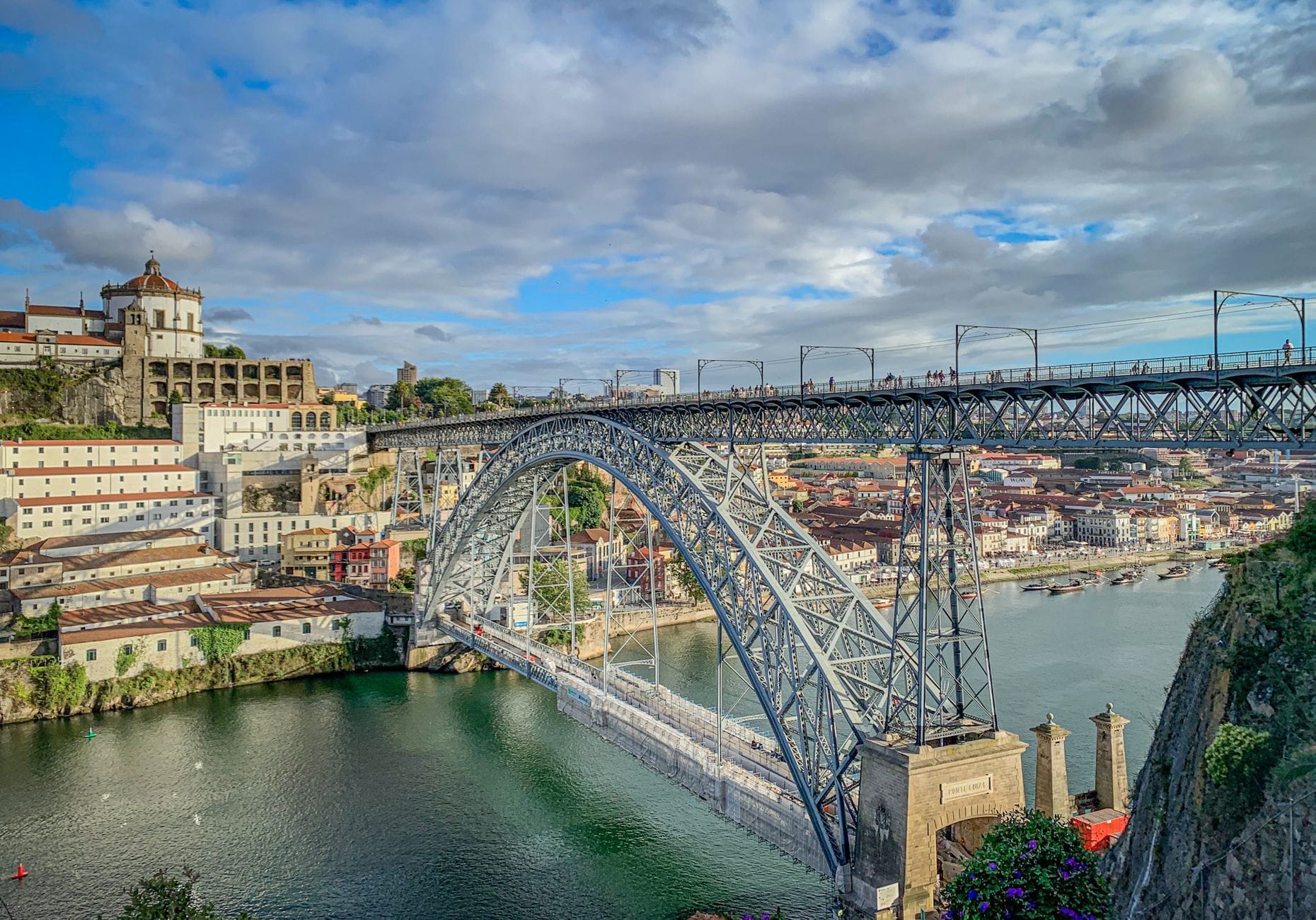
The neighborhood's most prominent landmark is the Dom Luís I Bridge, the double-deck iron arch completed in 1886 that has become the defining image of Porto. The lower deck is open to pedestrians and connects Ribeira directly to Gaia at river level. The upper deck carries the metro and also has a pedestrian walkway with elevated views over the Douro, the Ribeira roofscape, and the Gaia lodges. Both decks are worth walking.
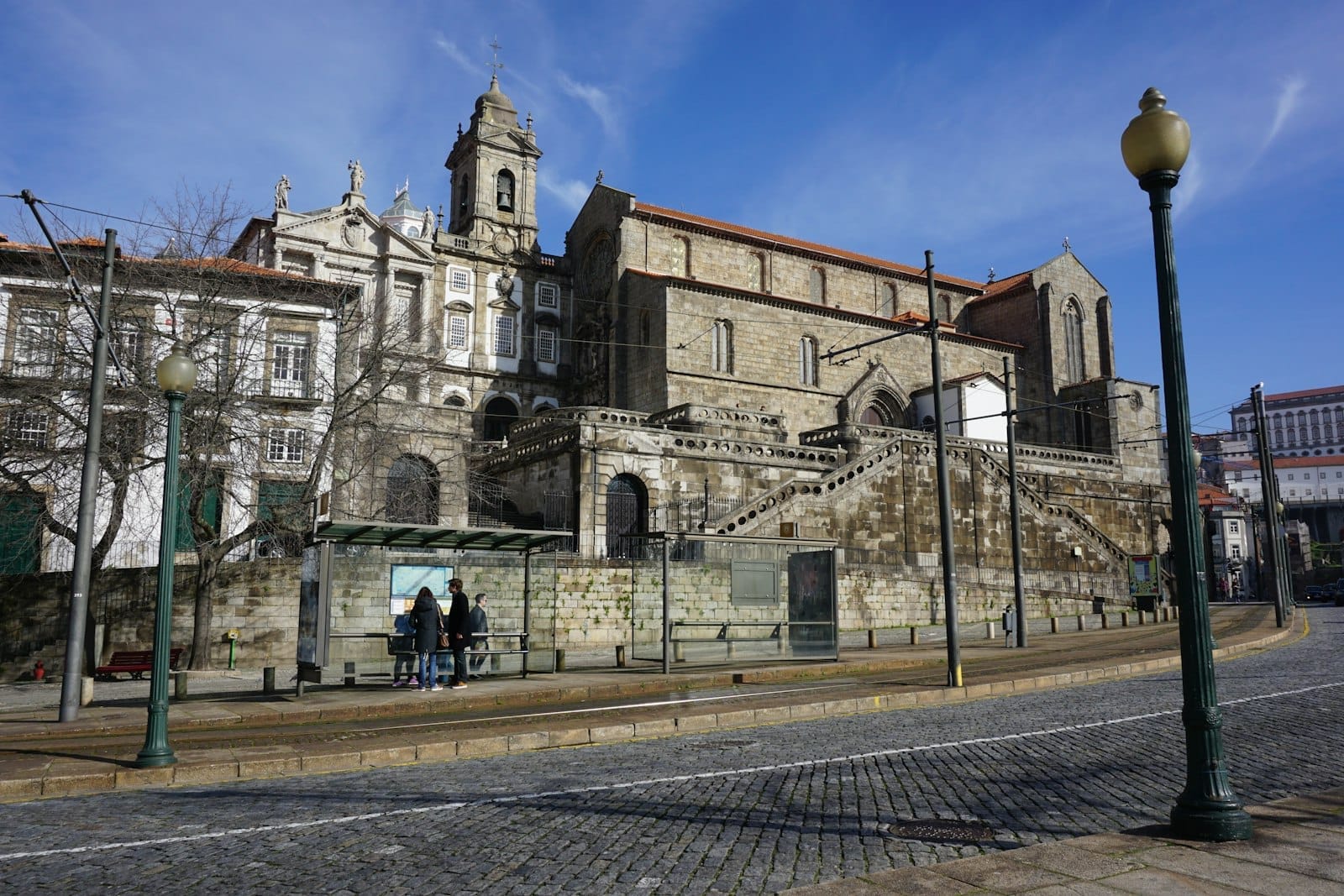
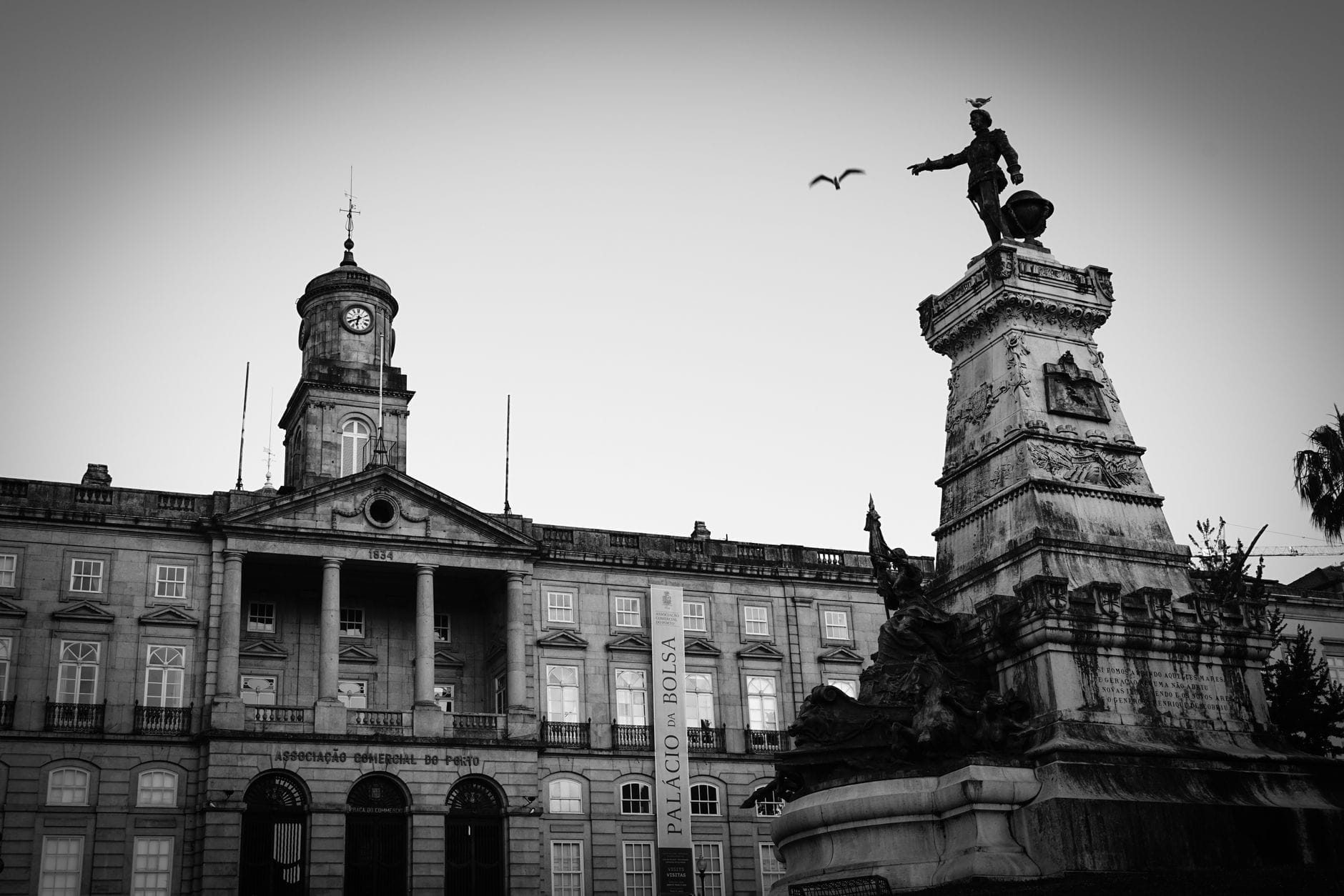
Two major monuments sit at the western edge of Ribeira and are worth treating as a pair. The Palácio da Bolsa is Porto's 19th-century stock exchange, whose interior rooms range from restrained neoclassicism to an extraordinary Moorish-revival ballroom called the Arab Room. Entry requires a guided tour, which runs frequently in English. Immediately next door, the Igreja de São Francisco is one of the most extravagant Gothic church interiors in Portugal, its walls and columns overlaid with carved and gilded woodwork. The contrast between the austere Gothic exterior and the theatrical interior is one of the most striking experiences in Porto.
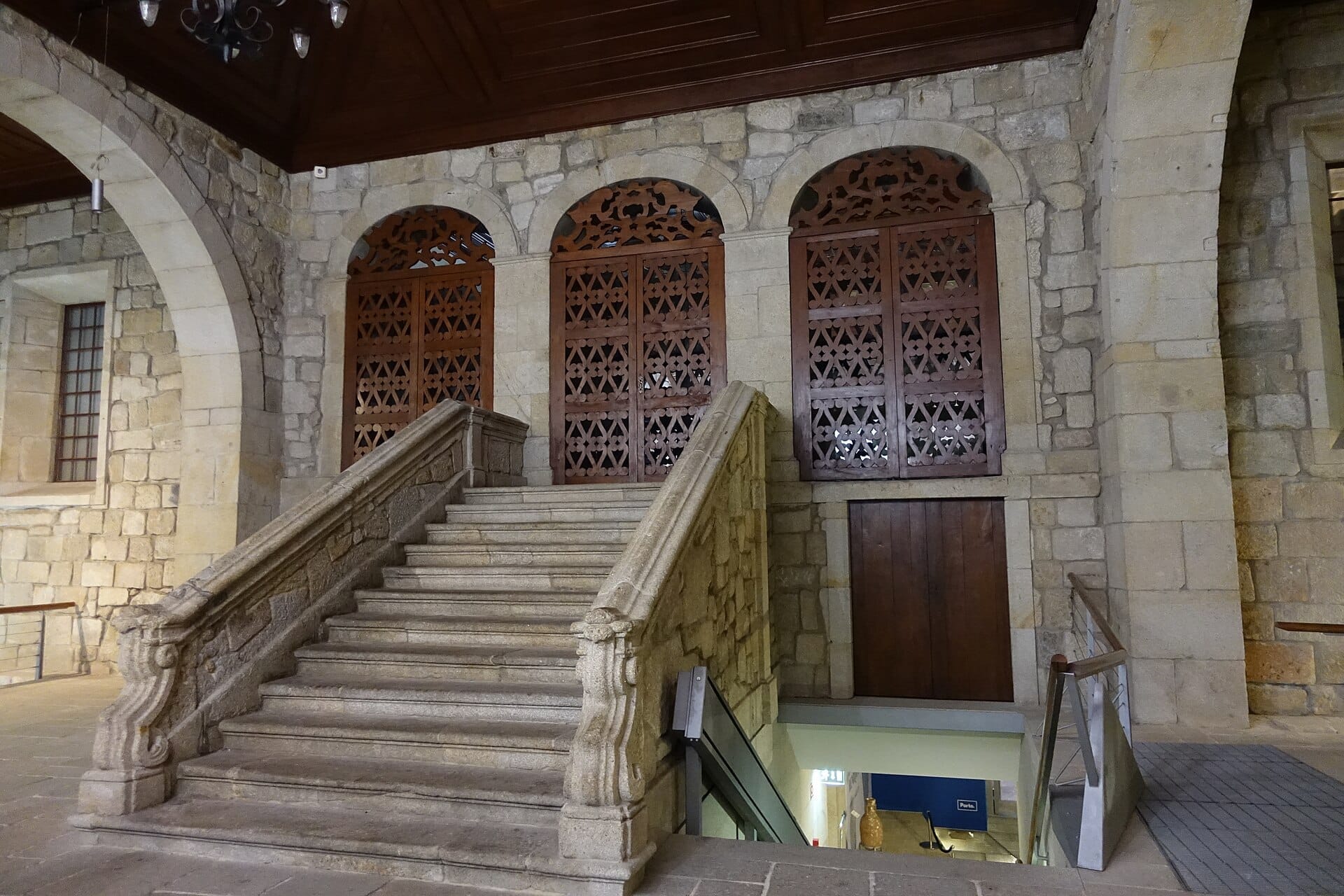
The Casa do Infante occupies a medieval customs building on the waterfront, traditionally associated with Prince Henry the Navigator, and functions today as a municipal museum with archaeological finds from Roman and medieval Porto. It is less visited than the Bolsa or São Francisco, which means you can often explore it without the pressure of a crowd.
From the Ribeira quay, several operators offer Douro River cruises ranging from short loops under the six bridges to full-day trips toward the Douro Valley wine country. The rabelo boats moored along the quayside are the traditional craft historically used to transport port wine barrels downriver from the Douro Valley — they are now mostly decorative and used for shorter tourist excursions, but they are visually inseparable from the Ribeira scene.
Praça da Ribeira: the historic central square, best in early morning or early evening
Dom Luís I Bridge lower deck: free pedestrian crossing to Vila Nova de Gaia
Palácio da Bolsa: guided tours cover the spectacular Arab Room
Igreja de São Francisco: Gothic exterior, baroque gilded interior
Casa do Infante: medieval customs house and city history museum
Douro river cruises: multiple operators along the Cais da Ribeira quay
Rua dos Mercadores: one of the best-preserved medieval commercial streets in Porto
💡 Local tip
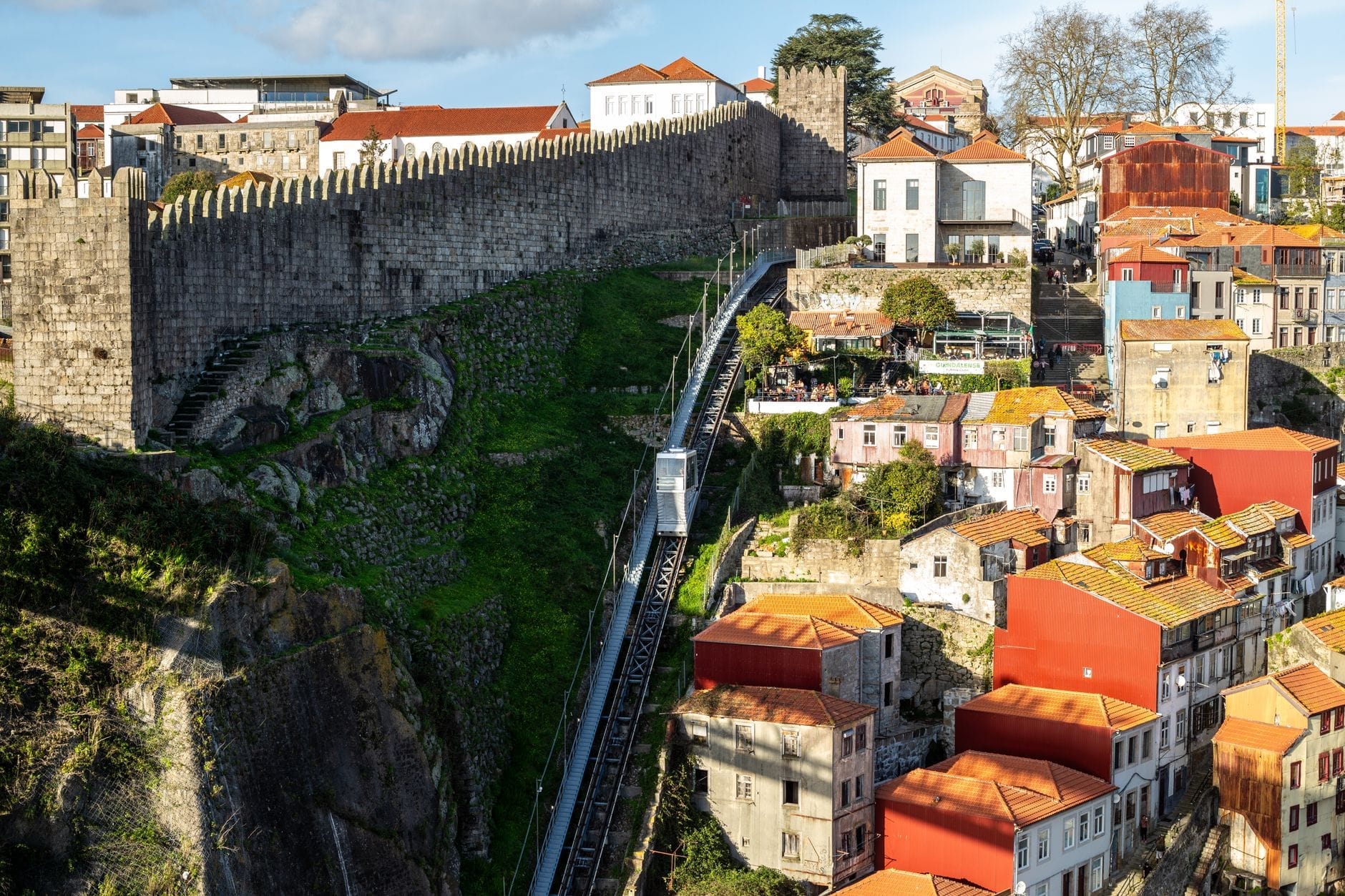
The Muralha Fernandina, Porto's 14th-century medieval city wall, passes through and above the Ribeira area. Sections of it are visible and walkable, offering elevated views over the neighborhood's rooftops and river. It connects to the hillside routes toward the Sé and is often overlooked by visitors focused on the waterfront.
Eating and Drinking
Ribeira has more restaurants per square meter than almost anywhere else in Porto, but the concentration of tourists also means that quality and value vary widely and the worst options are sometimes the most visible. The restaurants directly on the Cais da Ribeira waterfront terrace strip tend to trade on location rather than food: prices are higher, menus are translated into six languages, and the bacalhau and francesinha on those tables are not always the city's best versions of either dish.
Better meals are found one or two streets back from the river, on Rua dos Mercadores, Rua da Reboleira, and the lanes climbing toward the Sé. Here the clientele is more mixed, the menus are shorter, and the cooking is more likely to reflect what Porto actually eats: bacalhau com natas, arroz de marisco, bifanas, and soups built around caldo verde. Lunch is the main meal in most traditional restaurants, and the daily special or prato do dia typically offers the best ratio of quality to price.
Cafés along the square and lower streets serve espresso and pastries from early morning. The local wine of choice in neighborhood bars is vinho verde, the light slightly effervescent white from the Minho region to the north, though port wine by the glass is on every menu as a matter of course. The bars on and just off the waterfront stay open late and are full on summer evenings, with some sound spilling into the neighboring streets until well past midnight.
💡 Local tip
If you want a waterfront meal without tourist-strip pricing, consider eating lunch on the Gaia side of the river instead. The Cais de Gaia has a comparable promenade with river views back toward Ribeira, and competition among restaurants there is stronger. It is a five-minute walk across the Dom Luís I Bridge lower deck.
Getting There and Around
Ribeira has no metro station of its own, which is worth knowing before you plan a trip. The nearest metro stations are on the upper city level, meaning any metro journey ends with a significant downhill walk to the waterfront.
Several bus lines serve the Cais da Ribeira waterfront directly, including lines 1, 57, 91, 23, and 49. Bus 500 connects the riverside to Matosinhos via a coastal route. For visitors arriving from the airport, the metro runs to central Porto and connections to bus lines serving Ribeira are available at Trindade and Aliados stations. For a full guide to Porto's transit network, see getting around Porto.
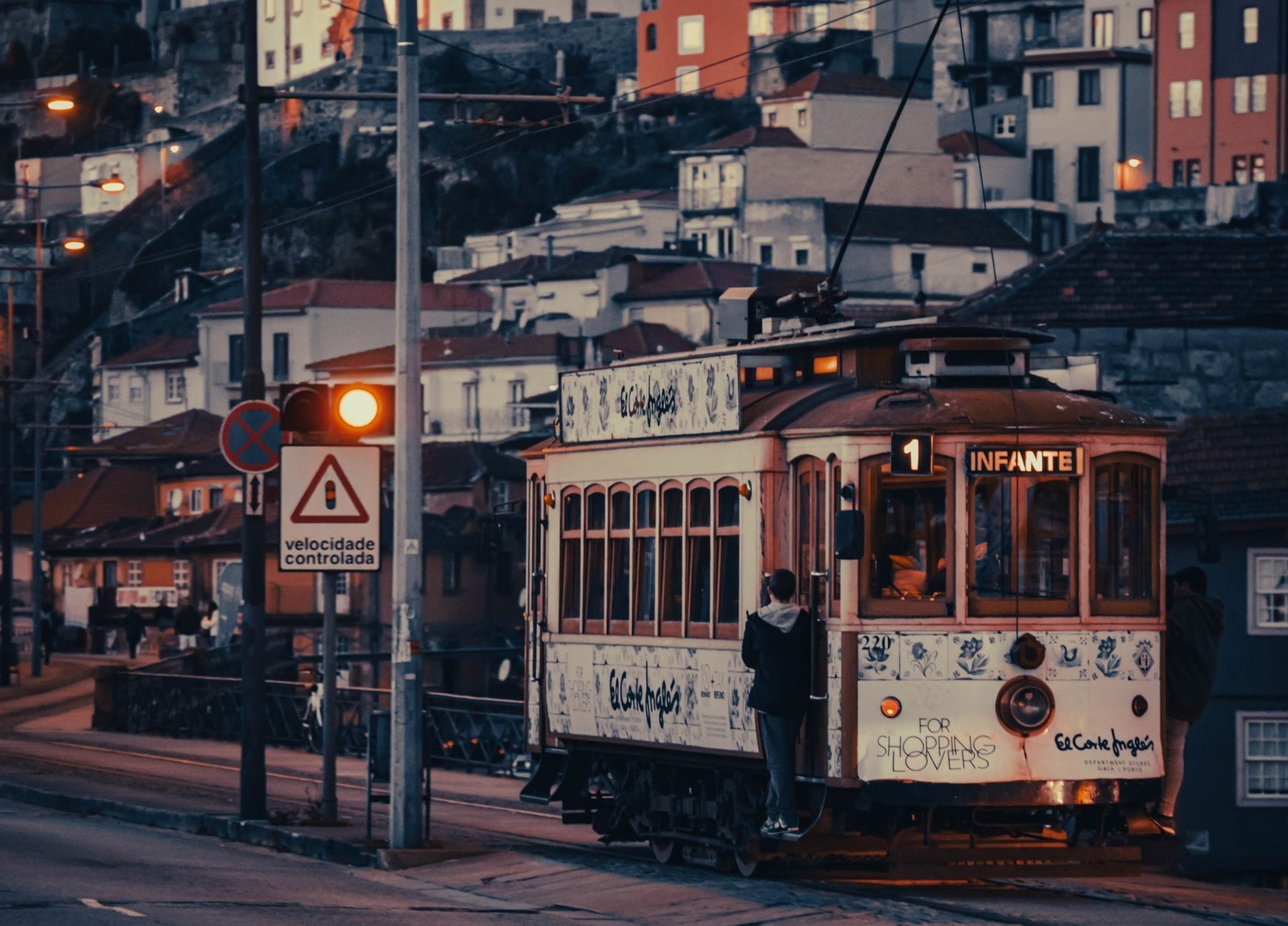
Historic tram line 1 departs from the Ribeira riverfront and runs westward along the Douro toward Foz do Douro, offering both a practical transit option and a scenic ride in vintage rolling stock. The route follows Tram Line 1 along Avenida Gustave Eiffel beside the river. It is slow, crowded in peak season, and runs infrequently, but the ride itself, through riverside streets and garden-flanked avenues, is one of the more pleasant ways to travel toward Foz.
Driving into Ribeira is effectively not viable for visitors. Parking near the waterfront is extremely limited and the narrow medieval streets are not designed for cars. Taxis and ride-hailing apps (Uber and Bolt both operate in Porto) can drop off close to the Cais da Ribeira, but pick-up from the quayside may require walking to a wider street. Walking from Baixa or São Bento station takes around 10 to 15 minutes, mostly downhill on the way in and a stiff uphill climb on the return.
ℹ️ Good to know
If you are crossing to Vila Nova de Gaia, the lower deck of the Dom Luís I Bridge is the most direct pedestrian route from Ribeira. The upper deck is accessible from the Batalha area of upper Porto and is used by the metro. Both decks have pedestrian walkways, but they serve different start points in the city.
Where to Stay
Ribeira is one of Porto's most in-demand areas for accommodation, and it suits a specific type of visitor: someone who wants the UNESCO historic centre at their doorstep and does not mind noise, crowds, and premium pricing in exchange for location. For a broader comparison of Porto's neighborhoods for accommodation, see where to stay in Porto.
The accommodation options range from boutique hotels in restored medieval buildings to apartments in narrow townhouses along the backstreets. Properties directly on the Cais da Ribeira or overlooking the river command a significant price premium. Those a few streets inland on Rua dos Mercadores or Rua da Alfândega tend to offer comparable access at lower rates, though the uphill location of some inland properties means the building access can be challenging.
The main practical concern for staying in Ribeira is noise. The waterfront bars and restaurants are active until at least midnight year-round and well past 1:00 in summer. If you are a light sleeper, look carefully at exactly how close the property is to the quayside terraces, and check whether rooms face the river or the quieter uphill side. The streets off Praça da Ribeira are particularly loud on summer weekend evenings.
Ribeira is best suited to travelers who plan to use the neighborhood as a base for walking the historic centre and crossing to Gaia for port wine lodges. It is less ideal for anyone who needs easy metro access, plans to travel frequently to the western or northern parts of Porto, or wants to avoid tourist density. For those combinations, Batalha, Bonfim, or Cedofeita offer more local character and better transit connections with shorter walks to the same attractions.
Ribeira and the Wider City
Ribeira's UNESCO designation as part of Porto's historic centre reflects a recognition that this stretch of riverfront and its adjacent hillside streets represents a largely intact medieval urban fabric, something increasingly rare in European cities. The listing covers the area from roughly the Sé cathedral down to the river and includes the Muralha Fernandina, the 14th-century defensive wall whose surviving towers and curtain walls are still visible above Ribeira's roofline.
The neighborhood's position at the foot of the city's historic hill means it has always been where Porto's commercial and maritime activity concentrated. The Casa do Infante, the old customs house on the quay, is a reminder that Ribeira was once the administrative and logistical hub of a trading empire. Today that trading instinct persists in the boat tour operators, the souvenir sellers, and the restaurant proprietors who have replaced the merchants of wool and wine. For a deeper look at Porto's history through its built environment, the azulejo tiles guide and the Porto churches guide both draw heavily on landmarks in and around Ribeira.
From Ribeira, the rest of Porto spreads in every direction: uphill to the Sé, northwest to the commercial streets of Baixa and the bookshop on Rua das Carmelitas, north through Batalha and Bonfim, and west along the river toward Foz do Douro and the Atlantic coast. Understanding Ribeira as the riverside base of this hillside city, rather than as a self-contained district, is the key to navigating Porto effectively.
TL;DR
Ribeira is Porto's historic riverfront quarter and the visual heart of the city, part of the UNESCO World Heritage-listed historic centre along the north bank of the Douro.
Best for: first-time visitors to Porto who want the city's most iconic streets, views, and monuments within walking distance of their accommodation.
Be aware: it is the most touristic and most expensive neighborhood in Porto, with significant noise at night and limited metro access. Crowds are heavy from mid-morning to early evening in peak season.
Key attractions within walking distance include the Dom Luís I Bridge, Palácio da Bolsa, Igreja de São Francisco, Casa do Infante, and direct access to Douro river cruises and tram line 1 toward Foz.
Crossing the Dom Luís I Bridge lower deck to Vila Nova de Gaia for port wine lodge visits and quieter waterfront dining is one of the most practical and rewarding short walks in Porto.
Porto has over 40 museums covering everything from contemporary art and Port wine to football trophies and Age of Discovery history. This guide picks the best across every category, with tips on when to go, what to book ahead, and how to get the most from each visit.
Porto rewards visitors differently depending on the season. This guide breaks down every month of the year, covering weather patterns, crowd levels, festivals, and practical advice so you can pick the window that matches your priorities.
Porto sits at the center of one of northern Portugal's richest travel regions. Within two hours by train or car, you can reach terraced vineyards, medieval birthplace cities, canal towns, and wild national park landscapes. This guide covers the best day trips from Porto, with practical advice on how to get there and what to do.
The Douro Valley is one of the most rewarding day trips you can make from Porto. Terraced vineyards, river cruises, winery lunches, and hilltop villages await, but you have to plan carefully to avoid cramming too much into one day. This guide tells you exactly how.
Porto rewards slow, curious walkers more than almost any city in Europe. From UNESCO-listed riverfront promenades and azulejo-covered church facades to sweeping hilltop viewpoints and ancient market halls, the city's best experiences are largely free. This guide covers 23 genuinely no-cost attractions across Porto and Vila Nova de Gaia.
Porto's public transport network is more straightforward than it looks, but a few missteps — buying the wrong ticket, boarding a tram without cash, or missing a zone validation — can cost you time and money. This guide covers every option: the metro, STCP buses, historic trams, funiculars, taxis, ride-hailing apps, and how to get from Francisco Sá Carneiro Airport to the city centre without overpaying.
Port wine is Porto's most famous export, but most visitors don't realize the lodges are actually across the river in Vila Nova de Gaia. This guide covers the top cellars, what tastings cost, how to book, and the differences between port styles so you get the most from your visit.
Two days in Porto is enough to cover the city's most iconic sights — if you sequence them well. This itinerary moves logically through the historic centre, the Douro riverfront, Vila Nova de Gaia's port wine lodges, and a few stops most weekend guides skip entirely.
Francisco Sá Carneiro Airport is your gateway to one of Europe's most rewarding cities. This guide covers every transfer option from the airport to central Porto, seasonal crowd patterns, ticketing details, and the trade-offs between metro, taxi, and private transfer so you can arrive without stress.
Porto's azulejo tiles are one of the city's most distinctive and photographed features, covering church facades, railway stations, and entire building exteriors in intricate ceramic panels. This guide covers the best sites, historical context, practical visiting tips, and where to buy or create your own tiles.
Porto sits minutes from a long stretch of Atlantic coastline, with beaches ranging from wide urban surf breaks to quiet southern coves backed by pine forests. This guide covers the best beaches near Porto, how to get there, and what to do along the way.
Porto's six bridges across the Douro are more than infrastructure: they are the city's most dramatic landmarks, connecting historic quarters, framing postcard views, and offering walks you will remember long after leaving. This guide covers every bridge, how to experience each one, and the best spots to see them all.
Porto's churches are among the most architecturally diverse in Europe, layering Romanesque foundations, Gothic cloisters, Baroque gilded interiors, and hand-painted azulejo facades within a walkable historic centre. This guide covers the essential religious monuments, from the cathedral on its granite hilltop to the tile-wrapped chapels of Baixa.
Porto has a dedicated fado scene that goes well beyond tourist packages. This guide breaks down the best venues, real price ranges, how to book, and what separates a genuine fado experience from a commercial one.
Porto rewards those who wander past the obvious. This guide takes you beyond the postcard stops to the viewpoints, green spaces, architectural surprises, and local haunts that most visitors walk straight past. From a free rooftop terrace above the Douro to a modernist swimming pool carved into the Atlantic coastline, Porto's best-kept secrets are hiding in plain sight.
Three days is the sweet spot for Porto. This itinerary covers the UNESCO-listed historic centre, the port wine lodges of Vila Nova de Gaia, a Douro Valley excursion, and optional coastal time at Foz, with practical tips on where to eat, what to skip, and how to get around without wasting time.
Porto's luxury scene is more intimate than many visitors expect: think palace hotels in azulejo-clad historic buildings, Michelin-starred dining with panoramic Douro views, and private rabelo boat charters rather than sprawling resort complexes. This guide covers the best 5-star hotels, fine dining, and premium experiences in Porto Portugal, with clear notes on what's worth the premium and what isn't.
Porto's nightlife runs late, starts later, and surprises almost every visitor. This guide breaks down the best neighbourhoods, bars, clubs, and after-dark experiences in Porto, Portugal, with practical tips on timing, pricing, and what to skip.
Porto is one of Western Europe's most affordable city-break destinations, but only if you know where to spend and where to save. This guide covers free sights, budget transport, cheap local food, and the common mistakes that quietly drain your wallet.
Porto, Portugal ranks among Europe's lowest-crime destinations, but that doesn't mean risk-free. This guide breaks down exactly what threats exist, which neighborhoods and situations to watch, and the practical steps that make a real difference.
From the historic Mercado do Bolhão to the independent boutiques of Cedofeita, Porto rewards shoppers who plan ahead. This guide covers every major market, the best shopping streets by neighborhood, what to actually buy, and the practical details most guides leave out.
Porto and Lisbon are Portugal's two great cities, separated by 310 km and distinct in character. This guide breaks down the real differences in cost, atmosphere, sightseeing, food, and logistics so you can decide which to visit — or plan both into one trip.
Porto is one of Europe's most walkable historic cities, and you do not need a paid tour to see the best of it. This guide covers the classic one-day route through the UNESCO-listed old town, Ribeira waterfront, and Vila Nova de Gaia, with timing advice, entry costs, and practical tips for every stage.
Porto is a great destination for families, with interactive museums, free parks, river cruises, and cable cars all within easy reach of the historic centre. This guide covers the best activities for children of all ages, what to skip, and practical logistics for navigating Porto with kids in tow.
Porto, Portugal's second-largest city, has earned its reputation as one of Europe's most compelling destinations. But is it right for your trip? This guide looks at costs, crowds, highlights, and drawbacks to help you decide.
Porto rewards couples with a rare combination of scenic riverbanks, centuries-old wine culture, Fado music, and walkable historic streets. This guide covers the most romantic experiences in the city, from sunset cruises on the Douro to garden strolls at the Crystal Palace, with practical notes on what is worth your time and money.
The Festa de São João do Porto is Porto's biggest annual celebration, held every year on the night of 23–24 June. This guide covers the history, traditions, schedule, best viewing spots, food, transport, and practical tips to help you plan around one of Portugal's most spectacular street festivals.
Porto is one of Europe's most rewarding cities for curious travelers. This guide covers the best things to do in Porto, Portugal, from crossing the Dom Luís I Bridge to exploring baroque churches, tasting port wine, and eating seafood in Matosinhos, with real logistics and no filler.
Porto's food culture runs deep, shaped by northern Portuguese cooking traditions that prize hearty ingredients, salt cod, and rich slow-cooked stews. This guide covers the essential dishes, where to find them, what they actually cost, and a few things worth skipping.
Choosing where to stay in Porto shapes your entire trip. This guide breaks down every major neighborhood, from the historic riverfront of Ribeira to the relaxed beachside calm of Foz do Douro, with clear notes on who each area suits, typical price ranges, and practical transport details.