Douro Valley Day Trip from Porto: Wine, Scenery & Villages
The Douro Valley is one of the most rewarding day trips you can make from Porto. Terraced vineyards, river cruises, winery lunches, and hilltop villages await, but you have to plan carefully to avoid cramming too much into one day. This guide tells you exactly how.
Plan and book this trip
Tools from our partner Travelpayouts help you compare flights and hotels. If you book through them, we may earn a commission at no extra cost to you.
Flights
Hotels map
TL;DR
- The Douro Valley is about 1.5 to 2 hours from Porto by car or bus; the main base towns are Pinhão and Peso da Régua.
- Most guided day trips run 8 to 10 hours and include one or two vineyard visits, a river cruise, and lunch. Realistically, you can do one winery properly, two if logistics are tight.
- Organized tours start around €75 and go up to €150+ depending on inclusions. See Porto's port wine guide if you want to understand what you're tasting before you go.
- Self-driving offers freedom but means no wine during tastings. Train is scenic but slower, and schedules need checking in advance with Comboios de Portugal (CP).
- Book winery visits and tours ahead, especially May through September. Spots fill quickly during harvest season (late September to October).
Why the Douro Valley Is Worth a Full Day
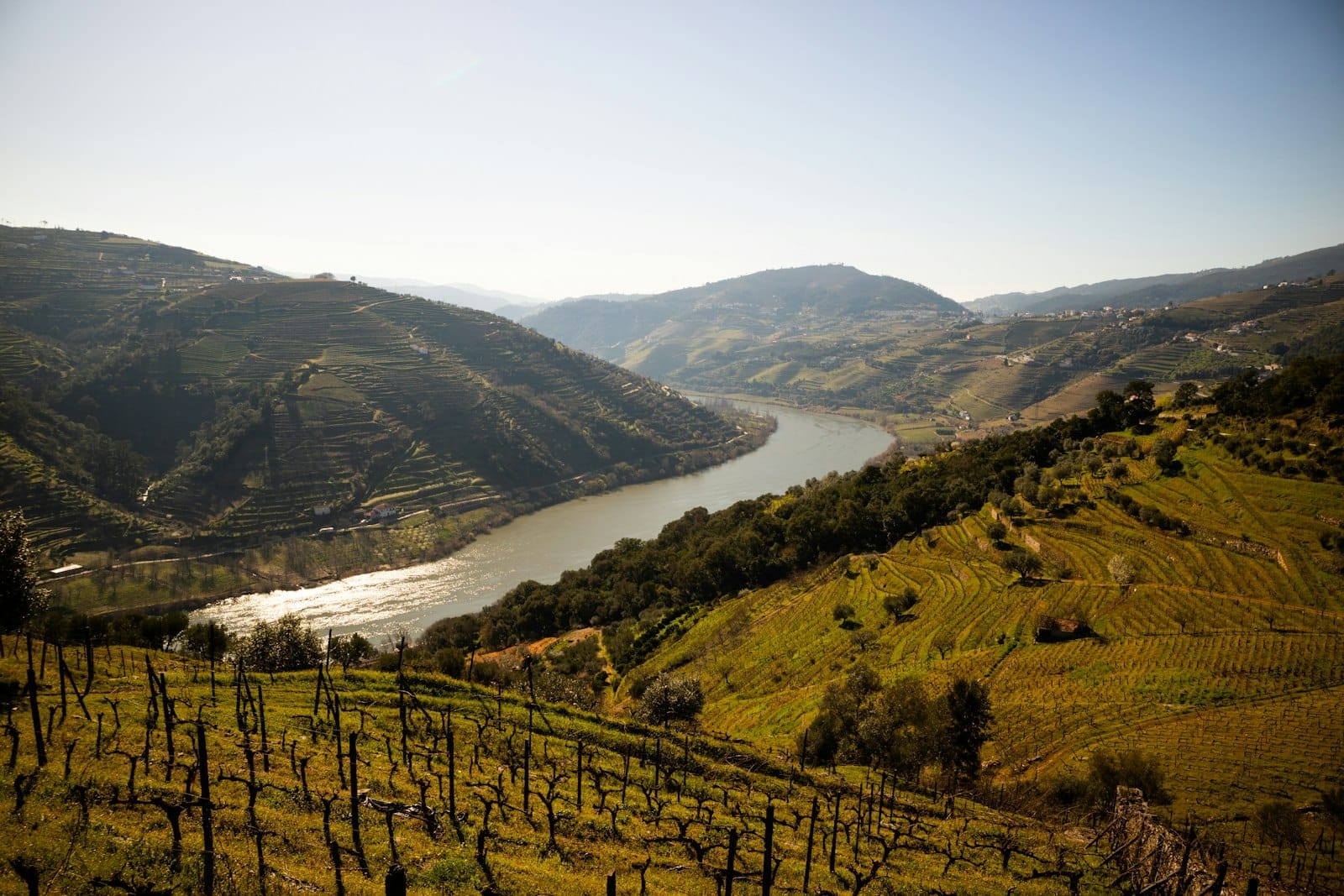
The Douro Valley, a UNESCO World Heritage Site since 2001, is the oldest demarcated wine region in the world, established in 1756. It produces the grapes that become port wine, the fortified wine synonymous with northern Portugal. But the valley is more than a wine destination. The landscape itself, carved terraces of schist and clay dropping down to an impossibly blue river, is the main event. On a clear day from a miradouro above Pinhão, you get a view that has no equivalent elsewhere in Europe.
The roughly 100-kilometre stretch of valley east of Mesão Frio toward the Spanish border contains hundreds of quintas (wine estates), some open to visitors and some not. For a day trip from Porto, you're realistically working with the western section, centered on Peso da Régua and Pinhão, which sits about 120 kilometres east of the city. Don't try to push further east in a single day unless you're comfortable with a very rushed return.
⚠️ What to skip
One of the most common mistakes on a Douro day trip is over-scheduling. Multiple wineries, a long river cruise, a leisurely lunch, and village stops sounds manageable on paper but falls apart fast. Pick one or two priorities and do them properly. A two-hour river cruise plus one winery visit with lunch is a genuinely satisfying, uncrowded day.
How to Get from Porto to the Douro Valley
You have three realistic options: organized tour, self-drive, or train. Each has meaningful trade-offs.
- Organized Tour (Recommended for Most Visitors) Departs from central Porto (commonly from Igreja da Lapa around 8:30), handles all logistics, and includes winery access, cruise transfers, and lunch. Prices range from around €75 to €150+ depending on group size and inclusions. No driving, no navigation, and guides provide context that adds genuine value to wine tastings.
- Self-Drive Takes about 1.5 to 2 hours via the A4 motorway toward Amarante, then southeast through Mesão Frio. The route is straightforward with GPS. Major upside: freedom to stop at viewpoints and explore villages at your own pace. Major downside: the driver cannot drink wine, which rather defeats the purpose at some quintas.
- Train (Comboios de Portugal) The Douro Line (Linha do Douro) runs from Porto Campanhã station to Peso da Régua and continues to Pinhão. The journey to Régua takes around 2 hours; Pinhão adds another 30 to 40 minutes. The riverside section from Régua to Pinhão is widely considered one of the most scenic train rides in Portugal. Check CP schedules carefully: services are not frequent, and missing your return train creates a long, expensive problem.
✨ Pro tip
If you take the train, consider a one-way scenic train from Régua to Pinhão and return by organized coach or tour vehicle. Some tour operators build this into their itinerary specifically to give you both the train experience and a guided return.
What to Do in the Douro Valley: Cost and Time Breakdown
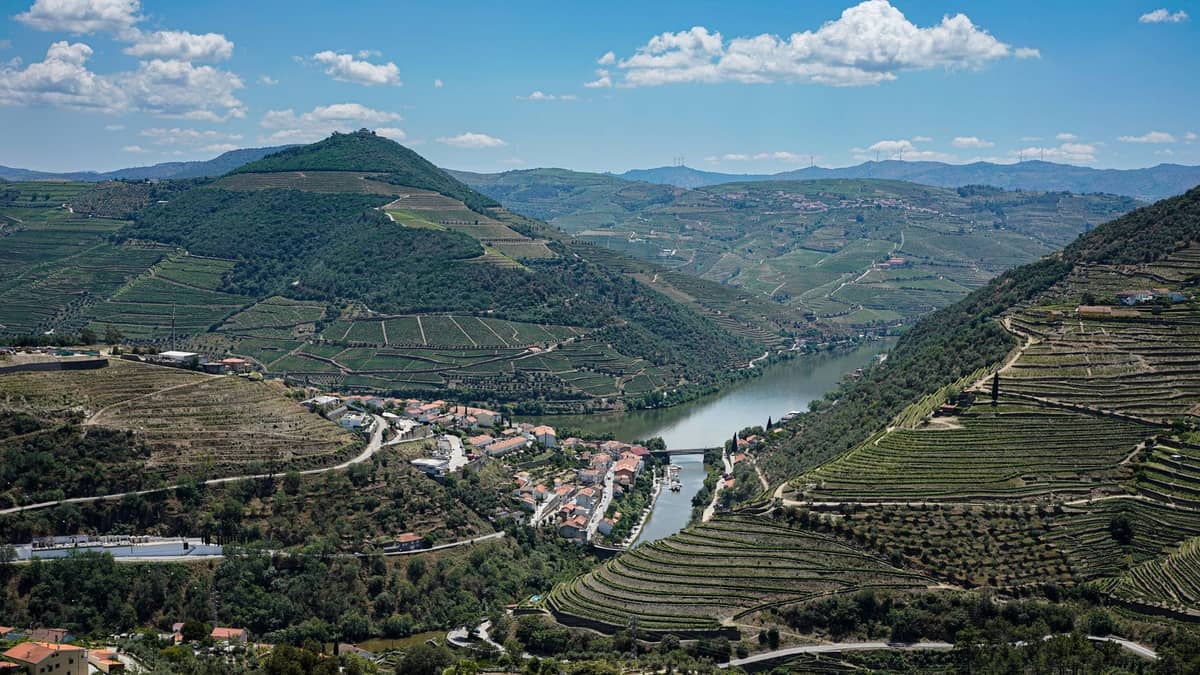
The four main activities on a Douro day trip are wine tastings at a quinta, a river cruise, lunch, and viewpoint stops. Here is what each realistically involves in terms of time and value.
Winery visits at a quinta typically last 60 to 90 minutes, including a tour of the cellar, an explanation of the winemaking process, and a tasting of three to five wines. Some quintas also include a tour of the vineyards and schist terraces. The experience is substantially better when booked in advance directly with the estate or through a tour that has a pre-arranged relationship with the winery. Turning up unannounced rarely works during high season.
A river cruise on the Douro covers the section between Régua and Pinhão, passing through rabelo boat territory (the flat-bottomed boats historically used to transport wine barrels downstream) and several working quintas. Shorter cruises run about 50 minutes; the full Régua-to-Pinhão run takes around 2.5 hours one way. If time is limited, the shorter loop cruise out of Pinhão gives you the scenery without consuming your entire afternoon. For context on the broader Douro cruise options available from Porto itself, see the Douro River cruise guide.
Lunch deserves at least 90 minutes. The regional cuisine in the Douro is genuinely excellent: slow-roasted bacalhau (salt cod), roasted kid goat, and cozido à portuguesa (a meat and vegetable stew) are typical. Many quintas offer winery lunches paired with their wines, which is worth the premium over a roadside restaurant if you are serious about the wine pairing experience.
Viewpoints (miradouros) require almost no time but should not be skipped. The viewpoint above Casal de Loivos, the terraces above São João da Pesqueira, and the Quinta do Crasto belvedere are among the most photographed spots in the valley. Factor in 20 to 30 minutes per stop if you're self-driving. Tour itineraries usually include one or two viewpoint stops.
- Quinta da Pacheca: one of the most visitor-friendly estates near Régua, with wine barrel accommodation and a strong tasting program
- Quinta do Crasto: excellent viewpoint and respected red wine producer, accessible from the south bank road
- Quinta de la Rosa: family-run estate between Régua and Pinhão with consistent tasting reviews and river access
- Quinta do Seixo (Sandeman): a larger, more commercially polished operation but reliable for first-timers
- Pinhão village itself: worth 30 minutes to see the azulejo tile panels at the railway station depicting valley life
Booking a Tour vs. Going Independent
For first-time visitors to the Douro, an organized tour removes a significant logistical burden. You do not need to pre-book winery appointments, navigate the narrow valley roads, or research which quintas accept walk-ins. Tours departing from central Porto typically leave from around 8:30 and return by early evening, giving you a complete 8 to 10 hour day. Viator and GetYourGuide are the two main platforms for booking these, with prices starting around €75 per person for a basic boat-and-wine-tasting package and climbing to €105 and above for tours that include vineyard visits and a winery lunch.
Independent visits make more sense if you're returning to the valley for a second or third time, or if you have a specific quinta you want to visit that isn't covered by standard tour itineraries. It's also worth noting that if you plan multiple days in the region rather than just a day trip, other day trips from Porto can be combined more efficiently with a car rental for a multi-day northern Portugal circuit.
💡 Local tip
Harvest season runs from late September through October. Visiting during this window means you may see actual grape-picking in the vineyards, which adds a layer of authenticity to the experience. It is also one of the busiest periods, so book at least two to three weeks ahead.
Seasonal Considerations and Timing
The Douro Valley is warmer and drier than coastal Porto, particularly in summer. July and August temperatures in the valley regularly reach 35 to 40°C in the interior sections. If you're visiting in peak summer, prioritize early morning vineyard visits and midday shade, and save outdoor viewpoint walks for late afternoon when the light is better and temperatures drop slightly.
Spring, specifically April through June, is widely considered the ideal window. The terraces are green, wildflowers cover the schist slopes, and temperatures sit comfortably in the mid-20s. September is also strong, combining the harvest energy with cooler evenings. Winter trips are possible but daylight is short (sunset by around 5:30 pm), boat cruises may run reduced schedules, and some smaller quintas close entirely. For broader context on when to visit the Porto region, the best time to visit Porto guide covers seasonal patterns in detail.
Villages, Culture, and What Gets Overlooked
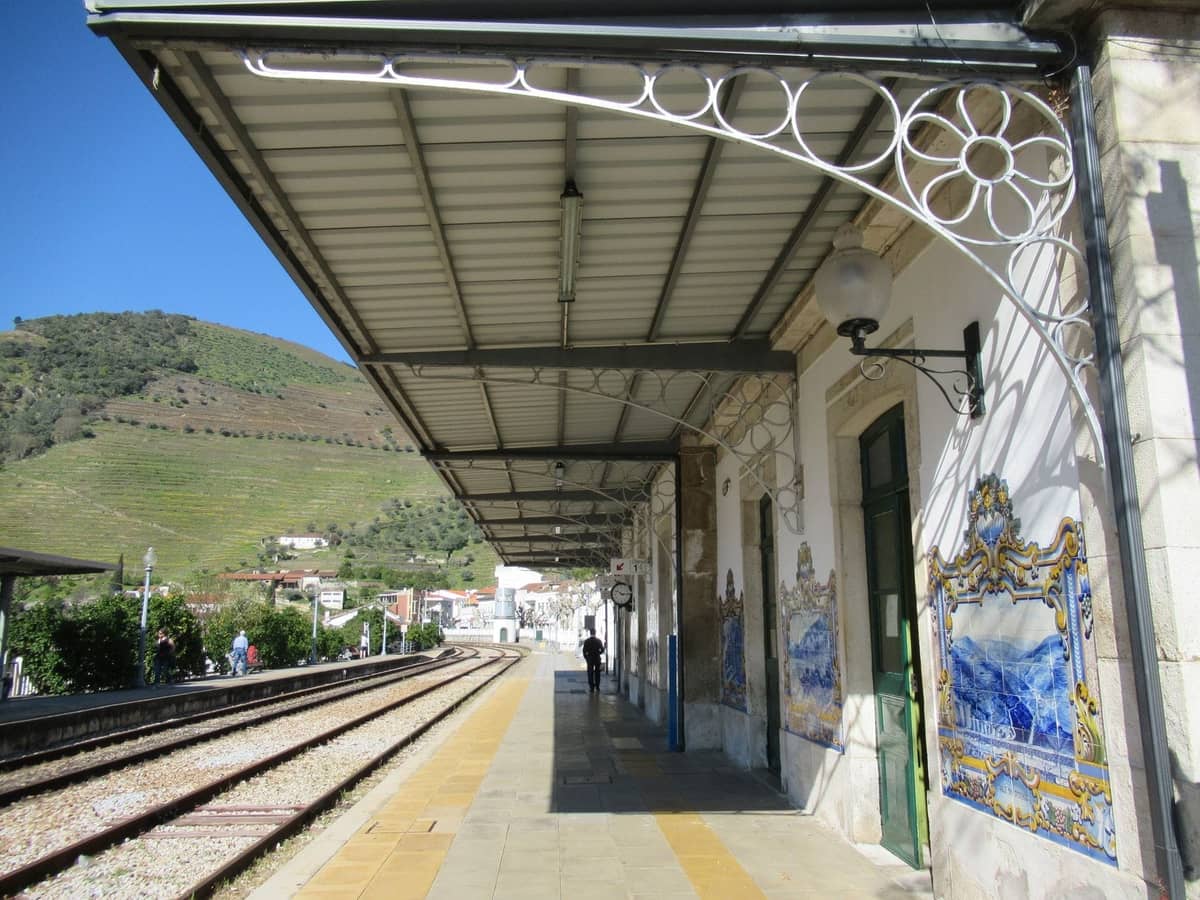
Most Douro day trips are wine-forward, which is understandable but means some genuinely interesting stops get skipped. Pinhão is the obvious base but spend a few minutes at the railway station, which is lined with 1937 azulejo tile panels depicting rural valley scenes by artist Jorge Colaço. They're among the better examples of narrative tilework outside of Porto's own churches.
Peso da Régua, the commercial capital of the port wine region, has the Museu do Douro, which provides solid context for the valley's wine history before or after you visit the quintas. It's particularly useful if you're arriving by train, since it sits close to the Régua station. Back in Porto, the WOW Porto cultural complex in Vila Nova de Gaia includes a dedicated wine museum that can supplement your understanding of the Douro's wine culture before you make the trip out.
The villages on the south bank of the Douro (the Rota do Douro route) tend to be quieter and less visited than the north bank quintas. If you're self-driving and want to avoid the convoy of tour buses, crossing to the south bank at Pinhão and following the quieter riverside roads gives you near-identical scenery with substantially fewer other vehicles.
FAQ
How long is the drive from Porto to the Douro Valley?
From central Porto to Peso da Régua takes around 1.5 hours by car via the A4 and A24 motorways in normal traffic conditions. Pinhão is about 20 to 30 minutes further east along the river. By train, the journey to Régua from Porto Campanhã takes approximately 2 hours; add another 30 to 40 minutes to reach Pinhão.
Is a Douro Valley day trip from Porto worth it?
Yes, provided your expectations are realistic. You will see some of the most dramatic wine country scenery in Europe and can combine a winery visit with a river cruise in a single day. What you cannot do in one day is cover the full valley, visit multiple wineries at a relaxed pace, and also explore several villages. Prioritize two or three experiences and treat the rest as a reason to return.
Do I need to book Douro Valley tours in advance?
Yes. Popular tours and winery visits fill up quickly, especially from May through October. Booking at least a week ahead is advisable; during harvest season (late September to October), two to three weeks ahead is more appropriate. Many quintas do not accept walk-in visits during peak periods.
Can I do the Douro Valley without a tour, by train or car?
Yes. The Douro Line train from Porto Campanhã to Régua and Pinhão is a genuinely scenic option and affordable. The trade-off is that train schedules are limited and you will need to arrange winery visits independently. Self-driving gives the most flexibility, but if wine tasting is your main goal, remember the driver cannot participate. Some visitors drive out, do a vineyard tour and lunch, and skip the wine in favour of olive oil and food tastings instead.
What is the best time of year for a Douro Valley day trip?
Late spring (April to June) and early autumn (September to October) offer the best conditions. Spring gives you green terraces and mild temperatures. Harvest season in late September and October adds the spectacle of active picking. Summer works but can be very hot inland; winter is possible but some quintas reduce hours and boat cruises may run limited services.