Port Wine in Porto: A Complete Guide to Wine Lodges & Tastings
Port wine is Porto's most famous export, but most visitors don't realize the lodges are actually across the river in Vila Nova de Gaia. This guide covers the top cellars, what tastings cost, how to book, and the differences between port styles so you get the most from your visit.
Plan and book this trip
Tools from our partner Travelpayouts help you compare flights and hotels. If you book through them, we may earn a commission at no extra cost to you.
Flights
Hotels map
TL;DR
- Port wine lodges are located in Vila Nova de Gaia, on the south bank of the Douro, not in Porto city itself.
- Standard cellar tours with tastings run around €20–€27 per person and last approximately one hour.
- Top lodges include Sandeman, Graham's, Taylor Fladgate, Cálem, and Ferreira. See the Sandeman Cellars and Graham's Port Lodge attraction pages for details.
- Book in advance, especially in summer and on weekends: timed tours by language sell out faster than most visitors expect.
- Port is produced in the Douro Valley, not in the city. Gaia lodges are used for ageing, blending, and bottling.
Why Port Wine and Porto Go Together
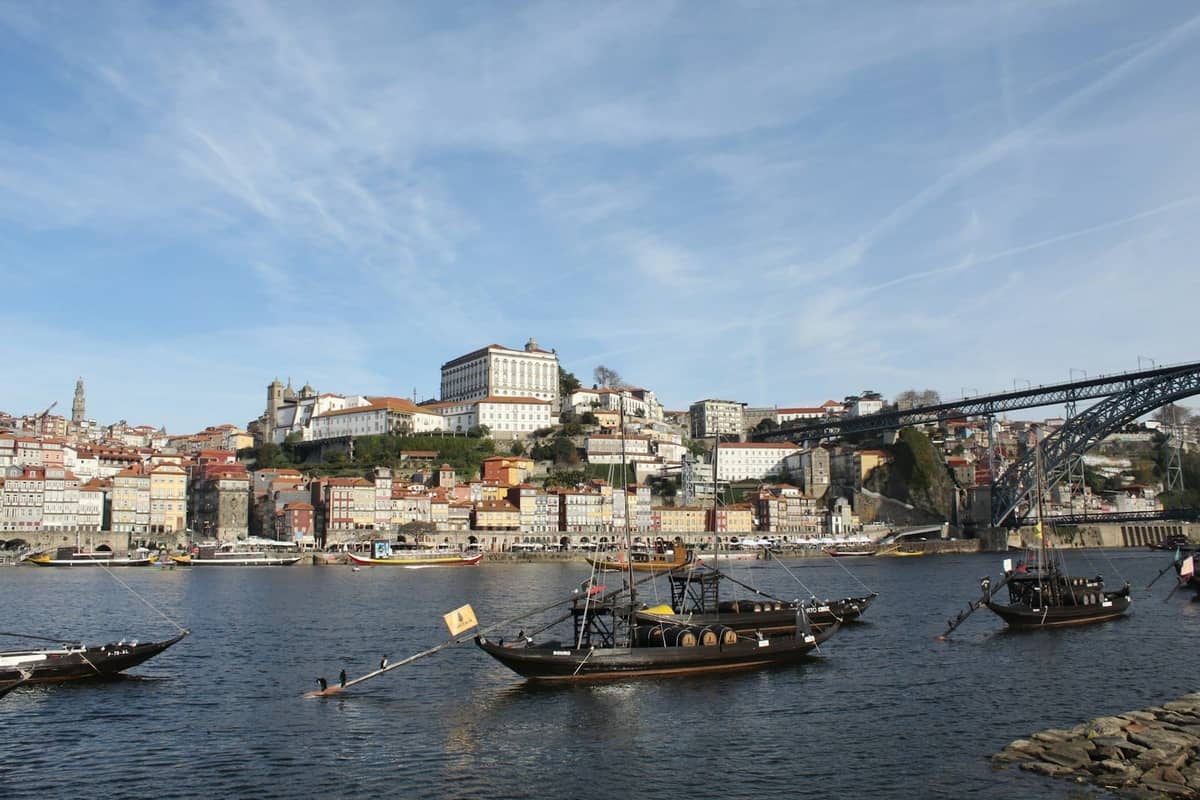
Port wine takes its name from Porto, but the actual production happens roughly 100 kilometres east in the Douro Valley, where grapes are grown on steep schist terraces and the wine is fortified with grape spirit. For centuries, barrels were loaded onto flat-bottomed rabelo boats and floated downriver to the estuary, where the cooler, more humid Atlantic climate made the lodges of Vila Nova de Gaia ideal for long-term ageing and blending. The name stuck, and Porto became the shipping hub for one of the world's most distinctive fortified wines.
Today, Vila Nova de Gaia is a separate municipality directly across the Dom Luís I Bridge from Porto's historic Ribeira quarter. The two riverbanks are so closely linked that most visitors treat them as one experience. You can walk from central Porto to the first Gaia lodges in under 20 minutes, which makes an afternoon cellar tour one of the most practical and rewarding things to do in the city.
ℹ️ Good to know
Vila Nova de Gaia is technically a different municipality from Porto. If you see a lodge listed under 'Gaia', that's correct. All the major port wine cellars sit on the Gaia side of the river, along Avenida de Diogo Leite and the surrounding streets.
Understanding Port Wine Styles Before You Visit
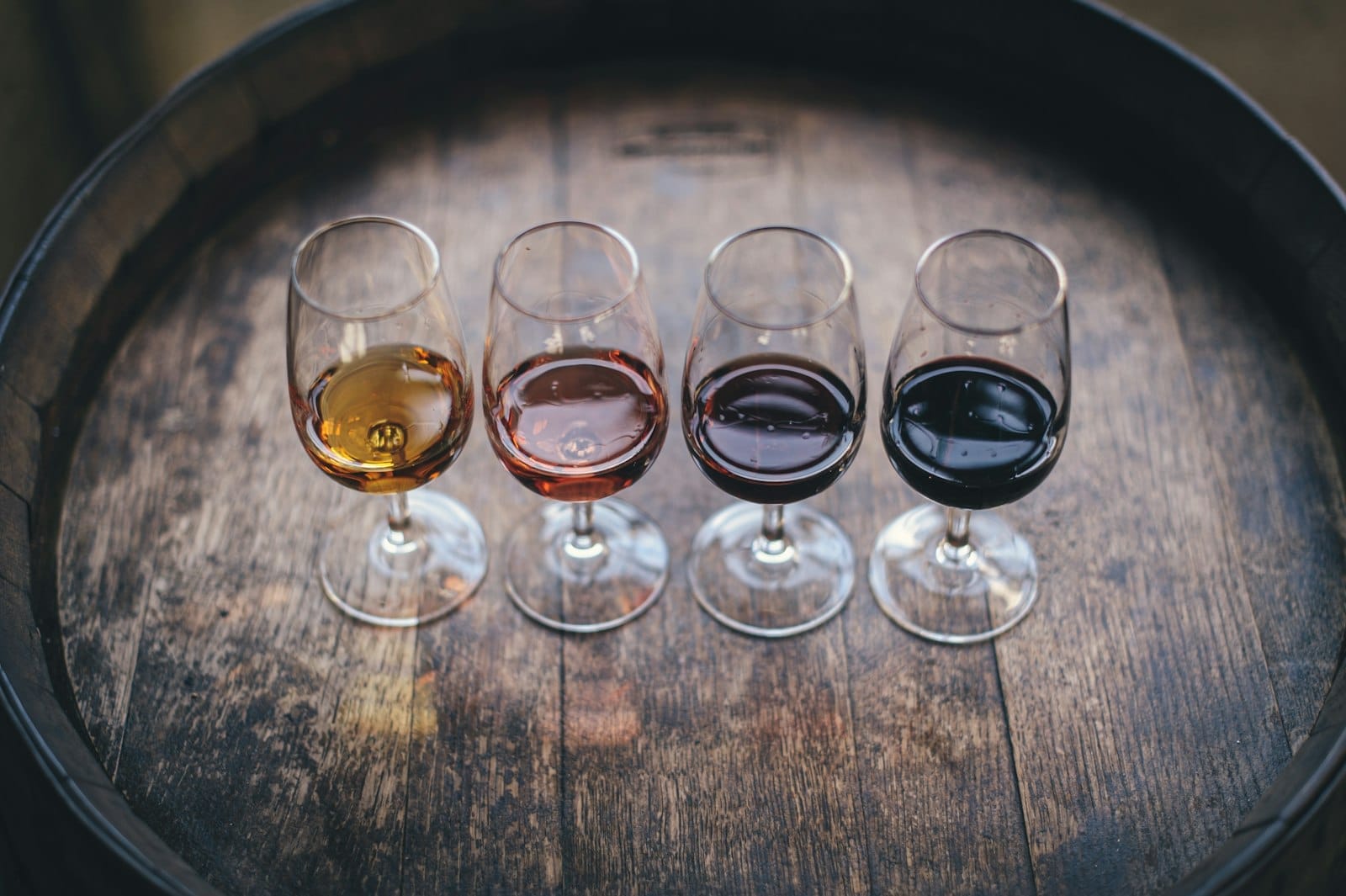
Not all port tastes the same, and understanding the main categories before a tasting makes the experience significantly more rewarding. White Port is lighter and served chilled, often as an aperitif with tonic water. Ruby Port is young, fruit-forward, and deep red. Tawny Port is aged in smaller barrels with deliberate oxidation, producing a nutty, amber wine that comes in 10, 20, 30, or 40-year age-indication expressions. Vintage Port is the prestige category: wine from a single declared vintage, aged in bottle rather than barrel, and only produced in exceptional years.
- White Port Light and fresh, best served chilled or in a Port & Tonic. Good entry point for those who find red port too heavy.
- Ruby Port Deep red, young, fruit-driven. The most widely recognisable style. Reserve and LBV (Late Bottled Vintage) are quality steps up.
- Tawny Port Aged oxidatively in small casks. 10-Year and 20-Year are the sweet spot for most visitors. Complex, nutty, with dried fruit and caramel notes.
- Vintage Port Single-year, bottle-aged wine from exceptional harvests. Rare, expensive, and not included in standard tastings. Premium lodge packages may include small pours.
- Colheita A single-harvest tawny, aged for at least seven years in cask. Often the most interesting pour in a premium tasting lineup.
✨ Pro tip
If you only have time for one style, ask for a 20-Year Tawny. It's the style that most consistently impresses first-time port drinkers and best represents the Gaia ageing tradition. Most lodges include it in their mid-tier tastings.
The Best Port Wine Lodges in Vila Nova de Gaia
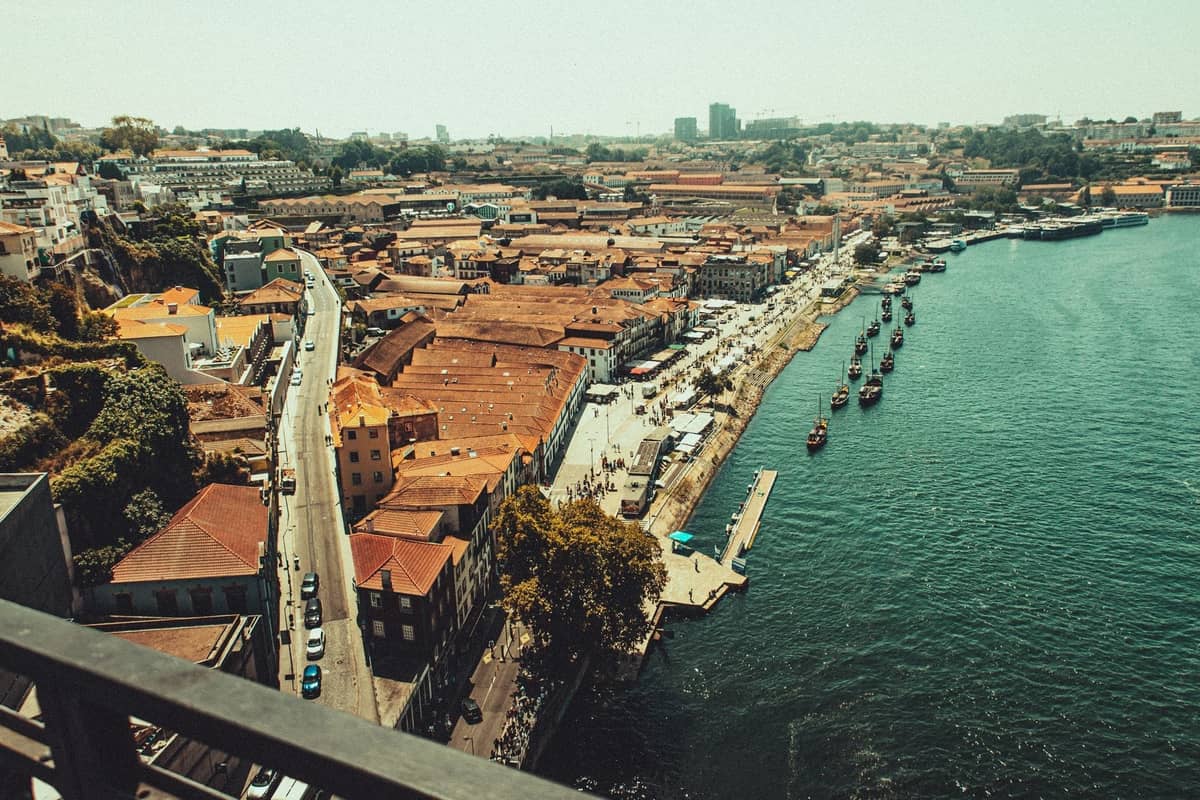
There are dozens of lodges in Gaia, ranging from massive commercial operations with multilingual tour groups cycling through every 15 minutes, to smaller family-owned houses where the visit feels genuinely personal. The right choice depends on what you want: spectacle and brand recognition, or depth and atmosphere.
- Graham's Port Lodge Set on a hilltop with panoramic Douro views, Graham's is widely regarded as the most atmospheric lodge in Gaia. Premium tastings can reach €60–€70 for vintage room experiences. The terrace alone justifies the visit.
- Taylor Fladgate One of the oldest English port houses, with a cellar open 10:00–18:15 and tasting room until 19:30 daily. Reduced hours on major holidays including Christmas Eve, New Year's Eve, and the São João festival on 23 June.
- Cálem Cellars The most visited lodge in Gaia, and for good reason: it combines a well-produced cellar tour with an optional live fado performance. Standard tour and tasting runs around €22; the fado combo is approximately €28. Book early for evening fado slots.
- Sandeman Cellars Recognisable worldwide by the 'Don' logo. Sandeman runs efficient, well-organised tours and is bookable through the Sogrape Wine Tourism platform alongside Ferreira, Offley, and Quinta do Seixo.
- Ferreira The oldest Portuguese-owned port house, founded in 1751. A good choice if you want context on the domestic side of the port trade rather than the British merchant tradition.
- Poças A smaller, family-owned lodge that accepts direct reservations and offers free cancellation up to 24 hours before. Open Tuesday to Sunday, 10:00–19:00 in summer (May–October) and 10:00–17:30 in winter. Closed Mondays. Guided visit and tasting around €23.
- Burmester A historic lodge with a strong reputation for aged tawnies. Guided visit and tasting approximately €23 per person. Less crowded than the biggest names, which makes for a more relaxed experience.
For a broader view of what's available along the waterfront, the Cais de Gaia promenade runs directly in front of several lodges and is a good starting point for deciding which to enter. You'll also find wine shops and bars here if you want to taste without committing to a full tour.
Prices, Booking, and What to Expect
Standard cellar tours with a three-glass tasting generally cost between €20 and €27 per person. Most last around one hour and include a walk through the ageing warehouses, an explanation of the production and classification process, and a seated tasting at the end. Premium experiences, including vintage room access or extended tasting menus, can reach €60–€70 at top houses like Graham's.
Booking ahead is strongly recommended from April through October, and essential on summer weekends. Tours run in fixed language slots (typically Portuguese, English, Spanish, and French), and English-language sessions fill up first. The Cálem fado combo is often sold out days in advance in July and August. Most lodges offer online booking through their own websites; Sandeman, Ferreira, Offley, and Quinta do Seixo are all managed through the Sogrape Wine Tourism platform at winetourism.sogrape.com.
⚠️ What to skip
Don't assume you can walk in. Some smaller houses still accept walk-ups, but the majority now operate on timed ticket systems. Turning up without a reservation in peak season often means joining a waitlist or missing the English-language tour entirely. Check the lodge's website before you travel.
Winter visits (November through February) are a different experience. Crowds are thinner, some lodges operate shorter hours, and a few smaller houses close on Mondays year-round. The trade-off is that you may get more personal attention from guides and a quieter tasting room. If the itinerary allows, a weekday morning visit in the shoulder season is genuinely one of the more pleasant ways to spend a few hours in Gaia.
Getting to the Lodges and Combining with Other Activities
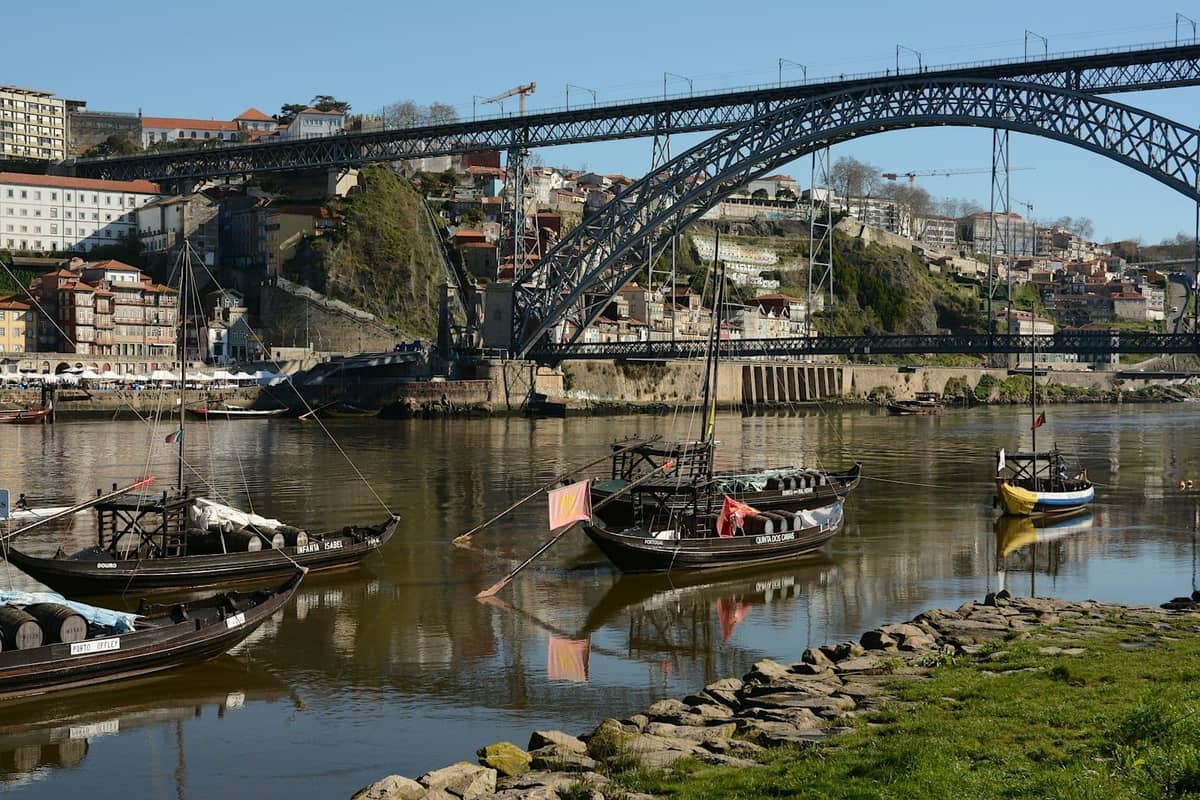
The lodges cluster along Avenida de Diogo Leite in Gaia, roughly a 10-minute walk from the southern end of the Dom Luís I Bridge. From central Porto, cross the lower deck of the bridge on foot from Cais da Ribeira and you'll reach the first cellars in under 15 minutes. The upper deck connects to the Monastery of Serra do Pilar and the Jardim do Morro viewpoint, which offers one of the best panoramas in the city before you descend to the lodges.
A popular add-on is the Douro River cruise, a 50-minute boat trip on a traditional rabelo, the flat-bottomed vessel historically used to bring port barrels downriver from the Douro Valley. Cruise operators line the Gaia waterfront and tickets are easy to buy on arrival, though again, book ahead in summer. The Gaia cable car runs from the riverfront up to the Serra do Pilar hilltop, offering a different angle on the city and river if you'd rather not climb on foot.
- Walk the lower level of Dom Luís I Bridge from Ribeira: flat, direct, no vehicles.
- Take Bus 900 or 906 from central Porto to Gaia if you prefer not to walk.
- The Gaia cable car (€7 one way, around €10 return) is a scenic alternative for getting up to Serra do Pilar.
- Lodges are walkable from each other along the riverfront, making it realistic to visit two in one afternoon.
- Combine a morning at the lodges with lunch at a Gaia riverside restaurant for a full half-day.
If you want to understand where port wine actually comes from, consider extending the trip with a Douro Valley day trip from Porto. The valley is about 1.5 hours by train or coach and gives context that no Gaia lodge tour can fully replicate. Seeing the terraced vineyards and tasting wine at a quinta (estate winery) makes the Gaia ageing cellars make much more sense.
Common Mistakes and Practical Tips
The biggest misconception is that a cellar tour in Gaia gives you an authentic look at wine production. It doesn't. What you see is ageing, blending, and bottling. The actual winemaking, harvest, and fermentation all happen in the Douro Valley. The tours are polished and genuinely informative, but they tell one part of the story.
Some visitors find the larger lodges feel more like theme parks than wine experiences. Cálem, Sandeman, and Taylor Fladgate handle substantial visitor numbers and the tours reflect that: well-rehearsed, efficient, with gift shops at the exit. That's not a criticism if you want a reliable, high-quality overview. But if you want a more intimate experience, Burmester or Poças will feel noticeably different.
It's also worth noting that you don't have to do a formal tour to taste port in Gaia. Several lodges have standalone wine bars and tasting counters where you can order by the glass without booking a tour. The WOW Porto cultural complex in Gaia includes multiple wine-focused experiences and museums that provide good context on Portuguese wine culture more broadly, including but not limited to port.
FAQ
How do I get to the port wine lodges from central Porto?
Walk across the lower deck of the Dom Luís I Bridge from Cais da Ribeira. It takes about 10–15 minutes on foot and drops you directly into the Gaia waterfront area where most lodges are located. Buses 900 and 906 also connect central Porto to Gaia if you prefer not to walk.
Do I need to book a port wine tasting in advance?
Yes, especially from April through October and on weekends year-round. English-language tour slots fill up quickly, and popular lodges like Cálem (particularly for the fado combo) can sell out days ahead in summer. Most lodges offer online booking through their own websites. Walk-ins are sometimes possible at smaller houses in the off-season, but it's not something to rely on.
How much does a port wine cellar tour cost?
Standard tours with a tasting typically cost between €20 and €27 per person. Cálem runs around €22 for a standard visit, and the fado combo is approximately €28. Premium or vintage room tastings at top lodges like Graham's can reach €60–€70. Prices should be verified on each lodge's official website before visiting as they change seasonally.
Is port wine actually made in Porto?
No. Port wine is produced in the Douro Valley, roughly 100 kilometres east of Porto. Grapes are grown and the wine is fortified there. The Gaia lodges are used for ageing, blending, and shipping. The name 'port' comes from Porto's historic role as the main export hub, not from the city being the production site.
Which port wine lodge is best for first-time visitors?
Graham's is widely regarded as the most atmospheric, with excellent panoramic views and high-quality tastings, though it sits uphill and premium experiences cost more. For a convenient, reliable first-visit experience with the option to add live fado, Cálem is a solid choice. If you want a smaller, less commercialised setting, Burmester or Poças are worth considering.