Best Time to Visit Porto: A Month-by-Month Guide for Every Type of Traveler
Porto rewards visitors differently depending on the season. This guide breaks down every month of the year, covering weather patterns, crowd levels, festivals, and practical advice so you can pick the window that matches your priorities.
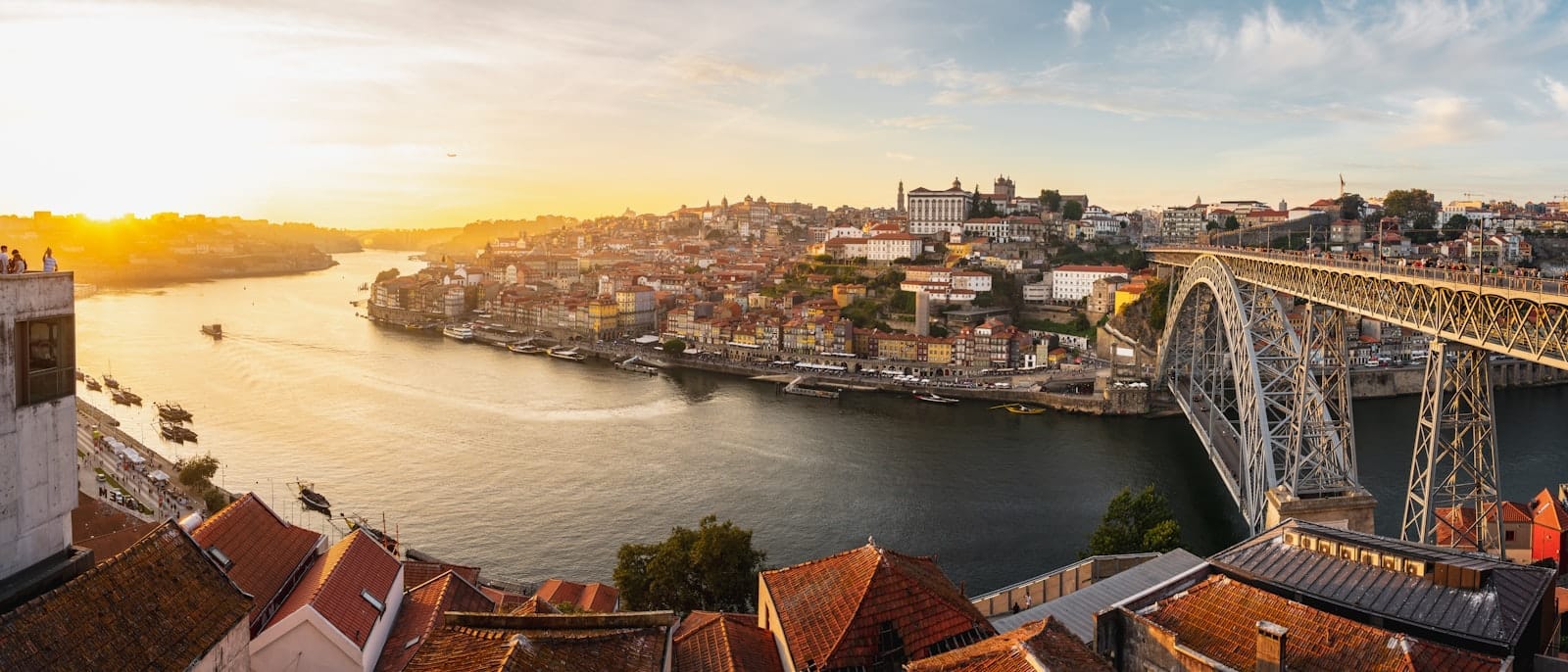
Plan and book this trip
Tools from our partner Travelpayouts help you compare flights and hotels. If you book through them, we may earn a commission at no extra cost to you.
Flights
Hotels map
TL;DR
- The best time to visit Porto is May–June or September–October: mild temperatures, manageable crowds, and good sightseeing conditions.
- August is the hottest month and peak season — expect higher prices and more tourists, especially around Ribeira and Vila Nova de Gaia.
- June 23–24 is São João, Porto's biggest street festival — book accommodation months in advance if visiting around that date.
- November through March is consistently wet and cool; not ideal for outdoor sightseeing, but fine for museum-heavy itineraries and lower prices.
- September doubles as the Douro grape harvest season — pair a Porto city visit with a Douro Valley day trip for the full experience.
Porto's Climate at a Glance
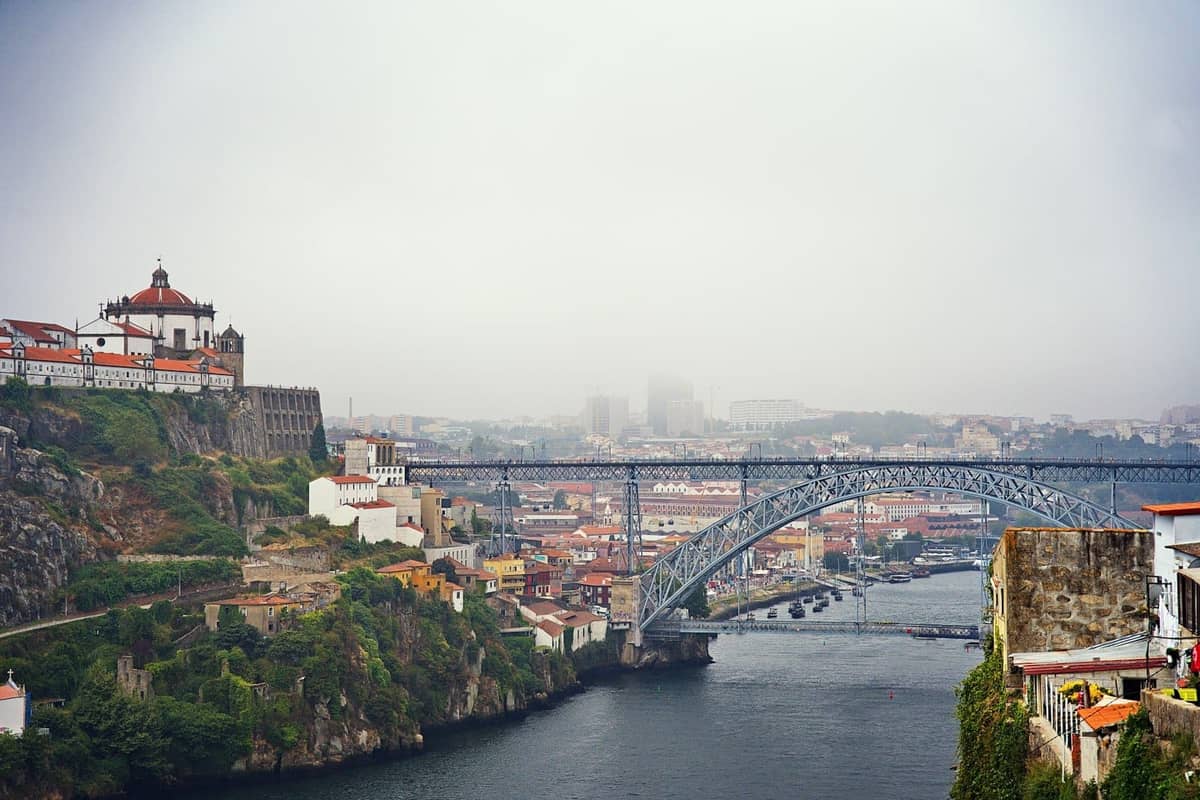
Porto sits at the mouth of the Douro River on Portugal's Atlantic coast, and its temperate oceanic climate reflects that position. Summers are warm and relatively dry; winters are mild by northern European standards but genuinely wet. The city is not a year-round sunshine destination. Rain is a realistic expectation from October through May, and planning around that reality is the difference between a frustrating trip and a great one.
The warm season runs roughly from mid-June to mid-September, with average highs around 21–25°C. July is statistically the driest month, August the hottest. Winter temperatures rarely drop below 5°C, but persistent grey skies and rain from November through February make outdoor exploration less enjoyable. Spring and early autumn are the sweet spots: temperatures in the comfortable 18–23°C range, longer daylight hours than winter, and noticeably fewer tourists than July and August.
⚠️ What to skip
Porto is not a 'winter sun' destination. Multiple climate sources confirm that October through May sees regular rainfall, sometimes heavy. Pack a waterproof layer regardless of when you travel.
Month-by-Month Breakdown
January and February are Porto's quietest and cheapest months. Expect temperatures around 8–14°C, frequent rain, and a city that feels genuinely local rather than tourist-oriented. Hotel rates drop significantly, Livraria Lello has shorter queues, and restaurants near São Bento are easier to walk into without a reservation. The trade-off: several outdoor attractions are less rewarding in grey weather, and some smaller guesthouses reduce operations.
March and April bring longer days and occasional warm spells, but rain remains common — April in particular can be deceptively wet. These months suit travelers who want the lower prices of winter without the full cold. The Palácio de Cristal Gardens and Serralves Park are at their most photogenic in spring bloom, making this period worthwhile despite the rainfall risk.
May is where the balance tips in the traveler's favor. Temperatures climb to 18–22°C, rain becomes infrequent, and the city hasn't yet filled with summer crowds. It's consistently one of the best months for walking tours, outdoor dining, and day trips. Prices remain lower than July or August, and accommodation is generally available without booking six months ahead.
June is excellent, with one important caveat: the São João festival on the 23rd and 24th transforms Porto into one of Europe's most atmospheric street parties. Hundreds of thousands gather on the streets, rooftops, and along the Douro waterfront. It's genuinely worth experiencing — but it does push accommodation rates up and makes the city very busy around Baixa and the riverfront. Book at least two to three months in advance if your dates overlap with São João.
July and August are peak season. The weather is reliably warm and dry, beaches at Matosinhos and Foz do Douro fill up, and the city runs at full tourist capacity. Attractions like Livraria Lello require timed-entry tickets booked well ahead, and the narrow streets of Ribeira can feel overcrowded by mid-afternoon. If you travel in August, arrive at major sights before 10:00 AM. Prices for flights and hotels are at their annual high.
September is many experienced travelers' preferred month for Porto. Summer heat has softened to the low-to-mid 20s°C, crowds thin out noticeably after the first week, and the Douro Valley enters grape harvest season. Combining a few days in Porto with a Douro Valley wine tour in September gives you the best of both. The Cais da Ribeira waterfront is far more walkable in September than in August.
October is a transitional month — the first autumn rains return, but temperatures are still pleasant, around 17–21°C. It's a solid choice for travelers who prioritize lower prices and a quieter atmosphere over guaranteed sunshine. November marks the real onset of Porto's wet season. Rain becomes frequent, daylight shortens, and the city slows down. Worthwhile for budget travelers and those focused on indoor experiences, but not recommended for a first visit if flexibility allows.
December has the highest average precipitation of any month. Christmas markets and festive lighting do give the city seasonal charm, but cold rain is a daily reality. New Year's Eve sees some street celebrations, and hotel rates spike for the final days of December before dropping again in January.
Best Time to Visit Porto Based on Your Priorities
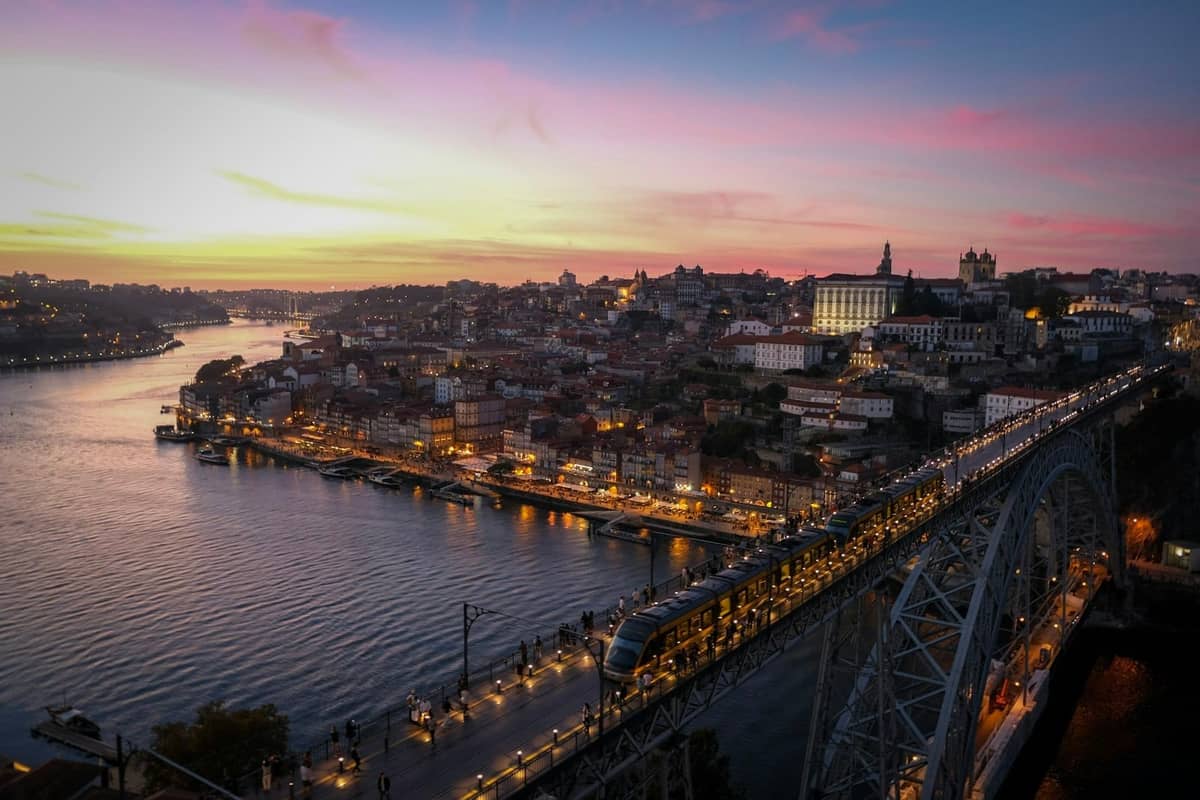
- Best weather + fewest crowds September, specifically the second half. Summer heat has gone, school holidays are over, and the city breathes again.
- Best for festivals and atmosphere Late June. The São João festival on June 23–24 is the single most immersive cultural experience Porto offers to visitors.
- Best for wine touring May–June or September–October. September aligns with the Douro harvest; May and October offer quieter lodge visits with no harvest rush.
- Best for budget travelers January–February or November. Lowest prices across accommodation and flights, though you accept the rain and limited sunshine.
- Best for beach days July–August. Matosinhos beach and the coast at Foz do Douro are reliably warm. The Atlantic stays cool regardless of air temperature.
- Best for a first visit May or early June. Good weather, all attractions operating, manageable crowd levels, and prices not yet at summer peak.
✨ Pro tip
If you're visiting for São João (June 23–24), stay within walking distance of the Douro waterfront. The narrow roads become completely impassable by car or taxi by evening, and the whole point of the festival is to be out on the streets.
Crowds, Prices, and Practical Booking Windows
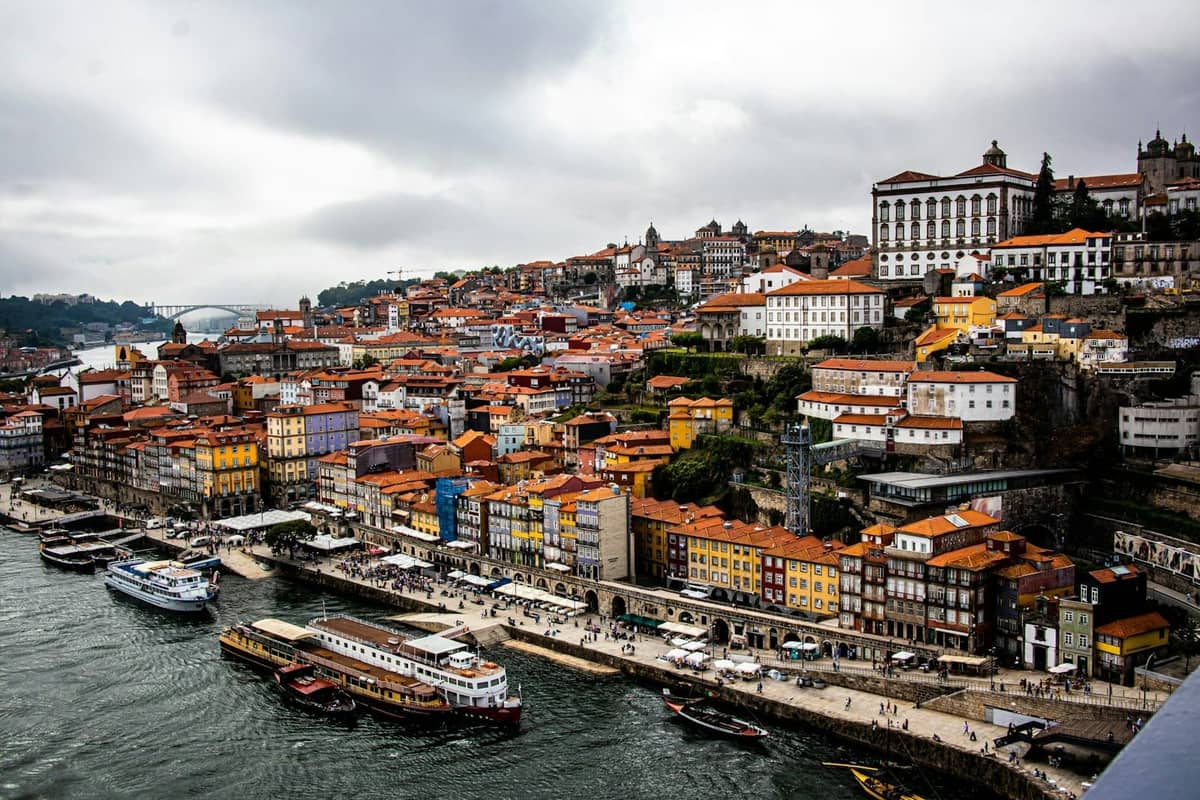
Porto has grown significantly as a tourist destination over the past decade, and peak season pressure is real. July and August see the highest occupancy rates across all accommodation categories. Budget hostels in Ribeira and the historic centre can fill weeks in advance. Mid-range hotels near Avenida dos Aliados remain bookable with a few weeks' notice in spring, but expect that window to tighten by June.
For attractions with limited capacity, forward booking is increasingly non-optional. Livraria Lello requires timed-entry tickets purchased online. The Palácio da Bolsa Arabic Room tours run on a schedule and fill up in summer. Port wine lodge tastings in Vila Nova de Gaia, particularly at premium producers, are best reserved at least a few days ahead in July and August.
- Book accommodation in late June (São João period) at least 2–3 months ahead.
- Book July–August accommodation 6–8 weeks out minimum for decent options at reasonable prices.
- May, September, and October: 2–4 weeks notice usually sufficient for most accommodation categories.
- January–March: last-minute booking is generally fine, though the selection of open guesthouses narrows.
- Flights to Francisco Sá Carneiro Airport (OPO) are cheapest in November–February and most expensive in July–August.
Seasonal Tips for Getting the Most Out of Porto
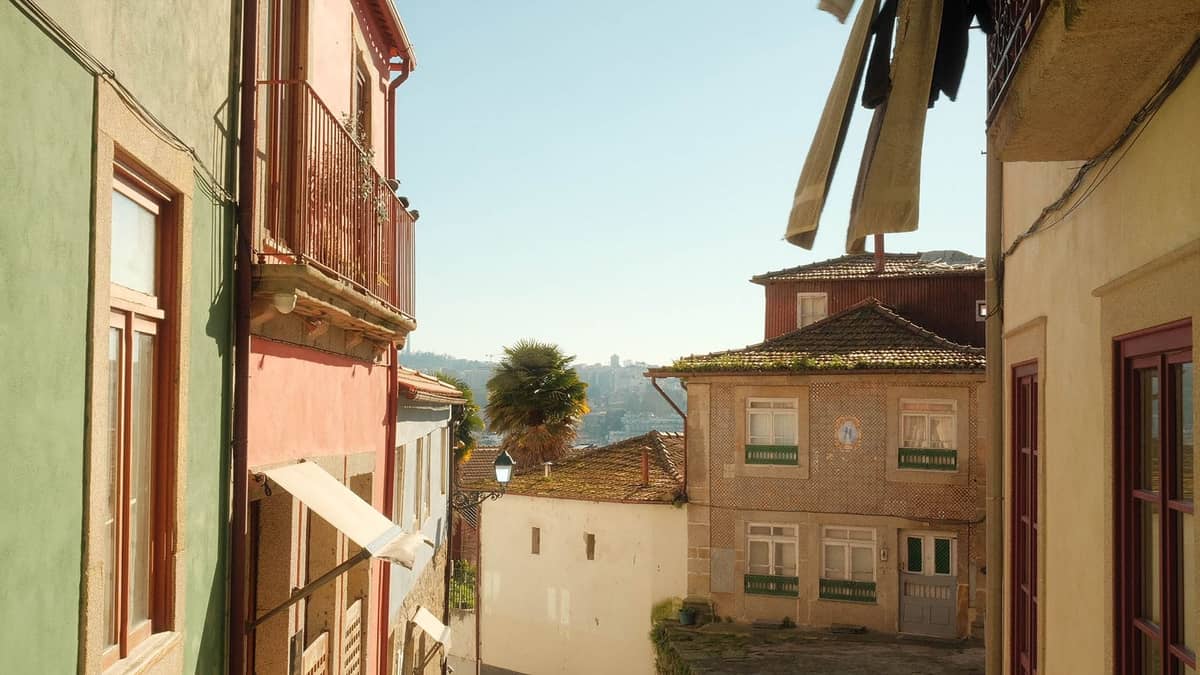
Regardless of when you visit, Porto rewards those who explore beyond the main tourist drag. The Ribeira waterfront is genuinely beautiful but gets crowded; districts like Cedofeita and Bonfim show a different, more everyday side of the city. These neighborhoods hold up well in all seasons.
Winter visitors should lean into Porto's strengths as a food and wine city. The port wine lodges in Vila Nova de Gaia operate year-round and are far less crowded in January than in August. The Mercado do Bolhão is an excellent indoor destination in any weather, as is the Serralves Museum in Boavista.
Summer visitors should use Porto as an evening city. The heat peaks between noon and 4:00 PM; that's the time to retreat to a port wine cellar tasting, a riverside café, or the cool interior of the São Bento railway station. Save walking tours for before 11:00 AM or after 6:00 PM, when the light is better for photography anyway.
💡 Local tip
Porto's hills mean that even on warm days, a light layer is useful in the evenings near the river. The Atlantic breeze picks up after sunset, particularly in Foz do Douro and along the Cais da Ribeira.
FAQ
What is the best time of year to visit Porto?
May, June, and September offer the most consistent combination of good weather, manageable crowds, and reasonable prices. September is particularly well-regarded because summer heat has eased, tourist numbers drop, and the Douro Valley grape harvest adds a seasonal bonus for wine travelers.
Is Porto worth visiting in winter?
Yes, with realistic expectations. November through February is wet and cool, but the city is far less crowded, accommodation prices are at their lowest, and indoor experiences like port wine tastings, museums, and traditional restaurants are fully operational. It's not ideal for beach days or extensive outdoor walking, but Porto has enough depth to reward a winter trip.
How busy is Porto in August?
August is the busiest month of the year. Major attractions require advance booking, Ribeira and the Dom Luís I bridge area are crowded by mid-morning, and accommodation prices are at their peak. Traveling in late August into September offers most of the summer perks with noticeably fewer crowds.
When is the São João festival in Porto?
São João is celebrated on the night of June 23rd into June 24th. It is Porto's most important annual celebration, involving street parties, fireworks over the Douro, and sardine grills citywide. Accommodation books out early for these dates — plan at least two to three months ahead.
Does it rain a lot in Porto?
Porto receives more rainfall than Lisbon, largely due to its northern Atlantic position. The wet season runs from roughly October through April, with November and December seeing the heaviest precipitation. June through September is reliably drier, with July typically the driest month of the year.